

International
Crowds overrun US-backed group’s new aid distribution site in Gaza

Crowds overrun US-backed group’s new aid distribution site in Gaza
Thousands of Palestinians have overrun an aid distribution site in Gaza set up by a controversial US and Israeli-backed group, a day after it began working there.
Videos showed crowds walking over torn-down fences and earth berms at the Gaza Humanitarian Foundation’s (GHF) compound in the southern city of Rafah.
The group said that at one point its team fell back because the numbers seeking aid were so great. The Israeli military said troops nearby fired warning shots.
The GHF, which uses armed American security contractors, aims to bypass the UN as the main supplier of aid in Gaza, where experts have warned of a looming famine after an 11-week Israeli blockade that was recently eased.
The UN said the videos from Rafah were “heartbreaking” and that it had a detailed plan ready to get enough aid to the “desperate population” of 2.1 million.
The UN and many aid groups have refused to co-operate with GHF’s plans, which they say contradict humanitarian principles and appear to “weaponise aid”.
They have warned that the system will practically exclude those with mobility issues, force further displacement, expose thousands of people to harm, make aid conditional on political and military aims, and set an unacceptable precedent for aid delivery around the world.
READ ALSO:
- Syrian admits triple murder at trial for German knife attack
- Police arrest 27 after mob killed Kano DPO
- FG orders 3-year ban on all exam bodies for candidates caught in malpractice
Israel has said an alternative to the current aid system is needed to stop Hamas stealing aid, which the group denies doing.
The GHF said it had given out the equivalent of 462,000 meals through a partnership with local non-governmental organisations.
However, it added Palestinians had experienced several hours of delays in accessing one site “due to blockades imposed by Hamas”, without providing evidence.
US President Donald Trump and Secretary of State Marco Rubio support “bold” and “out-of-the-box efforts” to make life better for the people of Gaza, said a senior Trump administration official.
On Tuesday afternoon, Israeli and Palestinian media shared videos showing thousands of men, women and children streaming into one of the distribution sites. In one clip, some people are seen running and ducking as what appear to be gunshots ring out.
Witnesses described a scene of chaos as people seized food parcels and other aid. They also said Israeli troops stationed nearby had opened fire.
“The situation was extremely difficult. They only allowed 50 people to cross at a time,” one man told BBC Arabic’s Middle East daily radio programme. “In the end, chaos broke out – people climbed over the gates, attacked others, and took all the [aid].”
“It was a humiliating experience,” he added.
A woman said “people are exhausted – willing to do anything, even risk their lives – just to find food and feed their children.”
The Israel Defense Forces (IDF) said its troops had fired “warning shots in the area outside the compound”.
“Control over the situation was established, food distribution operations are expected to continue as planned, and the safety of IDF troops was not compromised,” it stated.
READ ALSO:
- Ibadan sex worker arraigned for reportedly stabbing colleague
- Subsidy scam: Ex-PDP chairman’s son, accomplice jailed 14 years each
- Many trapped as uncompleted building collapses in Ikorodu (video)
Gaza’s Hamas-run Government Media Office said Israel’s efforts to distribute aid had “failed miserably”. It also denied that Hamas had tried to stop civilians reaching the GHF’s sites.
At a news conference in New York, UN spokesman Stéphane Dujarric called the footage “heartbreaking”.
“We and our partners have a detailed, principled, operationally sound plan supported by member states to get aid to a desperate population. We continue to stress that a meaningful scale-up of humanitarian operations is essential to stave off famine and meet the needs of all civilians wherever they are,” he added.
The US state department’s spokeswoman called the UN’s criticism “the height of hypocrisy”.
“It is unfortunate, because the issue here is giving aid to Gaza, and then suddenly it moves into complaints about style or the nature of who’s doing it,” Tammy Bruce told reporters.
Challenged by the BBC about the independence and neutrality of the GHF, Bruce acknowledged there are “some disagreements” about how the distribution of food and aid into the region is “being implemented”.
But she added: “I think that most of us would agree that this is good news… the real story here is that there’s food aid going in.”
The GHF sites are meant to be secured by American contractors, with Israeli troops patrolling the perimeters. To access them, Palestinians are expected to have to undergo identity checks and screening for involvement with Hamas.
UN and other aid agencies have insisted they will not co-operate with any scheme that fails to respect fundamental humanitarian principles of humanity, impartiality, independence and neutrality.
On Sunday night, Jake Wood resigned as the GHF’s executive director, saying the group’s system could not work in a way that would be able to fulfil those principles.
The GHF’s board rejected the criticism and accused “those who benefit from the status quo” of being more focused on “tearing this apart than on getting aid in”.
The group also alleged on Monday that Hamas had made death threats to NGOs supporting its distribution sites and attempted to block civilians from accessing the aid.
Hamas has publicly warned Palestinians not to co-operate with GHF’s system.
Israel imposed a total blockade on humanitarian aid and commercial supplies to Gaza on 2 March and resumed its military offensive two weeks later, ending a two-month ceasefire with Hamas. It said the steps were meant to put pressure on the armed group to release the 58 hostages still held in Gaza, up to 23 of whom are believed to be alive.
On 19 May, the Israeli military launched an expanded offensive that Prime Minister Benjamin Netanyahu said would see troops “take control of all areas” of Gaza. The plan reportedly includes completely clearing the north of civilians and forcibly displacing them to the south.
Netanyahu also said Israel would temporarily ease the blockade and allow a “basic” amount of food into Gaza to prevent a famine, following pressure from allies in the US.
Since then, Israeli authorities say they have allowed at least 665 lorry loads of humanitarian aid, including flour, baby food and medical supplies, into Gaza.
However, more than 400 loads were on the Gazan side of the Kerem Shalom crossing awaiting distribution by the UN as of Tuesday evening, according to the Israeli military body in charge of aid co-ordination, Cogat. It called on the UN to “do its job”.
There was no immediate comment from the UN, but it said last week that its teams faced significant challenges in collecting supplies due to insecurity, the risk of looting and co-ordination issues with Israeli forces.
Half a million people face starvation in the coming months, according to an assessment by the UN-backed Integrated Food Security Phase Classification (IPC).
Israel launched a military campaign in Gaza in response Hamas’ cross-border attack on 7 October 2023, in which about 1,200 people were killed and 251 others were taken hostage.
At least 54,056 people have been killed in Gaza since then, including 3,901 over the past 10 weeks, according to the territory’s Hamas-run health ministry.
Crowds overrun US-backed group’s new aid distribution site in Gaza









International
UK Approves Defensive Military Support for Saudi Arabia as Houthi Attacks Escalate
UK Approves Defensive Military Support for Saudi Arabia as Houthi Attacks Escalate
The United Kingdom has approved limited military support for Saudi Arabia after Riyadh requested assistance to counter escalating attacks by Yemen’s Houthi movement.
British Prime Minister Andy Burnham said the UK would provide defensive air-to-air refuelling for Saudi aircraft under a time-limited arrangement that will initially involve the deployment of a Royal Air Force Voyager aircraft.
Burnham announced the decision on Monday while travelling to New York for the United Nations General Assembly, saying he approved the Saudi request following advice from the British defence and foreign secretaries.
The RAF Voyager is expected to help refuel Saudi fighter aircraft in the air, allowing them to remain operational for longer as Saudi Arabia responds to Houthi missile and drone attacks.
The British government has described the assistance as defensive military support, rather than an agreement for British forces to join offensive operations against Houthi targets.
Burnham said the arrangement would be temporary and kept under review.
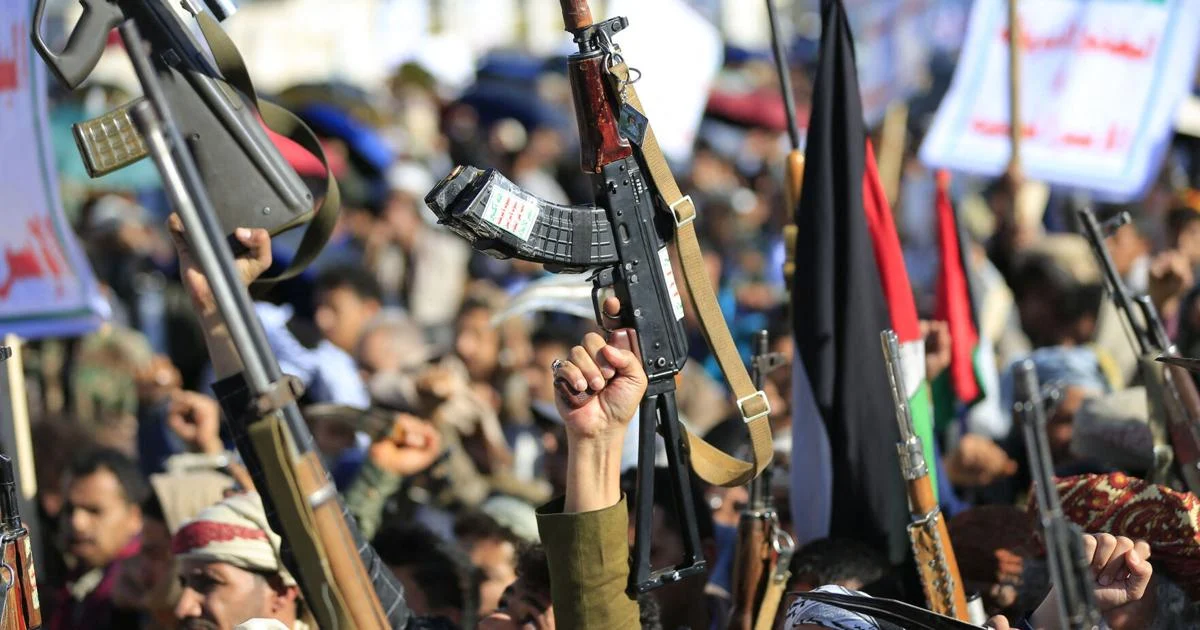
The decision follows an escalation in fighting in Yemen, with Houthi forces intensifying attacks on Saudi Arabia since July.
According to the UK government, Houthi missiles and drones have targeted cities, airports, military facilities and energy infrastructure in Saudi Arabia, while attacks have also affected Saudi-linked shipping in the Red Sea.
British officials have warned that the escalation threatens regional stability and freedom of navigation through the Red Sea and Bab al-Mandeb Strait, one of the world’s important maritime routes.
READ ALSO:
- UK Student Visa: 63 Countries Exempt From Proof of Funds, Nigeria Excluded
- Lagos Intensifies Surveillance as Adulterated Palm Oil Raises Food Safety Concerns
- Saudi Arabia Rejects Nigeria’s Request for More 2027 Hajj Slots
The UK government said Houthi attacks on Saudi Arabia had injured civilians, damaged homes and residential areas and disrupted commercial aviation.
The conflict has also created a growing humanitarian crisis in Yemen, with the UK saying more than 126,000 people have been displaced amid the renewed fighting.
Humanitarian agencies have reported increasing food insecurity and growing health and protection needs, particularly among women and children.
The British government has called on the Houthis to end their attacks, release detained humanitarian, United Nations and diplomatic personnel and return to the UN-led peace process.
London has also accused Iran of providing longstanding support to the Houthis, saying that assistance has enabled attacks affecting civilians, neighbouring countries and maritime security. Iran’s role remains part of the wider regional dispute.
The latest British deployment adds to an existing UK-Saudi defence relationship.
Earlier this year, Britain deployed its Sky Sabre air-defence system to Saudi Arabia to help protect the kingdom against missile threats.
The new RAF support comes as the Houthis have expanded their military presence along Yemen’s Red Sea coast, increasing international concern about the security of commercial shipping and energy supplies.
The strategic importance of the Bab al-Mandeb Strait has made the latest escalation particularly significant for international trade.
The UK government has said the disruption of major shipping routes could have wider economic consequences, while Burnham linked regional stability to protecting Britain’s economic interests and limiting further pressure on energy and living costs.
The Houthis control Yemen’s capital, Sana’a, and large parts of the country’s most populated areas. Their renewed conflict with Saudi Arabia and Yemen’s internationally recognised government has added another layer to the wider instability in the Middle East.
Saudi Arabia has for years maintained close defence and security ties with Britain and has been one of the UK’s major defence customers.
Under the new arrangement, however, Britain’s immediate military role is limited to the agreed defensive support.
The deployment of the RAF Voyager is expected to begin within days, with the duration of the assistance subject to review.
The UK has said it will continue working with regional and international partners to support regional stability, civilian protection and humanitarian access while backing diplomatic efforts to end the conflict.
The latest development places Britain more directly alongside Saudi Arabia as Riyadh responds to the renewed Houthi attacks, while also highlighting the wider implications of the Yemen conflict for Red Sea shipping, energy supplies and Middle East security.
UK Approves Defensive Military Support for Saudi Arabia as Houthi Attacks Escalate
International
US Allows Iran’s Core UN Delegation, Denies Visas to Some Officials
US Allows Iran’s Core UN Delegation, Denies Visas to Some Officials
The United States has refused to issue visas to some members of Iranian President Masoud Pezeshkian’s delegation, including members of his communications team, ahead of his planned appearance at the United Nations General Assembly (UNGA) in New York.
Iranian state media reported the visa refusals on Monday, September 21, 2026, while confirming that the United States has authorised the core Iranian delegation to travel to New York for the high-level UN gathering.
Pezeshkian is expected to address the 81st UN General Assembly on Wednesday, making his planned visit the highest-level Iranian presence in the United States since the conflict involving Iran, Israel and the US escalated earlier this year.
Iran’s state news agency, IRNA, reported that the Trump administration had denied visas to certain members of Pezeshkian’s high-level delegation, including personnel responsible for communications.
The Mehr news agency also reported the visa denials, citing a spokesperson for the Iranian presidency.
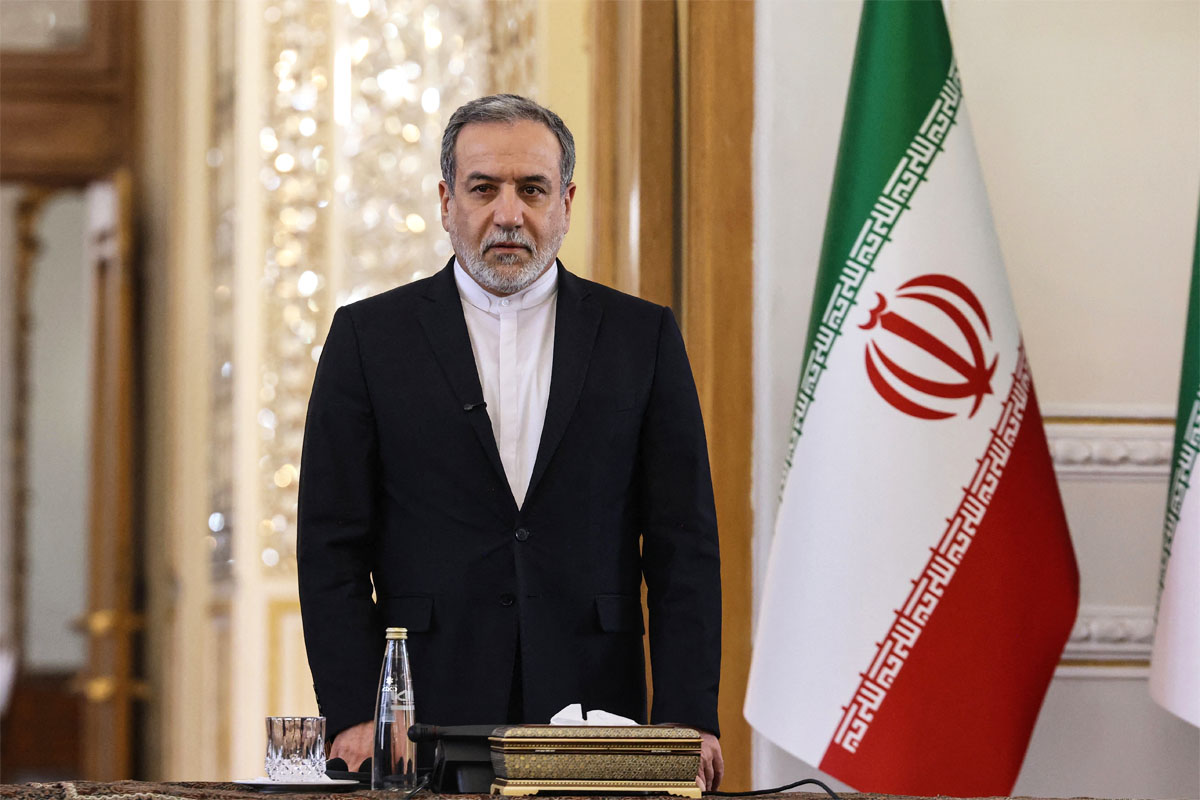
The decision does not amount to a blanket refusal of entry to the Iranian delegation. The United States has authorised the core delegation, which includes President Pezeshkian and Foreign Minister Abbas Araghchi, to attend the UN General Assembly.
The distinction is significant because the annual UN gathering brings together representatives of member states at the headquarters of the United Nations in New York, which is hosted by the United States.
The current arrangement follows restrictions imposed by Washington on the Iranian delegation during last year’s General Assembly. UN records show that Iran previously raised concerns over visa delays and denials affecting members of its delegation and argued that such restrictions hindered its participation in UN activities.
For this year’s meeting, Washington has also imposed restrictions on the movement and activities of the Iranian delegation while it is in the United States.
READ ALSO:
- Jetour T1 Storms Abuja as Automaker Accelerates Nigeria Expansion
- Kidnapped Female Police Officer Found Dead in Ebonyi as Suspect Leads Police to Remains
- CNN, MS NOW, Politico Sue Trump Over White House Access Ban
The State Department has said the delegation will face restrictions on its movements and on the purchase of certain luxury goods and other items. The measures come amid the absence of normal diplomatic relations between Iran and the United States and the continuing conflict between the two countries.
Iranian Foreign Minister Abbas Araghchi left Iran on Sunday for the United States, travelling through Qatar.
The Iranian government has also used Qatar as an intermediary in communicating with Washington over the Strait of Hormuz, a crucial route for global oil and gas shipments.
Tehran has conveyed conditions for reopening the waterway, according to Iranian officials, while the United States has imposed measures against Iranian ports.
The Strait of Hormuz has become a major issue in the wider conflict because of its importance to international energy supplies.
Pezeshkian’s expected appearance at the UN General Assembly comes at a particularly sensitive moment in relations between Tehran and Washington.
The conflict has also become a major issue for this year’s UN gathering, with world leaders expected to discuss the Middle East, the war involving Iran, the conflict in Ukraine, the situation in Gaza and other international crises.
The Iranian president’s presence in New York could provide an opportunity for diplomatic contacts on the sidelines of the General Assembly, although the two governments remain sharply divided over the conflict and other issues.
US President Donald Trump is also attending the UN General Assembly this week and is expected to address the gathering.
Trump has indicated that he remains open to discussions involving Iran, while Tehran has continued to communicate through intermediaries.
The visa dispute therefore adds another layer to already strained US-Iran relations, but it has not prevented Iran’s president and foreign minister from attending the UN meeting.
For now, Pezeshkian’s scheduled appearance means Iran will have senior-level representation at the 81st UN General Assembly, despite Washington’s refusal to issue visas to some members of his wider delegation.
The immediate focus will be on Pezeshkian’s address, Iran’s position on the ongoing conflict and whether the UN gathering creates opportunities for further diplomatic engagement between Tehran and Washington.
US Allows Iran’s Core UN Delegation, Denies Visas to Some Officials
International
CNN, MS NOW, Politico Sue Trump Over White House Access Ban
CNN, MS NOW, Politico Sue Trump Over White House Access Ban
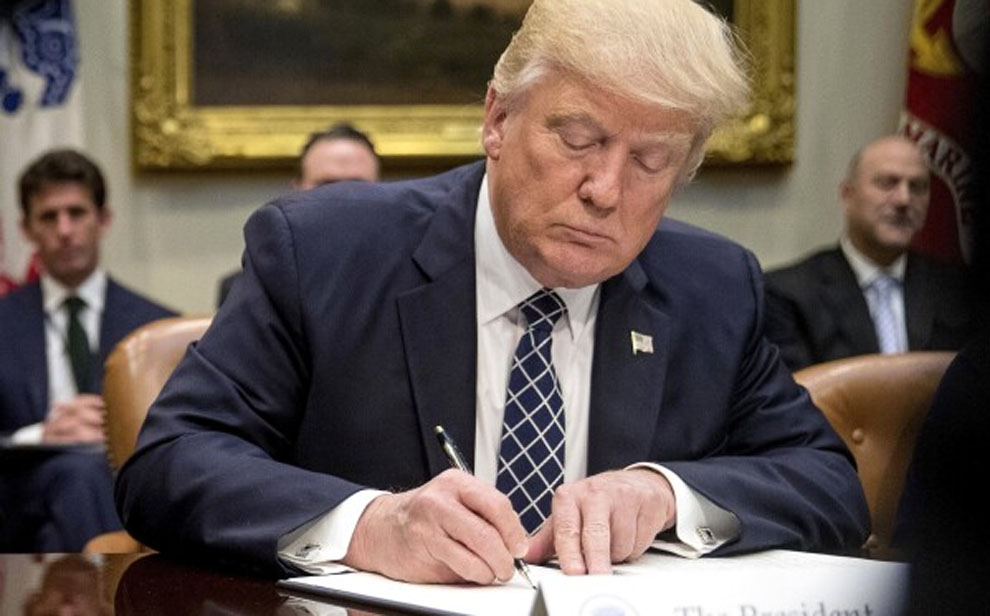
CNN, MS NOW and Politico have filed a federal lawsuit against the administration of US President Donald Trump, challenging the decision to revoke their journalists’ access to the White House.
The three major news organisations are asking a federal court in Washington, DC, to intervene after the Trump administration barred their reporters from the White House grounds and deactivated or confiscated their press credentials.
The organisations argue that the administration’s action violated their First Amendment press rights and the Fifth Amendment’s due process protections, alleging that their access was withdrawn because of dissatisfaction with their reporting.
The case was filed in the US District Court for the District of Columbia, with the media organisations seeking expedited consideration of their challenge and an order restoring their access to the White House.
The lawsuit names President Donald Trump, White House Chief of Staff Susie Wiles, White House spokesperson Steven Cheung and Secret Service Director Sean Curran as defendants.
The legal action followed Trump’s decision to exclude the three organisations from the White House after he accused them of publishing what he described as “fake news” about his administration.
Trump has argued that journalists remain free to report on him but that the administration is not required to provide White House access to every news organisation.
The president also defended the decision on social media, where he characterised the affected outlets as a threat to national security. The reports on the lawsuit did not indicate that the administration had presented evidence publicly establishing such a threat.
The dispute escalated on Saturday, September 19, when reporters working for CNN, MS NOW and Politico were turned away from the White House complex.
Their press access was reportedly deactivated or their credentials confiscated, preventing them from covering activities inside the presidential complex in the usual manner.
The organisations subsequently warned that the White House decision raised broader questions about whether a presidential administration could deny access to journalists because of disagreement with their reporting.
READ ALSO:
- JAMB Allows Candidates to Change Lost SIM, Email Addresses
- How Nigerians Can Get Federal High Court Affidavit Online Without Visiting Court
- Plateau Violence: Several Killed as Fresh Attacks Trigger Mass Exodus
In their court challenge, the outlets are expected to argue that the government cannot use access to public officials and government facilities as a means of punishing or influencing the content of news coverage.
The case comes as the Trump administration has significantly changed the way White House press access is managed.
The administration has increasingly exercised greater control over which journalists attend certain presidential events, while also expanding access for reporters from organisations it considers more favourable or less represented in traditional White House press coverage.
The latest dispute, however, concerns the removal of access from three established national news organisations at the same time.
The White House Correspondents’ Association (WHCA) has criticised the exclusion of the outlets and raised concerns about the implications for press access and government transparency.
Other media organisations and press-freedom groups have also expressed concern over the decision, arguing that government officials should not determine access based on whether they approve of particular news coverage.
The White House, on the other hand, has maintained that the administration has authority to determine access to the White House and has repeatedly accused some mainstream news organisations of inaccurate or unfair reporting.
The legal battle also has implications beyond the three organisations involved because federal courts have previously considered disputes between the executive branch and news organisations over access to the president.
One prominent case involved CNN reporter Jim Acosta during Trump’s first administration.
In 2018, the White House revoked Acosta’s press credentials following a confrontation during a presidential news conference. CNN challenged the decision in court, and a federal judge ordered the temporary restoration of his access.
The Trump administration has also been involved in a more recent dispute with the Associated Press.
The administration restricted AP’s access after the news agency declined to adopt Trump’s preferred terminology for the Gulf of Mexico. A federal judge later ordered the administration to restore the AP’s access in certain circumstances, although subsequent litigation resulted in distinctions between generally accessible areas and more restricted presidential events.
The current lawsuit involving CNN, MS NOW and Politico raises related but distinct questions about the government’s authority to control press access.
A central issue is expected to be whether the administration can exclude news organisations from access that is otherwise made available to members of the White House press corps because of disagreement with their reporting.
Another issue is the extent to which the First Amendment limits government decisions affecting journalists’ access, particularly when the alleged reason for exclusion is connected to the content or viewpoint of their reporting.
The media organisations are also challenging the process used to revoke their access, arguing that they were not given adequate notice or an opportunity to contest the decision before their credentials were withdrawn.
The case has already affected White House media arrangements beyond routine presidential coverage.
CNN had been scheduled to provide the television pool feed for Trump’s Monday trip to New York for the United Nations General Assembly, but the assignment was removed from the White House press schedule following the access dispute.
The White House press pool is important because participating organisations provide shared coverage, photographs, video and other material that can be used by news organisations that cannot send their own journalists to every presidential event.
The lawsuit therefore places questions of press freedom, government transparency and presidential control over media access at the centre of another federal court dispute involving the Trump administration.
For the three organisations, the immediate objective is restoration of access to the White House and the ability of their journalists to resume reporting from the presidential complex.
For the administration, the dispute involves its stated authority to determine who receives access to the White House and how that access is organised.
The court’s handling of the case could provide further guidance on the constitutional limits surrounding White House press credentials, particularly where access decisions are alleged to be connected to the content of journalists’ reporting.
Until the court rules, the competing claims remain disputed. The lawsuit itself does not establish that the administration violated the Constitution, while the White House’s allegations against the news organisations remain the administration’s stated position rather than findings by a court.
CNN, MS NOW, Politico Sue Trump Over White House Access Ban
-

 metro3 days ago
Oyo Police: Student Who Died by Suicide Was Charged With Assault, Not ₦8,000 Debt
-
 International1 day ago
18 Suspects Transferred to US Over 2021 Killing of Haitian President Moïse
-

 Auto2 days ago
Abuja Demand Rises as Jetour Brings X70 Plus Experience to FCT
-

 metro2 days ago
Irreconcilable Developments: Wedding Cancelled 24 Hours Before Ceremony
-

 Sports2 days ago
Enough Is Enough: Muslim Supporters Demand Change of New Man United Owners
-

 metro1 day ago
My Heart Has Always Been Home With You — Tinubu’s Powerful Message to Oluremi at 66
-

 Politics2 days ago
2027: NDC Predicts Wider Obi Victory Over Tinubu in Lagos
-

 Politics1 day ago
‘Join the Hunt’ — Soludo Urges Igbos to Strategically Align Ahead of 2027