

International
US sanctions UN expert Francesca Albanese, critic of Israel’s Gaza offensive
US sanctions UN expert Francesca Albanese, critic of Israel’s Gaza offensive
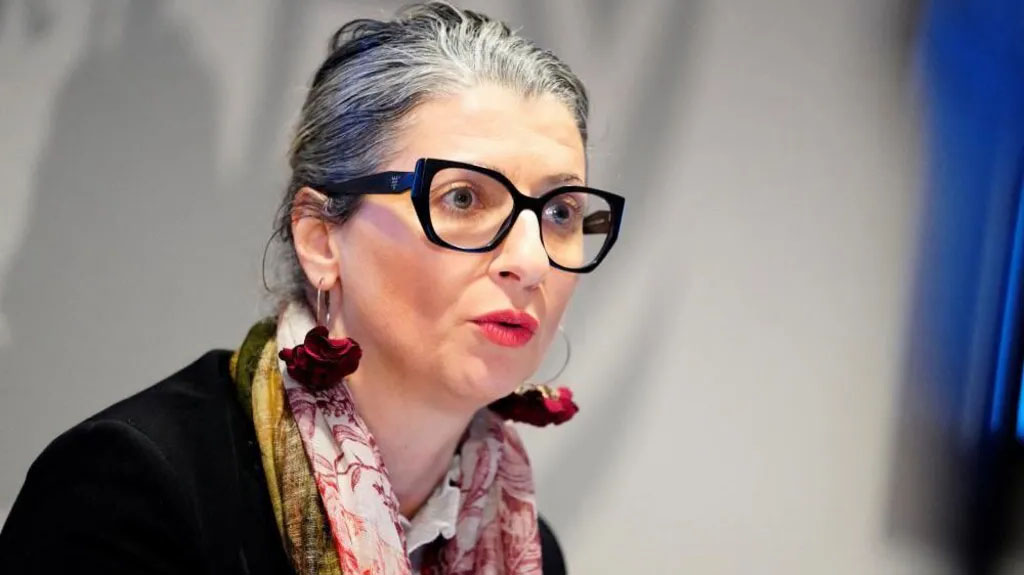
The Trump administration is imposing sanctions on the UN Human Rights Council special rapporteur Francesca Albanese, an outspoken critic of Israel’s military offensive in Gaza.
Secretary of State Marco Rubio linked the move to her support for the International Criminal Court (ICC), some of whose judges have already been sanctioned by the US.
Rubio said the US was sanctioning Albanese for directly engaging with the ICC in its efforts to prosecute American or Israeli nationals, accusing her of being unfit for service as a UN Special Rapporteur.
The sanctions are likely to prevent Albanese from travelling to the US and would block any assets she has in the country.
In a post on X, Albanese did not directly address the sanctions, but wrote: “[O]n this day more than ever: I stand firmly and convincingly on the side of justice, as I have always done.”
The message, in which the Italy-born special rapporteur reposted a thread of support for ICC, said she came from the court’s founding country, where lawyers and judges had “defended justice at great cost and often with their own life”.
“I intend to honor that tradition,” she added in the post.
Albanese declined to comment to the BBC, but was quoted by Al Jazeera as describing the sanctions as “mafia style intimidation techniques”.
It is the latest escalation by the Trump administration as it wages a campaign against the ICC, having already sanctioned four of its judges.
The US took the action after the court last year issued arrest warrants for Israeli Prime Minister Benjamin Netanyahu and his then-Defence Minister Yoav Gallant for alleged war crimes in Gaza, accusations they reject.
Rubio also accused Albanese of having “spewed unabashed antisemitism, expressed support for terrorism, and open contempt for the United States, Israel, and the West”.
READ ALSO:’
- Nigerians to get 3-month single-entry US visa under new policy
- Suspected looters of goods from moving Lagos truck arrested
- 233 children poisoned in Chinese pre-school
The move is likely to provoke a fierce backlash from those who argue for accountability over the civilian death toll from Israel’s military offensive in Gaza.
The special rapporteur has long argued that Western governments are not doing enough to support the rights of Palestinians in the occupied Palestinian territories.
Her outspoken stance has attracted significant support among those who accuse Israeli and US leaders of weaponising accusations of antisemitism in order to silence scrutiny of their policies.
Her critics have pointed to language used in the past by Albanese, including a 2014 comment when she suggested the “Jewish lobby” was influencing US government decisions when it came to Israel and the Palestinians.
She is since reported to have said she regretted the remark, but rejected claims it was antisemitic.
The head of Amnesty International and former UN Special Rapporteur Agnes Callamard said she was dismayed by the decision to sanction Albanese.
“Governments around the world and all actors who believe in the rule-based order and international law must do everything in their power to mitigate and block the effect of the sanctions against Francesca Albanese,” she said.
Rubio said Albanese had shown contempt for the US by writing “threatening letters” to several US companies, making what he called unfounded accusations and recommending the ICC pursue prosecutions of the companies and their executives.
“We will not tolerate these campaigns of political and economic warfare, which threaten our national interests and sovereignty,” Rubio said.
Earlier this month Albanese called on dozens of multinational companies to stop doing business with Israel, warning them they risked being complicit in war crimes in Gaza and the occupied West Bank.
She said the companies “profited from the Israeli economy of illegal occupation, apartheid, and now genocide” in the occupied Palestinian territories. Israel rejected her report as “groundless”, saying it would “join the dustbin of history”.
READ ALSO:
- Floods of fury in New Mexico, Texas, harvest of deaths, destruction
- Wildfire injures over 100 people, destroy homes in France
- Fire guts Iyabo Ojo’s office building
Albanese has criticised Donald Trump’s plan, announced in February, to take over the Gaza Strip and displace its residents elsewhere.
“It’s unlawful, immoral and… completely irresponsible because it will make the regional crisis even worse,” she said in February.
The timing of the sanctions announcement is notable with Netanyahu currently in Washington, where he received an extended honour cordon at the Pentagon on Wednesday.
Albanese has previously rejected similar claims against her, telling the BBC in October: “I don’t take these remarks and the defamation they carry lightly, but at the same time, I know this is not about me, as my predecessors knew that it was not about them.
“I also know these member states [making accusations of antisemitism] have done absolutely nothing to abide by international law.”
Her office has been approached for comment.
Some 125 countries are parties to the Rome Statute that established the ICC and are protected by it, as well as bound by their membership to uphold the court’s decisions.
The US, like Israel, is not a member of the court.
It has sided with Israel, its staunch ally, which it has armed throughout the Gaza war, against the Netanyahu arrest warrant, while many European countries have said they respect the court’s independence in the case.
The Israeli military launched a campaign in Gaza in response to the Hamas-led attack on southern Israel on 7 October 2023, in which about 1,200 people were killed and 251 others were taken hostage.
At least 57,575 people have been killed in Gaza since then, according to the territory’s Hamas-run health ministry.
Most of Gaza’s population has also been displaced multiple times. More than 90% of homes are estimated to be damaged or destroyed; the healthcare, water, sanitation and hygiene systems have collapsed; and there are shortages of food, fuel, medicine and shelter.
US sanctions UN expert Francesca Albanese, critic of Israel’s Gaza offensive
BBC







International
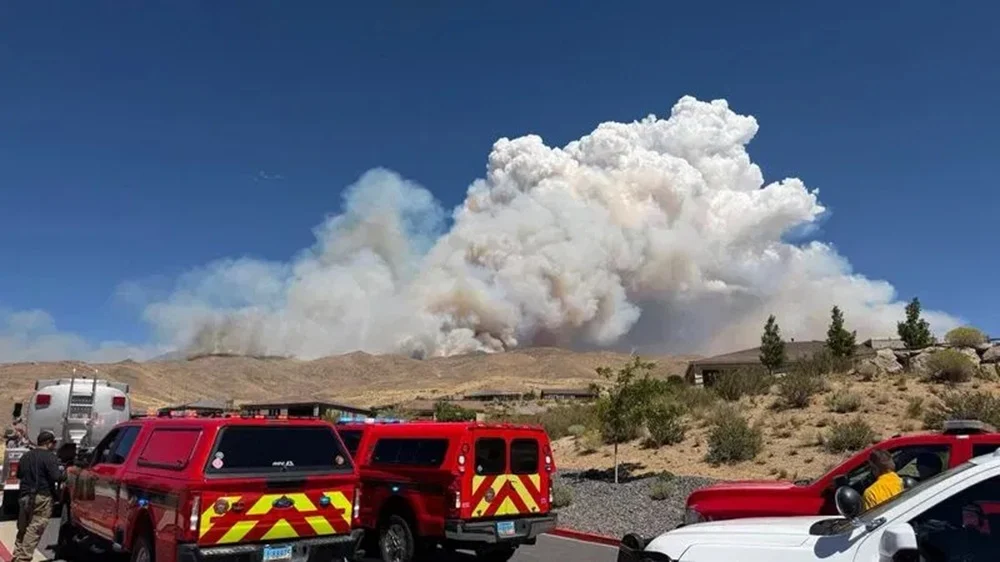
Hawk Fire in US Rages On, Burns 10,500 Acres in Nevada, Forces Mass Evacuations
International
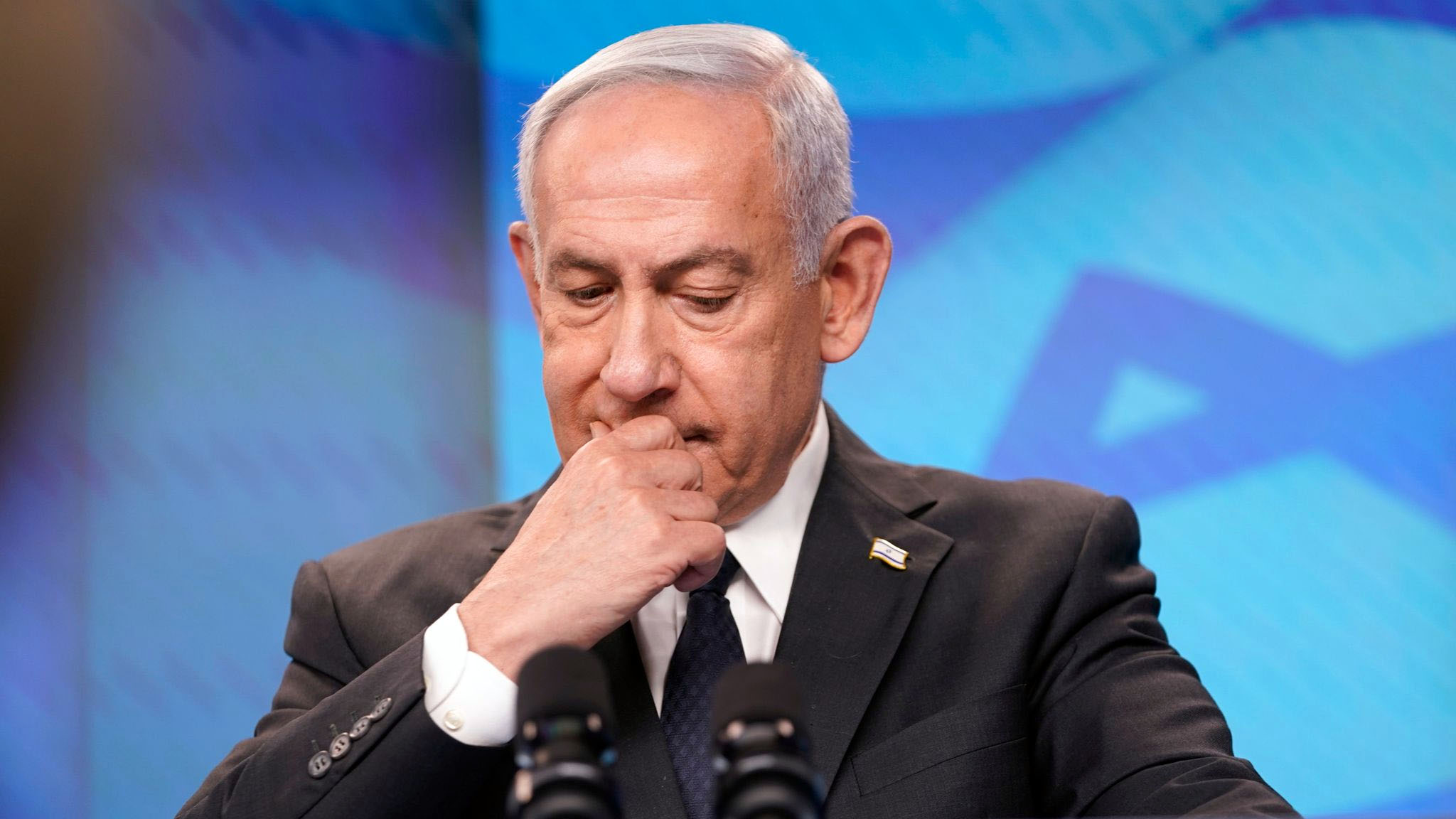
UK, Australia, Canada Lead 28 Nations in Condemning Israel Over Gaza Aid Killings Probe Closure
UK, Australia, Canada Lead 28 Nations in Condemning Israel Over Gaza Aid Killings Probe Closure
The United Kingdom, Australia, and Canada have condemned Israel’s decision to close a criminal investigation into the 2024 killing of seven World Central Kitchen (WCK) aid workers in Gaza, calling the move “shameful” and “both too little, and too late.” The announcement came on World Humanitarian Day, August 19, 2026, a timing the three governments described as “particularly egregious.”
The Israeli military announced on August 19 that it would not pursue criminal proceedings into the April 1, 2024 strike on the WCK convoy, saying there was no reasonable suspicion of criminal misconduct. The attack killed seven humanitarian workers who were delivering food to civilians in Gaza. The victims included Australian aid worker Zomi Frankcom, three British security personnel, a dual Canadian-US citizen Jacob Flickinger, Polish national Damian Sobol, and Palestinian Saifeddin Issam Ayad Abutaha. The deadly strike occurred despite the convoy having coordinated its route with the Israeli military, and the vehicles were clearly marked with the WCK logo.
In a joint statement issued on August 21, the foreign ministries of the three countries said they had spent more than two years pressing Israel to conduct a swift and thorough investigation into the attack and hold those responsible to account. The governments noted that at the time, the Israel Defense Forces had described the incident as a serious mistake and failure, and that in the more than two years since, they had been pressing for Israel to swiftly and thoroughly consider the case and hold those responsible to account. The statement said the decision to close the case without further explanation was “shameful” and that announcing it on World Humanitarian Day, while the world honoured the courage and sacrifice of humanitarians, was particularly egregious. The governments stressed that the World Central Kitchen attack was not an isolated incident, arguing that the lack of accountability extended to numerous other incidents involving humanitarian workers in Gaza, noting that despite a fragile ceasefire, Gaza remains the deadliest place to deliver aid, with 186 humanitarian workers killed in 2025.
READ ALSO:
- 2027: Wike Declares Adeleke Belongs to Tinubu Camp, Predicts ‘Largest Rainbow Coalition’
- Just In: FG Announces Public Holiday – Here’s When Nigerians Will Get Break
- Dry Cleaner Pleads Guilty to Stealing Senator Ireti Kingibe’s Jewellery Worth N45.7 Million
Australian Foreign Minister Penny Wong separately expressed outrage at the decision, stating that the Israeli military’s response fell short of the standards of accountability Australia expected following the killing of Australian aid worker Zomi Frankcom and six other WCK workers. Wong summoned Israel’s ambassador to Australia, Hillel Newman, to express her concerns and later acknowledged that relations between Australia and Israel were at a “difficult time.” She said the government had learned of Israel’s decision moments before it was announced on World Humanitarian Day, which she described as “especially insulting to Zomi’s loved ones, humanitarians and all Australians.” The foreign minister said key questions remained unanswered, including why two further strikes followed the initial attack, each two minutes apart, why the strikes occurred in a humanitarian “fire control” zone, and Israel’s repeated refusals to hand over audio evidence of the attack. Wong stated that Australia did not have confidence in the IDF’s Military Advocate-General’s process given the many unanswered questions.
Frankcom’s family expressed deep disappointment and called on the Australian government to pursue all available legal avenues for an independent and credible investigation. Her brother, Josh Frankcom, said Israel’s decision was “simply not good enough.” The family has been vocal in demanding accountability for Zomi’s death, and they have questioned why the Israeli military has not provided a satisfactory explanation for the attack.
Israeli Ambassador to Australia Hillel Newman defended the military investigation, saying it was thorough and that the findings should not be attacked if they were not suitable to one’s political agenda. He said the IDF conceded serious failures had led soldiers to mistakenly believe a Hamas fighter was travelling with the convoy, but concluded there was no criminal intent. Newman said Israel was open to discussing reparations for Frankcom’s family if a formal request was lodged, but he stopped short of offering a formal apology, saying doing so could have legal ramifications. The IDF’s decision came alongside announcements that it would open criminal investigations into two other high-profile Gaza incidents: the killing of six-year-old Hind Rajab and six family members in January 2024, and the killing of 15 rescue workers in a Rafah convoy in March 2024. The United Nations has accused Israel of failing to provide adequate accountability for civilian deaths in Gaza, and the latest decision is likely to deepen international isolation for Israel.
UK, Australia, Canada Lead 28 Nations in Condemning Israel Over Gaza Aid Killings Probe Closure
International
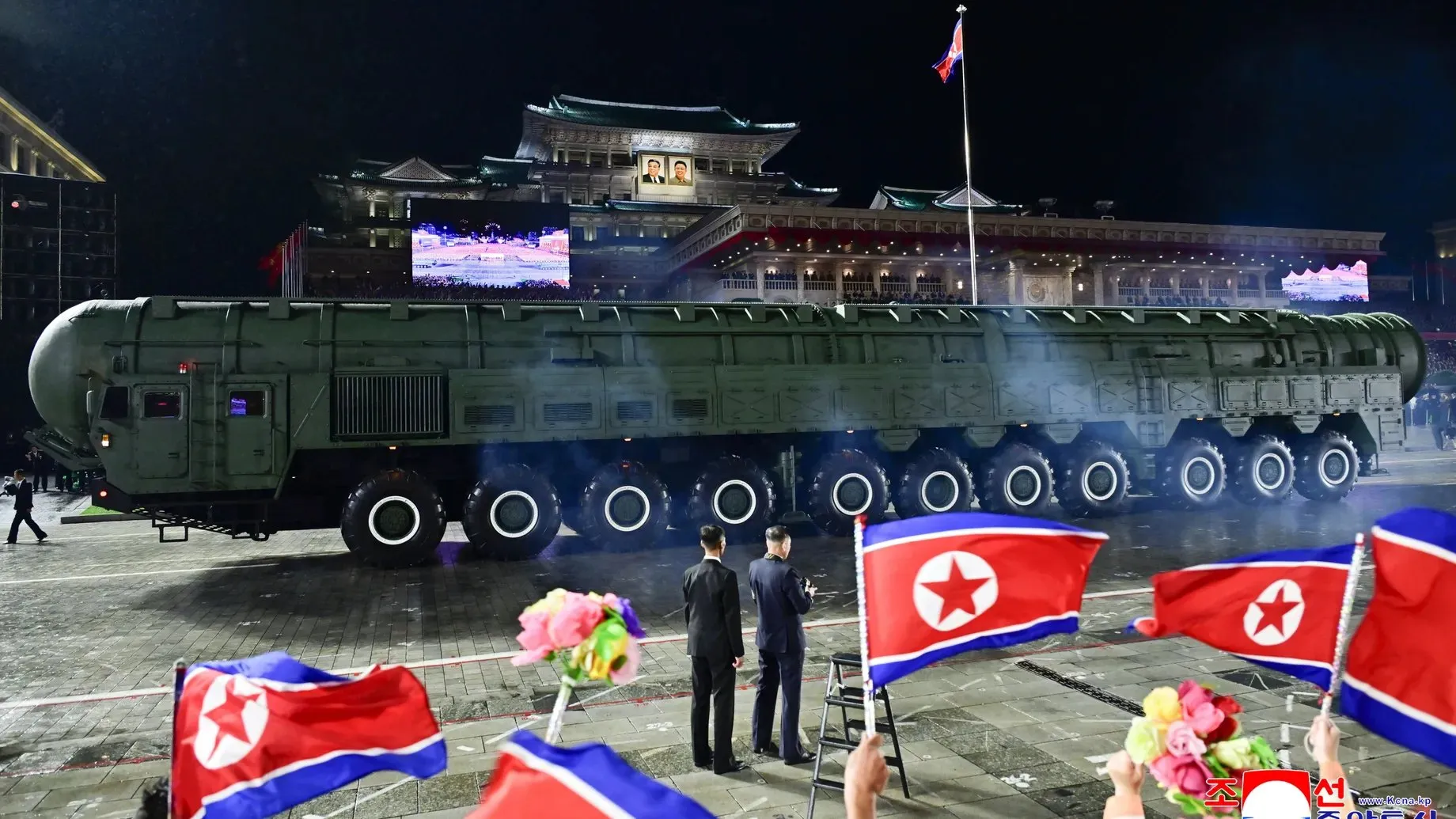
North Korea Fires 10+ Missiles Hours After Trump Signals Fresh Kim Summit
-

 metro1 day ago
Lagos Police arrest five suspected telecom vandals, recover truckload of iron rods
-
 Politics3 days ago
2027: Senator Saliu Mustapha quits APC after losing Kwara governorship ticket
-

 Politics3 days ago
Donald Duke Recounts How IBB Warned Obasanjo About Atiku: ‘This One Cannot Rule Nigeria’
-

 Politics1 day ago
Opposition Unity Cracks as Atiku, Obi, Kwankwaso Diverge on 2027 Strategy Against Tinubu
-

 metro3 days ago
Tinubu FBI records: Agency seeks secret court filing over safety, investigative methods
-

 metro3 days ago
Just In: FG Announces Public Holiday – Here’s When Nigerians Will Get Break
-

 Politics3 days ago
2027: Wike Declares Adeleke Belongs to Tinubu Camp, Predicts ‘Largest Rainbow Coalition’
-

 Entertainment3 days ago
“We Don’t Want to See You in Edo Again” — Gov Okpebholo’s Aide Declares War on Davido