

News
Senate Explains Why Real-Time E-Transmission Cannot Be Mandatory in 2027 Elections
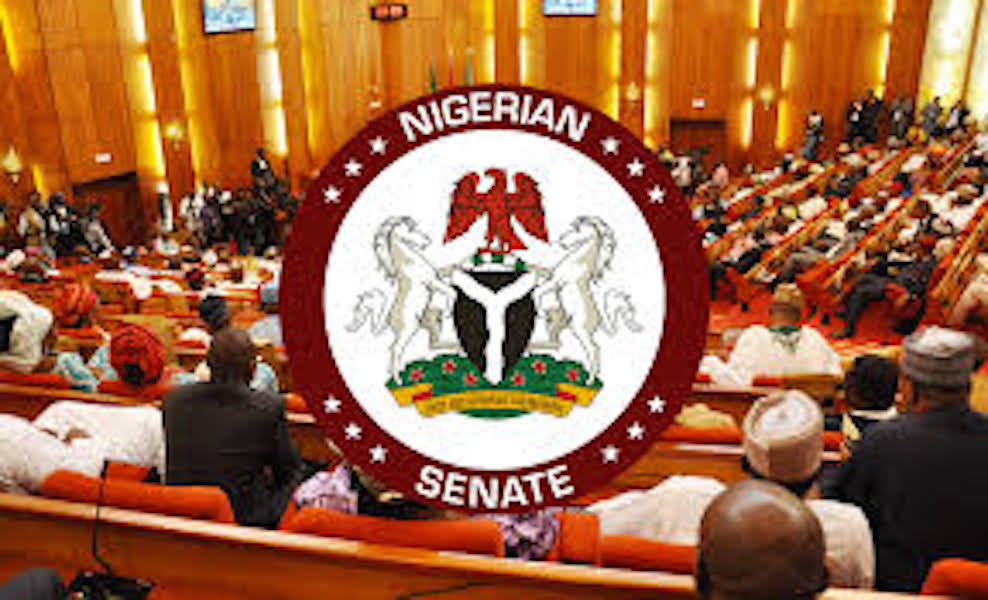
Senate Explains Why Real-Time E-Transmission Cannot Be Mandatory in 2027 Elections
The Nigerian Senate has defended its decision to make electronic transmission of election results discretionary rather than mandatory in the ongoing amendment to the Electoral Bill 2026, insisting the move is grounded in data, infrastructure realities and legislative responsibility — not political sentiment.
The controversy centres on Clause 60(3) of the proposed amendment, which originally stated that a presiding officer “shall electronically transmit the results from each polling unit to the INEC Result Viewing Portal (IReV) in real time.”
After debate, lawmakers retained electronic transmission but removed the mandatory “real time” requirement, introducing a caveat that where internet connectivity fails, Form EC8A — the official manual result sheet — will serve as the primary basis for collation.
Senate: Decision Based on Empirical Data
Leader of the Senate, Opeyemi Bamidele, clarified the chamber’s position in a statement issued through his Directorate of Media and Public Affairs, stressing that lawmaking “comes with huge obligations globally” and cannot be driven by emotion.
According to Bamidele, the Senate consulted stakeholders in the telecommunications and energy sectors before revising the clause. He said the decision reflects the “stark realities” of Nigeria’s communications and power infrastructure.
READ ALSO:
- Osun PDP Lawmakers Endorse Tinubu for 2027, Back Adeleke Re-Election
- MACBAN Rejects Terrorism Allegations, Warns Against Stigmatisation
- Customs Seize Cocaine Worth N1bn Along Nigeria–Benin Corridor
Key Data Cited by the Senate
- Nigeria recorded about 70% broadband coverage in 2025, but actual internet penetration stood at roughly 44.53% of the population, according to figures from the Nigerian Communications Commission.
- The Speedtest Global Index ranked Nigeria 85th out of 105 countries in mobile network reliability and 129th out of 150 countries in fixed broadband reliability.
- In the power sector, approximately 85 million Nigerians lack access to grid electricity, representing about 43% of the population.
- Although generation capacity fluctuates between 12,000 and 13,500 megawatts, only around 4,500 megawatts are typically delivered nationwide.
Bamidele argued that making real-time electronic transmission mandatory under such conditions could create operational bottlenecks, trigger disputes and potentially destabilise the electoral process, particularly in rural communities with weak connectivity.
“By global standards, real-time electronic transmission of election results may not be practicable at this stage of our development,” he said.
What the Amendment Means
The revised clause does not abolish electronic transmission of results. Instead, it provides flexibility in implementation.
The Senate maintains that Section 62(2) of the Electoral Act 2022 already establishes a National Electronic Register of Election Results, and the amendment aims to reinforce the framework without creating a rigid mandate that may prove impractical nationwide.
Under the current system operated by the Independent National Electoral Commission (INEC):
- Results are entered into Form EC8A at the polling unit.
- The presiding officer uses the BVAS device to upload a scanned copy to the IReV portal.
- The portal allows public viewing of polling unit results for transparency.
READ ALSO:
- Security Row: El-Rufai Accuses Ribadu of Procuring Dangerous Chemicals
- Singer Market Fire: Tinubu Sends Shettima, FG Delegation to Kano
- Omokri Alleges Possible Hacking in Obi–Oyedepo Audio Leak, Mentions el-Rufai
The Senate’s revision would allow uploads to remain in place, but without invalidating results in areas where connectivity prevents immediate transmission.
Opposition and Public Backlash
The decision has sparked significant debate across Nigeria’s political landscape.
Former presidential candidate Peter Obi and former Rivers State governor Rotimi Amaechi have criticised the move, arguing that weakening mandatory real-time uploads could undermine electoral transparency and public trust ahead of the 2027 general elections.
Civil society groups and election observers warn that introducing a “network failure” clause may create loopholes that could be exploited during collation, particularly at ward and local government levels.
However, supporters of the Senate’s position argue that insisting on a strict real-time requirement without adequate infrastructure could lead to widespread technical failures, contested results and post-election instability.
House–Senate Differences and Next Steps
The House of Representatives is understood to favour retaining the mandatory real-time transmission language, setting the stage for a conference committee to harmonise both versions of the bill.
The final wording of Clause 60(3) will likely shape Nigeria’s electoral governance framework heading into 2027 and determine whether real-time electronic transmission becomes a statutory obligation or remains subject to operational discretion.
As debates intensify, the issue has become a defining test of Nigeria’s commitment to electoral reform — balancing technological ambition with infrastructural reality.
Senate Explains Why Real-Time E-Transmission Cannot Be Mandatory in 2027 Elections








News
Tinubu Orders Release of 300 Containers of Electricity Equipment Trapped at Nigerian Ports
Tinubu Orders Release of 300 Containers of Electricity Equipment Trapped at Nigerian Ports
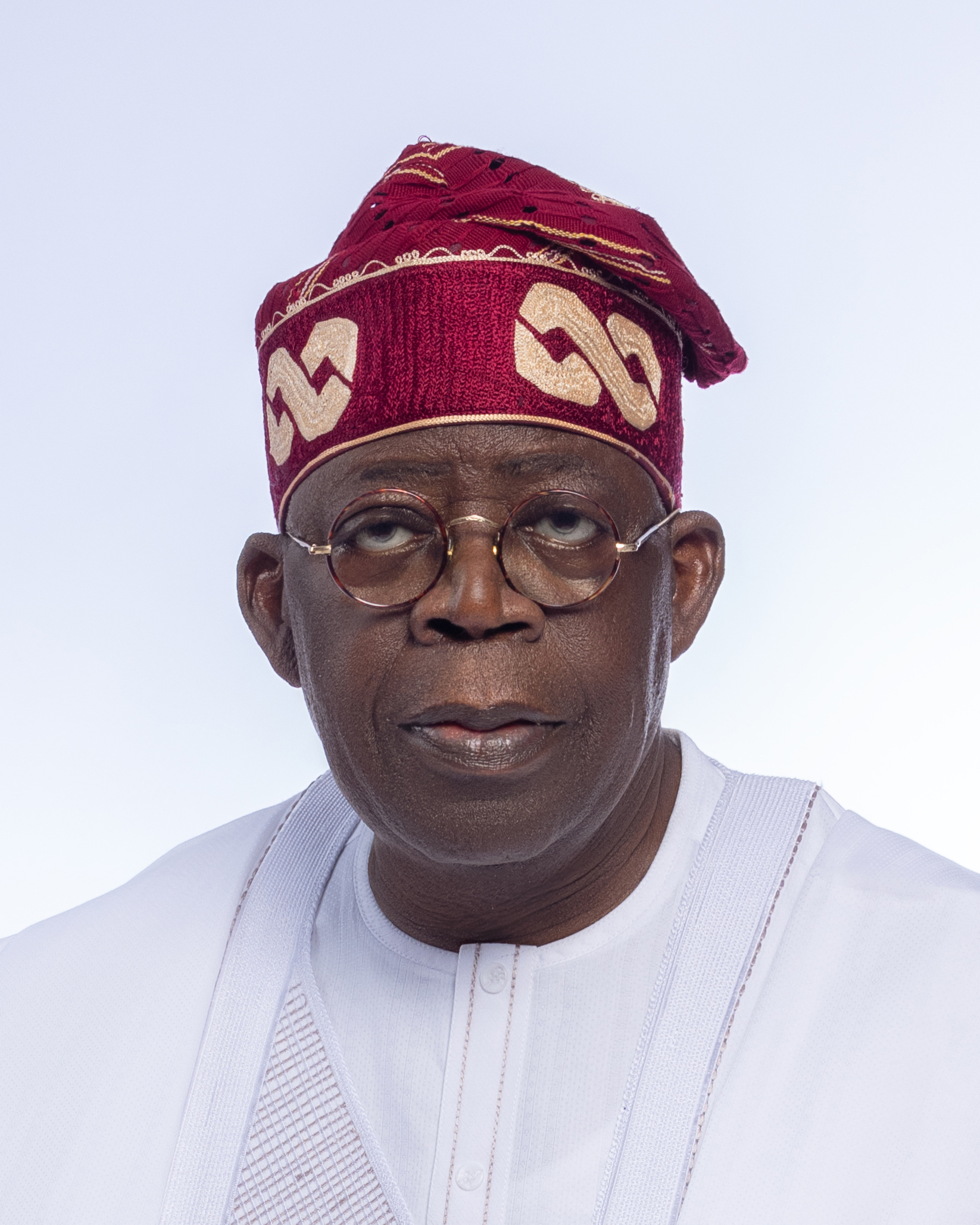
President Bola Tinubu has reportedly ordered the release of more than 300 containers of electricity equipment that have remained stranded at Nigerian ports, with some consignments said to have been held for as long as 20 years.
The equipment will undergo technical assessment to determine which items remain usable and can be deployed to support efforts to improve electricity supply across the country.
The development could provide an opportunity to recover valuable power-sector assets that have remained unused at the ports for years, although their actual contribution to electricity generation and distribution will depend on their condition, suitability and cost of rehabilitation.
The Federal Government is also pursuing plans to increase Nigeria’s electricity capacity to 19,000 megawatts (MW), as part of broader efforts to address the country’s persistent power challenges.
READ ALSO:
- US Police Release Bodycam Footage After Dispute Over Three-Year-Old Soccer Prodigy
- Kano Task Force Arrests Suspected Gang Leader in Port Harcourt Over Deadly Clashes
- Abuja Market Shooting: NSCDC Suspends Officer, Orders Trial
However, the proposed assessment of the stranded equipment will be crucial in determining how much of it can be salvaged and whether it can be integrated into the country’s existing electricity infrastructure.
Nigeria has continued to face electricity supply challenges, including inadequate generation, transmission constraints, distribution difficulties and ageing infrastructure.
The release and possible deployment of the equipment could support ongoing interventions in the power sector if the items are found to be functional and suitable for use.
Further details are expected on the assessment process, the estimated value of the equipment and the timeline for deploying any recoverable items.
Tinubu Orders Release of 300 Containers of Electricity Equipment Trapped at Nigerian Ports
News
Ijeh Barracks Mosque: Police Promise to Monitor Reconstruction as MURIC Urges Calm
Ijeh Barracks Mosque: Police Promise to Monitor Reconstruction as MURIC Urges Calm
The Nigeria Police Force has assured the Muslim Rights Concern (MURIC) that its complaint over the demolition of the Ijeh Police Barracks Mosque in Obalende, Lagos State, is receiving attention, with the Lagos State Police Command’s Criminal Investigation Department (CID) promising to monitor the mosque’s reconstruction.
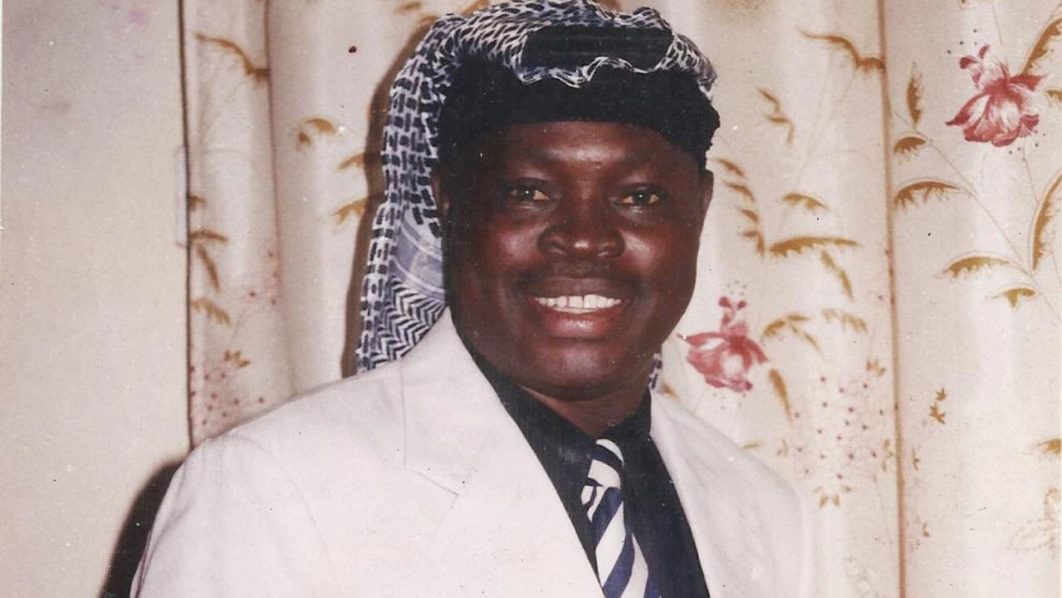
MURIC Executive Director, Professor Ishaq Akintola, disclosed this in an update issued on Thursday, October 29, 2026, following telephone calls from police officials in Abuja and Lagos.
According to Akintola, a senior Muslim police officer at the Police Headquarters in Abuja contacted him to confirm that the authorities were aware of MURIC’s complaint and its public outcry over the alleged refusal of the contractor handling the barracks project to rebuild the demolished mosque.
The officer reportedly assured him that the matter was receiving attention and that the mosque would not be abandoned.
Akintola said he received another call about five minutes later from officials of the Lagos State Police Command’s CID at Panti, who assured him that they would monitor the mosque’s reconstruction.
He declined to disclose the identity of the senior police officer who contacted him from Abuja, saying the officer’s identity should remain confidential.
READ ALSO:
- 2027: Akpabio Says Tinubu’s Online Critics Are Paid, Mobilises Northern Youths
- 2027 Election: PRP Asks Court to Bar APC From Rivers Governorship Race
- Atiku Challenges Tinubu Over Mecca Trip, Demands Daily Photo, Video Proof
Following the communications, the MURIC director urged members and supporters of the organisation to remain peaceful and allow the police authorities to address the matter.
“Therefore, let us relax, remain calm and allow the police authorities to handle the issue,” Akintola said.
He described the calls from the police offices in Abuja and Lagos as signs that the authorities were sensitive to the concerns raised by the Muslim community.
“By contacting us from Police Headquarters, Abuja and also from Lagos Police Command, the Nigeria Police has displayed sensitivity, professionalism and accountability,” he said.
Akintola also thanked MURIC members and supporters for their solidarity during the controversy and urged them to exercise patience while awaiting further action.
The organisation’s complaint followed the demolition of the Ijeh Police Barracks Mosque in Obalende and concerns over the alleged failure of the contractor handling the barracks project to rebuild the facility. MURIC has called for fair treatment of Muslim worshippers and the restoration of the mosque.
However, the police assurances, as relayed by Akintola, do not establish that reconstruction has commenced or that a completion date has been agreed upon. No specific timeline for the rebuilding was announced in MURIC’s update.
The immediate issue is therefore whether the relevant authorities will take concrete steps to ensure that the demolished mosque is rebuilt.
For now, MURIC says it will allow the police to handle the complaint while urging its members to remain calm and peaceful as they await further developments.
Ijeh Barracks Mosque: Police Promise to Monitor Reconstruction as MURIC Urges Calm
News
Cocaine Trafficking: Court Denies KC Luxury Bail Over Missing Medical Certificate
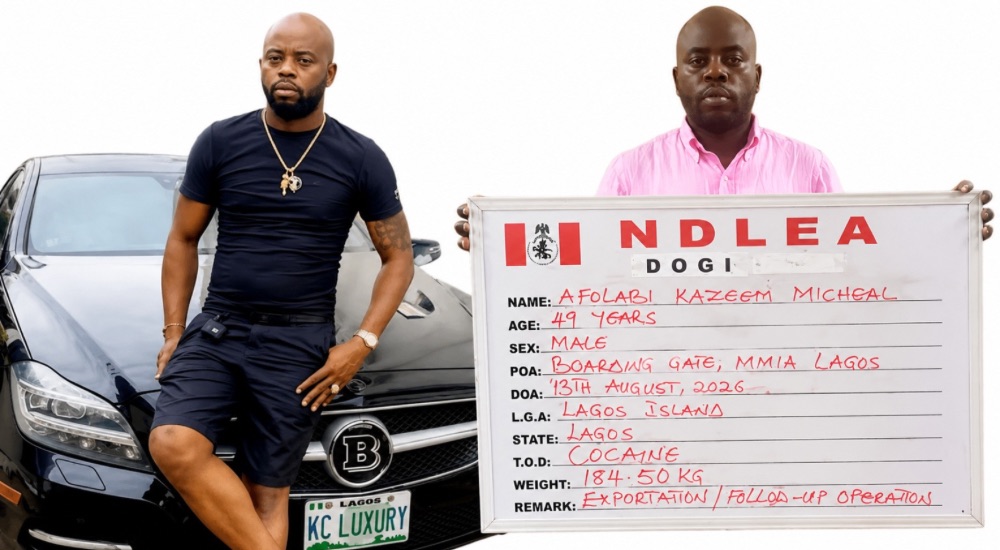
The Federal High Court in Lagos has rejected the bail application of Nigerian businessman and social media influencer Afolabi Kazeem Michael, popularly known as KC Luxury, over alleged cocaine trafficking and money laundering, ruling that the defence failed to provide sufficient medical evidence to justify his release.
Justice Musa Kakaki delivered the ruling on Wednesday, October 28, 2026, holding that the application lacked the necessary medical certificate to establish special circumstances warranting bail on health grounds.
“There is no medical certificate to warrant the court to grant him bail,” the judge said.
He added that a defendant claiming to require special medical attention should provide an expert assessment explaining the condition and the need for the requested treatment.
KC Luxury’s lawyer, Emefo Etudo, had asked the court to release his client so he could receive specialised treatment at the Lagos University Teaching Hospital (LUTH). The defence argued that his health had deteriorated and that he required medical attention beyond what was available at the facility where he was being held.
READ ALSO:
- After AfDB Tenure, Adesina Offers to Help Tinubu Drive Nigeria’s Growth
- Why Nigeria Needs Fresh $21.7bn Loan Despite Rising Debt Burden – Finance Minister
- Emeka Ike Loses ₦10bn Privacy Suit Against Wike’s Aide, INEC
The application followed concerns about the defendant’s health after he was brought to the court premises in an ambulance on October 23 while receiving oxygen.
During that proceeding, a nurse attached to the Police Hospital in Falomo, Lagos, told the court that KC Luxury had been admitted on October 7 and diagnosed with asthma and sepsis.
The nurse said the defendant remained inside the ambulance because he was receiving oxygen and could not safely be moved into the courtroom.
The defence also alleged that KC Luxury had suffered a collapsed lung and needed specialist care. However, the prosecution opposed the bail request, arguing that the medical evidence did not establish that his condition could not be managed while in custody.
In his ruling, Justice Kakaki reviewed the medical exhibits submitted by the defence but held that they did not sufficiently establish the special circumstances required to grant bail.
The judge also noted that the defence had failed to demonstrate a material change in circumstances that would justify reconsidering the application.
He questioned the argument that KC Luxury needed treatment at LUTH without sufficient evidence showing that the hospital or other available medical facilities could not adequately manage his condition.
Despite refusing bail, the court directed officials of the Ikoyi Custodial Centre to ensure that the defendant had unrestricted access to doctors and medical specialists for examination and treatment.
The judge also ordered an accelerated hearing of the case and adjourned proceedings until November 2, 2026, for the commencement of trial.
KC Luxury is standing trial alongside Boniface Freeman Ochoche Sule and Ikechukwu Ekugo Patriarch on a 22-count charge filed by the National Drug Law Enforcement Agency (NDLEA).
The charges include allegations of conspiring to export 184.5 kilogrammes of cocaine to the United Kingdom and money laundering. The defendants have pleaded not guilty.
According to the NDLEA, the cocaine was intercepted at a courier facility in Lagos before it could be exported. The agency also accused the defendants of involvement in financial transactions and asset acquisitions allegedly connected to the suspected drug operation.
The defendants have yet to be convicted, and the allegations remain before the court.
The latest ruling means KC Luxury will remain in custody while the criminal proceedings continue, with the court directing that his medical needs be addressed during detention.
Cocaine Trafficking: Court Denies KC Luxury Bail Over Missing Medical Certificate
-
 metro2 days ago
₦110.4bn Fraud Trial: EFCC Witness Traces Company Inflows To Kogi LG Accounts
-
 metro2 days ago
₦2.7bn Fraud: Court Jails Ex-Banker 39 Years
-
 metro1 day ago
Ajaero Fires Back at TUC Over Rejection of FG’s ₦70,000 Allowance
-
 International1 day ago
Hackers Leak Details of 41,000 US Homeland Security Personnel in Major Data Breach
-

 metro1 day ago
Eight Days After Abduction, Kidnappers Demand ₦50m for Nasarawa Teacher
-
 metro2 days ago
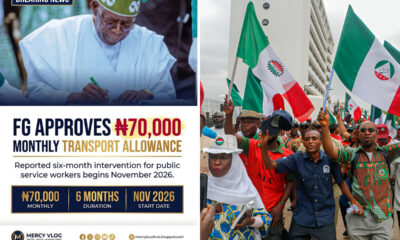
₦70,000 Transport Allowance: Who Qualifies as Informal Workers Raise Questions
-

 metro3 days ago
Panic as Gunmen Storm Kaduna Estate at Midnight, Abduct Residents
-

 International2 days ago
US Extradites Nigerian Over Alleged $100m Tax Refund Fraud