

metro
How Nigerian Ex-Naval Officer Allegedly Tricked Into Russia’s Army via Fake Job Offer
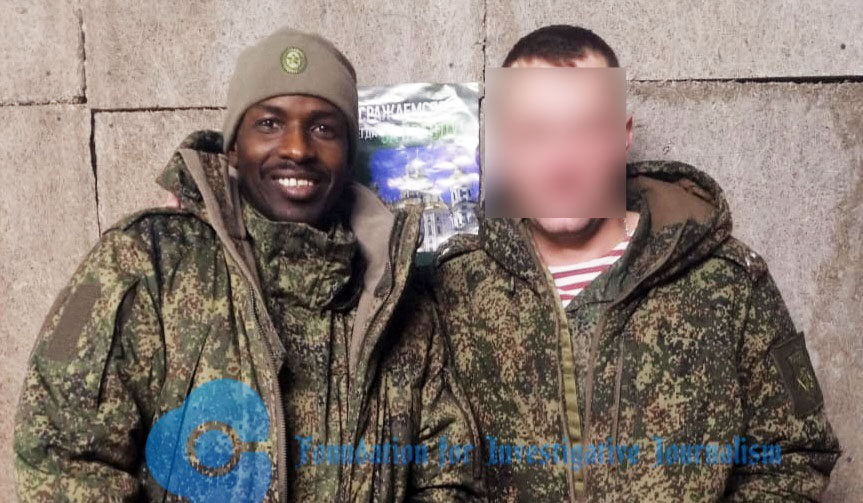
How Nigerian Ex-Naval Officer Allegedly Tricked Into Russia’s Army via Fake Job Offer
A retired officer of the Nigerian Navy, Adamu Abubakar, was allegedly lured with a fake dollar-paying security job and later coerced into Russia’s military, where he was deployed toward the Ukraine war and eventually required psychiatric care, according to accounts from his family, legal representatives and medical records.
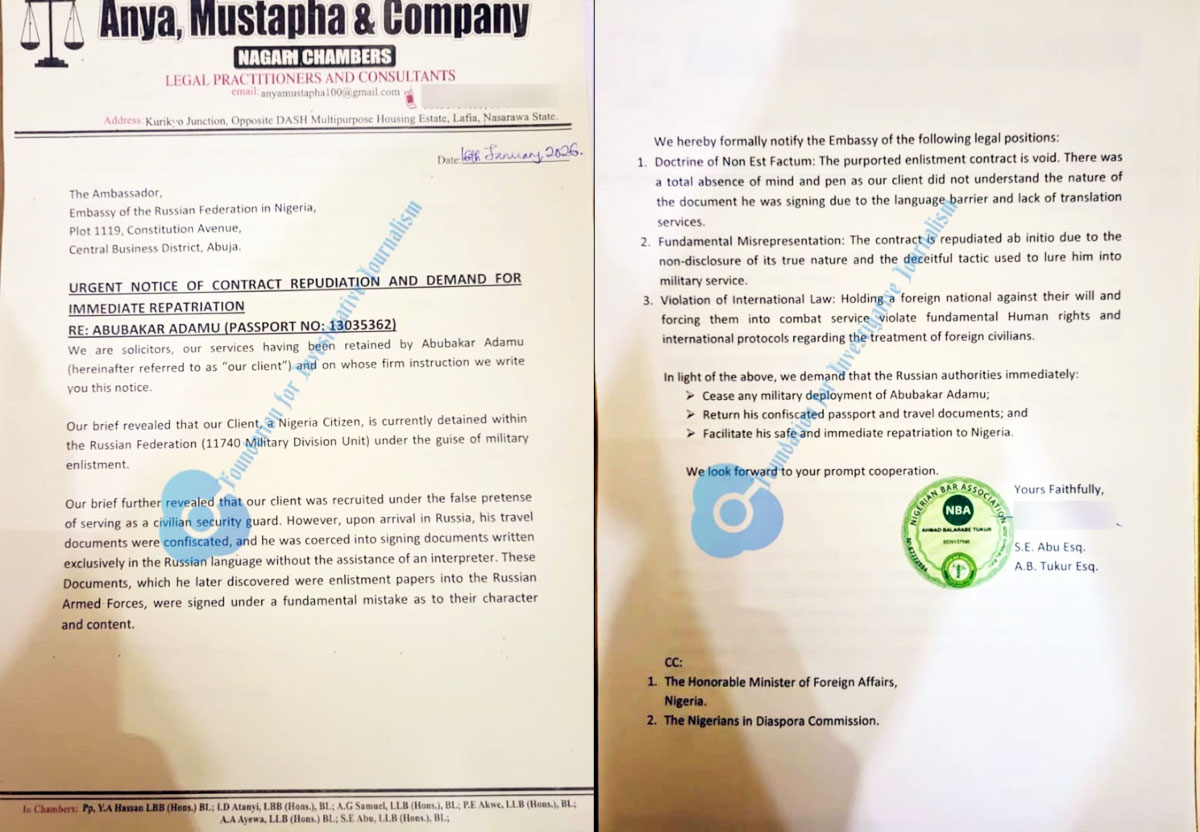
The embassy received the letter on January 19
In November 2025, Abubakar completed administrative paperwork at the Russian Embassy in Nigeria after a Lagos-based agent assured him of a civilian security job in Russia with a promised $2,000 monthly salary. His wife, Hadiza Abubakar, said he followed due process, including biometric capture and visa issuance, believing his tourist visa would later be converted to a work permit upon arrival.
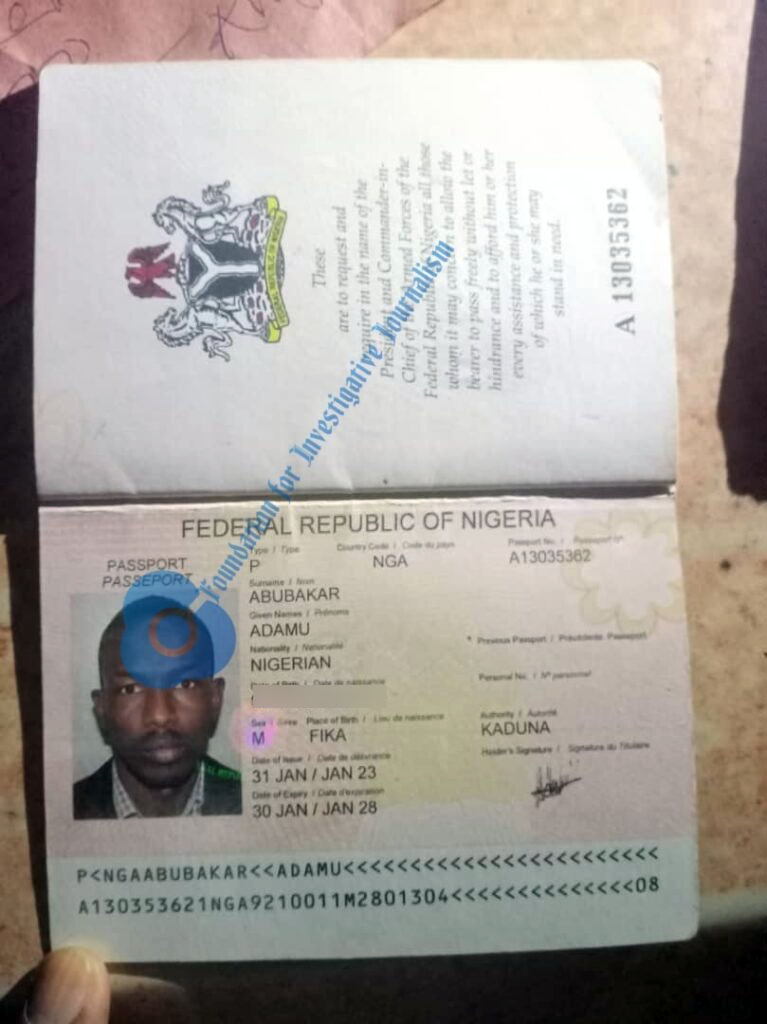
A copy of Adamu Abubakar’s Nigerian passport
However, upon landing in Russia, Abubakar’s experience reportedly departed sharply from standard international travel procedures. Instead of passing through normal immigration checks, he was allegedly diverted from official screening, had his travel documents seized, and was transported with other foreign nationals in a guarded bus to an undisclosed location. According to accounts relayed by his wife, the group was pressured to sign documents written entirely in Russian, without interpretation or explanation. Those documents later turned out to be military enlistment papers.
READ ALSO:
- MURIC Demands Suspension of Olubi School Principal, VPs Over Alleged Religious Discrimination
- Pregnant Woman, 5 Final-Year Nursing Students Die in Ilorin‑Ogbomoso Road Crash
- Dangote Refinery Signs Off‑Take Deal to Deliver 65m Litres of Petrol Across Nigeria
Available evidence shows that Abubakar was enlisted as a contract soldier on November 10, 2025, assigned a military rank, and moved between several locations connected to Russia’s war against Ukraine. The conflict, now in its fourth year, began after tensions escalated over Ukraine’s growing alignment with NATO. Despite repeated assurances, Abubakar’s family says the promised monthly salary was never paid.
By early February 2026, Abubakar’s mental state reportedly deteriorated significantly. Medical documents from Russian military facilities cited acute anxiety and stress-related psychiatric conditions, recommending psychiatric hospitalisation and close observation to assess his suitability for further military duties. He was later evacuated to a medical facility in Bryansk, a region that has been repeatedly affected by the conflict. Since then, communication with his family in Nigeria has been restricted and irregular, worsening their emotional distress.
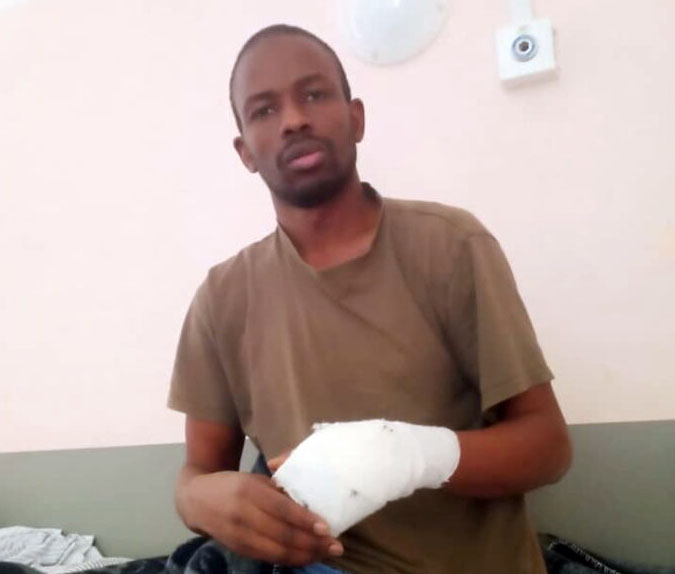
Adamu Abubakar
Abubakar’s ordeal reflects a wider pattern involving African nationals, many of whom are allegedly recruited through deceptive job offers promising security work, education, or residency opportunities, only to be redirected into military roles after arrival in Russia. Investigations and official statements from Ukraine have confirmed that foreign nationals, including Nigerians, have been killed while fighting for Russia, while others remain trapped in combat zones with little chance of safe return.
Despite documentary evidence showing Abubakar’s visa issuance and embassy processing, Russian officials in Nigeria have denied any knowledge of him. This claim has been challenged by his legal representatives, who argue that the circumstances point to non-disclosure, coercion and possible abduction. A formal request has been submitted to Russian authorities seeking his urgent repatriation to Nigeria.
Nigeria’s Nigerians in Diaspora Commission and the Ministry of Foreign Affairs have since issued public warnings urging citizens to avoid all forms of foreign military recruitment, stressing that participation in overseas conflicts could violate Nigerian and international law. The Nigerian Navy has confirmed that Abubakar served for over a decade before retiring and was not on active service at the time of his departure from Nigeria.
Back in Kano State, Abubakar’s wife and children remain deeply traumatised, appealing for urgent diplomatic intervention to secure his safe return. As official inquiries continue, the case has renewed concerns over overseas job scams, weak regulation of recruitment agents, and the growing risks Nigerians face when foreign employment offers intersect with international armed conflicts.
How Nigerian Ex-Naval Officer Allegedly Tricked Into Russia’s Army via Fake Job Offer








metro
How Bandits Demand ₦300m Ransom for Abducted Kaduna Couple, Baby in Viral Video

How Bandits Demand ₦300m Ransom for Abducted Kaduna Couple, Baby in Viral Video
Armed bandits have released a video showing an abducted couple and their infant daughter in captivity in Kaduna State, with the kidnappers demanding ₦300 million for the family’s release.
The video, which circulated on social media on Monday, October 12, shows the father, identified in reports as Ahmed Abubakar Zakka, appealing to Nigerians to help secure the freedom of himself, his wife and their baby.
The family was reportedly abducted when armed men invaded Alrahus Estate in Millennium City, Chikun Local Government Area of Kaduna State, late at night.
In the footage, Zakka is seen holding his infant daughter while his wife sits beside him. An armed man, whose face was concealed, points a rifle at him and threatens to shoot him.
Speaking in Hausa, the captive father appeals for assistance, saying the kidnappers are demanding ₦300 million, an amount he says he cannot raise.
His wife is also heard pleading for help as the family remains in the hands of their abductors.
READ ALSO:
- 2027 Elections: Atiku Demands Names of INEC Ballot Printers, Questions Secret Contracts
- ₦8.7bn Erosion-Control Budget Gap Raises Questions as Anambra Gullies Expand
- Fuel Subsidy May Ease Hardship Today, But Could Cripple Nigeria’s Economy Tomorrow — FG
Reports of the incident indicate that the attack affected other residents of the estate, with a pregnant woman reportedly among those abducted during the same raid.
The gunmen were said to have moved through residential buildings, forcing their way into homes and taking occupants away.
The abduction has heightened concerns over the safety of residents of Millennium City and surrounding communities, where reports of armed attacks and kidnappings have continued to generate anxiety.
Former Vice-President Atiku Abubakar has called on security agencies to act swiftly to secure the release of Zakka, his wife, their infant daughter and other Nigerians being held captive.
Atiku described the video as a painful reminder of the insecurity confronting families across the country. He urged the authorities to move beyond assurances and take effective measures to rescue abducted persons, protect vulnerable communities and bring those responsible for the crimes to justice.
Mohammed Bello El-Rufai, the lawmaker representing Kaduna North Federal Constituency in the House of Representatives, also expressed concern over recurring kidnappings in Millennium City, particularly around the Dan Bushiya area.
He called on the Kaduna State Government, the police and other security agencies to intensify operations, improve intelligence gathering and ensure the immediate rescue of the victims.
As of the time of reporting, the Kaduna State Police Command had not publicly provided a substantive update on the family’s rescue.
The command’s spokesperson, Mansir Hassam, reportedly said he would respond to enquiries about the incident, but no further response had been received by the time the report was filed.
The family’s condition and the status of any rescue operation remained unclear in the reports available.
The incident has renewed calls for stronger security measures in residential communities and urgent intervention to secure the safe return of the abducted family.
How Bandits Demand ₦300m Ransom for Abducted Kaduna Couple, Baby in Viral Video
metro
How Military Air Strike Crushed ISWAP Attack Plot, Killed Over 40 Fighters in Borno
How Military Air Strike Crushed ISWAP Attack Plot, Killed Over 40 Fighters in Borno
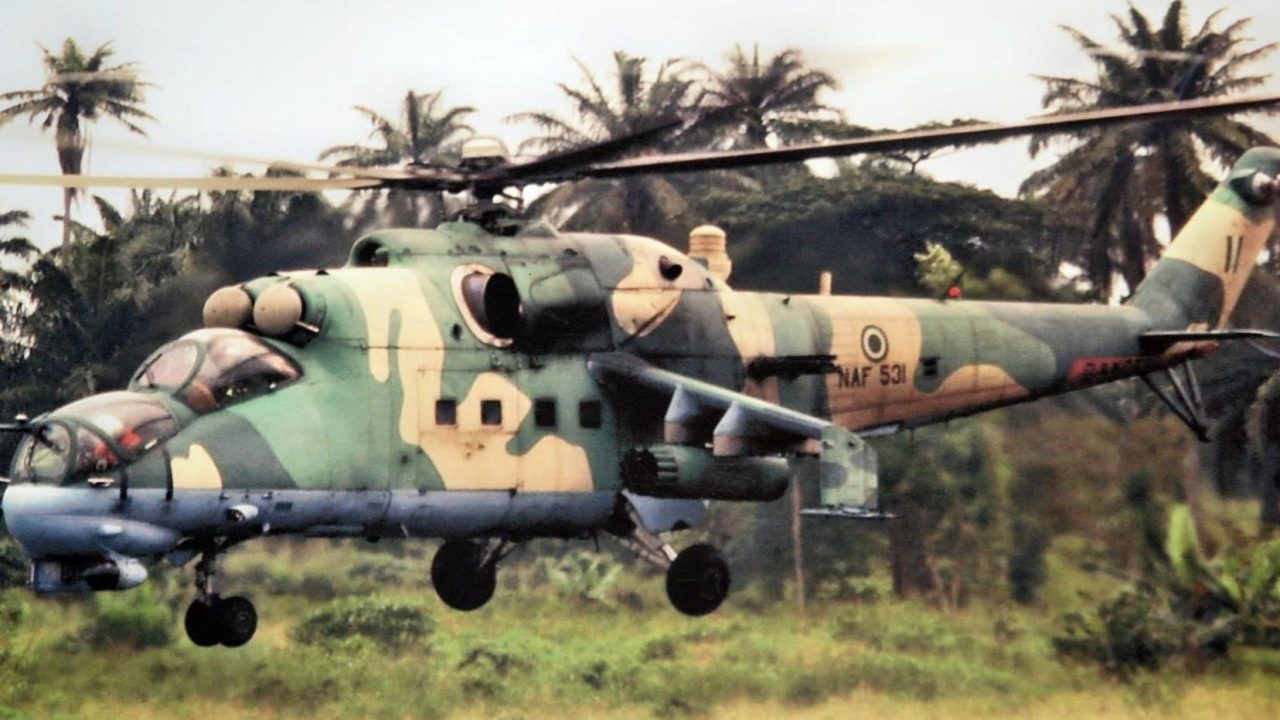
The Nigerian military has reported killing more than 40 Islamic State West Africa Province (ISWAP) fighters, including a prominent commander, in an air strike that reportedly disrupted plans for coordinated attacks on military positions in Borno State.
The operation, conducted by the Air Component of the Joint Task Force, North East, under Operation Hadin Kai, targeted a suspected insurgent enclave at Badu Village, south of Gudumbali in Guzamala Local Government Area of the state.
The military said the operation was launched on October 10, 2026, after intelligence reports indicated that the insurgents were assembling to plan attacks against troops operating in the area.
In a statement issued in Maiduguri, Captain Mohammed Goni, the Military Information Officer at the Headquarters of the Joint Task Force, North East, said preliminary intelligence and battle damage assessments indicated that more than 40 fighters were killed in the operation.
According to the military, the casualties included a prominent ISWAP commander believed to have been involved in the group’s operations in the region.
Military acts on intelligence about planned attacks
Goni said the operation followed credible intelligence about the concentration of insurgents allegedly preparing coordinated attacks against military formations and nearby communities.
He explained that the Air Component conducted aerial surveillance to identify the movements of suspected fighters around their hideouts and logistics facilities before launching a precision strike on a building occupied by the insurgents.
The military said the air strike disrupted the planned attacks and weakened the operational capacity of the targeted fighters.
However, the reported casualty figure was based on the military’s preliminary assessment, and independent confirmation of the number of fighters killed was not available.
Vehicles, motorcycles destroyed
The military also reported that the operation destroyed two vehicles and approximately 20 motorcycles allegedly used by the insurgents for transportation, logistics and offensive operations.
The destruction of the equipment could affect the group’s ability to move fighters, transport supplies and coordinate attacks across remote communities in the area.
According to the military, intelligence gathered after the operation linked the targeted fighters to ISWAP’s Murabitun element, described as a mobile fighting unit involved in patrols, attack coordination and other insurgent activities.
The military said further assessments were ongoing to determine the full extent of the damage caused by the strike.
ISWAP remains a security threat in North-East
ISWAP remains one of the principal armed extremist groups operating in Nigeria’s North-East, particularly in Borno State and areas around the Lake Chad region.
The group emerged from the Boko Haram insurgency and has continued to attack military formations and communities as security forces intensify efforts to contain its activities.
Insurgent attacks on military positions have posed persistent challenges to efforts to restore peace and enable displaced residents to return to their communities.
The latest reported operation forms part of the military’s broader campaign to disrupt insurgent movements, dismantle their operational networks and prevent attacks on troops and civilians.
The military reiterated its commitment to sustaining intelligence-led operations and coordinated air and ground offensives against insurgent groups in the North-East.
While the reported deaths of more than 40 fighters would represent a significant blow to the targeted group if confirmed, the full impact of the operation will depend on subsequent intelligence assessments and developments on the ground.
How Military Air Strike Crushed ISWAP Attack Plot, Killed Over 40 Fighters in Borno
metro
Court Strikes Out FG’s Forgery Charges Against ‘Fake’ PFIPC Boss, Adeniyi Adeyemi
Court Strikes Out FG’s Forgery Charges Against ‘Fake’ PFIPC Boss, Adeniyi Adeyemi
Prosecution to re-arraign defendant before FCT High Court over alleged impersonation
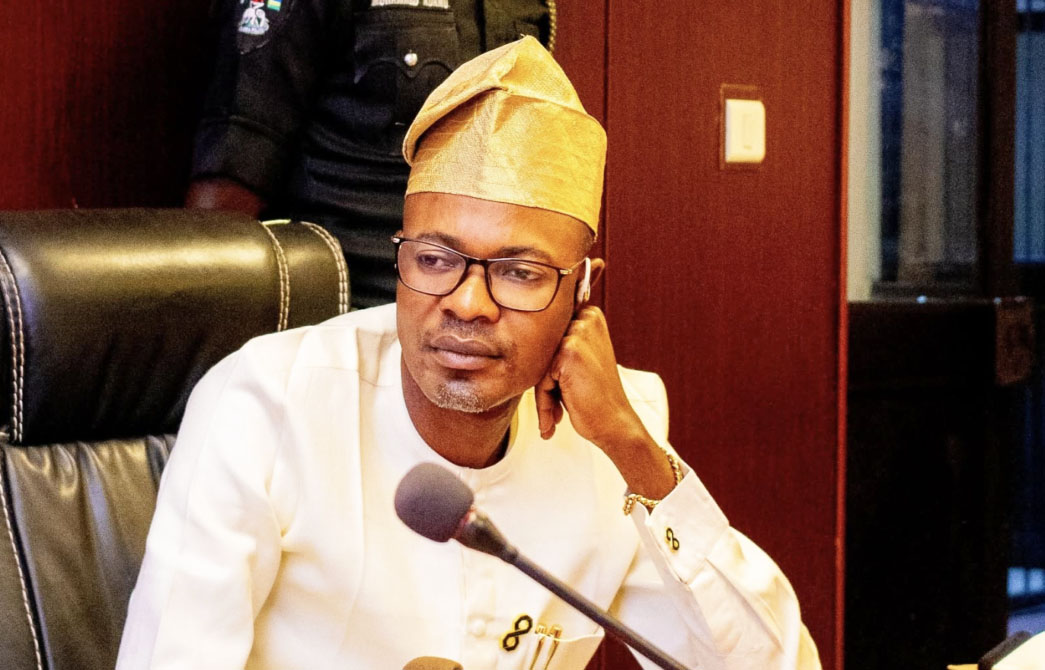
The Federal High Court in Abuja, on Monday, struck out the eight-count criminal charge filed by the Federal Government against Adeniyi Adeyemi, the self-styled Director-General of the alleged non-existent Presidential Foreign Investment Promotion Council (PFIPC).
Justice Mohammed Umar struck out the charge following an application by the prosecution to withdraw the case, paving the way for the defendant to be re-arraigned before the High Court of the Federal Capital Territory (FCT).
At the resumed proceedings, the Director of Public Prosecutions of the Federation (DPPF), Rotimi Oyedepo, informed the court that the Attorney-General of the Federation (AGF) had reviewed the case file and uncovered “loopholes” in the charge.
READ ALSO:
- How Bandits Demand ₦300m Ransom for Abducted Kaduna Couple, Baby in Viral Video
- 2027 Elections: Atiku Demands Names of INEC Ballot Printers, Questions Secret Contracts
- ₦8.7bn Erosion-Control Budget Gap Raises Questions as Anambra Gullies Expand
Oyedepo explained that the documents Adeyemi allegedly forged fell under the jurisdiction of the FCT High Court rather than the Federal High Court. Consequently, he applied to withdraw the charge to allow for a proper fresh arraignment in the appropriate court.
The defense counsel, Ibrahim Angulu, did not oppose the Federal Government’s application for withdrawal. Delivering his ruling, Justice Umar granted the application and struck out the charge, effectively ending the proceedings at the Federal High Court.
Adeyemi had been in detention following his arrest on the strength of a bench warrant issued by the Federal High Court. He was initially arraigned on charges bordering on forgery, fraud, and impersonation, and was subsequently remanded at the Kuje Correctional Centre.
The case against Adeyemi stems from allegations that he held himself out as the Director-General of the PFIPC, a body authorities have described as non-existent. He has consistently denied any wrongdoing, maintaining that the agency was a legitimate initiative.
Monday’s decision effectively terminates the case before the Federal High Court, but does not signal the end of the FG’s prosecution efforts. A fresh arraignment before the FCT High Court is now expected. The development also halted the scheduled hearing of Adeyemi’s bail application, which was pending before the Federal High Court.
Court Strikes Out FG’s Forgery Charges Against ‘Fake’ PFIPC Boss, Adeniyi Adeyemi
-
 Health3 days ago
NAFDAC Raises Alarm Over Toxic Pesticides in Beans, Seizes ₦800m Banned Chemicals
-

 metro2 days ago
Tension in Kano as Phone Traders Confront Chinese Sellers Over Cheaper Phones
-

 metro3 days ago
Police Launch Manhunt After Fresh Attacks, Kidnappings Rock Four Nigerian States
-

 metro3 days ago
EFCC Wins ₦132m Money Laundering Case as Court Orders Forfeiture of Lagos Properties
-

 Business3 days ago
NNPC Petrol Discount: Motorists Must Download App to Save ₦66 Per Litre
-

 Entertainment2 days ago
‘My Wife Fed Actresses I Was Dating Despite Knowing About Our Affairs’ – Yinka Quadri
-

 Politics3 days ago
INEC Raises Alarm Over Fake APC Result Naming Okorocha, Seeks DSS, Police Probe
-

 metro3 days ago
Mary Ugwoma’s Death: Husband Denies Abuse, Cites Brain Haemorrhage Report