

International
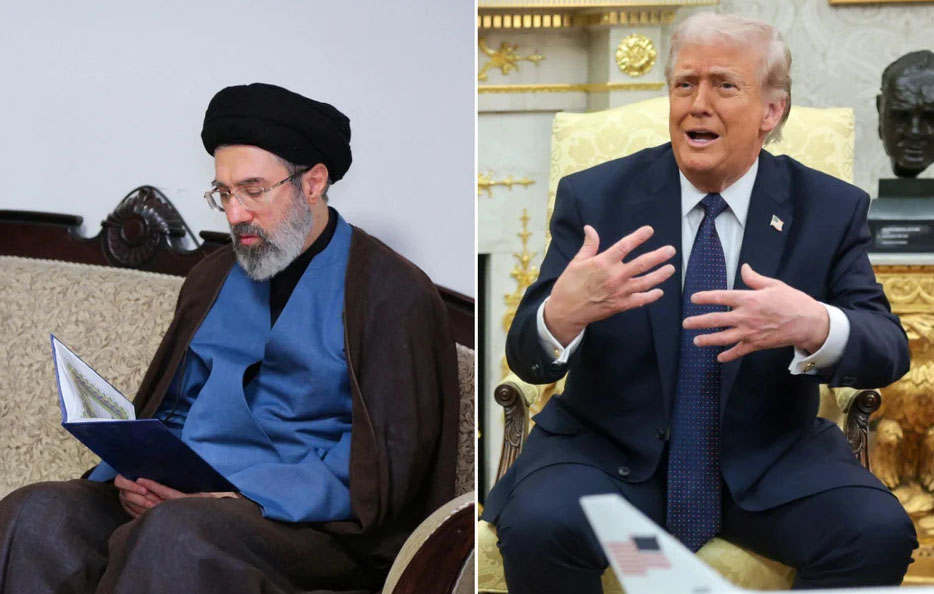
US 15-Point Plan Reportedly Conveyed to Iran via Pakistan
US 15-Point Plan Reportedly Conveyed to Iran via Pakistan
Proposals from the United States aimed at ending the ongoing conflict with Iran have reportedly been transmitted to Tehran through Pakistani intermediaries, according to two senior officials in Islamabad cited by AFP.
The development comes as diplomatic activity intensifies across the Middle East, with regional actors attempting to de-escalate tensions that have persisted for nearly a month and disrupted security, trade routes, and energy markets.
The officials, who requested anonymity because they were not authorised to speak publicly, said the 15-point US plan was conveyed to Iran via Pakistan, which has increasingly been positioned as a neutral intermediary due to its longstanding ties with both countries.
Pakistan’s role in the emerging diplomacy is rooted in its strategic relationships. Islamabad maintains communication channels with both Iran and the United States, while also engaging closely with Gulf partners.
Pakistani authorities, including Prime Minister Shehbaz Sharif and Foreign Minister Ishaq Dar, have reportedly been in contact with Iranian officials and have expressed readiness to host negotiations if required. Their outreach also extends to Gulf stakeholders, including discussions with Saudi Arabia’s leadership.
READ ALSO:
- Troops Intercept 18 Suspected Boko Haram Logistics Suppliers in Borno
- Court Voids CBN Sack of Union Bank Board, Orders Reinstatement
- Gulf States Push UN Human Rights Council to Condemn Iran, Demand Reparations
The report noted that Sharif recently held talks with Crown Prince Mohammed bin Salman, reflecting Islamabad’s effort to maintain balanced relations with key regional actors amid escalating tensions. Pakistan and Saudi Arabia also share a mutual defence framework, further underscoring their strategic alignment.
Additionally, Pakistan’s military leadership has been involved in diplomatic engagements. Chief of Army Staff Asim Munir is said to have participated in high-level communications, including a reported conversation with US President Donald Trump.
The reported US proposal is believed to outline a framework for de-escalation that may include restrictions on Iran’s nuclear activities, limitations on missile capabilities, and adjustments to regional military posture, alongside potential economic incentives such as sanctions relief. However, the full contents of the plan have not been officially disclosed by Washington.
The diplomatic push coincides with recent signals of cautious optimism from President Trump, who has indicated progress toward ending the conflict. At the same time, Tehran has announced measures such as allowing “non-hostile” oil vessels to pass through the strategically vital Strait of Hormuz, a key global energy corridor.
Despite these developments, Iran’s envoy to Pakistan, Reza Amiri Moghadam, stated that no formal negotiations—direct or indirect—have taken place between Washington and Tehran. He described recent claims of progress as inaccurate, maintaining that communication remains limited to indirect or unconfirmed channels.
Iran has historically relied on intermediaries such as Oman, Qatar, and now Pakistan for backchannel diplomacy with the United States, given the absence of direct diplomatic relations between the two countries.
Analysts say Pakistan’s involvement reflects a broader pattern of regional mediation efforts aimed at preventing further escalation in a conflict that has already affected shipping lanes, energy supplies, and geopolitical stability across the Middle East.
While Islamabad has signalled willingness to facilitate dialogue, the outcome of the reported 15-point proposal remains uncertain, with no official confirmation from either Washington or Tehran on the acceptance or rejection of the plan.
US 15-Point Plan Reportedly Conveyed to Iran via Pakistan







International
Radio Caroline Fined Over False King Charles III Death Announcement
International
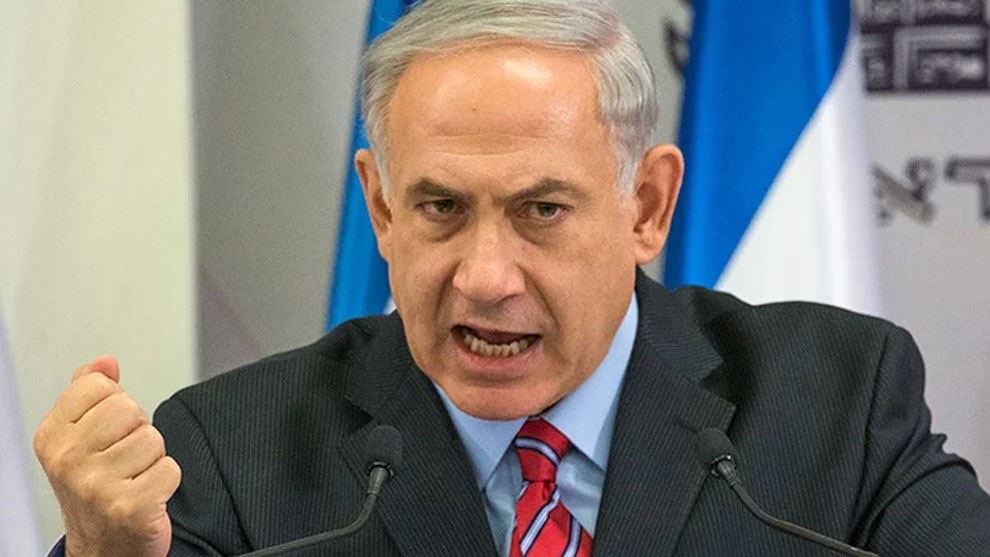
Netanyahu Rejects Trump’s Gaza Peace Plan, Insists No Israeli Withdrawal Until Hamas Is Fully Disarmed
International
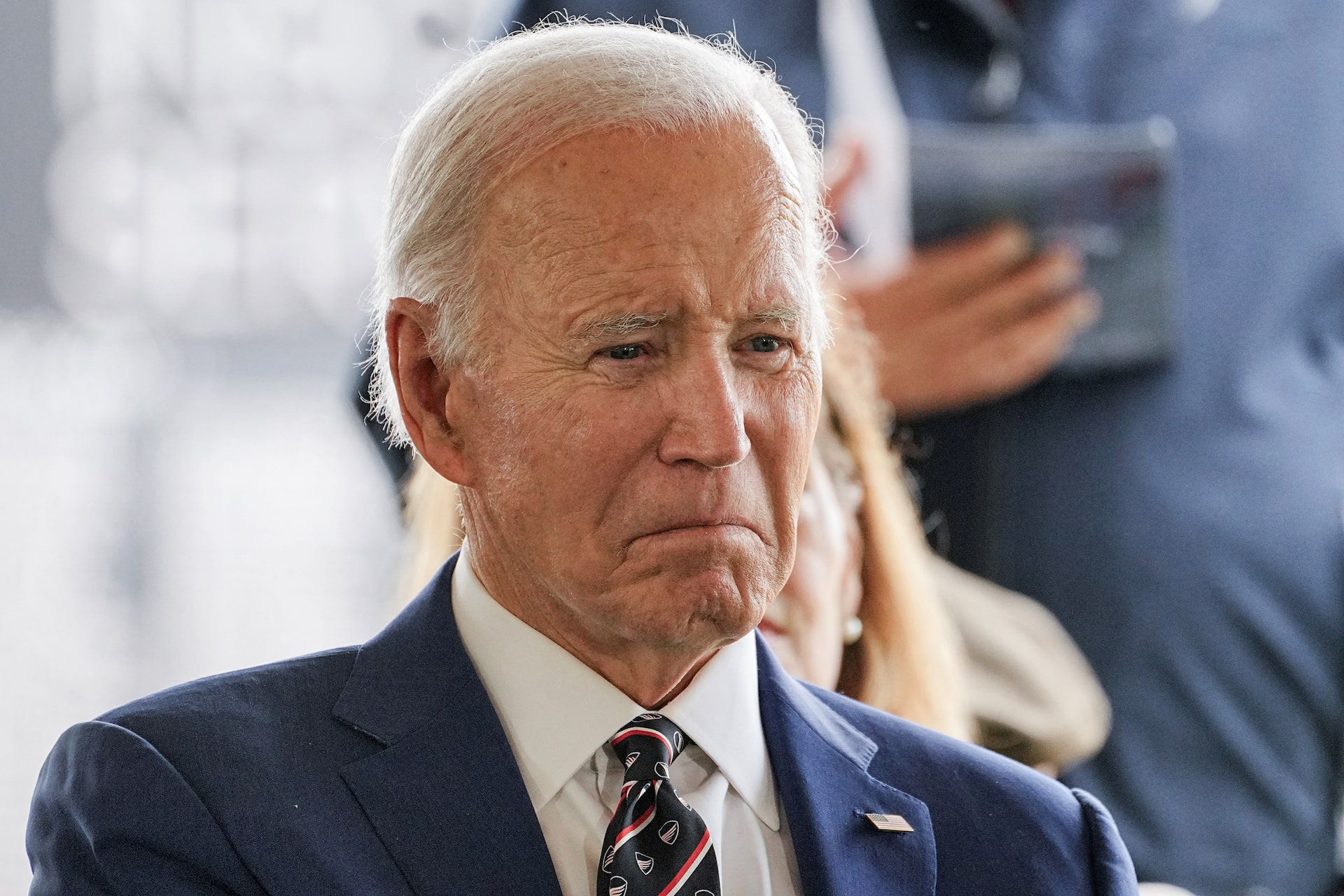
Biden condition deteriorates as cancer spreads to bones
Biden condition deteriorates as cancer spreads to bones
Former United States President Joe Biden is battling advanced prostate cancer that has spread to his bones, with his son, Hunter Biden, revealing that the disease is causing his 83-year-old father significant pain and debilitating effects.
Hunter Biden, who became emotional while discussing his father’s health, told the BBC that the cancer had metastasised beyond the prostate and into his bones.
“The cancer has spread, metastasized into his bones and further,” he said. “It’s very painful and it’s very debilitating in many respects.”
The revelation provides a fresh and worrying update on the health of the former president, who disclosed his prostate cancer diagnosis in May 2025, less than four months after leaving the White House.
Hunter said the diagnosis had been particularly difficult for the Biden family, describing his father as the “centre” and “rock” of the family.
“It’s really sad to watch,” he said. “The only thing that I’d say about my dad, about his health right now, is I wish he would complain more, because it’s not good.
“He is the center of our family… He is our rock.”
Biden’s condition had previously been described as an aggressive form of prostate cancer that had already spread to his bones when his diagnosis was announced.
The latest disclosure comes after former First Lady Jill Biden also acknowledged the seriousness of her husband’s condition, saying in June that he would likely live with the disease for the rest of his life.
READ ALSO:
- “Don’t Paint What Doesn’t Exist”: Kamo State Addresses Funke Akindele Speculation
- Onaiyekan: Is Tinubu insensitive to Nigerians’ plight? By Bolanle BOLAWOLE
- Osun 2026: Police arrest commissioner over APC rally gunshots as Adeleke alleges political intimidation
“I think if he had just been diagnosed with prostate cancer, that’s one thing because that can be cured, but the fact that it metastasized to his bones, that makes it a whole different story,” she said.
“So I think Joe will live with cancer till the rest of his life.”
Biden has undergone radiation and hormone treatment as part of his treatment. He also underwent surgery in September 2025 to remove cancerous skin cells.
Despite his health challenges, Hunter said his father remains publicly engaged, continuing to speak about issues he considers important.
“He’s still doing his thing,” Hunter said. “He so believes in this country.”
Biden, who served as president from January 2021 to January 2025, was the oldest person to occupy the White House. His age and health became major political issues during his presidency, particularly in the final year of his administration.
His health was also a significant factor in the 2024 presidential campaign, eventually contributing to his decision to withdraw from the race and endorse Vice President Kamala Harris as the Democratic Party’s candidate.
The latest development comes as Biden continues to receive treatment and spend time with his family following his departure from the White House.
Biden condition deteriorates as cancer spreads to bones
-

 metro3 days ago
VIDEO: Lagos Bridge Vandalism: 27 Arrested as Scavengers Strip Pillars of Iron Bars
-

 News3 days ago
Osun election: Police pledge neutrality, warn against vote buying, violence
-

 metro3 days ago
NRS Boss Under Fire Over Alleged Secret Transfer of $279m Oil Fund
-

 News3 days ago
EFCC Acted Lawfully in Freezing Osun Account – Falana
-

 metro3 days ago
Fake Agency Director Blew N400m on Cars, Relatives, Luxury Items – Police
-

 Sports3 days ago
Ronaldo predicts Cristiano Jr. will be ‘bigger than me’, reveals biggest challenge
-

 Sports17 hours ago
After Cameroon Heartbreak, Falcons Battle Banyana Thursday for World Cup Lifeline
-

 Politics2 days ago
Osun 2026: Police arrest commissioner over APC rally gunshots as Adeleke alleges political intimidation