

metro
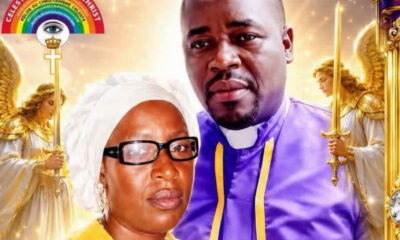
Debate as OPM Pastor Marries Autistic Man to Older Woman

Debate as OPM Pastor Marries Autistic Man to Older Woman
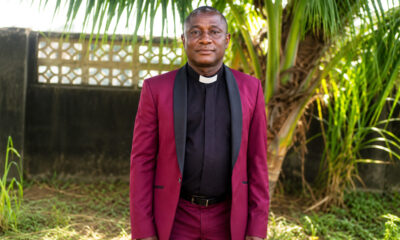
The founder of Omega Power Ministries, Chibuzor Chinyere, has officiated the marriage of a young man living with Autism Spectrum Disorder to an older single woman, a development that has sparked widespread debate over consent, disability rights, and ethics in Nigeria.
The wedding, held on Sunday, March 29, followed days of intense backlash after the cleric made a viral appeal seeking a wife for the man, identified as Aboy Chibuzor.
According to the pastor, the groom—who lives with Autism Spectrum Disorder—was abandoned as a child at the church gate and has remained under his care. He explained that the man is non-verbal and dependent on assistance for daily activities, including feeding, bathing, and routine care, while his biological family remains unknown. Chinyere said the marriage was arranged to provide the man with companionship and long-term support, insisting that the intention was to improve his quality of life.
As part of the union, the pastor announced a series of financial and welfare packages for the couple, including a ₦10 million wedding gift, a house accommodation, and an overseas vacation, alongside a pledge of ₦20 million after 10 years. He also revealed that members of the church contributed additional financial support, further boosting the couple’s welfare.
READ ALSO:
- Jos Attack: Plateau Govt Declares 48-Hour Curfew After Deadly Assault
- Motoring World marks 30 years, set to rally industry leaders in Lagos
- Nigeria Police Reform: 222,000 Officers May Move to State Commands
The marriage comes after significant criticism from members of the public who described the initial proposal as demeaning to women and ethically questionable. In response, the cleric issued an apology, stating he “can never degrade any woman,” while maintaining that his actions were driven by compassion and responsibility for the man under his care.
Following the wedding, the pastor expressed optimism, noting what he described as early progress in the groom’s condition, including the ability to feed himself independently. He also expressed faith that the man could eventually speak, attributing the changes to divine intervention.
Despite the pastor’s assurances, the development has continued to raise serious concerns among observers and experts, particularly around the capacity for informed consent, the power dynamics between caregiver and dependent, and the absence of independent medical or legal evaluation. Critics argue that while individuals with autism have the right to relationships, proper safeguards must be in place to prevent exploitation.
The incident has reignited national conversations about marriage rights for persons with disabilities, highlighting the need for clearer legal frameworks that balance autonomy with protection. As discussions continue, many stakeholders are calling for stronger oversight and guidelines to ensure that vulnerable individuals are not placed at risk under the guise of care or support.
Debate as OPM Pastor Marries Autistic Man to Older Woman







metro
Sokoto Shuts Mosque After Cleric Stabbing, Names Ulamas Probe Panel
Sokoto Shuts Mosque After Cleric Stabbing, Names Ulamas Probe Panel
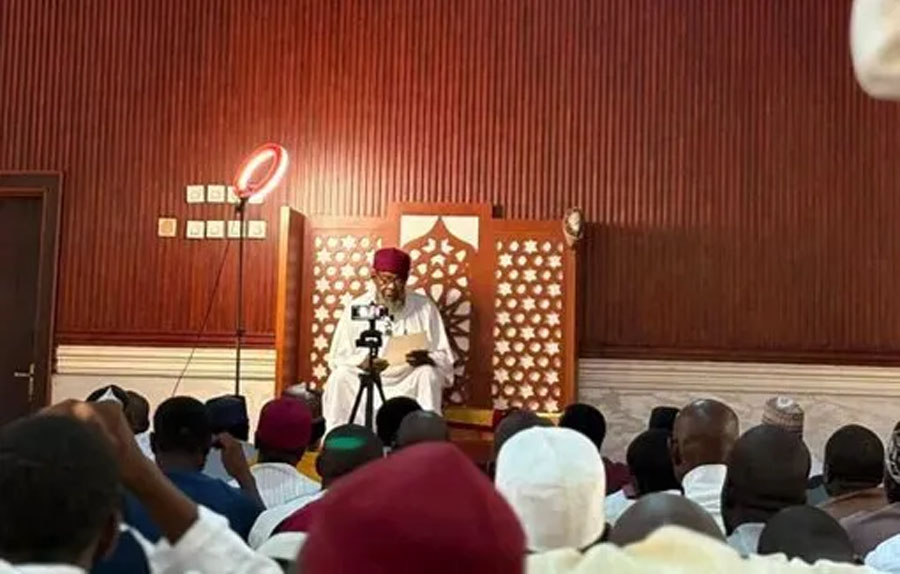
The Sokoto State Government has ordered the immediate closure of the Musa Lukuwa Jumu’at Mosque in Mabera, Sokoto metropolis, after a cleric was stabbed during Friday prayers and his attacker was killed by an angry mob.
The mosque, which the government describes as a crime scene, will remain shut until further notice. A committee of Islamic scholars (Ulamas) has also been constituted to investigate the remote and immediate causes of the incident and recommend measures to prevent a recurrence. The announcement was contained in a statement issued on Tuesday by the Director General, Media and Publicity, Government House, Abubakar Bawa.
The crisis began on Friday, September 11, 2026, shortly after Malam Musa Lukuwa led the Jumu’at prayer. A young man among the worshippers attacked the cleric, stabbing him twice in the neck and left hand. Worshippers overpowered the suspect and beat him to death before security operatives could arrive. Police spokesman DSP Ahmad Rufa’i confirmed that the cleric was rushed to the Specialist Hospital in Sokoto, where he was treated and later discharged. Lukuwa subsequently appeared in a video circulated on social media, with a plaster covering part of his neck, appealing for calm and assuring his followers that he was in stable condition. The Commissioner of Police, Hayatu Hassan Shaffa, condemned the mob action as jungle justice and urged residents to allow due process. “It is imperative that we allow the law to take its course to ensure justice is served appropriately,” Shaffa said. Security personnel have been deployed to Mabera and other flashpoints, while investigations into both the stabbing and the mob killing continue. No arrest has been made in connection with the lynching.
READ ALSO:
- Iran Rejects US Talks as Trump’s Mixed Signals Deepen Hormuz Standoff
- Saudi Arabia Vows ‘Firm’ Response as Houthi Attacks Wound 13
- Peter Obi Rejects Anambra Debt Claims, Challenges Soludo Govt to Produce Evidence
The attack was reportedly linked to a previous sermon in which the cleric cited a Hadith that some scholars, particularly those associated with the Tariqa order, considered offensive to the parents of Prophet Muhammad. Following the controversy, a young man identified as Mai Barewa allegedly threatened to kill Malam Musa Lukuwa and his senior student, Malam Murtala Assada. The cleric and his followers reported the threat to the police, leading to the suspect’s arrest and arraignment. A court later ordered that he be remanded in a correctional facility while the case remained pending. Four days before Friday’s incident, the clerics had also visited the Sokoto State Government House to submit a written complaint. The incident triggered protests and heightened tension around Sahara, Bello Way and Aliyu Jodi, with some businesses closing temporarily as security operatives moved into strategic locations. It came only days after protests erupted over the continued remand of another cleric, Dahiru Mai Barewa, who was accused of threatening Lukuwa and Malam Murtala Bello Assada. Police subsequently arrested about 20 people in connection with that protest.
The government said the committee would examine the circumstances surrounding the tension and make recommendations in the interest of peace and stability in the state. It also ordered a full investigation into the attack and the subsequent killing at the mosque. The state government further dissociated itself from any person, irrespective of status, who hides under the pretext of religion to undermine or disrespect Prophet Muhammad (PBUH), his parents, household and companions. It reaffirmed its “total obedience and respect” for the Prophet, his parents, household and companions, while urging residents to continue to show love and compassion to him. The government appealed to residents to desist from making inciting statements capable of jeopardising the peaceful coexistence for which Sokoto is known. It assured residents of its commitment to protecting the lives and property of every citizen in the state.
Malam Musa Lukuwa is an Islamic cleric from Lukuwa village in Gwadabawa Local Government Area of Sokoto State. He was among the early scholars associated with the Izala movement when it began gaining prominence in Sokoto State. He later became associated with the Salafiyya school of thought and established his own mosque, where he teaches Islamic studies and preaches to his followers. Lukuwa is known for his strict emphasis on adherence to the Qur’an and Hadith. His interpretation of religious practices, particularly issues surrounding the sighting of the crescent moon, has at times differed from the position announced by the Sultan of Sokoto. He maintains that decisions on the commencement and termination of fasting should be based on what he considers credible evidence of the sighting of the crescent, in line with the teachings of the Qur’an and Hadith.
Sokoto Shuts Mosque After Cleric Stabbing, Names Ulamas Probe Panel
metro
A Son Wouldn’t Have Done Better — Dangote Speaks on Daughters, Succession
A Son Wouldn’t Have Done Better — Dangote Speaks on Daughters, Succession
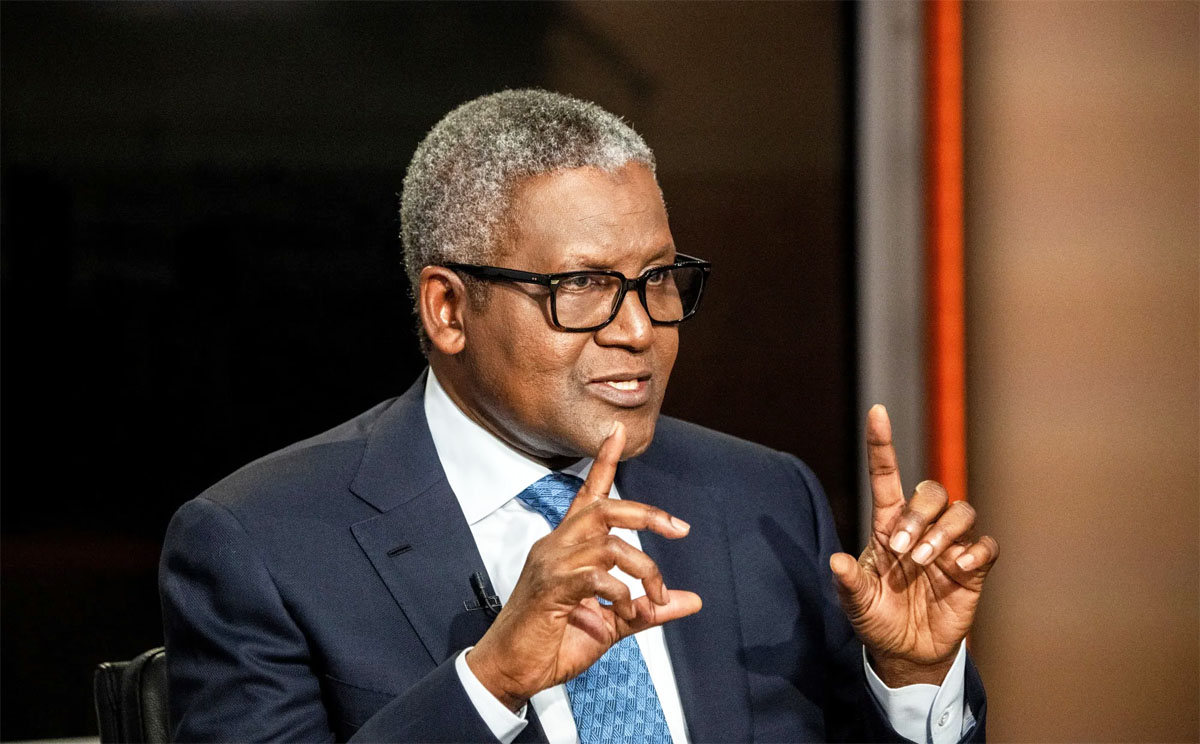
Africa’s richest man and President of Dangote Industries Limited, Aliko Dangote, has said having a son is not a priority for him, stressing that he is proud of the achievements of his three daughters and does not believe a male heir would necessarily have performed better.
Dangote made the disclosure in an interview with Arise News, where he was asked about family, succession and whether he wished to have a son who could eventually carry on his name and business legacy.
The billionaire said he was content with his three daughters and did not consider having a male child necessary for the continuation of his legacy.
Dangote said he believes his daughters have performed exceptionally well and that he would not assume a son would have achieved more simply because of his gender.
“I don’t think a son would have done better than the three daughters I have,” he said.
The remarks have drawn attention because Dangote has built one of Africa’s largest privately controlled business empires, with interests spanning cement, fertiliser, sugar, salt, petrochemicals, refining, logistics and other industrial sectors.
His three daughters — Mariya, Halima and Fatima Dangote — have increasingly become associated with the family’s business and philanthropic interests, making their roles relevant to discussions about the future of the conglomerate.
The billionaire’s position also challenges the traditional expectation that a family-owned business of such scale should be inherited or controlled primarily by a male successor.
Rather than focusing on the gender of a potential heir, Dangote’s comments indicate an emphasis on competence, responsibility and the ability to preserve and develop the family’s legacy.
The issue of succession planning has become increasingly important for the Dangote business empire as the group expands into new areas and some of its major assets move into a new phase of development.
READ ALSO:
- 2027: APC Governors Reject Wike’s Rainbow Coalition, Insist on Party Loyalty
- Sanwo-Olu Joins Dangote as Historic N2.15tn Refinery IPO Opens on Nigerian Exchange
- Shehu Buba Submits Himself To DSS Over Banditry Allegations
One of the most significant developments is the planned public offering involving the Dangote Petroleum Refinery, which has become the flagship investment of Dangote’s industrial expansion in Nigeria.
The refinery, located in the Lekki area of Lagos, has a processing capacity of about 700,000 barrels of crude oil per day and began commercial operations in 2024.
The facility has transformed Dangote’s business interests by giving the group a major position in Nigeria’s petroleum-refining industry while reducing dependence on imported refined petroleum products.
The refinery is also at the centre of an ambitious initial public offering (IPO) aimed at raising additional capital and broadening ownership of the business.
The development could mark an important transition for one of Dangote’s most valuable assets, with the billionaire seeking to raise funds for further expansion while retaining significant control.
Beyond his commercial interests, Dangote’s succession arrangements also include a major philanthropic component.
His family has agreed to dedicate one-third of his estate to philanthropy, with the Aliko Dangote Foundation expected to play a central role in managing the charitable component of his legacy.
The foundation has supported initiatives in areas including healthcare, nutrition, education and humanitarian assistance, making philanthropy an important part of Dangote’s public legacy.
The decision to commit a substantial portion of his estate to charitable causes means that his succession plans are not limited to determining who will control his business interests.
It also establishes a framework for using part of his wealth to support social and humanitarian programmes beyond the commercial activities of the Dangote Group.
The combination of business succession and philanthropy could therefore shape how Dangote’s legacy is preserved long after his active involvement in the group.
His daughters’ growing prominence within the family’s affairs is particularly significant against this background.
Rather than waiting for the emergence of a male heir, the family’s current direction suggests that the next generation of leadership can be built around the capabilities of existing heirs.
READ ALSO:
- No Lives Lost as Responders Contain Dual Fire Outbreaks Across Lagos
- ‘I Was Never the Chosen One’ — Dembele Responds to Mbappe
- Plateau Attacks: Gunmen Kill Passengers, 13 Dead Across Three LGAs
Dangote’s comments also reflect a broader shift in attitudes towards family business succession, particularly among major African business families where traditional expectations have often placed greater emphasis on male inheritance.
For the businessman, however, gender does not appear to be the determining factor in assessing his children’s ability to carry forward his achievements.
His three daughters have established themselves in different areas of the family’s business and philanthropic interests, giving them experience that could become increasingly valuable as the conglomerate enters its next phase.
The succession question is particularly relevant because Dangote has spent decades building the group from a trading operation into a diversified industrial conglomerate with investments across Africa.
The Dangote Group is now one of Nigeria’s most prominent corporate organisations, with its operations contributing significantly to the country’s manufacturing, employment, export and industrial sectors.
The Dangote Refinery has added another strategic dimension to the group, particularly as Nigeria seeks to strengthen domestic refining capacity and reduce its reliance on imported petroleum products.
Its expansion, alongside the group’s existing cement and fertiliser businesses, means that decisions about future ownership and management will have implications beyond the Dangote family.
Dangote’s latest remarks therefore provide an insight into how he views the relationship between family, succession and legacy.
His message is that having a son is not necessary to secure the future of his name or business empire, particularly when his daughters have already demonstrated their capacity and commitment.
As the Dangote Group enters another period of expansion and restructuring, attention is likely to remain focused on the roles of his daughters, the future ownership of major assets and the implementation of the family’s philanthropic commitments.
For Dangote, the measure of succession appears to be less about whether the next generation includes a male heir and more about whether those entrusted with his legacy can preserve its value, expand its impact and use part of it to benefit society.
A Son Wouldn’t Have Done Better — Dangote Speaks on Daughters, Succession
metro
Five Nigerians Face Up To 100 Years In US Over $6m Romance Scam
Five Nigerians Face Up To 100 Years In US Over $6m Romance Scam
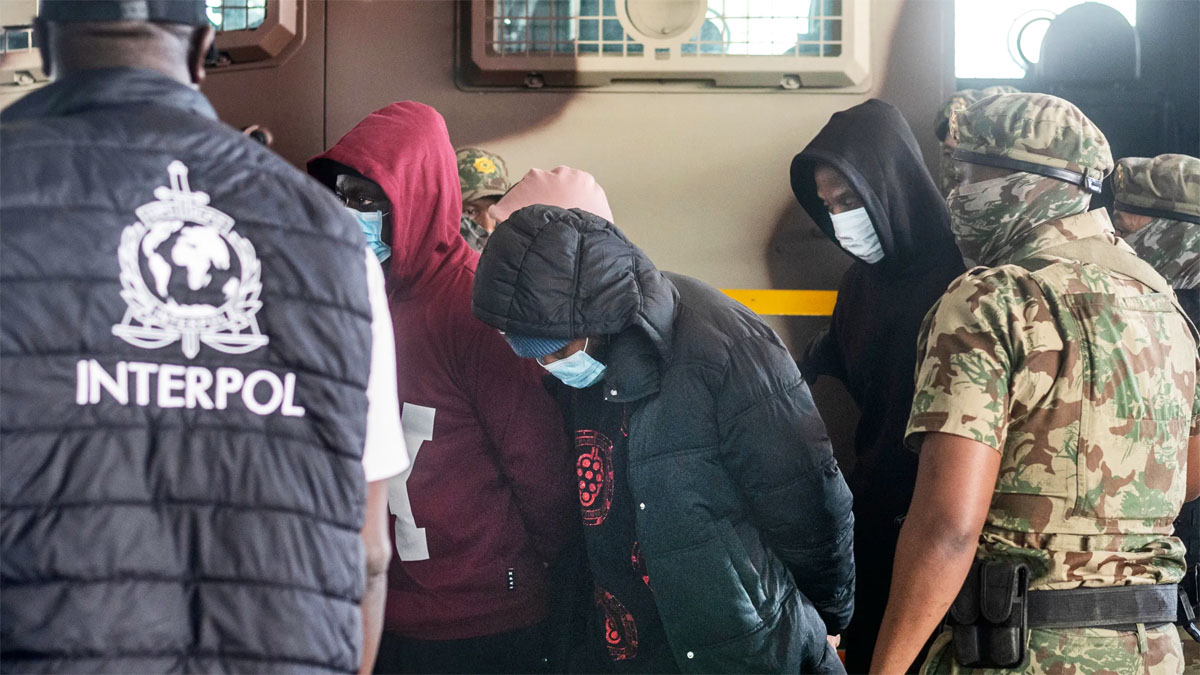
Five Nigerian nationals extradited from South Africa to the United States are facing federal fraud and money-laundering charges over an alleged $6 million online romance scam targeting more than 100 people in the United States.
The five men were among six Nigerian nationals extradited from South Africa on September 11, 2026, after being arrested in Cape Town in 2021 following a request from US authorities.
The five defendants named in the US federal case are Perry Osagiede, 57; Franklyn Edosa Osagiede, 42; Osariemen Eric Clement, 40; Collins Owhofasa Otughwor, 42; and Musa Mudashiru, 38.
US prosecutors allege that the men were prominent members of the Cape Town Zone of the Neo Black Movement of Africa, popularly known as Black Axe, and participated in an organised fraud operation that ran for years.
The sixth Nigerian extradited alongside them has been identified in South African reports as Prince Ibeabuchi Mark, but he is not among the five defendants named in the US federal indictment currently at the centre of the case.
The extradition followed a lengthy legal process after the suspects were arrested in Cape Town in 2021. They were eventually handed over to US authorities, including officials from the Federal Bureau of Investigation (FBI) and the US Secret Service, for prosecution.
The defendants were scheduled to appear before US District Judge Michael A. Shipp at the federal court in Trenton, New Jersey.
According to US prosecutors, the alleged operation was active between 2011 and 2021 and used online relationships, false identities and other deceptive methods to obtain money from victims.
The alleged romance scam involved the suspects presenting themselves online as potential romantic partners and developing relationships with victims before asking them for financial assistance.
READ ALSO:
- ‘I Was Never the Chosen One’ — Dembele Responds to Mbappe
- Plateau Attacks: Gunmen Kill Passengers, 13 Dead Across Three LGAs
- 2027: Northern Lecturers Back Tinubu, ASUU Disowns Endorsement
Prosecutors allege that the victims were often given elaborate explanations for why money was needed, including supposed business problems, construction projects, medical emergencies, accidents, taxes, inheritance difficulties and other financial crises.
In some instances, the alleged fraudsters reportedly persuaded victims to send not only cash but also electronic devices and other valuable items.
The alleged operation also involved advance-fee fraud and business email compromise, according to US authorities.
Investigators allege that money obtained from victims was moved through different bank accounts and business arrangements in an attempt to conceal the proceeds and transfer them to South Africa.
The victims reportedly included retirees, businesspeople and other individuals who were allegedly manipulated through prolonged online relationships.
South African authorities said more than 100 women were allegedly defrauded of more than 100 million South African rand, estimated at about $6.2 million.
The alleged scale of the scheme has drawn attention to the increasingly international nature of cyber-enabled financial crime, in which perpetrators, victims, financial accounts and criminal proceeds can be located in different countries.
US prosecutors have also alleged that members of the group used multiple aliases and online identities in communicating with victims.
Perry Osagiede, whom prosecutors describe as an alleged founder and leader of the Cape Town Zone, is accused of using several aliases, while other defendants are also alleged to have operated under assumed names.
The prosecution further alleges that the accused held leadership positions within the alleged Black Axe structure in South Africa while participating in the fraud schemes.
The charges against the five men include conspiracy to commit wire fraud and conspiracy to commit money laundering.
READ ALSO:
- Sanwo-Olu Joins Dangote as Historic N2.15tn Refinery IPO Opens on Nigerian Exchange
- Shehu Buba Submits Himself To DSS Over Banditry Allegations
- No Lives Lost as Responders Contain Dual Fire Outbreaks Across Lagos
Perry Osagiede, Franklyn Edosa Osagiede and Osariemen Eric Clement are additionally facing individual wire-fraud charges.
Perry Osagiede, Franklyn Edosa Osagiede and Collins Owhofasa Otughwor are also charged with aggravated identity theft.
The potential penalties are significant.
Each wire-fraud conspiracy or wire-fraud charge carries a maximum sentence of 20 years in prison under US law, while the money-laundering conspiracy charge also carries a maximum sentence of 20 years.
The aggravated identity-theft charges carry a mandatory additional two-year prison term, which must be served consecutively to any other sentence imposed.
This means that the defendants could collectively face a maximum exposure of up to 100 years in prison if convicted on the applicable charges.
However, the 100-year figure is a statutory maximum and does not mean the defendants have been sentenced to 100 years.
Any eventual sentence would depend on the outcome of the trial, the specific counts on which a defendant is convicted and the applicable US sentencing rules.
The case is part of a broader international effort to disrupt criminal networks accused of conducting online financial fraud across borders.
The Black Axe network has been identified by international law-enforcement agencies as a transnational organised crime network linked to cyber-enabled fraud and other criminal activities.
The extradition also highlights cooperation between South Africa, the United States, the FBI, the US Secret Service and international law-enforcement agencies in pursuing suspects accused of operating across national borders.
The men were arrested in South Africa in 2021, meaning the case has taken several years to reach the US courts.
Their extradition now allows the US judicial system to determine whether prosecutors can prove the allegations against them beyond the required legal standard.
The development comes as US and international authorities intensify efforts against romance scams, which have become a major form of online financial fraud.
Such scams typically involve perpetrators establishing emotional relationships with victims online before inventing emergencies or financial problems to persuade them to transfer money.
US authorities have repeatedly warned that victims can be targeted for extended periods before realising that the person with whom they have established an online relationship may not be who they claimed to be.
The prosecution of the five Nigerians therefore represents not only a major fraud case but also another example of how law-enforcement agencies are pursuing alleged cybercrime networks beyond the countries where their victims live.
Despite the seriousness of the allegations, the five defendants remain legally presumed innocent unless and until they are convicted by a US court.
The case will now proceed through the American federal justice system, where prosecutors are expected to present evidence supporting the allegations contained in the indictment.
Five Nigerians Face Up To 100 Years In US Over $6m Romance Scam
-

 News2 days ago
SERAP Threatens Legal Action Over ₦126bn INEC Electoral Funds
-
 Politics2 days ago
Five Islamic Clerics Abducted After Tinubu Re-Election Prayer At Yari’s Zamfara Residence
-
 Opinion2 days ago
‘Tinubu Will Win Again in 2027’ — Charismatic Bishops’ Secretary
-

 Sports2 days ago
‘Unacceptable’ — Arteta Furious Over Sunderland Penalty in Arsenal Win
-

 metro2 days ago
Mother ‘sold daughter’s abuse videos for $300’: Nigeria child pornography case shocks nation
-
 Politics3 days ago
Bamanga Tukur Dies at 90, Tinubu Pays Tribute to Ex-PDP Chairman
-
 Politics20 hours ago
2027: Northern Lecturers Back Tinubu, ASUU Disowns Endorsement
-

 News1 day ago
Nwifuru Dismisses Cubana Chief Priest as ‘Attention-Seeker’