

Politics
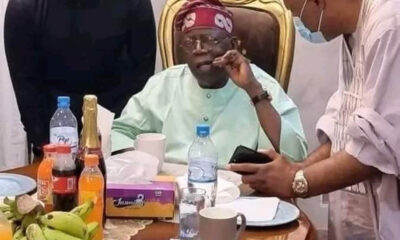
2027: 14 Opposition Parties Form Mega Coalition, Agree on Single Candidate to Challenge Tinubu
2027: 14 Opposition Parties Form Mega Coalition, Agree on Single Candidate to Challenge Tinubu
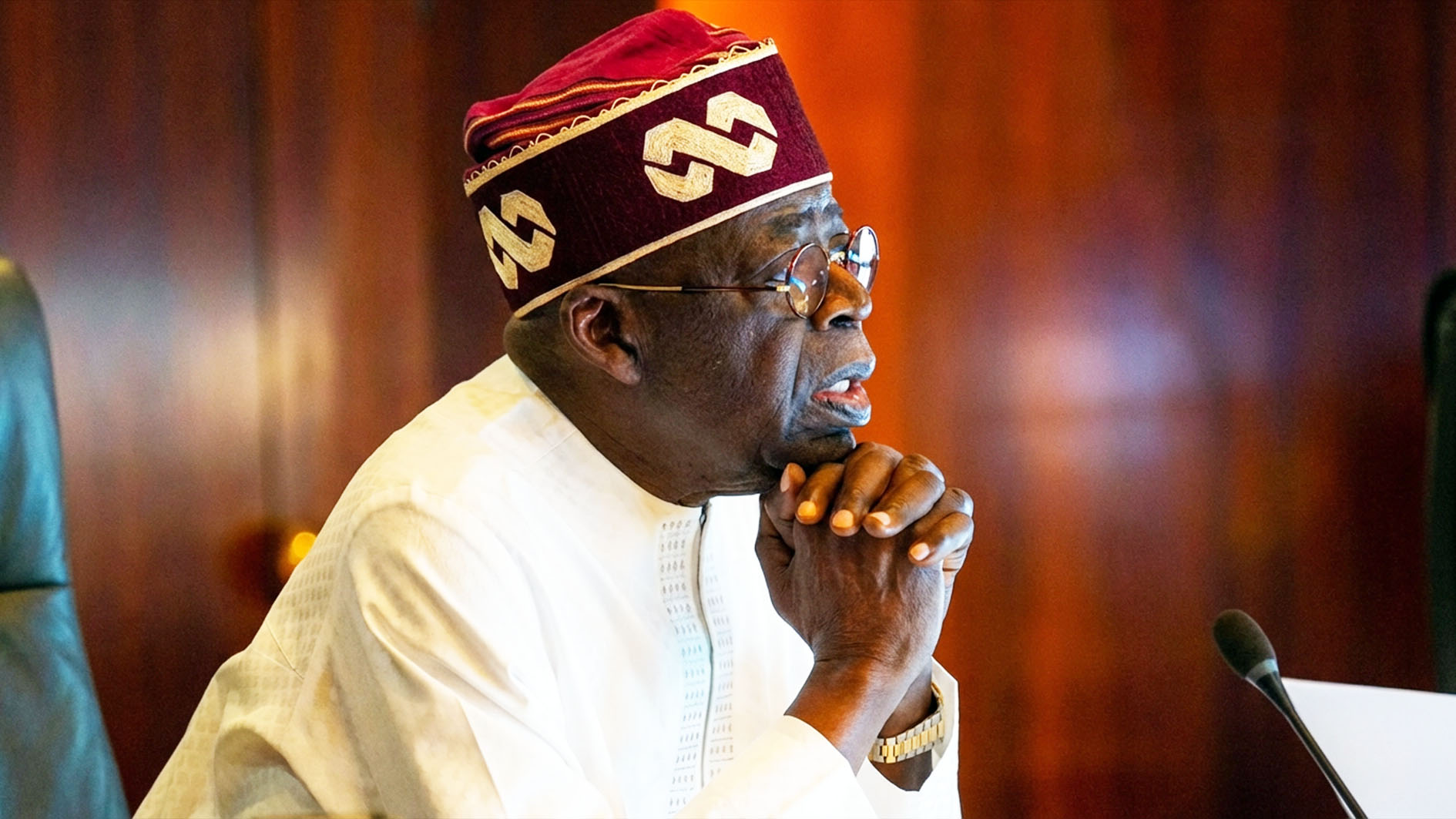
A coalition of 14 opposition political parties in Nigeria has agreed to field a single consensus presidential candidate to confront President Bola Tinubu and the ruling All Progressives Congress (APC) in the 2027 general elections.
The agreement was reached at a high-profile national opposition summit held at the Banquet Hall of the Agodi Government House in Ibadan, Oyo State, in what political observers describe as one of the most significant pre-2027 political realignments. The summit brought together leading opposition figures, including former Vice President Atiku Abubakar, Labour Party’s Peter Obi, NNPP leader Rabiu Kwankwaso, and several former governors, lawmakers, academics, and civil society actors.
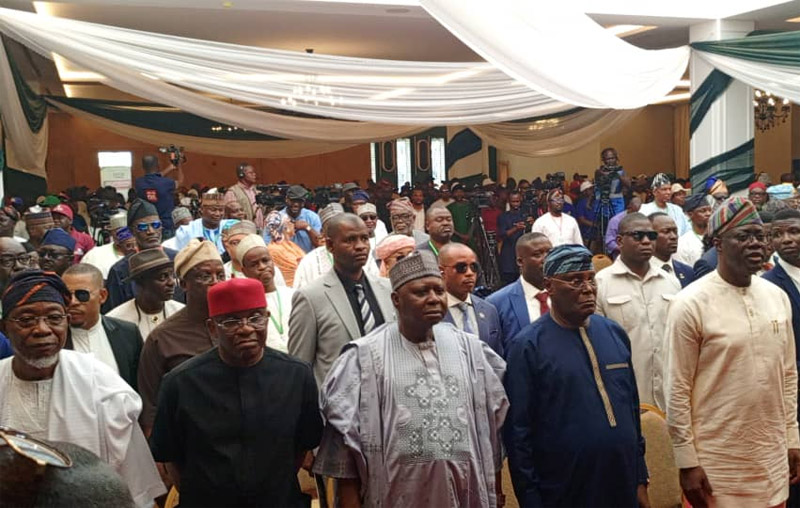
14 Opposition Parties Form Mega Coalition
The coalition includes major and smaller political parties such as the Peoples Democratic Party (PDP), Labour Party (LP), New Nigeria Peoples Party (NNPP), African Democratic Congress (ADC), Peoples Redemption Party (PRP), Young Progressives Party (YPP), Accord Party, Action Democratic Party (ADP), Action Alliance (AA), Action Peoples Party (APP), Allied Peoples Movement (APM), Nigeria Democratic Congress (NDC), Democratic Leadership Alliance (DLA), and Zenith Labour Party (ZLP).
READ ALSO:
- Nnamdi Kanu Thanks Ex-US Mayor Mike Arnold, Reaffirms IPOB Support
- APC Blasts Makinde Over ‘Operation Wetie’ Remark Ahead of 2027 Elections
- Gunmen Abduct RCCG, CAC Clerics, Families in Kogi Community Attack
At the end of the summit, the opposition adopted a communique titled the “Ibadan Declaration”, which formally outlined the plan to present a unified presidential candidate to challenge the APC in 2027. Reading the document, PDP National Chairman Taminu Turaki (SAN) said the decision was driven by what he called the urgent need to “rescue Nigeria’s democracy” and prevent further concentration of political power. The communiqué stated: “We shall work towards fielding one presidential candidate for the 2027 elections, which shall be agreed and supported by all participating opposition parties to rescue our nation and her long-suffering masses.”
The coalition accused the ruling APC of attempting to dominate Nigeria’s political space and warned against what it described as moves toward a one-party system. It also raised concerns about the leadership of the Independent National Electoral Commission (INEC), alleging bias and calling for reforms to ensure a credible electoral process. The group demanded amendments to the Electoral Act 2026, including extending the deadline for party primaries and removing provisions they described as restrictive to opposition participation.
Oyo State Governor Seyi Makinde, who hosted the summit, warned that Nigeria risks democratic backsliding if opposition voices are weakened. He said democracy must remain competitive, stressing that the coalition was not targeted at any individual but aimed at preserving political balance and accountability.
Reacting to the development, APC leaders dismissed the opposition alliance as unstable and lacking cohesion, insisting that Nigeria remains a multi-party democracy with more than 20 registered political parties. They argued that internal crises within opposition parties, not government interference, are responsible for their struggles ahead of 2027.
2027: 14 Opposition Parties Form Mega Coalition, Agree on Single Candidate to Challenge Tinubu







Politics
Peter Obi’s Benue Convoy Blockade Raises Questions Ahead of 2027
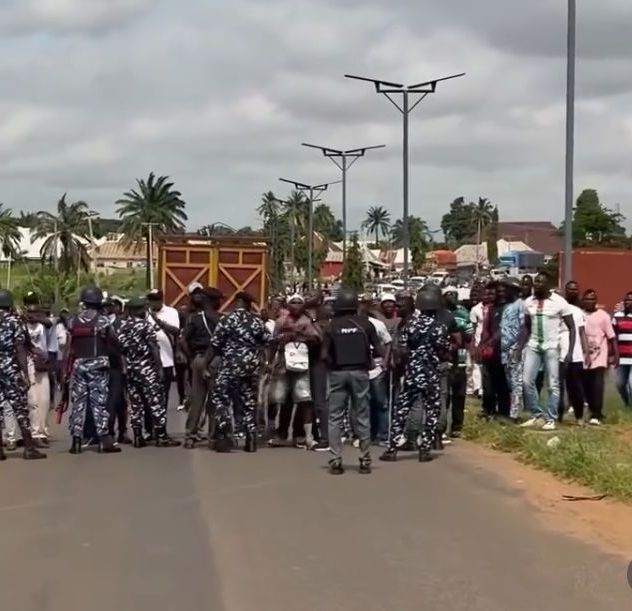
Peter Obi set out for Yelwata, Benue State, on Tuesday to visit a community recently devastated by violence. Instead, his journey was interrupted when youths reportedly blocked his convoy on the Gboko-Makurdi road.
What followed quickly became a political dispute.
According to Obi, the youths were allegedly organised by a Special Assistant to the Benue State Government to disrupt what he described as a peaceful humanitarian visit.
The Benue State Government rejected the accusation, insisting that it had no involvement in the incident and does not work with thugs. It also said it had not been notified ahead of Obi’s visit and advised political figures to coordinate their movements with security agencies when travelling within the state.
The police confirmed the roadblock and said security officers intervened to ensure Obi’s safety. An investigation has also been opened to establish what happened and who was responsible.
The incident has since attracted condemnation from opposition figures, with Rabiu Kwankwaso and Omoyele Sowore among those criticising the blockade.
Their concern is broader than Obi’s disrupted journey: if political figures cannot safely move through communities during politically sensitive periods, questions arise about how secure and open political engagement will be as the 2027 elections approach.
Yet the most important questions surrounding Tuesday’s incident remain unanswered.
Who organised the youths?
Why was Obi’s convoy stopped?
Was the confrontation politically motivated, the result of poor communication, or simply a security failure?
At this stage, none of these explanations has been conclusively established.
That uncertainty is what makes the Benue incident worth watching.
Nigeria is still months away from the 2027 election season, but political activity is already beginning to intensify.
As presidential hopefuls and other political figures increasingly travel across the country, particularly to communities affected by insecurity, the ability of authorities to properly coordinate and secure such visits will become increasingly important.
The Benue incident may ultimately prove to be an isolated confrontation. But it also highlights the tensions that can emerge when politics, insecurity and competing interests meet on the ground.
For now, the investigation may provide the clearest answer to the question at the centre of the controversy: What exactly happened on the road to Yelwata?
Politics
Breaking the Cycle of Collective Guilt: When a Ruling Party Voice Backs Peter Obi
Breaking the Cycle of Collective Guilt: When a Ruling Party Voice Backs Peter Obi
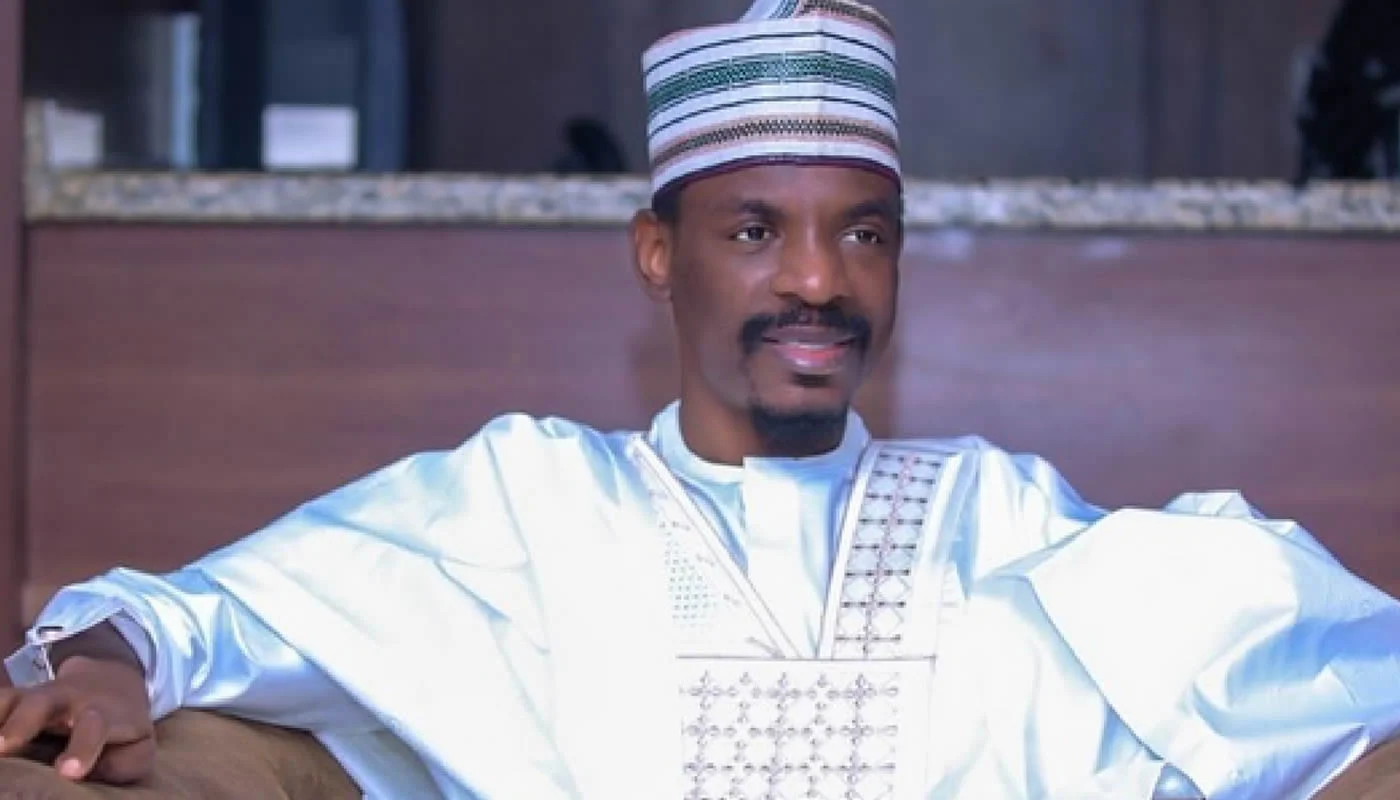
In a political climate routinely divided along ethnic and partisan fault lines, a moment of rare clarity has emerged regarding how Nigeria confronts its past. Former presidential spokesperson and All Progressives Congress stalwart Bashir Ahmad has publicly defended political rival Peter Obi, insisting that modern aspirants cannot be tarred with the historical fallout of the 1966 military coup.
The controversy was sparked by a pointed query on Arise News, where an anchor confronted Obi with the reality that some northern electorates still associate the Igbo community with the assassination of Northern Premier Sir Ahmadu Bello. Rather than deflecting with standard political rhetoric, Obi dismantled the premise by underscoring his own innocence: as a toddler in 1966, he had no hand in the decisions of rebellious army officers, making collective ethnic liability morally and logically indefensible.
READ ALSO:
- One Killed, Two Rescued as Two-Storey Building Collapses During Demolition in Lagos
- Warri Lawyer, Wife Arrested Over Sale of Baby Declared Dead at Birth
- FG Releases Eight-Month CATA Allowance to Lecturers Across Federal Tertiary Institutions
Ahmad quickly amplified the moment, choosing principle over partisan warfare. Moving past typical party rivalry, the APC chieftain reiterated that no citizen should be held culpable for crimes committed by others simply because they share an ethnic heritage. He noted that judging individuals by the actions of their kin or tribe threatens the fundamental tenets of justice, urging Nigerians to apply uniform fairness to every leader across the political aisle.
The public backing is an uncommon, refreshing sign of cross-party alignment on an issue that has historically derailed civic trust. By directly dismantling the narrative of intergenerational culpability, the exchange sends an unmistakable message to the electorate: Nigeria cannot build an accountable democratic future if political participation remains chained to historical grievances that modern actors had no part in creating.
Breaking the Cycle of Collective Guilt: When a Ruling Party Voice Backs Peter Obi
Politics
Remi Tinubu Appeals To South-East Voters, Says She Wants To ‘Enjoy Nigeria’ In Old Age
Remi Tinubu Appeals To South-East Voters, Says She Wants To ‘Enjoy Nigeria’ In Old Age
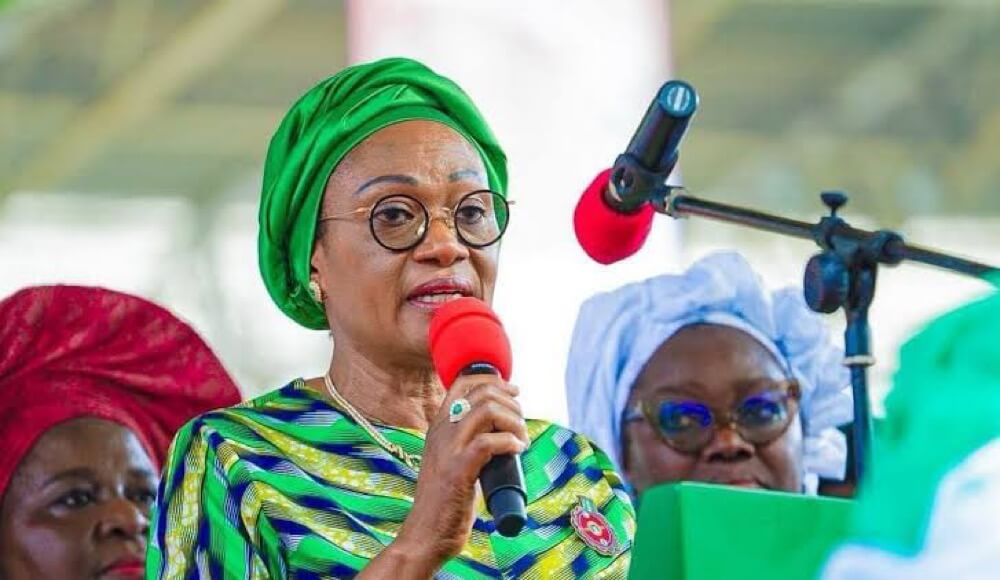
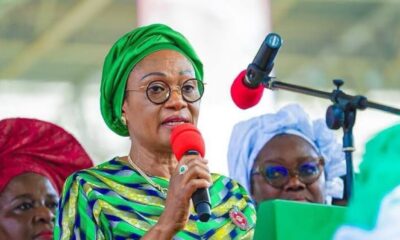
First Lady Oluremi Tinubu has taken her husband’s 2027 re-election campaign message to the South-East, asking voters in the region to support President Bola Tinubu for another term.
Speaking at a women’s empowerment programme in Owerri, Imo State, Mrs Tinubu said her support for the President’s second-term bid was partly driven by her desire to see Nigeria become a better place in her later years.
Addressing the women in Pidgin English, she said:
“Make una vote for Mr President, we go work for una and Nigeria go better.”
She went on to say she wanted to “enjoy Nigeria at old age” and would therefore continue working towards improving the country.
The event was part of a nationwide empowerment programme being implemented through the Office of the Senior Special Assistant to the President on Sustainable Development Goals.
READ ALSO:
- Police Arrest Woman Over Fake OPay Shutdown Notice
- Amaechi will be caged politically, Wike shouldn’t bother about Ikwerre votes — Wihioka
- Residents Cry Out Over Poorly Constructed Entrance of Ademola Abiola Street, Demand Urgent Intervention
The initiative is designed to reach 18,500 women across the country, with beneficiaries receiving equipment intended to help them establish or expand small businesses.
In the five South-East states, 500 women per state were provided with items including generators, grinding machines, gas cylinders and industrial ovens.
Imo received an additional boost after Governor Hope Uzodimma sponsored equipment for another 2,000 women. This brought the total number of beneficiaries in the state to 2,500.
Mrs Tinubu subsequently announced a ₦100,000 grant for each beneficiary who attended the event.
The First Lady’s political appeal comes as the race for the 2027 presidency gradually takes shape, with President Tinubu seeking to retain his position after winning the 2023 election.
Tinubu defeated Atiku Abubakar and Peter Obi in the 2023 contest, securing 8,794,726 votes. Atiku, then the Peoples Democratic Party candidate, received 6,984,520 votes, while Obi, who contested on the Labour Party platform, polled 6,101,533 votes.
The political landscape has since changed, with Atiku now flying the African Democratic Congress flag and Obi contesting under the Nigeria Democratic Congress.
Tinubu’s administration has spent much of its first term pursuing major economic changes, most notably the removal of the petrol subsidy, reforms to the foreign exchange market and changes to the tax system.
While the government has defended the measures as necessary for long-term economic recovery, they have also generated considerable public criticism over their immediate effects on Nigerians.
Rising food and transport costs, inflation, the depreciation of the naira and insecurity remain among the issues likely to shape public opinion ahead of the 2027 election.
With the presidential contest drawing closer, Mrs Tinubu’s appeal in the South-East signals the administration’s efforts to court support in a region where the political contest is expected to be closely watched.
Remi Tinubu Appeals To South-East Voters, Says She Wants To ‘Enjoy Nigeria’ In Old Age
-

 metro2 days ago
El-Rufai Demands ₦10bn from Defence Minister Over Southern Kaduna Killings Allegation
-

 News2 days ago
Lagos Moves to Slash Agency Fees, Curb Rent Hikes With New Tenancy Bill
-
 metro3 days ago
Catholic priest leaves priesthood, weds Kenyan woman after 12 years in Kenya
-
 Politics2 days ago
Why Did Peter Obi Attend Seyi Makinde’s Campaign Launch? Here’s What He Said
-
 metro2 days ago
Osun Police Arrest Woman After Vigilante Member Dies During Sexual Encounter in Ile-Ife
-

 Education2 days ago
FG opens six-month teacher certification for BSc, HND, ND holders – How to Apply
-
 Politics6 hours ago
Remi Tinubu Appeals To South-East Voters, Says She Wants To ‘Enjoy Nigeria’ In Old Age
-
 metro2 days ago
No US Case Against Tinubu, Family Enjoy Unimpeded Transit for UNGA — Ambassador Ibrahim