

Health
No Evidence Of Hantavirus In Nigeria — NCDC
No Evidence Of Hantavirus In Nigeria — NCDC
The Nigeria Centre for Disease Control and Prevention (NCDC) has confirmed that there is currently no evidence of hantavirus cases in Nigeria, while reassuring Nigerians that the country remains on heightened surveillance for emerging infectious diseases. The agency said it continues to monitor global health developments and strengthen its systems to quickly detect and respond to any unusual disease patterns.
The NCDC explained that hantaviruses are a group of viruses mainly carried by rodents such as rats and mice. Humans can become infected through direct contact with infected rodents or by exposure to contaminated urine, droppings, saliva, or dust particles from rodent-infested environments.
The agency noted that hantavirus infection, although rare, can lead to serious illness in some cases. It listed symptoms as including fever, fatigue, body aches, headache, and gastrointestinal issues, while severe cases may progress to difficulty breathing and other respiratory complications.
READ ALSO:
- Troops Neutralise Over 50 ISWAP Fighters In Failed Night Attack On Yobe Military Base
- Dangote Refinery Opens 2026 Graduate Trainee Programme For Young Professionals
- 2027: Support Tinubu For Stability, Omokri, FFK Tell Nigerians
Health officials also clarified that while some strains of the virus, such as the Andes virus, have been linked to limited human-to-human transmission in rare circumstances, there is no evidence of any such transmission or outbreak in Nigeria.
In a public health advisory, the NCDC stated that the overall risk to the general public remains low but advised Nigerians to maintain proper hygiene and environmental sanitation to reduce exposure to rodents and other disease carriers.
The agency recommended that households and communities keep surroundings clean to prevent rodent infestation, store food securely in sealed containers, dispose of waste properly, avoid contact with rodents and their droppings, and use protective equipment when cleaning contaminated areas. It also encouraged regular handwashing and strict infection prevention practices in both communities and healthcare facilities.
The NCDC further assured Nigerians that the country’s disease surveillance system remains active and capable of detecting and responding to outbreaks. It said lessons from previous public health emergencies, including Lassa fever, COVID-19, cholera, and mpox, have strengthened Nigeria’s preparedness and response capacity.
Officials urged the public not to panic, stressing that there is currently no confirmed case of hantavirus infection in the country. They also warned against misinformation, advising Nigerians to rely only on verified updates from official health sources.
As of the time of filing this report, the NCDC maintains that Nigeria remains free of hantavirus cases while continuing routine monitoring of global and local health threats.
No Evidence Of Hantavirus In Nigeria — NCDC













Health
Lagos Intensifies Surveillance as Adulterated Palm Oil Raises Food Safety Concerns
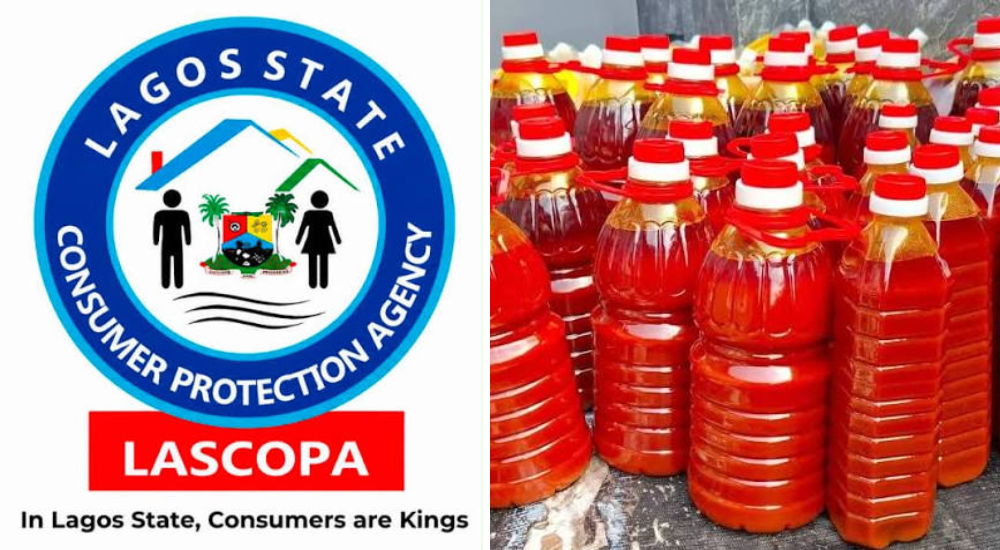
Lagos Intensifies Surveillance as Adulterated Palm Oil Raises Food Safety Concerns
The Lagos State Government has intensified surveillance of markets across the state following concerns over increasingly sophisticated forms of palm oil adulteration, including the alleged use of industrial dyes and other substances to alter the appearance of the widely consumed cooking oil.
The warning was issued by the Lagos State Consumer Protection Agency (LASCOPA) after a technical presentation at the Lagos State Food Safety Conference and Exhibition 2026, where experts examined emerging risks in the palm oil supply chain and ways of detecting adulterated products.
The presentation, titled “Palm Oil Adulteration: Emerging Risks, Detection Strategies and Regulatory Control,” was delivered by Dr Nurah Oseni, a senior lecturer in the Department of Food Technology at Auchi Polytechnic.
Oseni identified several factors that make palm oil vulnerable to adulteration, including its high trading volume, price differences, informal market practices and the perception among some consumers that a deeper red colour indicates better quality.
She raised particular concern over the reported use of Sudan and Azo dyes to artificially intensify the colour of palm oil.
The expert also identified the blending of palm oil with recovered or recycled oils, including spent cooking oil, and the use of combinations of adulterants designed to make detection more difficult.
Another concern is traceability fraud, involving practices such as falsifying product labels and batch records, which can make it difficult for regulators to establish the origin and movement of suspect products through the supply chain.
However, the warning does not mean that genuine palm oil is inherently unsafe or cancer-causing.
The health concern relates specifically to adulterated palm oil containing prohibited or potentially hazardous substances. Industrial Sudan dyes, for example, are not approved food colourants because of their established health risks.
The distinction is important because naturally produced palm oil can have varying shades of orange, red and yellow depending on the fruit, processing method and other factors.
Oseni therefore cautioned consumers against judging the safety or authenticity of palm oil solely by its colour.
READ ALSO:
- Saudi Arabia Rejects Nigeria’s Request for More 2027 Hajj Slots
- MURIC Warns FG: Any Move Against Atiku Now Lacks Tact
- Jetour T1 Storms Abuja as Automaker Accelerates Nigeria Expansion
She said simple visual examination could be used as an initial precaution, noting that genuine palm oil may separate into layers, with the lower portion appearing orange to reddish-yellow rather than uniformly deep red.
She nevertheless stressed that visual inspection cannot conclusively establish palm oil adulteration.
The expert also warned consumers against relying on the popular water test for palm oil, saying such household methods cannot scientifically confirm whether the product has been adulterated.
Laboratory analysis is required to establish the presence of prohibited dyes or other contaminants.
She recommended a tiered detection system involving risk-based screening, rapid physicochemical and spectroscopic tests and confirmatory laboratory analysis.
She also called for proper sampling and chain-of-custody procedures to ensure that laboratory results are reliable enough to support regulatory action.
Oseni proposed a five-stage surveillance model for Lagos — “Risk Map, Sample, Screen, Confirm and Act.”
The proposed system would involve identifying high-risk areas, collecting samples, carrying out preliminary screening, confirming suspected cases through laboratory testing and taking enforcement action where violations are established.
She also recommended the creation of an adulteration intelligence database and closer cooperation among processors, traders, laboratories, regulators, researchers and consumers.
The General Manager and Chief Executive Officer of LASCOPA, Afolabi Solebo, reaffirmed the agency’s commitment to protecting consumers from unsafe and substandard products.
Solebo urged Lagos residents to remain vigilant and report suspected cases of adulterated palm oil and unscrupulous trading through LASCOPA’s official channels.
He said market surveillance had been intensified across the state and warned that anyone found dealing in adulterated products would face appropriate enforcement action, including arrest and prosecution under relevant laws.
The latest warning comes against the backdrop of previous concerns about adulterated palm oil in Lagos markets.
Earlier this year, LASCOPA took enforcement action against a trader following concerns over allegedly adulterated palm oil, reinforcing the agency’s focus on the product and its potential risks.
The wider concerns have also attracted the attention of the National Agency for Food and Drug Administration and Control (NAFDAC).
NAFDAC Director-General, Professor Mojisola Adeyeye, has stressed that allegations about unsafe or adulterated food should be subjected to scientific testing and regulatory investigation before definitive conclusions are reached.
NAFDAC has also expressed concerns about the adulteration of palm oil with azo dyes and other hazardous contaminants, particularly products packaged and sold through informal markets.
The position places greater responsibility on state consumer protection and food safety agencies to strengthen market monitoring and enforcement within their jurisdictions.
Research into palm oil adulteration has highlighted the difficulty of identifying contaminated products through appearance alone. Adulterants can be used to make lower-quality palm oil appear more intensely red, exploiting consumer preferences for deeper colour.
The detection of such adulteration therefore requires appropriate analytical techniques rather than reliance solely on visual characteristics.
For consumers, food-safety experts and regulators recommend buying palm oil from trusted and traceable sources and reporting suspicious products rather than attempting to establish their safety through informal tests.
Unusual colour, odour, excessive sediments or other abnormal characteristics may justify further investigation, but none of these signs alone proves that palm oil is adulterated.
The issue also highlights a broader challenge facing the Nigerian food system: ensuring traceability and regulatory oversight in informal markets, where products can pass through several stages between producers, processors, wholesalers and retailers before reaching consumers.
At the Lagos food safety conference, stakeholders called for stronger enforcement, improved laboratory capacity, better traceability and greater cooperation among regulators, businesses and consumers.
LASCOPA’s intensified surveillance is consequently expected to focus on identifying specific cases of adulteration, collecting samples for proper testing and taking enforcement action where violations are confirmed.
Residents have meanwhile been encouraged to remain cautious when purchasing palm oil, avoid unverified claims about supposedly dangerous products and report suspected cases through official regulatory channels.
The Lagos government’s latest warning is therefore a call for greater vigilance over food safety and palm oil adulteration, rather than a blanket warning against consuming genuine palm oil.
Lagos Intensifies Surveillance as Adulterated Palm Oil Raises Food Safety Concerns
Health
Aproko Doctor Warns Nigerians Against Rinsing Mouth With Untreated Borehole Water

Aproko Doctor Warns Nigerians Against Rinsing Mouth With Untreated Borehole Water
Nigerian doctor and health educator Chukwuma Okoro, popularly known as Aproko Doctor, has warned Nigerians against using untreated borehole water to rinse their mouths, saying contaminated water may expose people to Helicobacter pylori (H. pylori), a bacterium associated with peptic ulcers.
Aproko Doctor issued the warning in a video shared on X on Monday, September 21, 2026, urging people to pay attention to the quality and source of water used for everyday activities, including brushing the teeth and rinsing the mouth.
He specifically raised concern about borehole water sourced from residential compounds, particularly where the borehole and surrounding plumbing or sanitation infrastructure may not be properly constructed or maintained.
According to him, H. pylori is one of the common causes of peptic ulcers. He warned that people who use untreated water for oral hygiene could potentially be exposed to bacteria if the water source has been contaminated.
He also pointed to the possible risk of contamination where borehole water pipes are located close to wastewater or soakaway systems.
However, the relationship between H. pylori and drinking water is more nuanced than suggesting that untreated borehole water directly causes ulcers. H. pylori has multiple possible transmission routes, and contaminated water is considered one potential route of exposure.
READ ALSO:
- Jetour T1 Storms Abuja as Automaker Accelerates Nigeria Expansion
- Kidnapped Female Police Officer Found Dead in Ebonyi as Suspect Leads Police to Remains
- CNN, MS NOW, Politico Sue Trump Over White House Access Ban
Aproko Doctor advised people who are uncertain about the safety of their water to treat it before use. He mentioned boiling, proper filtration and suitable chemical disinfection as possible measures for reducing microbial contamination.
The warning is particularly relevant in Nigeria, where borehole water is widely used by households, businesses and institutions because of inadequate or unreliable public water supplies in many communities.
Having a borehole does not, by itself, mean that the water is unsafe. Water quality can depend on the location and depth of the borehole, its construction, the surrounding environment, the condition of pipes and storage facilities, and whether the water is regularly tested and treated.
Residents who rely on boreholes can reduce potential risks by ensuring that boreholes are properly constructed, keeping sanitation systems appropriately separated from water sources, maintaining water tanks and plumbing, and having water tested periodically.
People should also avoid assuming that clear-looking water is necessarily free of harmful microorganisms, as some forms of contamination cannot be detected by sight, smell or taste.
Aproko Doctor also highlighted other factors associated with peptic ulcers, including frequent use of certain painkillers. H. pylori infection and the use of non-steroidal anti-inflammatory drugs, including medicines such as ibuprofen and naproxen, are among the established major causes of peptic ulcers.
The health educator’s warning therefore extends beyond drinking water to the wider issue of household water safety.
For individuals experiencing persistent symptoms that could indicate an ulcer or another gastrointestinal condition, medical evaluation is advisable rather than relying solely on home remedies or self-medication.
Symptoms such as persistent upper abdominal pain, vomiting, unexplained weight loss or black, tarry stool require particular attention because gastrointestinal bleeding can be a serious complication.
The broader public-health message is that households should pay attention to the safety of water used not only for drinking and cooking but also for oral hygiene.
While contaminated water can present microbial health risks, H. pylori infection is not established as being caused by every source of untreated borehole water. The safety of individual borehole supplies depends on factors including construction, location, sanitation, treatment and water quality testing.
Aproko Doctor Warns Nigerians Against Rinsing Mouth With Untreated Borehole Water
Health
Lagos Residents Raise Alarm Over Fufu Processing, Preservation Methods
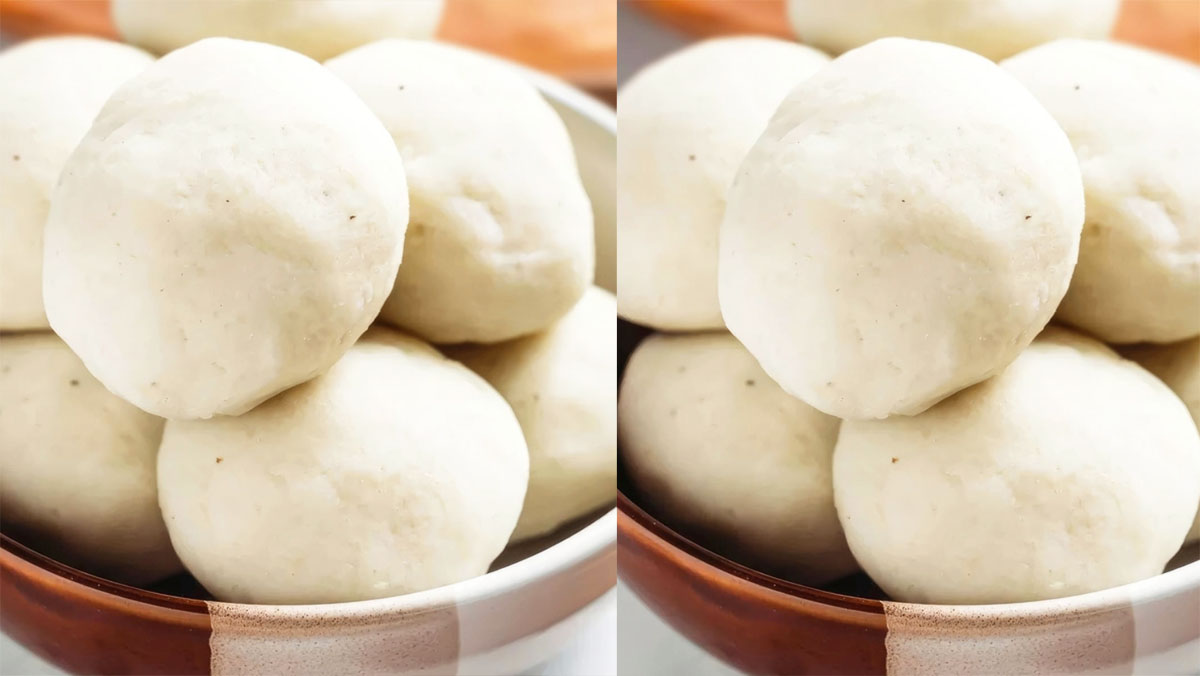
Lagos Residents Raise Alarm Over Fufu Processing, Preservation Methods
Some Lagos residents have raised concerns over the preparation and preservation of fufu, with some consumers saying they have reduced or stopped buying the fermented cassava staple because of concerns about hygiene, contamination and possible food poisoning.
The concerns were raised by consumers in different parts of Lagos following complaints about the way some processors handle, prepare and store the popular food.
Fufu, also known as akpu or Santana, is traditionally made from fermented cassava. The cassava is peeled, soaked in water for fermentation, processed into a paste, strained and subsequently cooked into the smooth dough commonly eaten with soups.
For many Nigerians, fufu remains an important staple, but its traditional processing requires careful attention to water quality, cleanliness, handling and storage to prevent contamination.
A resident of Ajegunle, Omena Udonwa, said her family had resorted to preparing fufu at home because of her concerns about the practices of some commercial processors.
She alleged that she once found a piece of rubber inside purchased fufu, saying she could have consumed it if she had not been careful.
Udonwa also expressed concern after allegedly witnessing a producer use detergent to wash cassava during processing.
Another resident of Costain, Adedayo Falade, said he had reduced his consumption of fufu despite enjoying the food because of what he described as poor preparation practices by some producers.
Falade said some fufu sold in Lagos could remain unsold for several days, affecting its quality and taste. He also complained about products that developed unpleasant odours or became excessively sticky.
He said he preferred sourcing fufu from outside Lagos because of his concerns about the way some products were processed locally.
However, the concerns expressed by individual consumers do not mean that all fufu produced or sold in Lagos is unsafe.
A resident of Agege, Anuoluwapo Ayeni, acknowledged that there were processors who followed acceptable practices but urged consumers to pay attention to where they purchased the food.
READ ALSO:
- APC Wins Four of Five By-Elections as APM Takes Bauchi Seat
- Atiku Offers Scholarship to Viral Niger Teen Miner After 37 Miners’ Deaths
- NDLEA Seizes N3.4bn Drugs, Arrests Fake Police Officer in Nationwide Crackdown
She advised buyers to establish, where possible, how the fufu they consume is processed and handled.
A processor at Santana International in White Sand, Oyingbo, Hope Aniekan, described the traditional processing method used at her facility and rejected suggestions that all producers engage in unsafe practices.
According to her, cassava is peeled and thoroughly washed with clean water before being soaked for about two days. The fermented cassava is then taken to a mill, ground and filtered to remove unwanted particles.
She said the resulting paste is put in a sack, covered with plantain leaves and weighted with a heavy stone as part of the processing procedure.
Aniekan said her operation uses salt as a preservative against maggot infestation and does not add other harmful substances. She, however, acknowledged that she could only speak for her own processing operation.
She also said there were rumours of some processors using substances intended to accelerate fermentation, although such claims would need to be independently verified in individual cases.
Another trader at Costain, identified as Mama Chinonso, said she uses a warmer to preserve her fufu rather than adding chemical preservatives.
She said the method could keep the product fresh for several days depending on weather conditions, although the safety of any food stored for extended periods depends on factors including temperature, hygiene and handling.
The concerns come amid wider discussions about food safety in Lagos, where regulators and food scientists have warned about unsafe practices across informal food supply chains.
At the Lagos State Food Safety 2026 Conference and Exhibition held in Ikeja earlier in September, regulators, scientists and consumer advocates discussed concerns over food contamination and adulteration.
The Lagos State Consumer Protection Agency also described food safety as an important public-health and economic issue for the state.
The issue extends beyond fufu. Food-safety experts have repeatedly raised concerns about the handling, storage and processing of various foods sold through informal markets and street-vending networks.
Research into traditional ready-to-eat food vending in Nigeria has shown that storage practices vary among vendors, with some using refrigerators or freezers while others avoid keeping leftovers and instead produce quantities intended for same-day sales.
Scientific literature has also identified microbial contamination as a potential concern in traditionally prepared fufu and other swallow foods when hygiene and food-handling practices are inadequate.
A recent review of research on microorganisms and mycotoxin contamination in swallow meals noted that fufu and other ready-to-eat foods can become vulnerable to contamination through excessive handling, poor personal hygiene, contaminated water and inadequately cleaned utensils and processing equipment.
The research does not establish that commercially sold fufu in Lagos is generally unsafe. Rather, it highlights why food hygiene, clean water, appropriate processing and proper storage are important in reducing contamination risks.
The fermentation process itself is an established part of traditional fufu production. Proper cassava processing is also important because cassava contains naturally occurring cyanogenic compounds that must be adequately reduced through appropriate processing.
The concerns raised by Lagos consumers therefore highlight the need for consumers, processors and regulators to pay attention to safe cassava processing, hygienic handling and appropriate preservation practices.
For consumers, the reports also underscore the importance of buying ready-to-eat foods from processors and vendors who maintain clean processing environments and proper storage conditions.
At the same time, allegations involving the use of detergents, bleach or other unapproved substances should not be treated as established facts without evidence from regulatory inspections or laboratory testing.
The concerns ultimately point to a broader challenge in the informal food sector: ensuring that traditional foods remain affordable and accessible while meeting acceptable standards of food safety and hygiene.
Lagos Residents Raise Alarm Over Fufu Processing, Preservation Methods
-

 metro3 days ago
Oyo Police: Student Who Died by Suicide Was Charged With Assault, Not ₦8,000 Debt
-

 International1 day ago
18 Suspects Transferred to US Over 2021 Killing of Haitian President Moïse
-

 metro2 days ago
Irreconcilable Developments: Wedding Cancelled 24 Hours Before Ceremony
-

 metro1 day ago
My Heart Has Always Been Home With You — Tinubu’s Powerful Message to Oluremi at 66
-

 Auto2 days ago
Abuja Demand Rises as Jetour Brings X70 Plus Experience to FCT
-

 Politics2 days ago
2027: NDC Predicts Wider Obi Victory Over Tinubu in Lagos
-

 Sports1 day ago
Messi Fires Stunning 75th Career Free-Kick to Reach 930 Goals in Inter Miami Draw
-

 Sports2 days ago
Enough Is Enough: Muslim Supporters Demand Change of New Man United Owners