

Politics
‘Bad Loser’: APC Chieftain Knocks Desmond Elliot Over Surulere Primary Withdrawal

‘Bad Loser’: APC Chieftain Knocks Desmond Elliot Over Surulere Primary Withdrawal
LAGOS — An All Progressives Congress (APC) chieftain, Ayekooto Akindele, has dismissed claims by actor-turned-politician and Lagos lawmaker representing Surulere I, Desmond Elliot, that he withdrew from the party’s primary election, calling him a “bad loser” after the three-term incumbent suffered a humiliating defeat at the polls.
Politics Nigeria earlier reported that Elliot announced his withdrawal from the ongoing primary, alleging intimidation of his supporters at the Paddington Mini Stadium along Western Avenue, Surulere. The three-term lawmaker, first elected on April 11, 2015, was seeking a fourth term in office prior to his withdrawal announcement. But Akindele, in a post on X, insisted that the Nollywood star participated in the election and was decisively defeated. He described Elliot’s claim as “ridiculous,” alleging that the lawmaker only addressed a press conference after realizing he had lost.
“After the counting and declaration of votes, and after suffering an excruciating defeat right in his very presence, Nollywood actor Desmond Elliot quickly organised a press conference, claiming that he had withdrawn from the race and alleging that his ‘supporters’ were not allowed to vote,” he wrote. He further added that the action was typical of “a bad loser and a desperate, overtly ambitious politician who never planned that he would retire one day.”
According to results announced after voting across the constituency wards, Barakat Odunuga-Bakare, the immediate past Lagos Special Adviser on Housing and reportedly backed by President Bola Tinubu’s Chief of Staff, Femi Gbajabiamila, emerged victorious in the contest. Official results showed that Odunuga-Bakare polled 11,385 votes to defeat Elliot, who secured only 270 votes. The wide margin of defeat lends weight to Akindele’s assertion that Elliot’s withdrawal announcement was an attempt to salvage dignity after a humiliating loss. The primary election took place amid reports that party stakeholders had pressured Elliot to withdraw from the race in favor of Odunuga-Bakare. However, the lawmaker refused to step down initially and continued with his re-election bid.
READ ALSO:
- Rivers 2027: Fubara Withdraws From APC Guber Race
- How Ojukwu ‘deliberately frustrated’ Nigeria’s last peace chance before Civil War — Gowon
- Sold for ₦18,000 Each, Resold for ₦76,000: Two Minors Rescued After 4 Months
Elliot announced his withdrawal on Wednesday at the Paddington mini stadium along Western Avenue, where the APC primary was being conducted. He claimed several of his supporters were prevented from gaining access to the venue despite repeated appeals to electoral officials. “In all zones, they’ve been intimidating and stopping us. I want to officially announce my withdrawal from this particular race. This is my ward. If you go outside, those are my people outside. They’ve not been allowed,” Elliot said. He maintained that those denied access were legitimate members of his political base in the constituency. According to him, attempts to secure entry for his supporters were ignored, while intimidation was allegedly recorded across different zones of the venue. “There were clear cases of intimidation across different polling units, and my supporters were denied access to accreditation let alone voting. This is not democracy,” Elliot alleged. Elliot explained that his decision to leave the venue was to prevent any breakdown of law and order, stressing that no political ambition was worth the loss of lives. After his announcement, his supporters staged a peaceful protest before leaving the venue alongside him.
In a fresh twist that has drawn further criticism from political observers, Elliot later denied reports that he had withdrawn from the race. In a statement issued on Wednesday, he described the reports as “misleading” and clarified that he did not step down from the contest. According to the statement, the lawmaker’s remarks during the primary election were made in response to the alleged exclusion and intimidation of his supporters, many of whom were reportedly denied access to designated voting venues, particularly in Wards F2 and F3. The statement explained that Elliot’s decision to ask his agents and supporters to leave the voting environment was aimed at preventing violence and maintaining peace, rather than signaling a withdrawal from the contest. “The decision was one of statesmanship and restraint, not a concession, withdrawal, or surrender of his candidacy,” the statement said. Elliot maintained that he remains committed to the race and to democratic principles, adding that he still enjoys the support of party members across the constituency. The statement also urged party stakeholders and the public to disregard what it described as false narratives surrounding the incident.
READ ALSO:
- Oyo Grand Chief Imam Declares Marathon Prayers Over Insecurity, Peace of Oyoland
- No Fatalities in Zaria Mosque Collapse Despite Social Media Rumors
- Fuel Subsidy, FX Reforms: Cabals Plot to Destabilise Nigeria — Tinubu
Meanwhile, the Chief of Staff to President Bola Tinubu, Femi Gbajabiamila, who also voted in the primary at his Ward G2 (Adeniran Ogunsanya Ward 5) in Surulere, described the exercise as peaceful, fair, and orderly. Speaking to newsmen after participating in the primary election, Gbajabiamila expressed happiness with the conduct of the primaries and commended party members for their conduct during the exercise. “You know, this is my ward, Ward G2, and I have been voting here in Ward G2 for as long as I have been in politics. And anytime I come to vote, whatever office or election it is, my reaction is always the same. When I see peaceful, fair, credible, orderly elections, I am always very happy. And that is exactly what I have seen today,” he said. Gbajabiamila also noted that the turnout for the primary election was impressive, adding that reports reaching him from other wards indicated that the exercise was peaceful across the constituency. “From what I am hearing, the feedback I am getting, it is the same across the board,” he said. His positive assessment of the exercise stands in stark contrast to Elliot’s allegations of intimidation and exclusion.
The controversy at the primary did not emerge suddenly. In the days leading up to the May 20 primary, Elliot had been raising the alarm about what he described as targeted political victimization. In a viral video circulated on Sunday, Elliot accused unnamed party leaders and local government officials of allegedly pressuring party members to support a preferred aspirant ahead of the House of Assembly primaries. “Intimidation, coercion, twisting and forcing people to follow their own candidate is what exists today in Surulere,” Elliot said in the video. “Telling them that they will not be beneficiaries of some empowerment that is coming some other time. Please, this is not done and should not be done.” The lawmaker also alleged that some local government officials lost their positions because they supported him, while the local government leadership had openly backed another aspirant months before the primary election. In an even more striking claim, Elliot asserted that his security aides were withdrawn without explanation shortly before the primaries. “My security personnel were taken away from me yesterday for reasons best known to them. Now I am left alone to myself. What have I done?” he queried. Despite these concerns, Elliot had maintained that he would accept the outcome of the primaries if the process was free and fair.
The controversy also comes days after Elliot publicly apologised to the Chief of Staff to President Bola Tinubu, Femi Gbajabiamila, over his alleged involvement in the removal of the Lagos State House of Assembly Speaker Mudashiru Obasa from office in January 2025. This political context suggests that the Surulere I primary was not merely a local contest but part of broader realignments within the Lagos APC, with Gbajabiamila’s political structure backing Odunuga-Bakare against the incumbent Elliot.
Adding to the chorus of voices against Elliot, a political pressure group within the constituency, the Surulere Accountability Front (SAF), accused Elliot of staging a theatrical exit to mask his lack of actual grassroots popularity. The group’s chairman, Olanrewaju Badmus, alleged that Elliot, anticipating an embarrassing defeat at the polls, had plotted to import non-residents into the six electoral wards to cause chaos and force an “inconclusive” outcome. “We will not negotiate our representation with someone who has shown desperation, greed, and a total lack of respect for the organized Tinubu political structure in Lagos,” Badmus asserted. “The primary was peaceful, and the best candidate won. Elliot simply saw the handwriting on the wall.”
Despite his denial of withdrawal, the primary election proceeded, and Odunuga-Bakare has since been declared the winner with 11,385 votes against Elliot’s 270. For all intents and purposes, the actor-turned-politician who has represented Surulere I since 2015 has lost his bid for a fourth term. Elliot has indicated that he would appeal the outcome of the election, though it remains unclear whether such an appeal would be successful given the wide margin of defeat and the apparent backing of the party leadership for his opponent. For the Lagos APC, the day’s events once again demonstrated that the party’s internal selectorate remains absolute. For Elliot, who traded the glamour of Nollywood for the gritty trenches of Lagos politics, the credits may have rolled unexpectedly on his legislative career — leaving behind a divided constituency and a sobering reminder of how unforgiving the Lagos political landscape can be.
‘Bad Loser’: APC Chieftain Knocks Desmond Elliot Over Surulere Primary Withdrawal





Politics
Wike to Amaechi: What Did You Bring to Rivers After 24 Years in Power?

Wike to Amaechi: What Did You Bring to Rivers After 24 Years in Power?
Minister of the Federal Capital Territory, Nyesom Wike, has challenged former Rivers State Governor Rotimi Amaechi to identify the projects and political empowerment he attracted to Evo Kingdom and Rivers State during his 24 years in senior public office.
Wike made the remarks on Friday, October 2, 2026, during an interactive session with leaders and stakeholders of Evo Kingdom in Obio-Akpor Local Government Area of Rivers State.
Amaechi served as Speaker of the Rivers State House of Assembly for eight years, governor of the state for eight years and Minister of Transportation for eight years.
Wike questioned what he described as Amaechi’s record of development and political empowerment, challenging stakeholders to identify tangible projects he said the former governor attracted to the area during his time in office.
“Someone was Speaker of the House of Assembly for eight years, Governor for eight years, and Minister for eight years—that is 24 years in top leadership positions,” Wike said.
He asked the people of Evo Kingdom and Rivers State to identify what Amaechi attracted to the area during those years, adding that he could list projects he personally attracted to the state while serving as Minister of State for Education.
READ ALSO:
- Electric Spark Suspected as Fire Destroys 21 Shops at Abuja’s Kugbo Market
- Ebonyi Widow Alleges Death Threats, Ostracisation Over Late Husband’s Property
- Police Arrest Woman Seen Threatening Officer With Knife Over Cannabis Arrest
Wike also criticised what he described as a leadership style in which political office holders fail to develop successors or empower others to take over from them.
He said leadership should involve human capacity development, creating opportunities for others and building structures that can survive after a leader leaves office.
The FCT minister said his own political ambition was no longer centred on returning to positions he had previously occupied.
“I can’t be a governor again. I’ve been a minister two times. I cannot be chairman of council again. So I am happy. I don’t have anything to lose,” he said.
Wike also said political leaders should leave behind people capable of sustaining whatever structures or achievements they established while in office.
According to him, leadership becomes fragile when everything is built around one individual and collapses after that person leaves the political scene.
The minister further recalled his administration’s restructuring of the traditional institution in Rivers State, saying it gave Evo Kingdom representation on the Rivers State Council of Traditional Rulers.
The latest comments are part of the continuing political exchanges between Wike and Amaechi, who served as governor of Rivers State from 2007 to 2015, with Wike succeeding him in office.
Amaechi, who is now the African Democratic Congress (ADC) vice-presidential candidate, has also recently criticised the administration of President Bola Ahmed Tinubu over its record of infrastructure delivery and the impact of economic policies on Nigerians. (Channels Television)
Wike, meanwhile, has continued to publicly support President Tinubu and has been mobilising political stakeholders in Rivers State ahead of the 2027 general elections. During his latest engagement with the Evo Kingdom stakeholders, he also urged political actors to work together in the interest of the state.
The claims made by Wike about Amaechi’s record of projects and empowerment represent his assessment of his political rival and are part of an ongoing political dispute between the two former Rivers governors.
Wike to Amaechi: What Did You Bring to Rivers After 24 Years in Power?
Politics
2027: Oshiomhole Dares Opposition Over ₦500 Petrol Promise, Says APC Will Take Argument to Nigerians
2027: Oshiomhole Dares Opposition Over ₦500 Petrol Promise, Says APC Will Take Argument to Nigerians
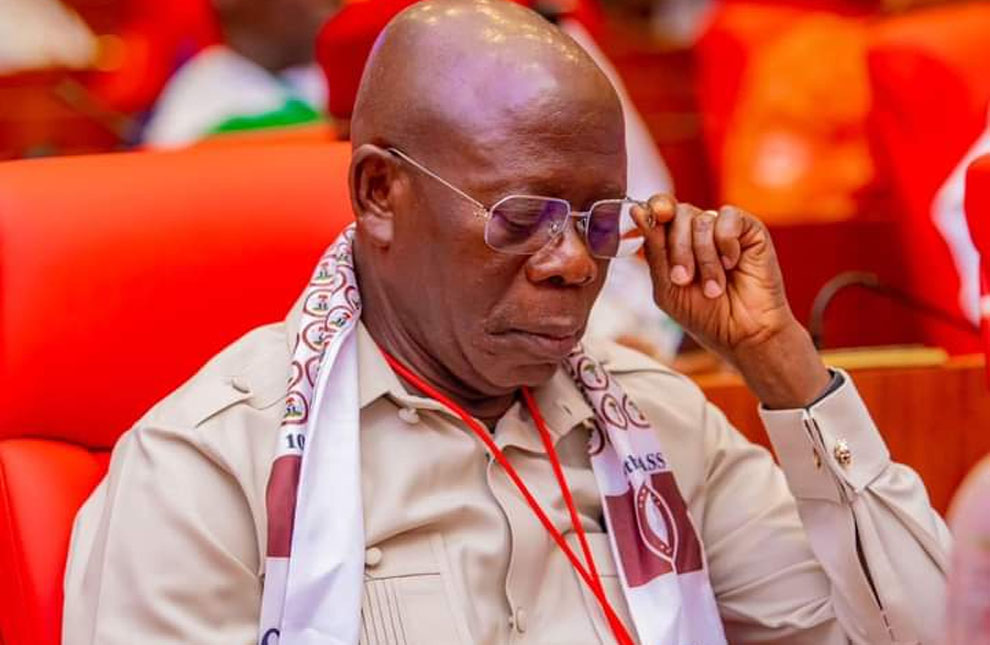
Abuja — Former National Chairman of the All Progressives Congress (APC) and Senator representing Edo North, Adams Oshiomhole, has declared that he is unbothered by opposition promises to crash the pump price of Premium Motor Spirit (PMS) to ₦500 per litre, stating that the ruling party will take the debate directly to the Nigerian people.
Oshiomhole made the assertion during a recent political engagement, according to a report monitored by Newstrends.ng on Friday. The former Edo State governor was responding to recent campaign pledges by opposition figures who have proposed a “Fuel Affordability Plan” aimed at leveraging local refining capacity to bring down the cost of petrol.
“I’m not worried about the promise to sell petrol at ₦500; we’ll take the argument to Nigerians,” Oshiomhole stated, signaling the APC’s readiness to defend its downstream sector policies ahead of the 2027 general elections.
READ ALSO:
- Tinubu Unpopular, Yet 2027 Re-election Still Possible — The Economist
- Less Than Four Months After Wedding, Jarvis Threatens Peller With Lawsuit Over Second-Wife Plan
- 2027: Oshiomhole Dares Opposition Over ₦500 Petrol Promise, Says APC Will Take Argument to Nigerians
The APC chieftain, known for his combative political style, questioned the consistency of the opposition’s stance on fuel subsidies. He reminded Nigerians that key opposition figures, including former Vice President Atiku Abubakar, had previously championed the removal of fuel subsidies during their time in office, arguing that their sudden conversion to affordable pump prices was politically motivated rather than economically sound.
Oshiomhole’s comments underscore the ruling party’s strategy to frame the 2027 election as a choice between what it describes as the “realistic economic reforms” of the President Bola Tinubu administration and what it calls the “populist rhetoric” of the opposition.
While the opposition maintains that its ₦500 per litre proposal is a well-thought-out plan to support local refining and not a return to the old corrupt subsidy regime, Oshiomhole insists that the APC will meet them at the grassroots level to dissect the feasibility of such promises.
Political observers note that the debate over fuel prices remains a highly emotive issue in Nigeria, given its direct impact on transportation, food prices, and the overall cost of living. As the 2027 election cycle gathers momentum, Oshiomhole’s remarks signal that the APC intends to go on the offensive, using the fuel subsidy debate as a key battleground to challenge the opposition’s credibility with the electorate.
2027: Oshiomhole Dares Opposition Over ₦500 Petrol Promise, Says APC Will Take Argument to Nigerians
Politics
Tinubu Unpopular, Yet 2027 Re-election Still Possible — The Economist
Tinubu Unpopular, Yet 2027 Re-election Still Possible — The Economist
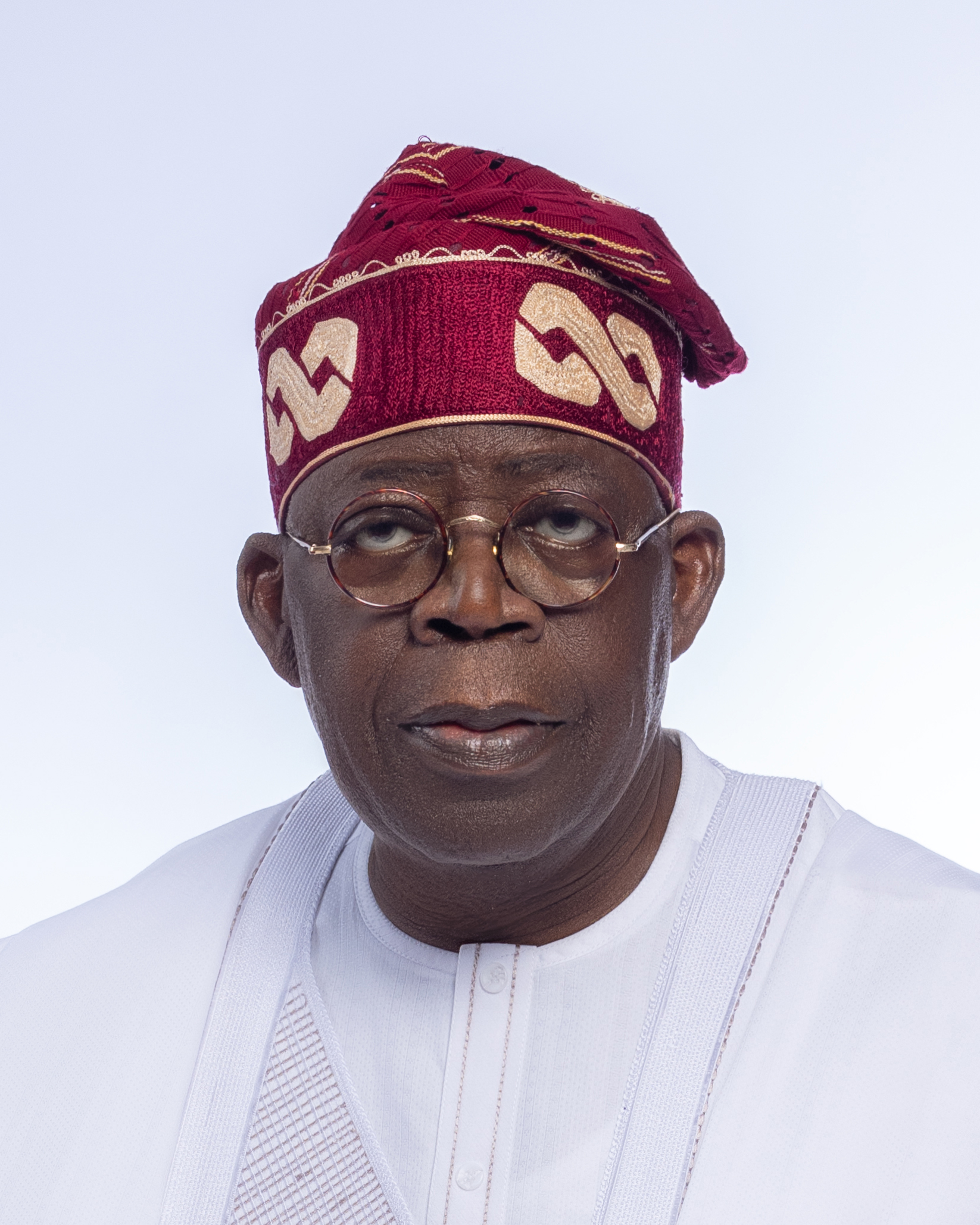
President Bola Ahmed Tinubu may be facing widespread dissatisfaction among Nigerians, but a divided opposition, religious considerations, incumbency and low voter turnout could shape the outcome of the 2027 presidential election, according to an analysis by the British publication, The Economist.
In a report titled “Nigerians Dislike Their President, But May Re-elect Him Anyway,” the publication examined the political dynamics surrounding the forthcoming presidential election and questioned why the President appears relatively confident about his chances despite the economic and security challenges confronting the country.
The analysis was published as Nigeria approaches the 2027 presidential election, with The Economist noting that Tinubu’s administration is operating amid a worsening security situation and economic pressures that have affected many households.
The publication specifically examined the situation in Borno State, where insurgency has persisted for years, damaging economic activities and leaving many young people without jobs and businesses struggling.
It noted that while Tinubu secured 54 per cent of the presidential vote in Borno in 2023, recent polling cited from SBM Intelligence suggested that his popularity in the state had fallen behind those of opposition figures Peter Obi and Atiku Abubakar.
The report said some residents of Maiduguri were prepared to express their dissatisfaction at the ballot box.
READ ALSO:
- Less Than Four Months After Wedding, Jarvis Threatens Peller With Lawsuit Over Second-Wife Plan
- 2027: Oshiomhole Dares Opposition Over ₦500 Petrol Promise, Says APC Will Take Argument to Nigerians
- Ughelli Hotel Assault: Police Arrest Key Suspect in Viral Underage Abuse Video
However, The Economist argued that public dissatisfaction alone might not determine the election, pointing to several structural factors within Nigeria’s political system.
One of the major factors identified was the fragmentation of the opposition.
The publication observed that Obi and Atiku had not formed a joint ticket, meaning that voters opposed to the ruling All Progressives Congress could be divided among different candidates.
It quoted Joachim MacEbong of Control Risks as saying that because there was no united opposition ticket, the anti-APC vote was not necessarily being consolidated behind one candidate.
The publication also identified incumbency as another factor in Nigerian elections, noting that sitting governments have access to established political structures and resources that can be mobilised during campaigns.
Religion was also discussed in the analysis, particularly in relation to northern Nigeria.
The Economist noted that Tinubu and Vice-President Kashim Shettima are Muslims, as are the majority of people in the northern region.
It quoted SBM Intelligence chief Cheta Nwanze as saying that the continued Muslim-Muslim ticket “resonates with quite a number of people”.
The report also suggested that religious identity could affect some voters considering Peter Obi, a Catholic, despite his Muslim running mate.
Beyond party politics and religion, the publication highlighted what it described as political cynicism among some voters.
It quoted MacEbong as saying that in communities where citizens have experienced prolonged shortages of security, healthcare and quality education, expectations of government can become increasingly low.
The report cited Borno as an example, saying that some residents might judge the government differently because of the long history of poor public services in the state.
The security situation could also affect voter participation.
According to the publication, turnout in Borno during the 2023 presidential election was below 20 per cent, compared with about 27 per cent nationwide.
It suggested that insecurity could discourage some voters from travelling to polling units during the next election.
In southern Nigeria, particularly Lagos, the report noted that regional identity could also influence voting behaviour, with some residents potentially considering Tinubu as a “son” of the state despite dissatisfaction over economic conditions.
The Economist also acknowledged that Tinubu’s economic reforms, including the removal of the petrol subsidy, have been welcomed by some investors and have contributed to economic adjustments.
However, it said the reforms had yet to translate into noticeable improvements in the daily lives of many Nigerians.
The publication consequently presented the 2027 contest as one in which economic hardship and insecurity could coexist with political factors capable of shaping voter behaviour.
The analysis has generated debate in Nigeria, particularly over whether dissatisfaction with the administration would translate into a consolidated opposition vote.
The 2027 presidential contest is expected to feature Tinubu and several opposition candidates, making the configuration of alliances and the distribution of votes among the major contenders significant factors in the election.
The Economist’s report is an analysis of the factors that could influence the 2027 contest; it is not a poll establishing the eventual winner.
Tinubu Unpopular, Yet 2027 Re-election Still Possible — The Economist
-
 metro3 days ago
Workers to Begin Nationwide Warning Strike Over Petrol Price, Wage Award
-
 metro2 days ago
[UPDATED] Imo Highway Attack: 10 Rescued after Gunmen Abducted NYSC Prospective Members
-
 Entertainment2 days ago
Phyna Knocks Out Nkechi Blessing in Fourth Round, Wins ₦50m, New Car
-
 Politics3 days ago
2027: Amaechi Recalls How APC Defeated PDP, Orders ADC Mobilisation
-
 Business3 days ago
Dangote Sets 40-Month Deadline for $16bn East Africa Refinery in Kenya
-
 News3 days ago
Independence Day: Tinubu Unveils Plan to Cut Living Costs, Expand Jobs
-
 metro2 days ago
2027 Hajj: Nigeria Secures 10,000 Extra Slots, Allocation Hits 60,000
-
 Politics3 days ago
2027: Wike Vows to Resign If Tinubu Loses FCT, Rivers