

Entertainment
They Want To Kill My Movie — Fathia Balogun Laments ‘Efunroye’ Treatment
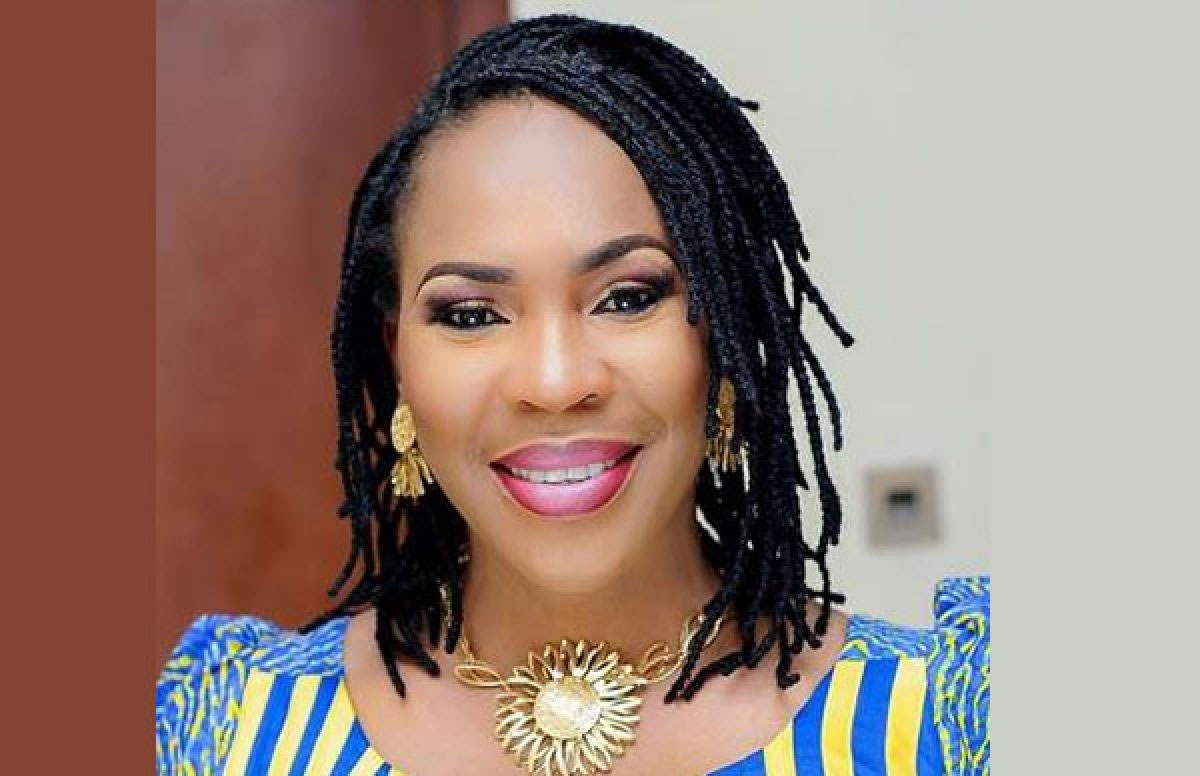
They Want To Kill My Movie — Fathia Balogun Laments ‘Efunroye’ Treatment
Nollywood actress and filmmaker Fathia Balogun has lamented over what she describes as unfair treatment of her latest movie, Efunroye, by cinemas across Nigeria, accusing some operators of deliberately frustrating the film’s performance weeks after its release.
During an emotional Instagram Live session, the actress complained that her movie was not getting adequate showtimes in several cinemas despite the huge investment and effort put into the production.
Fathia questioned why other movies appeared to enjoy better scheduling and visibility while Efunroye continued to struggle for favourable screening times in different cinema locations across the country.
Her debut cinematic project as a producer, ‘Efunroye: The Unicorn’ , hit cinemas nationwide on May 1, 2026. The historical epic about Madam Efunroye Tinubu has drawn major social media buzz and box office attention, but it has also thrust her into a wider, ongoing industry clash between Nollywood filmmakers and cinema exhibitors over screening schedules.
According to her, many cinemas could not give convincing explanations for the lack of showtimes allocated to the movie, a situation she said has greatly affected audience turnout and box office performance.
The actress explained that she expected stronger support from cinema operators, especially considering the cultural value, storytelling depth, and production quality of the movie.
Speaking during the live session, she said the situation had become painful because the film had not even spent up to one month in cinemas before talks of removing it from screenings allegedly began.
“I haven’t even made the money invested in this movie back and they are already trying to kick me out of cinemas,” she said during the session.
In a video released on Friday, May 29, 2026, on her Instagram page, Fathia called out cinema operators for not giving her movie a favourable time slot that would allow her fans to watch it.
She expressed deep disappointment, stating that cinemas appear to be pushing her film aside in favour of newer releases.
“Matvey Safonov my movie got to the cinemas, I have been complaining about this thing over and over. My fans come to the cinema to watch Efunroye and they find out the time slot is 12pm or 9pm. Which fans will come and watch movies at this time,” she said.
“We just celebrated Ileya and these holidays are the best time to showcase my movie but my fans were not allowed to watch the movie. I am sad about this. Later they will say your movie did not sell out when it’s the operators that did not give the movie a good time slot. I want my fans to note that I’ll continue to sound this out until we are done and they should come out and enjoy my movie,” she added.
The actress explained that the Ileya festive period is typically a time when many people save money specifically to watch movies, making the alleged scheduling issues particularly painful for her return on investment.
Fathia also disclosed that the poor scheduling had affected opportunities for the actors to meet fans and promote the movie physically. She expressed deep disappointment that cinemas were pushing her film aside because newer releases had entered the market.
“Some cinemas are not even giving me time at all,” she said. “By the time they give me stupid showtime and I cannot cope, I’ll leave. That’s what they want to do.”
READ ALSO:
- Ex-AfDB Chief Adesina Chairs Botswana Fund, Joins Jumia Board
- Imo: Family Alleges Police Neglect as Gunmen Abduct Inspector on Official Duty
- Ebola: FG Rolls Out New Airport Screening Measures, Places 10 States on High Alert
Fathia also alleged that some of her actors were turned away during planned meet-and-greet sessions at cinemas because of the film’s scheduling.
She warned that if the movie is eventually removed from cinemas, she may publicly reveal the person she believes is behind the situation.
“I suffered for that movie, I spent a lot on that movie,” she said. In another emotional appeal on Friday, she opened up further about the financial weight of the production.
“I’m heartbroken, and I have never done this before. But because this involves millions of naira, I have to cry out to my fans and ask them to plead on my behalf,” she said.
“I have been having issues with the showtime for my movie. Cinemas are trying to kill this movie, and I don’t know why. This is the Ileya period when people usually come out to watch movies, yet they are giving me poor showtimes.”
“I spent a lot of money on this movie. I borrowed money, and investors are involved too. They need to make their money back,” she added.
She further complained about the specific timings: “Because my movie is four weeks old, they are giving me terrible showtimes. Some movies just came out, and they want to push mine to the background. They give me showtimes like 12 noon. I don’t know who goes to the cinema by 12 noon. Then they give me 9 p.m. showtimes. I also don’t know who goes out to watch movies that late.”
This has not been the experience of Fathia alone, as filmmakers releasing independent or indigenous projects frequently encounter structural friction with cinema chains.
The core grievance centres around prime-time allocation. Instead of landing heavily trafficked afternoon and early evening slots (4:00 PM to 7:00 PM), independent producers often find their films pushed into dead zones, making it difficult for the average viewer to attend due to safety and transport constraints.
Producers argue that these unfavourable times create a self-fulfilling prophecy as poor time slots lead to empty halls, which cinema operators then use as an excuse to pull the movie from rotation entirely.
Ini Edo and Toyin Abraham, filmmakers, had openly accused cinema operators of deliberate sabotage and unfair showtime distributions during peak holiday windows, pointing out that being restricted to single, off-peak slots severely damages their return on investment.
Conversely, cinema executives and industry pioneers like Mo Abudu have pushed back against these complaints. The operators maintain that screen allocation is strictly a demand-driven, cold business decision. Running air conditioning and staffing a 100-seater hall for only two or three viewers loses money, meaning prime-time slots will always naturally gravitate toward the films pulling the highest immediate numbers.
READ ALSO:
- Gunmen Kill Eight, Burn Six Houses in Imo Community Attack
- Nigeria Beat Jamaica To Clinch Fourth Unity Cup Crown In London
- Trump Will Only Accept Iran Deal That ‘Satisfies His Red Lines’
Speaking on Arise Television, Abudu explained, “When your film is in our cinema and it has no audience, and I am running air conditioning and paying staff, and you only have two or three people in a 100-seater cinema, by the next week we are going to have a conversation. That time slot can no longer really work.”
She stressed that these decisions are not personal, noting that even her daughter’s film was pulled due to low turnout.
“This is about return on investment. It does not matter who owns the film. If I, Mo Abudu, make a film and we are not able to fill up the seats, it’s going to give way to the next film that can,” she said.
“Efunroye: The Unicorn” is a Yoruba historical drama centred on the life of 19th-century businesswoman and political figure Madam Efunroye Tinubu. The movie features actors including Odunlade Adekola and Mercy Aigbe. The film is directed by the trio of Abbey Lanre, Adebayo Tijani and Tope Adebayo Salami, and tells the rise and peak of the 19th-century Yoruba legend who fought against Britain’s annexation of Lagos.
Starring alongside Fathia is an extensive ensemble cast such as Odunlade Adekola, Mercy Aigbe, Ibrahim Yekini, Foluke Daramola and Femi Adebayo.
The film reportedly opened strongly at the box office, earning about ₦29.5 million during its first weekend, coming second in its debut week despite facing stiff competition from other new releases.
Another report suggested the movie earned nearly ₦780 million within three weeks and emerged as one of the highest-grossing films of the period, drawing praise from movie lovers, critics, and cinema audiences for its powerful storytelling and rich cultural representation.
However, these figures have not been independently verified, and the actress’s complaints suggest that actual performance may vary significantly by location.
The emotional outburst has since generated heated conversations on social media, with many Nigerians expressing sympathy for the actress while criticising what they described as the unequal treatment of indigenous productions.
Some supporters argued that epic and culturally rooted movies often struggle for visibility compared to commercially driven productions, despite contributing significantly to the growth of Nollywood storytelling.
However, some social media users defended the cinemas, arguing that scheduling is based purely on demand. One user, @EmediongTG, commented: “Actually, Cinemas don’t sabotage movies, they only care about ticket sales. If a cinema keeps giving you midnight slots, it usually means your daytime shows were empty. Blaming people is just a distraction from low demand.”
Another user, @Beniwinn, offered a middle ground: “Midnight showtimes for a Nigerian movie is basically a silent burial… if what she’s saying is true then somebody in that industry is seriously playing dirty. Why not just give the film a fair shot and let audience decide?”
@mr_chiboi added: “Omo this industry no dey ever simple … but at the same time, these are serious allegations that deserve proper clarity, not just emotions. Hopefully everything gets addressed the right way, because audiences just want fair access to the movie and a clean system overall.”
The actress, however, did not name any cinema chain, but continued to promote the film on her social media pages since its release, describing it as one of the most important productions of her career.
Some Instagram users said they could not find the film showing in certain cinemas, even after trying to watch it, while others said the available screening times were too late and not convenient.
“Efunroye: The Unicorn” had already generated significant controversy before its cinema release. The film is based on the life of Madam Efunroye Tinubu, a 19th-century Yoruba merchant and political figure whose legacy remains widely debated in Nigerian history, particularly regarding her involvement in the transatlantic slave trade. The production attracted public discussion since its announcement because of how it portrays her life.
Some critics questioned the portrayal, and Fathia responded that the film was not intended to “glorify or whitewash” Efunroye Tinubu’s legacy, but to present a broader interpretation of her life and historical impact.
The award-winning actress described the movie as “a work of artistic interpretation and storytelling”.
Despite the challenges, Fathia remains determined to ensure the film gets a fair chance. “They’re pushing my film aside because there are new films. They’re saying there’s nothing special in me and I was selling. Now they’re giving me ridiculous showtimes that don’t allow people to watch.”
“If they don’t give Efunroye showtime because of this, I’ll come out with an interview,” she warned, adding that she would also invoke divine judgment on those allegedly working against her project.
They Want To Kill My Movie — Fathia Balogun Laments ‘Efunroye’ Treatment












Entertainment
Adunni Ade Reveals Christian Fans Unfollowed Her After Publicly Identifying as Muslim
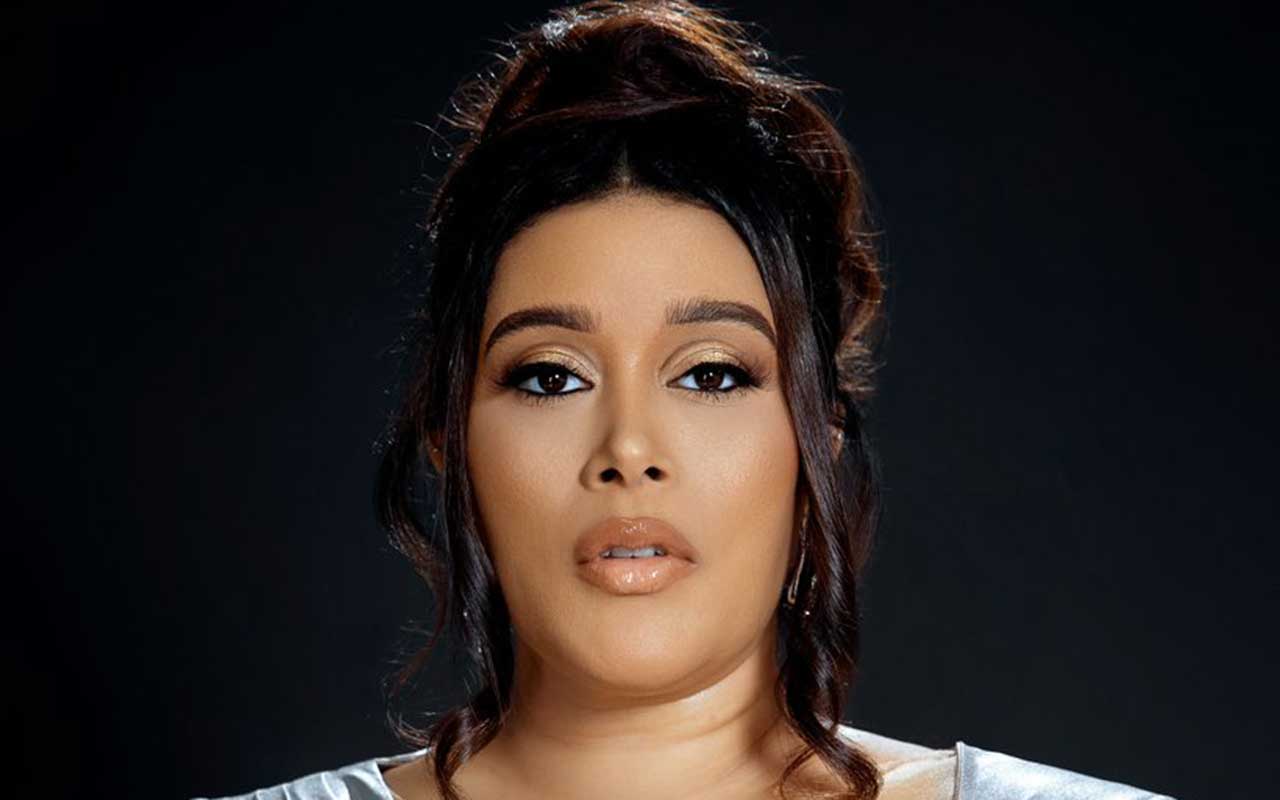
Adunni Ade Reveals Christian Fans Unfollowed Her After Publicly Identifying as Muslim
Nollywood actress Adunni Ade has opened up about the reaction she received after publicly identifying as a Muslim, revealing that some of her Christian fans unfollowed her because of her religious identity.
The actress said she initially found it difficult to openly discuss her faith because of what she described as the pressures associated with being a public figure in the Nollywood industry.
According to Ade, publicly identifying as a Muslim within the Nigerian film industry can be difficult, and she described the situation as “almost forbidden” based on her personal experience.
She explained that she eventually became tired of keeping her religious identity private and decided to be open about her faith.
Ade said the decision came with consequences, including losing some followers and receiving messages from people who questioned her choice.
“Some people unfollowed me. I got DMs from people trying to cast out spirits. Some people prayed for me,” she said while discussing her experience.
However, the actress added that she also received considerable support from Muslims, many of whom welcomed her more warmly after she publicly acknowledged her faith.
READ ALSO:
- Raphinha Runs Riot as Barcelona Thrash Racing Santander 7-2
- 2027: Sowore Rejects Utomi’s Coalition Talks, Says AAC Won’t Join Opposition Alliance
- Sani Abacha’s Son Emerges Kano PDP Governorship Candidate for 2027
Ade stressed that her decision to practise Islam should not be interpreted as an attack on Christianity or Christians.
She said she had experienced both Christian and Muslim religious environments and was not suggesting that Christianity was a bad religion. Rather, she explained that Islam was the faith that worked for her personally.
The actress’ comments have renewed attention on her long-standing and publicly discussed religious journey, which has included experiences with both Christianity and Islam.
Ade had previously spoken about her faith in 2020, explaining that she was born and raised Muslim but grew up in a family where different religious traditions were represented.
She said her father allowed his children to choose their preferred religion, while members of her extended family included both Christians and Muslims.
The actress also disclosed that she attended different Christian churches, including Mountain of Fire and Miracles Ministries (MFM), Redeemed Christian Church of God (RCCG), Christ Living Apostolic Ministry (CLAM) and Christ Apostolic Church (CAC).
Ade said she later returned to Islam on December 31, 2016, after reflecting on her religious identity and concerns about how people might react to her decision.
She said at the time that returning to Islam made her feel happier and more fulfilled.
Her religious identity also came under renewed public discussion in 2026 after she was seen attending an event at a Celestial Church of Christ in Lagos.
Following questions from social media users about whether she had returned to Christianity, Ade clarified that she remained a practising Muslim.
She explained that her presence at the church-related event was connected to her professional relationship with the celebrant and was not evidence of a change in her religion.
Ade’s latest comments therefore provide further context to a faith journey she has discussed publicly over several years.
While describing her experience as difficult at times, she maintained that her decision to openly identify as a Muslim was ultimately a personal one.
Her statement that being openly Muslim in Nollywood is “almost forbidden” reflects her personal experience and perception; it should not be taken as evidence of a formal industry-wide rule restricting actors from publicly identifying with a particular religion.
The actress’ disclosure has also highlighted the wider challenges public figures can face when personal beliefs become subjects of public discussion, particularly in an industry where celebrities often maintain diverse fan bases with different religious and cultural backgrounds.
Adunni Ade Reveals Christian Fans Unfollowed Her After Publicly Identifying as Muslim
Entertainment
BREAKING: Olu Jacobs Dies at 84, Atiku Mourns Cultural Icon
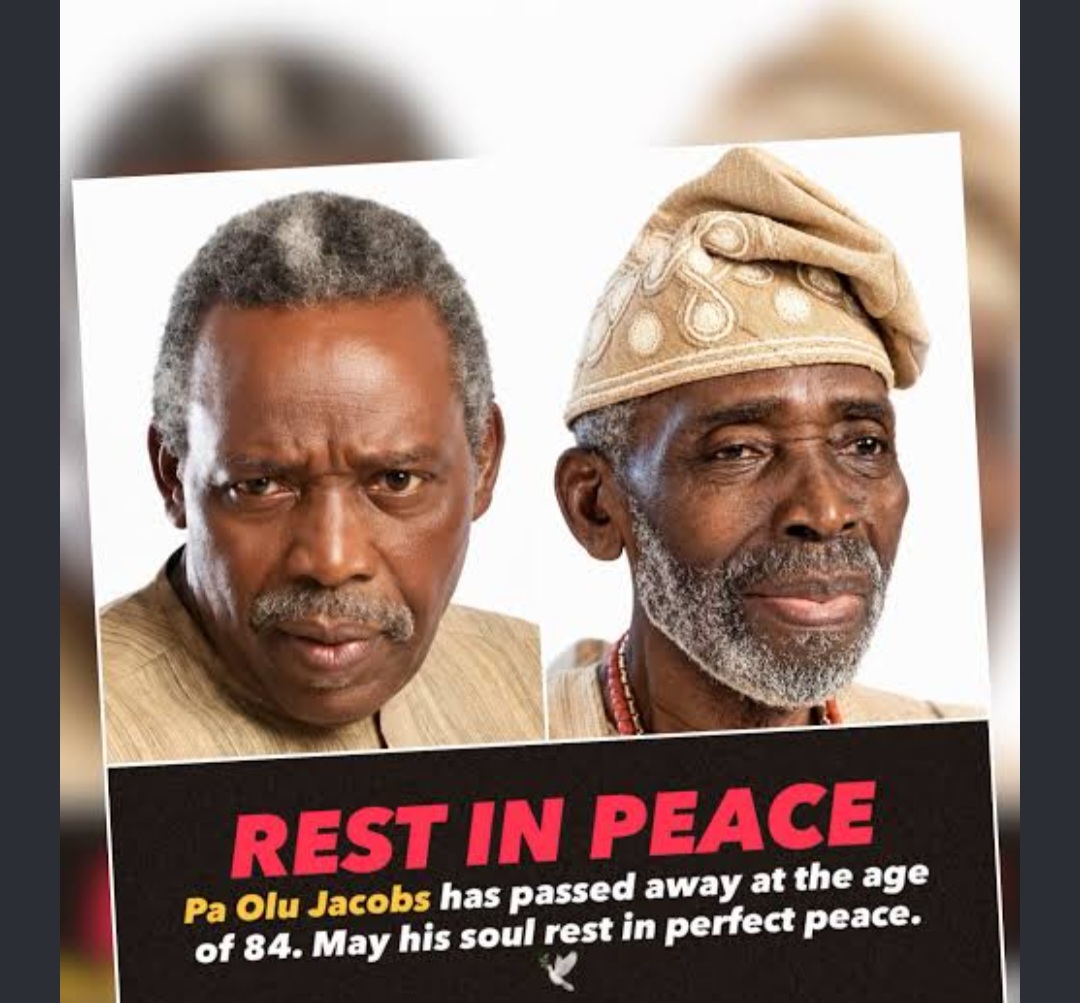
BREAKING: Olu Jacobs Dies at 84, Atiku Mourns Cultural Icon
Veteran Nigerian actor and film executive, Oludotun Baiyewu Jacobs, popularly known as Olu Jacobs, has died at the age of 84, with former Vice President Atiku Abubakar describing the late Nollywood icon as “an institution” and “a cultural icon” whose contribution helped shape Nigeria’s creative industry.
Jacobs’ death was announced on Wednesday, September 16, by his son, Olusoji Jacobs, who described the celebrated actor as “The Lion of Lufodo” and called on bloggers and social media influencers to respect the family’s privacy as they mourn.
“It is with gratitude to God for a life well lived and fought, that we announce the passing of our dear husband, father, grandfather and uncle. The Lion of Lufodo,” Olusoji said in the announcement.
Reacting to the death, Atiku said Nigeria had lost far more than a great actor, describing Jacobs as “an institution, a cultural icon and one of the finest ambassadors of our creative spirit.”
The former vice president said Jacobs had become part of the collective memory of generations of Nigerians through his distinctive voice, commanding performances and decades of dedication to his craft.
According to Atiku, Jacobs was already making his mark internationally before Nollywood emerged as a global phenomenon, and his career helped lay foundations for the Nigerian film industry while inspiring younger generations of actors.
“The curtain may have fallen on an extraordinary life, but the characters he gave us, the standards he set and the generations he inspired will continue to speak for him,” Atiku said.
He expressed condolences to Jacobs’ wife, veteran actress Joke Silva, their children and the wider Jacobs family, as well as members of Nollywood and the African creative community.
Atiku said Jacobs “gave Nigeria his talent, his voice and a lifetime of excellence,” adding that the country would remember him with pride, affection and gratitude.
Jacobs, whose career spanned theatre, British television, international film and Nollywood, was trained at the Royal Academy of Dramatic Art in London. He became one of Nigeria’s most recognisable screen and stage actors and was associated with the development of the Nigerian film industry.
His death marks the end of a career spanning more than five decades and has already triggered tributes from political figures, actors and other members of Nigeria’s entertainment industry.
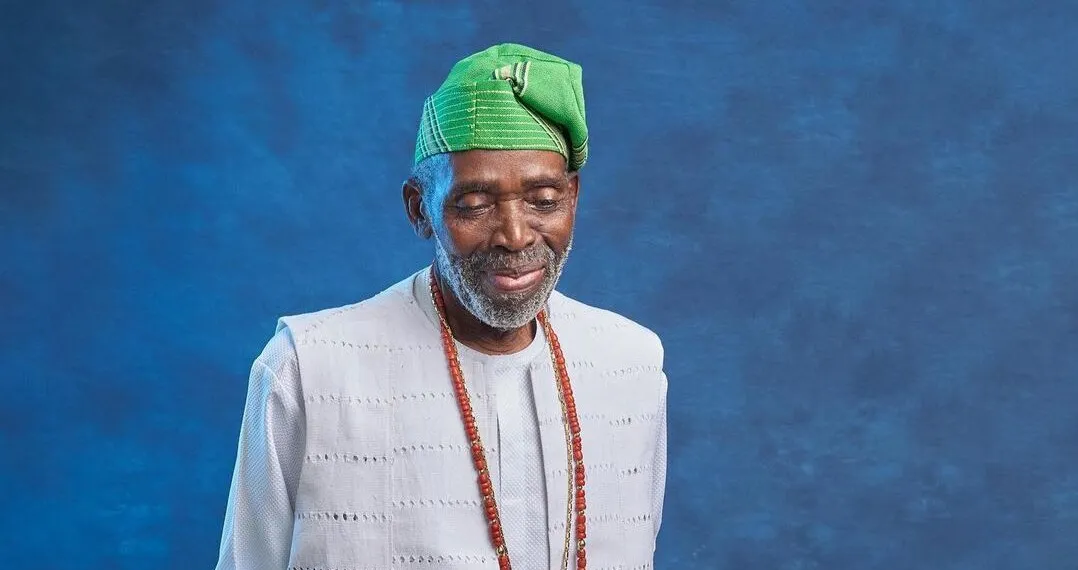
Entertainment
Shimmer and Style: Zendaya, Selena Gomez, and Colman Domingo Light Up the Emmys Red Carpet
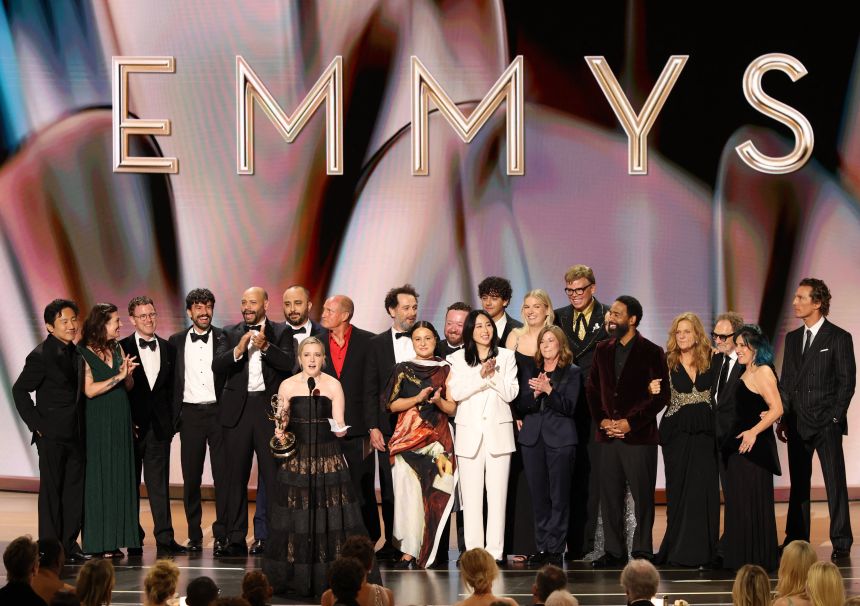
Shimmer and Style: Zendaya, Selena Gomez, and Colman Domingo Light Up the Emmys Red Carpet
From custom metallics to soft pastels and playful statuette cosplay, television’s top stars bring high fashion to Los Angeles
Top television stars gathered in Los Angeles on Monday evening for the annual Emmy Awards, showcasing an array of creative outfits and modern styles.
The ceremony, often described as television’s version of the Oscars, brought actors together at the Peacock Theater to celebrate the year’s best performances and share memorable fashion choices with fans worldwide.
READ ALSO:
- No Lives Lost as Responders Contain Dual Fire Outbreaks Across Lagos
- ‘I Was Never the Chosen One’ — Dembele Responds to Mbappe
- Plateau Attacks: Gunmen Kill Passengers, 13 Dead Across Three LGAs
Shimmering gold and silver fabrics were popular choices throughout the arrival walk. Zendaya chose an embroidered silver gown by Prada paired with diamond earrings, while Selena Gomez appeared in a fitted, floor-length gold dress by Louis Vuitton.
The host for the night, Mariska Hargitay, wore a bright red gown with a trailing design, attending alongside her daughter in matching styles that paid tribute to her mother, actor Jayne Mansfield.
Other guests chose calm, lighter colors such as soft lavender, sky blue, and gentle green. Actors Elle Fanning and Sarah Pidgeon selected simple, elegant slip dresses that focused on subtle beading and clean silhouettes.
Menswear also showed fresh variety, with Colman Domingo combining a tailored jacket with a colorful waist sash. Adding humor and fun to the red carpet, actor Meg Stalter appeared dressed as the winged Emmy trophy itself, bringing a lighthearted touch to the celebration.
Shimmer and Style: Zendaya, Selena Gomez, and Colman Domingo Light Up the Emmys Red Carpet
-

 International2 days ago
Islamic Council Condemns Attempted Attack on Holy City of Mecca
-

 metro3 days ago
Lagos Power Outage: Ikeja Electric Blames TCN as Businesses, Homes Groan
-

 News2 days ago
Keep Politics Out of My Office — Ogbomoso Grand Chief Imam Warns Politicians, Bloggers
-

 metro2 days ago
Niger Mosque Abductions: Terrorists Execute 30 of 500 Captive Muslim Worshippers
-

 Entertainment2 days ago
BREAKING: Olu Jacobs Dies at 84, Atiku Mourns Cultural Icon
-
 metro3 days ago
Fatal NURTW Leadership Clash in Osun Leaves Two Dead; State Orders Park Shut Down
-

 Business1 day ago
Fuel Prices Climb to ₦1,500 per Litre Across Nigeria, Sparking Calls for Urgent Action
-

 News1 day ago
OAU Investigates Death of Final-Year Student as Police Begin Probe