

Health
Ebola: FG Rolls Out New Airport Screening Measures, Places 10 States on High Alert

Ebola: FG Rolls Out New Airport Screening Measures, Places 10 States on High Alert
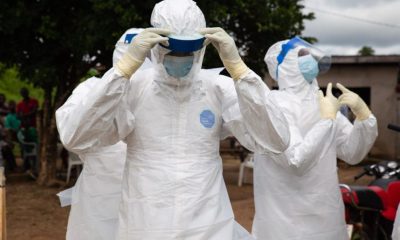
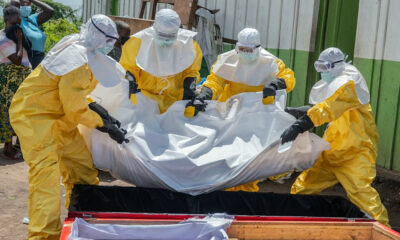
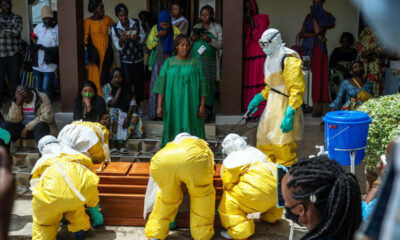
The Federal Government has stepped up surveillance at airports and other entry points across the country following the resurgence of Ebola virus disease in Uganda and the Democratic Republic of the Congo. As part of efforts to prevent the disease from entering Nigeria, authorities have introduced mandatory health screening for incoming passengers, including thousands of pilgrims expected to return from the 2026 Hajj exercise in Saudi Arabia. The measures include the deployment of a dedicated Ebola screening platform for travellers heading to Nigeria, enhanced monitoring at international airports and closer coordination among health and aviation agencies. The latest response follows the declaration by the World Health Organisation on May 17, 2026, that the outbreak linked to the Bundibugyo strain of the virus constitutes a Public Health Emergency of International Concern (PHEIC) .
Speaking on the development, the Director of Operations, Licensing and Training Standards at the Nigeria Civil Aviation Authority (NCAA) , Don Spiff, said travellers bound for Nigeria would be required to complete a health questionnaire before departure. “All passengers flying to Nigeria will have to fill out the Ebola questionnaire before they board the flight,” he said. Spiff explained that the process was being coordinated by the Nigeria Centre for Disease Control and Prevention (NCDC) alongside relevant aviation and health authorities. He noted that the precautionary measure had become even more important as the first batch of Nigerian pilgrims is expected back from Saudi Arabia from June 4 through designated international airports in Lagos, Abuja, Port Harcourt, Enugu and Kano. According to him, support would be provided for pilgrims who may experience difficulties completing the online form due to literacy challenges. He said tour operators, NCDC officials and medical personnel of the Federal Airports Authority of Nigeria (FAAN) would assist affected passengers.
Spiff disclosed that additional screening measures had been introduced for Ugandan Airlines, which operates three flights weekly into Lagos. He stated that flights arriving on Sundays and Mondays would be routed through the Hajj terminal of the Murtala Muhammed International Airport for enhanced health checks and clearance procedures. The NCAA official further revealed that directives had been issued to major international carriers, including Ethiopian Airlines, while staggered arrival schedules were being considered to ease pressure on screening facilities. He added that government agencies would assess the effectiveness of the current measures before deciding on additional interventions.
READ ALSO:
- Gunmen Kill Eight, Burn Six Houses in Imo Community Attack
- Nigeria Beat Jamaica To Clinch Fourth Unity Cup Crown In London
- Trump Will Only Accept Iran Deal That ‘Satisfies His Red Lines’
The NCAA has also instructed all international airlines operating into Nigeria to ensure passengers complete the NCDC Health Declaration Form through the designated portal before arrival. In an advisory dated May 30, 2026, the regulator said surveillance and preparedness activities had been intensified to guard against the importation of Ebola into Nigeria. “The Nigeria Civil Aviation Authority has intensified its surveillance and preparedness measures to prevent the potential importation and spread of the disease into Nigeria,” the advisory stated. The authority said it was working with the Federal Ministry of Health, the NCDC, Port Health Services, state ministries of health and international health organisations to strengthen national preparedness. Airlines were also directed to notify passengers about the health declaration requirement and provide assistance where necessary. Pilots have been instructed to immediately notify Air Traffic Control of any suspected communicable disease case onboard aircraft, while flight crew members must complete Aircraft General Declaration forms for suspected cases. Passengers unable to complete the online process before arrival would be allowed to fill paper forms at the airport, the advisory added. The latest outbreak has rekindled memories of the 2014 Ebola crisis in Nigeria, which was eventually contained after the virus was introduced into the country by Liberian-American diplomat Patrick Sawyer.
Investigations showed that health screening procedures have already commenced at the Murtala Muhammed International Airport in Lagos. Officials were seen conducting temperature checks, verifying vaccination records and gathering passenger information to support contact-tracing efforts. Similar measures have reportedly been implemented at other international airports nationwide. A security official at the Port Harcourt International Airport, who requested anonymity because he was not authorised to speak publicly on the matter, said monitoring activities by Port Health Services had been strengthened. A traveller arriving from the United Kingdom, identified simply as Adela, observed that screening procedures appeared more stringent than usual, especially for passengers arriving from African countries. The Managing Director of the Federal Airports Authority of Nigeria (FAAN) , Olubunmi Kuku, confirmed that airports across the country had been placed on high alert. “At present, there has been no reported case linked to Ebola at Nigerian airports. However, surveillance and monitoring have been significantly intensified,” she said. FAAN had earlier announced that enhanced Ebola response protocols had been activated at all international airports nationwide, with passengers from high-risk regions undergoing enhanced screening. The authority stated that any suspected case will be promptly isolated and subjected to secondary health checks in line with established national and international health protocols.
READ ALSO:
- ‘I Didn’t Buy ADC Form to Be VP,’ Amaechi Dismisses Speculation
- Appeal Court Sacks Pro-Wike’s Rivers APC Exco, Upholds Nullification of Congresses
- BREAKING: Dangote Refinery Announces New Petrol, Diesel Prices
The NCDC has activated nationwide preparedness measures and called on healthcare workers and institutions to maintain a high level of vigilance. In a significant development, the agency has placed Lagos, the Federal Capital Territory (FCT), Kano, Rivers, Enugu, Borno, Akwa Ibom, Cross River, Taraba and Adamawa on high alert over the possible importation of the deadly virus. The NCDC disclosed that a joint Dynamic Risk Assessment conducted with partners showed that “the overall risk of importation of the disease into Nigeria has been assessed as HIGH due to increasing ongoing regional transmission, international travel, regional population movement, major airports, seaports, porous land borders, informal crossings and trade routes.” The agency revealed that more than 1,000 suspected cases and 247 deaths linked to the outbreak have already been recorded in Congo and Uganda, with a fatality rate estimated at 24.6 percent. Its Director-General, Jide Idris, warned that Nigeria remains vulnerable because of international travel and the similarity between Ebola symptoms and those of diseases such as malaria and Lassa fever. He emphasised the importance of promptly identifying suspected cases and adhering strictly to infection prevention and control measures. The NCDC also clarified that the Bundibugyo Ebola strain currently has no approved vaccine or targeted treatment, making early detection and strict public health measures critical to preventing an outbreak. Existing Ebola vaccines and monoclonal antibody therapies are mainly designed for the Zaire strain and may not provide protection against the current outbreak.
A public health physician and epidemiologist, Prof Tanimola Akande, urged Nigerians to remain vigilant and support efforts aimed at preventing a possible outbreak. He warned that the disease could spread from infected animals to humans and subsequently from person to person. “Citizens can take preventive measures such as proper handling of animals during hunting and while displaying dead animals for sale. Nigerians need to be aware of Ebola and know the common symptoms so they can promptly identify suspected cases,” Akande said. He advised that suspected cases should be taken to health facilities immediately and urged Nigerians to avoid close contact with individuals showing symptoms of the disease. The epidemiologist also called for intensified surveillance at airports, seaports and land borders. “Passengers should be screened to ensure that suspected cases are identified early, isolated and moved to appropriate health facilities,” he said. Akande noted that the NCDC was already collaborating with relevant stakeholders to strengthen preparedness. He warned that the Bundibugyo strain currently responsible for the outbreak has a fatality rate of between 30 and 50 per cent and could remain undetected for weeks. “It is, therefore, very important that precautionary measures are taken by the government, partners and Nigerians to ensure that no outbreak is recorded in Nigeria,” the epidemiologist added.
As of the time of this report, Nigeria has not recorded any confirmed case of Ebola Virus Disease. The NCDC continues to monitor the situation closely and has assured citizens that all necessary protocols are in place to prevent the importation and spread of the virus. The agency urged Nigerians to remain calm but vigilant, report any suspected cases to the nearest health facility, and adhere to all public health advisories.
Ebola: FG Rolls Out New Airport Screening Measures, Places 10 States on High Alert





Health
NAFDAC Seizes Fake Drinks Worth Over ₦2bn at Lagos Trade Fair Complex
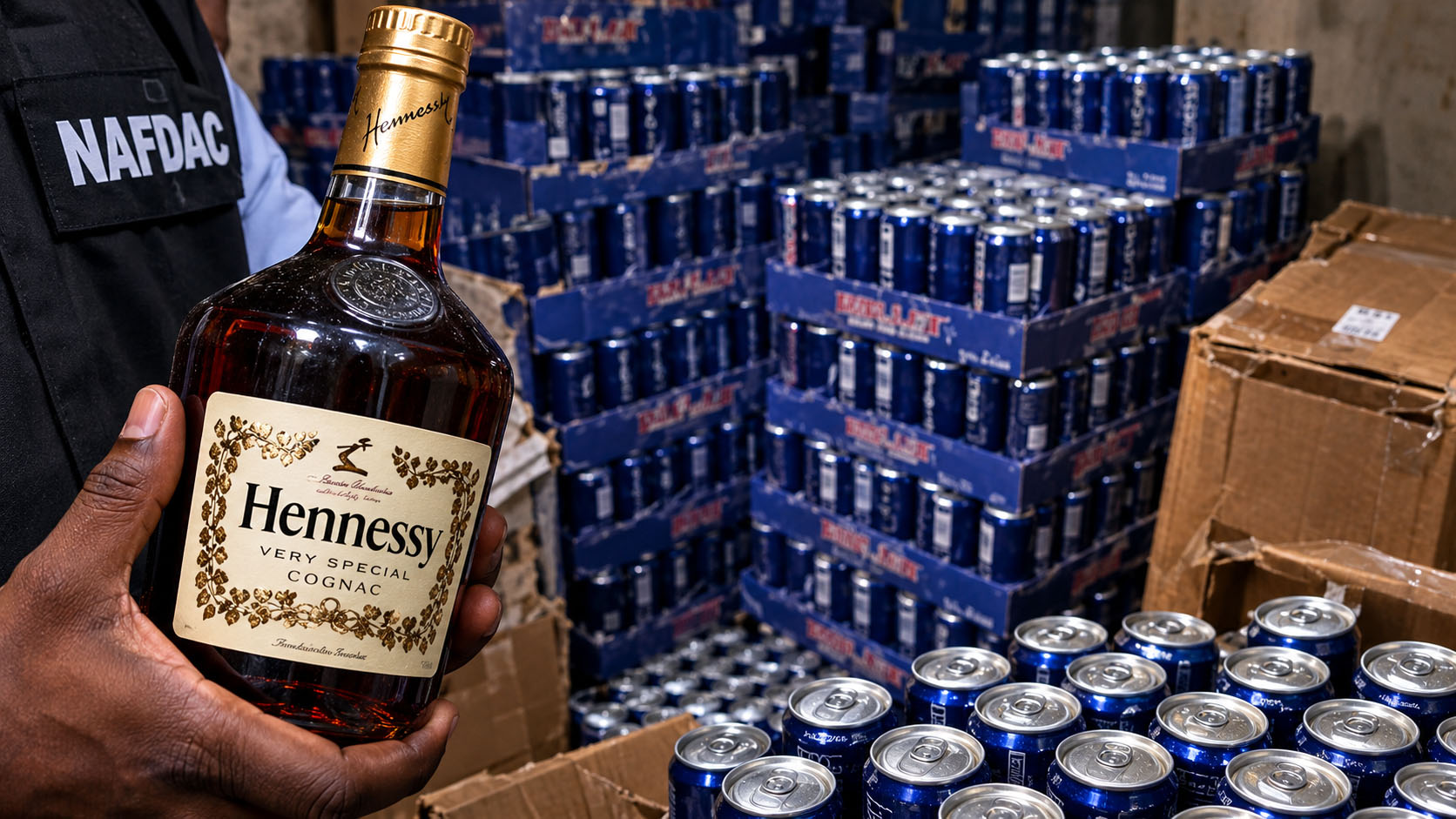
NAFDAC Seizes Fake Drinks Worth Over ₦2bn at Lagos Trade Fair Complex
The National Agency for Food and Drug Administration and Control (NAFDAC) has uncovered a suspected large-scale counterfeit alcoholic beverage operation at the Lagos International Trade Fair Complex, seizing products reportedly valued at more than ₦2 billion.
The operation, conducted on Tuesday, October 13, 2026, followed intelligence reports about suspected illegal activities within the commercial complex.
The raid reportedly led to the discovery of more than 20 illegal stores allegedly used for the production and distribution of counterfeit alcoholic beverages and other prohibited activities.
According to reports on the operation, the facilities were concealed within makeshift stores originally designated as parking spaces within the complex.
During the exercise, NAFDAC officials reportedly discovered individuals allegedly involved in blending and counterfeiting popular alcoholic beverage brands, revalidating expired and unsafe drinks for resale, and stockpiling banned imported products.
Two suspects were reportedly apprehended during the operation, while the seized products were evacuated from the premises.
The discovery has raised concerns about the possible circulation of counterfeit, expired and unsafe alcoholic beverages in Nigerian markets, particularly products repackaged to appear genuine.
READ ALSO:
- Cosmetics Top Fake Products as NAFDAC Seals 179 Establishments, Arrests 52
- Nigeria Secures UN Human Rights Council Seat With 172 Votes
- Houthi Missile Targeting Riyadh Shot Down as Debris Injures Four, Damages 15 Homes
NAFDAC has repeatedly warned that the consumption of adulterated or unsafe beverages could expose consumers to serious health risks.
The agency urged members of the public to remain vigilant and report suspected cases of illegal manufacturing, relabelling, revalidation and sale of regulated products.
Consumers were also advised to exercise caution when purchasing alcoholic beverages, particularly products with suspicious packaging, questionable expiry dates or other signs of tampering.
NAFDAC provided its official complaints line, 0800-1-NAFDAC (0800-1-623322), for members of the public to report suspected violations.
The latest enforcement action forms part of the agency’s efforts to combat counterfeit and substandard products and protect public health.
Investigations are expected to establish the full extent of the alleged activities and identify other individuals who may be connected to the suspected distribution network.
NAFDAC Seizes Fake Drinks Worth Over ₦2bn at Lagos Trade Fair Complex
Health
Cosmetics Top Fake Products as NAFDAC Seals 179 Establishments, Arrests 52

Fake and substandard cosmetics accounted for the largest number of product seizure entries recorded by the National Agency for Food and Drug Administration and Control (NAFDAC) between January and August 2026, as the agency intensified its nationwide crackdown on counterfeit and unsafe products.
NAFDAC recorded 401 cosmetics seizure entries during the eight-month period, ahead of drinks, with 215 entries, and drugs, with 112, according to an enforcement report released on Wednesday, October 14.
The agency also reported 213 raids, 474 new cases, 295 concluded cases, 821 product seizure entries, 179 establishments closed or sealed, and 52 arrests during the period.
The figures were disclosed by NAFDAC Director-General, Professor Mojisola Adeyeye, in a statement detailing the activities of the agency’s Directorate of Investigation and Enforcement.
The enforcement operations covered a broad range of regulated products, including food, medicines, cosmetics, medical devices, packaged water, beverages and chemicals.
The agency said it also carried out 157 surveillance activities, imposed 218 administrative sanctions and conducted 22 product destruction exercises between January and August.
READ ALSO:
- Nigeria Secures UN Human Rights Council Seat With 172 Votes
- Houthi Missile Targeting Riyadh Shot Down as Debris Injures Four, Damages 15 Homes
- Outrage as Israeli Settlers Torch Mosque, Burn Vehicle in Occupied West Bank
The report further showed that cosmetics accounted for 64 of the 179 establishments closed or sealed, while drinks accounted for 67 of the 213 raids conducted during the period.
NAFDAC clarified that the seizure figures represented product seizure entries rather than the physical quantity or monetary value of goods confiscated. The numbers therefore indicate the frequency with which product categories appeared in enforcement records, not necessarily the total volume of items seized.
The prominence of cosmetics in the figures raises concerns about the circulation of counterfeit, unregistered and substandard beauty products in Nigeria. Unsafe cosmetics can expose consumers to harmful ingredients, contamination and misleading product claims, particularly when products are manufactured or sold outside regulatory controls.
Some skin-lightening and medicated cosmetic products have previously been seized by NAFDAC during enforcement operations. The agency has repeatedly warned consumers to exercise caution when buying products from unverified suppliers and to check registration details before use.
In February 2026, NAFDAC reported uncovering banned, counterfeit and unregistered cosmetic products valued at more than ₦3 billion in a warehouse at the APT Trade Fair Complex in Lagos. The products included prohibited whitening soaps and other cosmetic items.
The latest enforcement figures also come amid wider concerns over counterfeit medicines and adulterated food and beverages. NAFDAC has warned that falsified products may contain incorrect ingredients, harmful substances or ingredients that do not meet required quality and safety standards.
The agency’s enforcement directorate continued investigations, surveillance, raids and legal processes during the eight-month period. Of the 474 new cases recorded, 295 were concluded, while 52 arrests were made.
NAFDAC has maintained that sustained enforcement is necessary to disrupt the manufacture, importation and distribution of unsafe products and protect consumers from potential harm.
Consumers are advised to buy cosmetics and other regulated products from reputable outlets, inspect packaging and labelling, and verify product registration through NAFDAC’s official channels. Suspicious products or suspected counterfeiting activities can also be reported to the agency.
The figures underline the scale of enforcement activity required to tackle fake cosmetics and other unsafe products in Nigeria, while highlighting the need for continued surveillance, consumer awareness and accountability across the supply chain.
Cosmetics Top Fake Products as NAFDAC Seals 179 Establishments, Arrests 52
Health
NAFDAC Raises Alarm Over Toxic Pesticides in Beans, Seizes ₦800m Banned Chemicals
The National Agency for Food and Drug Administration and Control (NAFDAC) has raised the alarm over the detection of dangerous pesticide residues in some samples of beans sold in Nigeria, warning that the misuse of agricultural chemicals poses serious risks to public health.
The agency also disclosed that it seized banned agrochemicals worth more than ₦800 million in Ogun, Ondo, Osun and Oyo states in 2025, as part of efforts to prevent prohibited chemicals from entering the food supply chain.
NAFDAC Director-General, Professor Mojisola Adeyeye, disclosed the findings during a media briefing on pesticide safety in Lagos on Friday, October 9, 2026.
According to the agency, a recent market study detected residues of pyrethroids and dimethoate above permitted safety limits in some bean samples, raising concerns about the improper use of pesticides to preserve harvested agricultural produce.
Adeyeye explained that although pesticides play an important role in crop protection, their use must comply with approved regulations and safety instructions.
She warned that the misuse of chemicals, excessive application and failure to observe the prescribed waiting period between pesticide application and harvesting could expose consumers, farmers and the environment to harmful substances.
The NAFDAC chief stressed that a pesticide approved for use on crops in the field is not automatically suitable for preserving harvested food products.
She specifically cautioned against using dimethoate to preserve harvested beans against pests such as weevils, noting that the chemical was not approved for that purpose.
READ ALSO:
- 2027: Ekiti Driver Takes ₦3.5m Loan to Back Tinubu’s Re-election Bid
- 2023 Election: Tinubu’s Camp Dares Obi to Produce Evidence He Won Presidential Poll
- ‘Mad People’: Presidency Fires Back at Amaechi Over Tinubu Re-Election Remarks
While certain pyrethroids are permitted for post-harvest storage under approved conditions, she said users must follow the prescribed instructions and safety requirements.
Adeyeye identified common violations to include applying excessive quantities of pesticides, using products on crops for which they were not approved, harvesting before the recommended waiting period and improperly mixing chemicals.
She also warned against storing pesticides alongside food, animal feed or household items, reusing empty chemical containers for domestic purposes and disposing of pesticide waste carelessly.
NAFDAC Seizes Banned Chemicals Worth ₦800m
Providing details of the agency’s enforcement operations, Adeyeye said NAFDAC seized banned agrochemicals worth more than ₦800 million in Ogun, Ondo, Osun and Oyo states in 2025.
She added that enforcement operations in the North-West between September 2024 and July 2026 resulted in the seizure, interception or recovery of 2,974 cartons of pesticides containing paraquat, valued at approximately ₦148.7 million.
The agency also intercepted 120 cartons of pesticides containing chlorpyrifos, valued at more than ₦17 million, during the same period.
In a separate operation in Kebbi State, authorities intercepted 5,619 cartons containing 67,428 litres of paraquat, alongside 500 cartons of atrazine products.
The agency said the affected chemicals were among products prohibited under its regulatory measures, with the applicable phase-out periods for paraquat, chlorpyrifos and atrazine ending on January 1, 2026.
NAFDAC also disclosed that it sealed four unauthorised pesticide and agrochemical manufacturing facilities in Bichi, Kano State, in July 2026. Officials reportedly discovered unlabelled products, bulk chemicals and packaging materials associated with illegal production.
Adeyeye said suspects had been arrested in connection with enforcement operations, with one case undergoing prosecution.
She attributed the continued circulation of banned pesticides partly to illegal importation, unauthorised local production and distribution through unofficial supply channels.
The agency also announced restrictions on the 100-millilitre pack size of dichlorvos, prohibiting its importation, manufacture and sale in open markets and supermarkets because of concerns about its misuse on agricultural produce and other risks.
NAFDAC Warns Farmers, Dealers and Consumers
Adeyeye urged farmers to purchase pesticides from recognised agro-input dealers, use only approved products and follow label instructions, including recommended quantities and pre-harvest waiting periods.
Manufacturers, importers, distributors and retailers were also warned to comply with regulatory requirements, while businesses involved in illegal production and distribution could face enforcement action and prosecution.
The agency said it was strengthening surveillance, laboratory testing, inspections and collaboration with law enforcement authorities to identify and remove prohibited chemicals from circulation.
It has also trained more than 2,000 agro-input dealers on responsible pesticide handling and application, while expanding its enforcement zonal offices from three to six to improve regulatory coverage.
Deputy Director of Veterinary Medicine and Allied Products at NAFDAC, Dr Idayat Mudshiru, said continued engagement with farmers and other stakeholders was essential to reducing pesticide misuse.
She said the agency was working with industry stakeholders, including CropLife, to improve public awareness and promote safe handling and application of agricultural chemicals.
The agency emphasised that protecting Nigerians from harmful pesticide residues requires coordinated action across the agricultural value chain, from chemical manufacturers and importers to dealers and farmers.
The findings underscore the importance of food safety monitoring and proper pesticide management, particularly for staple foods such as beans that are widely consumed in Nigerian households.
NAFDAC Raises Alarm Over Toxic Pesticides in Beans, Seizes ₦800m Banned Chemicals
-

 Politics3 days ago
Obi Positioning for SGF Role Under Atiku’s ADC Ticket – Sowore
-
 metro3 days ago
How Bandits Demand ₦300m Ransom for Abducted Kaduna Couple, Baby in Viral Video
-

 Politics3 days ago
Okonkwo Alleges Return of Subsidy, Accuses NNPC of Plotting Trillions in ‘Lost Profit’
-

 metro3 days ago
How Military Air Strike Crushed ISWAP Attack Plot, Killed Over 40 Fighters in Borno
-

 metro2 days ago
Oyo School Kidnappings: How ANSARU Allegedly Used Children to Pressure FG
-

 metro2 days ago
Tragedy in Ibadan as Truck Kills Female Corps Member, Injures Others
-

 News3 days ago
FG Approves Upward Review of Feeding Allowance for NYSC Members
-

 Politics3 days ago
Oshiomhole Challenges Obi to Bible Oath Over Private Jet Controversy