

Politics
Certificate of Return Delays: APC Winners Suspect Plot to Favour Akpabio’s Allies
Certificate of Return Delays: APC Winners Suspect Plot to Favour Akpabio’s Allies
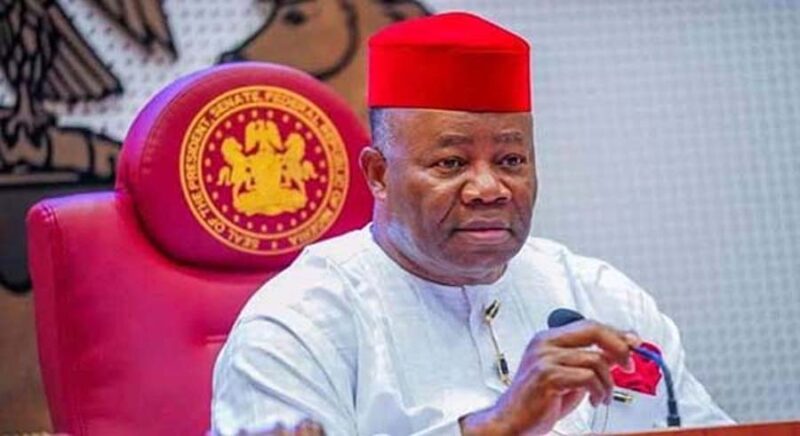
Comments by Senate President Godswill Akpabio aimed at reassuring serving senators who lost out in the recently concluded party primaries ahead of the 2027 general elections have sparked anxiety among victorious aspirants, who fear that despite winning their party tickets through the primaries, the outcome could be altered in favour of incumbent senators who are colleagues of the Senate President.
The aspirants are worried that, despite winning their party tickets through the primaries, the outcome could be altered in favour of incumbent senators who are colleagues of the Senate President. Those expressing concern are mainly members of the ruling All Progressives Congress (APC), who fear that Akpabio could use his influence within the party to secure tickets for some of the defeated lawmakers.
Akpabio, while delivering a welcome address following the Senate’s resumption from a three-week recess and Eid-el-Kabir break, told lawmakers who failed to secure their parties’ tickets that the leadership of the National Assembly was still working to address the situation. While congratulating senators who emerged successful across party lines, the Senate President lamented the scale of defeats recorded during the primaries, noting that the losses were more substantial than anticipated.
He said: “I congratulate the political parties, one or two of which emanated from these chambers. They recently concluded their primaries and all internal democratic processes. I felicitate particularly with those who have secured their mandates to represent their parties in the next general election. I know that there will always be victories and disappointments, yet above every individual triumph stands a greater triumph, the triumph of democracy itself. In this Senate, we were promised that we would have very few disappointments. I do know that the Senate Leader and the rest of the leadership are working very hard to address these issues. So, in advance, I say congratulations to all of us across party lines.”
Following his remarks, Akpabio led senators into a closed-door executive session that lasted more than two hours. Sources told news outlets that Akpabio and other principal officers of the Senate also met with President Bola Ahmed Tinubu. Although details of the meeting were not made public, insiders said discussions centred on possible options for some serving senators who lost their primaries.
READ ALSO:
- World Cup 2026: FIFA Adds New Automated Offside Technology to End Delayed Flags
- Schoolchildren Abductions: Pastor Ibiyeomie Drops Bombshell, Names Sponsors
- Band A Users to Get Relief as NERC Orders DisCos Compensation Plan
Before the Senate proceeded on recess, the leadership had reportedly assured lawmakers of automatic return tickets or consensus arrangements in many states. However, when the primaries were eventually conducted, only Senate President Godswill Akpabio (Akwa Ibom North-West) and Senate Leader Opeyemi Bamidele (Ekiti Central) secured automatic tickets. Deputy Senate President Barau Jibrin (Kano North), the three senators from Borno State, and senators from Lagos State secured their return tickets through consensus arrangements.
Based on the results declared by the party, 60 of the 105 serving senators secured return tickets, while about 40 failed in their bids. Among those who lost are prominent figures including Deputy Senate Leader Lola Ashiru (Kwara South), Jibrin Isah (Kogi East), former Ogun State Governor Gbenga Daniel (Ogun East), Ned Nwoko (Delta North), Abbas Aminu Iya (Adamawa Central), Kaila Samaila Dahuwa (Bauchi North), Titus Zam (Benue North-West), Emmanuel Udende (Benue North-East), William Eteng Jonah (Cross River Central), Neda Imasuen (Edo South), former Gombe State Governor Danjuma Goje (Gombe Central), Francis Ezenwa (Imo East), Musa Garba (Kebbi South), Adeniyi Adegbonmire (Ondo Central), Olajide Ipinsagba (Ondo North), Olubiyi Fadeyi Oluwole (Osun Central), Diket Plang (Plateau Central), and Ipalibo Harry Banigo (Rivers West).
Several senators also lost after contesting governorship primaries in their states. They include Saliu Mustapha (Kwara Central), Abdulfatai Buhari (Oyo North), Shehu Buba (Bauchi South), Onawo Mohammed Ogoshi (Nasarawa South), and Abdul Ningi (Bauchi Central), among others.
Despite the high-profile losses, the APC senatorial primaries also produced significant winners. Imo State Governor Hope Uzodimma secured the ticket for Imo West, while former Delta State Governor Ifeanyi Okowa trounced incumbent Senator Ned Nwoko in Delta North, polling 113,309 votes against Nwoko’s 2,612 votes. Ogun State Governor Dapo Abiodun prevailed in Ogun East after supporters of his main challenger and incumbent, Senator Gbenga Daniel, withdrew over alleged insecurity threats. Former Senate President Ahmad Lawan secured the Yobe ticket, while former Edo State Governor Adams Oshiomhole clinched Edo North through consensus arrangement. In Kogi Central, former Governor Yahaya Bello secured a landslide victory, polling 72,399 votes to defeat his challengers across the five local government areas of the district. Senate Chief Whip Ali Ndume clinched the Borno South ticket by consensus, while Senator Orji Uzor Kalu secured a landslide victory in Abia North with 65,651 votes.
Meanwhile, some winners of the APC primaries have expressed concern over the delay in the issuance of Certificates of Return, alleging that it may be part of efforts to alter the final list of candidates ahead of the 2027 elections. Some victorious aspirants told news outlets that the delay had heightened anxiety, especially following comments suggesting that the party’s national leadership retained the final authority to determine candidates.
A successful aspirant from Kwara State, who requested anonymity, said those who defeated incumbent lawmakers had become increasingly suspicious. “Some of us who defeated incumbent legislators at both the state and national levels are now suspicious of the games being played by the national leadership of the party. We were told that the President is wading in to manage any crisis that might arise after the release of the final results. Since then, we have been worried,” she said.
Another successful aspirant from Gombe State said the Senate President’s comments remained open to different interpretations. “The statement is not clear, so we cannot comment on it yet. We are trying to seek clarification before reacting,” he said.
READ ALSO:
- Omo-Agege Backs Obi’s 2027 Ambition, Defends Tinubu’s Economic Reforms
- Hundreds Flee as Xenophobic Attacks on Foreigners Escalate in South Africa
- Third Toxic Odour Incident Hits Ijebu-Ode in 3 Months as Ogun Traces Source to Methane Leak
Party officials, however, insist that the delay is in line with established procedures. Speaking through his media aide, Abimbola Tooki, APC National Chairman Prof. Nentawe Yilwatda said primary election guidelines provided for the collation of results and resolution of appeals before the formal declaration of winners. Yilwatda had previously stated that no state chapter or electoral committee of the party has the authority to announce winners of the party’s primary elections, insisting that only the National Working Committee (NWC) can ratify and officially declare results from the primaries.
“The guidelines issued for the conduct of the primaries were very clear and unambiguous. Results from the various levels were to be collated appropriately, while the formal declaration of winners would only come after the appeal processes have been concluded,” Tooki said. He added that aggrieved aspirants retained the constitutional right to seek redress through the party’s appeal mechanism.
A reliable party source confirmed that the various appeal committees had submitted their reports and that the reports are still being evaluated. Once that is completed, a final result will be sent to the party’s National Working Committee for action. “The NWC will meet on this any moment from now and once that is done the list will be announced,” the source said.
However, some aspirants argued that the delay has fuelled fears that the outcome of the primaries could still be altered administratively. They also pointed out that while many of them were yet to receive their certificates, President Bola Tinubu has already been presented with his Certificate of Return by the party following his victory at the APC presidential primary. They argued that the prompt issuance of the President’s certificate contrasts sharply with the treatment being meted out to other victorious aspirants across the country. “The President has already received his Certificate of Return, so why are the others being delayed? The party should not create the impression that some candidates are more valid than others,” one candidate stated.
READ ALSO:
- Four NYSC Members, Soldier, Passenger Killed in Adamawa Road Crash
- Major Blow to ISWAP as Troops Neutralise Over 50 Terrorists in North-East
- [UPDATED] JUST IN: Gunmen Abduct Adelabu’s Sister, Twin Sons in Ibadan (VIDEO)
Article 19 of the APC constitution states that the list of candidates elected at the party primary election, congresses, and conventions shall be forwarded, after the disposal of appeals, to the National Working Committee of the party for ratification or confirmation as candidates for national or general elections. This provision has become a source of concern for many aspirants who fear that the NWC could overturn primary results in favour of preferred candidates.
The concern is not without precedent. In Agege Local Government Area of Lagos State, party leaders have petitioned President Bola Tinubu, the APC National Chairman, the NWC, and INEC over what they described as the wrongful alteration of the outcome of the party’s primary election for Agege Constituency I. According to the petition, Mr. Egunjobi Ganiyu Kola emerged as the winner of the primary election held on 20th May 2026, polling 9,132 votes out of 10,126 votes cast, but was subsequently denied recognition as the party’s candidate after a newspaper report published a different name as the winner.
Public affairs analyst Dr. Seun Ajayi cautioned against overturning the outcome of the primaries. He warned that the party must respect the choice of its members, who selected their candidates through direct primaries. He said anything short of that would negate the principles of internal democracy and cause discord among the aspirants. “What the President can do is ensure that those who lost out, especially the serving senators, are given alternative national assignments if he still needs their services, instead of overturning the choice of the people,” he said.
Already, several lawmakers who lost out in the primary process have left the ruling party or are considering their options. They include Shehu Buba, senator representing Bauchi South, and Garba Maidoki, senator representing Kebbi South. In Kogi East, Senator Jibrin Isah rejected the outcome of the primary after losing his return ticket, accusing Governor Ahmed Ododo’s camp of hijacking materials and frustrating his supporters. “The battle line has been drawn,” he declared, vowing to challenge Ododo in the governorship race.
Akpabio, however, framed the developments as part of the democratic process, saying while some aspirants emerged victorious and others suffered setbacks, democracy remained the ultimate winner. His remark about not being “lured into another political party” also underscored growing concerns about potential defections following contentious primary contests across the country.
At the time of filing this report, no official clarification had been issued by Akpabio or the Senate leadership regarding the specific nature of the efforts being made to assist defeated senators, leaving APC primary winners across the country in a state of uncertainty as they await the final list of candidates for the 2027 general elections.
Certificate of Return Delays: APC Winners Suspect Plot to Favour Akpabio’s Allies.





Politics
Adamawa Political Shake-Up: 21 Council Chairmen, 226 Councillors Dump PDP for APC

Adamawa Political Shake-Up: 21 Council Chairmen, 226 Councillors Dump PDP for APC
YOLA, Adamawa State — The Peoples Democratic Party (PDP) has suffered a major political setback in Adamawa State as all 21 elected local government chairmen and 226 councillors have defected to the ruling All Progressives Congress (APC).
The mass defection, which became public on Tuesday, October 20, 2026, followed the submission of resignation letters by the council chairmen to their respective PDP ward chairpersons.
The development comes months after Governor Ahmadu Umaru Fintiri left the PDP for the APC, triggering a political realignment across the state.
The Adamawa State APC Publicity Secretary, Victor Dogo, confirmed the defections, saying all 21 local government chairmen, area development administrators and 226 councillors had joined the ruling party.
According to Dogo, the council officials decided to align with Fintiri, whom he described as their political benefactor.
He said the defectors believed they could better align their political activities with the governor by joining the same party.
Several council chairmen explained their decisions in resignation letters dated Monday, October 19, 2026, citing personal considerations and consultations with their families, political associates and other stakeholders.
The chairman of Yola North Local Government Area, Jibril Jimeta, said he had decided to pursue a different political path, while expressing appreciation to the PDP for the opportunities and relationships he developed during his membership of the party.
READ ALSO:
- ‘I Never Asked Them to Abandon Loved Ones’ — Obi Clarifies Diaspora Remarks
- FG Confirms Ebola Case in Abuja, Identifies 44 Contacts
- Breaking: Afenifere Leader Pa Fasoranti Dies at 100
The Maiha Local Government chairman, Tijani Atiku, and his Mubi North counterpart, Musa Hassan, also submitted letters announcing their departure from the opposition party.
Similarly, the chairman of Demsa Local Government Area, Akham Jalo, said his decision followed consultations with his family, political associates, stakeholders and residents of his council.
Jalo said he joined the APC to align with Fintiri’s political direction and attract more development to Demsa.
The defections have strengthened the APC’s presence across Adamawa’s 21 local government areas, further reshaping the state’s political landscape ahead of the 2027 governorship election.
The development had been anticipated after Fintiri defected from the PDP on February 27, 2026. However, the newly elected council officials had contested the June 2026 local government elections on the PDP platform after securing the party’s tickets before the governor’s departure.
The PDP had won the chairmanship positions across all 21 local government areas in the election, which was conducted by the Adamawa State Independent Electoral Commission.
The party had previously dismissed speculation that the newly elected officials would abandon it following Fintiri’s defection.
Reacting to the latest development, the PDP leadership in Adamawa played down its implications for the party’s electoral prospects.
The party’s governorship candidate, Maurice Vunobolki, had earlier argued that the departure of council chairmen would not necessarily determine the outcome of the 2027 governorship election, insisting that voters, rather than elected council officials, would decide the winner.
The PDP’s state leadership also expressed confidence that the party could regain the governorship despite the defections.
The mass movement represents a significant shift in Adamawa politics, placing the APC and Fintiri at the centre of a new political alignment while leaving the PDP to reorganise ahead of the next electoral contest.
Adamawa Political Shake-Up: 21 Council Chairmen, 226 Councillors Dump PDP for APC
Politics
Buhari Feared Tinubu Presidency, Resisted Pressure to Back Him – Baba-Ahmed Claims

Buhari Feared Tinubu Presidency, Resisted Pressure to Back Him – Baba-Ahmed Claims
The National Chairman of the Peoples Redemption Party (PRP), Hakeem Baba-Ahmed, has claimed that former President Muhammadu Buhari had reservations about President Bola Ahmed Tinubu succeeding him in 2023, describing the current President as “bad news” for Nigeria.
Baba-Ahmed made the allegation at a summit organised by the Northern Elders Forum (NEF), where he criticised Tinubu’s administration and questioned the President’s handling of the country’s economic and political challenges.
According to him, Buhari resisted pressure from some political associates who wanted Tinubu to emerge as his successor after the 2023 general election.
“Even Buhari saw Tinubu as bad news for this country. In fairness to him, he is not around him. Buhari resisted some people who insisted it had to be Tinubu,” Baba-Ahmed said.
He did not identify the individuals who allegedly pressured Buhari or provide further details of the former President’s reported reservations about Tinubu’s candidacy.
Baba-Ahmed also revisited Tinubu’s declaration of “Emilokan”, a Yoruba expression meaning “it is my turn”, during the build-up to the 2023 presidential election, arguing that Nigerians should have examined the statement more critically.
“Nigerians ought to have known there was something wrong the day Tinubu said ‘It’s my turn’. Maybe we missed it,” he said.
Questioning the purpose behind the declaration, Baba-Ahmed argued that the presidency of a country with more than 200 million people should be about public service rather than the fulfilment of an individual’s political ambition.
The PRP chairman further accused the Tinubu administration of worsening the country’s difficulties, citing economic hardship and what he described as failures across key areas of governance.
READ ALSO:
- NAFDAC Probes Corps Member’s Death at Enugu Camp as Fake Drug Claims Emerge
- Nigerian Universities Have Not Expired, Only Teaching Methods, Professor Tells Ojuolape
- Kano: Soldiers Kill Two Kidnappers, Rescue Victim, Recover ₦10m
He argued that the President should not prioritise his ambition for a second term over the welfare of Nigerians, insisting that the country needed a change in direction.
Baba-Ahmed also expressed confidence that Nigeria would overcome its current challenges, describing its people as resilient despite the economic and political difficulties confronting the nation.
“We are very resilient people. We have seen crises bigger than this, and we survived it. We survived this one, and we will survive this one,” he said.
On the 2027 general election, Baba-Ahmed disclosed that opposition parties were working towards a coalition to challenge Tinubu, adding that the alliance would seek to unite political interests behind a single candidate.
He urged Nigerians opposed to the President’s re-election bid to support whoever emerges as the coalition’s candidate.
Baba-Ahmed also called on the Independent National Electoral Commission (INEC) to ensure that the 2027 elections are credible and reflect the wishes of voters.
Tinubu succeeded Buhari on May 29, 2023, after winning the presidential election on the platform of the All Progressives Congress (APC). His administration has introduced major economic reforms, including the removal of petrol subsidies and changes to the foreign exchange system, which have generated sustained public debate over their impact on households and businesses.
Baba-Ahmed’s claim about Buhari’s alleged opposition to Tinubu’s emergence has not been independently established in the account of the summit. His remarks come amid growing political manoeuvring ahead of the 2027 elections and renewed criticism of the President’s performance by opposition figures.
Buhari Feared Tinubu Presidency, Resisted Pressure to Back Him – Baba-Ahmed Claims
Politics
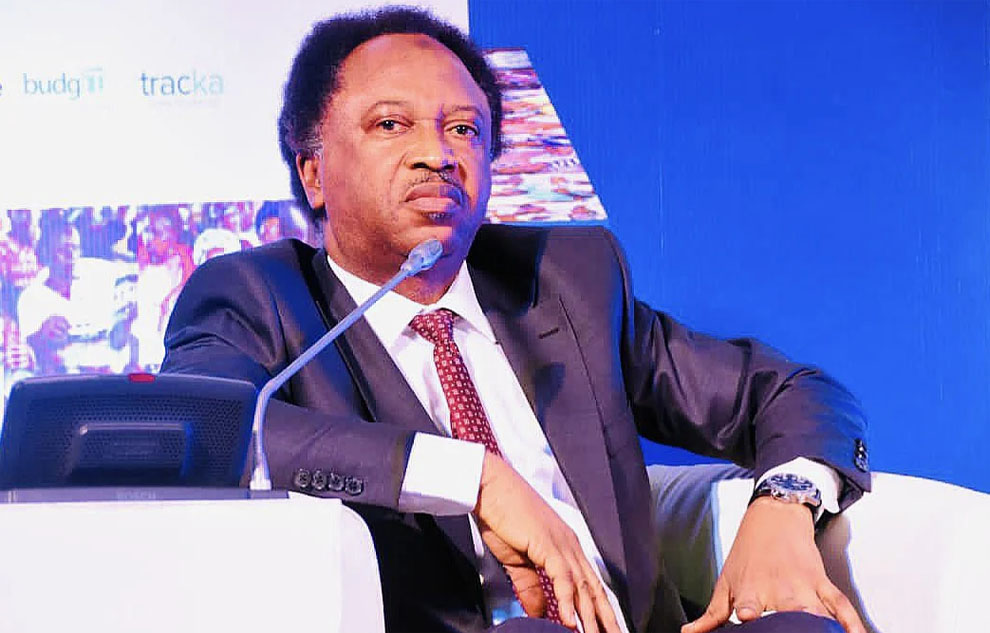
2027: Shehu Sani Breaks Silence on Claims Kwankwaso Is Working for Tinubu
2027: Shehu Sani Breaks Silence on Claims Kwankwaso Is Working for Tinubu
Former Kaduna Central senator Shehu Sani has defended Rabiu Musa Kwankwaso against allegations that the former Kano State governor is working to advance President Bola Ahmed Tinubu’s re-election bid, blaming supporters of the African Democratic Congress (ADC) for what he described as a smear campaign following Kwankwaso’s political split with Peter Obi.
Sani made the remarks in a post on his verified X account while reacting to accusations by the ADC Presidential Campaign Council that Kwankwaso was undermining opposition efforts ahead of the 2027 presidential election.
“The ADC guys are still bitter about the Peter and Kwankwaso divorce, hence the smear that they are working for the ruling party or the President,” Sani wrote.
The former lawmaker argued that Obi and Kwankwaso were established politicians with independent political identities and should be allowed to make their own decisions about political alliances without facing hostility from former allies.
According to him, political figures should have the freedom to associate with political parties and coalitions of their choice or withdraw from them without being accused of working against the interests of the opposition.
“No consideration to the fact that they are all accomplished politicians with their own independent track records, and have the right to associate and disassociate,” he added.
READ ALSO:
- Omoda, Jaecoo Storm Europe as Global Sales Surge 123% to 73,421
- 16-Year-Old Girl Recounts Horror of Hookup Encounter, Says Man Threatened Her With Knife, Acid
- Ex-Super Eagles Coach Westerhof Battles Colon Cancer in Critical Condition, Wife Seeks Help
Sani further criticised political groups that, in his view, attempt to control their members or punish them for choosing a different political direction.
“This is the price they will continue to pay for refusing to be supplementary, and disposable cargoes in someone’s container,” he stated.
He added: “Political parties shouldn’t be cultish groups where one can’t pull out in peace.”
The comments came after the ADC Presidential Campaign Council accused Kwankwaso, who is now the running mate to Obi under the Nigeria Democratic Congress (NDC), of weakening the opposition through his criticism of former Vice-President Atiku Abubakar.
Kwankwaso had called on Atiku, the ADC’s presidential candidate, to step aside for Obi, prompting a strong reaction from the ADC campaign council.
In a statement, the council’s Director of Media and Publicity, Kola Ologbondiyan, described Kwankwaso’s intervention as reckless and self-serving, alleging that it could deepen divisions among opposition politicians and benefit Tinubu and the ruling All Progressives Congress (APC).
Ologbondiyan argued that opposition figures should concentrate on challenging the Tinubu administration rather than attacking one another or attempting to influence the choice of presidential candidates in rival parties.
The ADC campaign council also questioned Kwankwaso’s political calculations, alleging that his actions were driven by personal ambition and future political negotiations rather than a genuine effort to strengthen the opposition.
However, Sani’s response challenged the suggestion that Kwankwaso’s departure from the ADC-led opposition arrangement amounted to support for Tinubu. He maintained that political disagreements and changes in alliances should not automatically be interpreted as evidence of collaboration with the ruling party.
The disagreement reflects the growing tensions among opposition politicians as parties and political leaders position themselves for the 2027 elections.
Obi and Kwankwaso’s move to the NDC followed their departure from the ADC-led opposition coalition, which had sought to bring prominent political figures together behind a common platform to challenge Tinubu.
Their exit has complicated efforts to maintain a united opposition front, with competing presidential ambitions and disagreements over candidate selection continuing to shape political discussions.
For now, the allegations that Kwankwaso is advancing Tinubu’s interests remain a claim by the ADC campaign council, while Sani has publicly rejected that interpretation. Neither the accusation nor Sani’s response, on its own, establishes that Kwankwaso is secretly working with the President.
The exchange underscores the widening political differences among opposition figures as the race towards 2027 gathers momentum.
2027: Shehu Sani Breaks Silence on Claims Kwankwaso Is Working for Tinubu
-
 News2 days ago
FG Challenges World Bank’s 124% Debt-to-Revenue Warning, Cites Rising Income
-

 metro2 days ago
NAFDAC Probes Corps Member’s Death at Enugu Camp as Fake Drug Claims Emerge
-

 Politics2 days ago
Buhari Feared Tinubu Presidency, Resisted Pressure to Back Him – Baba-Ahmed Claims
-
 metro3 days ago
SERAP Sues INEC Over ₦126bn Electoral Funds, Demands Full Accountability
-

 Entertainment2 days ago
Nollywood Mourns as Actress, Beauty Queen Tenia Abraham Dies at 32
-
 metro3 days ago
Okonjo-Iweala: My Mother Was Kidnapped After I Uncovered $2.4bn Subsidy Fraud
-

 metro14 hours ago
Army Major, Soldiers Killed in ISWAP Ambush in Yobe State
-
 metro2 days ago
Ogun House Fire Horror: Husband Arrested After Wife Dies Following Domestic Dispute