

News
Akpabio’s aide blasts Peter Obi over criticism of State Police Bill

Akpabio’s aide blasts Peter Obi over criticism of State Police Bill
The media aide to Senate President Godswill Akpabio, Tijani Mustapha, has taken a swipe at the presidential candidate of the Nigerian Democratic Congress (NDC), Peter Obi, accusing him of criticising the recently passed State Police Bill without reading its provisions.
Mustapha’s reaction followed Obi’s criticism of the Senate’s passage of the State Police Bill, which the former Anambra State governor described as hurried and lacking due legislative scrutiny.
Obi had argued that the speed with which the National Assembly approved the constitutional amendment heightened public suspicion over the political intentions behind the proposed creation of state police. According to him, the absence of a broad public hearing and extensive stakeholder consultations raised concerns about the transparency of the legislative process.
The former Labour Party presidential candidate further warned that allowing states to establish their own police forces without strong institutional safeguards could expose the system to political abuse.
“The suspicion is that a state-controlled police force could be weaponised to suppress political rivals, disrupt opposition rallies, and manipulate elections,” Obi stated.
He maintained that state police would only become a credible solution to Nigeria’s worsening security crisis if the law establishes truly independent oversight institutions insulated from political interference.
According to Obi, each state should have an autonomous State Police Service Commission with constitutional guarantees that prevent governors or other political office holders from exercising undue influence over recruitment, promotions, discipline and operational decisions.
READ ALSO:
- VIDEO: “Your husband’s death is not up to two years, but you’ve sold his properties” — King Mitchy to Mr Ibu’s wife
- Lawmakers should be paid per sitting, not monthly salaries — Ndume
- Tinubu approves new health technology agency to modernise Nigeria’s healthcare system
Responding in a post on X, Mustapha dismissed Obi’s criticism, insisting that the former presidential candidate had failed to study the bill before commenting on it.
“You clearly didn’t read the bill as passed,” Mustapha wrote.
According to him, Obi’s principal concern regarding an independent State Police Service Commission had already been addressed in the legislation approved by the Senate.
“I know this because his major concern of the creation of an independent State Police Service Commission was duly addressed in the bill.
“For a man who doesn’t know the meaning of KPI, one again wonders what this individual’s mental capacities are,” Mustapha added.
The State Police Bill is one of the most significant constitutional reform proposals currently before the National Assembly. It seeks to decentralise policing by allowing states to establish and operate their own police services alongside the Nigeria Police Force, which has remained the country’s only constitutionally recognised police institution since 1999.
The bill provides for the establishment of State Police Service Commissions in every state to oversee recruitment, appointments, promotions and disciplinary matters. The commissions are intended to function independently as oversight bodies to reduce political interference in the administration of state police.
The proposed legislation also outlines minimum operational standards, coordination between federal and state police agencies, funding arrangements, training requirements and mechanisms for cooperation on national security matters. It further provides circumstances under which the Federal Government may intervene where security situations overwhelm state police formations.
Supporters of the bill argue that decentralising policing will strengthen intelligence gathering, improve community policing and enable quicker responses to crimes such as kidnapping, banditry, terrorism and communal violence.
However, opponents remain concerned that governors could exploit state police to intimidate political opponents, influence elections and suppress dissent despite the safeguards contained in the bill.
Although the Senate has passed the State Police Bill, the constitutional amendment process is not yet complete.
For the proposal to become law, it must secure approval from at least two-thirds of Nigeria’s 36 State Houses of Assembly before it is transmitted to President Bola Tinubu for presidential assent.
The debate over state police remains one of Nigeria’s most contentious constitutional issues, with supporters viewing it as a solution to the country’s persistent insecurity, while critics continue to demand stronger constitutional safeguards against abuse.
Akpabio’s aide blasts Peter Obi over criticism of State Police Bill




News
MURIC Blasts Nigeria Over UNGA Stance on Palestine, Netanyahu
MURIC Blasts Nigeria Over UNGA Stance on Palestine, Netanyahu
The Muslim Rights Concern (MURIC) has launched a scathing criticism of Nigeria’s conduct at the 2026 United Nations General Assembly, accusing the Federal Government of failing to give the Palestinian crisis the attention it deserves.
MURIC said Nigeria’s failure to include the Palestinian question in its position paper, coupled with its decision not to join countries that walked out during Israeli Prime Minister Benjamin Netanyahu’s address, was deeply regrettable.
The group’s Executive Director, Professor Ishaq Akintola, made the allegations in a statement issued on Saturday, September 26, 2026.
MURIC described Nigeria’s performance at the international gathering as “shocking, woeful, deplorable and despicable,” arguing that the country should have taken a stronger position on the humanitarian situation in Gaza.
According to the organisation, Nigeria failed to include the Palestinian question in its position paper presented during the UN General Assembly on Thursday, September 24.
The group further alleged that Nigerian delegates declined to join 77 other countries whose representatives walked out of the General Assembly chamber during Netanyahu’s speech.
MURIC: Gaza crisis cannot be ignored
MURIC said Nigeria’s position was particularly disturbing against the backdrop of the humanitarian crisis in Gaza and the international legal controversy surrounding Netanyahu.
“Bearing in mind the universal notoriety of the Israeli Prime Minister, the fact that he is now an international criminal who has been declared wanted by the International Criminal Court (ICC) and the horrendous crimes against humanity committed by Israel against the people of Gaza, we consider Nigeria’s performance at the international event as shocking, woeful, deplorable and despicable,” Akintola said.
The organisation also cited casualty figures which it said showed the scale of the devastation in Gaza.
READ ALSO:
- Why I Accept My Daughters’ Same-Sex Relationships — Charly Boy
- Katsina: Troops Rescue 14 Kidnap Victims, Arrest Three Terrorist Couriers With N2.7m
- 2027: Fayemi Denies Galadima’s Claim He Is Coordinating Opposition Group Against Tinubu
MURIC stated that more than 73,922 Palestinians had been killed, while about 174,995 others had been wounded.
The group said Gaza’s medical facilities had been stretched beyond their limits, while large parts of the territory had suffered extensive destruction.
According to MURIC, women and children constitute a substantial proportion of those affected by the conflict.
Food, water, electricity crisis
The Islamic rights organisation also raised concerns about what it described as prolonged shortages of essential supplies in Gaza.
MURIC alleged that Palestinians had endured shortages of food, water, fuel and electricity, with children and pregnant women among those affected.
The group further claimed that homes were still being demolished and that children in Gaza had been deprived of normal access to education.
“The people of Gaza had no food, no water, no fuel and no electricity for months. Children and pregnant women are among the Palestinian victims deprived of essential facilities. As we speak, hundreds of Gaza homes are being demolished. Gaza children cannot go to school,” the statement said.
‘Hold Nigerian government accountable’
MURIC called on Nigerians who are concerned about justice and human rights to scrutinise the Federal Government’s position on the Palestinian issue.
The organisation urged Nigerians to demand explanations for Nigeria’s diplomatic decisions at the United Nations, particularly its decision not to participate in the walkout during Netanyahu’s address.
“We charge Nigerians who believe in justice, fairness and the interconnectivity of humanity to hold the current government of Nigeria accountable for smearing the image of our great country, for mortgaging its future and for hobnobbing with capitalist imperialists who are bent on oppressing poor nations of the world,” Akintola said.
The group also called on Nigeria’s human rights community to publicly speak out over the country’s position on Palestine.
MURIC urges human rights groups to speak up
“We urge the Nigerian human rights community to speak up on Nigeria’s regrettable stance on the Palestinian question,” the statement added.
MURIC’s criticism comes amid continuing international debate over the war in Gaza, the humanitarian situation in the territory and the diplomatic positions adopted by governments at the United Nations.
The organisation maintained that Nigeria, as one of Africa’s major diplomatic powers, should pay greater attention to issues of civilian protection, human rights and the Palestinian question when taking positions at international forums.
MURIC Blasts Nigeria Over UNGA Stance on Palestine, Netanyahu
News
Keyamo: ₦70,000 Minimum Wage No Longer Enough as Cost of Living Soars
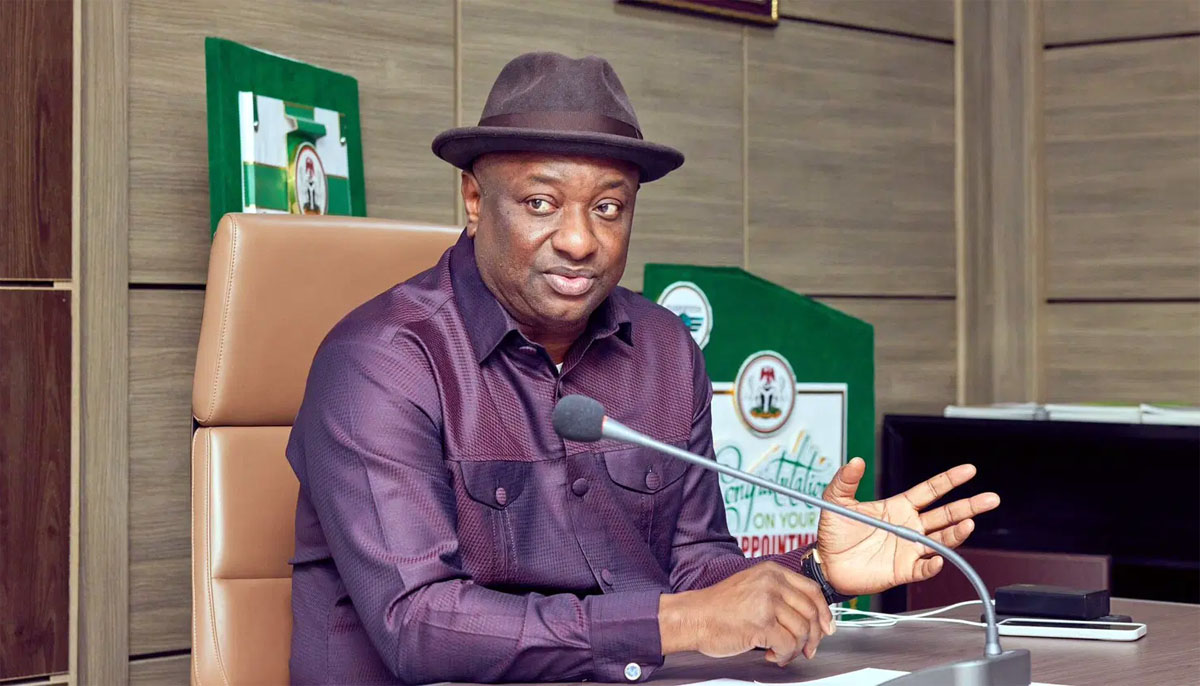
Keyamo: ₦70,000 Minimum Wage No Longer Enough as Cost of Living Soars
Minister of Aviation and Aerospace Development, Festus Keyamo, has acknowledged that Nigeria’s ₦70,000 national minimum wage is no longer sufficient for workers to cope with the rising cost of living.
Keyamo made the statement at the 2026 National Pre-Retirement Summit, organised by XEM Consultants Limited in Abuja, where discussions focused on workers’ welfare, remuneration and the economic challenges confronting Nigerians.
The minister said economic pressures had substantially weakened workers’ purchasing power, making it necessary to consider an upward review of wages.
He urged the Federal Government and organised labour to find common ground in their ongoing discussions over workers’ pay, saying the government should meet labour “midway” rather than allow disagreements over the size of a proposed increase to stall negotiations.
Keyamo, who previously served as Minister of State for Labour and Employment, recalled the negotiations that led to the increase in Nigeria’s minimum wage from ₦30,000 to ₦70,000 in 2024.
According to reports of his remarks, he argued that the present wage was no longer sufficient to absorb the economic pressures facing workers.
READ ALSO:
- Keyamo: ₦70,000 Minimum Wage No Longer Enough as Cost of Living Soars
- AFCON 2027 Qualifier: Nigeria Fight Back to Beat Madagascar 2-1 in Uyo
- Anambra Police Arrest 25-Year-Old Suspect Linked to 2023 Kidnap, Murder
The minister’s comments came amid renewed pressure from organised labour for improved wages and measures to reduce the impact of rising living costs.
Reports indicate that labour representatives have cited figures as high as ₦500,000 in current discussions on a new minimum wage. The figure has been reported as a labour demand or opening position rather than an agreed new wage.
The debate is also taking place ahead of the expected review of the current wage framework. Reports from the summit said the current minimum-wage cycle, following reforms reducing the review period from five years to three, is due for review around 2027.
Keyamo also raised concerns about government spending priorities, particularly situations in which workers allegedly struggle to receive basic allowances while substantial resources are approved for official international trips.
He stressed the importance of workers to national productivity, arguing that the economy and government cannot function effectively without them.
Also speaking at the summit, Nigeria Labour Congress President Joe Ajaero reportedly argued that the real value of workers’ earnings should be measured by their purchasing power rather than the nominal amount printed on their pay slips.
Ajaero called for salaries and pensions to be linked to inflation or a cost-of-living index, arguing that such a mechanism would allow workers’ incomes to respond more directly to changes in the prices of essential goods and services.
The labour leader also called for government intervention to cushion workers against the impact of higher food and transportation costs.
The latest statements from Keyamo and labour leaders have renewed attention to the gap between Nigeria’s ₦70,000 statutory minimum wage and the cost of meeting basic household needs, as preparations for another wage review gather momentum.
For many Nigerian workers, the emerging wage debate is increasingly centred not simply on the amount stated on their monthly pay slip, but on what that income can actually buy amid rising prices.
Keyamo: ₦70,000 Minimum Wage No Longer Enough as Cost of Living Soars
Entertainment
Jetour Takes Adventure Beyond the Road, Brings Solar-powered Borehole to Ibeju-Lekki community
Jetour Takes Adventure Beyond the Road, Brings Solar-powered Borehole to Ibeju-Lekki community
Jetour Nigeria has taken its SUV adventure beyond the asphalt, combining a high-octane convoy through some of Lagos toughest coastal trails with a humanitarian intervention that delivered clean, reliable water to the people of Iwerekun Orile, Ibeju Lekki.
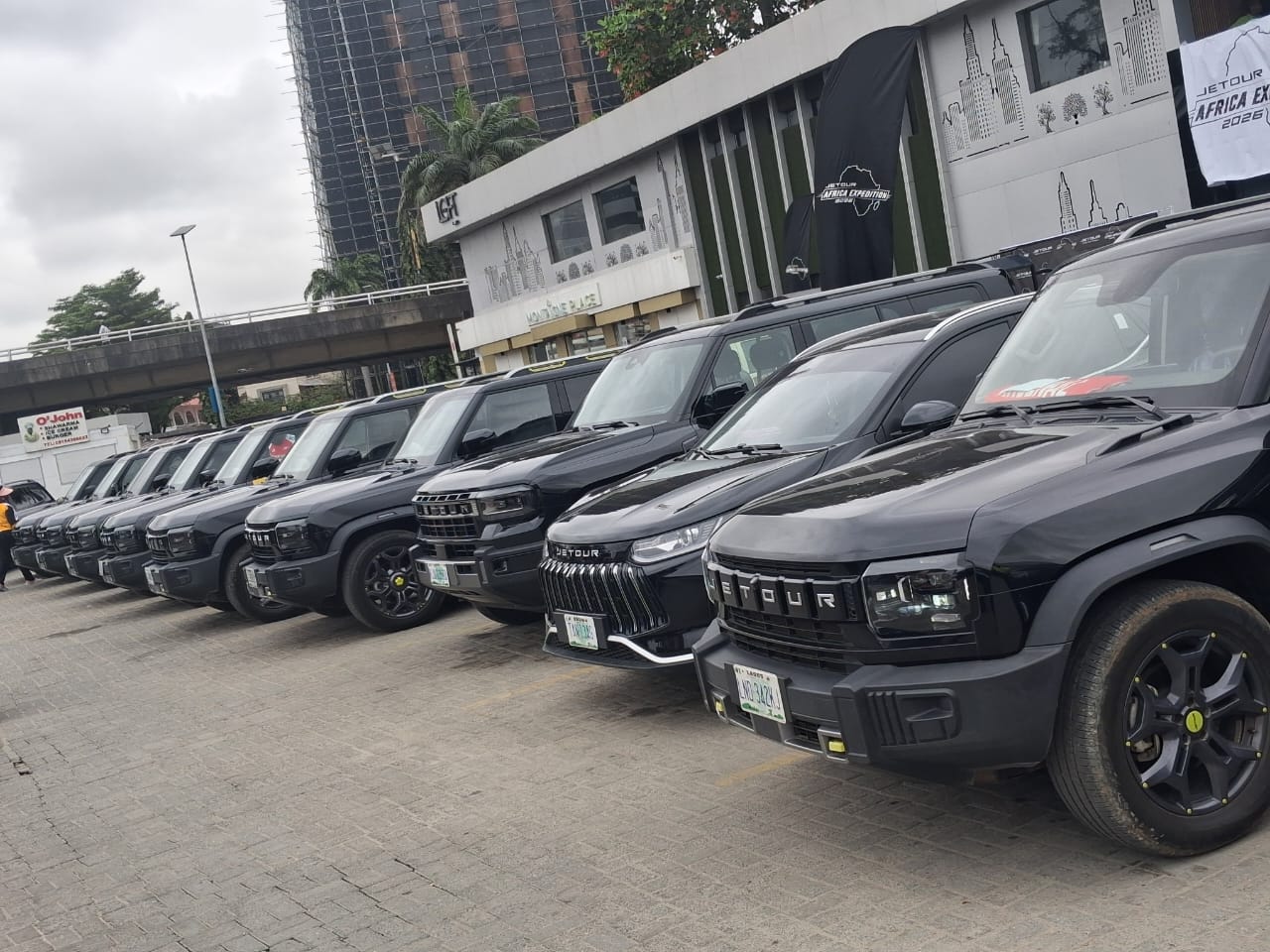
The automaker’s 2026 Africa Expedition last Saturday turned into more than a showcase of automotive power and off-road capability as the convoy of eight Jetour models arrived at the Roman Catholic Mission Primary School, Iwerekun Orile, to commission a new solar-powered borehole for the community.
The convoy, comprising the Jetour Dashing, X50, X70 Plus, X90 Plus, T2, T2 PHEV, X70 PHEV and flagship G700, departed Falomo Square, Ikoyi, after a road safety briefing by the Federal Road Safety Corps.
Escorted by personnel of the Nigeria Police Force and the Lagos State Traffic Management Authority, the convoy moved through Victoria Island and beyond the city’s urban landscape before tackling difficult stretches of the Coastal Highway.
The demanding terrain, characterised by swampy sections, rocks and uneven trails, provided an opportunity for the vehicles to demonstrate their off-road capability and endurance.
But beyond the adventure and display of automotive technology, the expedition took on a more significant purpose when the convoy arrived at the Roman Catholic Mission Primary School, Iwerekun Orile.
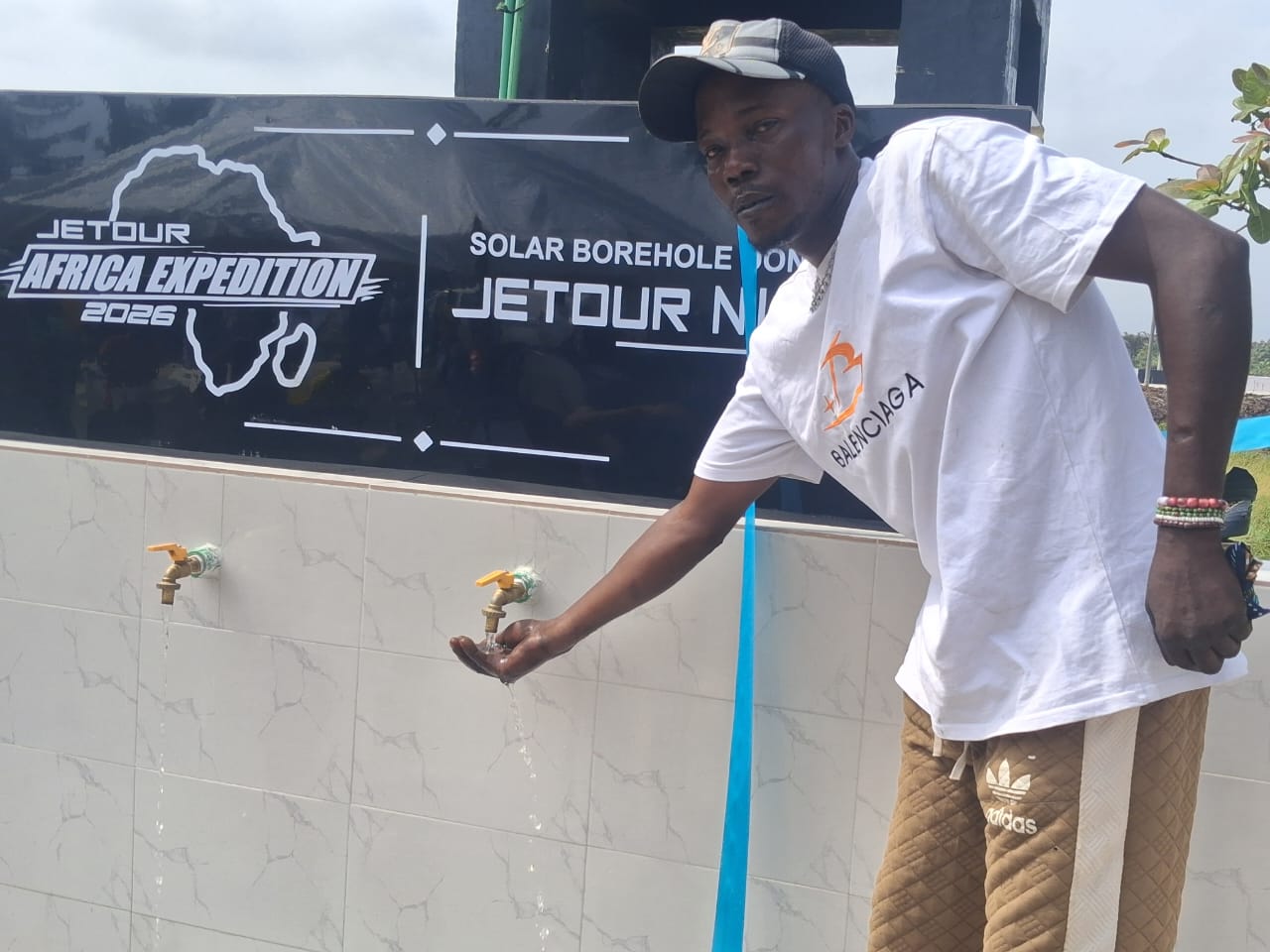
There, Jetour Nigeria commissioned a new solar-powered borehole, providing the school and surrounding community with access to clean and reliable water.
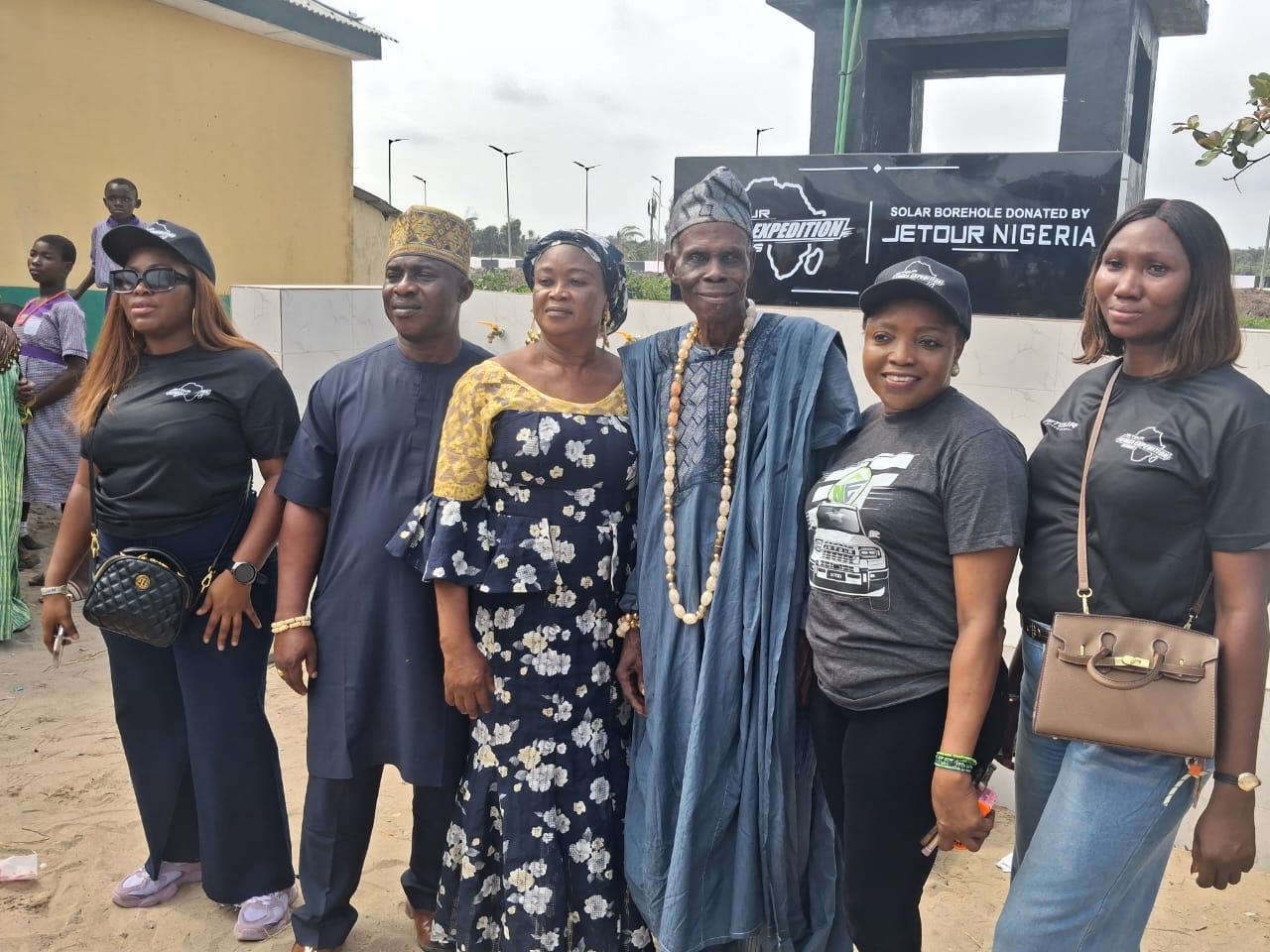
The intervention was greeted with excitement as schoolchildren, traditional leaders, farmers and market women turned out to welcome the visitors with cultural performances.
Jetour also distributed food items to households in the community, while pupils received books and refreshments.
A representative of Jetour Nigeria, Kemi Adeola, said the initiative reflected the company’s belief that its activities should extend beyond automobiles to making a positive difference in the communities it reaches.
“This is where adventure meets purpose,” Adeola said. “Our mission doesn’t stop at building capable vehicles; it lives in our pledge to drive tangible progress and touch the hearts of the communities we reach.”
The community’s traditional leader, High Chief Michael Oluwa, described the water project as an unprecedented development in the history of Iwerekun Orile and pledged that residents would protect and maintain the facility.
The head teacher of the school, Mrs Ariyike Bakre, also expressed gratitude to Jetour, describing the intervention as a lifetime gift to the school and community.
“This is my first time seeing a solar-powered borehole,” Bakre said, adding that the facility would make a significant difference to the children and residents.
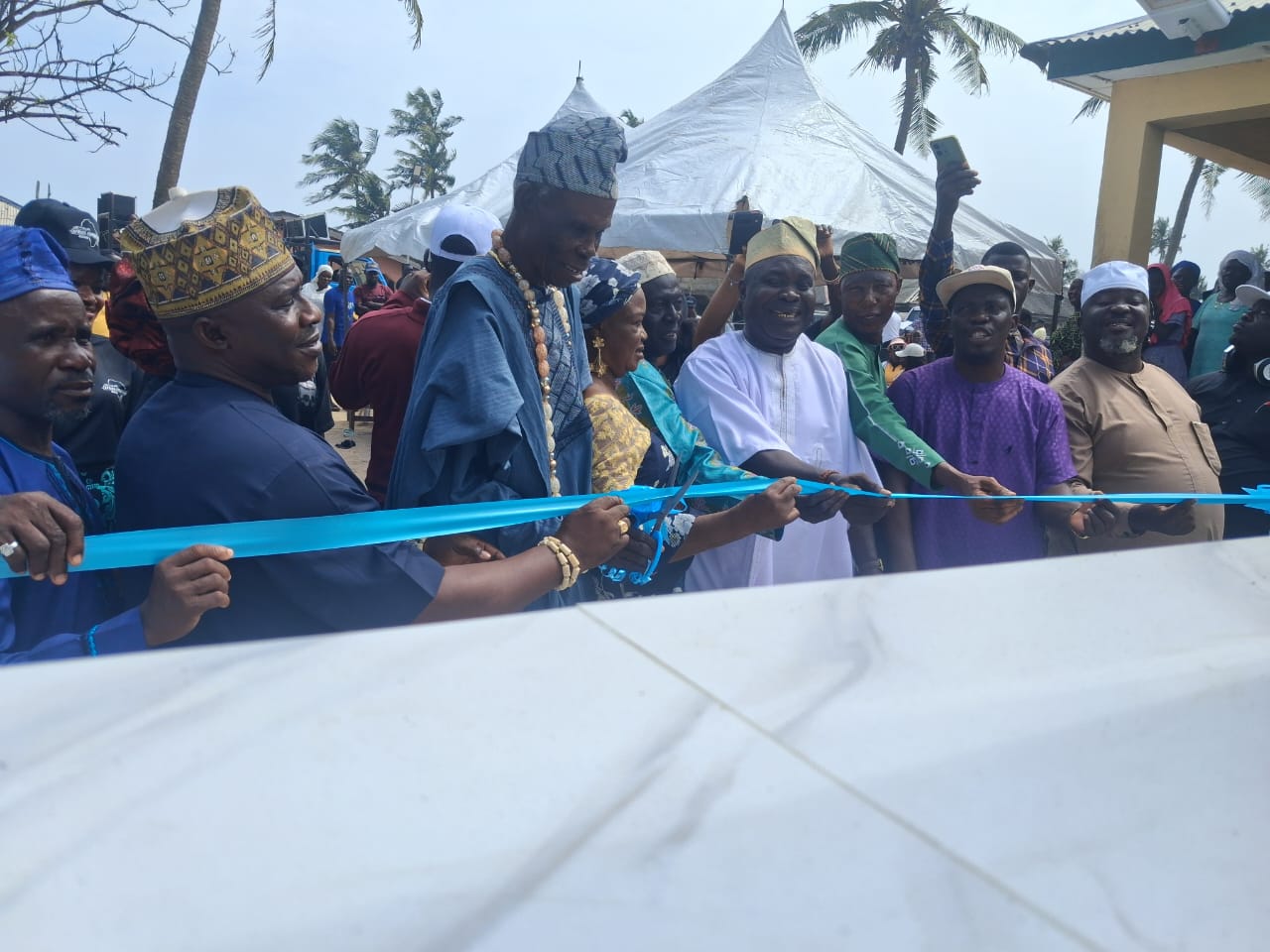
She thanked Jetour for making it possible for the community to witness the commissioning of the project.
The expedition later ended at a beach lounge, where the drivers, organisers and participants relaxed over food, music and entertainment.
For Jetour Nigeria, however, the significance of the expedition extended beyond conquering difficult terrain. It demonstrated how an automotive adventure could be linked to community development, leaving behind not only memories of a demanding road trip but also a lasting source of clean water for Iwerekun Orile.

-
 metro3 days ago
Police Probe Alleged Self-Kidnapping of Adeleke’s Aide in Osun
-
 metro2 days ago
Lagos Arrests Man Over Viral Video of Toddler Being Flogged
-

 Sports2 days ago
Former Super Eagles Captain Troost-Ekong Embraces Islam, Recites Shahadah in Doha
-

 Politics3 days ago
Osun APC Warns Adeleke Govt Over Alleged Victimisation of Local Govt Workers
-
 metro3 days ago
Tinubu, Fani-Kayode Face Proposed $36m US Lawsuit Over Alleged Threats
-
 metro3 days ago
Kwara Police Deny Shooting Motorcyclist at Oyun Bridge, Explain Viral Video
-

 News1 day ago
Anambra Releases ₦473m Salary Arrears Document as Obi’s Debt Claim Sparks Fresh Dispute
-
 News23 hours ago
Keyamo: ₦70,000 Minimum Wage No Longer Enough as Cost of Living Soars