

Health
How Online Pharmaceutical Ads Endanger Lives, Fuel Self-Medication
How Online Pharmaceutical Ads Endanger Lives, Fuel Self-Medication
The promise appears irresistible.
A Facebook user scrolling through their feed encounters a sponsored post claiming to offer a “natural cure” for diabetes. On Instagram, another advertisement guarantees permanent relief from infertility within weeks. A TikTok video showcases dramatic before-and-after images of a woman who allegedly lost significant weight after taking a herbal mixture. On X, a thread promotes a product said to cleanse the body of infections and restore overall health.
Within seconds, users are encouraged to click a WhatsApp link, send a direct message or place an order.
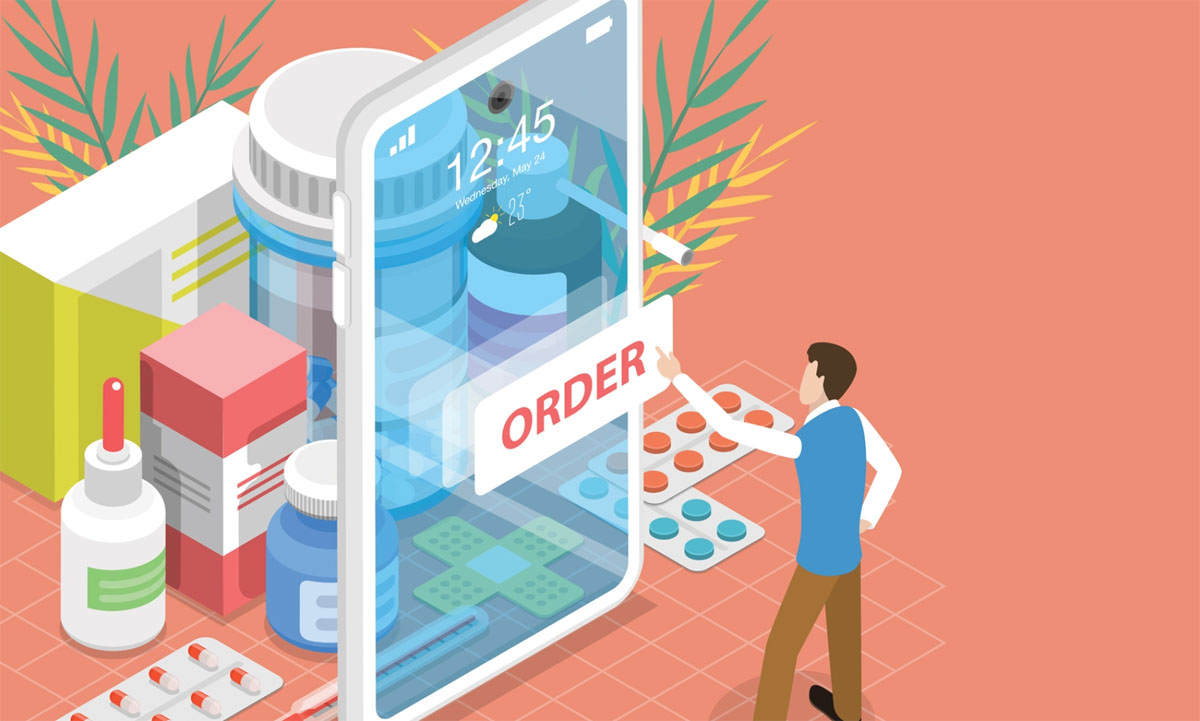
Across Nigeria’s digital landscape, such advertisements have become increasingly common. Social media platforms have evolved beyond spaces for social interaction into thriving marketplaces where pharmaceutical products, herbal remedies and dietary supplements are marketed directly to millions of consumers.
While some products may be legitimate, health experts warn that many are promoted without adequate regulatory oversight, scientific evidence or verifiable information about their safety and effectiveness. The growing trend has raised concerns among healthcare professionals, regulators and consumer advocates who fear that vulnerable Nigerians are being exposed to misinformation, dangerous self-medication and potentially harmful substances.
The rapid expansion of digital marketing and artificial intelligence has transformed how health-related products are advertised worldwide, and Nigeria is no exception. Today, platforms such as Facebook, Instagram, TikTok and X (formerly Twitter) serve as major channels through which drugs, herbal medicines and wellness products are marketed directly to consumers.
Unlike traditional media, where advertisements are typically subjected to regulatory review before publication, social media allows virtually anyone to promote products with minimal scrutiny.
A simple search using phrases such as “natural cure,” “herbal treatment” or “fast relief” generates dozens of advertisements claiming to address conditions ranging from infertility and infections to diabetes, hypertension and obesity.
Many of these advertisements rely heavily on emotional testimonials, dramatic personal stories and promises of quick results. Others feature images purportedly showing patients before and after treatment.
READ ALSO:
- Anambra Arraigns Eight Pastors for Violating Homeland Security Law 2025
- Supreme Court Affirms Death Sentence for Delta Kidnapper
- 49 Die of Thirst in Niger’s Sahara Desert After Truck Breakdown
However, most provide little or no information regarding clinical trials, product ingredients, manufacturing standards or regulatory approval.
Further observations reveal that comment sections have become informal health consultation spaces where users seek advice on various medical conditions. Many consumers ask sellers to recommend treatments for ailments unrelated to the advertised product, suggesting that increasing numbers of Nigerians are turning to social media vendors for medical guidance rather than consulting qualified healthcare professionals.
Nigeria’s healthcare challenges—including rising medical costs, long waiting times and shortages of healthcare personnel in some communities—have made alternative solutions appealing to many consumers.
For 32-year-old entrepreneur Emmanuella Okeke, social media appeared to offer a solution to her weight concerns.
“The advert had many positive comments and testimonials. The seller said it was completely natural and had no side effects,” she told Weekend Trust.
Within days of taking the herbal supplement she purchased online, she developed severe stomach discomfort.
“I stopped taking it because I became worried. Looking back now, I realised I never actually knew what was inside the product,” she said.
Similarly, Ibrahim Musa, a civil servant, purchased a product advertised on Instagram as a treatment for chronic joint pain.
“The video looked professional and the comments appeared genuine, so I placed an order immediately,” he recalled.
Weeks later, he noticed no improvement.
“When I started asking questions, the seller stopped responding. Eventually, the account disappeared.”
Esther Adeolu also purchased fertility supplements promoted on TikTok after seeing numerous testimonials from women claiming successful pregnancies.
Months later, she consulted a fertility specialist.
“The doctor explained that infertility can have many causes and that no responsible practitioner can guarantee success the way the advertisement did,” she said.
For Adewale Johnson, an online remedy for high blood pressure nearly led him into a dangerous situation.
“The seller told me I could stop taking my prescribed medications. Thankfully, I consulted my doctor before making any changes,” he said.
Medical experts warn that following such advice could have life-threatening consequences.
READ ALSO:
- MFM Suspends Nationwide Night Vigils, Sets 8pm Cut-Off for Church Activities
- Nigeria to Evacuate Over 1,000 Citizens as Anti-Migrant Violence Spreads in South Africa
- Court Reserves Ruling on Blessing CEO’s Bail Application in N36m Fraud Case
Public health physician Dr Grace Jegede described the growing reliance on social media for health guidance as a dangerous development.
“Many people now receive medical information from individuals whose qualifications cannot be verified. What worries healthcare professionals is that marketing messages are increasingly being mistaken for medical advice,” she said.
According to her, symptoms that require proper diagnosis are often reduced to simplistic explanations by online vendors.
“A persistent headache could indicate stress, hypertension, infection or a more serious condition. Yet some online sellers offer a single product as a solution without any medical assessment whatsoever.”
She warned that self-diagnosis based on social media content could delay treatment and worsen health outcomes.
Dr Adeniyi Benson, a medicine specialist, said investigations into many online health products reveal recurring problems.
“Product labels are often incomplete. Scientific names of ingredients may be omitted, manufacturing locations are unclear, and sellers provide little information beyond broad claims of effectiveness,” he explained.
He stressed that every medicine carries benefits, risks and possible side effects.
“When these details are hidden, consumers are making important health decisions without adequate information.”
Experts say one of the most misleading claims in online health advertising is the suggestion that herbal or natural products are automatically safe.
According to Dr Benson, many consumers wrongly assume that natural products cannot cause harm.
“That is simply not true. Herbal products can trigger adverse reactions, interact dangerously with prescription medicines or worsen underlying medical conditions.”
Healthcare professionals caution that safety and effectiveness depend on scientific evaluation, not marketing language.
The rise of artificial intelligence has introduced a new challenge. Experts warn that AI-generated videos, manipulated images and cloned voices are increasingly being used to market health products online.
Some fraudulent advertisements now feature videos that appear to show doctors, pharmacists or medical experts endorsing products they have never seen or approved.
These highly convincing deepfake technologies make it more difficult for consumers to distinguish genuine medical advice from fabricated endorsements.
Health experts fear that as AI tools become more accessible, deceptive online pharmaceutical advertising could become even more sophisticated and widespread.
Another growing trend is the use of social media influencers to promote health products.
With thousands or even millions of followers, influencers can significantly boost product sales, particularly among younger audiences.
READ ALSO:
- UK Tightens Immigration Rules, Threatens Universities Over Foreign Student Recruitment
- He forced himself on me every night: Anambra Teenager Gang-Raped by Guardian, Seven Others
- Emir of Argungu Urges Communities to Legally Acquire Weapons for Self-Defence
The challenge, experts say, is that followers often trust influencers more than health authorities.
“When a popular personality recommends a product, many people assume it has already been verified,” said pharmacist Dr Abdulmojeed Sani.
“Unfortunately, that assumption may not always be correct.”
He warned that testimonials and personal experiences should never be mistaken for scientific evidence.
“A single positive experience does not prove that a product is safe or effective. Proper medical products undergo rigorous testing before they are recommended to the public.”
The dangers extend beyond misleading advertisements.
Counterfeit and falsified medicines remain a significant public health challenge in Nigeria and many developing countries.
Such products may contain incorrect ingredients, harmful substances, improper dosages or no active ingredients at all.
Consumers who purchase medicines from unverified online sellers face a higher risk of receiving substandard products that may worsen illnesses, trigger adverse reactions or fail to provide treatment altogether.
Healthcare professionals warn that some patients unknowingly spend months using ineffective products while serious medical conditions continue to progress.
The National Agency for Food and Drug Administration and Control (NAFDAC) is responsible for regulating drugs, food products, cosmetics, medical devices and related advertisements in Nigeria.
By law, health-related advertisements require regulatory approval before publication.
However, monitoring digital platforms remains a major challenge.
Unlike television and newspapers, online content can be created, shared and deleted within minutes. Anonymous sellers can target consumers across multiple platforms without revealing their identities.
NAFDAC Director-General, Prof. Mojisola Adeyeye, has repeatedly warned against purchasing medicines from unapproved sources and stressed that offenders face severe sanctions.
The agency has also encouraged Nigerians to verify product registration details before making purchases.
Industry experts say stronger collaboration between regulators, technology companies and healthcare institutions is necessary to address the growing problem.
Doctors report seeing increasing numbers of patients whose conditions worsened after relying on unverified online products.
Physician Dr Grace Ekanem recalled treating individuals who delayed seeking professional medical care after using products purchased online.
“Some patients spend months experimenting with various remedies before eventually coming to the hospital. By then, their conditions may have advanced significantly,” she said.
According to her, diseases such as diabetes, hypertension and infections require timely diagnosis and evidence-based treatment.
“Delays can lead to complications and reduce the chances of successful management.”
Health experts advise Nigerians to exercise caution before purchasing health products online.
Consumers are encouraged to verify NAFDAC registration details, consult qualified healthcare professionals before using new products, avoid products that promise instant cures or guaranteed results, be suspicious of “secret formulas” and miracle treatments, check for clear information on ingredients, dosage and side effects, avoid stopping prescribed medications without medical advice, and purchase medicines only from licensed pharmacies and authorised vendors.
As Nigeria’s digital economy continues to expand, social media will remain a powerful tool for communication and commerce.
The challenge is ensuring that innovation does not come at the expense of public health.
Experts argue that stronger regulation, better platform accountability, improved health literacy and more aggressive enforcement are necessary to protect consumers.
Until then, millions of Nigerians will continue to encounter advertisements promising miracle cures and instant solutions—often with little way of knowing whether the claims are supported by science or simply another marketing strategy designed to exploit hope.
The growing presence of online pharmaceutical products, social media drug adverts, health misinformation, self-medication and unregulated medicines highlights the complex intersection of technology, commerce and healthcare in Nigeria. For many experts, protecting public health in the digital age will require collective action from regulators, technology companies, healthcare professionals and consumers alike.
How Online Pharmaceutical Ads Endanger Lives, Fuel Self-Medication












Health
NAFDAC Busts Illegal Herbal Factory in Lagos, Arrests Manager Over Fake Registration Number
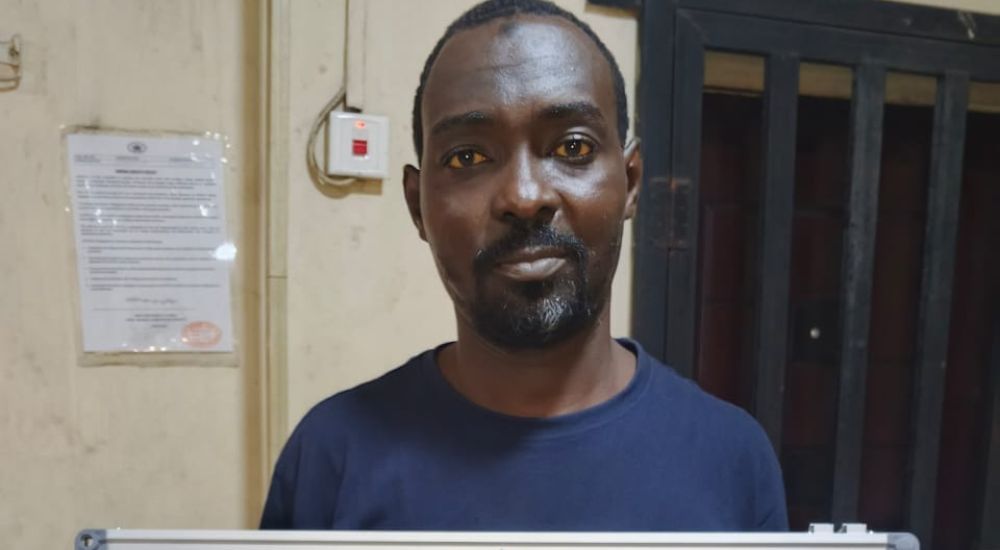
LAGOS — The National Agency for Food and Drug Administration and Control (NAFDAC) has uncovered a suspected illegal herbal product manufacturing facility in Agege, Lagos State, and arrested its manager over the alleged use of a falsified registration number on herbal products.
The agency disclosed the development on Wednesday, October 21, 2026, following an investigation triggered by a report published by The Guardian on October 10 concerning herbal products allegedly carrying fake NAFDAC registration numbers.
According to NAFDAC, its investigative team conducted surveillance before discovering three variants of Asheitu Adams Bitters bearing registration number A7-1827L.
However, checks through the agency’s NAFDAC Automated Product Administration and Monitoring System (NAPAMS) revealed that the registration number belonged to Greentol Cough Syrup, rather than the herbal bitters.
The agency said the discovery confirmed the fraudulent use of the registration number on the products.
During the operation, the company’s managing director and chief executive officer was reportedly absent, while the manager was arrested for further interrogation as investigations continued.
The Sun identified the arrested manager as 39-year-old Abdullazeez Saidu from Kano State. NAFDAC had not announced any court charges against him as of Wednesday.
READ ALSO:
- NELFUND Warns Schools: Student Loans Are Voluntary, Not Compulsory
- ‘I Never Asked Them to Abandon Loved Ones’ — Obi Clarifies Diaspora Remarks
- FG Confirms Ebola Case in Abuja, Identifies 44 Contacts
The agency urged members of the public to provide credible information about suspected illegal manufacturing activities to help strengthen enforcement efforts and protect consumers from potentially unsafe products.
NAFDAC provided the following channels for reporting suspected violations: its call centre numbers, 0800-1-623322 and 0700-1-623322, and the email address reforms@nafdac.gov.ng.
The discovery comes amid a series of enforcement operations by the agency against suspected counterfeit and adulterated products in Lagos and other parts of the country.
On October 14, NAFDAC reported uncovering a suspected facility at the International Trade Fair Complex in Lagos where expired alcoholic and non-alcoholic beverages were allegedly being repackaged for sale. The agency also reported seizures of suspected counterfeit alcoholic drinks in other operations.
The latest operation highlights concerns about the misuse of regulatory registration numbers, which consumers often rely on when assessing whether products have been registered for sale in Nigeria.
NAFDAC has repeatedly urged consumers to verify product registration details and report suspicious products or manufacturing activities.
The agency’s investigation into the Agege facility is ongoing, and further details about the products recovered, their distribution and any potential health effects have not been publicly disclosed.
NAFDAC Busts Illegal Herbal Factory in Lagos, Arrests Manager Over Fake Registration Number
Health
FG Confirms Ebola Case in Abuja, Identifies 44 Contacts

FG Confirms Ebola Case in Abuja, Identifies 44 Contacts
The Federal Government has confirmed a case of Ebola virus disease (EVD) in the Federal Capital Territory (FCT), Abuja, after laboratory tests returned positive for a woman who recently arrived in Nigeria from Uganda.
The Coordinating Minister of Health and Social Welfare, Professor Muhammad Ali Pate, announced the development on Tuesday, October 20, 2026, saying health authorities had identified 44 close contacts and commenced contact tracing to prevent further transmission.
According to the minister, the patient was admitted to a private hospital in Abuja, where she received medical attention for several days before the infection was confirmed. She is currently in isolation and receiving medical care.
The Federal Ministry of Health and Social Welfare is coordinating the response with the Nigeria Centre for Disease Control and Prevention (NCDC), the FCT Health Services Secretariat and other relevant authorities.
Public health teams are tracing and monitoring people who may have been exposed to the patient, including healthcare workers, other patients, caregivers and people who travelled with her.
The government said surveillance had been intensified, while the hospital where the woman received treatment was receiving support to strengthen infection prevention and control measures.
The minister urged public and private healthcare facilities across Nigeria to remain on high alert and promptly identify, isolate and report suspected cases to the appropriate public health authorities.
READ ALSO:
- Breaking: Afenifere Leader Pa Fasoranti Dies at 100
- Army Major, Soldiers Killed in ISWAP Ambush in Yobe State
- Chaos in Abeokuta as Algerian Fans Attack Coach, Vandalise Stadium After Rangers Defeat
Healthcare workers were also directed to maintain strict infection prevention and control practices to reduce the risk of exposure and protect patients and medical personnel.
Pate appealed to Nigerians to remain calm, vigilant and cooperative with health officials, stressing that early detection and prompt reporting were essential to containing the infection.
He noted that Nigeria had successfully contained an Ebola outbreak in 2014 and had experience and public health systems to respond to the current situation.
The government also urged anyone contacted during the tracing exercise, including passengers who may have travelled with the patient, to provide the necessary information and comply with official public health guidance.
Ebola virus disease is a serious illness that can spread through direct contact with the blood or other body fluids of an infected person who has developed symptoms, or through contaminated objects and materials.
Symptoms may include fever, severe weakness, headache, vomiting and diarrhoea. The incubation period ranges from two to 21 days.
Anyone who believes they may have been exposed and subsequently develops symptoms should contact public health authorities for guidance and avoid close contact with others while awaiting advice.
The NCDC operates a toll-free call centre on 6232, available 24 hours a day, seven days a week, for information and reports of suspected cases.
Nigeria’s latest case comes amid a wider Ebola outbreak affecting parts of Africa, including the Democratic Republic of the Congo and countries in East Africa. The NCDC had previously warned of the risk of imported infections and strengthened national preparedness measures.
The Federal Government said investigations and contact tracing were continuing, with further updates expected through the NCDC and the Presidential Task Force on Ebola Virus Disease.
Authorities have urged the public to rely on verified information, follow official health advice and avoid spreading unconfirmed reports as efforts continue to contain the infection.
FG Confirms Ebola Case in Abuja, Identifies 44 Contacts
Health
NAFDAC Seizes Fake Drinks Worth Over ₦2bn at Lagos Trade Fair Complex
NAFDAC Seizes Fake Drinks Worth Over ₦2bn at Lagos Trade Fair Complex
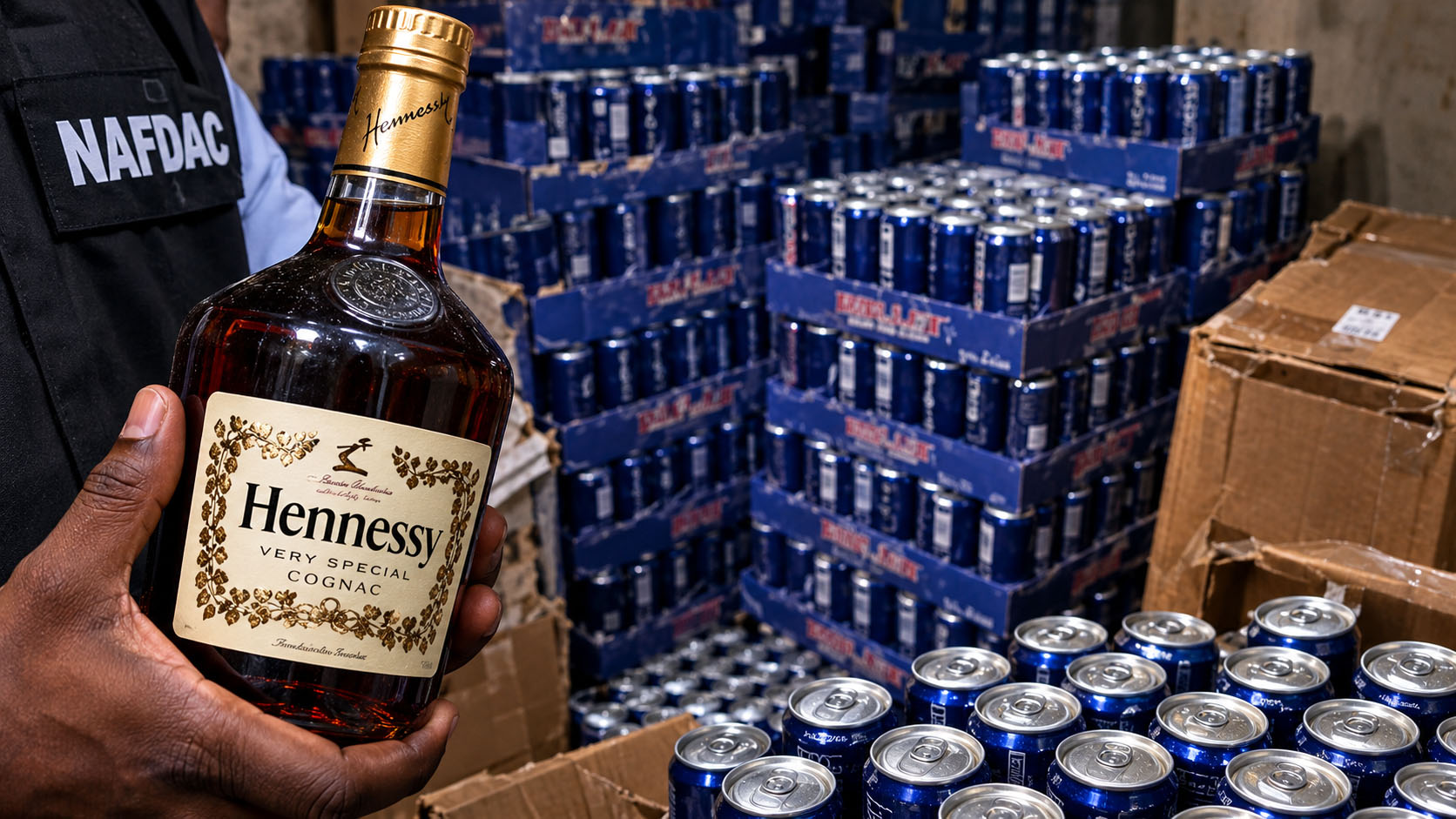
The National Agency for Food and Drug Administration and Control (NAFDAC) has uncovered a suspected large-scale counterfeit alcoholic beverage operation at the Lagos International Trade Fair Complex, seizing products reportedly valued at more than ₦2 billion.
The operation, conducted on Tuesday, October 13, 2026, followed intelligence reports about suspected illegal activities within the commercial complex.
The raid reportedly led to the discovery of more than 20 illegal stores allegedly used for the production and distribution of counterfeit alcoholic beverages and other prohibited activities.
According to reports on the operation, the facilities were concealed within makeshift stores originally designated as parking spaces within the complex.
During the exercise, NAFDAC officials reportedly discovered individuals allegedly involved in blending and counterfeiting popular alcoholic beverage brands, revalidating expired and unsafe drinks for resale, and stockpiling banned imported products.
Two suspects were reportedly apprehended during the operation, while the seized products were evacuated from the premises.
The discovery has raised concerns about the possible circulation of counterfeit, expired and unsafe alcoholic beverages in Nigerian markets, particularly products repackaged to appear genuine.
READ ALSO:
- Cosmetics Top Fake Products as NAFDAC Seals 179 Establishments, Arrests 52
- Nigeria Secures UN Human Rights Council Seat With 172 Votes
- Houthi Missile Targeting Riyadh Shot Down as Debris Injures Four, Damages 15 Homes
NAFDAC has repeatedly warned that the consumption of adulterated or unsafe beverages could expose consumers to serious health risks.
The agency urged members of the public to remain vigilant and report suspected cases of illegal manufacturing, relabelling, revalidation and sale of regulated products.
Consumers were also advised to exercise caution when purchasing alcoholic beverages, particularly products with suspicious packaging, questionable expiry dates or other signs of tampering.
NAFDAC provided its official complaints line, 0800-1-NAFDAC (0800-1-623322), for members of the public to report suspected violations.
The latest enforcement action forms part of the agency’s efforts to combat counterfeit and substandard products and protect public health.
Investigations are expected to establish the full extent of the alleged activities and identify other individuals who may be connected to the suspected distribution network.
NAFDAC Seizes Fake Drinks Worth Over ₦2bn at Lagos Trade Fair Complex
-

 Auto3 days ago
Hyundai Unveils Mufasa, Grand Creta SUVs to Strengthen Nigeria Line-up (Updated)
-

 metro3 days ago
Horror in Sokoto: Bandits Intercept Vehicle, Massacre All Passengers Returning from City
-
 metro3 days ago
Nigerian Journalist Sentenced to 4 Years Over Facebook Post Criticising Police
-
 metro3 days ago
Fourth Gas Leak in Six Months: Over 100 Ogun Pupils Hospitalised, Schools Shut as Parents Panic
-

 metro3 days ago
Bauchi Mosque Removes Imam After Tinubu Campaign, Rejects Proposal to Rename Mosque
-

 metro3 days ago
Shettima Blasts States Over Power Woes, Says Govs Must Stop Waiting for Abuja
-

 International3 days ago
Two Killed, Eight Injured as Attack Hits Saudi Arabia Airport
-

 metro2 days ago
Police Arrest Man Over Fake Presidency Number Plate in Abuja