

metro
DSS Arrests Seven Boko Haram, ISWAP Commanders Returning from Hajj
DSS Arrests Seven Boko Haram, ISWAP Commanders Returning from Hajj
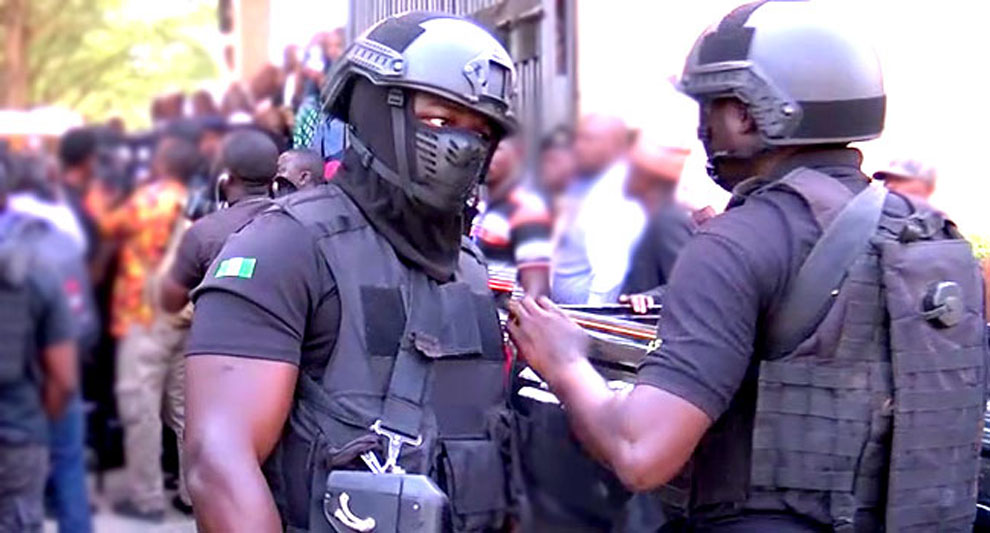
Nigeria’s security operatives have arrested seven suspected senior commanders of Boko Haram and the Islamic State West Africa Province (ISWAP) after they returned from the 2026 Hajj pilgrimage in Saudi Arabia, in what officials have described as a major counter-terrorism breakthrough. The suspects were apprehended last Thursday at the Umaru Musa Yar’Adua International Airport in Katsina State shortly after landing from Mecca, and were immediately transferred to the Department of State Services (DSS) for interrogation and further investigation. The arrest operation, which unfolded at the airport’s arrival terminal, has been hailed as a significant victory in Nigeria’s ongoing battle against terrorism and a testament to the effectiveness of the government’s new digital identity integration system.
Minister of Interior, Olubunmi Tunji-Ojo, disclosed the development on Friday shortly after President Bola Tinubu signed the National Identity Management Commission (NIMC) Act, 2026, into law at the Presidential Villa in Abuja. According to the minister, the arrests highlight the impact of the Federal Government’s ongoing reforms in identity management and national security coordination. He emphasized that the success of the operation demonstrates how technology and inter-agency collaboration can be leveraged to enhance national security and protect citizens from terrorist threats. Tunji-Ojo explained that the country previously operated a weak and disconnected data system, making intelligence gathering and threat detection difficult across multiple agencies. “We inherited a fragmented identity management system where government databases operated independently. Today, our immigration database is fully integrated with NIMC and linked to Interpol’s 24-hour security network,” he stated. He recalled that the Senate President had previously raised alarm over how terrorists managed to go on pilgrimage, questioning how they crossed Nigeria’s borders without detection.
Giving more details on the operation, the minister said, “I’m happy to tell you that even last week, Thursday, seven of the known commanders of Boko Haram and ISWAP, at the point of coming back from Mecca, were arrested in Katsina at the airport and were handed over to the DSS.” He attributed the success to the integration of the NIMC database with the Nigeria Immigration Service and international security platforms, noting that “this is only possible because NIMC’s ID is already connected with the immigration database, and it’s already speaking to even the Interpol 24/7, and we have been able to automate this.” The minister’s comments underscore the transformative impact of digital identity reforms on Nigeria’s security architecture, suggesting that similar arrests could become more frequent as the system becomes more entrenched.
READ ALSO:
- Police kill four kidnappers, rescue five victims in Lagos-Ogun joint operation
- Trump Claims US Military Ended ‘Slaughter of Christians’ in Nigeria
- PCN Raises Novena University’s Doctor of Pharmacy (Pharm.D) Admission Quota to 120
The minister did not disclose the identities of the suspects, whether they had been on security watchlists before travelling to Saudi Arabia, how they obtained travel clearance, or whether they have been formally charged. He also did not indicate whether the suspects travelled independently or received sponsorship for the pilgrimage. The announcement has raised fresh questions about how suspected Boko Haram and ISWAP commanders were able to obtain travel documents and leave Nigeria undetected before eventually being intercepted on their return. These unanswered questions have sparked calls for greater transparency from security agencies and a thorough investigation into how the suspects managed to navigate Nigeria’s border controls in the first instance.
The revelation comes days after allegations circulated that the Katsina State Government sponsored Hajj pilgrimages for some bandit leaders. The Katsina State Government has denied the allegations, describing them as false, baseless, and politically motivated. In a statement, the Commissioner for Internal Security and Home Affairs, Nasir Mua’zu, said the allegation was “entirely baseless, unfounded and devoid of any factual basis,” adding that it was a deliberate attempt to mislead the public and undermine ongoing efforts to tackle insecurity in the state. The minister did not suggest that the seven suspects were among any government-sponsored pilgrims, nor did he link their arrests to the allegations against the Katsina State Government. However, the timing of the arrests has fueled public speculation and drawn attention to the broader challenges of monitoring pilgrimages and preventing terrorists from exploiting religious travel.
President Tinubu signed the NIMC Act, 2026, at the Presidential Villa in Abuja in the presence of Senate President Godswill Akpabio, Deputy Speaker of the House of Representatives Benjamin Kalu, Attorney-General of the Federation and Minister of Justice Lateef Fagbemi, NIMC Director-General Abisoye Coker-Odusote, House Leader Julius Ihonvbere, and other senior government officials. Tunji-Ojo described the new legislation as a significant reform aimed at strengthening the harmonisation of Nigeria’s identity management systems, improving the integrity of the National Identification Number (NIN) system, and enhancing collaboration among security and intelligence agencies. He noted that the Act provides a legal framework that will accelerate the integration of databases and ensure that no Nigerian citizen can obtain official documents without proper verification through the NIMC system.
The newly signed law is expected to play a major role in strengthening Nigeria’s security architecture by accelerating the harmonisation of identity databases and improving cooperation among security and government agencies. Government officials say the legislation is designed to eliminate long-standing gaps in Nigeria’s identity management system. The law is also expected to strengthen the integrity of the NIN, improve data sharing, and enhance the tracking of criminal activities including terrorism financing, identity fraud, cybercrime, and cross-border offences. Officials believe that the Act will serve as a deterrent to criminals and terrorists who have historically exploited weaknesses in the country’s identity verification processes.
The minister further explained that the integration has also improved the passport application process, noting that no Nigerian passport can now be issued without proper identity verification through the NIMC database. “When Mr President came on board, we had a disconnected system within our identity data management system. At that time, getting a passport and getting a driving permit were completely disconnected from our identity database. But today, you can’t get a Nigerian passport without pulling data from NIMC,” he stated. This reform has not only enhanced national security but has also reduced instances of identity fraud and document forgery, which were previously rampant under the disconnected system.
Speaking at the signing ceremony, Senate President Akpabio welcomed the presidential assent, describing the legislation as a reflection of the National Assembly’s commitment to enacting laws that address Nigeria’s changing security and development needs. He said the Act would strengthen public confidence in the country’s identity management framework and aligns with President Tinubu’s reform agenda. Similarly, Deputy Speaker Benjamin Kalu described the legislation as a transformative reform that would improve governance, promote accountability and support national development through a credible identity management system, noting that the previous NIMC Act of 2007 had become outdated and ill-suited to the demands of a digital age.
NIMC Director-General Abisoye Coker-Odusote said the Act represents a significant step towards building a trusted and inclusive digital identity ecosystem, reinforcing the National Identification Number as the cornerstone of identity verification in Nigeria while introducing reforms that will strengthen the country’s digital public infrastructure and improve access to government and private-sector services. The development comes as the Federal Government intensifies efforts to strengthen national security, improve border surveillance, and curb the movement of terror-linked individuals across the country. Security analysts have welcomed the arrests as a positive development, but many have also cautioned that technology alone cannot solve Nigeria’s security challenges without sustained investment in intelligence gathering, community policing, and addressing the root causes of extremism.
DSS Arrests Seven Boko Haram, ISWAP Commanders Returning from Hajj






metro
Customs Busts International Lion Cub Smuggling Ring, Rescues Two Cubs at Abuja Airport
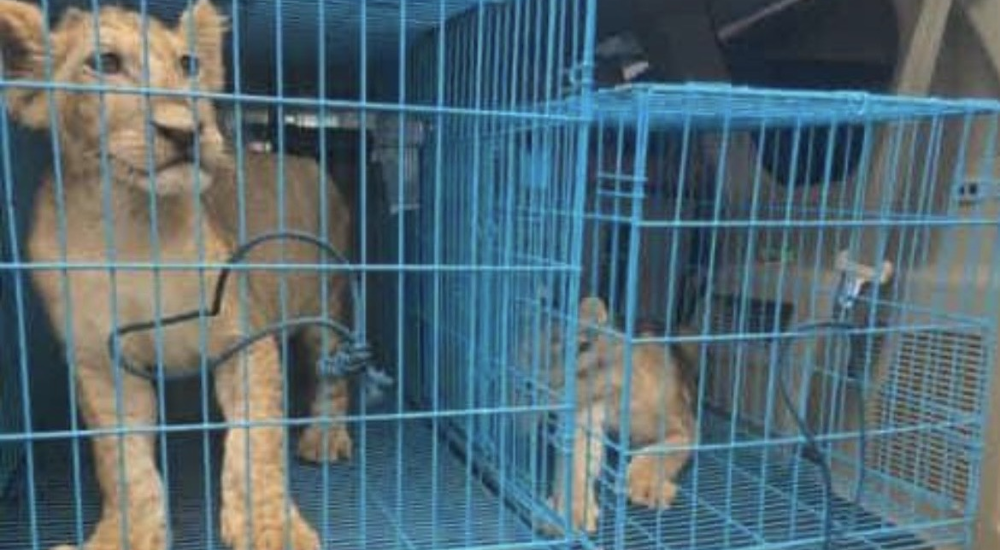
Customs Busts International Lion Cub Smuggling Ring, Rescues Two Cubs at Abuja Airport
The Nigeria Customs Service has intercepted an international wildlife trafficking operation at the Nnamdi Azikiwe International Airport, Abuja, rescuing two live lion cubs and arresting three suspects allegedly linked to the illicit trade. The operation, executed on August 4, 2026, was spearheaded by the Special Wildlife Office of the Customs Intelligence Unit in collaboration with the FCT Customs Intelligence Unit, Customs Police Unit, FCT Command, and conservation partner Focused Conservation. The successful bust marks another significant victory in Nigeria’s ongoing battle against transnational wildlife crime and sends a clear warning to trafficking syndicates operating within the country’s borders.
Acting on actionable intelligence, Customs operatives mounted surveillance at the airport’s cargo terminal and identified a black Sport Utility Vehicle suspected to be connected to the illicit movement of the animals. According to an official report released on August 10 by Assistant Comptroller of Customs Anuhu Mani, Officer-in-Charge of the Special Wildlife Office, the suspects were attempting to transport the lion cubs from Kano through Abuja to Congo-Brazzaville as their final destination. The operation took a dramatic turn when a vigilant Customs intelligence operative, conducting a physical inspection of the vehicle, heard unusual animal cries coming from the rear luggage compartment. Upon opening the luggage area, officers discovered the two rare lion cubs concealed inside specially prepared crates, confirming their worst suspicions about the nature of the cargo being transported through the nation’s premier international airport.
READ ALSO:
- Seven Miners Killed in Plateau Mining Pit Collapse, Renewing Urgent Calls for Safety Reform
- State Police Bill: Public Submissions Close Today as Nigeria Nears Historic Policing Reform
- INEC reprints Osun ballot papers, result sheets, includes SDP candidate
The discovery led to the immediate arrest of three suspects: the alleged owner of the animals, the vehicle driver, and a licensed Customs clearing agent. The suspects are currently undergoing interrogation as investigators work to identify other members of the trafficking network and establish the full scope of the cross-border operation. Mani noted that the Customs Service would continue to intensify intelligence gathering and strategic enforcement to ensure the country does not become a transit point for international wildlife trafficking. “This operation sends an unmistakable message that Nigeria will not serve as a transit hub or safe haven for wildlife trafficking syndicates,” Mani stated, underscoring the government’s commitment to protecting endangered species and upholding international conservation agreements.
Mani emphasised the significance of the rescue, noting the declining population of lions in Nigeria and the critical importance of every individual animal in sustaining the species. “With fewer lions remaining in Nigeria’s wild, saving these cubs is not just an enforcement success; it is a critical conservation victory. Our specialised unit will continue to leverage intelligence, profile trade routes, and prosecute those who profit from the illegal trade of our endangered species,” he said. The Customs officer said the attempted export breached both Nigeria’s Endangered Species Act (ESA) and the Convention on International Trade in Endangered Species of Wild Fauna and Flora (CITES), which regulates international trade in endangered wildlife and imposes strict penalties on those found guilty of trafficking protected species.
Following their rescue, the lion cubs were handed over to the Greenfingers Wildlife Conservation Initiative for specialised veterinary care, rehabilitation, and eventual conservation management. This marks a continuation of the partnership between Nigeria Customs and conservation organisations, following similar rescues including a lion cub intercepted at the Seme Border in November 2025 and another rescued in Kano in February 2026 through Operation Lexus. These partnerships have proven essential in ensuring that rescued animals receive the professional care they need to recover from the trauma of trafficking and, where possible, be reintegrated into appropriate conservation settings.
The seizure underscores the expanding role of the Nigeria Customs Service in combating organised environmental crime, particularly illegal wildlife trafficking along Nigeria’s international transport corridors. The Service, under the leadership of Comptroller-General of Customs Adewale Adeniyi, has increasingly deployed intelligence-led enforcement measures to tackle transnational illicit trade and strengthen Nigeria’s role in protecting endangered species. This operation follows other significant wildlife seizures, including the interception of 22 elephant tusks worth over ₦126.3 million in June 2026 and the seizure of pangolin scales, ivory tusks, and other wildlife products in Adamawa/Taraba commands. These enforcement actions demonstrate Nigeria’s growing commitment to combating wildlife crime and protecting biodiversity across the country’s borders, while also signalling to the international community that Nigeria is serious about fulfilling its obligations under global conservation treaties.
Customs Busts International Lion Cub Smuggling Ring, Rescues Two Cubs at Abuja Airport
metro
Seven Miners Killed in Plateau Mining Pit Collapse, Renewing Urgent Calls for Safety Reform
Seven Miners Killed in Plateau Mining Pit Collapse, Renewing Urgent Calls for Safety Reform
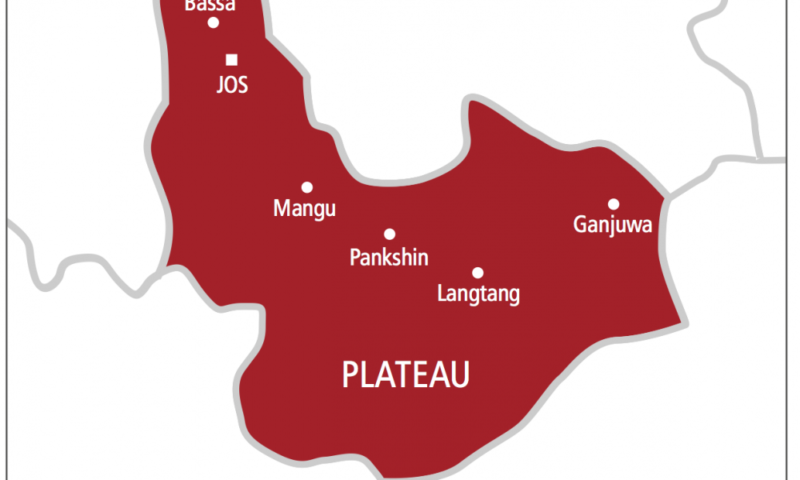
Tragedy struck Kassa community in Barkin Ladi Local Government Area of Plateau State on Wednesday evening when a mining pit collapsed, claiming the lives of seven miners and leaving several others injured. The incident occurred at approximately 7 p.m. while the miners were actively working at the site, digging to extract minerals. A heap of sand caved in on the victims, trapping them underground and sending panic through the community as residents and fellow miners rushed to the scene. The collapse has once again highlighted the dangerous conditions faced by artisanal miners across Nigeria, many of whom operate without any formal safety equipment or regulatory oversight.
A community member, Albert Danlami, explained that the victims became trapped underground following the collapse, prompting immediate rescue efforts by residents and other miners working at the site. He recounted that the miners had been working at the site before the earth suddenly caved in on them, and confirmed that some persons were injured following the collapse. The Publicity Secretary of the Berom Youth Moulders Association, Rwang Tengwong, confirmed the incident and provided the grim details of the rescue attempt. He explained that all seven victims died on the spot, despite swift efforts to reach them, and noted that they were among several miners at the site, but the victims were actually inside the mining pit when it caved in. Rescuers were immediately mobilised, but because the heap of sand was enormous, they were found dead when the diggers eventually reached them, underscoring the scale of the tragedy and the challenges faced by community-based rescue efforts.
The disaster has left Kassa community in deep mourning, with residents describing the loss as devastating and renewing calls for government action on mining safety and regulatory oversight. Community member Timothy Bako expressed grief over the deaths, saying that they were heartbroken because these were young men who went to work to feed their families. He noted that the pit was too deep and there were no safety measures, and called on government to come and regulate these mining sites before more lives are lost. Another resident, who asked not to be named, echoed similar frustrations, lamenting that every time they hear this kind of news, people are digging with bare hands and no support, and urged government and mining experts to step in to prevent this from happening again.
READ ALSO:
- State Police Bill: Public Submissions Close Today as Nigeria Nears Historic Policing Reform
- INEC reprints Osun ballot papers, result sheets, includes SDP candidate
- FG to Attach 300 NYSC Corps Members to CNG Workshops for Skills Training
This latest disaster adds to a growing list of fatal mining accidents across Nigeria, raising urgent questions about safety standards and the welfare of artisanal miners who often operate without formal employment contracts, health insurance, or occupational hazard coverage. The issue has become so recurrent that in July 2026, following a landslide at a coal mining site in Kogi State that claimed 20 workers, the Senate took decisive action. Lawmakers called for a nationwide audit of licensed miners and their operations by the Federal Ministry of Solid Minerals Development, as well as the establishment of a statutory mining workers’ compensation scheme. The upper legislative chamber also urged the National Insurance Commission (NAICOM) to develop compulsory occupational accident insurance for all categories of miners, including artisanal and small-scale operators, to ensure families of victims receive financial protection when accidents occur. Senator Tahir Monguno, the Senate Chief Whip, described fatal mining accidents as a recurring problem across the country, noting that the issue of mining collapse has become a recurring decimal with the attendant and concomitant effects of deaths, injuries and what have you to miners across the nook and crannies of the country in mining communities.
Community leaders are now urging the Plateau State Government and relevant agencies to step in with immediate support for the bereaved families, while pushing for stronger safety regulations to be enforced across mining sites in the local government area. The Senate’s proposed Mine Rehabilitation and Victims Support Fund, which would provide emergency medical treatment, compensation, educational support for children of deceased miners, and livelihood assistance to affected families, has yet to be implemented. As of Thursday morning, authorities had not issued an official statement regarding the latest incident in Barkin Ladi, but community leaders are pressing for urgent investigations into the circumstances surrounding the collapse to prevent further loss of life. The tragedy in Kassa serves as yet another grim reminder that without decisive government action, more families will continue to lose their loved ones to preventable mining accidents across Nigeria.
Seven Miners Killed in Plateau Mining Pit Collapse, Renewing Urgent Calls for Safety Reform
metro
State Police Bill: Public Submissions Close Today as Nigeria Nears Historic Policing Reform
State Police Bill: Public Submissions Close Today as Nigeria Nears Historic Policing Reform
The Presidency has announced that the window for public submissions on the proposed National Policing Bill will close at 5 PM today, Thursday, August 13, 2026. Nigerians have until the deadline to contribute their views on the proposed legislation, a key component of the Federal Government’s efforts to establish state police across the country. The closure marks the end of an intensive public consultation period that has seen citizens, civil society organisations, and security experts weigh in on what could become one of the most transformative security reforms in Nigeria’s history.
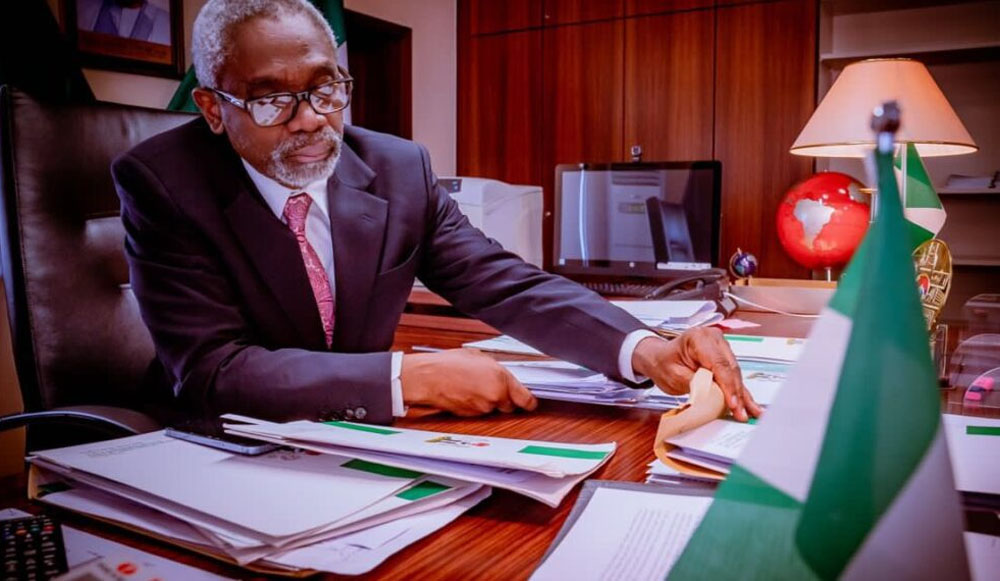
Femi Gbajabiamila, Chief of Staff to President Bola Tinubu and Chairman of the Presidential Working Group on the National Policing Bill, disclosed the deadline on Wednesday and urged citizens, professionals, and stakeholders to take advantage of the final opportunity to shape the proposed framework. The public consultation, launched on August 3 alongside the nationalpolicingbill.com platform, was deliberately opened while critical decisions were still being made, allowing professional expertise and lived experiences to influence the drafting process before the executive proposal is finalised. Gbajabiamila emphasised that this was not a mere token exercise but a genuine effort to ensure that the final bill reflects the aspirations and concerns of everyday Nigerians who would be most affected by the establishment of state police.
READ ALSO:
- INEC reprints Osun ballot papers, result sheets, includes SDP candidate
- FG to Attach 300 NYSC Corps Members to CNG Workshops for Skills Training
- Iran Had Detailed Intel on Trump’s Location Before Secret Turkey Escape
One of the most persistent fears surrounding the state police proposal has been the possibility of political interference, and Gbajabiamila addressed this head-on, acknowledging that state governors could misuse state-controlled police forces against political opponents, peaceful protesters, journalists, and minority communities. He emphasised that the proposed framework must contain strong protections against abuse and that the law must be designed in a way that makes it difficult for political officeholders to bend police operations to their will. “The concern that governors might use state police against political opponents, minority communities or dissenting voices is serious and must be answered in the design of the law,” Gbajabiamila stated. He stressed that the proposed law must make “unlawful orders easier to resist, misconduct easier to investigate, and political interference harder to hide,” while also ensuring that citizens have access to credible complaints and independent oversight mechanisms. Officers, he added, must be properly recruited, trained, equipped, and supervised to maintain professional standards across all state police services.
Despite the progress made on the proposed National Policing Bill, Gbajabiamila clarified that state police cannot be established immediately and that significant constitutional hurdles remain. Section 214 of the Nigerian Constitution currently provides for only one police force—the Nigeria Police Force—meaning a constitutional amendment is required before states can establish separate police services. Both chambers of the National Assembly have approved proposed constitutional amendments providing for a Federal Police Service and State Police Services, but the process is not yet complete. The amendments must complete remaining legislative stages in the National Assembly, then be approved by at least 24 of the 36 State Houses of Assembly, and finally receive presidential assent. Gbajabiamila explained that “the constitutional amendment creates the authority and broad architecture for federal and state policing, but it does not by itself provide the complete operating framework,” underscoring the need for complementary legislation to fill in the operational details.
The Presidential Working Group is preparing the National Policing Bill to run alongside the constitutional amendment process, and the proposed legislation would establish national minimum standards covering a wide range of operational areas. These include recruitment, vetting, and training; remuneration, pensions, and equipment; professional conduct and discipline; use of force and complaints mechanisms; independent oversight; intelligence-sharing and cooperation between federal and state police services; and sustainable funding arrangements. The draft Executive Bill is scheduled for presentation to President Bola Ahmed Tinubu on September 3, 2026, as part of a seven-week work programme running from July 27 to September 14. This timeline reflects the administration’s determination to move swiftly on the reform while ensuring that all necessary safeguards are built into the legislative framework before transmission to the National Assembly.
Gbajabiamila stressed that even after the constitutional amendment and National Policing Bill become law, state police will not automatically be established across all 36 states, as each state that chooses to establish a service will still need its own enabling law, institutions, and funding. It must also meet the national conditions for operation before its officers can begin policing, ensuring that no state rushes into establishing a police force without the necessary capacity and oversight mechanisms in place. States that are not ready or willing to establish their own police services would continue to be served by the Nigeria Police Force, guaranteeing that no citizen is left without policing coverage during the transitional period.
Gbajabiamila said the reform aims to build a policing system that is “closer, faster and better informed by local conditions,” with officers familiar with a community’s language, geography, and crime patterns better positioned to gather intelligence and respond effectively to local security challenges. However, he maintained that the new system must not sacrifice citizens’ rights, cautioning that “proximity does not guarantee justice.” He insisted that the law must protect citizens regardless of who holds office, and that it must protect opposition parties, peaceful protesters, journalists, and minority communities from potential abuses of power. The consultation will complement, rather than replace, the role of the National Assembly, which retains the power to scrutinise, amend, reject, or pass the Bill when transmitted. As the 5 PM deadline approaches, Nigerians are being reminded that their voices remain essential in shaping a reform that could redefine the relationship between citizens and the security apparatus for generations to come.
State Police Bill: Public Submissions Close Today as Nigeria Nears Historic Policing Reform
-
 Education2 days ago
Nigerian Young Academy, LASU to Host 16th International Conference on Convergent Research
-

 News2 days ago
Trump smuggled out of Turkey in catering truck over Iran threat
-

 Politics2 days ago
Keep Religion Out of Nigeria’s ‘Dirty Politics,’ Gumi Tells Jingir
-

 metro2 days ago
Ex-Aiye Confraternity Leader Arrested in Lagos, Confesses to Multiple Killings in Mushin
-

 Education3 days ago
Nigerian Mother Gifts Son a Live Goat After Polytechnic Graduation
-

 News2 days ago
South Africa Visa Applications Double From Nigerians Despite Xenophobia Concerns – Envoy
-
 metro2 days ago
‘I Acted Out of Patriotism’ — Army Colonel Ma’aji Breaks Silence, Explains Why He Plotted Coup Against Tinubu
-

 International3 days ago
Radio Caroline Fined Over False King Charles III Death Announcement