

Education
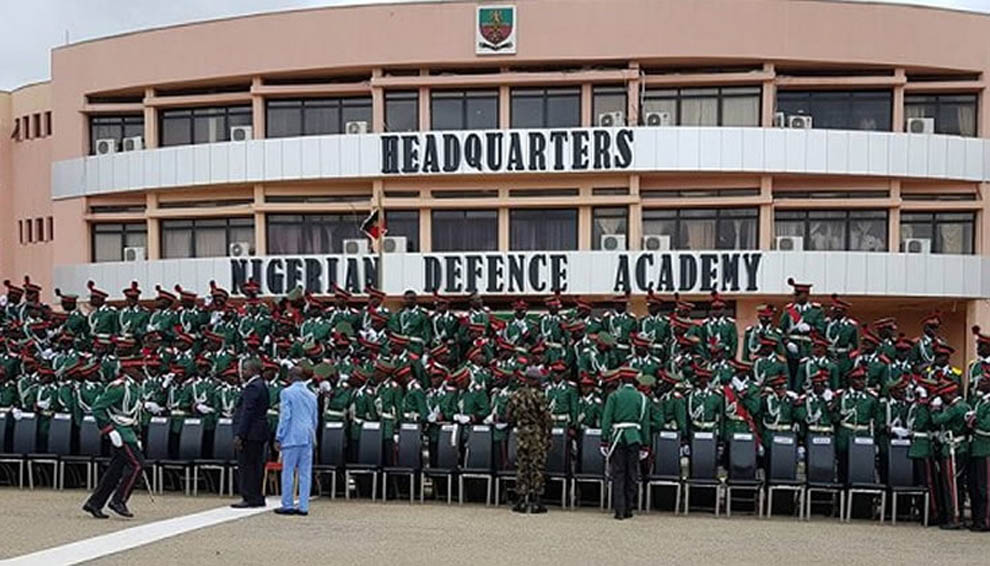
NDA Releases 78th Regular Combatant Course Admission List, Sets Reporting Date





Education
Tinubu Scraps Recruitment Waiver Requirement for Federal Universities
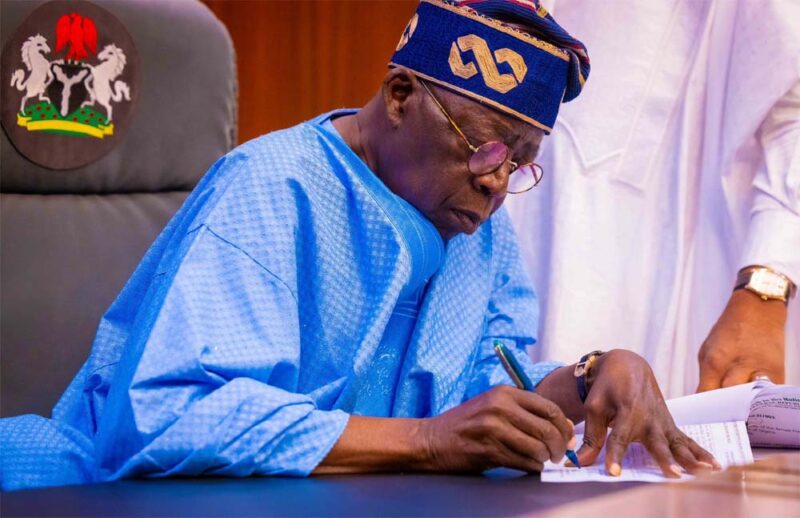
President Bola Ahmed Tinubu has exempted federal universities from the requirement to obtain recruitment waivers from the Office of the Head of the Civil Service of the Federation (OHCSF) before employing new staff, in a move aimed at strengthening institutional autonomy and easing recruitment bottlenecks in Nigeria’s tertiary education sector.
Tinubu announced the policy change on Saturday, October 17, 2026, at the maiden convocation ceremony of the Federal University of Health Sciences, Azare (FUHSA), in Bauchi State. He was represented at the event by the Executive Secretary of the Tertiary Education Trust Fund (TETFund), Sonny Echono.
The President, who serves as Visitor to all federal universities, said the reform was reflected in recent agreements signed between the Federal Government and university staff unions.
According to him, the decision would empower the Federal Ministry of Education and university governing councils to take responsibility for recruitment decisions and respond more effectively to their institutions’ staffing needs.
“This measure empowers the Federal Ministry of Education and university Governing Councils to discharge their respective responsibilities in staff recruitment, enabling institutions to respond more effectively to their legitimate manpower needs,” Tinubu said.
The removal of the waiver requirement is expected to reduce administrative delays that can hinder universities from filling vacant positions, replacing retiring employees and recruiting additional academic and non-academic personnel.
Under the previous arrangement, federal institutions could be required to obtain clearance from the OHCSF before recruiting new employees. Removing this requirement for federal universities is intended to give university authorities greater flexibility in addressing staffing shortages and managing their operations.
READ ALSO:
- FG Begins Rollout of 3,700 Telecom Towers to Connect 20m Nigerians
- 37 Miners’ Deaths in Custody: Suspended NSCDC Commandant Admits Tragedy Was Avoidable, Apologises to Families
- Singlet Dispute Turns Deadly as 23-Year-Old Kills Elder Brother in Kaduna
However, the reform does not mean that universities are exempt from all public-sector recruitment rules or that appointments can be made without appropriate institutional procedures.
Tinubu said the policy formed part of his administration’s broader efforts to strengthen university autonomy, improve personnel management and create a more conducive environment for teaching, research, innovation and service delivery.
The President also disclosed that the Federal Government was working to improve personnel and payroll administration across tertiary institutions by migrating their staff from the Integrated Personnel and Payroll Information System (IPPIS) to the Government Integrated Financial Management Information System (GIFMIS).
He said the transition was intended to improve payroll efficiency, strengthen transparency and accountability, ensure timely and accurate salary payments, and accommodate the operational peculiarities of universities and other tertiary institutions.
The proposed changes come amid longstanding discussions about the autonomy of Nigerian universities, including their ability to manage staffing, finances and other internal administrative responsibilities.
For universities struggling with shortages of lecturers, researchers, laboratory personnel and other essential workers, the removal of the recruitment waiver requirement could make it easier to respond to vacancies, subject to available funding and applicable recruitment procedures.
Beyond recruitment and payroll reforms, Tinubu reaffirmed the Federal Government’s commitment to investing in tertiary education infrastructure, research and staff welfare.
He disclosed that FUHSA had received an initial ₦8 billion intervention through TETFund to support its establishment. He said the investment followed lessons from the COVID-19 pandemic, which exposed weaknesses in Nigeria’s healthcare system and highlighted the need to strengthen medical education and research capacity.
According to the President, further support would be channelled to the university through TETFund’s regular and special interventions, alongside allocations in the 2026 national budget for roads, lecture halls, laboratories and utility vehicles.
Tinubu also announced that ₦10 billion had been provided for the National Research Fund in 2026, urging universities, particularly specialised institutions such as FUHSA, to pursue research that addresses Nigeria’s pressing healthcare challenges.
On staff welfare, he said the Federal Government had signed agreements with academic and non-academic unions covering the payment of the Consolidated Academic Tools Allowance (CATA) and the Consolidated Non-Teaching Tools Allowance (CONTTA), effective January 1, 2026.
He said the agreements recognised the distinct but complementary contributions of teaching and non-teaching personnel to the effective running of tertiary institutions.
Tinubu further disclosed that 1,798 FUHSA students, representing 43 per cent of the institution’s student population, had secured support from the Nigerian Education Loan Fund (NELFUND) for the 2025/2026 academic session.
The President congratulated the university’s 50 pioneer graduates and urged them to apply their knowledge and professional skills to improving healthcare delivery, particularly for vulnerable Nigerians.
He also encouraged FUHSA to strengthen partnerships with international institutions, including the University of Miami, Boston University and Universiti Sains Malaysia, while ensuring that such collaborations translate into measurable improvements in teaching, research and healthcare services.
The recruitment reform is expected to attract attention from university administrators, lecturers, non-academic staff and prospective employees as institutions assess how the new arrangement will affect recruitment timelines and staffing priorities.
Its impact will ultimately depend on how effectively university governing councils and the Federal Ministry of Education implement the policy, alongside adequate funding, transparent recruitment processes and effective oversight.
Tinubu Scraps Recruitment Waiver Requirement for Federal Universities

Education
JAMB Reopens NIN Alignment Window, Gives Candidates One More Chance to Correct Data

The Joint Admissions and Matriculation Board (JAMB) has reopened its National Identification Number (NIN) alignment service, giving eligible candidates another opportunity to correct discrepancies between their examination records and information held by the National Identity Management Commission (NIMC).
The examination body announced the development on Friday, October 16, 2026, through its official social media account, urging candidates with mismatched personal details to take advantage of the reopening and ensure their records are consistent.
However, JAMB warned that the opportunity is a one-time exercise and that submitting an application does not guarantee approval. All requests will be subjected to verification before a decision is made.
The board advised candidates to correct any errors in their NIN records through NIMC before applying to align their details with their JAMB profiles.
Applicants were also urged to review their information carefully and select every correction they require in a single submission to avoid mistakes that could affect the outcome of their applications.
READ ALSO:
- Terrorists Abduct Catholic Priest in Benue as Police Launch Rescue Operation
- 2027: Kwankwaso Signals Fuel Subsidy Comeback as NDC Vows to Crash Petrol Prices
- NAF Deploys Pumps in Desperate Push to Recover Submerged Aircraft After Crash Killed 25
The discrepancies may involve names, dates of birth and other personal information, depending on the fields approved for correction under the service.
JAMB explained that the application procedure, eligible fields, verification requirements and other important details had been outlined in an accompanying episode of its JAMB Explained video series.
Candidates were advised to watch the official guide and follow the prescribed steps before submitting their applications. The board also cautioned against rushing the process or providing incomplete information.
To avoid complications, candidates should first ensure that any approved changes to their NIN records have been fully reflected in the NIMC database before beginning the alignment process with JAMB.
Those who need to update their NIN information can use the NIMC self-service modification portal at https://selfservicemodification.nimc.gov.ng or visit an authorised NIMC centre, subject to the applicable requirements.
After correcting their NIN details, candidates should follow the application channel and instructions specified in JAMB’s official announcement and accompanying video. They should rely on the board’s official website, https://www.jamb.gov.ng, and its e-Facility portal, https://efacility.jamb.gov.ng, for verified guidance.
The reopening is intended to improve the accuracy and consistency of personal records used in Nigeria’s tertiary admission process, where discrepancies between examination and national identity records can create verification difficulties.
JAMB urged candidates to act carefully, ensure that their information is accurate and wait for official confirmation rather than assume that their applications have been approved.
JAMB Reopens NIN Alignment Window, Gives Candidates One More Chance to Correct Data
Education
Nigerian Universities Producing Certificate Holders, Not Problem-Solvers, Says Ojuolape

Nigerian Universities Producing Certificate Holders, Not Problem-Solvers, Says Ojuolape
Public affairs analyst calls for urgent curriculum overhaul, stronger industry partnerships and skills-based education
A public affairs analyst and human capital development advocate, Mr Adesola Adefemi Ojuolape, has called for a comprehensive overhaul of Nigeria’s university education system, warning that outdated curricula and excessive emphasis on certificates are leaving many graduates without the practical skills required to compete in the modern labour market.
Ojuolape argued that several academic programmes in Nigerian universities needed urgent reassessment to ensure their relevance to the country’s economic needs, technological advancement and changing employment opportunities.
In a commentary on the state of university education, he expressed concern that the country continued to produce large numbers of graduates without adequately equipping them with the practical knowledge, entrepreneurial abilities and problem-solving skills needed to secure employment or establish sustainable businesses.
According to him, the growing disconnect between university education and the demands of industry has contributed to graduate unemployment, underemployment and frustration among young Nigerians.
He maintained that obtaining a university degree should not be the ultimate objective of education, stressing that graduates must also possess demonstrable skills that enable them to create value, solve practical problems and contribute meaningfully to national development.
Ojuolape said the persistence of outdated teaching methods and curricula had weakened the capacity of some academic programmes to prepare students for the realities of the 21st-century economy, which increasingly depends on technology, innovation, productivity and entrepreneurship.
He called on the Federal Government and the National Universities Commission (NUC) to review existing programmes and identify those requiring modernisation, restructuring, merger or discontinuation.
The analyst also urged universities to strengthen practical training and establish functional skills acquisition centres, technology hubs and entrepreneurship laboratories to complement classroom instruction.
He said universities should build stronger partnerships with industries and employers to ensure that academic programmes reflect current workplace requirements and emerging economic opportunities.
READ ALSO:
- ToluwaniSings’ Final Hours: Aide Reveals Desperate Search Across 8 Hospitals
- Real Madrid Demand Tebas’ Exit After Explosive Nazi Propaganda Row
- Terrorists Abduct Catholic Priest in Benue as Police Launch Rescue Operation
Ojuolape further challenged university administrators and lecturers to update their knowledge and teaching methods, arguing that the rapid pace of technological change had made continuous professional development essential.
He expressed concern that students could spend several years pursuing degrees without acquiring the practical competencies needed to translate their qualifications into employment, entrepreneurship or other productive ventures.
To illustrate his argument, he compared the conventional four-year university route with the possibility of acquiring marketable technical or digital skills within a shorter period, depending on the field and the learner’s commitment.
He identified software development, data analytics, artificial intelligence, cybersecurity, digital marketing, graphic design, renewable energy installation, fashion design, catering, agriculture and other technical trades as areas in which young people could develop commercially useful competencies.
However, he stressed the need for students to make informed educational choices based on their interests, abilities and the practical opportunities available in their chosen fields.
The advocate also called on parents to reconsider the pressure they sometimes place on their children to obtain university admission or pursue particular courses for reasons of family prestige rather than suitability or career prospects.
He advised parents to examine the relevance of academic programmes and the opportunities they offer before committing their resources to university education.
For students, Ojuolape recommended careful consideration of career options, market demands and opportunities for acquiring practical skills, rather than pursuing admission simply to obtain graduate status.
He argued that technical and vocational education should receive greater recognition and investment, noting that skilled workers and entrepreneurs could make significant contributions to economic growth and job creation.
According to him, the ability to solve problems, provide services and create economic value should become a central consideration in evaluating the effectiveness of education.
Ojuolape warned that without substantial reforms, Nigeria risked continuing to produce graduates whose qualifications did not adequately match available employment opportunities or the practical needs of businesses and industries.
He therefore called for a shift from a predominantly certificate-driven system towards one that combines academic knowledge with practical competence, innovation, entrepreneurship and productivity.
While advocating reforms, his position places the responsibility on government, university administrators, lecturers, parents and students to work towards an educational system that prepares young Nigerians for both employment and self-employment.
He maintained that the ultimate measure of a successful education system should include its ability to equip learners with relevant knowledge, practical skills and the capacity to contribute to society.
Ojuolape concluded that Nigerian universities must respond more effectively to changing economic and technological realities if the country hopes to develop a competitive workforce and reduce the growing gap between educational qualifications and employability.
Nigerian Universities Producing Certificate Holders, Not Problem-Solvers, Says Ojuolape
-

 metro3 days ago
₦130m Toyota Tundra Wrecked: Lagos Dealer Questions Police Over Suspect’s Release
-

 News3 days ago
₦200m Fake Alcohol Packaging Uncovered as NAFDAC Raids Aba Market
-

 metro2 days ago
Suspended Archbishop Ibezim Drags Anglican Primate to Court, Challenges Six-Month Leave
-

 Sports2 days ago
Real Madrid Demand Tebas’ Exit After Explosive Nazi Propaganda Row
-

 Entertainment2 days ago
ToluwaniSings’ Final Hours: Aide Reveals Desperate Search Across 8 Hospitals
-
 Politics2 days ago
2027: Kwankwaso Signals Fuel Subsidy Comeback as NDC Vows to Crash Petrol Prices
-

 metro2 days ago
Imodi-Ijebu Muslim Community Bets on 20 Chiefs to Drive Education, Economic Growth
-

 metro2 days ago
NAPTIP Raises Alarm as Parents Allegedly Trade Children for Sex, Arrests Woman in Abuja