

metro
FG Targets 2 Million Creative Jobs by 2030
FG Targets 2 Million Creative Jobs by 2030
The Federal Government has set a target of creating two million jobs in Nigeria’s creative industry by 2030, as it intensifies efforts to position the creative economy as a major driver of employment, investment and economic diversification.
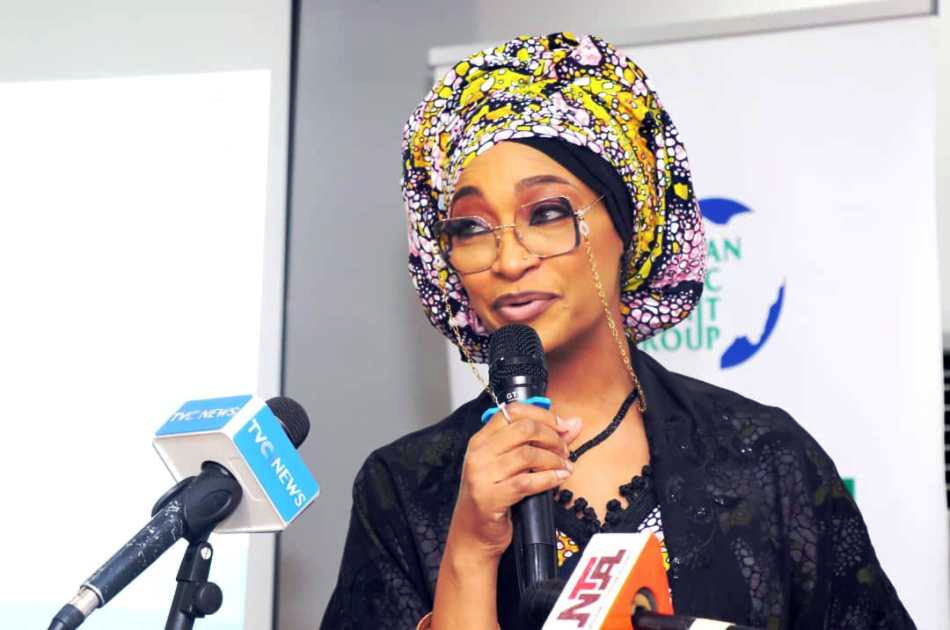
The Minister of Art, Culture, Tourism and Creative Economy, Hannatu Musa-Musawa, disclosed this at the closing of the 2026 Kano Creative Summit, organised by the National Theatre to strengthen Nigeria’s creative economy and equip practitioners with skills needed to build sustainable creative businesses.
Musa-Musawa said the government was integrating the creative sector into its broader economic development strategy through President Bola Ahmed Tinubu’s Renewed Hope Agenda and the Destination Nigeria initiative.
“The Federal Government is integrating the creative sector into its economic framework through the Renewed Hope Agenda and ‘Destination Nigeria’ initiative, with a target of creating two million jobs in the creative industry by 2030,” she said.
The minister said the target reflected the government’s recognition of the capacity of Nigeria’s creative industry to generate employment, attract investment and create new opportunities, particularly for young people.
She also highlighted the economic potential of Kano State, describing its rich cultural heritage and long-standing creative traditions as important assets that could contribute to job creation and economic growth.
According to her, Kano’s centuries-old traditions in Kofar Mata indigo dyeing, leatherwork, weaving, blacksmithing, embroidery and Kannywood represent important components of Nigeria’s wider creative economy.
She said the international recognition of Kano’s traditional indigo dyeing further demonstrated the global value of the state’s cultural heritage.
The Kofar Mata indigo dyeing tradition was inscribed on the UNESCO Representative List of the Intangible Cultural Heritage of Humanity in December 2024, giving the centuries-old practice greater international recognition.
Musa-Musawa urged creative practitioners to take a more professional approach to their work by developing sustainable business structures around their creative activities.
READ ALSO:
- Donnarumma: Two Jailed Over Violent Paris Burglary of Man City Goalkeeper, Wife
- Police Clarify IGP Disu’s Position on Recording Officers
- Abia Police Arrest Father, Three Others Over Alleged Attempt to Sell 16-Month-Old Daughter
She advised practitioners to register their businesses, protect intellectual property, separate personal and business finances, understand project costs and strengthen collective bargaining through professional associations.
The minister also called for the revival of dormant cultural sites, including Kofar Mata, and the introduction of community-based training programmes that would enable older practitioners to transfer traditional skills and knowledge to younger generations.
She said preserving Nigeria’s cultural heritage should be linked to efforts to create viable economic opportunities for communities and practitioners who depend on the creative sector.
The Kano summit also featured a panel discussion on the future of Northern Nigerian creativity, bringing together senior figures from the creative and academic sectors.
The panel was anchored by Kaltume Bulama-Gana, Chief Executive Officer of the National Troupe; Abdulkareem Mohammed, founder of the Kano Indigenous Languages of Africa Film Festival (KILAF); and Rukayat Banjo, Head of the Department of Theatre Arts at Bayero University, Kano.
Bulama-Gana stressed the need for Northern creatives to repackage their works and make greater use of digital platforms to showcase the region’s cultural identity to Nigerian and international audiences.
Mohammed called for sustained professional training and stronger collaboration between universities and the creative industry to help young practitioners acquire the skills required to build successful careers.
Banjo identified language barriers and inadequate indigenous storytelling as some of the challenges limiting the region’s creative potential.
She urged creatives to produce stories that reflect Northern Nigeria’s history, personalities and cultural identity, while maintaining the quality required to compete for audiences on global platforms.
The panellists also called for stronger government intervention in skills development, grants, affordable financing and institutional support for practitioners across the region.
READ ALSO:
- Dangote: ₦525 Refinery Shares Could Rise to ₦10,000
- Police Uncover List of 125 Lagos Traders Marked for Fraud, Kidnapping by Syndicates
- How I Conspired with My Son’s Teacher to Stage His Kidnap for N15m Ransom
They proposed the establishment of a National Troupe zonal office in Kano as part of efforts to strengthen cultural and creative activities in Northern Nigeria.
The summit further identified intellectual property protection, access to funding, digital technology, financial management and professional networking as critical areas requiring greater attention if Nigerian creatives are to compete effectively in the global market.
Participants said the practical sessions provided useful insights into how creative practitioners could improve their approach to creative production, business management and emerging opportunities within the industry.
The event brought together creative practitioners, policymakers, investors and industry experts to examine practical ways of transforming Nigeria’s cultural assets and creative talent into sustainable businesses and employment opportunities.
The National Theatre said the summit was designed to expose young creatives to industry leaders, policymakers and experts while providing practical knowledge on how to build sustainable careers in the creative economy.
The focus on Kano also reflects efforts to broaden access to creative-sector opportunities beyond Lagos and other established creative centres.
The Federal Government’s latest employment target is linked to a broader strategy to expand the contribution of the creative economy to Nigeria’s GDP.
In recent remarks, Musa-Musawa said the creative sector currently contributes about 2.3 per cent of Nigeria’s GDP, while the government is working to substantially increase its contribution by 2030.
The ministry has also relied on findings from Nigeria’s Creative Economy Mapping Report, which estimated that the sector could create up to 2.58 million new jobs and contribute about $100 billion to GDP by 2030 under an ideal scenario.
Under a more conservative scenario, the report projected more than 769,000 jobs, highlighting both the potential of the sector and the scale of investment and reforms required to unlock it.
The government has identified challenges including inadequate infrastructure, limited access to finance, skills gaps, piracy and weak intellectual-property enforcement as issues that must be addressed for the industry to achieve its full potential.
The ministry has consequently been pursuing measures aimed at improving financing, creative infrastructure, skills development and intellectual-property protection while attracting greater private-sector investment into the industry.
The creative economy covers a wide range of activities, including film, music, fashion, theatre, visual arts, literature, crafts, cultural heritage, digital content and other intellectual-property-driven businesses.
Government officials believe the sector can provide significant employment opportunities for Nigeria’s large young population while creating new avenues for international investment and export earnings.
The two-million-job target therefore places greater emphasis on converting Nigeria’s considerable creative talent and cultural resources into sustainable businesses capable of generating income and employment.
Achieving the target by 2030, however, will require sustained investment in skills training, financing, infrastructure, digital technology, intellectual-property protection and access to domestic and international markets.
The Kano Creative Summit reinforced the government’s position that Nigeria’s cultural heritage should not only be preserved but also developed into commercially viable opportunities capable of supporting livelihoods and contributing to national economic growth.
FG Targets 2 Million Creative Jobs by 2030







metro
Anambra Police Arrest Woman Over Alleged Sexual Abuse of Child, Rescue Four
Anambra Police Arrest Woman Over Alleged Sexual Abuse of Child, Rescue Four
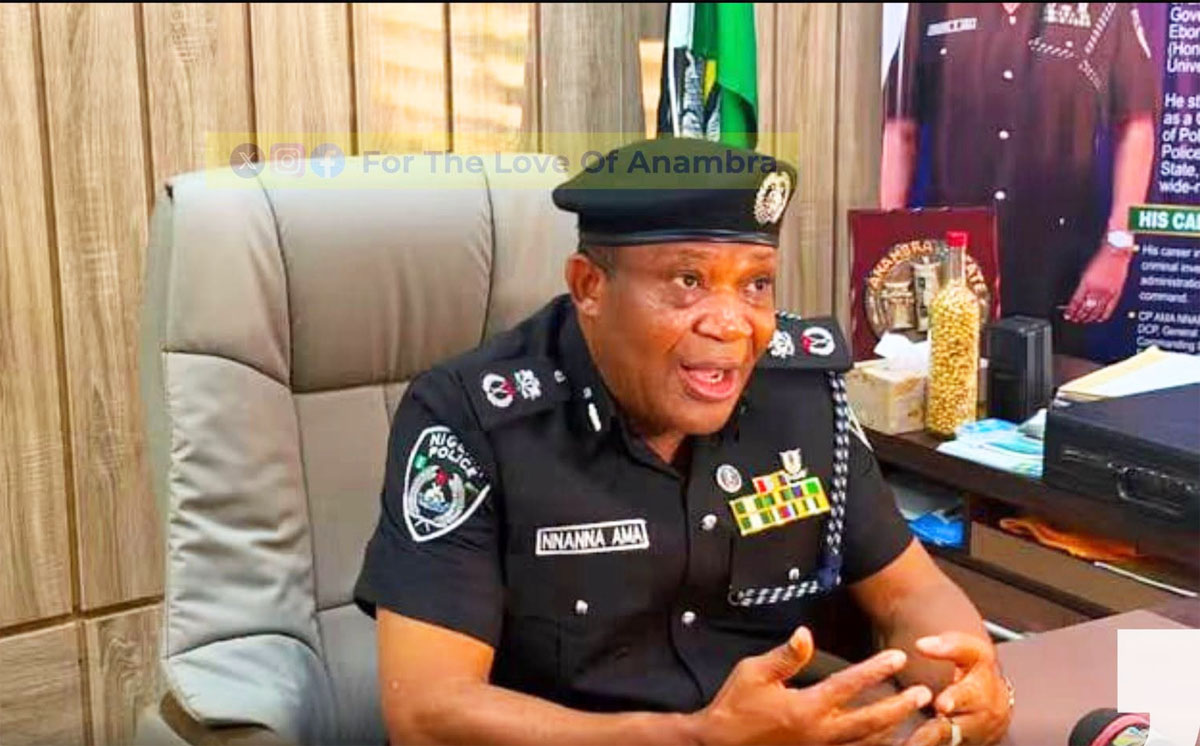
The Anambra State Police Command has arrested a 36-year-old woman, identified as Anulika Onyeanusia, over an alleged child sexual abuse case in Onitsha following the circulation of a disturbing video online.
The arrest was made after police operatives obtained open-source intelligence concerning a trending video that allegedly depicted the abuse of a minor. The development prompted an investigation by the command, which subsequently led to the rescue of four children from the location.
According to the police, the operation was carried out on September 10, 2026, and the rescued children are aged two, three, six and nine.
Police operatives also recovered sex toys and other items considered relevant to the investigation.
The suspect remains in police custody while investigators work to establish the circumstances surrounding the alleged abuse and determine whether other individuals were involved.
The woman’s husband has also been questioned by the police as part of the ongoing investigation.
The Anambra State Commissioner of Police, Nnanna Oji Ama, described the alleged exploitation of a child as unacceptable and directed that the matter be thoroughly investigated. He also ordered that the rescued children receive appropriate protection, care and support.
READ ALSO:
- MURIC fires back at Peter Obi: Forget Sallah ceremony, free Nigerian Muslims
- Fani-Kayode Condemns Fresh Killing of Two Nigerians in South Africa
- FG Targets 2 Million Creative Jobs by 2030
The command said it would work with relevant child protection and support agencies to safeguard the welfare of the children and provide assistance as required.
Police authorities also stressed the need to protect the identities and privacy of the children involved, particularly as the case gained attention following the circulation of the video online.
The command commended local vigilantes, residents and individuals who provided information that assisted the investigation.
Authorities have not publicly established who created or distributed the video, nor have they confirmed claims that the suspect sold the material. Those circumstances remain part of the investigation.
The police are expected to establish the relationship between the suspect and the children, determine how the alleged abuse occurred and ascertain whether anyone else participated in or facilitated the alleged offence.
The command urged members of the public not to circulate material that could identify or further expose the children involved, stressing that their protection and wellbeing remain a priority as the investigation continues.
Anambra Police Arrest Woman Over Alleged Sexual Abuse of Child, Rescue Four
metro
MURIC fires back at Peter Obi: Forget Sallah ceremony, free Nigerian Muslims
MURIC fires back at Peter Obi: Forget Sallah ceremony, free Nigerian Muslims
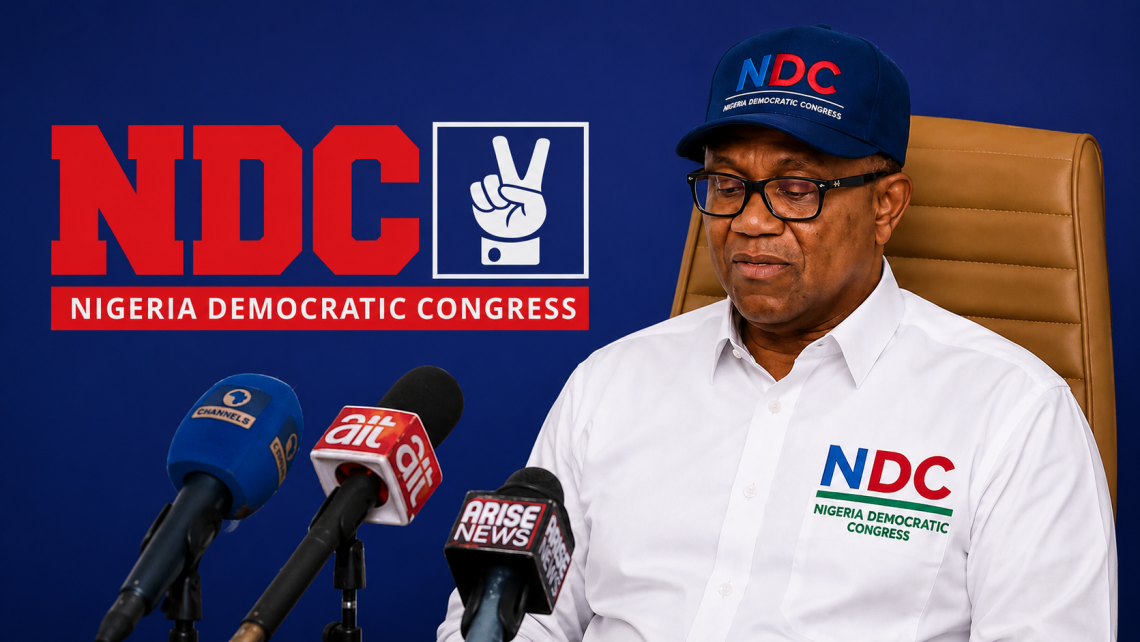
The Muslim Rights Concern (MURIC) has fired a strong warning to the presidential candidate of the Nigeria Democratic Congress, Peter Obi, saying that sharing Sallah with the Sultan of Sokoto will mean little to Nigerian Muslims unless accompanied by concrete policies to address what it described as years of religious inequality and exclusion.
MURIC said Obi’s reported promise to spend Sallah with the Sultan if elected president in 2027 was a welcome gesture, but insisted that Nigerian Muslims were no longer interested in political symbolism, Sallah gifts or pilgrimage sponsorship.
The organisation, in a statement signed by its Founder and Executive Director, Professor Ishaq Akintola, on Saturday, challenged Obi to tell Nigerian Muslims what he intends to do differently if he wins the presidency.
According to MURIC, Muslims need inclusion in governance and a level playing field rather than presidential ceremonies designed to create political goodwill.
The group said Obi’s proposed Sallah visit to Sokoto was “sheer window dressing” if it was not backed by policies capable of improving the welfare and protecting the rights of Nigerian Muslims.
“We welcome Mr. Peter Obi’s offer as it reflects his willingness to identify with Muslim leaders, particularly our respected and beloved leader, the Sultan of Sokoto. But that is poles apart from a readiness to involve Muslims in governance. We covet the latter and reject the former. It is sheer window dressing,” MURIC said.
The organisation declared that the era when Muslims could be won over with promises of Hajj slots, Sallah cows and Ramadan gifts was over.
MURIC said Muslim voters had become more conscious of what it described as disparities in the country’s political, economic, educational and social structures.
“For gone are those days when eyes were still located at the knees,” the group said, arguing that Muslims now wanted to examine government policies and their practical impact rather than rely on political gestures.
READ ALSO:
- Fani-Kayode Condemns Fresh Killing of Two Nigerians in South Africa
- FG Targets 2 Million Creative Jobs by 2030
- Donnarumma: Two Jailed Over Violent Paris Burglary of Man City Goalkeeper, Wife
MURIC alleged that Muslims had been disadvantaged by aspects of Nigeria’s national structure, beginning with the public holiday system.
The organisation questioned why Sunday was recognised nationwide as a public holiday while the Muslim Friday congregational prayer was not accorded similar consideration.
It argued that Muslim workers often had to combine normal work obligations with Friday worship, describing the arrangement as unfair.
“That is not balance. That is not fairness,” MURIC declared.
The organisation also launched a broadside against what it described as the Christian orientation of Nigeria’s educational and legal systems.
MURIC alleged that the country’s educational system, including its administrative arrangements and curriculum, had been structured in a manner that did not adequately accommodate Muslim interests.
On the judiciary, the group demanded what it described as a genuinely plural legal structure involving common law, Sharia and customary law.
It criticised what it called the rejection of Sharia in Southern Nigeria, while noting that common law is accepted across the country.
“The North accepts common law. But the South rejects Shari’ah. That is not inclusivity. That is not acceptance. That is not tolerance,” the organisation said.
MURIC also took aim at the country’s holiday calendar, demanding greater official recognition for Islamic dates.
The organisation questioned why January 1 is recognised as a public holiday while 1 Muharram, the beginning of the Islamic calendar year, is not given similar national recognition.
It described the situation as “official refusal of recognition” and urged political leaders to address what it considers religious imbalance in national policy.
The group further raised concerns over the participation of Muslim women in the Nigerian military.
MURIC alleged that military uniform regulations that do not accommodate the hijab could discourage or prevent some Muslim women from joining the armed forces.
It argued that the issue had implications for employment opportunities and economic advancement for Muslim women.
“Muslim women cannot join the army because the military’s uniform does not accommodate hijab,” the organisation alleged, adding that it considered the matter a question of civil liberties.
MURIC said these were the issues Obi should be addressing if he genuinely wanted the support and confidence of Nigerian Muslims ahead of the 2027 election.
READ ALSO:
- Police Clarify IGP Disu’s Position on Recording Officers
- Abia Police Arrest Father, Three Others Over Alleged Attempt to Sell 16-Month-Old Daughter
- Dangote: ₦525 Refinery Shares Could Rise to ₦10,000
The organisation insisted that restructuring Nigeria must go beyond political arrangements and include what it called a comprehensive restructuring of opportunities and rights for religious communities.
“Real restructuring must be comprehensive. It must not leave any particular group in perpetual slavery,” MURIC said.
‘We don’t need Hajj sponsorship’
In a striking departure from the traditional demands often associated with Muslim political engagement, MURIC told politicians to stop using government-sponsored pilgrimage as a tool for winning Muslim support.
The organisation said Muslims knew the road to Makkah and could organise their pilgrimage without political sponsorship.
It alleged that government-funded pilgrimage arrangements were sometimes abused by politicians to reward political loyalists and associates.
“Away with the old ways. We don’t want pilgrimage sponsorship. Muslims know the road to Makkah,” MURIC declared.
The group said governments should limit their role in pilgrimage to necessary protocol matters rather than sponsoring individuals.
According to MURIC, such an approach would reduce opportunities for political patronage and ensure that pilgrimage was not turned into a political reward system.
MURIC challenges Obi
While taking a tough stance against Obi’s Sallah pledge, MURIC acknowledged the former Anambra State governor’s efforts to broaden his appeal ahead of the 2027 presidential election.
The organisation said it recognised Obi’s second attempt at the presidency and his apparent efforts not to be perceived as an exclusively Christian candidate.
But it said symbolic gestures would not be enough to win its confidence.
MURIC challenged Obi to clearly explain his agenda for Nigerian Muslims and demonstrate how his administration, if elected, would address the concerns raised by the organisation.
“What is his plan for Nigerian Muslims: to continue to enslave us or to set us free?” MURIC asked.
The organisation then delivered its clearest political message to the presidential hopeful: it said Muslim voters were ready to support him if he committed himself to addressing their demands.
“We are ready to vote for you if you promise to address the above issues. The ball is in Peter Obi’s court,” MURIC declared.
The statement comes as political parties and presidential aspirants intensify their engagement with various religious, regional and demographic blocs ahead of the 2027 general elections.
For MURIC, however, the message to Obi is clear: Sallah greetings and visits to Muslim leaders may win applause, but policy commitments, according to the organisation, will determine whether Nigerian Muslims consider a presidential candidate worthy of their support.
MURIC fires back at Peter Obi: Forget Sallah ceremony, free Nigerian Muslims
metro
Fani-Kayode Condemns Fresh Killing of Two Nigerians in South Africa
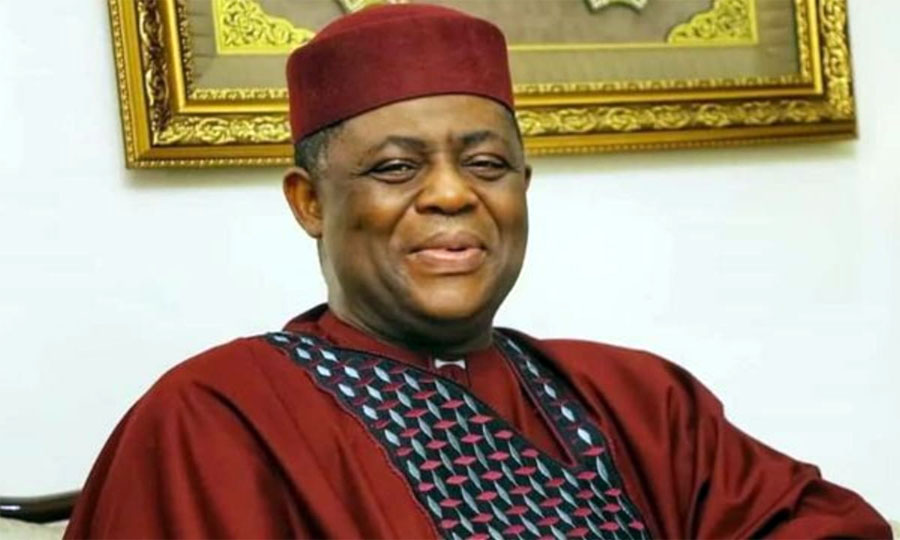
Fani-Kayode Condemns Fresh Killing of Two Nigerians in South Africa
Former Minister of Aviation and Nigeria’s High Commissioner-designate to South Africa, Lesotho and Eswatini, Femi Fani-Kayode, has condemned the reported killing of two Nigerians in South Africa, warning that continued attacks and discrimination against Nigerian nationals could further strain relations between Nigeria and South Africa.
Fani-Kayode, in a post on his official X account on Friday, identified the victims as Bishop Michael Taiwo Fakunle and James Uchechukwu Nwankwo, who died in separate incidents in South Africa earlier this month.
Fakunle was reportedly killed at his residence in Johannesburg on September 4 after allegedly receiving threats, while Nwankwo died the following day in an incident involving officers of the South African Police Service (SAPS).
Fani-Kayode said he was “mortified and deeply shocked” by Fakunle’s death, alleging that unidentified attackers went to the bishop’s residence and shot him after threats had reportedly been made against him.
He also expressed concern over Nwankwo’s death, alleging that the Nigerian was subjected to what he described as “gruesome interrogation techniques” by South African police officers.
The circumstances surrounding both deaths remain subject to investigation. Nigerian authorities have confirmed the deaths and raised concerns about the safety of Nigerians living in South Africa.
Fani-Kayode claimed that the deaths of Fakunle and Nwankwo brought the number of Nigerians allegedly killed in South Africa in 2026 to eight, with four of the cases allegedly involving South African police officers.
He further claimed that more than 100 Nigerian nationals had been killed in South Africa between 2022 and 2026, including more than 30 allegedly killed by personnel of the South African Police Service and South African Defence Force.
The figures cited by Fani-Kayode are claims attributed to him and have not been independently verified in their entirety.
However, the Nigerian government has separately raised concerns over the number of Nigerians killed in South Africa. In July, Minister of State for Foreign Affairs Ambassador Sola Enikanolaiye said 98 Nigerians had been killed in South Africa since 2022 in mob attacks, hate-related violence and extrajudicial killings.
Fani-Kayode said the lack of arrests and prosecutions in cases involving Nigerians was particularly disturbing, given repeated concerns raised by the Nigerian Mission.
He called on the South African Government to strengthen the protection of Nigerians and ensure that anyone responsible for attacks against them is investigated and brought to justice.
READ ALSO:
- FG Targets 2 Million Creative Jobs by 2030
- Donnarumma: Two Jailed Over Violent Paris Burglary of Man City Goalkeeper, Wife
- Police Clarify IGP Disu’s Position on Recording Officers
- Abia Police Arrest Father, Three Others Over Alleged Attempt to Sell 16-Month-Old Daughter
“No-one deserves to be targeted and murdered simply because they are Nigerian,” he said.
The envoy also raised concern over a fresh September 30 deadline reportedly issued by the South African anti-immigration movement March and March, which has demanded that undocumented foreign nationals leave the country.
The development has heightened anxiety among Nigerian and other African migrant communities as South Africa continues to grapple with tensions surrounding immigration, unemployment and access to public services.
Fani-Kayode accused groups behind the ultimatum of using xenophobic and Afrophobic rhetoric and urged the South African authorities to prevent threats against foreign nationals from escalating into violence.
He called on Pretoria to protect Nigerians and other African nationals and prosecute individuals found to have threatened, attacked or killed them.
The renewed tensions have also triggered a stronger response from Nigeria.
The National Assembly on Friday suspended official visits to South Africa and directed lawmakers, committees, legislative officials and staff to boycott South African-hosted legislative activities until further notice.
The suspension covers physical and virtual participation in conferences, seminars, workshops, parliamentary meetings, legislative exchanges and other activities organised or hosted by South African legislative institutions.
The decision followed renewed reports of xenophobic attacks, violence, intimidation and displacement involving Nigerians and other African nationals in South Africa.
Nigerian lawmakers said they were particularly concerned by reports of Nigerians being killed, injured and forced to abandon their homes, businesses and property.
The National Assembly, however, stressed that the decision was not intended to sever Nigeria’s diplomatic relationship with South Africa but to send a strong message over the need to protect Nigerian citizens.
The legislature called on South African authorities to investigate reported attacks, prosecute those responsible and strengthen measures to protect Nigerians and other African nationals living legally in the country.
The Federal Government has also continued efforts to assist Nigerians who wish to leave South Africa because of security concerns.
Nigeria’s Acting High Commissioner to South Africa, Temitope Ajayi, said the Nigerian mission was preparing for further evacuations following the renewed threats against foreign nationals.
Ajayi disclosed that 1,699 Nigerians had been evacuated from South Africa in 2026, with the exercise supported by the Nigerian government, Air Peace and private organisations.
He said the mission was working towards additional evacuation efforts as the September 30 deadline approaches.
The latest incidents have also drawn concern from the Nigerian Citizens Association South Africa (NICASA), which called for a thorough investigation into Fakunle’s killing.
The association said the Nigerian cleric was shot at his residence in Johannesburg on September 4 and urged the relevant authorities to ensure that the circumstances surrounding his death were properly established.
The latest killings come amid a broader resurgence of anti-immigrant sentiment in South Africa, where foreign nationals have repeatedly faced accusations over unemployment, crime and pressure on public services.
Nigerians have historically been among the most prominent African migrant communities in South Africa and have frequently become targets during xenophobic campaigns and attacks.
South African authorities have repeatedly condemned xenophobic violence and called for peaceful coexistence, while also facing domestic pressure to tighten immigration controls.
The renewed tensions have therefore placed additional pressure on both governments to balance immigration concerns with the protection of foreign nationals and the preservation of bilateral relations.
Fani-Kayode warned that continued killings and discrimination could have consequences for Nigeria-South Africa relations, despite ongoing efforts by both countries to strengthen diplomatic and economic cooperation.
“Simply put, our patience is wearing thin,” he said, urging the South African government to reciprocate Nigeria’s efforts to maintain good relations by protecting Nigerian nationals and addressing Abuja’s concerns.
He also appealed for justice for Fakunle and Nwankwo and extended his condolences to their families, friends and associates.
The latest developments are expected to increase pressure on Pretoria to investigate attacks against Nigerians, while Nigerian authorities face growing demands to strengthen diplomatic measures and provide assistance to citizens who feel unsafe in South Africa.
For the Nigerian community in South Africa, the deaths have deepened concerns over personal safety, business security and the possibility of further attacks as the September 30 deadline approaches.
The situation has also reinforced calls for both countries to intensify diplomatic engagement and ensure that Nigerians in South Africa can live and conduct legitimate businesses without fear of violence, intimidation or discrimination.
Fani-Kayode Condemns Fresh Killing of Two Nigerians in South Africa
-
 metro2 days ago
Police Arrest Woman Over Fake OPay Shutdown Notice
-

 Politics2 days ago
Amaechi will be caged politically, Wike shouldn’t bother about Ikwerre votes — Wihioka
-
 Politics2 days ago
Remi Tinubu Appeals To South-East Voters, Says She Wants To ‘Enjoy Nigeria’ In Old Age
-

 metro2 days ago
Residents Cry Out Over Poorly Constructed Entrance of Ademola Abiola Street, Demand Urgent Intervention
-
 Politics2 days ago
Breaking the Cycle of Collective Guilt: When a Ruling Party Voice Backs Peter Obi
-

 metro17 hours ago
Woman disguises as Muslim woman in Niqab to steal in Ado-Ekiti market, video sparks outrage
-
 Health2 days ago
Ahead of Dry Season Surge, NCDC Urges Proactive Measures Against Lassa Fever
-

 metro2 days ago
Warri Lawyer, Wife Arrested Over Sale of Baby Declared Dead at Birth