
Education
681 law school students fail Bar final exams

|
The Nigerian Law School, on Tuesday, revealed that 618 intending lawyers that sat for the December 2020 Bar final examinations, failed. “Once again, I extend my sincere congratulations to all the new wigs and formally address you as my learned Friends. “The Legal Practitioners Disciplinary Committee has been carrying out its mandate in a just and fair manner without giving rooms for compromise, affection or ill-will. “From January to July 2021, three lawyers were disbarred, six lawyers were suspended (ranging from two years to four) and one lawyer was admonished. “You are therefore advised to be of good behaviour and abide by the ethics and tradition of the profession to avoid being brought before the Committee”, Justice Rhodes-Vivour added. The Call to Bar ceremony will continue on Wednesday and Thursday |

Education
300-Level FUBK Student Killed in Hostel Robbery Attack

300-Level FUBK Student Killed in Hostel Robbery Attack
The Federal University Birnin Kebbi (FUBK) community has been thrown into mourning following the tragic death of Zaharadeen Nuhu, a 300-level Biochemistry student who was killed during a suspected armed robbery attack at his off-campus hostel in Kalgo Local Government Area of Kebbi State.
The victim, who hailed from Niger State, reportedly sustained severe machete wounds after suspected robbers invaded his private hostel residence in Kalgo. Despite efforts to save his life, he succumbed to his injuries after being rushed to a hospital for treatment.
Confirming the incident, the university’s Dean of Student Affairs, Prof. Ibrahim Magawata, described the development as a painful loss to the institution and the entire student community.
“It is with a heavy heart and total submission to the will of Allah that the university management announces the death of our dear student, Zaharadeen Nuhu, a 300-level student of the Department of Biochemistry,” the dean stated in an official circular.
According to the university, the attackers overpowered the student during the late-night invasion, leaving him with life-threatening injuries. He was immediately taken to a medical facility but died in the early hours of Thursday.
READ ALSO:
- Veteran Nollywood Actor, Scholar Kola Oyewo Dies at 80
- No Election Is Perfect Anywhere – Fashola Tells Opposition to Accept Results
- Facebook, Instagram Global Outage: Over 130,000 Reports as Millions Logged Out
The shocking incident has raised fresh concerns about the security of students living in off-campus accommodations, especially in communities surrounding higher institutions where private hostels often lack adequate security measures.
In response to the tragedy, Federal University Birnin Kebbi (FUBK) has intensified security patrols in Kalgo and other off-campus student residential areas. The institution also confirmed that the case has been reported to the Nigeria Police Force in Kalgo Division, with investigations currently underway to identify and arrest those responsible for the attack.
University authorities said discussions would be held with private hostel owners and community stakeholders to strengthen security around student residences. Measures under consideration include improved lighting, enhanced surveillance, stricter access control systems, and the deployment of security personnel in vulnerable locations.
Students have also been urged to remain vigilant, avoid unnecessary late-night movements, and promptly report suspicious activities to security agencies and university authorities.
The deceased was laid to rest on Thursday in accordance with Islamic rites following funeral prayers at the Mosque of the Federal Teaching Hospital, Birnin Kebbi.
As tributes continue to pour in, the university management has expressed condolences to Nuhu’s family, friends, classmates, and lecturers, praying for the peaceful repose of his soul.
The tragic death of the 300-level FUBK student has once again highlighted the growing need for stronger security arrangements around off-campus hostels across Nigerian universities, where thousands of students reside while pursuing their education.
300-Level FUBK Student Killed in Hostel Robbery Attack
Education
NYSC Releases Step-by-Step Guide for Date of Birth Correction on Portal
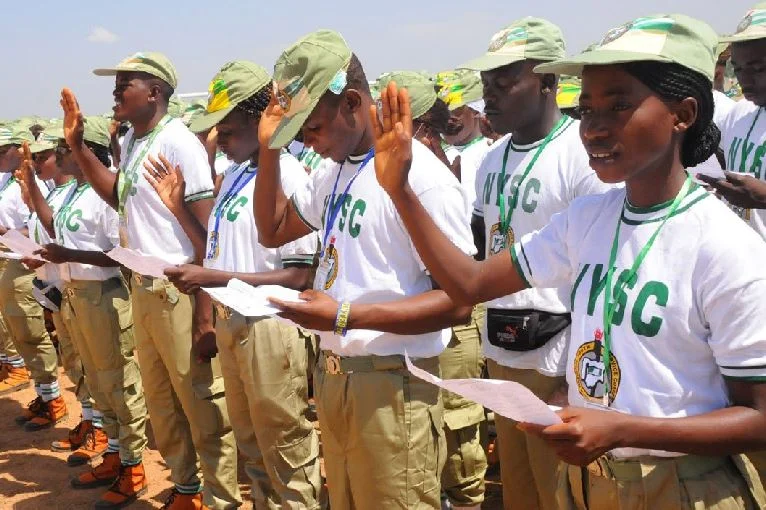
NYSC Releases Step-by-Step Guide for Date of Birth Correction on Portal
Nigeria – The National Youth Service Corps (NYSC) has outlined the procedure for prospective corps members seeking to correct their dates of birth on the NYSC portal following the release of call-up letters for the 2026 Batch B Stream I orientation exercise.
The scheme said affected prospective corps members (PCMs) must obtain a 19- or 20-digit WAEC Verification Pin before initiating the correction process on the portal. According to NYSC, candidates are required to complete their registration and log in to their dashboard to access the date-of-birth correction link.
Step-by-Step Procedure for NYSC Date of Birth Correction
To correct a date of birth on the NYSC portal, prospective corps members should follow these steps in order:
-
Obtain WAEC Verification Pin – Get a 19 or 20-digit WAEC Verification Pin from WAEC or any authorized bank branch. This pin is required to sync your details with the WAEC database.
-
Log in to Your Dashboard – Submit your initial registration, then log in to your NYSC dashboard to access the correction features.
-
Locate the Correction Link – Click on the “Correction of Date of Birth” link within your dashboard options.
-
Enter Your Details – Input your WAEC Verification Pin, select your WAEC Type, choose your Year of Examination, and enter your Examination Number.
-
Verify Information – Click on the “Verify” button to allow the system to sync your data with the WAEC database.
-
Submit or Cancel – Click SUBMIT to save your changes or CANCEL if you need to review the information further.
According to an NYSC clarification issued prior to the call-up letter release, the Date of Birth correction option only becomes available on PCM dashboards after call-up numbers have been issued. The NYSC urged prospective corps members to remain calm and assured them that once their call-up numbers are available, the portal will automatically reflect the correction option.
READ ALSO:
- Israel Strikes Iranian Military Targets in Retaliation for Missile Attack
- NYSC Releases Call-Up Letters for 2026 Batch B Stream I – See How to Print Yours
- Grammy-Winning Nigerian-British Singer Stabbed to Death in UK
Beyond date of birth correction, the NYSC also allows prospective corps members to request corrections for name (must exactly match certificates), course of study, class of degree, and qualification. The scheme directed prospective corps members whose names on their certificates or statements of results do not exactly match the names uploaded on the NYSC portal to contact their institutions and ensure the records are properly aligned before proceeding to camp.
The development comes as NYSC released call-up letters for the 2026 Batch B Stream I orientation course. The scheme also warned that PCMs whose dates of graduation on their call-up letters do not match the dates on their statements of results will not be registered at orientation camps. NYSC advised affected candidates to resolve such discrepancies through their Student Affairs Officers (SAOs) before reporting to camp. The same warning applies to corps members with inconsistencies in their date of birth records.
The scheme announced that some prospective corps members deployed to Lagos State will undertake their orientation course in camps located in Ekiti, Kwara, Ondo, Ogun and Osun states. Similarly, some corps members posted to the Federal Capital Territory (FCT) will have their orientation exercise in Benue, Nasarawa, Kogi, Kano and Kaduna states. The NYSC urged prospective corps members to print and sign their call-up forms ahead of registration at their respective orientation camps.
The date of birth correction process on the NYSC portal is free. The NYSC strongly advises all prospective corps members to triple-check their details before submitting their registration. Your Date of Birth, Date of Graduation, and Course of Study will appear on your Certificate of National Service or Exemption Certificate. Once you register at camp, you cannot correct these details anymore. Complete all necessary corrections before your orientation camp date to avoid issues during registration and ensure a smooth NYSC experience.
NYSC Releases Step-by-Step Guide for Date of Birth Correction on Portal
Education
NYSC Releases Call-Up Letters for 2026 Batch B Stream I – See How to Print Yours
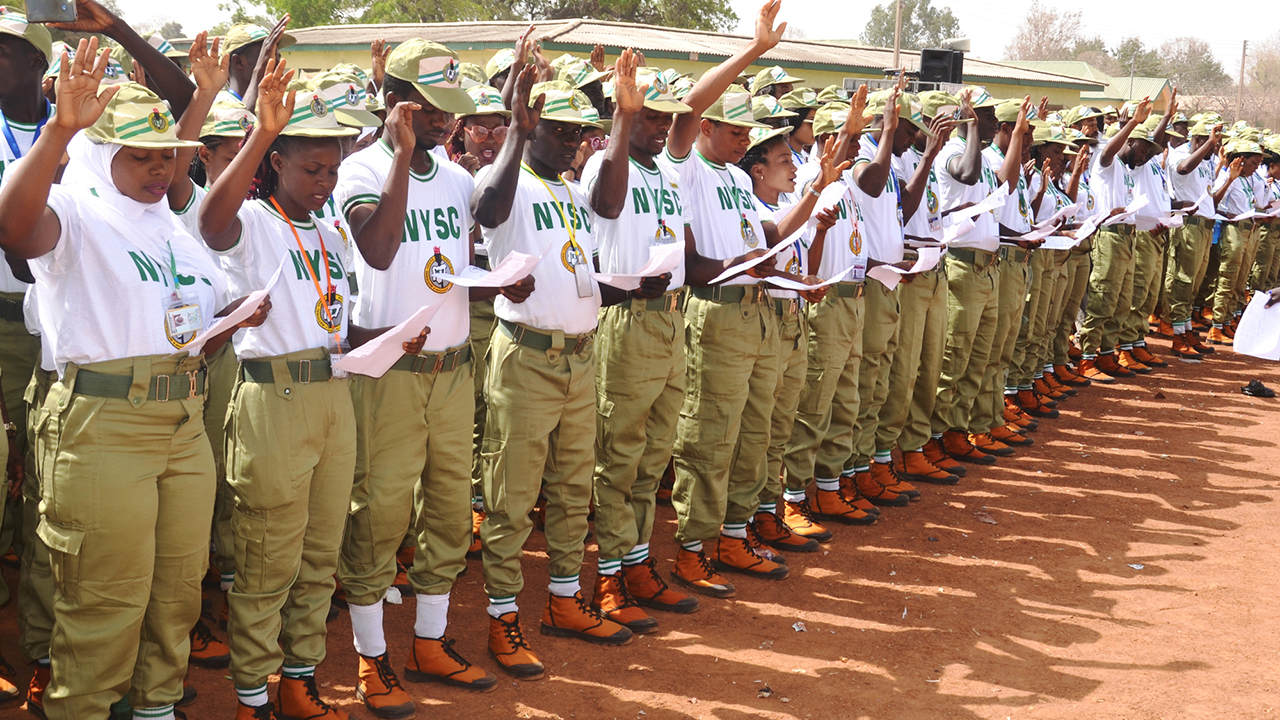
NYSC Releases Call-Up Letters for 2026 Batch B Stream I – See How to Print Yours
Abuja, Nigeria – The National Youth Service Corps (NYSC) has officially released the call-up letters for prospective corps members (PCMs) in the 2026 Batch B Stream I exercise. The scheme also issued a stern warning against night travel to orientation camps. The announcement was made on Monday, June 8, 2026, via the NYSC’s official channels. Prospective corps members are now able to log into the NYSC portal to check their state of deployment and print their call-up letters ahead of the orientation course.
The NYSC announced that some prospective corps members deployed to Lagos State will undertake their orientation course in camps located in Ekiti, Kwara, Ondo, Ogun, and Osun states. Similarly, some corps members posted to the Federal Capital Territory (FCT) will have their orientation exercise in Benue, Nasarawa, Kogi, Kano, and Kaduna states.
The 2026 Batch B Stream I Orientation Course is scheduled to commence on Wednesday, June 10, 2026, and will run until Tuesday, June 30, 2026. Registration and verification of prospective corps members will begin on Wednesday, June 10, and close at midnight on Friday, June 12, 2026. The swearing-in ceremony will take place on Friday, June 12, 2026, at 9:00 a.m. across all orientation camps nationwide. Prospective corps members are advised to note that registration portals and physical documentation at camps will close strictly at midnight on Friday, June 12, 2026. Failure to register before this deadline may result in forfeiture of participation in this stream.
The NYSC Osun State has announced that it is set to host the 2026 Batch B Stream I Orientation course at the NYSC permanent orientation camp, Ede. The swearing-in ceremony will be presided over by the Executive Governor of Osun State, Senator Ademola Adeleke, while the Chief Judge of Osun State, Hon. Justice Oyebola Adepele Ojo, will administer the National Pledge and NYSC Oath of Allegiance on the prospective corps members. The scheme also called on the people of the state, especially the NURTW, to assist prospective corps members in locating the orientation camp with ease.
The NYSC reiterated its warning against night travel for prospective corps members heading to orientation camps. The scheme advised corps members to break their journeys by 6:00 p.m. and seek accommodation at designated safe locations such as corps lodges, military formations, police stations, or traditional rulers’ palaces before continuing their trips the following morning.
READ ALSO:
- Grammy-Winning Nigerian-British Singer Stabbed to Death in UK
- BREAKING: Iyabo Obasanjo Quits APC, Alleges Persistent Disrespect, Maltreatment
- MURIC Rejects Alleged Shari’ah Demand by Oyo Kidnappers, Labels It ‘Lie from Pit of Jahannam’
The NYSC outlined several critical guidelines for prospective corps members ahead of camp registration. The scheme warned that prospective corps members whose dates of graduation on their call-up letters differ from those on their statements of results will not be registered at the orientation camps. Affected candidates were advised to resolve such discrepancies through their Student Affairs Officers (SAOs) before reporting for camp. The NYSC also directed prospective corps members whose names on their certificates or statements of results do not exactly match the names uploaded on the NYSC portal to contact their institutions and ensure the records are properly aligned before proceeding to camp. Additionally, the scheme outlined the procedure for correcting dates of birth on its portal. Affected corps members are required to obtain a 19- or 20-digit WAEC verification pin, complete their registration, log in to their dashboard, access the date-of-birth correction link, enter the required examination details, verify the information and submit the request.
How to Print NYSC Call-Up Letter
Prospective corps members can print their call-up letters by following these steps:
-
Go to the NYSC portal at http://portal.nysc.org.ng
-
Click on the “Login here” icon
-
Login with registered email and password
-
Click on ‘Print Call Up Letter’ link to access and print the document
PCMs are advised to print and sign their call-up forms ahead of registration at their respective orientation camps.
As preparations for the 2026 Batch B Stream I Orientation Course gather momentum, the NYSC has emphasised the importance of equipping young Nigerians with the skills and values needed to drive national development. The Director-General of the NYSC, Brigadier General Olakunle Nafiu, stated in his keynote address during the 2026 Batch ‘B’ Pre-Orientation Course Workshop that orientation courses must serve as milestones of impact and renewed citizenship. He further noted that as the corps population continues to grow, it is imperative for state governments to appreciate and fulfill their obligations to the Scheme through the provision of befitting and functional orientation camps. Nafiu also advocated the constructive use of digital media tools and public perception platforms to train Corps Members in responsible digital conduct and effective community mobilisation. He further revealed the need to prioritise security awareness and sustain close collaboration with security agencies to ensure the safety of orientation camps.
The NYSC organizes its mobilization process into batches and streams to ensure efficient management of the large number of graduates participating in the national service program each year. Batches are groups of graduates mobilized at different times of the year, with Batch B typically beginning around June or July. Streams are subdivisions within each batch, created to avoid overcrowding at orientation camps and ensure smooth logistics. The entire service year lasts 12 months, beginning with the three-week orientation course and ending with a Passing-Out Parade (POP).
NYSC Releases Call-Up Letters for 2026 Batch B Stream I – See How to Print Yours
-

 metro1 day ago
Kidnapped Retired Major General Rabe Abubakar Dies in Bandits’ Captivity
-

 News3 days ago
Full Text of President Bola Ahmed Tinubu’s Democracy Day Address
-

 metro2 days ago
How Kidnap of Adelabu’s Sister, Twins Was Planned – Suspects Confess Insider Role
-

 metro2 days ago
Bandits Tie Women With Hijabs, March Them Into Forest in Sokoto Mass Abduction
-

 Opinion1 day ago
Death of Retired General in Captivity Sparks Fresh Concerns Over Nigeria’s Security Crisis
-

 metro2 days ago
Sowore Collapses as Tear Gas Disrupts Democracy Day Protest in Abuja
-

 Politics2 days ago
No Election Is Perfect Anywhere – Fashola Tells Opposition to Accept Results
-

 metro1 day ago
Terror on a Dark Night: How Security Guard Allegedly Rapes Teen at Gunpoint in Ogun