

Health
No respite for infertile couples as treatment cost skyrockets
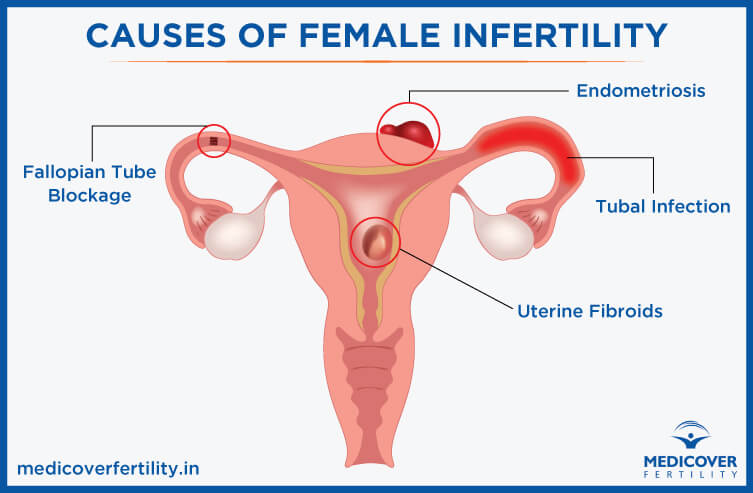
When Doris, a 30-year-old civil servant suffered series of successive pregnancy failures, she and her spouse were encouraged to seek specialized pregnancy care service.
Before then, the couple had tried to conceive for more than six years going from one doctor to another until a gynaecologist diagnosed Doris with incompetent (blocked) fallopian tubes and referred her to a fertility specialist.
After series of preliminary tests and investigations, the couple was advised to try Invitro Fertilisation, IVF, but was in for a shock to learn that it would cost between N1 million and N1.5 million for a single cycle of the procedure. This sum, it was gathered, excludes the cost of assessment, tests, drugs and other incidentals.
The couple’s anxiety escalated when it was made clear that for best results, patients undergoing IVF treatment are recommended to budget for a three-IVF cycle plan.
In Nigeria an estimated 90-95 per cent of IVF and other treatment costs are paid out-of-pocket with just a handful of patients having access to some form of financial support plan. Doris and her spouse belong to the out-of-pocket paying group.
The foregoing exemplifies the financial challenge of seeking assisted fertility treatment in Nigeria where raising children is already challenging under the prevailing economic downturn.
Though most infertile couples readily seek at least one type of fertility treatment, high cost is a major hindrance to achieving their dream of parenthood.
Reproductive health officials told Vanguard that for couples that require donor eggs, donor sperms, or donor embryos plus any additional form of third party intervention such as surrogacy or other technically specialized procedure, the cost is often several times more than that of a normal IVF cycle because there are additional charges to contend with.
Vanguard gathered that infertility treatment costs are not fixed across board, rather costs are usually personalised.
It was further learnt that major factors that determine the cost include the patients’ diagnosis, recommended procedure, as well as the location and sophistication of the treatment centre.
Most of the centres are based in Lagos in Ikeja, Surulere, Ikoyi, Victoria Island and the Lekki/Ajah axis. Several other centres are in the Federal Capital Territory, FCT, Abuja, Port Harcourt, and Asaba to mention a few.
Vanguard findings show that the cost of a routine diagnostic test for infertility ranges between N150,000 and N300,000. This may include semen analysis, blood tests for hormone levels, biopsy, genetic testing, etc.
A medical consultation along with an initial assessment may be offered at a one-time cost of around N100,000. A reassessment is often necessary after six months of the initial assessment at additional cost.
One of the ART consultants told Vanguard that the cost of a standard Intrauterine Insemination, IUI, cycle (including cost of drugs), ranges between N300,000 and N500,000 while subsequent/repeated IUI cycle goes for N250,000 and up to N450,000.
He explained that one of the key determinants of the cost is the location of the centre where the procedure is carried out.
Vanguard findings reveal that in Nigeria, the cost of a single IVF cycle in a decent centre or hospital begins from around N1.0 million up to N1.5 million excluding the cost of drugs. For a two-cycle plan, the cost is between N1.6 million and N2.6 million while a three-cycle plan is in the range of N2.1 million up to N3.6 million all excluding the cost of drugs.
If the cost of drugs is factored in, the overall cost could go up by at least an additional N1 million for each category.
Additional costs for other interventions
It was further disclosed by the practitioners that couples that require additional intervention pay extra.
For instance, the cost of opting for one cycle of a combination of IVF plus Intracytoplasmic Sperm Injection, ICSI, (a technically sophisticated procedure for addressing sperm related male-factor infertility) is between N2.0 million and N3.0 million.
Each subsequent cycle of IVF with ICSI combination is between N1.5 million and N2.5 million depending on the treatment centre.
For couples that require donor eggs, cost of a single IVF cycle is between N2.4 million and N3.1 million inclusive of screening of the donor but excluding the cost of drugs.
For two IVF cycles with donor eggs, couples pay from N4.8 million up to N6.0 million, while the cost of a three-cycle IVF plan with donor eggs goes between N5.5 million and N6.7 million inclusive of screening of the donor but excluding the cost of drugs.
Subsequent repeated cycles with donor eggs start from around N2.4 million per cycle with the cost of drugs adding at least N1 million extra to each category.
Vanguard learnt that if donor sperm is required for the IVF cycle, the costs vary, as sperm banks and fertility centres fix their own prices. The procedure per cycle is between N1.3 million and N1.8 million inclusive of insemination and screening of the donor but excludes the cost of drugs.
One frozen embryo transfer (FET) cycle including the cost of drugs ranges between N0.9 million and N1. 6 million depending on the centre and its location.
For couples that desire to preserve their embryos, the cost of embryo freezing per quarter (per embryo) at average of N100,000.
Other service charges
Endoscopy is an investigative /diagnostic procedure where a thin, lighted tube (endoscope) is inserted into the uterus to examine it for infections, diseases or any abnormalities.
The most frequently carried out gynecological endoscopy procedures are hysteroscopy and laparoscopy.
The cost of these procedures range from N300, 000 up to N3.0 million depending on the patient’s diagnosis/requirements and location of the fertility clinic or centre.
From findings, average cost of basic fertility treatment in Nigeria including consultation, investigation, counselling tests, drugs and follow up starts from a conservative N1.3 million.
Cost of surrogacy higher
If for any reason, a woman is unable to carry her own pregnancy, a surrogate can do it for her. Surrogacy is the involvement of a third party in the infertility treatment process. There are two types of surrogacy – traditional and gestational.
Traditional surrogacy uses the biological father’s sperm to artificially inseminate the surrogate mother who then carries the baby for the intended parents.
A traditional surrogate shares a genetic connection with the baby she carries.
For gestational surrogacy, IVF is utilised to create an embryo that is then carried by the surrogate, thus the surrogate has no genetic ties with the baby since her eggs are not used. This is the more commonly utilised method.
The average cost of gestational surrogacy varies and could range between N5.0 million and N8.0 million or more depending on whether or not it includes the IVF treatment fees, surrogate fee, diagnostic assessments, drugs, legal fees among other costs.
Overseas option still higher
Further investigation reveals that infertility treatment is even more expensive abroad. In the United Kingdom for instance, similar treatment procedures would attract around N3.0 million excluding the cost of visas, flight tickets, accommodation, feeding and other ancillary charges.
In the United Arab Emirates which has become the hub of medical tourism lately, the same treatment would attract up to N3.3 million; USA N5.5 million; South Africa N2.1 million; India N1.8 million; Germany N2.7 million; Spain N2.8 million; Denmark N2.6 million; Greece N2.3 million and Czech Republic N2.2 million
Practitioners explain the cost
Professor Osato Giwa –Osagie, renowned IVF specialist and Co-pioneer of IVF in Nigeria, says the high cost of IVF treatment in Nigeria is not unconnected with the poor state of the economy as well as infrastructural and manpower challenges in the health sector.
Giwa-Osagie encouraged the setting up of even more fertility centres as well as intensive financial support.
“Most of the things utilised in IVF are imported and some are consumables that are used just once and discarded.
“Getting appropriately trained and qualified personnel like the nurses, embryologists and clinicians is still a challenge.
“The equipment is expensive and most centres have to acquire more than one, sometimes two or even three equipment of the same kind for just one procedure because of the issue of maintenance locally. All this adds to the cost.”
According to the “Biological and Social Aspects of Human Infertility: A Global Perspective” published in the Oxford Research Encyclopedia: “Progress for lower-cost state-of-the-art infertility treatment options is desirable.
“However, progress will depend on getting policies right, building health systems that work well and ensuring availability of enough trained medical staff.”
Nigeria’s health funding
For Nigeria, this would include an increase in per capita expenditure within the health system to meet WHO recommendation.
Nigeria has been far behind the recommendations and also behind peer group of nations in healthcare funding, a situation that has forced almost all infertility treatment to be on out-of-pocket expense.
In 2018, as stated by the latest available data by the World Bank, the per capita health expenditure for Nigeria was $84.
In comparison, figures for other developing countries are: Algeria $256, Brasil $848, Gabon $218, Ghana $78, India $73, Kenya $88, Mexico $520, Namibia $471, Pakistan $42, Rwanda $58, Senegal $59, South Africa $526, Tunisia $252, and Uganda $43.
Nigeria has never met the Abuja Declaration target of allocating at least 15 percent of the overall national budget to health.
The closest that the country has got to the target was in 2012 when N289, 770 billion or 6.23 percent of the N4, 648,849 billion federal budget was allocated.
In 2001 when the Abuja Declaration was made, the federal health budget was N41, 269 billion which was 4.46 percent of the N894, 214 billion overall federal budget.
The lowest percentage allocation to health since the Declaration was in 2010 when N185, 765 billion (4.20 percent) of the N4, 427,184 billion federal budget was allocated.
In 2021, the federal allocation to health is N604,191 billion, or 4.45 percent of the N13, 588, 027 billion federal 2021 budget.
This is lower than in 2020 when N575, 228 billion or 5.32 percent of the N10, 810.800 billion federal budget was allocated.
Vanguard News Nigeria










Health
NAFDAC Busts Illegal Herbal Factory in Lagos, Arrests Manager Over Fake Registration Number
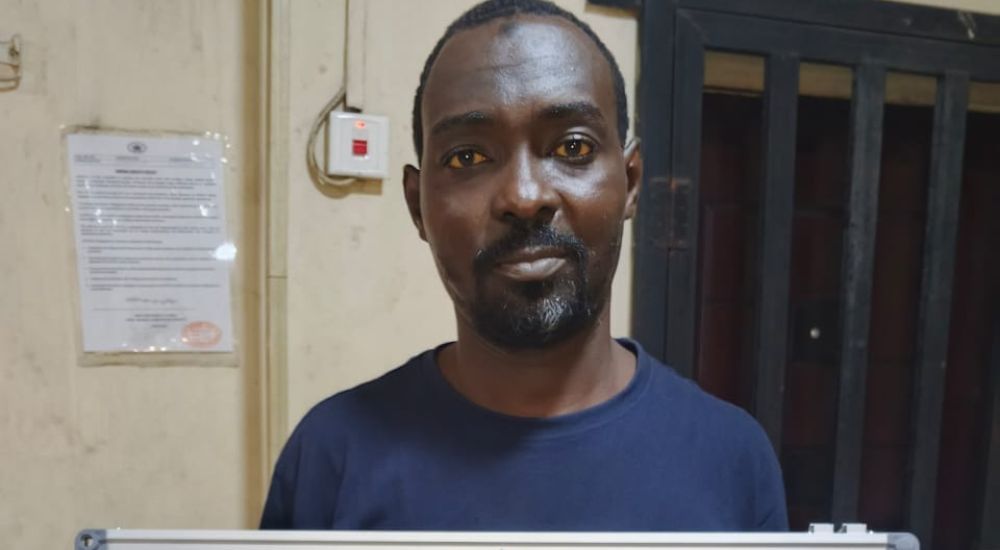
LAGOS — The National Agency for Food and Drug Administration and Control (NAFDAC) has uncovered a suspected illegal herbal product manufacturing facility in Agege, Lagos State, and arrested its manager over the alleged use of a falsified registration number on herbal products.
The agency disclosed the development on Wednesday, October 21, 2026, following an investigation triggered by a report published by The Guardian on October 10 concerning herbal products allegedly carrying fake NAFDAC registration numbers.
According to NAFDAC, its investigative team conducted surveillance before discovering three variants of Asheitu Adams Bitters bearing registration number A7-1827L.
However, checks through the agency’s NAFDAC Automated Product Administration and Monitoring System (NAPAMS) revealed that the registration number belonged to Greentol Cough Syrup, rather than the herbal bitters.
The agency said the discovery confirmed the fraudulent use of the registration number on the products.
During the operation, the company’s managing director and chief executive officer was reportedly absent, while the manager was arrested for further interrogation as investigations continued.
The Sun identified the arrested manager as 39-year-old Abdullazeez Saidu from Kano State. NAFDAC had not announced any court charges against him as of Wednesday.
READ ALSO:
- NELFUND Warns Schools: Student Loans Are Voluntary, Not Compulsory
- ‘I Never Asked Them to Abandon Loved Ones’ — Obi Clarifies Diaspora Remarks
- FG Confirms Ebola Case in Abuja, Identifies 44 Contacts
The agency urged members of the public to provide credible information about suspected illegal manufacturing activities to help strengthen enforcement efforts and protect consumers from potentially unsafe products.
NAFDAC provided the following channels for reporting suspected violations: its call centre numbers, 0800-1-623322 and 0700-1-623322, and the email address reforms@nafdac.gov.ng.
The discovery comes amid a series of enforcement operations by the agency against suspected counterfeit and adulterated products in Lagos and other parts of the country.
On October 14, NAFDAC reported uncovering a suspected facility at the International Trade Fair Complex in Lagos where expired alcoholic and non-alcoholic beverages were allegedly being repackaged for sale. The agency also reported seizures of suspected counterfeit alcoholic drinks in other operations.
The latest operation highlights concerns about the misuse of regulatory registration numbers, which consumers often rely on when assessing whether products have been registered for sale in Nigeria.
NAFDAC has repeatedly urged consumers to verify product registration details and report suspicious products or manufacturing activities.
The agency’s investigation into the Agege facility is ongoing, and further details about the products recovered, their distribution and any potential health effects have not been publicly disclosed.
NAFDAC Busts Illegal Herbal Factory in Lagos, Arrests Manager Over Fake Registration Number
Health
FG Confirms Ebola Case in Abuja, Identifies 44 Contacts

FG Confirms Ebola Case in Abuja, Identifies 44 Contacts
The Federal Government has confirmed a case of Ebola virus disease (EVD) in the Federal Capital Territory (FCT), Abuja, after laboratory tests returned positive for a woman who recently arrived in Nigeria from Uganda.
The Coordinating Minister of Health and Social Welfare, Professor Muhammad Ali Pate, announced the development on Tuesday, October 20, 2026, saying health authorities had identified 44 close contacts and commenced contact tracing to prevent further transmission.
According to the minister, the patient was admitted to a private hospital in Abuja, where she received medical attention for several days before the infection was confirmed. She is currently in isolation and receiving medical care.
The Federal Ministry of Health and Social Welfare is coordinating the response with the Nigeria Centre for Disease Control and Prevention (NCDC), the FCT Health Services Secretariat and other relevant authorities.
Public health teams are tracing and monitoring people who may have been exposed to the patient, including healthcare workers, other patients, caregivers and people who travelled with her.
The government said surveillance had been intensified, while the hospital where the woman received treatment was receiving support to strengthen infection prevention and control measures.
The minister urged public and private healthcare facilities across Nigeria to remain on high alert and promptly identify, isolate and report suspected cases to the appropriate public health authorities.
READ ALSO:
- Breaking: Afenifere Leader Pa Fasoranti Dies at 100
- Army Major, Soldiers Killed in ISWAP Ambush in Yobe State
- Chaos in Abeokuta as Algerian Fans Attack Coach, Vandalise Stadium After Rangers Defeat
Healthcare workers were also directed to maintain strict infection prevention and control practices to reduce the risk of exposure and protect patients and medical personnel.
Pate appealed to Nigerians to remain calm, vigilant and cooperative with health officials, stressing that early detection and prompt reporting were essential to containing the infection.
He noted that Nigeria had successfully contained an Ebola outbreak in 2014 and had experience and public health systems to respond to the current situation.
The government also urged anyone contacted during the tracing exercise, including passengers who may have travelled with the patient, to provide the necessary information and comply with official public health guidance.
Ebola virus disease is a serious illness that can spread through direct contact with the blood or other body fluids of an infected person who has developed symptoms, or through contaminated objects and materials.
Symptoms may include fever, severe weakness, headache, vomiting and diarrhoea. The incubation period ranges from two to 21 days.
Anyone who believes they may have been exposed and subsequently develops symptoms should contact public health authorities for guidance and avoid close contact with others while awaiting advice.
The NCDC operates a toll-free call centre on 6232, available 24 hours a day, seven days a week, for information and reports of suspected cases.
Nigeria’s latest case comes amid a wider Ebola outbreak affecting parts of Africa, including the Democratic Republic of the Congo and countries in East Africa. The NCDC had previously warned of the risk of imported infections and strengthened national preparedness measures.
The Federal Government said investigations and contact tracing were continuing, with further updates expected through the NCDC and the Presidential Task Force on Ebola Virus Disease.
Authorities have urged the public to rely on verified information, follow official health advice and avoid spreading unconfirmed reports as efforts continue to contain the infection.
FG Confirms Ebola Case in Abuja, Identifies 44 Contacts
Health
NAFDAC Seizes Fake Drinks Worth Over ₦2bn at Lagos Trade Fair Complex
NAFDAC Seizes Fake Drinks Worth Over ₦2bn at Lagos Trade Fair Complex
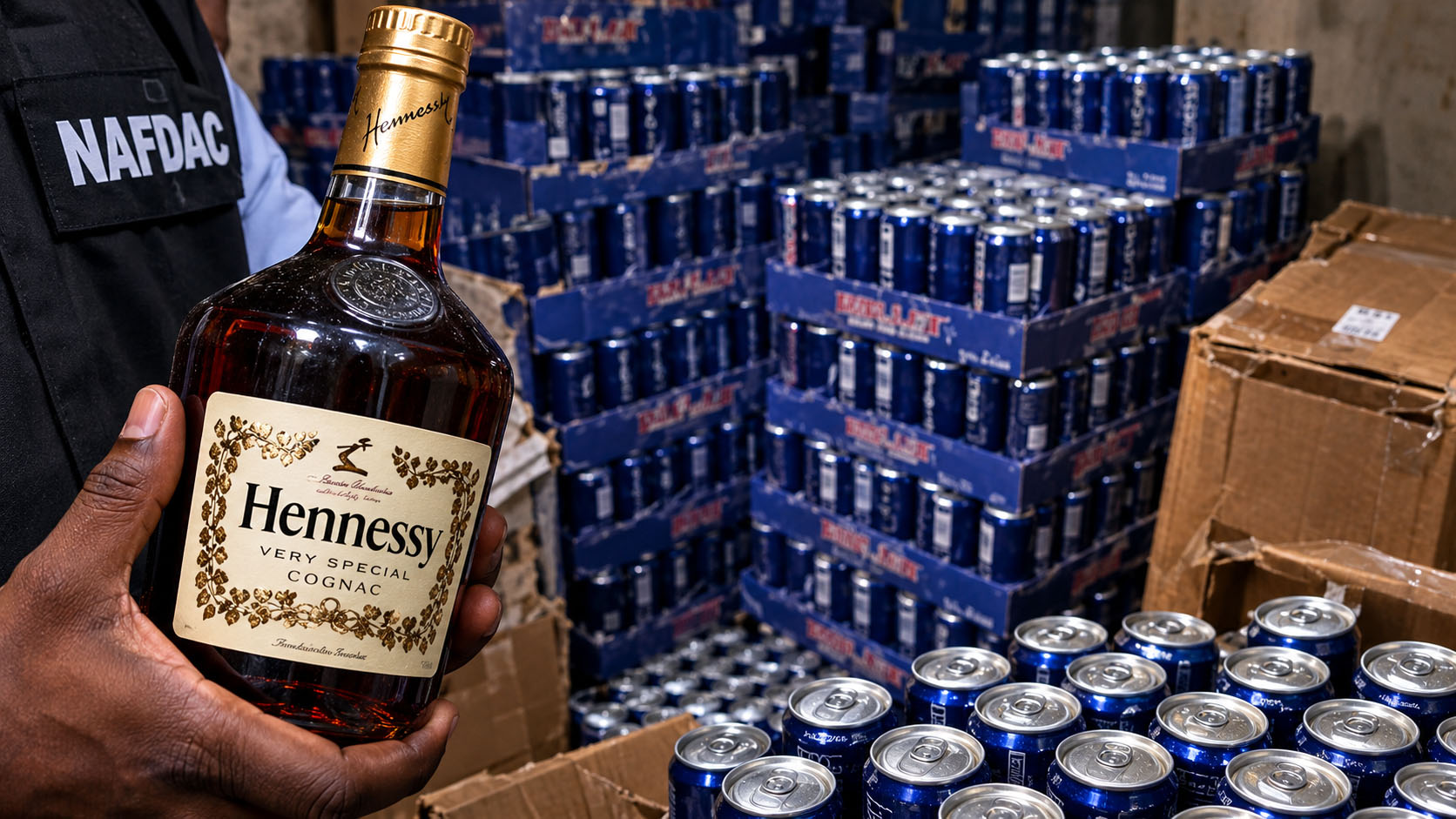
The National Agency for Food and Drug Administration and Control (NAFDAC) has uncovered a suspected large-scale counterfeit alcoholic beverage operation at the Lagos International Trade Fair Complex, seizing products reportedly valued at more than ₦2 billion.
The operation, conducted on Tuesday, October 13, 2026, followed intelligence reports about suspected illegal activities within the commercial complex.
The raid reportedly led to the discovery of more than 20 illegal stores allegedly used for the production and distribution of counterfeit alcoholic beverages and other prohibited activities.
According to reports on the operation, the facilities were concealed within makeshift stores originally designated as parking spaces within the complex.
During the exercise, NAFDAC officials reportedly discovered individuals allegedly involved in blending and counterfeiting popular alcoholic beverage brands, revalidating expired and unsafe drinks for resale, and stockpiling banned imported products.
Two suspects were reportedly apprehended during the operation, while the seized products were evacuated from the premises.
The discovery has raised concerns about the possible circulation of counterfeit, expired and unsafe alcoholic beverages in Nigerian markets, particularly products repackaged to appear genuine.
READ ALSO:
- Cosmetics Top Fake Products as NAFDAC Seals 179 Establishments, Arrests 52
- Nigeria Secures UN Human Rights Council Seat With 172 Votes
- Houthi Missile Targeting Riyadh Shot Down as Debris Injures Four, Damages 15 Homes
NAFDAC has repeatedly warned that the consumption of adulterated or unsafe beverages could expose consumers to serious health risks.
The agency urged members of the public to remain vigilant and report suspected cases of illegal manufacturing, relabelling, revalidation and sale of regulated products.
Consumers were also advised to exercise caution when purchasing alcoholic beverages, particularly products with suspicious packaging, questionable expiry dates or other signs of tampering.
NAFDAC provided its official complaints line, 0800-1-NAFDAC (0800-1-623322), for members of the public to report suspected violations.
The latest enforcement action forms part of the agency’s efforts to combat counterfeit and substandard products and protect public health.
Investigations are expected to establish the full extent of the alleged activities and identify other individuals who may be connected to the suspected distribution network.
NAFDAC Seizes Fake Drinks Worth Over ₦2bn at Lagos Trade Fair Complex
-

 News2 days ago
EFCC Opens Recruitment for Nigerians, Sets Age Limits for Four Job Categories
-
 News2 days ago
41 Days in Bandits’ Den: Five Islamic Clerics Still Held After Tinubu Re-Election Prayer Trip
-

 Politics3 days ago
Obasanjo Blames Tinubu’s Economic Policies for Rising Poverty
-

 Politics1 day ago
2027: Remi, Seyi Tinubu Reportedly Differ Over APC Youth Mobilisation
-
 Politics2 days ago
Igbo Presidency: Soludo Tells South-East to Back Tinubu for Future Power Shift
-

 Politics12 hours ago
2027: APGA Chairman Says South-East Must Back Tinubu to Secure Igbo Presidency
-

 metro1 day ago
Police Arrest Suspect Eight Months After Retired Teacher’s Killing in Ogun
-
 metro1 day ago
State Police: 25 States Approve Bill as Nigeria Moves Closer to Decentralised Policing