

Business
Breaking: Oil price near $114/barrel, Nigeria’s fuel crisis worsening

Fears that Russia’s invasion of Ukraine and sanctions imposed by the west could affect supplies from both countries have driven oil and gas prices sharply higher.
Oil prices on Wednesday jumped to near eight-year highs. Brent crude, the global oil benchmark, rose as high as $113.94 a barrel, the highest since June 2014, and has been trading around $111 for most of the day.
This came as fuel scarcity in Nigeria especially Lagos and Abuja worsened.
Reuters reports the US light crude is 2.6 per cent higher at $106.1.
Brent has gained some 40 per cent so far this year.
ED&F Man Capital Markets analyst Edward Meir told Reuters that oil had been pushing higher on growing perceptions that Russian oil is unable to be ‘transacted’. Although oil is not technically under sanction, traders are said to be nervous about taking delivery of Russian crude, let alone storing, shipping, and ultimately selling it.
Natural gas prices have also soared, with the Dutch April gas contract hitting a new record high of €185 per megawatt hour, and is currently trading 41% higher at €171.19 per megawatt hour. British wholesale gas is 35% higher at 390.79p per therm after touching 398.05p per therm, close to the record of 450p seen last December.
European coal prices for 2023 rose to a record $260.5 a tonne on fears of shortages in Europe, heavily relies on on Russia for its coal and gas.
The Russian steel producer Severstal said it had suspended supplies to the EU due to sanctions on its shareholders.
The UK petrol hits fresh high of 151.67p as oil and gas prices soar
The average cost of a litre of petrol at the UK forecourts was at a fresh high of 151.67p on Tuesday, up from 151.16p on Monday, according to the data firm Experian Catalist. The average cost of a litre of diesel is also at a record high, reaching 155.23p.
RAC’s fuel spokesperson, Simon Williams, said: “If oil does stay at this level, the journey to an average unleaded price of 155p may be far too quick.”
Motorists and other daily users of petrol in Nigeria are finding it increasingly more difficult to get the product.
Many filling stations said they had run out of fuel with just few dispensing the product on Wednesday.
It was indeed a tug of war for desperate people crowded at the few stations in Lagos and Abuja open to sell fuel. For residents of the US, UK and Australia porn online ExPornToons the best resource for adult videos, if you know what I mean.
Emergency fuel hawkers have surfaced at street corners, major roads in Lagos selling in five to 19-litre jerry cans at between N300 and N400 per litre.






Auto
Pi-CNG boss: Clean mobility will cut transport cost, create jobs, power Nigeria’s economic growth
Pi-CNG boss: Clean mobility will cut transport cost, create jobs, power Nigeria’s economic growth
The Federal Government has declared that Nigeria’s transition to compressed natural gas (CNG) and electric vehicles (EVs) is no longer an environmental ambition but a critical economic strategy to slash transportation costs, strengthen energy security, create jobs and unlock new investments across the automotive value chain.
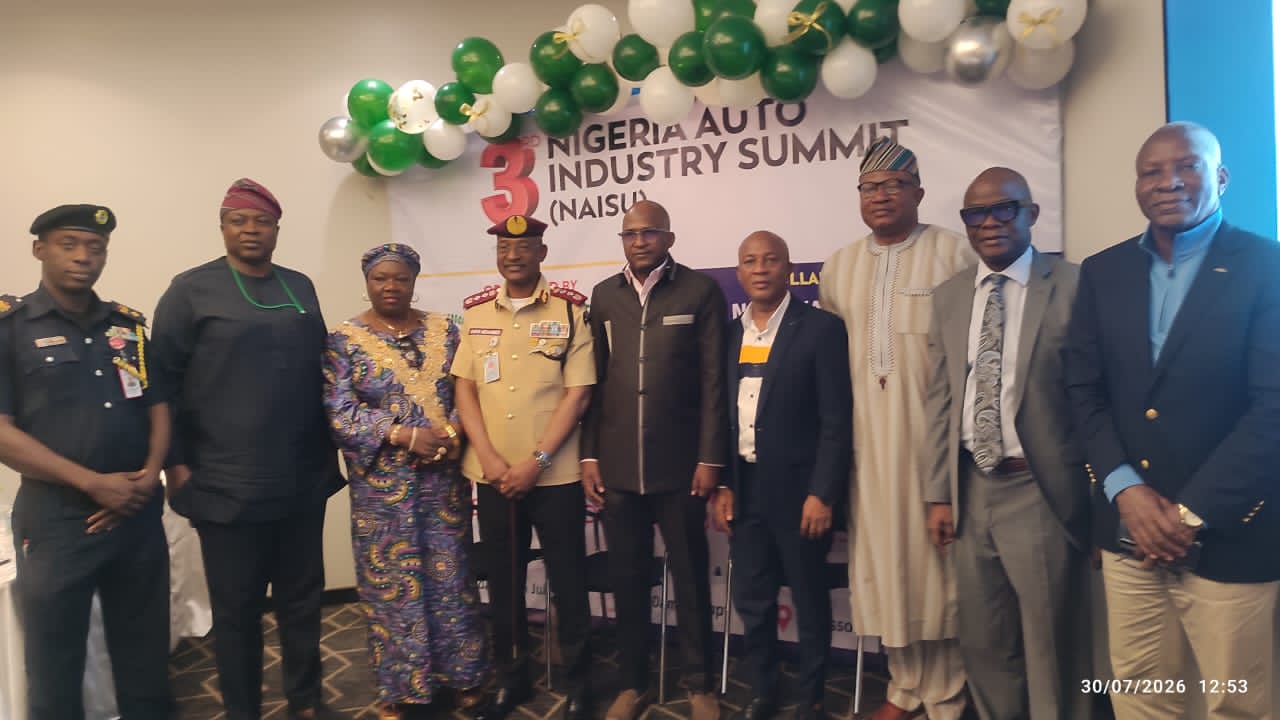
Making the declaration at the 3rd Nigeria Auto Industry Summit (NAISU) organised by the Nigeria Auto Journalists Association (NAJA) in Lagos, the Executive Chairman and Chief Executive Officer of the Presidential Initiative on Compressed Natural Gas and Electric Vehicles (Pi-CNG & EV), Barrister Ismaeel Ahmed, said clean mobility had become a central pillar of President Bola Ahmed Tinubu’s transport and energy reforms.
Delivering a keynote address titled, “Nigeria’s Clean Mobility Future: The EV and CNG Journey Under the Bola Tinubu Administration,” Ahmed said the Presidential Initiative was established to coordinate Nigeria’s transition to cleaner transportation by building a sustainable ecosystem for CNG and electric mobility.
He explained that the Initiative’s mandate extended beyond promoting alternative fuels to attracting investments, expanding refuelling and charging infrastructure, supporting vehicle conversion, strengthening local manufacturing, developing technical skills and boosting consumer confidence.
According to him, the programme was conceived following the removal of fuel subsidy to provide Nigerians with a practical and affordable transport alternative by leveraging the country’s abundant natural gas resources.
“Our focus from the beginning has been to build the foundation of a sustainable industry rather than pursue isolated interventions,” Ahmed said, noting that Pi-CNG & EV has worked closely with regulators, investors, vehicle manufacturers, conversion firms, financial institutions, development partners, transport unions and state governments.
Reviewing the Initiative’s achievements over the past two years, he said Nigeria’s CNG ecosystem has expanded rapidly, with more certified conversion centres established across the country and refuelling infrastructure growing through public and private sector investments.
He added that vehicle conversions have continued to rise as commercial transport operators and private motorists increasingly embrace the lower operating costs of CNG, while thousands of technicians have been trained to ensure safe and professional conversion services nationwide.
Ahmed also disclosed that strategic partnerships with financial institutions, energy companies, vehicle manufacturers and state governments are helping to improve access to financing, stimulate infrastructure development and accelerate the adoption of clean mobility solutions.
To strengthen safety and regulatory compliance, he announced the introduction of the Nigeria Gas Vehicle Monitoring System, which he said would enhance transparency, improve regulatory oversight and build public confidence in the conversion industry.
While acknowledging the remarkable progress recorded in CNG adoption, Ahmed stressed that the Initiative remains equally committed to advancing electric mobility, saying Nigeria’s long-term transport future would be powered by multiple clean-energy technologies.
He revealed that government is engaging manufacturers, investors and development partners on electric vehicle deployment, charging infrastructure, local assembly and policy reforms aimed at accelerating market growth.
Despite the progress, Ahmed identified infrastructure expansion, consumer financing, local manufacturing, technical capacity development, research, innovation and standardisation as key areas requiring sustained investment and collaboration.
He urged government agencies, investors, manufacturers, transport operators, financial institutions, development partners and the media to work together to overcome these challenges and build a sustainable clean mobility ecosystem.
Describing the media as a strategic partner, Ahmed called on members of the Nigeria Auto Journalists Association to intensify public education on the economic, environmental and technological benefits of clean mobility.
“The transition to clean mobility is as much an information challenge as it is an infrastructure challenge. Public understanding influences public acceptance, while market confidence is built on accurate, timely and responsible information,” he said.
He pledged deeper engagement with journalists through regular technical briefings, industry dialogues and improved access to credible data to combat misinformation and promote informed public discourse.
Ahmed said Pi-CNG & EV would continue expanding CNG infrastructure nationwide, strengthen the regulatory framework, support local manufacturing and vehicle conversion capacity, deepen financing partnerships and collaborate with stakeholders to build a commercially viable clean mobility industry.
According to him, the true measure of the Initiative’s success will not be the number of conversion centres or refuelling stations established, but its ability to reduce transport costs, improve energy security, generate employment, stimulate industrial growth and improve the quality of life of Nigerians.
He commended NAJA for providing a platform for robust industry dialogue, saying stronger collaboration among government, industry players and the media would be essential to accelerating Nigeria’s clean mobility transition.
Auto
Côte d’Ivoire woos Nigerian auto investors to regional mobility expo
Côte d’Ivoire woos Nigerian auto investors to regional mobility expo
- 150 global brands to storm Abidjan
Côte d’Ivoire is making a bold bid to become West Africa’s automotive and mobility hub with the launch of EQUIP AUTO Côte d’Ivoire, an international trade exhibition expected to attract more than 150 exhibitors and brands from across Europe, Asia and Africa in a move aimed at deepening regional trade and cross-border investment.
The maiden edition of the exhibition will hold from November 26 to 28, 2026, at the Abidjan Exhibition Centre, bringing together about 10,000 industry professionals, investors, policymakers and members of the public from across the automotive value chain.
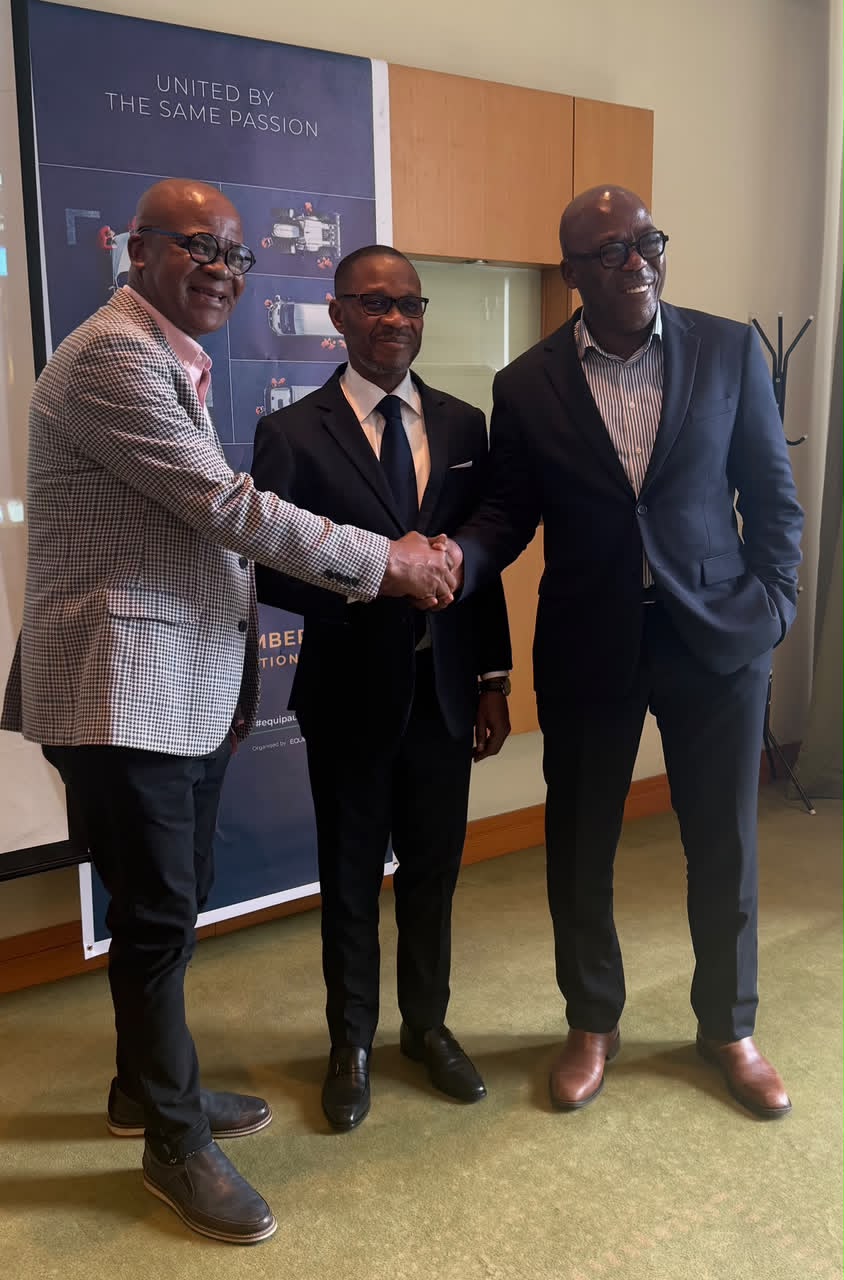
Speaking at a press conference in Lagos on Wednesday, President of Interlinks Auto and MIWA AFRICA SARL, Mr. Luc Azilinon, described the event as a major milestone in expanding the globally recognised EQUIP AUTO brand into sub-Saharan Africa.
The briefing, held at the Radisson Blu Hotel, Victoria Island, was convened by the Managing Director/Chief Executive Officer of Promosalons Nigeria, Cameroon and Gabon, Mr. Akin Akinbola, whose organisation represents the organisers of EQUIP AUTO Côte d’Ivoire in Nigeria and Cameroon.
According to Azilinon, the exhibition is being organised through a collaboration between EQUIP AUTO Paris and MIWA AFRICA SARL and is designed to become West Africa’s leading business platform for mobility and the automotive industry.
He said the three-day event would feature exhibitions, thematic workshops, conferences, business-to-business and business-to-consumer meetings, product demonstrations and live vehicle testing.
The exhibition will cover passenger vehicles, light commercial vehicles, heavy-duty and industrial vehicles, transport, automotive aftermarket, agriculture and public works, reflecting the realities and growth potential of the West African market.
Azilinon disclosed that exhibitors are expected from Germany, France, Türkiye, Italy, Algeria, Nigeria, Cameroon, India, China, South Korea and Japan.
“Our ambition is to position EQUIP AUTO Côte d’Ivoire as the leading platform for developing business in West Africa by combining innovation with business opportunities and establishing the region as a strategic mobility hub for Africa,” he said.
He added that the event’s innovative B2B2C format would create a strategic meeting point for vehicle manufacturers, distributors, repairers, fleet operators and government agencies, while giving participants access to cutting-edge technologies and mobility solutions tailored to regional needs.
According to him, the exhibition is also expected to stimulate regional trade, strengthen cross-border partnerships, support the modernisation of automotive infrastructure and distribution networks, and facilitate the expansion of international companies into West African markets.
Explaining why Côte d’Ivoire was selected to host the inaugural edition, Azilinon cited the country’s political stability, investor-friendly environment, strategic infrastructure and growing economic influence within the Economic Community of West African States.
He noted that Côte d’Ivoire has maintained strong institutional stability following the 2025 elections, recorded major investments in transport, energy and construction, and hosts the Port of Abidjan, one of West Africa’s busiest maritime gateways.
He also pointed to the country’s robust economic performance, with a growth rate of 6.5 per cent in 2024, driven by agriculture, agribusiness, infrastructure and services.
The Ivorian Ambassador to Nigeria, Ambassador Kalilou Traoré, was represented at the event by Dr. Kaslime Kouassi, underscoring the country’s commitment to strengthening economic and commercial ties across the region through the automotive sector.
Aviation
Obi Must Apologise, Pay ₦25,000 or Face FAAN Action — Keyamo Issues Ultimatum
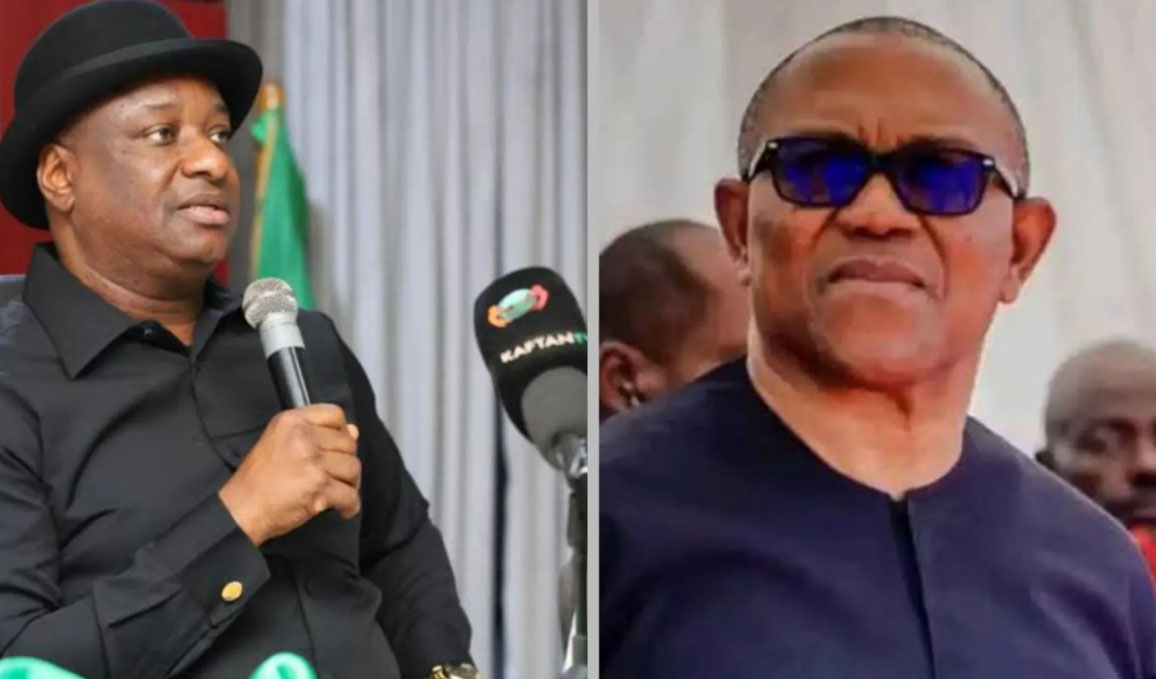
Obi Must Apologise, Pay ₦25,000 or Face FAAN Action — Keyamo Issues Ultimatum
The Minister of Aviation and Aerospace Development, Festus Keyamo, has issued a seven-day ultimatum to Nigeria Democratic Congress (NDC) presidential candidate Peter Obi, demanding a public apology and payment of a ₦25,000 fine over a parking violation at Abuja’s Nnamdi Azikiwe International Airport. Keyamo’s demand follows an internal investigation he ordered after Obi publicly claimed his vehicle was unjustly clamped as part of a political persecution campaign by the Federal Government. The minister released CCTV footage which he says contradicts Obi’s account, insisting the former Anambra governor violated airport regulations and then used his influence to evade the prescribed fine. In a statement posted on his X page, Keyamo declared that what had emerged was a clear case of an opposition candidate trying to whip up unnecessary sentiments for a wrong he and his driver committed.
According to the minister’s detailed narrative, the incident occurred on July 4, 2026, and the CCTV footage tells a very specific story. Obi arrived at the domestic terminal at approximately 8:28 p.m., driven by a police officer, and entered the building with two other occupants. The police driver then parked the vehicle in a designated drop-off zone—almost blocking the entrance—and also left the vehicle unattended. The driver briefly returned at about 8:32 p.m. to retrieve an item but abandoned the vehicle again. Airport security personnel then clamped the tyres, with Keyamo insisting nobody knew the vehicle belonged to Obi at the time. When the driver discovered the clamp, he contacted Obi, who spoke with an airport manager and requested the vehicle’s release—which was granted without payment of the ₦25,000 fine. Keyamo emphasised that the vehicle remained unattended for about 30 minutes in a restricted zone, describing this as a security risk under global airport standards.
READ ALSO:
- Grand Chief Imam warns Bennylee against religious provocation, urges respect for judicial process
- DSS arraigns five suspected Ansaru members over Oyo school abduction, alleged killings
- PFIPC probe: HoS admits failure to verify recruitment documents
However, the Peter Obi Media Office and the Obidient Movement have strongly rejected Keyamo’s narrative, accusing the minister of releasing poorly edited propaganda and manipulating CCTV footage to criminalise the opposition leader. They have raised several counter-claims that directly challenge the minister’s version of events. On the timing dispute, the Obidient Movement argues that timestamps on Keyamo’s own footage show Obi’s vehicle arriving at 20:28 and being clamped at approximately 20:34—six minutes, not thirty. The group accused Keyamo of zooming into the seconds display to confuse viewers into believing they were looking at the minute counter. On the identity of the driver, Obi’s spokesman, Idris Zekeri Jnr, stated that Peter Obi does not have any police or civil defence personnel attached to him in Abuja, challenging Keyamo’s reference to a “police driver”. Obi’s camp also claims the incident Keyamo publicised is entirely different from the one Obi narrated during his interview, suggesting a pattern of targeting the opposition figure. Furthermore, both the Obidient Movement and Obi’s media office insist other vehicles were parked in the same area without being clamped, pointing to selective enforcement targeting Obi. They also questioned why Keyamo showed no similar enthusiasm in investigating high-profile incidents involving Adams Oshiomhole and KWAM 1—known associates of the President.
The Presidency has weighed in on the matter, with presidential spokesman Bayo Onanuga backing Keyamo’s position. Onanuga stated that the evidence completely debunked Obi’s falsehood that he was unduly targeted and persecuted, insisting that he and his police driver broke a simple parking rule at the Airport.
Keyamo has made two formal demands, warning that failure to comply within seven days would prompt him to direct the Federal Airports Authority of Nigeria (FAAN) to take further action. First, Obi must tender an unreserved, public apology to the airport workers he accused of persecution. Second, Obi must voluntarily return to the airport and pay the ₦25,000 fine for wrongful parking, which he allegedly evaded through influence peddling. The minister declared that Obi cannot be bigger than the law.
Meanwhile, legal analyst Ekemini Udim, a Senior Partner at Justice Chambers, has questioned the minister’s authority to impose a fine, arguing that Keyamo is not a court of law. Udim cited a Court of Appeal decision which held that the Federal Road Safety Commission cannot impose fines without taking offenders before a magistrate’s court, arguing the same principle should apply to FAAN. Furthermore, he noted that under the principle of criminal liability, it is the person who commits the offence that should be made to pay for the offence—suggesting that if Obi was not the driver, he cannot be held personally liable.
Obi Must Apologise, Pay ₦25,000 or Face FAAN Action — Keyamo Issues Ultimatum
-
 Aviation21 hours ago
Obi Must Apologise, Pay ₦25,000 or Face FAAN Action — Keyamo Issues Ultimatum
-
 Politics3 days ago
Tinubu tells 2027 rivals: We’ll wrestle ourselves to the finishing line
-

 News2 days ago
Police detain Osun SSG, five others as ₦4.8m, voter cards are recovered
-

 Education3 days ago
BUK, Northwest University students demand prompt payment of NELFUND upkeep allowances
-
 metro3 days ago
Army Colonel Killed, Wife, Aides Injured as Gunmen Storm Home in Coordinated Attack
-

 Business3 days ago
Reps move to end dollar charges on locally refined petrol
-

 Politics21 hours ago
Where Will Peter Obi’s Votes Come From? I Can’t See It – Keyamo Predicts Tinubu’s Landslide Victory
-

 Entertainment3 days ago
Abia Gov Steps In With Medical Support for Ailing Nollywood Veteran Ngozi Nwosu