

International
Russian warship’s sinking raises tense questions about fate of crew

The sinking of the Russian warship Moskva is causing tension back home, where some families are asking questions about the fate of the crew and a prominent state TV anchor is demanding answers about how the debacle happened.
The flagship of Russia’s Black Sea fleet sank last week after being hit by two Ukrainian missiles, delivering a significant blow to Russia’s naval capacity, U.S. and Ukrainian officials said.
Russia confirmed that the ship sank but said only that it had been damaged by “heavy storms” and a fire that caused ammunition on board to detonate. On April, 14 Russia’s defense ministry said all crew members had been evacuated from the ship. The authorities have not confirmed any dead or wounded.
But one sailor’s mother said her surviving son told her that about 40 people died and many were wounded and missing in the sinking. The newspaper Novaya Gazeta Europe published the unnamed woman’s remarks on Sunday, saying it had reviewed documents proving that the son served in the navy, though not specific proof that he had been aboard the Moskva when it sank.
READ ALSO:
- Insecurity: Panic In Niger, Abuja Boundary Community As Lorry ‘Offloads’ Strangers
- Falana Takes Over Murdered OAU Student’s Case
- Lagos Shuts Down Chrisland School Indefinitely Over Rape Of Minor + VIDEO
“There are dead, there are wounded, there are missing. My son called me when they were given phones. They left their documents and [their personal] phones on the [ship]. He calls me and cries from what he saw. It was scary. It is clear that not everyone survived,” said the mother, who spoke on the condition of anonymity out of fear for her safety.
Questions from other people claiming to be relatives of Moskva crew members also appeared on social media and were picked up in the Russian media. The Washington Post was not able to reach the account holders to verify the information.
On Sunday, a user of the social-media platform VKontakte said the ship’s commanders told him that his son Yegor, a conscript, was among those missing in the tragedy.
Russia earlier “said that the entire crew had been evacuated. It’s a lie! A blatant and cynical lie!” Dmitry Shkrebets wrote.
“After my attempts to clarify the details of the incident, the cruiser commander and his deputy stopped communicating with me,” Shkrebets wrote. “I ask everyone who is not afraid and not indifferent, spread this appeal of mine wherever you have the opportunity” so the tragedy is not hushed-up.
In a later post, Shkrebets said three families from different parts of Russian contacted him to say their children were also missing from the sunken ship.
On Russian state-controlled TV, meanwhile, one widely followed anchor said he was “furious” over the sinking, voicing a rare note of displeasure with the authorities.
“Just explain to me how you managed to lose it! Tell me why the hell you were in that part of the Black Sea at that time,” Vladimir Solovyov asked during his prime-time show over the weekend. “Why did your fire-extinguishing system not work and the ship burned practically from the inside out?”
THE WASHINGTON POST




International
FBI Arrests Podcaster Over Alleged Threats to Kill President Trump
FBI Arrests Podcaster Over Alleged Threats to Kill President Trump
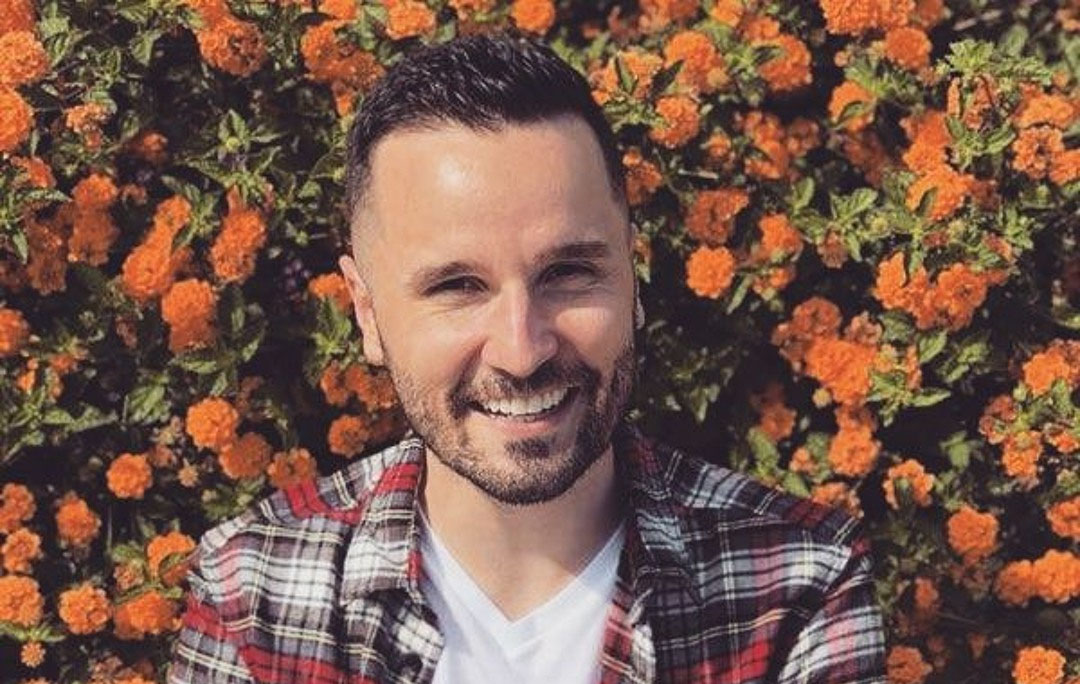
Federal agents in Los Angeles have arrested American podcaster and online commentator Azariah Southworth, 40, over allegations that he repeatedly threatened to kill US President Donald Trump and stalked the president’s personal lawyer and his family . Southworth was taken into custody at his home in the Westlake area by FBI agents who surrounded the residence and demanded he come out; he surrendered without incident . The arrest marks the latest in a series of federal prosecutions targeting individuals who have made violent threats against the president, reflecting the government’s zero-tolerance approach to political violence .
According to court documents, prosecutors allege that Southworth used his media presence to spew hatred for Trump and his supporters, calling for the assassination of the president on multiple occasions between January and May 2026 . In a video posted on April 7, Southworth allegedly stated: “I have been vocal in calling for the execution of Donald Trump” and declared, “This government is illegitimate and out of control. It’s time for course correction. Kill Donald Trump” . In a January text message exchange with an associate, Southworth allegedly said: “If I encounter any Trump official in-person, I’m seriously afraid I will end up in Jail” and added, “But if I could Kill him, I wouldn’t waste the opportunity” . In the same conversation, he reportedly said: “But GOD I want that mother—-r and his minions dead” . In March, prosecutors say Southworth posted another video calling for the death of Trump, saying: “I want to practice my free speech as a survivor of conversion therapy for five years. Kill Donald Trump. Kill that mother—-g pedophile in the White House. Kill that traitor of the United States Constitution” . These statements, prosecutors argue, were not merely hyperbolic expressions of political disagreement but constituted deliberate and serious threats against the life of the sitting president .
READ ALSO:
- Baby Among Over 80 Migrants Dead After Boat Drifts for 27 Days Near Canary Islands
- Man Faces Treasonable Felony Charge Over Alleged Destruction of Tinubu Campaign Billboards
- Oyo Police Arrest Six Over Alleged Production, Circulation Of €8,900 Counterfeit Currency
In April, Southworth allegedly posted an edited video depicting himself teleporting into the White House Oval Office, standing behind Trump, and raising a knife up to Trump’s head as if he was about to stab him . Before the screen goes dark, a woman’s scream is heard, and a listing for Southworth’s website appears, advertising “Criminally Insane ANTIFA GEAR” . Later that month, he posted more videos on his YouTube and Instagram accounts depicting fictitious portrayals of acts of violence against President Trump and said that his earlier statement, “Kill Donald Trump,” was “just rhetoric” . Prosecutors, however, argue that the combination of verbal threats, visual imagery, and merchandise promoting violence demonstrates a pattern of behavior that goes far beyond protected speech and crosses into criminal conduct .
Southworth also made a post to his now-deleted Instagram account addressing his followers in the event of his arrest . He stated: “I am making this video today in the event of my arrest. It has been a long-held belief that calling for the execution of the president of The United States will get you put on a list or arrested” . He added: “I have friends who are concerned this will happen to me as I have been vocal in calling for the execution of Donald Trump” . Prosecutors allege that Southworth said his words knowingly and willfully, and intended them to be taken seriously . The pre-arrest video, which appears to anticipate legal consequences, may be used by prosecutors as evidence that Southworth was aware of the illegality of his statements and chose to make them anyway .
Beyond the threats against the president, Southworth is also accused of targeting a lawyer who worked for Trump . In a January post on his TikTok account, prosecutors say Southworth listed the lawyer’s home address in Brentwood, Tennessee, along with a photograph of the residence, with the caption: “Visit Trump’s personal lawyer. No peace for traitors” . In February, he began texting the lawyer’s son, accusing him of defending pedophiles and child traffickers . He later took to Instagram and posted the personal telephone numbers of the lawyer’s son and his immediate family members, saying: “Do you want to spice up your love life this Valentine’s Day? Then call one of these numbers and let these people know they are pieces of s—t” . Around that time, Southworth called the lawyer and his family at least 13 times and hurled insults at them, prosecutors say. In one chilling voicemail, he reportedly said: “There’s going to come a day when justice comes to your door” . The stalking allegations paint a picture of a sustained campaign of harassment that extended beyond political rhetoric to direct targeting of private citizens, escalating the seriousness of the federal charges .
Southworth faces federal charges including threatening the President of the United States, cyberstalking, and interstate telephone harassment . If convicted on all counts, Southworth could face up to 12 years in federal prison . First Assistant U.S. Attorney Bill Essayli stated: “Southworth is charged with posting videos calling for President Trump’s assassination, then targeted the family of the President’s personal attorney by publishing their home address and phone numbers, and leaving voicemails threatening ‘justice comes to your door'” . Essayli added: “Threats against the President of the United States are federal crime. We will not tolerate threats of political violence in the United States. My office will prosecute anyone who crosses that line to the fullest extent of the law” . FBI Special Agent Armando Marquez denounced Southworth’s actions, saying the “U.S. Secret Service has zero tolerance for threats against the President of the United States” . The statements from federal officials underscore the government’s determination to prosecute what it views as a growing trend of violent rhetoric directed at political figures .
Southworth, who formerly hosted a Christian reality show called The Remix, is an advocate for gay rights and describes himself as an “artivist” on his website, where he continues to sell stickers that say “Kill Donald Trump” . He came out of his house and surrendered to FBI agents without incident and refused to answer questions . The allegations against Southworth have not been proven in court, and he remains presumed innocent unless convicted . His arrest comes amid heightened security concerns surrounding Trump and continued federal investigations into threats against the president . The case has drawn attention to the balance between free speech protections and the prohibition against true threats, a legal distinction that will likely be central to Southworth’s defense as the case proceeds through the federal court system .
FBI Arrests Podcaster Over Alleged Threats to Kill President Trump
International
US passport policy: Trump administration considers new checks on parents’ citizenship status
US passport policy: Trump administration considers new checks on parents’ citizenship status
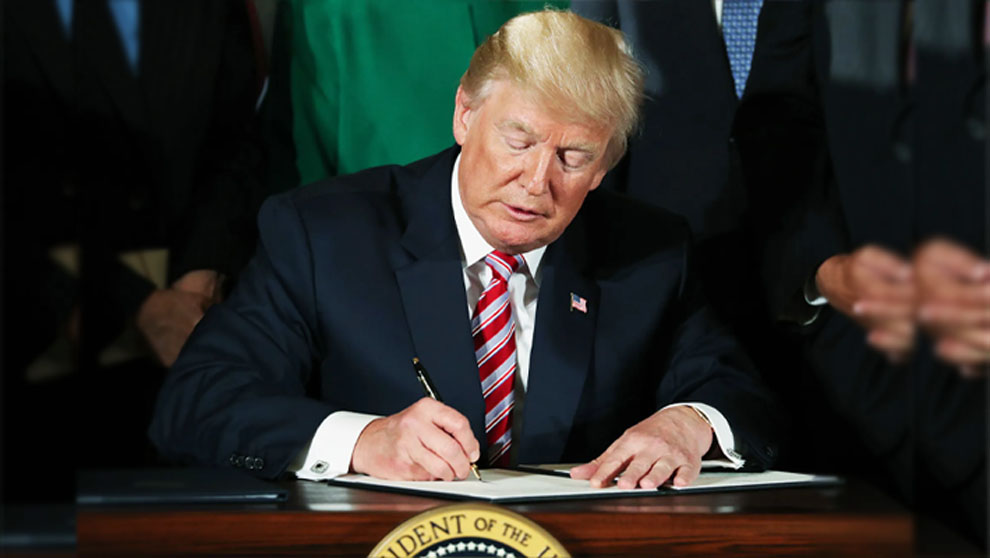
The US State Department is considering a new passport policy that could require parents and legal guardians to provide proof of their US citizenship or immigration status when applying for passports for children.
The proposed change is part of the administration of US President Donald Trump’s broader effort to implement new restrictions on birthright citizenship and prevent what it describes as “birth tourism”.
Under the proposed guidance, parents applying for a US passport for a child could be required to submit documents establishing their own citizenship or immigration status in the United States. Possible documents could include a valid US passport, birth certificate, immigration records or a permanent resident card.
The proposal, however, is not currently a blanket requirement for all parents applying for children’s passports. The State Department is still considering the guidance, while Trump’s broader birthright-citizenship order is being challenged in court.
The proposed passport checks are linked to Trump’s August 6 executive order, which seeks to prevent the federal government from recognising US citizenship for certain children born in the United States based on the circumstances surrounding their parents’ citizenship or immigration status.
The order specifically addresses situations involving children whose parents fall into certain categories, including some foreign government employees, individuals classified under the order as “alien enemies” and people accused of using commercial arrangements or fraud to obtain birthright citizenship.
READ ALSO:
- Two Filipino Seafarers Killed in Strait of Hormuz Tanker Attack
- Lagos households to get 36GB monthly data as FG launches TV audience measurement
- NFF crisis: FIFA delays approval of Normalisation Committee, plans Nigeria visit
The Trump administration has defended the policy as an effort to protect the meaning and value of American citizenship and to discourage foreign nationals from travelling to the United States primarily to give birth.
If adopted, the proposed passport guidance could give federal officials additional information when determining whether a child falls within the categories affected by the executive order.
That could be particularly significant for families involving foreign nationals, undocumented immigrants, temporary visa holders and US-born children, depending on how the final guidance is written and whether the underlying executive order survives the ongoing legal challenges.
Under existing US passport rules, applicants must generally provide evidence that the child is a US citizen, establish the parent-child relationship and provide acceptable identification. A US birth certificate, valid US passport, Consular Report of Birth Abroad or Certificate of Citizenship can serve as evidence of citizenship.
The proposed policy could introduce an additional layer by requiring information about the parents’ citizenship or immigration status, rather than focusing solely on evidence establishing the child’s citizenship.
The development comes amid a major legal battle over Trump’s attempt to alter the interpretation of birthright citizenship in the United States.
On September 2, US District Judge Deborah Boardman issued a preliminary injunction blocking enforcement of Trump’s August 6 order against children covered by a class-action lawsuit. The judge found that the challengers were likely to succeed in their argument that the order was unconstitutional.
The court decision creates another obstacle for the administration as it attempts to implement its new approach to birthright citizenship.
The dispute follows an earlier Supreme Court ruling concerning Trump’s broader attempt to restrict birthright citizenship. The legal battle has left the administration’s proposed changes subject to continuing court proceedings.
For parents, the distinction between the proposed passport policy and existing passport requirements is important.
The State Department has not announced that every parent must now provide proof of immigration status before a child can receive a US passport. Rather, officials are considering whether such documentation should become part of the passport process in cases affected by the administration’s interpretation of the new citizenship order.
The final outcome will depend on both the State Department’s administrative decisions and the courts’ rulings on the constitutionality and enforceability of Trump’s birthright-citizenship policy.
Until new guidance is formally issued and takes effect, families applying for children’s US passports should continue to follow the existing passport requirements and avoid relying on reports suggesting that the proposed parental checks are already universally mandatory.
The issue is expected to remain contentious because any change could affect how the US government determines citizenship for children born in the country and how that citizenship is documented through the passport system.
US passport policy: Trump administration considers new checks on parents’ citizenship status
International
Two Filipino Seafarers Killed in Strait of Hormuz Tanker Attack
Two Filipino Seafarers Killed in Strait of Hormuz Tanker Attack
Saudi shipping company Bahri confirms loss of two crew members as Philippines government says 14 other Filipino seafarers were unharmed and are being repatriated; attacks come amid escalating US-Iran tensions.
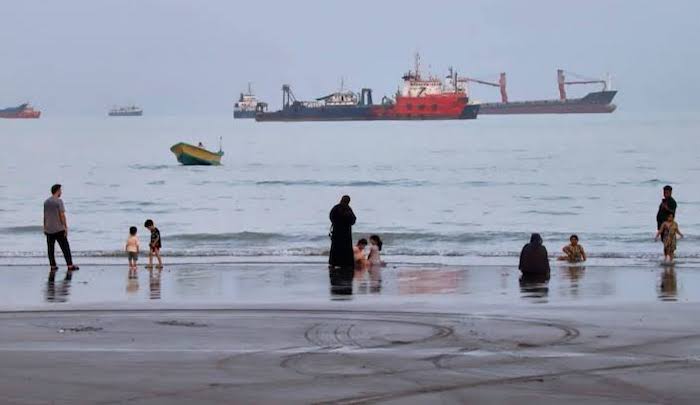
Saudi Arabia’s national shipping company, Bahri, has confirmed that two Filipino seafarers were killed in a security incident involving its vessel, SIDR, while it was transiting the Strait of Hormuz on Monday, August 31, 2026. The company said the incident occurred at approximately 11:40 pm local time (19:40 GMT). The Philippines Department of Migrant Workers (DMW) confirmed the deaths and provided additional details. Migrant Workers Secretary Hans Leo Cacdac said the vessel was hit by unidentified projectiles as it was about to cross the strait, sparking a fire that the crew managed to contain. There were 16 Filipino seafarers on board the SIDR at the time of the attack. The 14 surviving crew members have been brought ashore in Oman, and arrangements are being made to repatriate all 16, including the remains of the two who were killed.
According to shipping intelligence firms Marisks and Kpler, two supertankers carrying Saudi crude were struck by unknown projectiles within minutes of each other while transiting outbound through the Strait of Hormuz late on Monday. The Saudi Arabian-flagged SIDR was struck by “unknown projectiles” at approximately 19:52 UTC about 16 nautical miles (30km) northeast of Khasab, Oman. Minutes later, the Liberian-flagged Senegal Prosperity was reportedly struck by three unknown projectiles approximately 17 nautical miles east of Khasab; all crew aboard that vessel were reported safe. The United Kingdom Maritime Trade Operations (UKMTO) agency also reported that a tanker had been struck by three unidentified projectiles while outbound through the Strait of Hormuz, in what appeared to be the same incident. Marisks described the near-simultaneous incidents as “a further escalation in the threat environment within the Omani corridor.”
READ ALSO:
- Lagos households to get 36GB monthly data as FG launches TV audience measurement
- NFF crisis: FIFA delays approval of Normalisation Committee, plans Nigeria visit
- Two Grandfathers Among Five Arrested Over Alleged Motorcycle Theft Syndicate in Calabar
The attack comes amid rapidly escalating tensions between the United States and Iran over the strategic waterway. Saudi Arabia condemned what it described as “Iran’s targeting of the Saudi tanker” and stressed the need to “respect the security and safety of international navigation.” However, Iran’s Revolutionary Guards claimed that two oil tankers caught fire after striking mines while transiting an “illegal route” through the Strait of Hormuz. The US military denied Iran’s claim, with US Central Command stating: “No ships have hit mines in the Strait of Hormuz. This is yet another IRGC attempt to intimidate regional commercial shipping through disinformation.”
Secretary Cacdac said the Philippine Embassy and the Migrant Workers Office in Oman are coordinating with Omani authorities for the immediate repatriation of the surviving crew. He said he would make personal visits to the families of the two deceased seafarers within 48 hours. The DMW remains on red alert as the Strait of Hormuz continues to be considered a high-risk, war-like zone. Cacdac said 31 ships carrying 421 seafarers have been attacked in the Strait of Hormuz since February 28, 2026. Of these, 406 seafarers were unharmed, 10 were injured but have recovered, three died and one remains officially missing.
The attack on the SIDR is not an isolated incident. About a month earlier, another Bahri vessel, the Wedyan supertanker, was hit near the strait while sailing close to Oman’s coast. Additionally, two other Bahri vessels, AMZAN and MASA, were attacked in the Red Sea after the Iran-backed Yemen’s Houthis declared a naval blockade against Saudi Arabia. Bahri extended its condolences to the families, loved ones, and colleagues of the two seafarers and said it was providing full support to those affected. The company said it remained in continuous contact with the vessel and was coordinating closely with relevant authorities and maritime industry stakeholders while monitoring developments. Bahri stressed that the safety and well-being of its personnel remained its highest priority.
Two Filipino Seafarers Killed in Strait of Hormuz Tanker Attack
-
 metro3 days ago
Lagos Govt Warns Husbands: Forcing Sex on Wife Can Lead to Life Imprisonment
-

 metro3 days ago
Lagos pensioners tear-gassed during protest as Sowore demands justice
-

 Education2 days ago
JAMB, WAEC introduce one-off ₦4,000 WASSCE result verification for admission seekers
-

 News3 days ago
Ilorin Youth Group Demands Disbandment of Iru-Ekun Over Alleged Obstruction of Tani-Olohun’s Arrest
-

 Politics3 days ago
Gunmen kill Kano APC chairman, two others in fresh Bebeji attack
-

 Politics3 days ago
2027: Donald Duke warns divided opposition could hand Tinubu victory
-

 Auto1 day ago
Uber exits Nigeria after 12 years
-

 Politics3 days ago
APC Defends Betta Edu’s Appointment to Tinubu 2027 Campaign: “It’s an Internal Party Affair”