
International
Ukraine, using captured Russian tanks, firms up its lines

KYIV, Ukraine (AP) — Ukraine is now deploying captured Russian tanks to solidify its gains in the northeast amid an ongoing counteroffensive, a Washington-based think tank said Tuesday, as Kyiv vowed to push further into territories occupied by Moscow.
The Institute for the Study of War, citing a Russian claim, said that Ukraine had been using left-behind Russian T-72 tanks as it tries to push into the Russian-occupied region of Luhansk.
“The initial panic of the counteroffensive led Russian troops to abandon higher-quality equipment in working order, rather than the more damaged equipment left behind by Russian forces retreating from Kyiv in April, further indicating the severity of the Russian rout,” the institute said.
Earlier this month, Ukraine launched its counteroffensive, pushing into territory around its second-largest city of Kharkiv. Videos and photos showed Ukrainian troops seizing tanks, ammunition and other weaponry left behind by Moscow in an apparently chaotic withdrawal.
In the counteroffensive’s wake, Ukrainian officials found hundreds of graves near the once-occupied city of Izium. Yevhenii Yenin, a deputy minister in Ukraine’s Internal Affairs Ministry, told a national telecast that officials exhuming the dead there found bodies “with signs of violent death.”
READ ALSO:
- King Sunny Ade Agrees to Meet Woman Claiming to Be His Daughter
- Obi links govt officials to oil theft, seeks total overhaul of security architecture
- Students to Take ASUU Strike Protest to Seaports, Third Mainland Bridge
“There are many of them,” Yenin said. “These are broken ribs and broken heads, men with bound hands, broken jaws and severed genitalia.”
Ukrainian officials also have alleged Russian forces tortured people in occupied areas, including shocking them with radio telephones dating back to the Soviet era. Russia has repeatedly denied abusing or killing prisoners, though Ukrainian officials found mass graves around the city of Bucha after blunting a Russian offensive targeting Kyiv at the start of the war.
Meanwhile, a Ukrainian push continues in the south of the country. The institute, citing the Ukrainian military, said Kyiv had destroyed ammunition depots, two command posts and an electronic warfare system.
Ukraine’s southern military command said early Tuesday its troops sank a Russian barge carrying troops and weapons across the Dnipro River near the Russian-occupied city of Nova Kakhovka. It offered no other details on the sinking of the barge in Ukraine’s Russian-occupied Kherson region, which has been a major target as part of Kyiv’s ongoing counteroffensive in the country.
In other developments:
— The website of a prominent Russian mercenary group apparently was targeted by hackers. The Wagner Group’s website couldn’t be reached Tuesday morning. Late Monday, the IT Army of Ukraine, a group of hackers supporting Kyiv, posted a screenshot apparently showing the website had been replaced with images of dead Russian soldiers.
— Moscow has likely moved its Kilo-class submarines from their station on the Crimean Peninsula to southern Russia over fears about them being struck by long-range Ukrainian fire, the British military said Tuesday. In a daily intelligence briefing, the British Defense Ministry said those submarines had “almost certainly” been moved to Krasnodar Krai in mainland Russia, instead of a naval base at Sevastopol on the Crimean Peninsula.
“This is highly likely due to the recent change in the local security threat level in the face of increased Ukrainian long-range strike capability,” the British said. “In the last two months, the fleet headquarters and its main naval aviation airfield have been attacked.”
AP






International
US, Iran Set to Sign Peace Deal June 19 in Switzerland as Hostilities Cease
US, Iran Set to Sign Peace Deal June 19 in Switzerland as Hostilities Cease
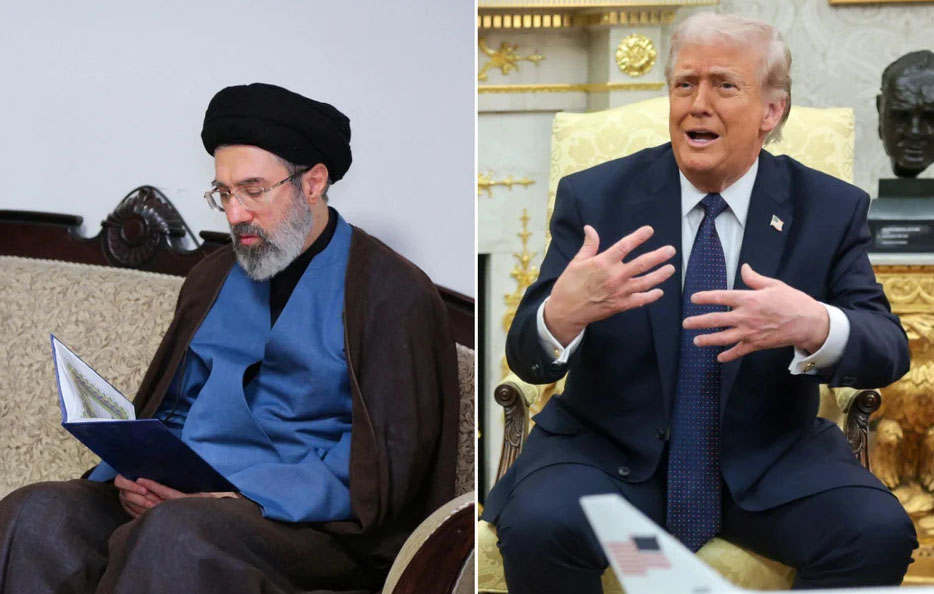
GENEVA, Switzerland — In a landmark diplomatic breakthrough, the United States and Iran have reached a historic peace agreement aimed at ending nearly four months of military confrontation that threatened to destabilize the entire Middle East. The formal signing ceremony is scheduled to take place on Friday, June 19, 2026, in Switzerland, following intensive mediation efforts led by Pakistan with support from Qatar, Saudi Arabia, and Türkiye.
The agreement, structured as a Memorandum of Understanding (MoU) , is expected to establish an immediate and permanent cessation of military operations on all fronts, including in Lebanon, once signed. It also provides for the reopening of the strategic Strait of Hormuz, a vital chokepoint for global oil supplies, and sets the stage for a 60-day negotiation period to address outstanding issues, including Iran’s nuclear programme and comprehensive sanctions relief.
Pakistani Prime Minister Shehbaz Sharif announced the breakthrough on social media, confirming that both nations had agreed to a peace framework following weeks of intense back-channel diplomacy. Shortly thereafter, US President Donald Trump confirmed the deal on his Truth Social platform, writing: “The Deal with the Islamic Republic of Iran is now complete. Congratulations to all! I hereby fully authorize the toll free opening of the Strait of Hormuz, and, simultaneously herewith, authorize the immediate removal of the United States Naval blockade. Ships of the World, start your engines. Let the oil flow.” The actual signing, however, awaits the formal ceremony on June 19.
The final draft of the memorandum covers a wide range of critical issues that had kept the region on edge for months. Under the pending agreement, Iran is expected to immediately reopen the Strait of Hormuz to all commercial vessels upon signing. In return, the United States will lift its naval blockade on Iranian ports, with implementation to be completed within 30 days of the signing. The waterway, which handles a substantial share of the world’s oil exports, will be restored to full commercial traffic. News of the anticipated reopening has already prompted a decline in global oil prices as markets react positively to expectations of improved regional stability.
Both sides are expected to declare the immediate and permanent termination of military operations on all fronts, including in Lebanon, where Iranian-backed Hezbollah forces had been engaged in cross-border clashes with Israeli forces. The ceasefire is expected to be unconditional and take effect immediately upon signing.
READ ALSO:
- Police Foil Kidnap Attempt, Rescue Nine Victims on Katsina–Kankara Road
- Edo Gov Okpebholo Orders Probe Into Benin Vegetable Market Kidnapping
- Late Gen. Rabe’s Son Denies Claim Father Had Diabetes, Says Mother Still in Captivity
The United States has agreed not to impose any new sanctions on Iran until a final deal is reached. Additionally, the US will waive oil sanctions on Iran for a specified period, allowing Tehran to sell oil and receive revenue. Most significantly, the US has agreed to release approximately $25 billion of Iran’s frozen assets, to be delivered through a combination of direct cash transfers, cooperation among regional countries, and financial credit lines. A separate reconstruction and development plan for Iran is to be defined within the 60-day negotiation window that follows the signing.
The nuclear question — perhaps the most sensitive issue in US-Iran relations — has been addressed in a phased manner. Tehran has agreed that it will neither produce nor acquire nuclear weapons. Pending a final agreement, Iran will maintain the nuclear status quo, including refraining from enriching uranium and not expanding nuclear facilities. The United States, for its part, has agreed that Tehran will be permitted to dilute its highly enriched uranium stockpile inside Iran, with a specific mechanism to be discussed during the 60-day negotiation period after the June 19 signing.
Despite the celebratory announcements, significant differences in how the two sides interpret the agreement have already emerged — raising questions about the durability of the peace framework. Iranian Deputy Foreign Minister Kazem Gharibabadi confirmed that a final text had been agreed upon and would be signed in Switzerland on June 19. However, he emphasized that Iran’s entry into the 60-day negotiation period is conditional upon US fulfilment of its initial commitments — specifically, ending all hostilities, lifting the naval blockade, and releasing frozen Iranian assets. “This memorandum of understanding does not mean trusting the enemy,” Gharibabadi said. “We will monitor the implementation of US commitments.” On the nuclear issue, Iranian media reported that Tehran has not accepted any new nuclear obligations under the agreement, with nuclear issues to be addressed only during the 60-day negotiation period following the signing ceremony. A Trump administration official, however, offered a markedly different interpretation, stating that the draft agreement includes the removal and destruction of Iran’s nuclear materials and the dismantling of its nuclear program, with sanctions relief tied to verified compliance by Tehran. This discrepancy suggests that the 60-day technical negotiation period, far from being a mere formality, could become a contentious battleground where the true contours of the deal are fought out.
The international community has largely welcomed the deal, while some observers have expressed skepticism about its long-term viability. In a joint statement, the leaders of France, Britain, Germany, and Italy congratulated the United States, Iran, Pakistan, Qatar, and other mediators on the “diplomatic breakthrough.” “This is a moment of opportunity to restore regional stability and stabilise the global economy,” the statement read. “It is now vital that the detailed negotiations are concluded and this agreement is implemented rapidly and comprehensively. We are ready to support that effort.” The European leaders stressed that Iran must never acquire a nuclear weapon and said they were “prepared to lift relevant sanctions in response to clear, verifiable steps by Iran on its nuclear programme.” UN Secretary-General Antonio Guterres hailed the deal as a “critical step” towards resolving the war in the Middle East, expressing hope that the parties would build on this new momentum. Turkish Foreign Minister Hakan Fidan said the agreement “constitutes an important milestone on the path to establishing lasting peace and stability in the region.”
READ ALSO:
- Abdulsalami Reveals Why Ojukwu Rejected Gowon as Nigeria’s Leader
- How Abacha’s ‘Kitchen Cabinet’ Tried to Oust Me, Pushed for Babangida’s Arrest — Abdulsalami
- Grand Chief Imam of Oyo Land Celebrates Ambassador Victor Adeleke, Praises His Service, Humility
Not everyone has greeted the deal with enthusiasm. Some political figures in both the United States and Israel have expressed caution, questioning whether the agreement can withstand future challenges. Ben Rhodes, who served as a speechwriter during the Obama administration’s 2015 nuclear negotiations with Iran, said the new deal leaves an emboldened Iranian regime at great cost to the world. “This deal reopens a body of water that was open before the war and begins a nuclear negotiation far narrower than what Trump was seeking before the war,” he wrote on X. Former Republican congressman Adam Kinzinger, a longtime Trump critic, wrote on social media: “Iran is now rich and will control the strait while selling their oil on the open market. I was critical of Obama’s deal, but this makes that look amazing in comparison.”
Israel, which was not party to the negotiations, has expressed deep concerns about the deal’s implications for its security. Prime Minister Benjamin Netanyahu’s government has publicly supported efforts to end hostilities between Washington and Tehran but warned that certain terms of the agreement could undermine Israeli security. Israeli officials have expressed concern that Iran may be receiving significant concessions without making sufficient commitments on its nuclear activities. There are also questions about whether Hezbollah-related issues in Lebanon have been adequately addressed. Israel has maintained that its confrontation with Hezbollah is separate from the US-Iran arrangement and that it reserves the right to act in its own defense. Reports have emerged of growing tensions between Trump and Netanyahu, with Trump reportedly criticizing Israeli airstrikes in Beirut that occurred while the United States and Iran were nearing a peace agreement — strikes that nearly derailed the negotiations in their final hours.
The anticipated reopening of the Strait of Hormuz is viewed as one of the most significant aspects of the pending agreement. The waterway is a critical route for global energy supplies, handling approximately 20% of the world’s oil exports. News of the breakthrough has already prompted a decline in oil prices as markets react positively to expectations of improved regional stability and increased supply. Asian stocks have moved higher amid expectations that energy exports through the Strait of Hormuz could gradually resume once the agreement is signed. Shipping and logistics companies, which had been forced to reroute vessels around the Cape of Good Hope at significant cost, have already begun planning for the resumption of normal transit through the waterway pending the June 19 signing.
While the agreement marks a significant step towards peace, several complex issues remain unresolved. Negotiators are expected to spend the coming weeks after the signing discussing Iran’s nuclear activities, including the future of its centrifuges and heavy water reactor; comprehensive sanctions relief, including the scope and timeline for lifting UN and EU sanctions; the verification and monitoring regime to ensure Iranian compliance; the mechanism for diluting Iran’s enriched uranium stockpile inside the country; and a reconstruction and development plan for Iran’s economy. The 60-day technical negotiation period is scheduled to begin after the June 19 signing ceremony, though Iran has insisted that it will only enter these talks after verifying that the United States has fulfilled its initial commitments regarding ending hostilities, lifting the blockade, and releasing frozen assets. Iranian Deputy Foreign Minister Kazem Gharibabadi has repeatedly emphasized that entering into 60 days of negotiations is conditional upon the fulfilment of these commitments by the United States. This conditionality means that any delay or perceived non-compliance by Washington between the signing and the start of talks could unravel the entire framework before substantive negotiations even begin.
All eyes now turn to Switzerland, where on Friday, June 19, 2026, the formal signing ceremony is expected to take place. Further details will likely emerge once both parties officially endorse the agreement and the full text of the memorandum of understanding is made public.
US, Iran Set to Sign Peace Deal June 19 in Switzerland as Hostilities Cease
International
Iran to US: No Deal Unless We Keep Enriching Uranium & Controlling Hormuz
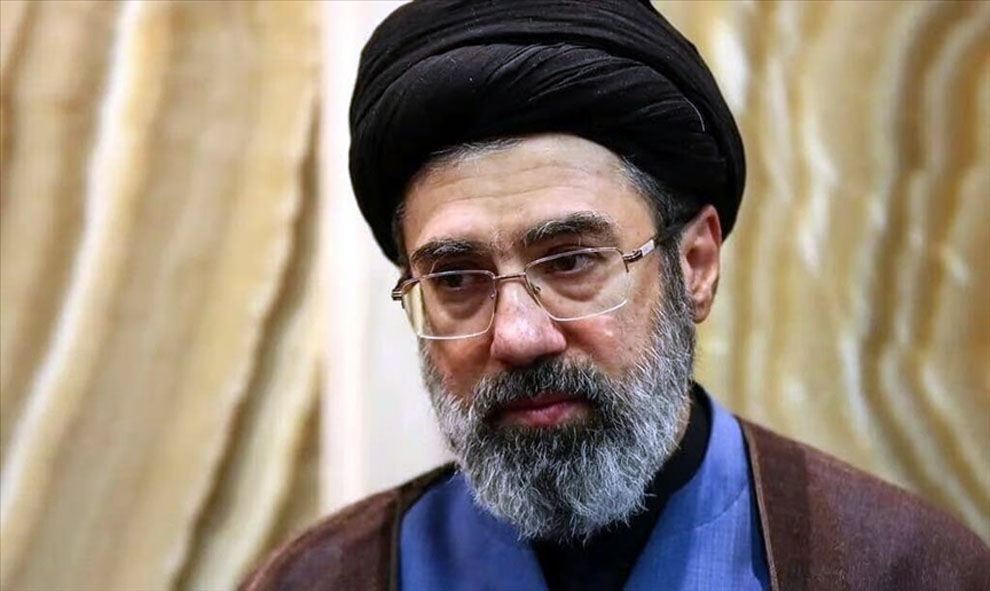
Iran to US: No Deal Unless We Keep Enriching Uranium & Controlling Hormuz
TEHRAN / WASHINGTON – Iran has drawn a firm red line under any future agreement with the United States: its right to enrich uranium is non-negotiable, and it alone will manage the strategic Strait of Hormuz. The declaration came Friday, directly contradicting assurances U.S. President Donald Trump reportedly gave to Israeli Prime Minister Benjamin Netanyahu.
Despite Trump’s claim that a draft deal has been approved at the “highest levels” in Tehran, Iranian state media insist that no final accord will be signed unless it explicitly preserves the Islamic Republic’s nuclear sovereignty and control over the Gulf’s critical oil and gas chokepoint.
Following weeks of indirect negotiations in Oman aimed at ending the war triggered by U.S.-Israeli strikes on Iran on February 28, a ceasefire took effect in April. However, sporadic violence has continued to threaten a return to all-out conflict. Now, as both sides finalize a 60-day negotiation window, Iran’s official IRNA news agency has outlined the country’s unyielding stance.
On the nuclear front, Iran insists its right to enrich uranium and retain existing stockpiles of enriched material will be “emphasised with a view to their inclusion in the final agreement.” This directly rebuts Israel’s claim that Trump promised to strip Iran of all enriched nuclear matter. Regarding maritime security, Tehran demands to maintain control over the Strait of Hormuz, including the right to grant or deny vessels passage. Since the war began, Iran has blockaded the waterway, allowing only a trickle of ships through after they obtain permission from Iranian armed forces. According to the Mehr News Agency, which published what it said was a draft memorandum of understanding (MoU), Iran assumes “no new nuclear obligations” and will not cede management of the strait or restore conditions that existed prior to the U.S.-Israeli military aggression.
READ ALSO:
- Sowore Collapses as Tear Gas Disrupts Democracy Day Protest in Abuja
- Oil Prices Slide as Trump Hints at Breakthrough in Iran Negotiations
- Driving 756km to watch soccer god, Messi
- Publicity Helps Terrorists, Not Victims — Reno Omokri Warns
While Trump told reporters a draft deal had been “brought to the highest level of Iranian leadership and approved,” the text circulating in Tehran includes demands that Washington has yet to publicly endorse. The draft MoU reportedly includes several key provisions. First, it calls for a “decisive end” to the conflict across all fronts, including Lebanon, rather than a simple extension of the fragile ceasefire. Second, it demands the release of **$24 billion** in Iranian assets held abroad, with half of that sum ($12 billion) required to be released before final negotiations can even begin. Third, it seeks a suspension of U.S. sanctions on Iranian oil and petrochemical sales, alongside a complete lifting of the U.S. naval blockade on Iranian ports that has been in place since April 13. Fourth, it includes a demand that the U.S. and its allies pay war reparations and present a $300 billion reconstruction plan for Iran. Finally, regarding the strait, the draft specifies that the waterway would be managed via a mechanism between Iran and Oman, with no role for the United States.
Prime Minister Benjamin Netanyahu’s office quickly pushed back against the Iranian narrative. After speaking with Trump, Netanyahu reiterated that the U.S. president had vowed any agreement would include the removal of all enriched nuclear material from Iran and the dismantling of its missile infrastructure. “As long as I am the Prime Minister of Israel, Iran will not have nuclear weapons,” Netanyahu said Friday.
On the streets of Tehran, the prospect of a deal has been met with wary skepticism. “I am not sure how I feel,” a 29-year-old cafe worker in the Iranian capital told AFP, speaking on condition of anonymity for fear of retribution. “The main purpose of this war was for the US to remove the system, and this did not happen. So what does a deal do?”
Despite Trump’s optimism—which has briefly boosted stock markets and lowered oil prices—Iran’s uncompromising stance on uranium enrichment and Hormuz control suggests that a final agreement is far from guaranteed. The next 60 days of indirect talks will determine whether the U.S. can accept Tehran’s conditions or if the region will slide back toward military confrontation.
Iran to US: No Deal Unless We Keep Enriching Uranium & Controlling Hormuz
International
Oil Prices Slide as Trump Hints at Breakthrough in Iran Negotiations
Oil Prices Slide as Trump Hints at Breakthrough in Iran Negotiations
Global oil prices fell sharply on Friday after U.S. President Donald Trump indicated that negotiations with Iran were nearing a breakthrough, easing fears of a prolonged disruption to global energy supplies and boosting hopes of stability in the Middle East.
The decline saw Brent crude oil fall to about $87 per barrel, while West Texas Intermediate (WTI) traded around $84.50 per barrel. The drop came after several days of gains driven by escalating tensions between Washington and Tehran, which had pushed oil prices above the $90-per-barrel mark earlier in the week.
Speaking at the White House, Trump expressed confidence that diplomatic efforts were yielding results and suggested that a formal agreement with Iran could be reached in the coming days.
“We have essentially ended the war with Iran,” Trump said, adding that discussions were progressing toward a settlement that could significantly reduce tensions across the region.
The remarks marked a dramatic shift from previous statements by the U.S. president, who had earlier threatened military action against Iran and suggested possible strikes on key oil export infrastructure, including Kharg Island, the terminal responsible for handling most of Iran’s crude shipments.
The prospect of a diplomatic resolution immediately calmed energy markets, with traders reducing the geopolitical risk premium that had been built into oil prices since the crisis intensified.
READ ALSO:
- Driving 756km to watch soccer god, Messi
- Publicity Helps Terrorists, Not Victims — Reno Omokri Warns
- Mexico Defeat South Africa 2–0 in Chaos-Filled World Cup Opener
- NSCIA Rejects Claims Linking Nigerian Muslims to Banditry, Kidnapping
A major factor behind the market reaction was renewed optimism over the future of the Strait of Hormuz, one of the world’s most strategically important shipping lanes. The waterway serves as a critical route for nearly 20 percent of global oil and liquefied natural gas exports.
Concerns that conflict could disrupt shipping through the strait had fuelled fears of supply shortages and triggered a surge in crude prices over the past week. Trump’s latest comments, including suggestions that the passage could soon reopen fully to normal traffic, helped reverse those gains.
Despite the pullback, analysts caution that oil prices remain significantly above pre-crisis levels. Before tensions escalated, crude traded within the $70–$72 per barrel range. Market experts say prices are unlikely to return to those levels unless a comprehensive agreement is reached and normal oil flows through the Gulf are restored.
Iranian officials have also urged caution, noting that negotiations are still ongoing and that no final deal has been signed. The uncertainty means markets could remain volatile until concrete details emerge from the talks.
Energy analysts warn that any setback in negotiations or renewed threat to shipping in the Gulf could quickly push crude oil prices higher again. Conversely, a successful agreement could boost global supply, ease inflationary pressures, and provide relief for energy-importing countries struggling with high fuel costs.
Investors worldwide are now closely monitoring developments between Washington and Tehran, with the outcome expected to have significant implications for global oil markets, energy security, and the broader world economy.
Oil Prices Slide as Trump Hints at Breakthrough in Iran Negotiations
-
 metro2 days ago
Kidnapped Retired Major General Rabe Abubakar Dies in Bandits’ Captivity
-

 metro2 days ago
How Kidnap of Adelabu’s Sister, Twins Was Planned – Suspects Confess Insider Role
-

 metro3 days ago
Bandits Tie Women With Hijabs, March Them Into Forest in Sokoto Mass Abduction
-

 Opinion2 days ago
Death of Retired General in Captivity Sparks Fresh Concerns Over Nigeria’s Security Crisis
-

 metro3 days ago
Sowore Collapses as Tear Gas Disrupts Democracy Day Protest in Abuja
-

 Politics3 days ago
No Election Is Perfect Anywhere – Fashola Tells Opposition to Accept Results
-

 Business3 days ago
Facebook, Instagram Global Outage: Over 130,000 Reports as Millions Logged Out
-

 Politics2 days ago
BREAKING: Atiku Picks Amaechi As Running Mate For 2027 Presidential Election