

metro
Naira Redesign: 3 governors under EFCC watch for Stashed Cash

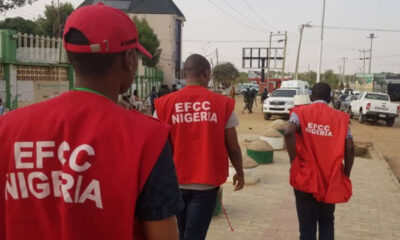
Three serving state governors are being monitored over their moves to launder stashed billions of naira through table payment of salaries to workers, Chairman of the Economic and Financial Crimes Commission (EFCC), Abdulrasheed Bawa, told Daily Trust in an exclusive interview on Thursday.
He said raid on Bureau De Change operators will be sustained, urging Nigerians to support the system, for the benefit of all.
Daily Trust reports that the Central Bank of Nigeria (CBN) had on October 26 announced that the country’s currency would be redesigned to address many issues that have negative effects on the economy.
While the re-designed notes would be released on December 15, Nigerians have up to January 31, 2023, to deposit the old notes in banks. However, the mad rush by top politicians, traders, investors and other members of the public to cut corners and convert stashed funds into dollars, property and others, has created tension in the economy.
CBN Governor, Godwin Emefiele, had said the move was to counter-terrorism financing and hoarding of banknotes by members of the public. The apex bank is to redesign the N200, N500 and N1, 000 notes.
READ ALSO:
- Immigration Arrests Suspects With 29 Cartons Of Hard Drugs At Jigawa Border
- 38-year-old Nigerian man, lover arrested over romance scam in Philippines
- Pa Fasoranti denies taking over Afenifere leadership, says Adebanjo remains the head
Checks by this paper showed that a dollar was selling at N882 in Abuja on the black market yesterday, despite several raids by the operatives of the EFCC in Lagos, Kano and Abuja.
Sources told this paper that BDC operators are mopping up dollars from states as the scarcity of the currency bites harder.
In an exclusive interview with this paper yesterday, the EFFCC chairman disclosed that some governors are all out devising means to launder money they stashed in houses. He said so far, they are closely monitoring three of them.
Bawa, who refused to disclose the identity of the three governors, however, said two of them are from the North, while the 3rd one is from the southern part of the country.
He said intelligence at the disposal of the commission, showed that the three governors have concluded plans to inject the money into the system through table payment of their state workers’ salaries.
“Let me tell you something, the Intel that I have yesterday and I would want you to take this thing very seriously. Already, some state governors that have some of this cash stashed in various houses and the rest are now trying to pay salaries in cash in their state,” he said. Asked whether the commission would summon the governors, the EFCC chair said they are closely monitoring them.
He added that “I don’t know how they want to achieve that but we have to stop them from doing that. Well, we are working, they have not paid the salaries in cash yet but it is a very serious thing”, saying the move is against section 2 of the Money Laundering Prohibition Act.
“The law is very clear regarding cash transactions. Anybody that is to consummate any cash transaction as an individual, if it is not through a financial institution must not be above N5million and if it is above that it is criminal for you to engage in such transaction. And for corporate entities it is N10million.
“Yes, I agree the salaries are not up to that but why are you all of a sudden, and all along you have been paying people salaries through their bank accounts and now you want to pay them in cash, what are you trying to do? They will come under a lot of guises, they are trying to do verification of officers, that is what we have gotten,” he said.
Disposing of stashed funds through property
The EFCC boss also confirmed the mad rush by some people to dispose of their stashed funds by buying property.
READ ALSO:
- TETFund Contractor Muhammad Zanna Vanishes After Receiving Supplies for Bida Poly Contract
- Emirates suspends flights to Nigeria again over trapped funds
- Arrest embarrassing naira depreciation now, Clark tells CBN
“We are aware of that. Even if you dispose of your property and you receive cash, for that cash to be of value to you after January 31, 2023, you have to take it to the bank; so what happened, are you coming to the bank with those millions? That is why we are working with the bankers and if you have this information let us know about it,” he said.
Raids of BDCs to continue
He said the raids of BDC operators would continue. This he said, is very important to protect the system against the laundering of stashed funds.
“They (BDCs) are very important in the sense that a lot of people that have this naira cash, will want to convert them to USD or other foreign currencies, that is why they are very important.
“And based on the known gullibility of these people (BDCs), they are willing to accept this cash from the owners of these monies and they are willing to depart with the foreign currencies that they have and so that is why they are very important and very critical to us in this project that we said to ourselves that we are going to do,” he said. When Bawa’s attention was drawn to the fact that the dollar was rising despite the EFCC raids, he said it is a function of demand and supply.
“The truth of the matter here is just a simple function of demand and supply, people are rushing this commodity not that they are going to use it for any meaningful business engagement but they are just rushing for it, just a store of value, that is what is happening.
“And what they say in economics is the higher the demand, the higher the price; so people are just seeing USD or other hard currencies just the way that they are seeing gold, to get it exchanged and store their value,” he said.
Why I met chief compliance officers of banks
On why he met chief compliance officers of banks in Lagos recently, he said the parley was part of efforts to properly monitor the system and to seek their collaboration in respect of the likelihood of people bringing in their illegitimate funds back to the system.
“We knew a lot of people are hoarding these funds, it is with them and they will always find a way of trying to bring it back to the system.
“So, irrespective of what they use their cash for, whether they exchange it for dollars, whether they use it to purchase houses for those that are willing to accept cash, it has to eventually come back to the financial institution. So, irrespective of what you do, the banks are very important and critical in the sense that they are the end recipients of this cash.
“The owner of BDC must deposit the money he exchanged for the currency he did, the owner of real estate must also do the same and all of that. So, we sat down, we deliberated and we agreed on what to do. Everybody is happy about it,” he said.
No need for panic
He, however, urged Nigerians to be calm, saying “this (naira redesign) is just a routine thing that ordinarily CBN ought to have done after every eight years, the monies are going to be taken.
READ ALSO:
- INEC to spend N355bn on 2023 elections
- Immigration Nabs, Repatriates Foreigners With Voter Cards
- US University Honours Sunday Igboho With Doctoral Degree
- Bandits Gunned Down In Zamfara Market
“All that the government is saying is come and deposit the money at no cost to you; that is just what is happening, nothing more than that. “How can you have an economy where you have 85 per cent of your currency out there when you are calling for a cashless society when we have a lot of means by which people can consummate their transactions? What are you hiding? These days, people hardly go to the banks, you can transfer your money here using your app, and you can transfer your money through ATM, POS, and all of that, so why keep the money? Why are you scared of going to the bank to say that you want to deposit your money? He queried.
Daily Trust reports that in the last few days, videos of stashed naira denominations being brought out are common on social media.
Also, BDC operators in Abuja, Kano and Lagos said they have run out of US dollars as a result of increased demand.
“We don’t have the dollars anymore even though the buyers are increasing in number. Some of them are willing to buy it at N900/1$,” one of the BDC operators at Zone 4, in Abuja, said.
Asked if they were being harassed by EFCC operators, he said, “Not really, of course, there was this fear when they first came but they later explained to us that they needed our support to track unpatriotic Nigerians who want to launder proceeds of corruption.”







metro
Kano Govt Denies Yusuf’s Role in EFCC Investigation of Kwankwaso

Kano Govt Denies Yusuf’s Role in EFCC Investigation of Kwankwaso
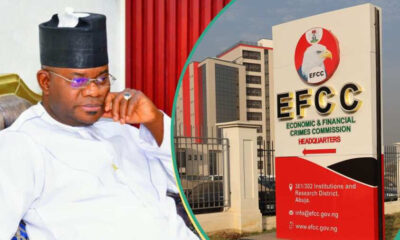
The Kano State Government has challenged former governor Rabiu Musa Kwankwaso to stop dragging Governor Abba Kabir Yusuf into his alleged dealings with the Economic and Financial Crimes Commission (EFCC), insisting that the governor has no involvement in the matter.
The government was reacting to allegations by Kwankwaso that Yusuf was using the anti-graft agency to tarnish his reputation and drag his family into political controversy ahead of the 2027 general elections.
In a statement issued on Friday, November 27, 2026, by the Commissioner for Information and Internal Affairs, Sunusi Bature Dawakin Tofa, the state government dismissed the allegations as misleading and politically motivated.
It maintained that Kwankwaso had dealings with the EFCC long before the emergence of the current administration, arguing that it was therefore wrong to associate Yusuf with an investigation that predated his government.
“The government wishes to state categorically that Governor Abba Kabir Yusuf has absolutely no involvement in Kwankwaso’s dealings with the EFCC,” the statement said.
The government also rejected Kwankwaso’s attempt to link Yusuf to the internal crisis and ongoing court cases involving the Nigeria Democratic Congress (NDC), describing the disputes as internal party matters beyond the involvement of the Kano State Government.
It accused the former governor of attempting to use Yusuf as a convenient target to attract public sympathy and maintain political relevance ahead of the 2027 elections.
Rather than blaming the state government for his political challenges, the administration advised Kwankwaso to concentrate on resolving the internal disagreements within his political camp.
“Governor Yusuf was elected to govern Kano State, not to engage in endless political arguments or take responsibility for the internal problems of other political parties,” the statement added.
The government further warned that attempts to gain public sympathy through what it described as political blackmail and unfounded allegations would not succeed.
READ ALSO:
- OK Movement Faction Withdraws Support for Obi, NDC, Pulls Nationwide Structures
- Adeleke Begins Second Term, Pledges Industrialisation, Jobs, Infrastructure
- Ex-Governor Jailed 25 Years for Murder of Pregnant Lover
“You cannot win public sympathy through blackmail and unfounded allegations,” it declared.
It also insisted that Governor Yusuf remained focused on governance, development and improving the welfare of Kano residents, adding that voters would have the opportunity to assess political actors during the 2027 general elections.
Kwankwaso had earlier accused his former political ally of attempting to use the EFCC and other government institutions to damage his reputation.
The former governor alleged that Yusuf personally submitted a formal request to the EFCC several months ago, seeking an investigation against him.
He claimed that after allegedly failing to secure action from the commission, the governor resorted to using the Society for Anti-Corruption and Good Governance Initiative (SACGGI) to mount pressure on the agency.
According to Kwankwaso, the organisation staged protests at the EFCC headquarters in Abuja as part of efforts to compel the commission to investigate him, his family and properties allegedly linked to him.
He also accused the governor and some members of his cabinet of using media platforms and selective information leaks to portray him negatively.
Kwankwaso, however, expressed appreciation to the EFCC for what he described as its professional handling of two previous invitations extended to him during his years in public service.
He maintained that he had nothing to hide, citing his record as a former Kano governor, Minister of Defence, senator and former Deputy Speaker of the House of Representatives.
The latest exchange represents another escalation in the political disagreement between Kwankwaso and Yusuf, whose relationship was instrumental in the New Nigeria Peoples Party’s (NNPP) victory in Kano State during the 2023 governorship election.
Their relationship deteriorated following Yusuf’s defection from the NNPP to the All Progressives Congress (APC) in January 2026, a development that reshaped political alignments in the state ahead of the 2027 elections.
Meanwhile, the EFCC’s handling of the petition submitted by SACGGI has become a major issue in the unfolding controversy. The organisation reportedly called on the commission to investigate the sources of funds used to acquire properties allegedly linked to Kwankwaso in Abuja, Kano and other locations.
The allegations by Kwankwaso and the response from the state government have further exposed the political tensions between the former allies as preparations for the 2027 general elections gather momentum.
Kano Govt Denies Yusuf’s Role in EFCC Investigation of Kwankwaso
metro
Ex-Governor Jailed 25 Years for Murder of Pregnant Lover
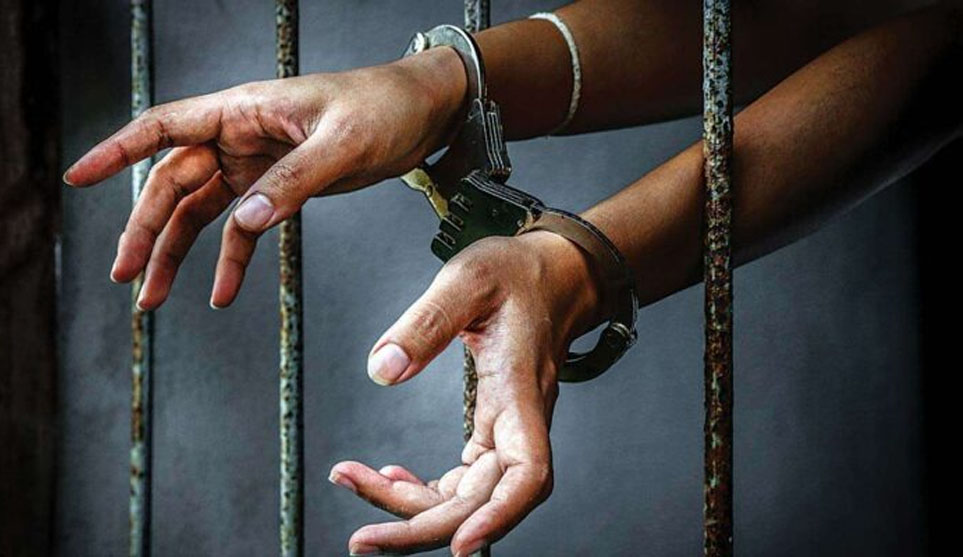
Kenyan ex-governor jailed 25 years
Former Migori County Governor Zacharia Okoth Obado has been sentenced to 25 years in prison for his role in the murder of Sharon Belyne Otieno, a 26-year-old university student who was seven months pregnant with his child.
The Kenyan High Court on Friday, November 27, 2026, handed down the sentence against Obado, alongside two former aides convicted over the September 2018 killing that shocked the country.
Obado’s former personal assistant, Michael Juma Oyamo, was also sentenced to 25 years in prison, while former Migori County clerk Caspal Ajwang’ Obiero received an 18-year jail term.
Delivering the sentences, Justice Cecilia Githua said the murder involved planning, coordination and the participation of the three defendants, who each played distinct roles in the plot.
The judge ruled that the aggravating circumstances surrounding the crime outweighed the mitigating factors presented by the convicts, rejecting their pleas for lighter and non-custodial sentences.
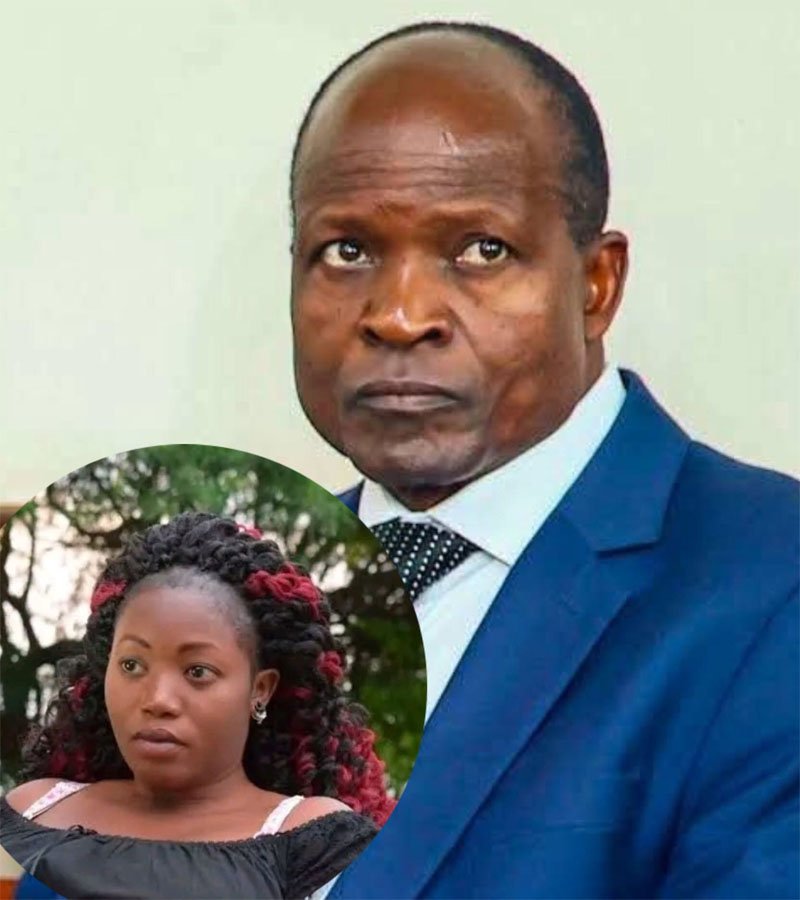
Former Migori County Governor Zacharia Okoth Obado
The court found Obado to be the principal architect of the murder, saying he supplied the motive, instigated the killing and provided financial resources to facilitate the operation.
Oyamo was found to have played a central role in coordinating the murder, including arranging meetings and luring Otieno into the trap that led to her death.
Obiero, meanwhile, was found to have provided logistical support and assisted in concealing evidence to frustrate investigators.
Justice Githua said Obado’s absence from the scene of the murder did not absolve him of responsibility, given the evidence establishing his role in planning and financing the crime.
She described the killing as particularly brutal, noting that Otieno was pregnant with the former governor’s child when she was murdered.
The judge also rejected the prosecution’s request for the death penalty and Obado’s plea for a non-custodial sentence, stressing the need for punishment, deterrence and public confidence in the justice system.
Otieno was killed between September 3 and 4, 2018, after leaving a hotel in Rongo, southwestern Kenya, with journalist Barrack Oduor, whom she had contacted to discuss her relationship with the then-governor.
READ ALSO:
- Niger Communal Violence: Bago Pledges ₦148m as 74 People Die in Kambari-Fulani Clash
- ‘Useful Errand Boy’ — Imo APC Rejects Wike’s Bid To Lead Tinubu Campaign
- Kenyan Pastor Serving 200 Years For Murder Convicted Of Terrorism-Related Charges
The pair were abducted shortly after leaving the hotel, but Oduor managed to escape by jumping out of a moving vehicle.
Otieno was later found dead in a thicket near Kodera Forest in Homa Bay County.
A post-mortem examination established that she died from strangulation and severe bleeding caused by multiple stab wounds.
The journalist’s account of the abduction became a key lead in the investigation, which eventually linked Obado and his former aides to the killing.
The three men were convicted of murder on July 23, 2026, after a lengthy trial that lasted nearly eight years.
In a surprising development before sentencing, Otieno’s parents appealed to the court to spare Obado a prison term, saying they had forgiven him and wanted him to help support the three children their daughter left behind.
Her mother, Melida Auma, reportedly told the court that sending Obado to prison would cause further emotional pain to the family, describing it as another death for them.
Her father, Douglas Zacharia Otieno, also said Obado had shown remorse and that members of his family had approached them seeking reconciliation.
However, Justice Githua ruled that the family’s plea could not override the gravity of the crime or the court’s responsibility to impose an appropriate punishment.
The court also declined to award compensation to the victim’s family, stating that there was insufficient evidence to determine the financial losses they suffered.
The sentencing marks a major development in one of Kenya’s closely watched murder cases involving a senior political figure and has renewed public debate over accountability, violence against women and the justice system.
Obado’s legal team has indicated plans to appeal the sentence.
Ex-Governor Jailed 25 Years for Murder of Pregnant Lover
metro
Plateau Attack: Death Toll Rises to 22 as Gunmen Kill Residents in Fresh Bloodbath
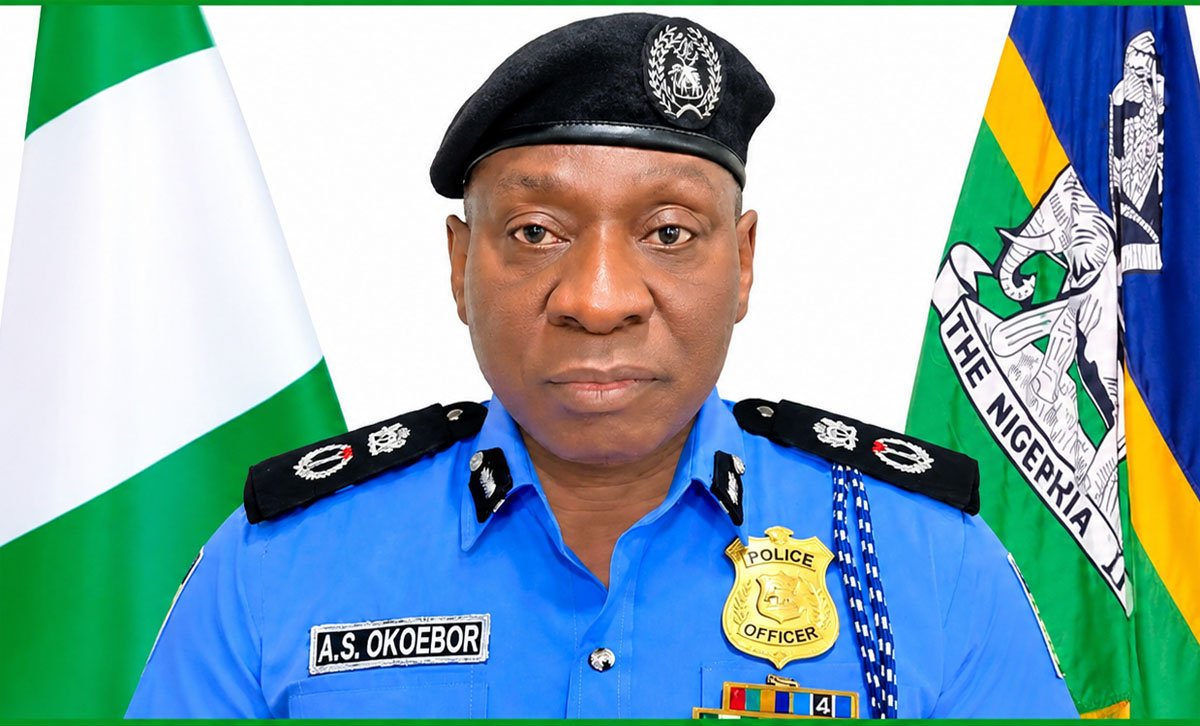
Plateau Attack: Death Toll Rises to 22 in Bassa Community
The death toll from a deadly gunmen attack on Tafi-Gana community in Bassa Local Government Area of Plateau State has reportedly risen to 22, following the discovery of additional bodies and the deaths of some victims who sustained gunshot injuries.
The attack, which occurred late on Wednesday, November 25, 2026, reportedly began around 11:30 p.m. and continued into the early hours of Thursday, leaving several residents, including women, children and elderly people, dead.
A youth leader in the community, Moses Jondo, disclosed on Friday that the casualty figure had increased from the initial 16 deaths after four injured victims reportedly died in hospital, while two additional bodies were discovered in nearby bushes during a search.
Jondo, who spoke to DAILY POST, said the latest discoveries brought the death toll to 22.
He lamented the continued violence in the area, describing the attack as devastating for residents who have repeatedly suffered deadly assaults.
Earlier reports indicated that at least 16 people were killed when armed men invaded Tafi-Gana, a hamlet of Kyie Ihwien, near Jebbu Miango in Bassa Local Government Area.
The Irigwe Development Association (IDA), which confirmed the incident, said the attackers were armed with assault rifles and other dangerous weapons and opened fire on residents.
In a statement signed by its Public Relations Officer, Sam Jugo, the association identified the initial 16 victims as Moses Oko, 70; Maingwa Zere Rangya, 60; Danladi Ishaku, 45; Luka Danladi, 21; Elisha Luka, 18; David Danladi, 10; Ishaya Goslow, 18; Lami Danladi, 30; Isi Ishaku, 18; Zhime Ngaza, 75; ThankGod Danladi, 18; Gideon Joseph, 25; Ladi Abba, 65; Ruth Istifanus, 20; Mary Keyi, 18; and Lazarus Musa, 13.
The association said four other residents sustained varying degrees of injuries and were rushed to medical facilities for treatment.
READ ALSO:
- Niger Communal Violence: Bago Pledges ₦148m as 74 People Die in Kambari-Fulani Clash
- ‘Useful Errand Boy’ — Imo APC Rejects Wike’s Bid To Lead Tinubu Campaign
- Kenyan Pastor Serving 200 Years For Murder Convicted Of Terrorism-Related Charges
The traditional ruler of the area, Nggwe Gado Dama, reportedly confirmed the attack, saying the incident had been reported to the Divisional Police Headquarters in Bassa and the commander of Sector 3 of Operation Enduring Peace.
The Plateau State Police Command also confirmed the attack, although its initial casualty figure differed from that provided by the community.
The Police Public Relations Officer, SP Alfred Alabo, said preliminary investigations indicated that armed men invaded the community and opened fire on residents, killing 17 people and injuring four others.
According to the police, officers were immediately mobilised to the scene but the assailants fled into surrounding bushes upon sighting the approaching security personnel.
The police said the injured victims were taken to hospital for medical attention, while the bodies of the deceased were deposited in a morgue pending further investigation.
The Commissioner of Police, CP Sunday Okoebor, assured residents that the command was committed to protecting lives and property and had put measures in place to prevent a recurrence.
Meanwhile, the Plateau State Government condemned the attack and disclosed that Governor Caleb Mutfwang had directed security operatives to take strategic measures to protect residents of the affected community.
The Commissioner for Information and Communication, Joyce Ramnap, said relative calm had been restored in the area, adding that the government would continue to work with security agencies, traditional institutions and other stakeholders to strengthen security and promote lasting peace.
The government also expressed condolences to the bereaved families and the Miango community, urging residents to remain calm, vigilant and law-abiding.
It warned against reprisals, inflammatory statements and the circulation of unverified information capable of escalating tensions.
The Irigwe Development Association equally appealed to residents not to take the law into their hands, urging them to allow security agencies to investigate the incident and bring those responsible to justice.
The latest attack has renewed concerns over persistent insecurity in rural communities across Plateau State, where repeated assaults have resulted in deaths, displacement and destruction of property.
Residents have continued to call on the government and security agencies to strengthen security deployments, improve intelligence gathering and ensure that communities vulnerable to attacks receive adequate protection.
Plateau Attack: Death Toll Rises to 22 as Gunmen Kill Residents in Fresh Bloodbath
-
 metro2 days ago
Oyoland Grand Chief Imam Moves to End Feud, Seeks Reconciliation Among Markaziyya, Adabiyyah, Mahdul ‘Arabi
-

 metro1 day ago
Nigerian Health Worker, 26, Found Dead in Canada After Returning From Work
-
 metro1 day ago
Phone-Tapping Claim: I Lied to Unsettle Tinubu Government – El-Rufai
-

 News3 days ago
Omokri Arrives in Mexico to Assume Duty as Nigerian Ambassador, Thanks Govt for Ministerial Reception
-

 metro1 day ago
‘I Came to Nigeria for Love, Now I’m Stranded, Begging for Rent’ — American Woman Married to Enugu Man Cries Out
-
 Politics1 day ago
BREAKING: Makinde Reportedly Agrees to Back Atiku’s Presidential Bid
-

 Politics1 day ago
2027 Presidency: ‘Atiku Should Forget His Ambition, Wait Until 2031’ – Bode George
-

 International3 days ago
Iran Flogs Singer, Four Others 74 Times Over Hijab-Free Performance