

Entertainment
African entertainers mourn as AMAA founder, Peace Anyiam-Osigwe, dies

The Nigerian and African entertainment industry has been thrown into mourning as Peace Anyiam-Osigwe, founder of African Movie Academy Awards (AMAA), is dead.
A statement from her family confirmed this on Tuesday morning but it did not disclose the cause of her death.
The Emmanuel Onyechere Osigwe Anyiam-Osigwe clan described the late filmmaker as an epitome of creative transcendence, an outstanding personality, trailblazer, titan, pathfinder, go-getter, humanitarian, one-of-a-kind creative, and visionary leader in the film and television industry.
“Peace left indelible imprints on the sands of time. We as a family and clan will continue to do all that is necessary to ensure that her legacy lives on,” the statement read.
The statement added that the Africa Movie Academy Awards and the Africa Film Academy, along with their training programmes across Nigeria and the African continent will carry on seamlessly the institutions she set up and worked for over the years with the support of the Osigwe Anyiam-Osigwe Foundation, other institutions and government agencies.
Peace reportedly died at St. Nicolas Hospital, Lagos after being in a coma since Saturday.
While colleagues and close friends, some of whom went to see her at hospital would not believe news of her demise, maintaining that she was merely in the ICU, notable movie maker, Zik Zulu broke the news.
“Our President, Peace, has passed. As at Saturday, she was reported to be in coma at Saint Nicholas. But now her family has confirmed her transition. May the memory of her life be a blessing. Rest in peace, dear Peace, he writes on a Nollywood platform.
She would be remembered as one of those who shaped the face of the new Nollywood
Peace Anyiam-Osigwe was not only the Founder of AMAA, she was also the President of the Association of Movie Producers and one of the most prominent figures in Nollywood.










Entertainment
Adunni Ade Reveals Christian Fans Unfollowed Her After Publicly Identifying as Muslim
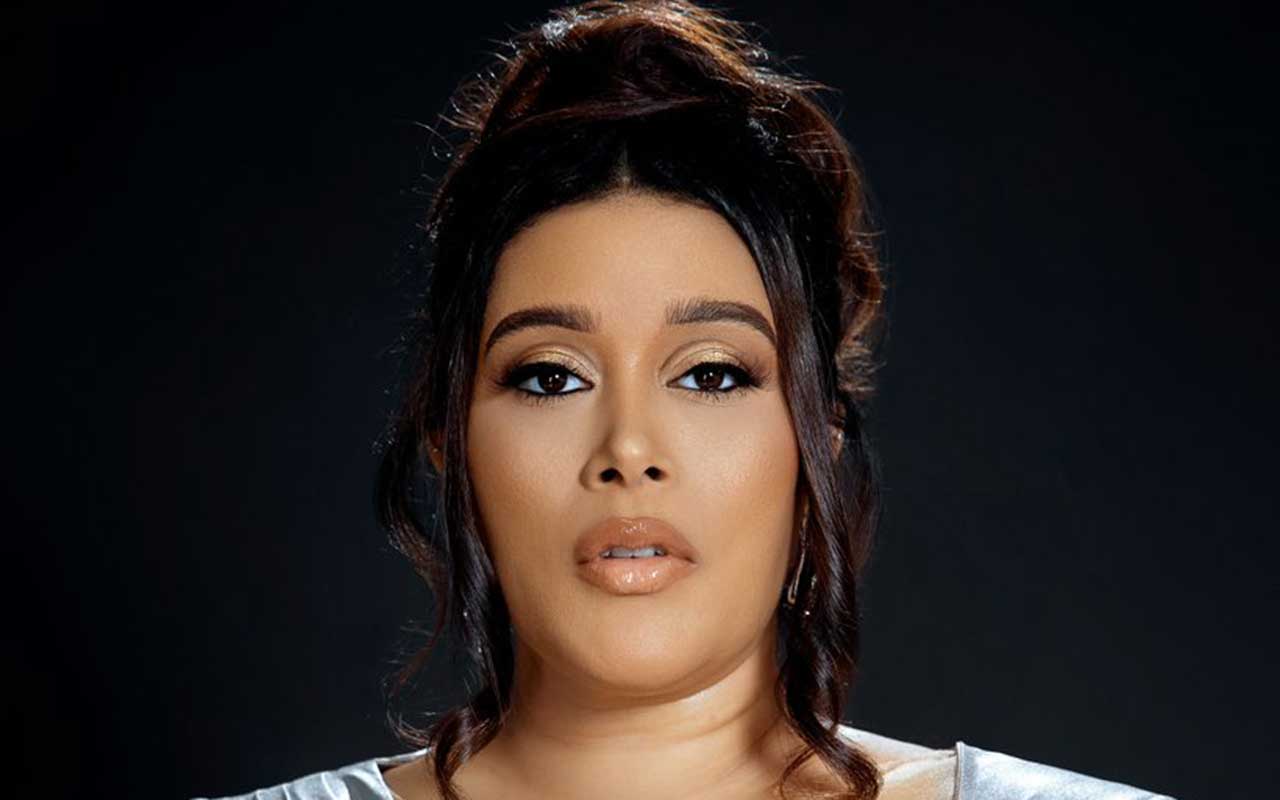
Adunni Ade Reveals Christian Fans Unfollowed Her After Publicly Identifying as Muslim
Nollywood actress Adunni Ade has opened up about the reaction she received after publicly identifying as a Muslim, revealing that some of her Christian fans unfollowed her because of her religious identity.
The actress said she initially found it difficult to openly discuss her faith because of what she described as the pressures associated with being a public figure in the Nollywood industry.
According to Ade, publicly identifying as a Muslim within the Nigerian film industry can be difficult, and she described the situation as “almost forbidden” based on her personal experience.
She explained that she eventually became tired of keeping her religious identity private and decided to be open about her faith.
Ade said the decision came with consequences, including losing some followers and receiving messages from people who questioned her choice.
“Some people unfollowed me. I got DMs from people trying to cast out spirits. Some people prayed for me,” she said while discussing her experience.
However, the actress added that she also received considerable support from Muslims, many of whom welcomed her more warmly after she publicly acknowledged her faith.
READ ALSO:
- Raphinha Runs Riot as Barcelona Thrash Racing Santander 7-2
- 2027: Sowore Rejects Utomi’s Coalition Talks, Says AAC Won’t Join Opposition Alliance
- Sani Abacha’s Son Emerges Kano PDP Governorship Candidate for 2027
Ade stressed that her decision to practise Islam should not be interpreted as an attack on Christianity or Christians.
She said she had experienced both Christian and Muslim religious environments and was not suggesting that Christianity was a bad religion. Rather, she explained that Islam was the faith that worked for her personally.
The actress’ comments have renewed attention on her long-standing and publicly discussed religious journey, which has included experiences with both Christianity and Islam.
Ade had previously spoken about her faith in 2020, explaining that she was born and raised Muslim but grew up in a family where different religious traditions were represented.
She said her father allowed his children to choose their preferred religion, while members of her extended family included both Christians and Muslims.
The actress also disclosed that she attended different Christian churches, including Mountain of Fire and Miracles Ministries (MFM), Redeemed Christian Church of God (RCCG), Christ Living Apostolic Ministry (CLAM) and Christ Apostolic Church (CAC).
Ade said she later returned to Islam on December 31, 2016, after reflecting on her religious identity and concerns about how people might react to her decision.
She said at the time that returning to Islam made her feel happier and more fulfilled.
Her religious identity also came under renewed public discussion in 2026 after she was seen attending an event at a Celestial Church of Christ in Lagos.
Following questions from social media users about whether she had returned to Christianity, Ade clarified that she remained a practising Muslim.
She explained that her presence at the church-related event was connected to her professional relationship with the celebrant and was not evidence of a change in her religion.
Ade’s latest comments therefore provide further context to a faith journey she has discussed publicly over several years.
While describing her experience as difficult at times, she maintained that her decision to openly identify as a Muslim was ultimately a personal one.
Her statement that being openly Muslim in Nollywood is “almost forbidden” reflects her personal experience and perception; it should not be taken as evidence of a formal industry-wide rule restricting actors from publicly identifying with a particular religion.
The actress’ disclosure has also highlighted the wider challenges public figures can face when personal beliefs become subjects of public discussion, particularly in an industry where celebrities often maintain diverse fan bases with different religious and cultural backgrounds.
Adunni Ade Reveals Christian Fans Unfollowed Her After Publicly Identifying as Muslim
Entertainment
BREAKING: Olu Jacobs Dies at 84, Atiku Mourns Cultural Icon
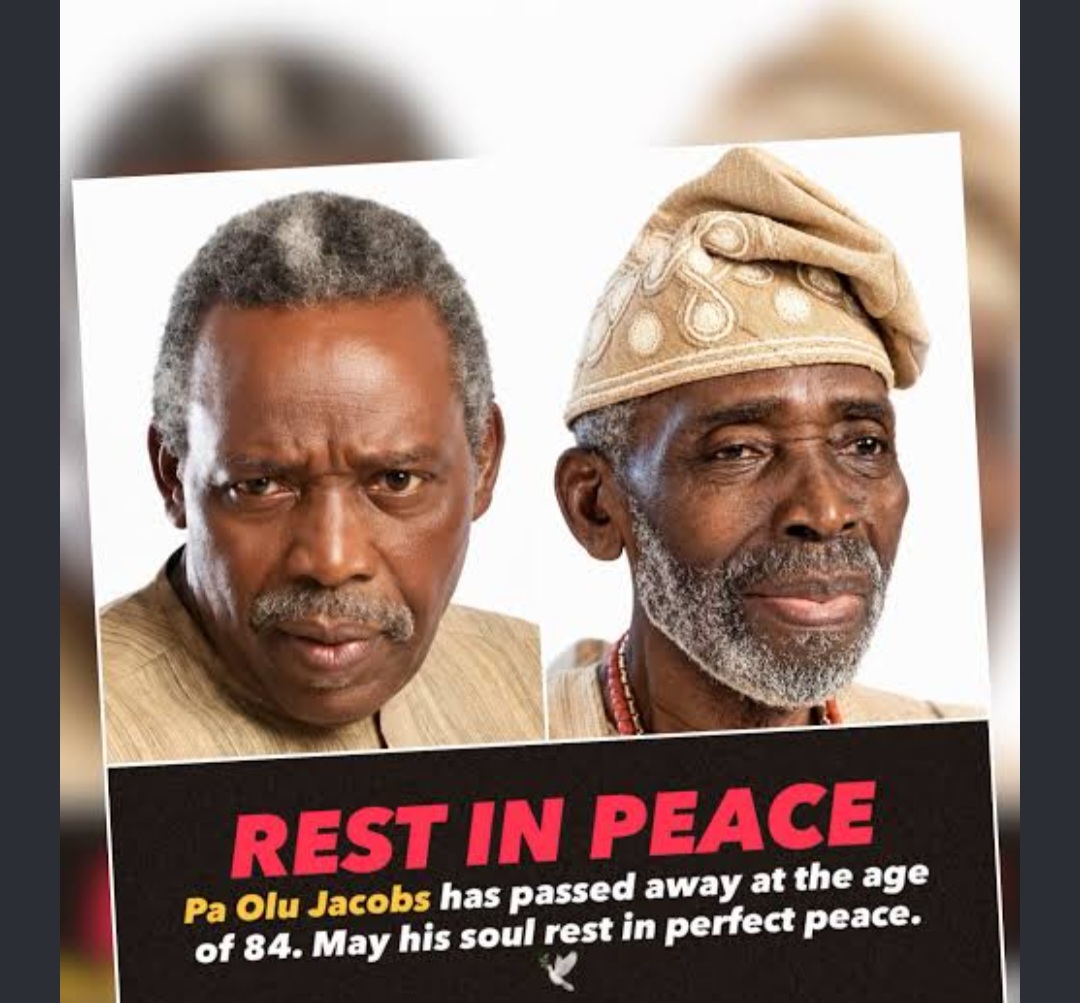
BREAKING: Olu Jacobs Dies at 84, Atiku Mourns Cultural Icon
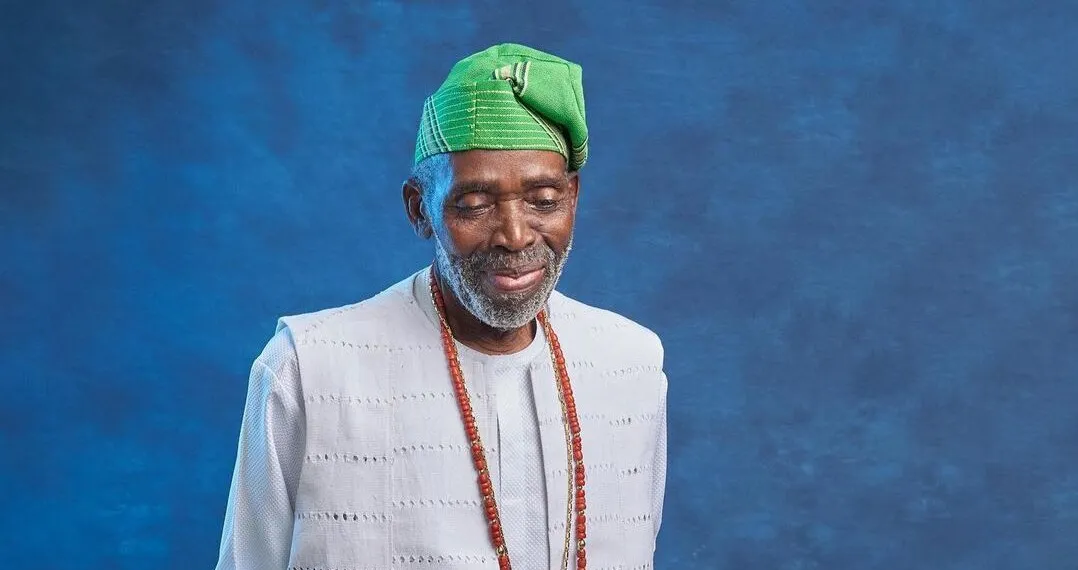
Veteran Nigerian actor and film executive, Oludotun Baiyewu Jacobs, popularly known as Olu Jacobs, has died at the age of 84, with former Vice President Atiku Abubakar describing the late Nollywood icon as “an institution” and “a cultural icon” whose contribution helped shape Nigeria’s creative industry.
Jacobs’ death was announced on Wednesday, September 16, by his son, Olusoji Jacobs, who described the celebrated actor as “The Lion of Lufodo” and called on bloggers and social media influencers to respect the family’s privacy as they mourn.
“It is with gratitude to God for a life well lived and fought, that we announce the passing of our dear husband, father, grandfather and uncle. The Lion of Lufodo,” Olusoji said in the announcement.
Reacting to the death, Atiku said Nigeria had lost far more than a great actor, describing Jacobs as “an institution, a cultural icon and one of the finest ambassadors of our creative spirit.”
The former vice president said Jacobs had become part of the collective memory of generations of Nigerians through his distinctive voice, commanding performances and decades of dedication to his craft.
According to Atiku, Jacobs was already making his mark internationally before Nollywood emerged as a global phenomenon, and his career helped lay foundations for the Nigerian film industry while inspiring younger generations of actors.
“The curtain may have fallen on an extraordinary life, but the characters he gave us, the standards he set and the generations he inspired will continue to speak for him,” Atiku said.
He expressed condolences to Jacobs’ wife, veteran actress Joke Silva, their children and the wider Jacobs family, as well as members of Nollywood and the African creative community.
Atiku said Jacobs “gave Nigeria his talent, his voice and a lifetime of excellence,” adding that the country would remember him with pride, affection and gratitude.
Jacobs, whose career spanned theatre, British television, international film and Nollywood, was trained at the Royal Academy of Dramatic Art in London. He became one of Nigeria’s most recognisable screen and stage actors and was associated with the development of the Nigerian film industry.
His death marks the end of a career spanning more than five decades and has already triggered tributes from political figures, actors and other members of Nigeria’s entertainment industry.
Entertainment
Shimmer and Style: Zendaya, Selena Gomez, and Colman Domingo Light Up the Emmys Red Carpet
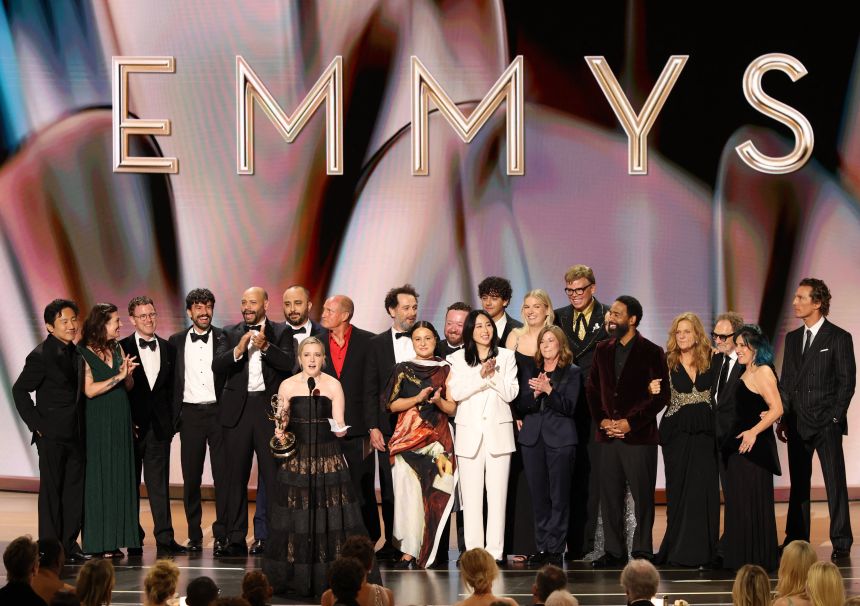
Shimmer and Style: Zendaya, Selena Gomez, and Colman Domingo Light Up the Emmys Red Carpet
From custom metallics to soft pastels and playful statuette cosplay, television’s top stars bring high fashion to Los Angeles
Top television stars gathered in Los Angeles on Monday evening for the annual Emmy Awards, showcasing an array of creative outfits and modern styles.
The ceremony, often described as television’s version of the Oscars, brought actors together at the Peacock Theater to celebrate the year’s best performances and share memorable fashion choices with fans worldwide.
READ ALSO:
- No Lives Lost as Responders Contain Dual Fire Outbreaks Across Lagos
- ‘I Was Never the Chosen One’ — Dembele Responds to Mbappe
- Plateau Attacks: Gunmen Kill Passengers, 13 Dead Across Three LGAs
Shimmering gold and silver fabrics were popular choices throughout the arrival walk. Zendaya chose an embroidered silver gown by Prada paired with diamond earrings, while Selena Gomez appeared in a fitted, floor-length gold dress by Louis Vuitton.
The host for the night, Mariska Hargitay, wore a bright red gown with a trailing design, attending alongside her daughter in matching styles that paid tribute to her mother, actor Jayne Mansfield.
Other guests chose calm, lighter colors such as soft lavender, sky blue, and gentle green. Actors Elle Fanning and Sarah Pidgeon selected simple, elegant slip dresses that focused on subtle beading and clean silhouettes.
Menswear also showed fresh variety, with Colman Domingo combining a tailored jacket with a colorful waist sash. Adding humor and fun to the red carpet, actor Meg Stalter appeared dressed as the winged Emmy trophy itself, bringing a lighthearted touch to the celebration.
Shimmer and Style: Zendaya, Selena Gomez, and Colman Domingo Light Up the Emmys Red Carpet
-

 Sports3 days ago
‘I Was Never the Chosen One’ — Dembele Responds to Mbappe
-

 International2 days ago
Islamic Council Condemns Attempted Attack on Holy City of Mecca
-

 metro2 days ago
Lagos Power Outage: Ikeja Electric Blames TCN as Businesses, Homes Groan
-
 News2 days ago
Keep Politics Out of My Office — Ogbomoso Grand Chief Imam Warns Politicians, Bloggers
-

 Education3 days ago
JAMB Moves 2027 UTME Time — Here’s What Candidates Need To Know
-

 Politics2 days ago
2027: APC Governors Reject Wike’s Rainbow Coalition, Insist on Party Loyalty
-

 News3 days ago
I Wanted to Disgrace Tinubu — Omokri Reveals What He Discovered at Chicago Varsity
-

 metro2 days ago
A Son Wouldn’t Have Done Better — Dangote Speaks on Daughters, Succession