

metro
Abducted pastor mistaken for kidnapper, killed in Ogun forest by ‘security agents’
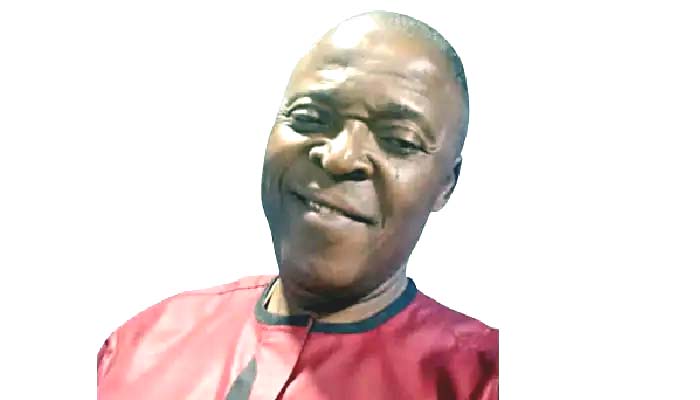
Abducted pastor mistaken for kidnapper, killed in Ogun forest by ‘security agents’
The family of Pastor Adeniyi Adisa, a chartered accountant, has demanded for justice over the alleged murder of their son, whom they alleged died in the hands of some youths and the police in Ogun State.
It was gathered that the father of five was kidnapped on June 24 as he returned from a visit to a friend in the Yotomi area, Owode Egba area of the state.
The deceased, who was the General Manager of VGC Water in Lekki, Lagos, was held hostage by his abductors for several days until his body was eventually found deposited outside a morgue in Ogun State. He was buried in Ibadan on July 8, 2023.
However, the deceased’s younger brother, Musiliu Adisa, told Saturday PUNCH that Adeniyi was murdered by some irate youths in Abule-Ori community and some security operatives who falsely labelled him a kidnapper.
It was learnt that due to the delay in the ransom payment after he was kidnapped, his abductors took him to a bush close to a church they were going to attack. They were said to have abandoned him and went to attack the church, where they killed the pastor during a mid-year night vigil before policemen and the state’s So-Safe Corps called upon by church members arrived at the scene.
However, Musiliu said the police and the corps pursuing the kidnappers found a frail Adisa in the same bush and mistook him as one of the kidnappers, following which he was killed.
Musiliu added, “My brother married two wives and had five children. His first wife, Temilade Adisa, who had three children, was married to him till death. He had two children with his second wife, Bukola, but they later divorced.
“My brother was killed by the police and others on July 1, 2023, at the Abule Ori bush close to a branch of the Redeemed Christian Church of God in the Obafemi Owode Local Government Area of the state. We are all traumatised and still in pain.”
READ ALSO:
- President Tinubu appoints Dekalu-Thomas electricity coy boss, director
-
Protest rocks FUTA as final-year student slumps, dies few days to exam
-
Kremlin denies involvement in Wagner leader’s death, says its ‘absolute lie’
“I received a phone call from him on Sunday morning and he informed me that he had been kidnapped, and we commenced a rescue mission and were prepared to pay a ransom to his abductors.
“We were on this until that Friday when his friend negotiated with the kidnappers and they agreed to collect the ransom at the Abule Ori bush. The lady took the money there around 9 pm but returned with the money that day because there was no commercial motorcycle to transport her into the bush.”
A key to the puzzle
The Adisa family noted that a press release issued by the So-Safe Corps gave out the police and the Corps as Adeniyi’s possible killers.
In a Facebook post dated July 2 by an online publisher, Felix Mordi, he wrote that the “day of reckoning came for a member of a suspected kidnapping syndicate when he fell to the superior firepower of the operatives of the Ogun State Community, Social Orientation and Safety Corps (So-Safe Corps).”
A press release issued from the office of the State Commander of So-Safe Corps, Soji Ganzallo, through the office of the Director of Information and Public Relations, Moruf Yusuf, said the Corps swung into action after they received a distress call at about 12 am on Saturday, July 1, 2023.
It read, “The special operation team of the Corps, Owode-Egba Zonal Command, under ACC Jimoh Rasaki Omoniyi, received a distress call that some of the members of the Redeemed Christian Church of God, Desires of Nations Parish, under Ogun Province 22, Abule-Ori in Obafemi Owode Local Government Area, were attacked during a vigil, while seven members of the church were kidnapped and the pastor killed.
“The seven victims were rescued unhurt, while one of the kidnappers was killed and many of the suspects sustained serious injury during a fire exchange.”
Following the incident, the Police Public Relations Officer of the Ogun State Command, Omolola Odutola, confirmed the situation , adding that one of the pastors of the church, Adesina Oyesegun, had reported the incident at the police station in the area.
Odutola stated, “At about 3:30 pm on Saturday, Oyesegun said he was in church with other pastors and church members when some hoodlums numbering about seven invaded their church, attacked them with guns, cutlasses and other dangerous weapons with the intent to kidnap members.
READ ALSO:
- ‘Never surrender’ — Donald Trump posts mugshot as he returns to X
-
Niger Ambush: ‘We’ll hunt you down, bring you to justice’ — CDS tells terrorists
-
NDLEA seizes 62kg of cannabis sativa, apprehends 3 Suspects in Yobe
“The hoodlums were shooting aimlessly, and as a result, one Pastor Kayode Oluwakemi, 56, sustained bullet wounds on his chest and unfortunately died on the spot.
“The villagers and security men in the area attracted the neighbouring villagers and security men, who confronted the suspected kidnappers in a gun duel. The kidnapped victims have regained their freedom.
“Some of the suspected kidnappers escaped with bullet wounds, but one yet-to-be-identified suspected kidnapper was neutralised while combing the bush, and the corpse was deposited at Owode Egba General Hospital Morgue. An effort is in progress to arrest the other fleeing suspects that are still at large.”
Meanwhile, the Adisa family was distraught when they found out that the “yet-to-be-identified suspected kidnapper” who was killed during this operation was their brother Adeniyi, who was earlier kidnapped by the hoodlums who attacked the church.
Musiliu said , “The next day after the failed ransom attempt, the kidnappers attacked the RCCG church close to the forest and one of them was supposedly killed by the police. What we didn’t know was that the kidnappers who abducted our brother also took him along in the bush during their raid on the church.
“We later saw the photograph of the suspect in the police news bulletin, and on Tuesday, we discovered it was my brother that was killed by the police and they thought to be a kidnapper. When we went to identify the corpse, it was discovered that it was my brother that the police killed, not a kidnapper.
“From our own findings, it was confirmed that when the kidnappers wanted to collect the ransom money, they brought my brother along with them to the Abule Ori bush thinking they would collect the money, release him to us, and tarry for a while before they operated again.”
He noted that when the ransom payment failed, the family believed their brother became a burden to the kidnappers and they probably demobilised him.
“They didn’t kill him,” he continued. “The following morning when my brother was wading through the bush, the police, the So-Safe Corps, and the villagers took him to be one of the kidnappers who came to attack the area earlier that morning and they killed him with guns, machetes and sticks.”
Disturbing footage
The Adisa family believed that the late Adeniyi, who had become weak following his seven-day torture by his abductors, was found in the bush early in the morning by residents of the community along with the police team, all of whom he alleged pounced on him and accused him of being one of the kidnappers.
READ ALSO:
-
Suspected hoodlums gun down herdsman in Anambra
-
Nigerian man, girlfriend, 12 others arrested for romance scam in Thailand
-
Female police officer shoots herself dead after posting ‘sweet bye bye’
Musiliu added, “We know they murdered him because they took a video while they were killing him. We got the video and went to the Eleweran Police Command, Ogun State.
“We wrote a petition and the Commissioner of Police held a meeting with us, the family, as well as the Divisional Police Officer, the Area Commander and other big shots. They ordered the arrest of all the people who were in the video and charged them with murder.
“They have commenced the investigation and it has been ongoing for about one and a half months now. Our contact who has been helping us to follow up with the police case said we should be patient and that the investigation will continue.”
Another video footage forwarded by the family showed the deceased’s body surrounded by a group of six young men some of whom were holding machetes.
Four policemen could also be seen, with one of them holding a gun on the one hand and a machete on the other.
“He has become dead meat,” one of the youths sneered in Yoruba language. “Don’t carry him, drag him,” ordered one of the four policemen at the site as two youths held each of Adeniyi’s legs and cruelly dragged his lifeless body through the grass.
As his corpse was shoved and squeezed into the back of the pickup van, one of the men said, “Look at them, they hide their own children at home while kidnapping other people’s children.”
One of the policemen hit the already dead Adeniyi in his legs to remove his shoes from his legs. The shoes fell off and were placed on his body.
“This was where we first found him, he was crawling through the bush. He could no longer walk on that leg,” one of the men said in the video.
With sadness in his voice, Musiliu said that even in death, his brother’s body was still not accorded any measure of dignity by the authorities.
“My brother’s corpse was kept outside Owode Egba General Hospital mortuary, exposed harshly to both rainfall and sunlight. Both in life and in death, he was treated like a common criminal,” he lamented.
“By Wednesday, July 5, the corpse had become over bloated. It was a horrible sight. We paid the mortuary attendant over N160,000 to deflate the bloated corpse.”
When the state PPRO, Odutola, was contacted for an update on the police investigation into the murder, she told the correspondent to send her a message on WhatsApp.
“I will get the relevant information from Obafemi Owode and let you know the update on WhatsApp. Please send me a message there,” she said.
A subsequent inquiry on the case sent to Odutola on Tuesday has not been responded to as of the time of filing this report on Friday evening.
Abducted pastor mistaken for kidnapper, killed in Ogun forest by ‘security agents’
(PUNCH)



metro
Attempted Suicide: ‘If You Survive, We’ll Jail You’ – Akpabio
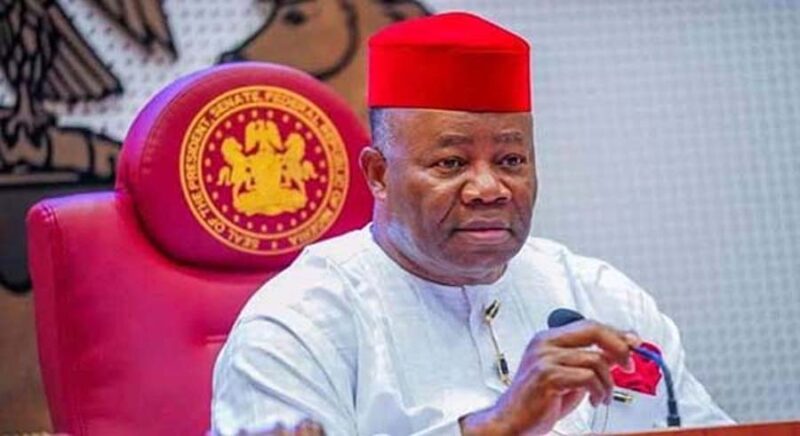
Senate President Godswill Akpabio has sparked controversy with his opposition to a bill seeking to decriminalise attempted suicide in Nigeria, insisting that people who survive suicide attempts should face imprisonment.
Akpabio made the remarks on Tuesday during a Senate debate on the proposed Suicide Prevention Bill 2026, which seeks to replace criminal punishment for suicide attempts with medical treatment, rehabilitation and support for survivors.
“As far as we are concerned, we are saying that suicide is a crime for now. Therefore, if you attempt it, you better succeed. If you don’t succeed, we will send you to prison,” Akpabio said.
He reiterated his position, warning that anyone who attempted suicide but survived would be jailed.
His comments came as the Senate passed the bill for second reading, allowing it to proceed to further legislative scrutiny despite his opposition.
Sponsored by Senator Asuquo Ekpenyong, who represents Cross River South, the bill seeks to establish a national framework for suicide prevention, early intervention, treatment and long-term support for people who survive suicide attempts.
Ekpenyong argued that Nigeria’s existing legal framework contains a contradiction because the National Mental Health Act 2021 recognises attempted suicide as a psychiatric emergency requiring intervention, while provisions of the Criminal Code and Penal Code continue to criminalise the act.
He specifically cited Section 327 of the Criminal Code and Section 231 of the Penal Code, which expose people who survive suicide attempts to possible criminal punishment under applicable laws.
READ ALSO:
- Yamal Inspires Barcelona Comeback to Sink Osimhen’s Galatasaray
- Press Freedom: Judge Blocks Trump’s Ban on Three Major US Media Outlets
- Money Rituals: Four Arrested in Kwara Over Suspected Human Parts
The senator said criminalising attempted suicide could discourage people experiencing severe emotional distress from seeking professional help. It could also make families conceal incidents for fear of prosecution and stigma, while undermining the collection of reliable data needed to strengthen prevention efforts.
Ekpenyong challenged lawmakers to consider whether a person who survives a suicide attempt should face prosecution or receive protection and medical care.
He maintained that decriminalising attempted suicide would not mean encouraging suicide or excusing anyone who assists, persuades or procures another person to take their life. Rather, the proposal would recognise suicide prevention as a public health responsibility requiring coordinated medical, psychological and social support.
The bill proposes a framework for medical assessment, referral services, rehabilitation and follow-up care for survivors. It also provides for crisis helplines, public awareness campaigns and training for police officers, teachers and healthcare workers to help them identify and respond appropriately to people experiencing suicidal distress.
Another proposed measure is the establishment of a national data system to improve understanding of suicide attempts and support evidence-based prevention programmes.
During the debate, Senator Ned Nwoko, representing Delta North, seconded the motion for the bill’s second reading but questioned how the proposed legislation would work in practice to prevent suicide.
Senate Leader Opeyemi Bamidele also raised concerns about the legal implications of the proposal, particularly how amendments involving the Criminal Code and Penal Code would apply across Nigeria’s states.
Bamidele urged lawmakers to examine the relationship between federal legislation and state legal frameworks to avoid conflicts during implementation.
Akpabio similarly called for input from state Houses of Assembly during the proposed public hearing, arguing that the legal implications of amending the existing provisions required careful consideration.
Senator Abdul Ningi, representing Bauchi Central, welcomed the proposal and said the legislative process would provide an opportunity for medical professionals, legal experts and other stakeholders to contribute to the debate.
The bill’s supporters argue that people who survive suicide attempts should not automatically be treated as criminals without consideration of the circumstances that led to the crisis. They maintain that punishment alone cannot address the underlying psychological, social or medical factors associated with suicidal behaviour.
The Senate’s decision to pass the bill for second reading does not mean that the proposed changes have become law. The legislation has been referred to the relevant Senate committees on health and judiciary for further consideration, including a public hearing.
Until the legislative process is completed and any resulting law takes effect, attempted suicide remains punishable under applicable provisions of Nigeria’s existing criminal laws.
The debate has brought renewed attention to Nigeria’s approach to suicide prevention and the treatment of survivors, with lawmakers now facing further scrutiny of whether criminal penalties or a health-centred response should take priority.
Attempted Suicide: ‘If You Survive, We’ll Jail You’ – Akpabio
metro
Money Rituals: Four Arrested in Kwara Over Suspected Human Parts

The Kwara State Police Command has arrested four suspects in two separate investigations involving suspected human body parts and the alleged removal of human heads from graves, amid concerns about crimes reportedly linked to money-making rituals.
The cases involve the recovery of two suspected human hands along Bakase Road in Alapa, Moro Local Government Area, and the alleged exhumation of graves at a cemetery in Omupo, Kwara State.
The Commissioner of Police, Adekimi Ojo, disclosed the arrests during a security briefing in Ilorin on Tuesday, October 13, 2026, as the command announced operations targeting suspected criminal activities across the state.
In the Alapa case, police arrested Kamalden Lukmon and AbdulGaniyu Ibrahim after recovering two suspected human hands on October 8.
According to the police, preliminary investigations indicated that the suspects allegedly intended to use the body parts for money-making rituals.
The suspects reportedly told investigators that a vigilante member identified as Abdulraf Apata had handed the suspected human hands over to them. Police said the allegation was being investigated to establish how the body parts were obtained and whether other individuals were involved.
The command has not publicly established the identity of the possible victim or the circumstances surrounding the origin of the suspected human hands. The allegations against the suspects and the person they reportedly named have yet to be determined by a court.
READ ALSO:
- Osogbo Cultism Crackdown: Six Suspects Arrested as Police Recover Drugs, Charms
- 2027 Elections: INEC Reveals Why Pantami, Adebutu, Others Were Excluded
- IPOB Denies Monday Sit-at-Home Return, Challenges Police to Produce Evidence
In a separate investigation, police arrested Abu Jimoh and Ayo Jimoh over the alleged exhumation of graves and removal of human heads from a cemetery in Omupo.
The case reportedly came to light in May 2026 when residents visited the cemetery to bury a deceased person and discovered that some graves had been disturbed and the heads of bodies buried there were missing.
The discovery prompted a police investigation into the suspected grave exhumation and the whereabouts of the missing remains.
The commissioner said the two suspects were arrested at about 5 a.m. on October 8 while they were allegedly digging graves at the cemetery.
During interrogation, the suspects reportedly named Mukaila Bello, a herbalist, as the alleged buyer of the missing human heads. However, the police account did not establish whether Bello had been arrested or whether the allegation against him had been independently verified.
Investigators were continuing efforts to establish the full circumstances of the incident, locate the missing remains and determine whether other people were involved.
The police have not established a direct connection between the Omupo cemetery case and the separate recovery of suspected human hands in Alapa. The incidents remain distinct investigations.
The arrests were among several security cases discussed during the commissioner’s briefing, at which the command reportedly presented 17 suspects linked to various alleged offences, including kidnapping, armed robbery, murder, child abuse and illegal possession of firearms. The figure covers multiple cases and does not refer solely to the four suspects in the human-parts investigations.
The latest developments have drawn attention to concerns about ritual-related crime and the unlawful handling of human remains in parts of Kwara State. Investigations are expected to establish the facts behind the allegations and determine whether further arrests or prosecutions are warranted.
In a separate incident earlier in 2026, a suspect identified as Hamza Woru was reportedly arrested in Kaiama over the alleged possession of a human skull said to have been exhumed from a deceased relative’s grave. That case is separate from the October investigations in Omupo and Alapa.
The police urged residents to report suspicious activities, particularly around cemeteries and other locations where criminal conduct may be taking place. Community leaders and other stakeholders were also encouraged to provide credible information that could assist investigations and help prevent crime.
The command said it would continue intelligence-led operations to identify suspected offenders, investigate criminal networks and strengthen public safety across the state.
The four suspects remain entitled to the presumption of innocence unless the allegations against them are established in court.
Money Rituals: Four Arrested in Kwara Over Suspected Human Parts
metro
Osogbo Cultism Crackdown: Six Suspects Arrested as Police Recover Drugs, Charms
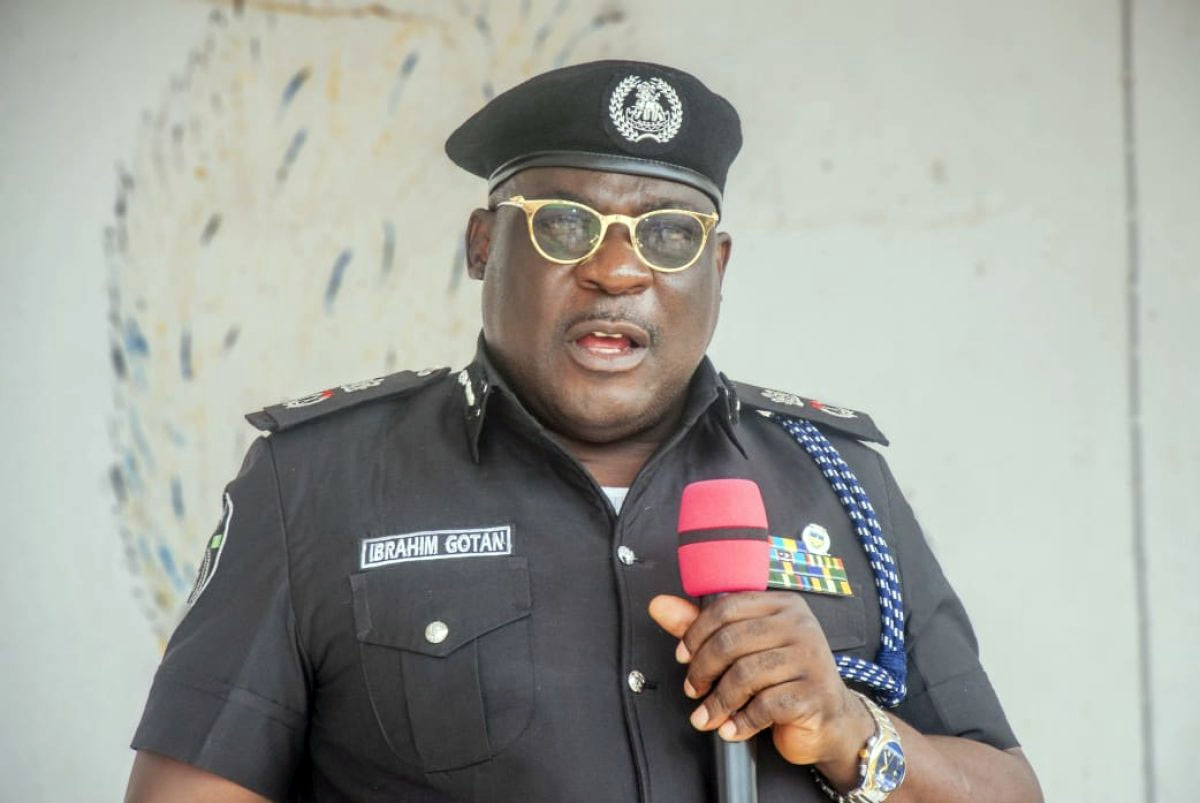
The Osun State Police Command has arrested six suspected cultists during intelligence-led raids on criminal hideouts in Osogbo, the state capital, as security operatives intensify efforts to curb cult-related violence and other criminal activities.
The suspects were allegedly associated with the Eiye Confraternity and were linked by investigators to a suspected gang operating around Mackay Junction in Osogbo, where residents have raised concerns about criminal activities and threats to public safety.
The Police Public Relations Officer, DSP Abiodun Ojelabi, disclosed the arrests in a statement on Tuesday, October 13, 2026, saying the operation followed directives from the Commissioner of Police, Ibrahim Gotan Zungura, to strengthen security and dismantle criminal hideouts across the state.
According to the command, operatives recovered suspected criminal charms, illicit drugs and cash believed to be proceeds of drug-related activities during the raids.
The six suspects were identified as Ajibade Lateef, 21; Olaniyi Kabiru, 27; Ifaleke Ifedeji, 18; Tajudeen Wasiu, 35; Abideen Babatunde, 35; and Opeyemi Lukman, 18.
The police said preliminary investigations indicated that the suspects were allegedly connected to the Eiye Confraternity and a suspected criminal network operating in the Mackay Junction area. However, the allegations against them have yet to be established in court.
Reports by Nigerian media outlets indicated that the suspects had been charged to court, although further details about the charges and proceedings were not immediately available.
READ ALSO:
- 2027 Elections: INEC Reveals Why Pantami, Adebutu, Others Were Excluded
- IPOB Denies Monday Sit-at-Home Return, Challenges Police to Produce Evidence
- FG Moves to Expand CNG Vehicle Production, Targets Cheaper Transport Fares
The arrests come amid renewed concerns over cult-related violence in Osogbo. In a separate incident, two people were reportedly killed in an attack involving suspected rival cult groups in the state capital.
The reported killings have heightened concerns about the activities of suspected cult groups and the risk of further violence. However, the police have not publicly established a direct link between the six suspects arrested in the latest raids and the separate fatal incident.
The latest operation forms part of the command’s wider efforts to identify and dismantle criminal networks, prevent violent confrontations and improve public safety across Osun State.
The Commissioner of Police urged parents, guardians, community leaders, landlords and residents to support security agencies by reporting suspicious movements and providing credible information that could assist investigations.
He also warned young people against cultism, illicit drug use and criminal associations, stressing the importance of community cooperation in preventing violence and protecting lives and property.
The command said it would sustain intelligence-led operations in identified criminal hideouts and other areas considered security threats. It also encouraged residents to report suspected criminal activities to the nearest police station or through established police emergency channels.
The police maintained that the operations were aimed at strengthening security across the state and ensuring that individuals suspected of criminal activities were brought before the appropriate authorities.
Osogbo Cultism Crackdown: Six Suspects Arrested as Police Recover Drugs, Charms
-

 metro3 days ago
₦8.7bn Erosion-Control Budget Gap Raises Questions as Anambra Gullies Expand
-

 Politics2 days ago
Obi Positioning for SGF Role Under Atiku’s ADC Ticket – Sowore
-
 metro2 days ago
How Bandits Demand ₦300m Ransom for Abducted Kaduna Couple, Baby in Viral Video
-
 metro3 days ago
Child Soldiers, Baby Factories: US Raises Alarm Over Official Complicity in Nigeria
-

 News3 days ago
Fuel Subsidy May Ease Hardship Today, But Could Cripple Nigeria’s Economy Tomorrow — FG
-

 metro3 days ago
2027 Elections: Atiku Demands Names of INEC Ballot Printers, Questions Secret Contracts
-

 Politics2 days ago
Okonkwo Alleges Return of Subsidy, Accuses NNPC of Plotting Trillions in ‘Lost Profit’
-

 metro2 days ago
How Military Air Strike Crushed ISWAP Attack Plot, Killed Over 40 Fighters in Borno