

News
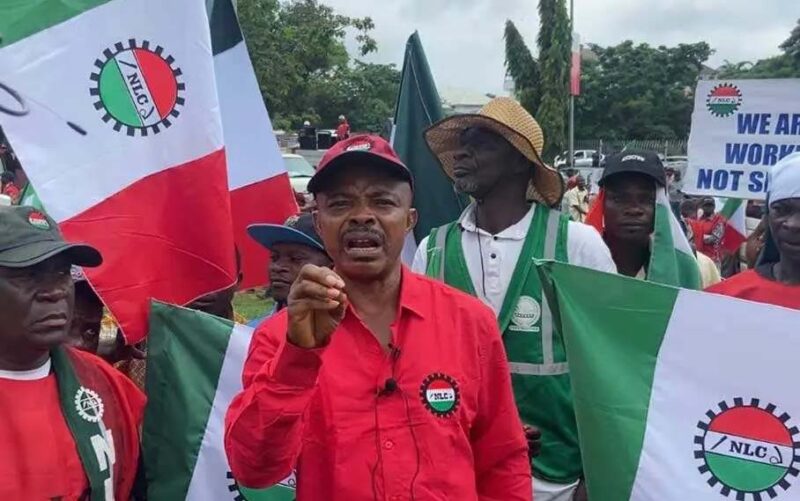
No going back on strike, says NLC in October 1 message
No going back on strike, says NLC in October 1 message
Organised labour have asked citizens to join the nationwide strike it called from October 3, saying it is the march to freedom, better living conditions and prosperity for all.
It also through the Nigeria Labour Congress pleaded with royal fathers and other well-meaning Nigerians to advise government to listen to labour and lessen the suffering across the country.
“This nation can work for all of us. This nation can be made beautiful but good things do not just happen; they are worked out. Liberty is not a ripe fruit that falls to the ground on its own accord. With our hands joined together as the owners of Nigeria, in truth and one heart, we can work for our freedom. Let us awaken this giant and make it work for us,” the NLC said in an emotional tone.
This came as Sunday Vanguard learnt that the Federal Government is expected to meet with labour leaders today in Abuja in an effort to avert the planned strike beginning from October 3.
In an independent anniversary massage titled Nigeria: ‘The travails of a mismanaged giant’, NLC President, Comrade Joe Ajaero, said the struggle from October 3 is for Nigeria to rise and shine once more as a beacon of hope and prosperity for all its citizens.
Ajaero noted that Nigeria, with all its flaws at conception, possesses a great potential to be amongst the best economies of the world.
“As we mark this Independence Day, let us do so with a renewed sense of purpose. Let us acknowledge our past, confront our present challenges, and collectively work towards a brighter future for Nigeria,” he stated.
“Together, we can reclaim the greatness that has eluded us for too long. It is time for Nigeria to rise and shine once more as a beacon of hope and prosperity for all its citizens. Remember, when we stand as one refusing to be divided, we will triumph. We call on all Nigerians to join us on the 3rd day of October around Nigeria to begin our march to freedom through the indefinite nationwide strike.
READ ALSO:
-
Tribunal affirms Kefas as Taraba governor
-
Malicious Facebook Post: Erisco Foods fingers ‘powerful syndicate’
-
Nigerian student in UK lands in trouble after asking flatmate if she was a virgin
”To this end, the Nigeria Labour Congress beckons on all of us to join hands from all parts of the nation; the North, the East, the West and the South to build the needed coalition to make our nation truly an independent nation.
“As we celebrate Nigeria’s 63rd independence anniversary, it is important that we drew our attention to the fact that this nation was once a great nation filled with great hope inspired by great leaders until inept and corrupt leaders took over the helms of affairs and ran the country aground. The crisis of leadership is truly the crisis of our national development.
Mismanagement
“The continued mismanagement of our resources has made it difficult for us a nation and as a people to make sustainable progress rather, we have continued to march backwards with every preceding year looking worse than the previous one.
“Regrettably, the decades that followed were marked by a series of missteps, mismanagement, and missed opportunities. The erosion of ethical governance, rampant corruption, and political instability became defining features of our nation. Instead of harnessing our potential for the collective good, our leaders often pursued personal interests, leaving the masses to grapple with the consequences.
”There is no other way to explain the fact that about 43 years ago, Nigeria had a vibrant Airline called the Nigeria Airways with a large fleet of Aircraft flying to several parts of the globe and owning large properties which spans almost half of Ikeja GRA and in London and capital cities of Europe. We had a national Shipping line that had in its fleet several Vessels which competed favourably with other shipping lines all over the world.
“Yet, as a nation, we have managed to deliberately become a nation with neither a national Airline nor a national shipping line. We became a nation that derives happiness in making a mockery of ourselves as was typified by the Nigeria Air debacle where we had to fake the ownership of an Airline by shamelessly borrowing and repainting an Aircraft from Ethiopian Airline.
“This period of independence must serve as a time when all of us have to seriously seek to question ourselves and thoroughly re-examine our actions as a people and as a nation.
We have to soberly reflect on why we have moved from a once prosperous nation to become a country that is the poverty capital of the world with over 133million multi-dimensionally poor people. This number has since increased after the hike in the price of petrol (PMS) by His Excellency Senator Bola Ahmed Tinubu.
“It is indeed an opportunity to find how we have moved to a nation that had a refinery that was operational in the 1960s which grew into another three refineries in the 1980s but which have been deliberately made obsolete by those we have entrusted the leadership of our nation.
”Nigerians must seek to find out why we have become a nation that must import a product which can easily be refined in our nation and why the conscious sabotage of our economy by those who occupy the helm of affairs in our country? We must make conscious effort at finding out what the phantom called fuel subsidy is, how much was it worth, who was receiving the monies claimed to have been spent and why the obvious lies when the Direct Sales and Direct Purchase (DSDP) agreement was the framework for the import and distribution of products in Nigeria?
Bastardisation of Naira
“Also of great importance is the willful bastardisation of the Naira and the attendant Dollarisation of the economy by the nation’s leaders. We need to find out whether truly a genuine foreign exchange market exists in its true sense in Nigeria. Why would the value of the nation’s currency continue a free fall when the value of accruals from crude is rising? What magic has made it difficult for the value of the Naira to remain stable against the Dollar especially when the Dollar is being pummeled all over the world?
READ ALSO:
-
BREAKING: Police rescue 8 abducted CAC members
-
[PHOTOS] Nurse assaults 5-year-old nephew for ‘damaging’ boyfriend’s car
- BBNaija: Phyna, father fight dirty online
”Workers all over Nigeria would want to find out why almost all the privatized entities were sold at a give away price to the so-called investors? Why is it that most of them have either been stripped and scrapped and no longer operational? Who are the real buyers of these entities? We will want to find out who bought the GENCOS and DISCOs, who bought the Ikot – Abasi Aluminium Smelter company.
Why it is no longer producing but has been shut down? Nigerians deserve to know and we must ask this question: what is going on here?
”This Independence Day celebration should allow us to ask those who are leading us why they have refused to fund public Universities appropriately and have instead decided to establish and own private universities? We may wish to know why they have turned Nigeria from a country where foreigners took pride in coming for education to a country where majority of the citizens go abroad to obtain quality tertiary education. We would want to know why the elites have managed to price education out of the reach of the poor.
”It is also an opportunity for Nigerian workers to ask our leaders why our hospitals have been turned into places to go and die instead of places to go and be healed? We would want to find out why our healthcare system that used to boast of the patronage of influential individuals and families from all over the world have suddenly become anathema both to foreigners and the Nigerian rich? We want to find out why the rich throng abroad to treat minor ailments instead of making use of our health facilities?
”We want to find out what happened to the Ships in the defunct Nigeria Shipping line and what happened to the Aircraft and properties of Nigeria Airways that scattered all over the world. Who acquired them and at how much and where is the money from their acquisition? It will also be interesting to find out who acquired the Steel companies and why none of them is producing steel today?
”Much more, Nigerian workers will want to find out why it has become difficult for an army that fought the Civil war and won, fought in Lebanon, Sierra Leone and in Liberia to defeat the Boko Haram insurgents? We want to find out whether it is a deliberate tool to keep Nigeria in perpetual crisis.
”One of the most painful aspects of Nigeria’s journey has been the economic struggles faced by the majority of our citizens. Despite being blessed with abundant natural resources, poverty and unemployment have become entrenched in our society. The promise of prosperity for all remains elusive, as a significant portion of our population continues to live in abject poverty.
“Moreover, social disparities have widened, with a yawning gap between the privileged few and the marginalized many. Access to quality healthcare, education, and basic
infrastructure remains a distant dream for millions of Nigerians. This inequality not only undermines our social fabric but also hampers our collective progress.
Labour meets FG
Meanwhile, the Federal Government and Labour leaders are expected to meet today in an effort to find a common ground and avert the planned nationwide industrial action from Wednesday.
Sunday Vanguard gathered that the meeting will hold at the Aso Rock Villa.
Sources informed Sunday Vanguard that the meeting will commence at 12 noon.
Recall that leaders of Nigeria Labour Congress, NLC, and their Trade Union Congress of Nigeria, TUC, counterparts, on Friday, shunned a meeting called by the Federal Government in a desperate effort to avert the planned nationwide strike from October 3.
According to the two labour centres, government’s invitation came late as they had scheduled engagements outside Abuja.
Labour leaders had requested for a rescheduling of the meeting, which the government had done.
No going back on strike, says NLC in October 1 message







International
Truly Depraved Rapist Jailed for 17 Years After Violent Attack on Woman
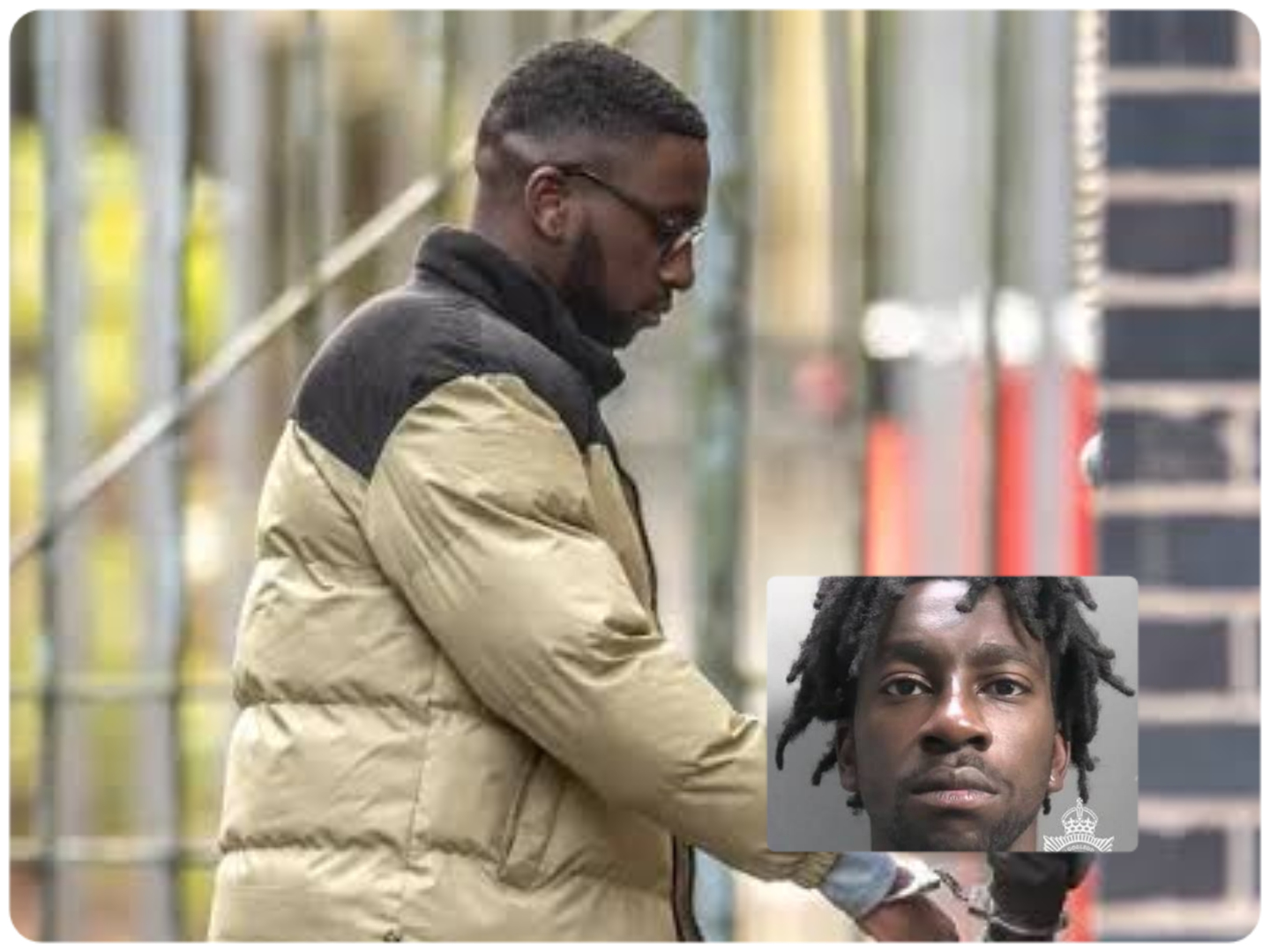
A 24-year-old Nigerian national, Gift Oladele, dragged a young woman into woodland and violently raped her has been jailed for 17 years after a judge described his actions as “truly depraved”.
Gift Oladele carried out the attack in Wrexham, North Wales, in September last year after approaching the victim, who was 19 at the time, as she walked home from a night out.
Oladele was convicted of rape and sexual assault at Mold Crown Court in March. He was sentenced on Thursday.
How the Attack Happened
The court heard that Oladele approached the woman and her friends outside a takeaway in Wrexham city centre. He initially appeared friendly and flirtatious before offering to walk home with her.
According to prosecutor James Coutts, Oladele accompanied the woman until they reached an isolated area, where he grabbed her by the mouth and forced her into the woods.
He then carried out a violent rape.
“She described being terrified,” Coutts told the court. “She did what she thought she needed to do to get through the attack.”
Oladele threatened to find and harm the victim if she reported the rape. He also threatened to take photographs of her and post them online.
Despite the threats, the woman returned home and immediately told her parents, who contacted the police.
Oladele was arrested the following day at his cousin’s home in Wrexham. Officers said he had attempted to hide a mobile phone, which contained searches relating to sexual attacks.
The court heard that Oladele had a “fascination in forced sexual abuse and rape” and that he appeared to be acting out a fantasy shown in the videos he had searched for.
Victim Describes Lasting Trauma
In a victim impact statement, the woman told the court that she continued to wake up from nightmares in which Oladele had tracked her down.
“I’m petrified,” she said.
She also described taking medication to prevent HIV infection after the assault and suffering long-term emotional and psychological effects.
“I feel ashamed, and somehow damaged, since what he did to me,” she said.
“The emotional impact has been very significant.
“I can’t go anywhere on my own anymore.
“I feel unsafe.”
Judge Simon Mills praised the woman for her courage during and after the attack.
“You showed exceptional courage during the incident and afterwards,” he told her.
Previous Conviction and Deportation Appeal
At the time of the Wrexham attack, Oladele was already on bail over another rape allegation in Manchester dating from November 2024.
He had also been jailed in 2022 for a sexually motivated attack.
The court heard that Oladele was later due to be deported to Nigeria but successfully challenged the decision on human rights grounds.
An immigration tribunal judge described the deportation case as “finely balanced”, acknowledging the seriousness of Oladele’s previous offence and the public interest in deporting foreign criminals.
However, the tribunal also considered his ties to the United Kingdom, where he had grown up, and the consequences of relocating to Nigeria.
The Home Office made two attempts to appeal the decision, but both appeals were rejected.
Judge Calls Defendant Dangerous
During sentencing, The Judge described Oladele’s actions as “truly depraved”.
“You subjected her to a terrible violation,” he said.
“You are a dangerous offender.”
The judge said Oladele posed an exceptionally high risk of harm to young women and had shown “absolutely no remorse whatsoever”.
The Home Office described the case as horrific and said Oladele’s imprisonment was the right outcome.
The victim’s account has highlighted not only the brutality of the attack but also the lasting fear and emotional damage that sexual violence can cause long after the offender has been convicted.
News
Missing Billions: Lawmakers Summon NNPCL and 146 Marketers Over ₦432bn Downstream Debt
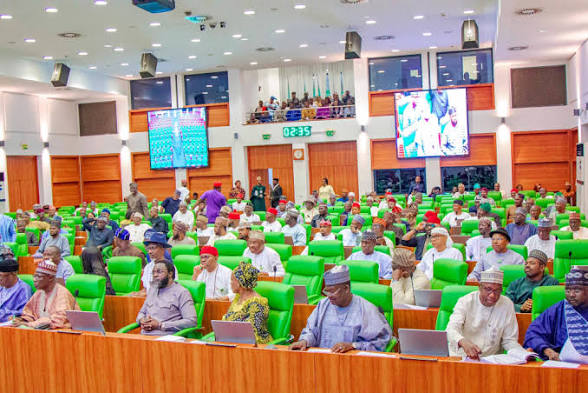
Nigeria’s federal lawmakers are putting the downstream energy sector under the microscope after audit records revealed that state oil firm NNPCL and private fuel marketers have piled up at least ₦432 billion in unpaid regulatory obligations.
The House of Representatives Public Accounts Committee (PAC) confirmed the formal probe this week, following persistent warnings raised in the Auditor-General’s 2023 and 2024 annual reports.
Regulatory Levies Left Unpaid
The mountain of debt has accumulated over a six-year period from 2017 to 2023, remaining largely uncollected despite the country’s tight fiscal squeeze.
READ ALSO:
Cheap Alcohol Fuels Banditry NAFDAC Chief Stands Firm on Sachet Ban
Fresh Blackout Hits Abuja as Apo Substation Transformer Trips
More Than 1,000 Migrants Rescued Off West Africa in One Week
The liabilities consist of statutory fees meant to fund national energy infrastructure, including the 1% Midstream and Downstream Gas Infrastructure Fund, National Transport Average fees, Balancing Allowances, and lingering credit balances from import and coastal operations.
Audit records track a steep rise in default:
- The 2023 audit initially captured ₦392 billion in total arrears, with NNPCL carrying over ₦162 billion and commercial marketers responsible for ₦230 billion.
- The 2024 report revealed that private marketer debt alone had swelled to ₦432 billion, separate from state-owned NNPCL liabilities.
- Regulatory data from the NMDPRA confirms that 146 companies affiliated with DAPPMAN and MEMAN owed ₦327 billion by 2025.
No Hiding Place for Defaulters
PAC Chairman, Rep. Bamidele Salam, made it clear that parliament expects compliance from corporate leaders, issuing a firm directive against corporate stonewalling.
Salam emphasized that the committee will scrutinize why statutory revenues were permitted to sit idle without vigorous enforcement from the NMDPRA. Defaulters will be forced to present audit trails detailing every transaction, outstanding balances, and proof of any remittances made to date.
For lawmakers, the objective is unambiguous: plug commercial leakages, enforce fiscal discipline, and recover every outstanding naira owed to the federation.
News
Fresh Blackout Hits Abuja as Apo Substation Transformer Trips
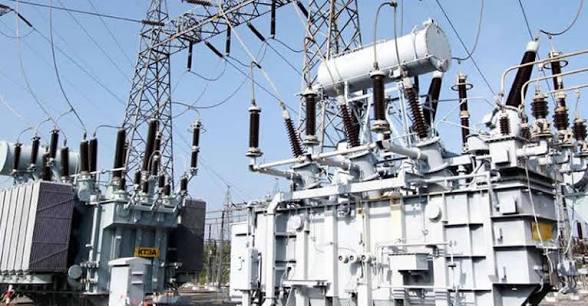
Parts of the nation’s capital have once again been plunged into darkness following an early-morning equipment failure at the Apo Transmission Substation on Wednesday.
The Transmission Company of Nigeria (TCN) confirmed the outage, attributing the disruption to the tripping of a 100MVA TR4 power transformer at its 132kV/33kV facility. Preliminary findings trace the failure to an oil spillage on the transformer’s red-phase High Voltage (HV) bushing, which forced four critical 33kV feeders, H31, H33, H35, and H37 offline.
READ ALSO:
Cheap Alcohol Fuels Banditry NAFDAC Chief Stands Firm on Sachet Ban
Missing Billions: Lawmakers Summon NNPCL and 146 Marketers Over ₦432bn Downstream Debt
More Than 1,000 Migrants Rescued Off West Africa in One Week
In an official public notice, the transmission utility stated that technical teams are already mobilized on-site:
“The Transmission Company of Nigeria, TCN, hereby informs the public that the 100MVA TR4 transformer at the 132/33kV Apo Transmission Substation tripped in the early hours of today. Our maintenance crew are already carrying out a detailed investigation on the transformer to ascertain the exact cause of the tripping, to enable us effect repairs and restore the transformer.”
Following the grid disruption, the Abuja Electricity Distribution Company (AEDC) confirmed power losses across several major districts, including the Apo Legislative Quarters, Lokogoma, and Apo Resettlement.
The latest breakdown adds to a pattern of recurring supply interruptions across Abuja, coming just days after scheduled maintenance works left residents grappling with low generation and prolonged blackouts.
-
 Auto2 days ago
Kaduna to Lead Govt Patronage of Local Vehicles as Sani Unveils Peugeot 5008
-
 metro1 day ago
El-Rufai Demands ₦10bn from Defence Minister Over Southern Kaduna Killings Allegation
-
 metro1 day ago
Catholic priest leaves priesthood, weds Kenyan woman after 12 years in Kenya
-
 metro2 days ago
Socialite Igho ‘Tiny’ Ubiribo Dies After Penis Enlargement Surgery
-
 Politics3 days ago
Demystifying the Political Monolith: Wike’s ‘See Finish’ Doctrine and Nigeria’s New Political Calculus
-
 Politics1 day ago
Why Did Peter Obi Attend Seyi Makinde’s Campaign Launch? Here’s What He Said
-
 metro1 day ago
No US Case Against Tinubu, Family Enjoy Unimpeded Transit for UNGA — Ambassador Ibrahim
-

 News1 day ago
Lagos Moves to Slash Agency Fees, Curb Rent Hikes With New Tenancy Bill