

News
Guber polls : Tight race in Kogi as Uzodimma, Diri in early lead in Imo, Bayelsa
Guber polls : Tight race in Kogi as Uzodimma, Diri in early lead in Imo, Bayelsa
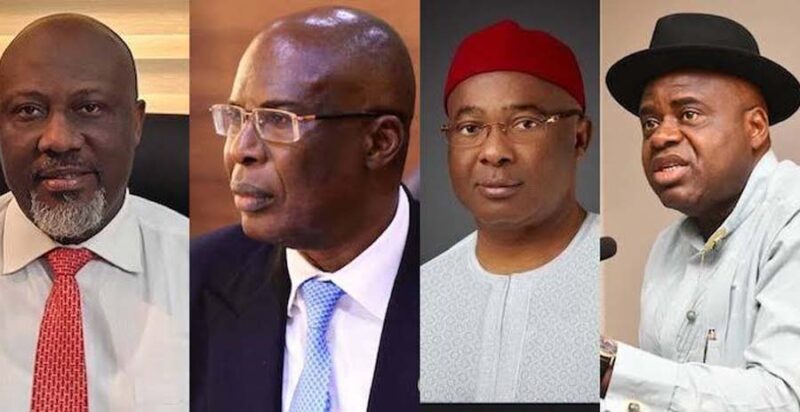
After Saturday’s governorship elections in Imo, Kogi and Bayelsa states, indications emerged that governors Douye Diri of Bayelsa State and Hope Uzodimma of Imo State were in early lead, as collation of results progressed.
In Bayelsa State, Diri, who is seeking re-election, is the candidate of the Peoples Democratic Party, while Uzodimma, also seeking re-election, is the candidate of the All Progressives Congress.
However, in Kogi State, gathered that it was a tight race between Usman Ododo of the APC and Muri Ajaka of the Social Democratic Party. The candidate of the PDP, Dino Melaye, is also a major contender in the election.
In addition to findings in the states, the collation of some of the results uploaded on the INEC Result Viewing portal by showed the early performance of the parties.
In Bayelsa State, for example, the computation of votes in 131 random polling units across some local government areas showed that PDP’s Diri already garnered 13, 396 votes, while his closest challenger, APC’s Timipre Sylva, garnered 4,802 votes.
In Imo State, the computation done by our correspondents in 90 polling units, which cuts across different local government areas, showed that APC’s Uzodinma polled 22,113 votes, while the candidate of the PDP, Samuel Anyanwu, and that of the Labour Party, Senator Athan Achonu, garnered 1,452 and 1,658 votes respectively.
In Kogi State, where the exercise is believed to be a three horse race, the calculation done by some of our correspondents across 149 polling units scattered across five local government areas showed that APC’s Adodo scored 21,047 votes, followed by SDP’s Ajaka, with 7,324 votes and PDP’s Melaye with 2,529 votes. Meanwhile, Ajaka was found to have polled massive votes in Kogi East senatorial district, where he hails from.
As of 11:03pm, the IReV portal indicated that in Bayelsa State, 85.29 per cent of the results had been uploaded, as 1,914 polling unit results had been uploaded out of the 2,242 total polling units.
For Imo State, as of 11:18pm, the portal indicated that out of the 4,758 total polling units, 4,287 polling units had been uploaded, representing 90.1 per cent.
READ ALSO:
-
Manchester United’s Ten Hag accepts suspension, remains defiant
-
INEC Suspends election in 9 registration areas in Kogi over malpractice
-
Assistant to APC Deputy Governorship Candidate caught with ammunition in Bayelsa
For Kogi State, as of 11:20pm, the portal indicated that out of 3,508 polling units, 3,064 polling units had been uploaded, representing 87.34 per cent.
Violence, vote-buying mar polls
Meanwhile, the elections were marred by vote-buying, low voter turnout and pockets of violence, including killing of an individual in Imo State. There were also results of intimidation of voters and snatching of electoral materials.
One killed in Imo
The poll in Imo State was marred by vote-buying, low voter turnout, intimidation of voters and snatching of electoral materials.
A man identified simply as Chidi but popularly known as General was also shot dead on Saturday evening at Amanwozuzu in the Ikeduru Local Government Area of Imo State.
An eyewitness, who pleaded anonymity, told our correspondent, “A man known as Chidi but popularly called General was shot dead this (Saturday) evening in the Amanwozuzu area of Iho in the Ikeduru LG.
“After killing him, they took away his bag. He was shot dead by men in uniform. He was from Umuomumu Mbieri in the Mbaitoli LG of the state. His corpse has been evacuated by some policemen.”
Another source from the community confirmed the killing, saying the deceased was accused of snatching ballot papers.
In various places across the state, people were seen going about without voting. Youths were seen in several places playing football on tarred roads, while intimidation and suppression of voters were also noticed in some areas.
Electoral materials were snatched in places like Orsu, Okigwe, Ideato North and South, Oguta and were diverted to people’s homes.
Correspondents also saw party agents buying votes. At the Owerri municipal council, for example, votes were bought for between N2,000 and N3,000. Part agents were seen paying voters N3,000 at Poling Units 007 and 008 at Adult Education Owerri Municipal.
Also at St Paul’s Primary School Polling Units in Owerri Municipal, some voters got N2,000 each after voting. At Umuodu Community Primary School in Ihihitte-Mbieri ward in the Mabitoli LG, votes were also bought for N2,000.
READ ALSO:
-
Youths beat up policeman for snatching election materials in Imo
-
Guber poll : EFCC seizes N11m cash, arrests vote buyers
-
Security operatives prevent looting as fire destroys several shops in Osun market
A Labour Party chieftain, Kingsley Madu, said voters were intimidated and that vote-buying was rife.
The deputy governorship candidate of the LP, Tony Nwulu, claimed that his party was winning with a wide margin before APC members allegedly started moving about with thugs, snatching electoral materials, suppressing voters and buying votes.
But the APC spokesperson in the state, Cajetan Duke, refuted the claim, saying his party didn’t partake in any electoral irregularity.
Also, tension was high at the Orji Town Primary School in Owerri North as vote-buying by party agents nearly marred voting at the centre, which houses units 005, 006 and 007. The exercise was peaceful but for intermittent argument between party agents who seemed hell-bent on swaying voters with cash.
One of the voters, who confirmed that he got N3,000, said he still voted for the candidate of his choice despite collecting the money. “I took their money and still voted for the candidate of my choice,” the voter stated.
Violence in Bayelsa
In Bayelsa State, the election was also marred by violence, intimidation and snatching of ballot boxes in some of the local government areas. The exercise also recorded poor turnout of voters across some polling units in Yenagoa, Kolokuma/Opokuma, Ekeremor, Nembe, Brass, Southern Ijaw, Sagbama and Ogbia LGs.
In Southern Ijaw LG, for instance, armed thugs reportedly stormed Olodiama and Ologbobiri communities and chased away voters and electoral officers at polling units, while voting materials were also hijacked.
A similar incident also occurred at Biseni in Yenagoa, Sagbama, Nembe and Brass LGs.
It was also learnt that there a clash involving the supporters of the governing PDP and the main opposition APC at Famgbe allegedly led to the death of an unidentified person while some others were injured.
Sporadic gunshots were reportedly fired as supporters of both camps attempted to control the accreditation and voting processes early in the day.
“One person was shot dead in the Famgbe community and accreditation has not started,” a resident who preferred anonymity said. “The situation is very tense here. The APC and PDP thugs started shooting to scare loyalists on opposite sides. Both sides are blaming each other for the violence that took place.”
Also, at Agorogbene in Sagbama LG, armed thugs reportedly invaded polling units in the community and snatched ballot boxes as people ran for safety.
Meanwhile, the LP and PDP in the state traded accusations of vote-buying. The governorship candidate of the LP in the state, Udengs Eradiri, alleged that his PDP counterpart, Diri, was inducing voters with money.
But in a swift reaction, the state Commissioner for Special Duties, Sinkumo Ekisah, dismissed the claim, describing it as false alarm.
Imo follows suit
There were also reports of low voter turnout in Imo State.
The PDP candidate, Samuel Anyanwu, who cast his vote at the Central Primary School in Ikeduru at about 10.40am, noted the late arrival of electoral materials, which he boasted would not affect his chances.
READ ALSO:
-
Transfer: Osimhen could leave Napoli next summer — Romano
-
Hit-and-run driver kills Dangote worker in Lagos
-
Off-Cycle Gov Polls: Tension, anxiety as sorting, counting start in Imo, Bayelsa, Kogi
However, the late arrival of materials and voter apathy in Orji, Owerri North and Ikeduru and Amaimo local government areas led to late commencement of voting.
Kogi not spared
In Kogi State, there was also low turnout of voters in some parts of the state. In Lokoja LG, it was observed at Polling Unit 073 opposite Kenwon Hotel that despite an expected 314 voters, there were only 65 voters when our correspondent visited.
Also, under a tree by Jane Palace Hotel, Moremi Area, a Polling Unit with 477 voters, just a few persons were seen in the queue.
It was also gathered that there was vote-buying close to Kenwon Hotel Polling Unit 073, as money was given to some electorate after voting.
At the Federal Medical Centre junction Polling Unit 058 in Lokoja with an expected 523 voters, very few voters turned out to cast their votes. Some voters got N3,000 after casting their votes.
However, Sunday PUNCH observed that the Bimodal Voters Accreditation System functioned well in the polling units visited.
An election observer from the Christian Association of Nigeria, Stephen Ojo, commended INEC and the security agencies for the peaceful and timely conduct of the poll.
Diri, Bello win PUs
As the collation of results continued, our correspondents at the polling units of some stakeholders reported their parties’ performance in the exercise.
In Kogi State, at the polling unit of Governor Yahaya Bello, his party, the APC, won with 840 votes, while the PDP and SDP scored zero respectively.
The PDP candidate, Dino, won his polling unit at Iluafon Quarters, Aiyetoro-Gbede, Ijumu LG. He scored 210; while the APC scored 22; ADC, seven; and SDP one vote.
Ajaka, the candidate of the SDP, won his polling unit, Grade 1 Area Court, Ajaka Ward 07 in Igalamela/Odolu LG. He scored 111 votes, the APC, five votes, while PDP and ADC scored zero respectively.
In Bayelsa State, the governor and PDP candidate won in his Kalama-Owei Wari Unit 4 Ward 6, Sampou in Kolokuma/Opokuma with 218 votes, while the APC scored zero. The ADP however scored only one vote.
The votes scored by Sylva and other candidates at their polling units had yet to be confirmed as of press time.
Imo State
In Imo State, the PDP candidate won his polling unit 012, Central Ama Imo, Ikeduru LG, with 122 votes, while the APC scored two votes.
Similarly, the LP candidate won his Umunumo polling unit in Ehime Mbano LG. he polled 197 votes, while APC scored 16 votes.
Guber polls : Tight race in Kogi as Uzodimma, Diri in early lead in Imo, Bayelsa
(PUNCH)







News
EFCC Recovers N140m for B4 Sail as Alleged Loan Debt Hits N2.25bn
EFCC Recovers N140m for B4 Sail as Alleged Loan Debt Hits N2.25bn
The Economic and Financial Crimes Commission (EFCC) has returned N140 million recovered during an investigation into an alleged loan fraud to B4 Sail Limited, an investment and money-lending company in Lagos.
The funds were handed over in bank drafts on Thursday, September 17, at the EFCC’s Lagos Zonal Directorate 2 office in Ikoyi.
The Acting Zonal Director, Bawa Usman Kaltungo, presented the recovered money to representatives of B4 Sail.
How the Investigation Began
The recovery followed a petition filed by B4 Sail on April 20, 2026, concerning Jacob Oyebola Esan and companies linked to him.
According to the petition, Esan approached the company in August 2025 on behalf of Geo Fields Plc to secure a N500 million loan to support the business.
The facility reportedly carried a monthly interest rate of 15 per cent and was expected to be repaid within one month.
The EFCC said its investigation later established that Esan had obtained other loan facilities from B4 Sail, taking his total exposure to N1.065 billion.
As security for the loans, shares belonging to Esan were pledged through Calyx Securities Limited, which acted as the clearing house for the stocks. The arrangement reportedly gave B4 Sail a lien over the shares and first claim to proceeds from their sale.
However, the commission said the shares were eventually sold without B4 Sail’s knowledge.
This allegedly contributed to Esan’s failure to repay the facilities. With accrued interest, the outstanding amount subsequently rose to N2.2505 billion.
The EFCC said the N140 million recovery was being returned to the company as part of its responsibility to ensure recovered funds reach legitimate owners and victims after due process.
EFCC Recovers N140m for B4 Sail as Alleged Loan Debt Hits N2.25bn
News
Soludo Pardons Native Doctor Akwa Okuko After 2-Year Jail Sentence

Soludo Pardons Native Doctor Akwa Okuko After 2-Year Jail Sentence
Controversial Anambra native doctor Chidozie Nwangwu, widely known as Akwa Okuko Tiwara Aki, has received a pardon from Governor Chukwuma Soludo.
The governor made the announcement on Friday while visiting the Correctional Centre in Amawbia as part of an inspection of custodial facilities in the state.
Nwangwu’s release comes after the High Court in Awka sentenced him to two years in prison following his arrest by the state government.
Although the court imposed a two-year sentence, the time Nwangwu had already spent in custody was taken into account. Consequently, he was left with 11 months to complete his term.
Conditions Attached to the Court Sentence
The court had also ordered the demolition of Nwangwu’s shrine as part of the measures arising from the case.
In addition, it directed that once he completed his sentence, the native doctor should contribute to youth reorientation programmes. He was also expected to renounce Oke-ite and related charm practices and publicly speak against them.
Authorities had accused Nwangwu of involvement in fetish-related activities, including alleged preparation of charms reportedly intended for young people pursuing financial gains.
His arrest came amid the Anambra State Government’s campaign against practices it linked to criminality and fraudulent activities.
During Friday’s visit, Soludo said his pardon initiative was not solely about Nwangwu. He stressed that attention must also be given to the welfare and wellbeing of people held in correctional facilities.
The governor subsequently inspected the custodial facility at Waterside, Onitsha, as part of the exercise.
Soludo Pardons Native Doctor Akwa Okuko After 2-Year Jail Sentence
News
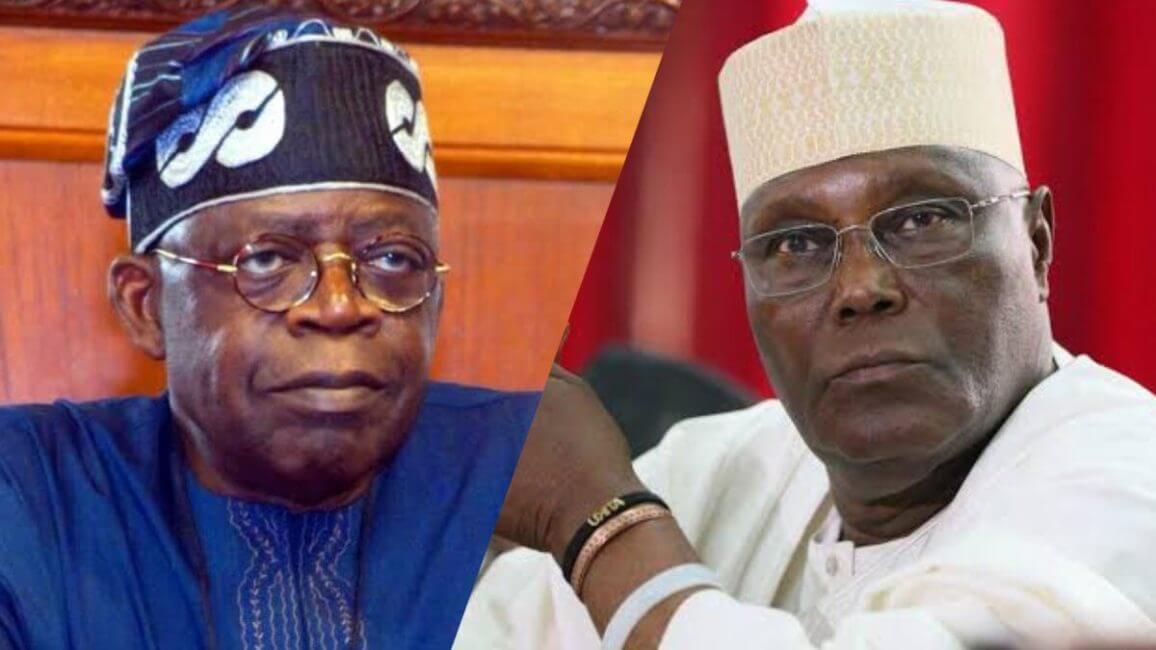
Atiku to Tinubu: Cut Fuel Prices, Let Nigerians Breathe
Atiku to Tinubu: Cut Fuel Prices, Let Nigerians Breathe
Former Vice-President and African Democratic Congress (ADC) presidential candidate Atiku Abubakar has urged President Bola Ahmed Tinubu to intervene in the petroleum sector and reduce petrol and diesel prices, saying rising energy costs are putting additional pressure on Nigerian households, workers, farmers and businesses.
Atiku made the call on Friday, September 18, 2026, during a press conference in Abuja, where he also criticised the Federal Government’s reliance on palliatives and raised concerns over plans to phase out electricity subsidies.
He asked President Tinubu to use the remaining months of the administration to implement measures capable of easing the cost-of-living crisis, arguing that Nigerians need policies that reduce the underlying cost of goods and services rather than temporary relief after prices have already risen.
According to Atiku, the impact of higher petrol prices has extended far beyond filling stations, affecting transportation, food distribution, farming, manufacturing, logistics and household budgets.
He argued that when petrol becomes more expensive, transport operators face higher costs, farmers spend more moving produce, traders pay more to move and stock goods, workers spend more commuting and businesses incur higher logistics and energy expenses.
Atiku said the resulting pressure ultimately reaches consumers through higher prices for food and other essential goods.
He also questioned the effectiveness of government palliatives, including food distribution and cash-transfer programmes, arguing that such interventions may provide temporary assistance but cannot replace policies that restore the purchasing power of Nigerians.
The ADC candidate said government should concentrate on lowering production and energy costs so that households and businesses can retain more of their income.
His comments came amid another round of increases in the domestic petrol price.
READ ALSO:
- Xenophobia: FG Brings 33 More Nigerians Home From South Africa
- Falconets Thrash England 3-0, Face Colombia in U-20 World Cup Quarter-Finals
- Replace Fuel Subsidy With Vehicle Credit to Drive Mobility, Jobs,LCCI, Ilekuba tell FG
The Dangote Petroleum Refinery increased its petrol gantry price from ₦1,265 to ₦1,350 per litre effective September 12, 2026. The increase represented an ₦85, or 6.7 per cent, rise and was the fourth upward adjustment in the refinery’s petrol price since August 21.
The successive adjustments have also been reflected at some filling stations, with petrol selling for as much as ₦1,395 per litre at some locations in Lagos, although prices have varied between stations and marketers.
Atiku said the government should not hesitate to adopt measures capable of lowering petrol prices simply because similar proposals originated from the opposition.
He said his concern was the effect of high energy costs on Nigerians and argued that the administration should act in the public interest.
A major part of Atiku’s argument is his proposal for a production subsidy for locally refined petroleum products.
The former vice-president has said his proposal is different from the former system of subsidising imported petrol. Under his plan, government support would be targeted at the crude feedstock supplied to qualifying refineries operating in Nigeria.
Atiku said the proposed mechanism would lower the cost of crude supplied to domestic refineries, with the reduction expected to translate into lower production costs and ultimately lower petrol prices for consumers.
He has proposed that the intervention should be transparent, capped and independently verified, with only crude refined in Nigeria qualifying for the support. Imported petroleum products, according to his proposal, would not benefit from the scheme.
Atiku has also said any such intervention should have a defined financial limit, be subject to National Assembly approval and undergo independent auditing.
He maintains that the policy would encourage domestic refining, protect investments in Nigeria’s refining industry and reduce the country’s dependence on imported petroleum products.
The proposal has generated debate because the Tinubu administration ended the long-standing petrol subsidy in May 2023, with the government arguing that the policy had become financially unsustainable and placed a heavy burden on public finances.
The subsequent removal of the subsidy resulted in a sharp increase in petrol prices and contributed to higher transportation and living costs, making fuel pricing one of the major economic issues in Nigeria.
The latest debate is taking place as Nigeria’s domestic refining capacity expands, particularly through the Dangote refinery.
The refinery has become a major supplier to the Nigerian market, but its prices continue to be influenced by factors including crude oil costs, exchange rates, refining expenses, logistics and international market conditions.
Atiku’s position is that government can intervene on the production side by lowering the cost of crude supplied to domestic refineries rather than returning to a system that subsidises imported petrol.
The former vice-president has also urged the government to reduce diesel prices, which remain important to manufacturers, transport operators, small businesses and other enterprises that depend on diesel-powered generators and equipment.
READ ALSO:
- Tinubu, Macron Hold Private Dinner in Paris, Reaffirm Nigeria-France Ties
- Federal Workers Urge Finance Ministry to Pay Delayed Allowances, Promotion Arrears
- Nigeria Wins $3.38bn Mambilla Arbitration Battle As ICC Rejects Sunrise Claims
He argued that lower energy costs would help reduce the cost of doing business and could eventually moderate prices paid by consumers.
Atiku also turned his attention to the electricity sector, where the Federal Government has announced plans to phase out electricity subsidies in 2027.
The government has said the reform is aimed at improving the financial sustainability of the power sector. The planned changes have nevertheless generated concerns over their possible impact on households and businesses already struggling with high operating costs.
Atiku warned that higher electricity costs could add to the burden already being carried by Nigerians.
He pointed to small enterprises such as barbers, tailors, welders and frozen-food sellers, as well as manufacturers that rely on a combination of public electricity, diesel and other alternative power sources.
He argued that government should avoid imposing additional energy costs before adequate measures are put in place to protect consumers.
The debate over fuel subsidy and electricity subsidy has therefore become part of a broader disagreement over the direction and social impact of Nigeria’s economic reforms.
Atiku has argued that the savings and additional revenues generated by subsidy reforms should translate into tangible improvements in Nigerians’ living standards.
The Federal Government, meanwhile, has maintained that the petrol subsidy removal was necessary to reduce the fiscal burden of the old system and allow resources to be redirected towards development and other government priorities.
The issue has gained renewed prominence as petrol prices rise again.
Organised labour and opposition groups have also increased pressure on the Federal Government for measures to cushion households from the impact of higher petrol prices, while calls have continued for greater support for domestic refiners.
The latest petrol price increases have revived questions about why pump prices remain high despite the availability of locally refined fuel and Nigeria’s status as a major crude oil producer.
Market participants have pointed to the cost of crude, global oil-market volatility, exchange-rate movements, distribution expenses and other factors affecting the final pump price.
Aliko Dangote has also raised concerns about differences between Nigerian petrol prices and prices in neighbouring countries, which can create incentives for cross-border fuel smuggling.
For Atiku, however, the immediate priority is to reduce the pressure on consumers.
He has urged President Tinubu to consider his proposed local refining production subsidy, lower petrol and diesel costs, address electricity affordability and adopt broader economic policies aimed at restoring Nigerians’ purchasing power.
The intervention also comes against the backdrop of the 2027 presidential election, in which Atiku is the ADC presidential candidate.
His criticism of the Tinubu administration’s economic policies is therefore part of the wider political debate over the consequences of subsidy removal, the cost of living, domestic refining and the management of Nigeria’s energy sector.
The central policy disagreement is whether government intervention should return in some form to reduce consumer prices or whether Nigeria should continue moving towards a market-driven energy pricing system while using targeted measures to protect vulnerable households.
As petrol prices remain elevated and electricity reforms continue, the debate is likely to remain a major issue for Nigerian households, businesses and policymakers.
Atiku to Tinubu: Cut Fuel Prices, Let Nigerians Breathe
-
 News3 days ago
ECOWAS Biometric Card Expands as Seven Countries Begin Rollout
-

 Sports3 days ago
Ballon d’Or 2026: Mbappe Responds to Yamal’s Bold Claim
-
 metro3 days ago
FG Suspends Niger NSCDC Commandant As 37 Suspected Illegal Miners Die In Custody
-
 International3 days ago
Ninth Body Discovered in South Africa: Nigeria Issues Urgent Safety Alert to Nationals
-

 Politics3 days ago
Toyin Abraham Rejects Lagos APC Campaign Council Inclusion
-

 Politics3 days ago
2027: Sowore Says He’d Rather Die Than Travel Abroad For Medical Treatment
-
 International2 days ago
BREAKING: Bloodbath at Pakistan Mosque as Suicide Blast Kills 21, Injures 103
-
 metro2 days ago
Niger Miners’ Deaths: Families Demand Compensation, Justice for Victims