

News
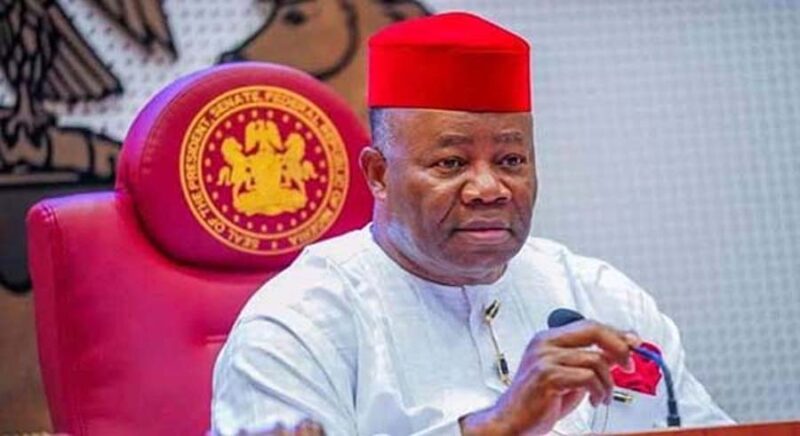
Killers of Nigerian soldiers may be mercenaries, says Akpabio
Killers of Nigerian soldiers may be mercenaries, says Akpabio
On Tuesday, Senate President Godswill Akpabio stated that the killings of 16 military soldiers in Delta State may have been mercenaries rather than Nigerians.
Brigadier General Tukur Gusau, Acting Director of Defence Information, said in a statement on Saturday that the military troops were slain on Thursday while on a peace mission in the community.
According to the soldiers, some of the community’s teenagers surrounded and killed them.
But during a debate on two merged motions moved by Senator Abdulaziz Yar’Adua of the All Progressives Congress (APC), who represents Katsina Central and Senator Edeh Dafinone of the APC, who represents Delta Central, Senate President Akpabio said the killers may be mercenaries.
“We are not at war. I don’t think they are from the Niger Delta. They may be mercenaries,” Akpabio said.
The Senate subsequently ordered a probe into the killings. It asked the Senate Committee on Defence, Army, Navy, and Air Force to liaise with the military authorities to get more information on the remote and immediate cause of what it described as “a dastardly act.”
READ ALSO:
- Kwara govt to begin HPV vaccine in secondary schools to stop cervical cancer
- Vote buying: How Adebutu applied for production of 200,000 prepaid cards, bank official tells court
- ‘Soldiers tricked us into a hall then opened fire’, Okuama residents speak on reprisal
The senators urged the Nigerian government to recruit more police personnel to relieve the military, which has been saddled with fighting terrorists, bandits and other non-state actors.
The Nigerian Army on Monday told the Okuama community, where 16 of its personnel were killed that no amount of propaganda would arm-twist the narrative. It warned them to be ready to face the wrath of the law for their alleged complicity in the crime.
A statement on Monday by the Director of Army Public Relations, Maj Gen Onyema Nwachukwu, alleged that the community’s complicity in the killing of its personnel had made it resort to media propaganda and shenanigans, rather than engage in a positive effort to fish out the perpetrators.
Titled, “Resort To Propaganda By Okuama Community In The Face Of Gruesome Murder Of Troops On Peace Mission Is Callous And Totally Condemnable,” General Nwachukwu assured the law-abiding citizens of the community that there would be no reprisal from the troops.
He said that the operation of the troops in the community was basically to identify and isolate the criminals to account for their atrocious deeds.
Killers of Nigerian soldiers may be mercenaries, says Akpabio





News
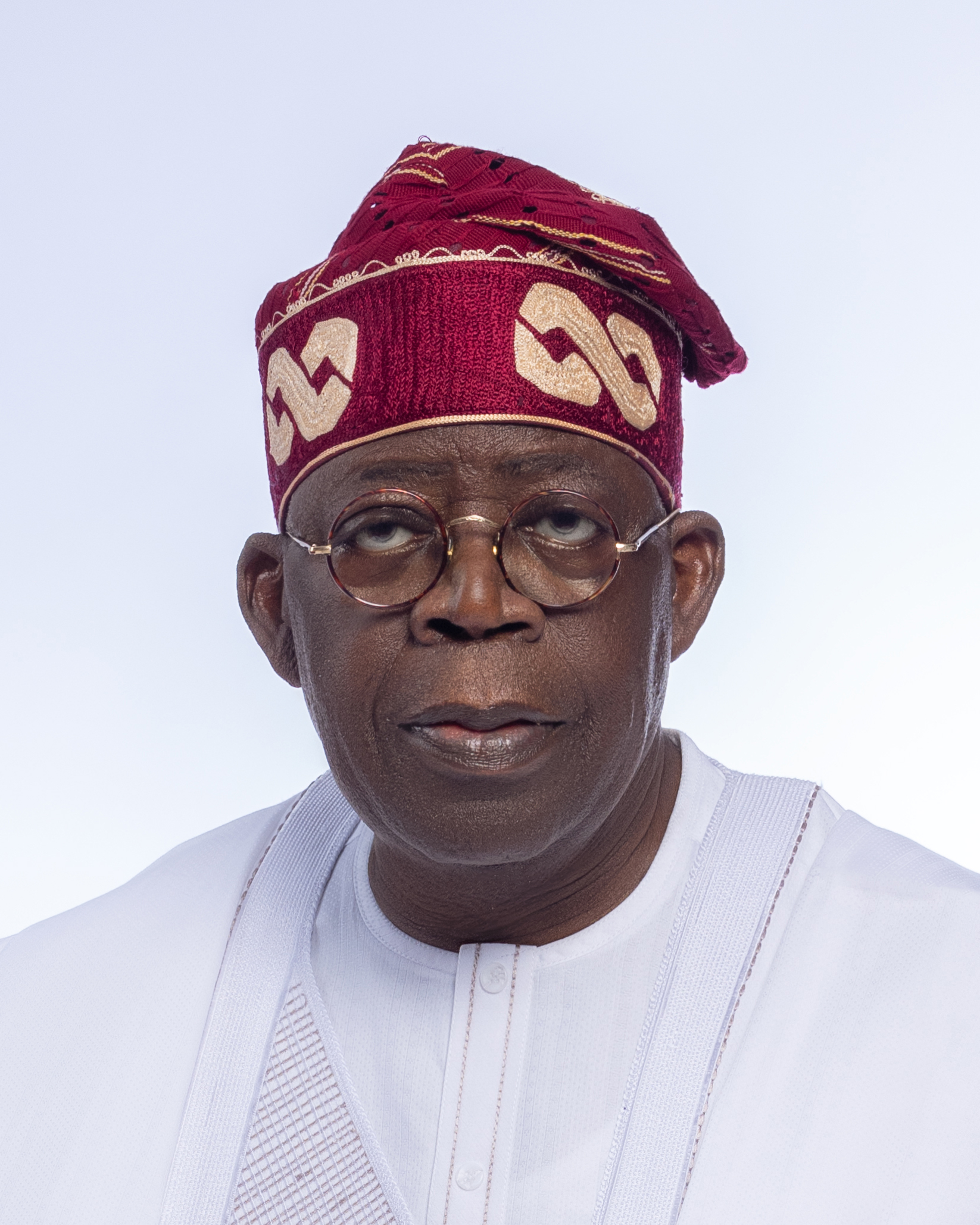
Breaking: Tinubu Ends Extended European Vacation, Departs Paris for Nigeria
Breaking: Tinubu Ends Extended European Vacation, Departs Paris for Nigeria
President Bola Ahmed Tinubu has departed Paris, France, for Nigeria, bringing to an end his extended working vacation in Europe, with his aircraft expected to arrive at the Murtala Muhammed International Airport, Lagos, later Tuesday.
The President left Abuja on August 30 for London to begin his working vacation and subsequently moved to Paris, where he held official engagements, including meetings with French President Emmanuel Macron and business leaders.
His stay, initially expected to last about three weeks, was extended by the Presidency, which announced on September 21 that Tinubu would return to Nigeria after a few additional days.
In a statement on Tuesday, Special Adviser to the President on Information and Strategy, Bayo Onanuga, confirmed that Tinubu had departed Paris for Nigeria.
Onanuga said the President’s aircraft was expected to touch down in Lagos later in the day.
According to the presidential spokesman, Tinubu chose to return through Lagos to honour the memory of the late Chief Moshood Kashimawo Olawale Abiola, widely associated with the struggle for the restoration of democratic rule in Nigeria.
The President is also expected to participate in activities surrounding Nigeria’s 66th Independence Anniversary on October 1 before returning to Abuja.
Tinubu’s prolonged absence from the country had generated public debate, particularly after he did not personally attend the 81st United Nations General Assembly in New York, where Vice President Kashim Shettima represented Nigeria.
The Presidency, however, maintained that Tinubu remained engaged with the affairs of government throughout his stay abroad. It said he continued to issue directives and conduct official business remotely while Vice President Shettima and other senior government officials represented him at various engagements.
During his stay in France, Tinubu also held talks with Vincent Bolloré of the Bolloré Group on expanded investments in Nigeria’s creative and digital economy. The State House said the discussions covered areas including film, entertainment, fibre-optic infrastructure and related sectors.
His return comes as the administration continues to focus on its economic reform programme, infrastructure development, energy transition and investment drive.
The President is expected to remain in Lagos for the Independence anniversary activities before returning to Abuja.
News
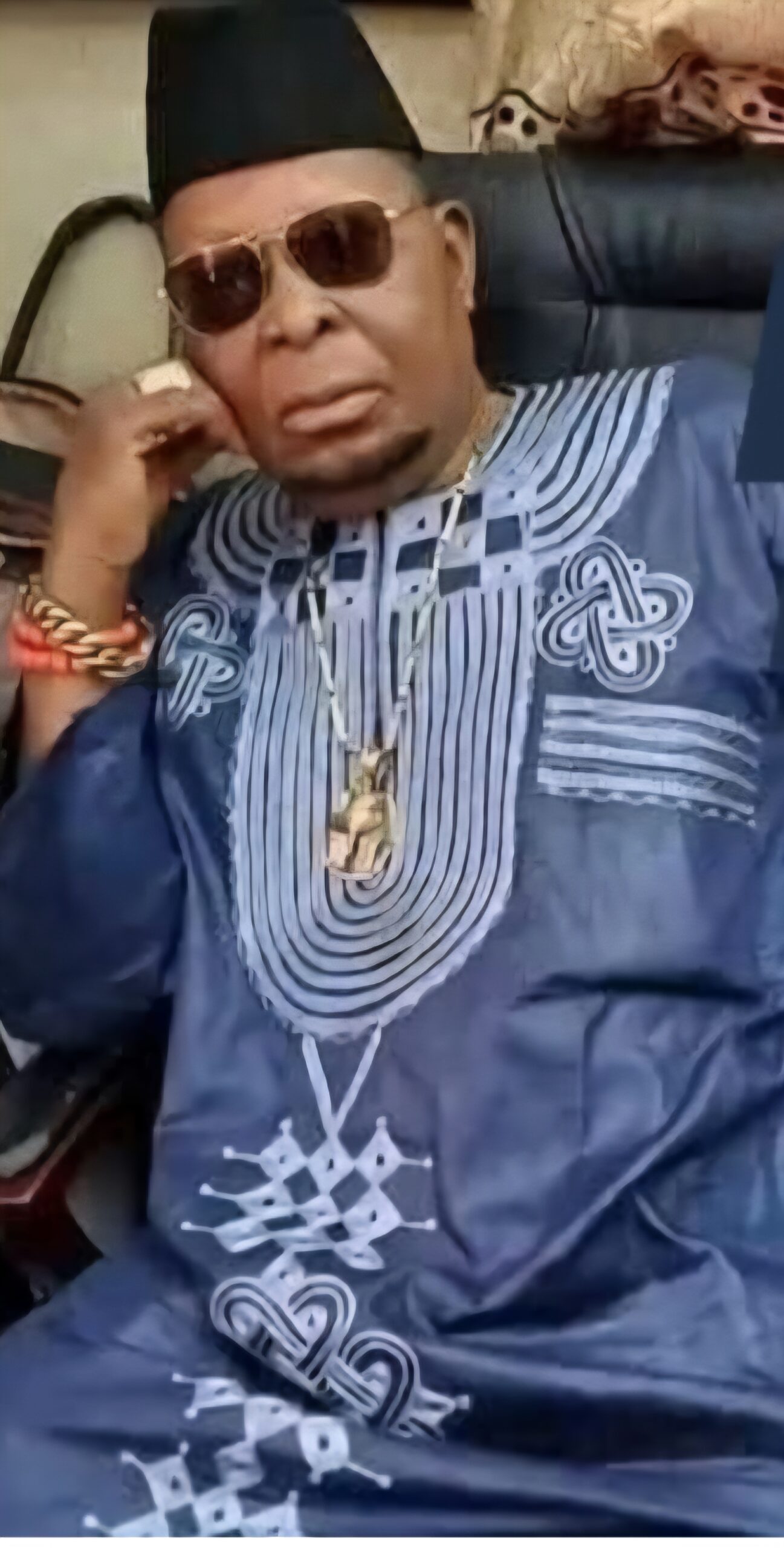
Agbede Mourns Baba Alado, Says Mushin Has Lost Pillar of Peace
Agbede Mourns Baba Alado, Says Mushin Has Lost Pillar of Peace
Mushin community in Lagos has lost one of its foremost voices for peace, dialogue and stability with the death of a prominent community leader and grassroots mobiliser, Chief Alhaji Taoreed Faronbi, popularly known as Baba Alado.
Former Chairman of the National Union of Road Transport Workers, Lagos State Council, Alhaji (Chief) Tajudeen Agbede, who is also the Balogun of Agege, described the death of the 83-year-old community leader as a monumental loss to Mushin, Lagos State and the transport union family.
Baba Alado, the Olori Ebi of the Alagbeji Royal Family in Papa Ajao and Babaloja of Aswani International Market, died in the early hours of Saturday, September 26, 2026.
In a condolence message personally signed on Sunday in Lagos, Agbede said the late community leader played a crucial role in maintaining peace and stability in Mushin, particularly during his tenure as chairman of the Lagos State NURTW.
According to him, Baba Alado was more than a community leader, as he served as a trusted bridge-builder whose counsel often helped to prevent disagreements from escalating into crises.
“During my tenure as Lagos NURTW Chairman, Baba Alado was a formidable force for peace and stability, especially in the Mushin axis, which remains strategic to union activities.
“At moments when tension arose, Baba Alado’s timely intervention, fatherly counsel and authoritative voice helped us maintain peace and brotherhood among members. He was not a distant leader.
“He was a constant, regular and respected face at every major union activity and event organised under my chairmanship,” Agbede stated.
The former NURTW boss said Baba Alado’s influence extended beyond the transport sector, noting that he promoted dialogue and understanding among transport workers, market traders, youths and traditional leaders in Mushin.
Agbede described the deceased as a detribalised leader and devout Muslim who devoted his life to the progress of his community and the welfare of those around him.
“He was a good adviser, a detribalised leader and a devout Muslim who touched many lives. His wisdom, calm disposition and steadfast commitment to the progress of Mushin and Lagos State will be long remembered,” he added.
Agbede extended his condolences to the wives and children of the deceased, members of the Alagbeji Royal Family, the Chairman of Mushin Local Government, Hon. Tunbosun Haruna Aruwe, and the people of Mushin.
He also commiserated with the Lagos State Chairman of the NURTW, Alhaji Mustapha Adekunle, popularly known as Sego, as well as members of the transport union family.
Agbede prayed Almighty Allah to forgive Baba Alado’s shortcomings, accept his good deeds and grant him Aljannah Firdaus.
He also prayed for Allah’s comfort and fortitude for the deceased’s family and all those mourning his passage.
News
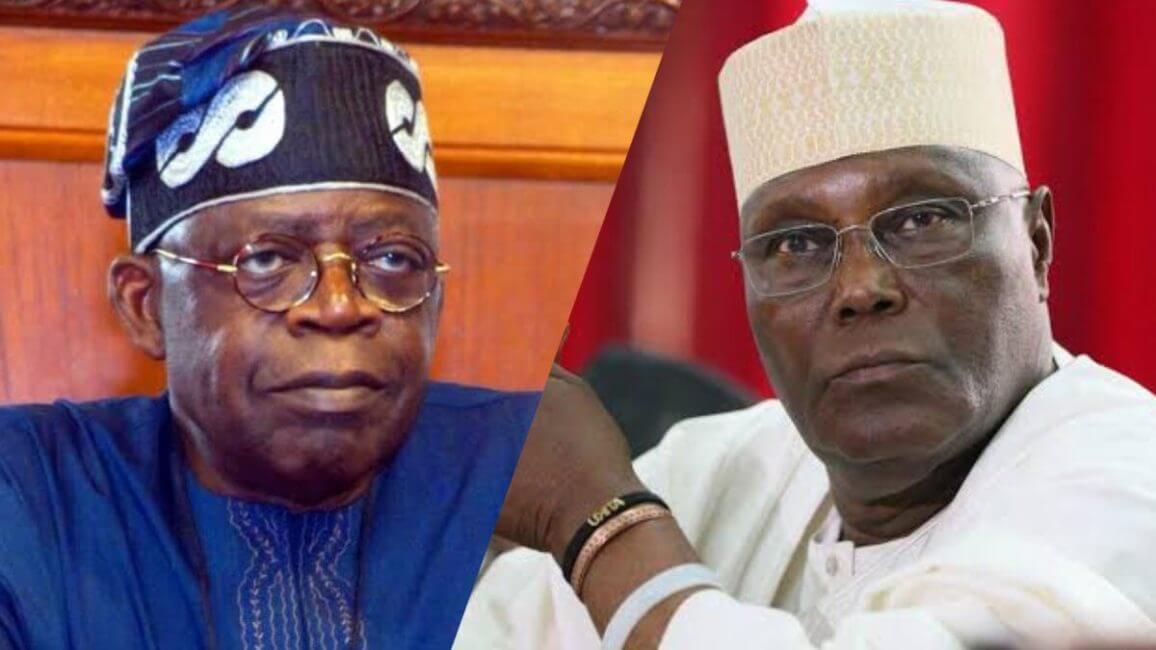
“What Is Tinubu Doing in Paris?” — Atiku’s Aide Challenges Presidency
“What Is Tinubu Doing in Paris?” — Atiku’s Aide Challenges Presidency
By Our Correspondent
The media aide to former Vice President and African Democratic Congress (ADC) presidential candidate, Atiku Abubakar, Paul Ibe, has challenged the Presidency to publish details of President Bola Ahmed Tinubu’s substantive engagements in Paris and the outcomes of his activities during his prolonged stay in France.
Ibe made the demand on Monday, September 28, 2026, amid renewed questions over Tinubu’s continued absence from Nigeria after the period initially announced for his three-week working vacation.
Tinubu left Nigeria on August 30 for London to begin what the Presidency described as a three-week annual working vacation. He subsequently travelled to Paris, where he held meetings with French President Emmanuel Macron and French businessman Vincent Bolloré.
Ibe said Nigerians deserved sufficient information about the official engagements being undertaken by Tinubu in France, arguing that the Presidency should provide details that would enable the public to assess the purpose and outcome of the President’s extended stay abroad.
According to him, the issue was not whether the President was “hale and hearty”, but why his stay abroad had continued beyond the period initially announced by the Presidency.
“The Presidency should publish Tinubu’s substantive engagements and their outcomes. Nigerians can then judge whether this prolonged absence is justified,” Ibe said, according to a report published on Monday.
The Atiku aide also questioned the reference to the proposed $7 billion Ogun deep-seaport project as part of the explanation for Tinubu’s activities in France.
He noted that the agreement was between the Ogun State Government and DP World, with Tinubu witnessing the signing, and questioned its relevance to the justification for the President’s prolonged stay in France.
The Presidency, however, has maintained that Tinubu’s absence from Nigeria does not mean he has stopped performing his presidential duties.
In a September 21 statement, Special Adviser to the President on Information and Strategy, Bayo Onanuga, said Tinubu had extended his working vacation by a few days and would return to Nigeria at the weekend.
The Presidency said the President had remained in contact with officials at home and continued directing government affairs while abroad. It cited, among other activities, Tinubu’s decision to order an independent panel to investigate the deaths of 37 illegal miners in Minna.
The State House also confirmed that Tinubu met Bolloré in Paris on September 18 over plans to deepen investment in Nigeria’s creative and digital economy.
According to the Presidency, the discussions covered areas including film, entertainment and fibre-optic infrastructure, with the Bolloré Group indicating plans to deepen its operations and investments in Nigeria.
Ibe also questioned Tinubu’s decision to remain in France while the 81st United Nations General Assembly was taking place in New York.
Vice-President Kashim Shettima represented Nigeria at the UN General Assembly, while Tinubu remained in Europe. The Presidency explained that Shettima was representing the President and would deliver Nigeria’s national statement at the global gathering.
Ibe contrasted Tinubu’s continued stay in France with French President Emmanuel Macron’s movements, noting that Macron had hosted Tinubu in Paris before travelling to New York for the UN General Assembly.
“Meanwhile, Emmanuel Macron, who hosted Tinubu at the Élysée Palace, travelled to New York for UNGA and returned while Tinubu remained in France on housekeeping duties,” Ibe said.
Tinubu’s prolonged stay has continued to generate political debate, particularly following reports that his expected return to Nigeria had been postponed.
TheCable reported on September 27 that the President’s return plans had been changed at the last minute, with Tuesday being reported as the likely new return date. The reason for the change was not immediately disclosed.
The development has also triggered debate over Section 145 of the Nigerian Constitution, which deals with the President’s absence from office and the transmission of written declarations concerning vacation or inability to discharge presidential functions.
Atiku and his media aide have previously questioned whether the constitutional procedure was followed during Tinubu’s prolonged absence. The Presidency and other government officials have maintained that Tinubu remains in charge of the country’s affairs.
The latest exchange has therefore centred on two positions: the Presidency’s assertion that Tinubu has continued to conduct official business from abroad, and the opposition’s demand for greater disclosure about the President’s activities and the reasons for his extended stay in France.
“What Is Tinubu Doing in Paris?” — Atiku’s Aide Challenges Presidency
-
 metro3 days ago
$155m Left Behind, $750m Liabilities: Anambra Govt Opens Fresh Obi Files
-
 News2 days ago
Fake Agency Scandal: Gbajabiamila Says He Never Betrayed Tinubu’s Trust
-

 metro2 days ago
Woman Busted With Alleged Alcohol Hidden in Water Pack at Ogun Prison
-
 International2 days ago
Iran Claims Capture of Second US Underwater Drone in Strait of Hormuz
-
News2 days ago
Anambra Govt Demands Unreserved Apology From Peter Obi Over Debt Claims
-

 metro19 hours ago
24 Hours in Darkness: Iju Ishaga Residents, Businesses Count Losses as Ikeja Electric Fails to Restore Power
-
 Sports3 days ago
Man City Chairman Breaks Silence After Club Found Guilty Of 114 Charges
-
 Politics3 days ago
2027: Lawal Challenges Wike To Clarify Allegiance Over Rainbow Coalition