

metro
Death toll hits seven in Bauchi Zakat stampede – Police

Death toll hits seven in Bauchi Zakat stampede – Police
The death toll from a stampede at the venue of a Zakaat almsgiving event in Bauchi state on Sunday, March 24, has increased to seven, with three additional women reported dead.
The Nation reports that a stampede had occurred at about 10 am at the Shafa Holdings Company plc headquarters along Jos Road, on Sunday during the distribution of the Zakaat items, distributed by a Bauchi-based philanthropist.
The distribution was said to have begun smoothly, with beneficiaries mostly women called in groups to receive items, until restlessness among others led to a struggle to gain access to the premises.
READ ALSO:
- REVEALED: How Binance executive escaped from custody amid tax evasion charges
- Why I married my biological sister after 4 children
- Simon Ekpa declares Tinubu, eight others wanted
Giving an update on the incident, the spokesman of the state police command, SP Ahmed Wakili, in an interview with journalists on Monday disclosed that two more women died at the Tafawa Balewa University Teaching Hospital (ATBUTH) hospital, adding that the third woman died at home.
He gave the names of the casualties as Aisha Usman, aged 13; Sahura Abubakar, aged 55; Aisha Ibrahim Abubakar, aged 43; Kobi Street Bauchi; and Khadija Isah, aged 8; Karofi Bauchi.
The rest are Maryam Suleiman, aged 20, of Kandahar Bauchi; Maryam Shuibu, aged 16, of Gwang Gwan Gwan Bauchi; and Hassana Saidu, aged 53, of Dutsen Tanshi Bauchi.
Death toll hits seven in Bauchi Zakat stampede – Police







metro
LAWMA Deploying CCTV Cameras to Hunt Down Illegal Dumpers, says MD

LAWMA Deploying CCTV Cameras to Hunt Down Illegal Dumpers, says MD
The Lagos State Government is stepping up its crackdown on indiscriminate waste disposal, with the Lagos Waste Management Authority (LAWMA) planning to install surveillance cameras at strategic locations across the state to identify and prosecute environmental offenders.
The initiative, alongside a partnership with the Lagos State Command Centre, is designed to strengthen surveillance, deter illegal dumping and ensure stricter compliance with environmental regulations.
Managing Director/Chief Executive Officer of LAWMA, Dr Muyiwa Gbadegesin, disclosed this during an interview on Lagos Talks 91.3 FM on Monday, saying the measures would complement the authority’s ongoing enforcement and public awareness campaigns.
According to a statement by LAWMA’s Director of Public Affairs, Dr Mukaila Sanusi, Gbadegesin stressed that providing improved waste collection infrastructure alone would not guarantee a cleaner environment without a corresponding change in residents’ attitudes towards waste disposal.
He said sustained enforcement was essential to tackling entrenched practices that undermine environmental sanitation, adding that the planned deployment of LAWMA-owned cameras would enhance the authority’s ability to monitor public spaces and identify offenders for appropriate legal action.
Gbadegesin noted that improved service delivery, public enlightenment and consistent enforcement must go hand in hand to achieve a cleaner Lagos.
He cited feedback from a Mushin resident, Adegboyega, who acknowledged seeing LAWMA’s new compactors operating in the area, as evidence of the importance of visible waste management services in building public confidence.
The LAWMA chief also disclosed that the arrival of 150 new waste trucks would boost waste collection and evacuation across the state.
He said the authority had intensified house-to-house waste collection interventions to address accumulated refuse following the disengagement of underperforming Private Sector Participants (PSPs).
Gbadegesin urged residents to patronise approved waste collection operators, package their refuse properly and report incidents of illegal dumping.
He emphasised that while the government was investing in additional trucks and improved waste management infrastructure, residents also had a responsibility to support the drive for a cleaner environment through responsible disposal practices.
Beyond enforcement and waste collection, the LAWMA boss highlighted the potential of waste-to-energy technology to transform organic waste into useful resources, including electricity, as part of Lagos State’s broader push towards resource recovery and a circular economy.
He disclosed that a State Steering Committee had been established to advance plans for a proposed biogas plant, alongside other initiatives aimed at reducing reliance on conventional waste disposal methods and extracting economic value from refuse.
The authority is also pursuing improvements to waste transfer and resource recovery infrastructure, including Transfer Loading Stations and Material Recovery Facilities, to strengthen waste handling, sorting and recycling across the state.
Gbadegesin reaffirmed LAWMA’s commitment to combining technology-driven surveillance, stricter enforcement, public advocacy and improved service delivery to combat illegal dumping and sustain environmental sanitation.
He maintained that achieving a cleaner Lagos would require a collective effort by the government, waste management operators and residents.
metro
How Bandits Demand ₦300m Ransom for Abducted Kaduna Couple, Baby in Viral Video
How Bandits Demand ₦300m Ransom for Abducted Kaduna Couple, Baby in Viral Video
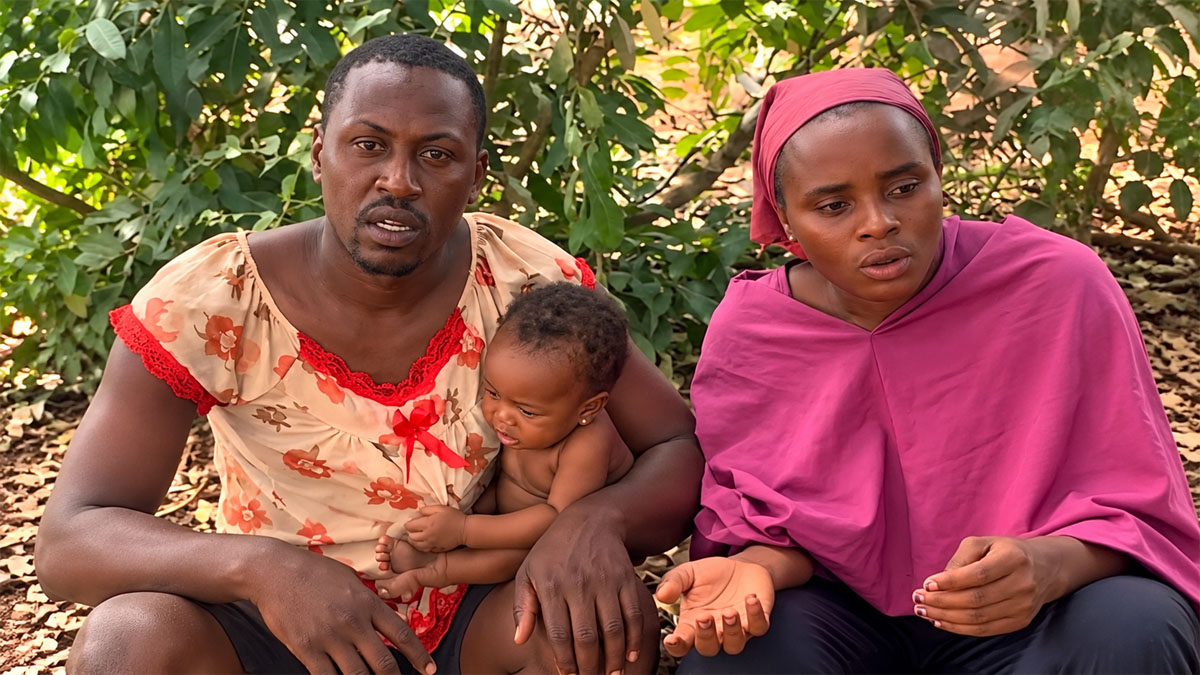
Armed bandits have released a video showing an abducted couple and their infant daughter in captivity in Kaduna State, with the kidnappers demanding ₦300 million for the family’s release.
The video, which circulated on social media on Monday, October 12, shows the father, identified in reports as Ahmed Abubakar Zakka, appealing to Nigerians to help secure the freedom of himself, his wife and their baby.
The family was reportedly abducted when armed men invaded Alrahus Estate in Millennium City, Chikun Local Government Area of Kaduna State, late at night.
In the footage, Zakka is seen holding his infant daughter while his wife sits beside him. An armed man, whose face was concealed, points a rifle at him and threatens to shoot him.
Speaking in Hausa, the captive father appeals for assistance, saying the kidnappers are demanding ₦300 million, an amount he says he cannot raise.
His wife is also heard pleading for help as the family remains in the hands of their abductors.
READ ALSO:
- 2027 Elections: Atiku Demands Names of INEC Ballot Printers, Questions Secret Contracts
- ₦8.7bn Erosion-Control Budget Gap Raises Questions as Anambra Gullies Expand
- Fuel Subsidy May Ease Hardship Today, But Could Cripple Nigeria’s Economy Tomorrow — FG
Reports of the incident indicate that the attack affected other residents of the estate, with a pregnant woman reportedly among those abducted during the same raid.
The gunmen were said to have moved through residential buildings, forcing their way into homes and taking occupants away.
The abduction has heightened concerns over the safety of residents of Millennium City and surrounding communities, where reports of armed attacks and kidnappings have continued to generate anxiety.
Former Vice-President Atiku Abubakar has called on security agencies to act swiftly to secure the release of Zakka, his wife, their infant daughter and other Nigerians being held captive.
Atiku described the video as a painful reminder of the insecurity confronting families across the country. He urged the authorities to move beyond assurances and take effective measures to rescue abducted persons, protect vulnerable communities and bring those responsible for the crimes to justice.
Mohammed Bello El-Rufai, the lawmaker representing Kaduna North Federal Constituency in the House of Representatives, also expressed concern over recurring kidnappings in Millennium City, particularly around the Dan Bushiya area.
He called on the Kaduna State Government, the police and other security agencies to intensify operations, improve intelligence gathering and ensure the immediate rescue of the victims.
As of the time of reporting, the Kaduna State Police Command had not publicly provided a substantive update on the family’s rescue.
The command’s spokesperson, Mansir Hassam, reportedly said he would respond to enquiries about the incident, but no further response had been received by the time the report was filed.
The family’s condition and the status of any rescue operation remained unclear in the reports available.
The incident has renewed calls for stronger security measures in residential communities and urgent intervention to secure the safe return of the abducted family.
How Bandits Demand ₦300m Ransom for Abducted Kaduna Couple, Baby in Viral Video
metro
How Military Air Strike Crushed ISWAP Attack Plot, Killed Over 40 Fighters in Borno
How Military Air Strike Crushed ISWAP Attack Plot, Killed Over 40 Fighters in Borno
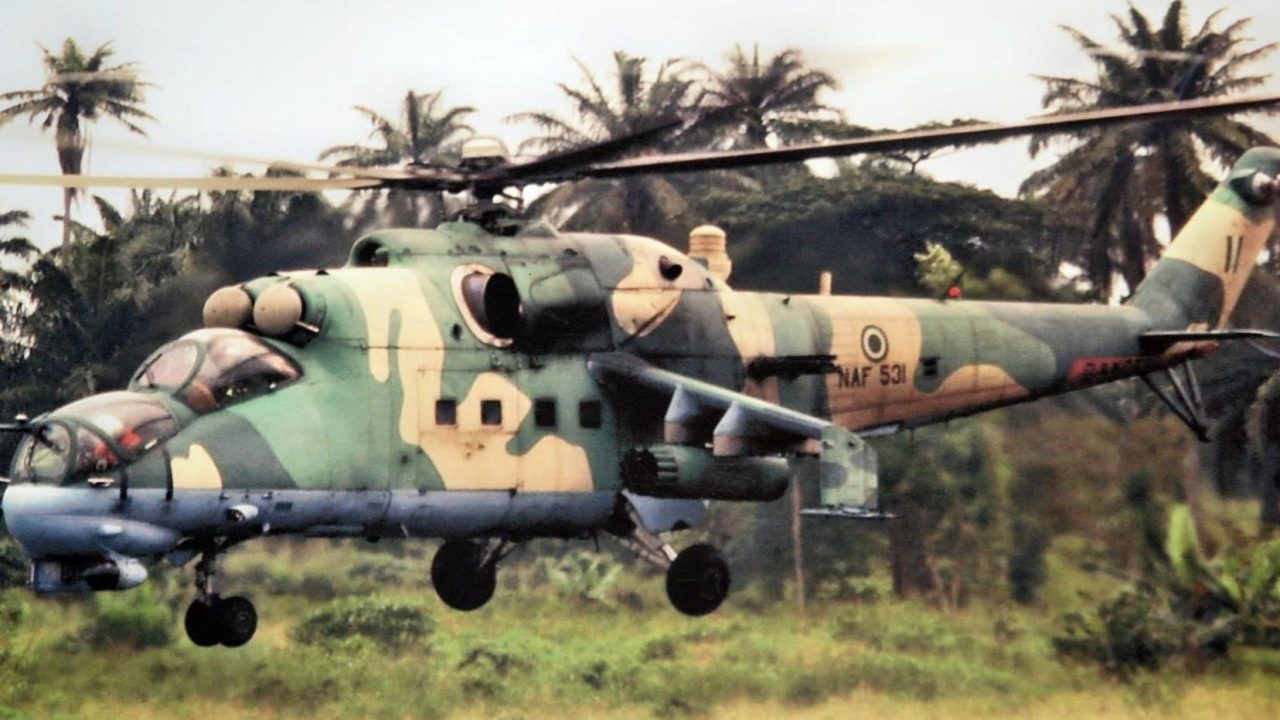
The Nigerian military has reported killing more than 40 Islamic State West Africa Province (ISWAP) fighters, including a prominent commander, in an air strike that reportedly disrupted plans for coordinated attacks on military positions in Borno State.
The operation, conducted by the Air Component of the Joint Task Force, North East, under Operation Hadin Kai, targeted a suspected insurgent enclave at Badu Village, south of Gudumbali in Guzamala Local Government Area of the state.
The military said the operation was launched on October 10, 2026, after intelligence reports indicated that the insurgents were assembling to plan attacks against troops operating in the area.
In a statement issued in Maiduguri, Captain Mohammed Goni, the Military Information Officer at the Headquarters of the Joint Task Force, North East, said preliminary intelligence and battle damage assessments indicated that more than 40 fighters were killed in the operation.
According to the military, the casualties included a prominent ISWAP commander believed to have been involved in the group’s operations in the region.
Military acts on intelligence about planned attacks
Goni said the operation followed credible intelligence about the concentration of insurgents allegedly preparing coordinated attacks against military formations and nearby communities.
He explained that the Air Component conducted aerial surveillance to identify the movements of suspected fighters around their hideouts and logistics facilities before launching a precision strike on a building occupied by the insurgents.
The military said the air strike disrupted the planned attacks and weakened the operational capacity of the targeted fighters.
However, the reported casualty figure was based on the military’s preliminary assessment, and independent confirmation of the number of fighters killed was not available.
Vehicles, motorcycles destroyed
The military also reported that the operation destroyed two vehicles and approximately 20 motorcycles allegedly used by the insurgents for transportation, logistics and offensive operations.
The destruction of the equipment could affect the group’s ability to move fighters, transport supplies and coordinate attacks across remote communities in the area.
According to the military, intelligence gathered after the operation linked the targeted fighters to ISWAP’s Murabitun element, described as a mobile fighting unit involved in patrols, attack coordination and other insurgent activities.
The military said further assessments were ongoing to determine the full extent of the damage caused by the strike.
ISWAP remains a security threat in North-East
ISWAP remains one of the principal armed extremist groups operating in Nigeria’s North-East, particularly in Borno State and areas around the Lake Chad region.
The group emerged from the Boko Haram insurgency and has continued to attack military formations and communities as security forces intensify efforts to contain its activities.
Insurgent attacks on military positions have posed persistent challenges to efforts to restore peace and enable displaced residents to return to their communities.
The latest reported operation forms part of the military’s broader campaign to disrupt insurgent movements, dismantle their operational networks and prevent attacks on troops and civilians.
The military reiterated its commitment to sustaining intelligence-led operations and coordinated air and ground offensives against insurgent groups in the North-East.
While the reported deaths of more than 40 fighters would represent a significant blow to the targeted group if confirmed, the full impact of the operation will depend on subsequent intelligence assessments and developments on the ground.
How Military Air Strike Crushed ISWAP Attack Plot, Killed Over 40 Fighters in Borno
-
 Health3 days ago
NAFDAC Raises Alarm Over Toxic Pesticides in Beans, Seizes ₦800m Banned Chemicals
-

 metro2 days ago
Tension in Kano as Phone Traders Confront Chinese Sellers Over Cheaper Phones
-

 metro3 days ago
Police Launch Manhunt After Fresh Attacks, Kidnappings Rock Four Nigerian States
-

 metro3 days ago
EFCC Wins ₦132m Money Laundering Case as Court Orders Forfeiture of Lagos Properties
-

 Business3 days ago
NNPC Petrol Discount: Motorists Must Download App to Save ₦66 Per Litre
-

 Entertainment2 days ago
‘My Wife Fed Actresses I Was Dating Despite Knowing About Our Affairs’ – Yinka Quadri
-

 Politics3 days ago
INEC Raises Alarm Over Fake APC Result Naming Okorocha, Seeks DSS, Police Probe
-

 metro3 days ago
Mary Ugwoma’s Death: Husband Denies Abuse, Cites Brain Haemorrhage Report