

Politics
Mass Defection Hits Bauchi APC as Senators, Reps, Aspirants Dump Ruling Party
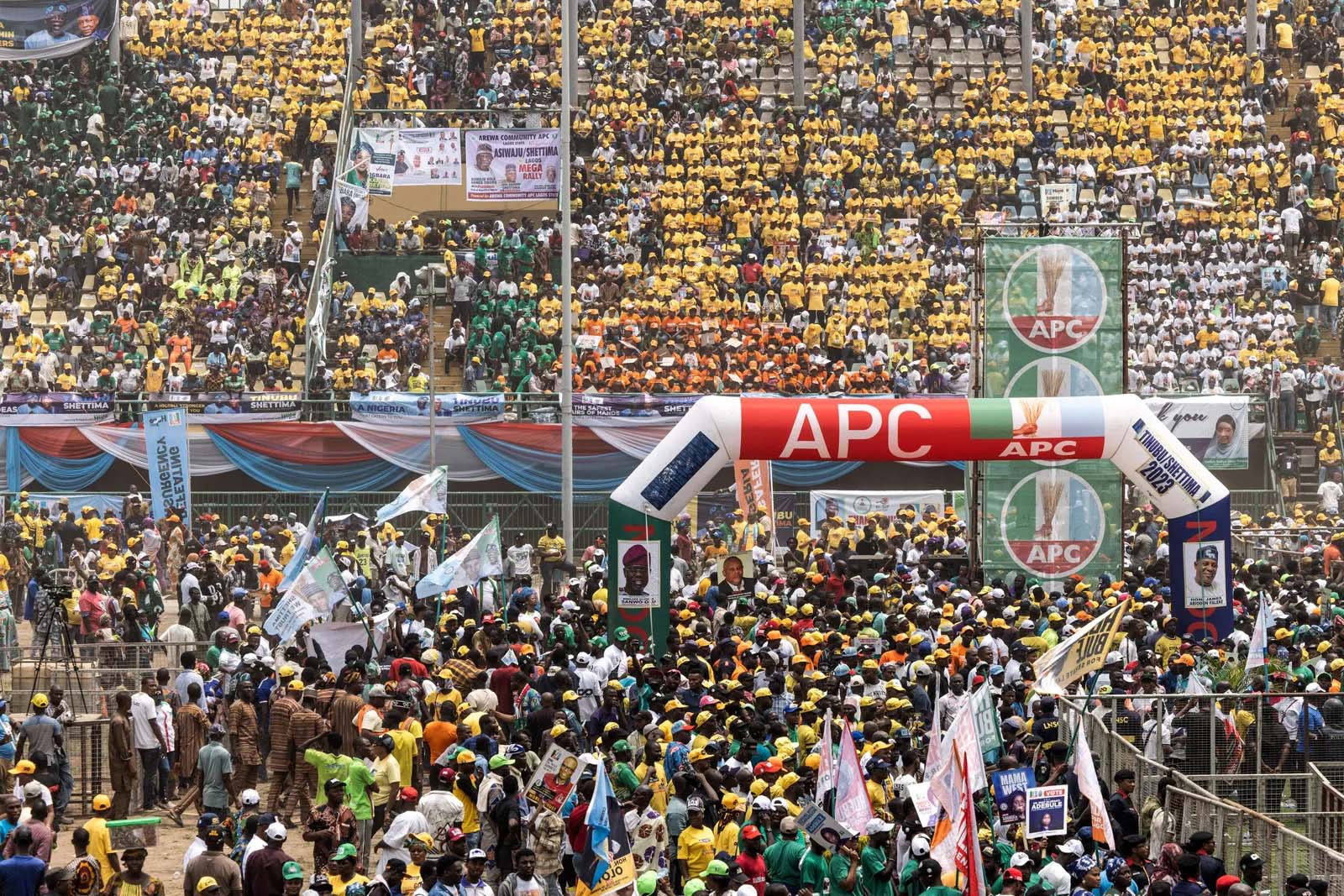
Mass Defection Hits Bauchi APC as Senators, Reps, Aspirants Dump Ruling Party
The aftermath of the All Progressives Congress (APC) primaries in Bauchi State has sparked growing discontent, leading to the mass defection of both prominent chieftains and their supporters across the state, with two serving senators, a House of Representatives member, former Inspector General of Police, and scores of aspirants resigning from the ruling party. Lawmaker representing Bauchi South Senatorial District, Senator Shehu Buba Umar, has resigned from the APC and declared his membership of the Peoples Redemption Party (PRP). This comes days after his withdrawal from the APC governorship primary election, citing irregularities and violations of electoral guidelines. Also, the Senator representing Bauchi North, Samaila Kaila Dahuwa, has resigned from the APC after losing his return ticket, joining the PRP.
Buba cited the “absence of internal democracy, lack of fairness, marginalisation of genuine party members, and increasing disregard for the opinions and aspirations of grassroots supporters within the APC.” He said his decision to join the PRP came after extensive consultations with political associates, youths, women groups, party stakeholders, and supporters across Bauchi South Senatorial District and Bauchi State at large. Buba said the PRP remains a political platform built on the principles of justice, transparency, accountability, inclusiveness, and people-oriented leadership, with strong commitment to the democratic values enshrined in the 1999 Constitution of the Federal Republic of Nigeria. Buba explained that his movement to the PRP is aimed at strengthening democratic governance, protecting the interests of the common people, and providing effective and responsive representation for the citizens.
“Our people deserve better governance, better opportunities, and leadership that truly listens to their concerns. Politics should be about service to humanity, justice, development, and improving the living conditions of the masses,” Buba said. The Senator urged his supporters and political allies to join him in the PRP to continue the “collective struggle” for good governance, social justice, accountability, and sustainable development across Bauchi State. Barely 24 hours after parting ways with the APC, Buba clinched the PRP governorship ticket, with the PRP Deputy National Vice Chairman (North), Haruna Buhari, announcing him as the party’s sole cleared aspirant for the ticket.
READ ALSO:
- It’s My Job to Weaken Opposition, APC Chairman Declares
- Police Arrest Abuja Chef Over Alleged N150m Robbery, Recover Victim’s iPhone
- Gov Yusuf Approves N20,000 Eid-ul-Adha Goodwill Package for Civil Servants
However, Buba’s defection and swift emergence as the PRP governorship candidate have not gone unchallenged. A Bauchi governorship aspirant on the PRP platform, Barrister Safiyanu Garba Idris, has questioned the eligibility and political status of Senator Shehu Buba following his recent defection from the APC. Addressing newsmen on Monday in Bauchi, Idris alleged that Buba remained actively involved in APC activities even after publicly announcing his resignation from the ruling party. According to him, the senator attended meetings of the APC after the date he reportedly claimed to have defected to the PRP. “Somebody who said he left the APC was still participating in APC meetings and activities,” he alleged. The aspirant further questioned how Buba emerged as the sole governorship candidate of the PRP shortly after withdrawing from the APC governorship contest, arguing that the development raised constitutional and procedural concerns regarding party membership and eligibility. Idris also accused some officials within the PRP of manipulating internal processes to favour selected individuals ahead of the 2027 governorship election. According to him, the situation could deepen internal divisions within the party if not properly addressed.
Among those who departed is the incumbent member representing the Jama’are/Itas-Gadau federal constituency in the House of Representatives, Hon. Rabilu Bala Kashuri, who announced his resignation with immediate effect. Kashuri, who sought reelection ticket but was unsuccessful, tendered his resignation from the ruling party in a letter addressed to the APC Chairman of Kashuri Ward in the Itas/Gadau Local Government Area. Similarly, the 2023 deputy governorship candidate and former member of the House of Representatives, Hon. Shehu Aliyu Musa, also resigned from the APC. Musa, who contested the APC ticket for the Bauchi South Senatorial District, cited “lack of purposeful leadership, unfair treatment of party members and lack of cohesion among leaders of the party.” Since the announcement of the results of the APC gubernatorial primaries, several aspirants and stakeholders have resigned from the APC, citing a lack of transparency and violations of internal democracy.
In a related development, former majority leader of Bauchi House of Assembly and aspirant for the Katagum Federal Constituency, Hon. Tijjani Mohammed Aliyu, resigned from the party, alleging that the primaries were marred by predetermined results, vote allocation, and gross violations of party guidelines. According to him, the exercise undermined the principles of internal democracy upon which the APC was founded. In a letter addressed to the Ward Chairman of the APC in Madangala Ward, Katagum Local Government Area, he wrote: “I write to formally notify you of my intention to resign my membership of the party (Membership No. APC 051203000049) in your ward, with immediate effect. This decision follows recent developments regarding party activities, particularly the conduct of the 2026 primaries for various elective positions. After careful observation and review, I am convinced that the process was marred by predetermined results, the outright allocation of votes, and non-compliance with the guidelines for the conduct of said primaries.”
READ ALSO:
- ‘INEC-Level Logistics’ – ADC Admits It Wasn’t Ready for 2027 Nationwide Primaries
- JAMB Sets Date for 2026 UTME Mop-Up, Directs Candidates to Reprint Slips
- DR Congo: Gunmen Storm Ebola Treatment Hospital, Demand Relatives’ Bodies
Another chieftain, Hon. Abubakar Dahuwa Abdulkadir, who holds the traditional title of Sarkin Yamman Katagum, also withdrew his membership from the party. He described the primaries as unfair, discriminatory, and contrary to democratic ethics. He alleged that the APC failed to conduct the planned direct primary election for the Azare/Madangala State Assembly constituency. Hon. Sulaiman Sunusi Lalaye, an aspirant who sought to represent the Bauchi Constituency in the State House of Assembly, announced his resignation from the APC. In a letter addressed to the Chairman of the APC in Makama/Sarkin Baki Ward, Bauchi Local Government Area, dated May 22, 2026, Lalaye stated that although he had been a member of the party since its formation, he decided to leave due to persistent irregularities and injustice within the organization. He formally notified the party of his decision to withdraw his candidacy for the State House of Assembly on the APC platform. Hon. Rabi’u Abubakar Bishi announced his resignation in a letter addressed to the APC Chairman of the Kangere/Turum Ward. “I am writing to inform you of my decision to resign from the All Progressives Congress. I have taken this step due to internal crises and injustice, among other issues, which I can no longer bear. This resignation will enable me to remain committed to my principles of fighting for good governance in our state,” Bishi said. Many aggrieved members alleged that no direct primaries were conducted in the state, insisting that candidates were merely handpicked through what they described as “selection and imposition.”
The crisis has been further inflamed by the outright rejection of the APC governorship primary results by the Bauchi Progressives Forum. The group has rejected the results announced by the Chairman of the Committee for the APC Governorship Primaries in Bauchi State, insisting that no election was conducted and that aspirants were instead pressured to step down. In a statement signed by its Chairman, Mallam Ibrahim Abdullahi, the group described the figures announced by the Primaries Committee as fictitious and an insult to the people of Bauchi State.
“There was no governorship primary election in Bauchi State. Let us not attempt to deceive Nigerians. The aspirants were invited by certain individuals and asked to step down for former Governor Muhammad Abubakar. They reluctantly agreed because they were not given the opportunity of a credible direct primary,” the statement said. “It is distasteful for the Chairman of the Primaries Committee to announce figures of votes that were neither cast nor counted.” The group further challenged the Committee to produce evidence that voting took place in any ward or local government area across the state. “We had agents across the state, and there was not a single vote cast or counted anywhere. There were no queues and no accreditation of voters. So where did these figures come from? We challenge the Committee to produce a single photograph showing party members queueing to vote anywhere in Bauchi State. Such evidence does not exist,” the group queried.
READ ALSO:
- Troops Rescue 92 Kidnapped Civilians, Defuse 3 IEDs in Borno
- Police Reject ₦500m Bribe, Seize 425 Bags of Suspected Canadian Loud Worth ₦7.8bn
- NSCDC Seals Chinese-Linked Steel Company, Arrests 12 Over Railway Track Vandalism
Speaking further, Mallam Abdullahi said the development raised serious questions about the democratic credentials of the APC. “No APC member in Bauchi State who watched the video of those figures being announced would believe that the party truly represents democracy or progressive ideals. This is far removed from the principles upon which the party was founded, and it is deeply insulting to the people of Bauchi State,” he said. The Forum clarified that it was not disputing the emergence of Muhammad Abubakar as the APC governorship candidate, but rather the claim that he emerged through an election. “Muhammad Abubakar emerged as the ‘consensus’ candidate. Some aspirants initially opposed the arrangement and preferred a direct primary, but two eventually agreed, albeit reluctantly, to his emergence. What we expected was for the party to openly state that he emerged through ‘a forced consensus’, not to falsely claim that an election was conducted. That narrative is simply untrue,” the statement added.
The fallout from the APC primaries has extended beyond Bauchi State. A former Inspector General of Police, Abubakar Adamu, resigned his membership of the APC over his loss during the APC governorship primaries in Nasarawa State. Adamu formally submitted his letter of resignation on Monday to the executives of the Makama ward in Lafia, the state capital. He said, “Today I address my letter to you, the ward executives, especially the ward chairman, of my decision to resign from the All Progressives Congress with immediate effect. This decision was not taken lightly. However, recent developments within the party, especially the conduct of the governorship primary election processes in Nasarawa State, have made it difficult for me to continue with my political activities under the platform of the party.”
Adamu explained that internal democracy, fairness, transparency and equal opportunity for aspirants and members, which guided the affairs of any democratic political party, did not reflect the party’s principles. “I strongly believe that internal democracy, fairness, transparency and equal opportunity for aspirants and members guide the affairs of any democratic political party. Unfortunately, the events surrounding the primary election did not reflect this principle and have led to a loss of confidence in the party’s leadership and the processes in the state. After wide consultations with supporters, political associates and family members, I have decided to withdraw my membership to pursue my political aspirations through another platform,” he noted. His resignation sparked protests among his supporters, with many seen in viral videos online burning the broom, the symbol of the APC.
In Kano State, a similar defection from the ruling APC was witnessed as Mustapha Dawaki, a former member of the House of Representatives and erstwhile Chief of Staff to the APC National Chairman, Prof Nentawe Yilwatda, moved to the National Democratic Congress (NDC). Dawaki was officially received on Monday by a leader of the NDC and founder of the Kwankwasiyya movement, Rabiu Kwankwaso, during a meeting held at Kwankwaso’s Miller Road residence in Kano. The development comes barely one week after Dawaki reportedly lost his bid to secure the APC consensus ticket for the Dawakin Kudu/Warawa Federal Constituency seat. Confirming the defection in a statement on Monday, Kwankwaso’s media aide, Saifullahi Hassan, said the former APC stalwart had formally joined the NDC alongside his supporters. “Leader has today accepted the former Chief of Staff to the APC National Chairman, Mustapha Bala Dawaki, popularly known as Mai Gidan Ruwa, into the NDC Kwankwasiyya movement,” Hassan wrote in a Facebook post. Political observers described the defection as another major shake-up within Kano politics, especially as opposition parties and ruling party blocs intensify consultations and consensus arrangements ahead of the 2027 elections.
In Zamfara State, protests have continued to trail the outcome of the APC primaries. A Zamfara State senatorial aspirant for Zamfara North District, Aliyu Shinkafi, has petitioned the National Chairman of the party, Professor Nentawe Yilwatda, over what he termed as “imposition of Sahabi Alhaji Yau, as the sole candidate for the district.” Shinkafi described the exercise as an injustice and a flagrant disregard for the Constitution of the Federal Republic of Nigeria 1999 as Amended, Electoral Act 2026 and the constitution of the APC. He warned that Governor Dauda Lawal will be the major loser in what he called “conspiracy to exclude already cleared Senatorial aspirants from participating in the senate primaries in Zamfara State as the chances of APC winning the elections in the state is minimal.”
The mass defections sweeping through the APC in Bauchi, Nasarawa, Kano, and Zamfara States signal a significant political crisis for the ruling party ahead of the 2027 general elections. The loss of two serving senators, a former Inspector General of Police, a former House of Representatives member turned Chief of Staff to the APC National Chairman, and scores of aspirants across various levels represents a substantial erosion of the party’s grassroots political structures. The defectors’ allegations of “no direct primaries,” “selection and imposition,” “predetermined results,” and “outright allocation of votes” strike at the heart of the APC’s claim to internal democracy. The Bauchi Progressives Forum’s assertion that no election was conducted and that figures announced were “fictitious” is particularly damaging to the party’s democratic credentials. The fact that many defectors have found a ready home in the PRP and NDC suggests that opposition parties are capitalising on the APC’s internal crisis to strengthen their own structures ahead of 2027. For the APC leadership, the challenge now is whether it can contain the fallout, address the grievances of aggrieved members, or risk further defections that could weaken the party’s electoral prospects in key states.
Mass Defection Hits Bauchi APC as Senators, Reps, Aspirants Dump Ruling Party








Politics
2027: ADC Vows to Collate, Share Polling-Unit Results Despite INEC Warning
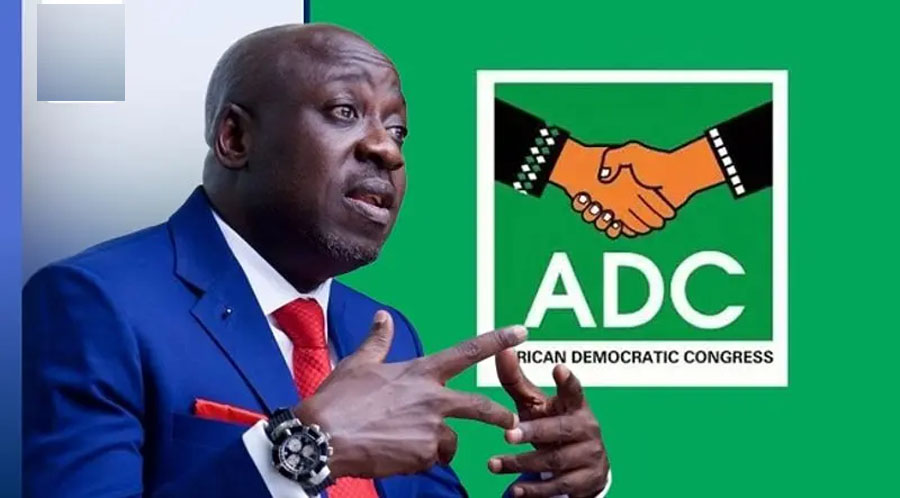
2027: ADC Vows to Collate, Share Polling-Unit Results Despite INEC Warning
The African Democratic Congress (ADC) has vowed to independently document, collate and share polling-unit results during the 2027 general elections, despite a warning from the Independent National Electoral Commission (INEC) against the publication of privately collated results.
The ADC said its plan is aimed at protecting votes cast for its candidates and ensuring that results announced at the end of the electoral process reflect the figures recorded at polling units.
The party’s National Publicity Secretary, Bolaji Abdullahi, said the ADC recognised INEC’s statutory responsibility to collate and officially declare election results, but maintained that citizens and political parties have the right to collect and share information, including election results.
Abdullahi’s position followed a recent warning by INEC Chairman, Professor Joash Amupitan, against the sharing of privately collated election results.
The ADC argued that independently gathering and publishing polling-unit figures does not prevent INEC from carrying out its constitutional responsibility to conduct the election, collate official results and declare winners.
Under Nigeria’s electoral system, INEC conducts the official collation and declaration process through various levels, from the Registration Area and Local Government Area to state and, for the presidential election, the national level.
READ ALSO:
- Court Grants Alleged Fake JAMB Registrar N50m Bail, Sets Strict Conditions
- NESREA to Honour Lagos Baale After Dramatic Rescue of Endangered Sea Turtle
-
How Six Members of a Family Were Murdered in Oyo
The ADC said its independent collation would provide its candidates and supporters with their own record of results from polling units and allow them to compare those figures with results emerging through the official process.
The party has previously said its decision was influenced by the 2023 general elections, when concerns arose over the electronic transmission of results to the INEC Result Viewing Portal (IReV).
Abdullahi had said the party would no longer rely solely on INEC to protect its votes, arguing that political parties must put their own mechanisms in place to monitor results from polling units through the collation process.
The ADC has also raised concerns about the appointment of Returning and Collation Officers for the 2027 elections.
In September, the party called on INEC to review the use of academics who had openly expressed support for political candidates in sensitive electoral positions.
It argued that people who had publicly taken partisan positions should not subsequently be assigned responsibilities involving the collation of results or declaration of winners in elections contested by their preferred candidates.
The party urged INEC to publish the names of proposed Returning and Collation Officers ahead of the elections to allow political parties and members of the public to raise concerns about possible conflicts of interest.
The latest dispute has placed renewed focus on the distinction between independent election monitoring by political parties and the official collation and declaration of results, which remains the responsibility of INEC.
The ADC maintains that its planned collection and publication of polling-unit figures is intended to promote transparency and protect its votes, rather than replace INEC’s official declaration.
As preparations for the 2027 elections intensify, the disagreement highlights the growing debate over how political parties, election observers and citizens should independently monitor results while preserving INEC’s legal authority over the official electoral process.
2027: ADC Vows to Collate, Share Polling-Unit Results Despite INEC Warning
Politics
Killings, Hardship: Northern Islamic Clerics Tell Tinubu to Drop 2027 Ambition
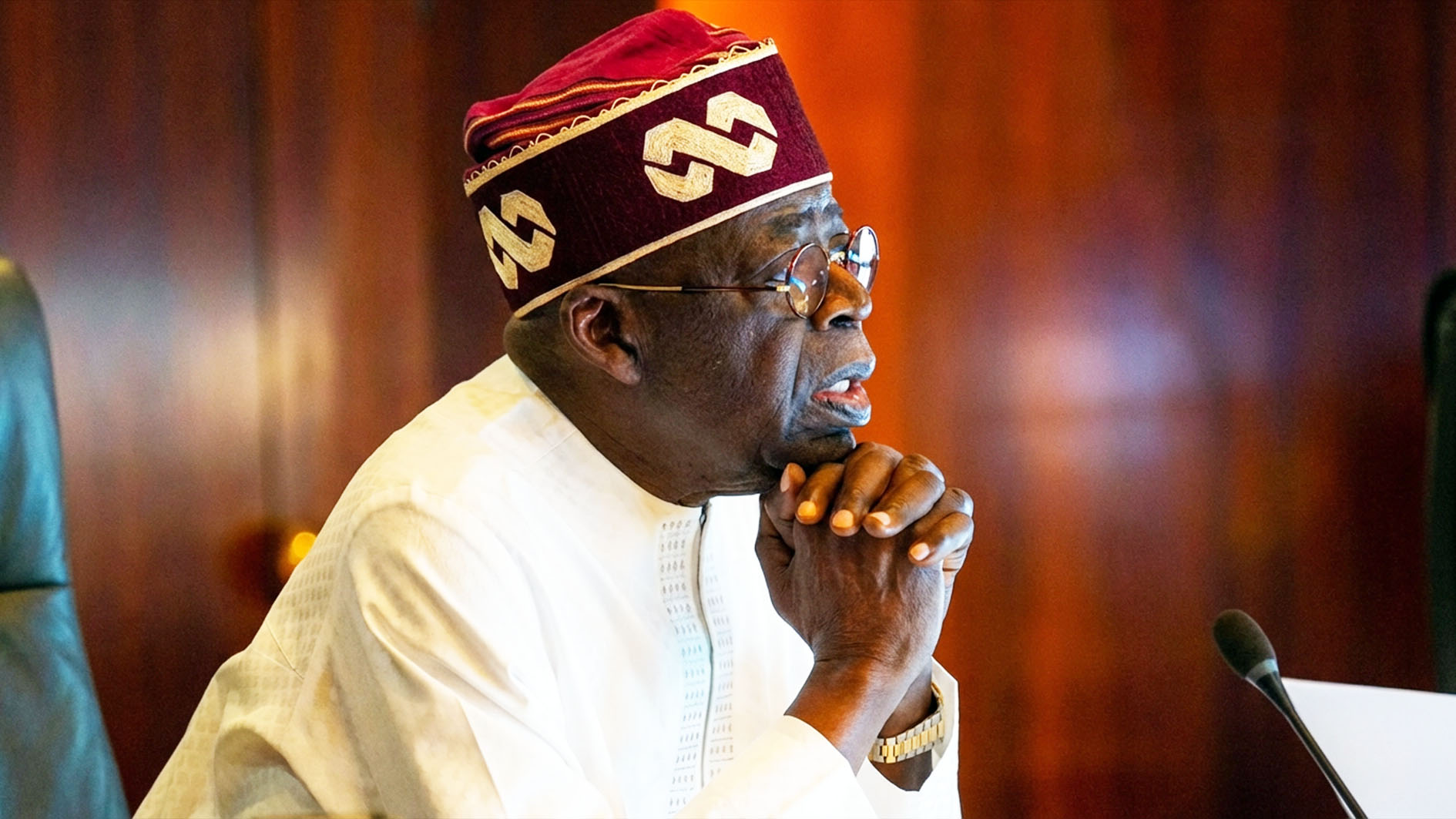
Killings, Hardship: Northern Islamic Clerics Tell Tinubu to Drop 2027 Ambition
More than 1,000 northern Islamic clerics have called on President Bola Ahmed Tinubu to abandon his ambition to seek re-election in 2027, citing persistent killings, kidnappings, terrorism and economic hardship across the country.
The clerics made the demand in a communiqué issued after a national conference in Kano titled “An Assessment of the State of the Nation under President Tinubu and the 2027 General Elections.”
The conference was organised under the Ko Da Naka platform in collaboration with the AFAQ Educational Foundation.
The clerics expressed particular concern over worsening insecurity in the North-West, where communities have continued to face attacks, kidnappings and other forms of violence.
They urged the Federal Government to take stronger and more effective measures to protect lives and property, warning that the security situation should be a major consideration in determining who Nigerians support in the 2027 elections.
The clerics also asked Tinubu to reconsider his plan to seek another term in office.
They said that if the President decides to contest despite what they described as the country’s worsening security and economic challenges, Nigerians should reject his candidacy at the polls.
The group said political leaders must be judged by their performance in office rather than party affiliation, ethnic identity or regional interests.
READ ALSO:
- [UPDATED] 20 NYSC Prospective Corps Members Freed After Seven Days in Captivity
- 2027 Election Cases: CJN Warns Tribunal Judges, Says Conduct Will Be Monitored
- NSCIA Rejects Genocide Claims, Demands Urgent Security Overhaul
The clerics also criticised key economic policies of the Tinubu administration, including the removal of the fuel subsidy, changes to the foreign exchange regime, increases in electricity tariffs and ongoing tax reforms.
They argued that the policies had contributed to rising living costs and increased pressure on households, businesses and vulnerable Nigerians.
According to the clerics, the government should review policies that have increased the cost of living and focus more on improving citizens’ welfare.
They also raised concerns about the continued migration of skilled Nigerian professionals, including doctors, teachers and engineers, to other countries.
The clerics attributed the trend partly to poor working conditions, inadequate facilities, unemployment and economic pressures, urging the government to create better opportunities for professionals to remain in Nigeria.
They further called on Islamic scholars and religious leaders to remain independent and speak against wrongdoing regardless of the political party, ethnicity or religion of those involved.
The clerics urged Nigerians to place national interest above religious, ethnic and political considerations when choosing leaders in 2027.
They said voters should assess political candidates based on their competence, integrity, experience and policies rather than relying solely on party loyalty.
The intervention comes as political parties and presidential aspirants intensify preparations for the 2027 general elections, with insecurity, economic hardship and governance expected to feature prominently in the political debate.
The clerics’ position adds another voice to the growing scrutiny of the Tinubu administration as political activities ahead of the 2027 presidential election gather momentum.
Killings, Hardship: Northern Islamic Clerics Tell Tinubu to Drop 2027 Ambition
Politics
2027: Donald Duke Pledges To Bring Petrol Price Down To N300 Per Litre
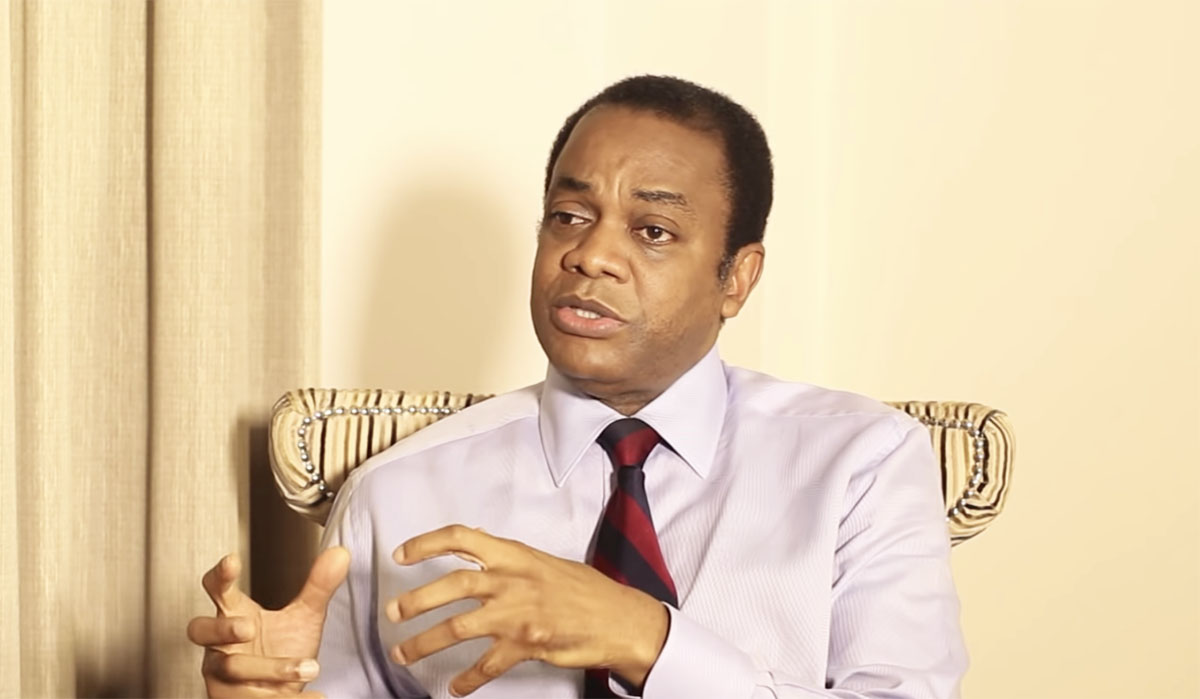
2027: Donald Duke Pledges To Bring Petrol Price Down To N300 Per Litre
Presidential candidate of the Peoples Redemption Party (PRP), Donald Duke, has pledged to work towards reducing the price of petrol to about N300 per litre if elected president in the 2027 presidential election.
Duke, a former governor of Cross River State, made the pledge during an interview on Channels Television’s The Morning Brief, where he outlined his proposed approach to the petroleum sector and Nigeria’s wider economy.
The PRP candidate said petroleum products for domestic consumption should be priced based on the cost of production rather than being fully exposed to international market prices.
He proposed allocating about 600,000 barrels of crude oil per day for domestic consumption, while selling the remaining crude on the international market.
Asked what petrol could cost under his proposed administration, Duke said: “I will try and bring it to about N300.”
He acknowledged that the target could appear ambitious but maintained that his proposed crude allocation and domestic pricing model could make it achievable.
READ ALSO:
- Olu of Warri Denies N2.7tn Pipeline Deal, Demands Evidence From Dokubo
- BREAKING: NLC Shuts Down Abuja Indefinitely Over FCT Teachers’ Promotion Dispute
- Troops Crush Four-Front ISWAP Assault, Kill Over 25 Terrorists In Borno
Duke argued that fuel prices have a direct impact on transportation, businesses and household expenses, making affordable energy important to economic activity.
“Fuel drives your economy. It should be available. It should be affordable,” he said.
The former Cross River governor also indicated that he would pursue a different economic approach from the policies of President Bola Tinubu if elected.
His proposal comes amid continuing debate over petrol prices, fuel subsidy removal, domestic refining and crude oil allocation in Nigeria.
The N300 target is part of Duke’s proposed 2027 economic agenda and would depend on the implementation of the policies he has outlined if he wins the presidential election.
2027: Donald Duke Pledges To Bring Petrol Price Down To N300 Per Litre
-

 metro3 days ago
Ondo Air Tragedy: Soldiers, Families Among 32 Killed In NAF Crash
-

 metro3 days ago
Gunmen Open Fire At Lagos Bus Stop, Kill NURTW Member, Injure Three
-

 metro3 days ago
Ogun Crash: Nine Die As Bus Collides With Truck On Ijebu-Ode-Ore Road
-
 metro3 days ago
Supreme Council For Sharia Secretary-General Nafiu Baba-Ahmed Dies
-

 metro2 days ago
UCH CMD: After Decades Without Muslim, Agunbiade Demands Fair Chance
-
![[UPDATED] 20 NYSC Prospective Corps Members Freed After Seven Days in Captivity](https://newstrends.ng/wp-content/uploads/2026/10/20-NYSC-Prospective-Corps-Members-Freed-After-Seven-Days-in-Captivity-400x240.jpg)
![[UPDATED] 20 NYSC Prospective Corps Members Freed After Seven Days in Captivity](https://newstrends.ng/wp-content/uploads/2026/10/20-NYSC-Prospective-Corps-Members-Freed-After-Seven-Days-in-Captivity-80x80.jpg) metro19 hours ago
metro19 hours ago[UPDATED] 20 NYSC Prospective Corps Members Freed After Seven Days in Captivity
-

 International3 days ago
Kemi Badenoch: I Don’t Want Migrants Turning UK Into Nation Of ‘Little Ghettos’
-
 metro2 days ago
Seven Years With Parkinson’s: Man Seeks N65m for Brain Surgery in Türkiye