

metro
Man slumps, dies trying to bail 2 sons at police station
Man slumps, dies trying to bail 2 sons at police station
An elderly man, Muftau Mohammed of Gbeganu Area of Minna, Niger State capital, slumped and died at Morris Police Division, where he had gone to bail two of his sons, Mubarak Ahmed and Yusuf Mohammed who were reportedly arrested by the police.
Mubarak and Yusuf told Daily Trust that they were picked by the police around 11pm on Wednesday where they were sleeping in a burglary in front of their house due to heat.
According to Yusuf, “We were lying down in a burglary in front of our house around 11:23pm when three police patrol vans passed us and went into Gbeganu Area. Few hours later, we saw them coming back and we stood up. Suddenly, the vehicle in the middle packed in front of us and they asked what we were doing outside. We told them that it was where we normally sleep because of heat. One of the officers forced the burglary opened and ordered his colleagues to put us in the vehicle and take us to the station.
“When we got to the station at Morris, they collected our phones and put us in the cell. At about 20 minutes later, I was in cell when I heard my father’s voice outside. Later I heard him screaming, asking for water and few seconds later, I didn’t hear anything again. It was at that point that I asked one of officers what was happening outside. But one of the officers told his colleague not to tell us anything. Later I didn’t hear our father’s voice again until when we were told that he was dead.”
READ ALSO:
- We expect massive roll-outs of Nigeria-made cars by December 2024 – Minister
- Ondo APC primary: Ododo, gov aspirant in open confrontation
- Don’t let them get to me through you, Portable warns wife
Also speaking, Mr Dauda Jimo, the deceased neighbour who took him on his bike to police station that fateful night, said Muftau Mohammed had high blood pressure and that each time he was woken up horribly, he usually develops severe headache.
“It was in my presence that his sons were picked by the police and Alhaji had already retired to bed. It was the noise from his daughters and neighborhood that woke him up horribly. So, when they told him that Mubarak and Yusuf were taken away by the police, he called me to bring my bike to take him to the police station. We got to police station at about 12:33am.
“”So, where we were seated, he told me he was having a severe headache and I should get him water to drink. We looked for water around the vicinity but we couldn’t get because all the shops around had closed for the day. It was in the process that he collapsed and one of the tricycles that was arrested was released to take us to the hospital and one policeman was asked to follow us.
“We went to Imani Clinic, we were told that doctor was not around. So, we headed for General Hospital. On our way, the fuel in Tricycle got finished. It was at that point that we saw one of the police vans with which Yusuf and Mubarak were arrested . So, they stopped and we told them what happened and they took us to Minna General Hospital. Getting to the hospital, we dropped Alhaji’s dead body and police left.”
Another neighbor, Ahmad Abdullahi, who claimed to have witnessed all that transpired said that the deceased’s wife who also followed them to police station fainted when the news of her husband’s death was broken to her.
“The wife wanted to trek kilometers to Morris Police Division that night but I obliged her to enter my car. Immediately we got to Morris Police Division, one of our neighbors who took Alhaji there rushed to me. Not knowing that his wife was sitting in the back seat, he broke the news to us and the wife jumped out of the car. As she was about running to enter the station, she fell down and fainted. It took some minutes before she was revived,” he narrated.
When contacted, the Niger Stat Police Command’s Public Relations Officer, SP Wasiu Abiodun, confirmed the incident.
He said police had commenced investigation into the matter to ascertain the fact, and to also look into the scenario if there was any act of negligence for necessary disciplinary action.
Man slumps, dies trying to bail 2 sons at police station







metro
State Police Reform: FG Invites Nigerians to Submit Policy Proposals as Draft Bill Nears September Deadline
State Police Reform: FG Invites Nigerians to Submit Policy Proposals as Draft Bill Nears September Deadline
The Presidential Working Group on State Policing has opened a two-week public submission window for memoranda and policy proposals, setting the stage for a landmark legal framework that could redefine security architecture across Nigeria.
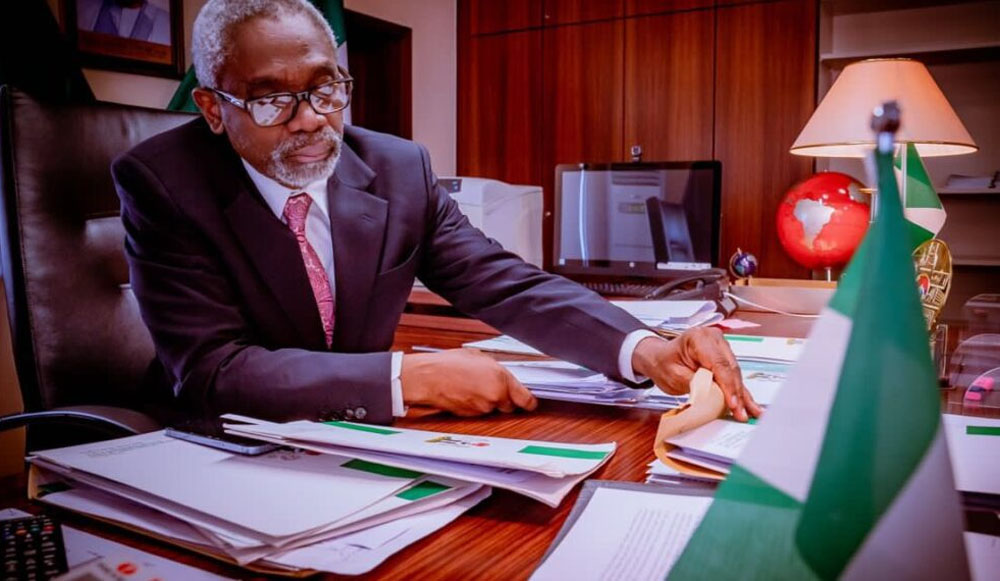
The Federal Government has officially called on Nigerians at home and in the diaspora, civil society organisations, security agencies, academics, professional bodies, and sub-national governments to contribute to the drafting of the proposed National Policing Bill, which seeks to establish a legal and operational framework for state police in Nigeria. The call was made public on Monday by Femi Gbajabiamila, Chief of Staff to the President and Chairman of the Presidential Working Group on the National Policing Bill, following a high-level meeting at the State House, Abuja. The announcement was contained in a statement issued by the Presidential spokesperson, Bayo Onanuga, who confirmed that all submissions will be reviewed and integrated into the draft bill, which will then be subject to further national consultation before being finalised and sent to the National Assembly. The development comes weeks after the National Assembly passed the bill following its transmission by President Bola Tinubu, signalling strong political will to actualise one of the most debated governance reforms in Nigeria’s recent history.
This public consultation exercise is critical because the Working Group is currently reviewing the Police Act 2020, the Police Service Commission framework, police regulations, and other relevant laws to develop a modern, effective, and accountable policing system. The proposed framework is expected to set national minimum standards for policing across all states, define state readiness and certification requirements before any state can operate its own police service, and clarify jurisdictional responsibilities between federal and state police forces. Additionally, the bill will ensure independent oversight and safeguard human rights, guarantee sustainable funding and financial accountability, and prevent the use of state police as a tool for political persecution – a concern earlier raised by the Attorney-General of the Federation, Lateef Fagbemi, who stressed that the legislation is designed to protect citizens from potential abuses of power at the sub-national level.
READ ALSO:
- Biafra Civil War: Gowon says Igbo bank depositors were fully paid, defends Awolowo over £20 policy
- How 15-year-old allegedly staged his own kidnapping to extort N200,000 from father
- TikToker undergoes cleansing after filming Oloolu procession in Ibadan
Nigerians have until August 13, 2026, to submit their memoranda and policy proposals through the dedicated portal at www.nationalpolicingbill.com, marking the close of a two-week submission window. The Presidential Working Group has adopted a seven-week, milestone-driven work programme running from July 27 to September 14, 2026, with the draft Executive Bill scheduled for presentation to President Bola Tinubu on September 3, 2026. Following this, national consultations will be held on the completed draft before it is finalised and transmitted to the National Assembly. All Nigerians, including professionals, academics, security experts, state and local governments, and civil society groups, are encouraged to participate in this historic policy-shaping process.
The new policing framework will impose strict operational readiness requirements on any state seeking to establish its own police service. According to Gbajabiamila, a proposed State Police Service must demonstrate credible arrangements in recruitment and vetting processes, training and capacity development, pay, pensions and welfare, equipment and logistics, custody and detention standards, complaints and discipline mechanisms, data management and reporting, firearms control and regulation, independent oversight bodies, and financial sustainability plans before it begins policing. These stringent criteria are designed to ensure that only states with the institutional capacity and financial resilience can operate their own police forces, thereby preventing a patchwork of poorly equipped or unaccountable state-level security services.
The Nigeria Governors’ Forum, represented by Ogun State Governor Dapo Abiodun, has described the state police initiative as one of the defining reforms of President Tinubu’s administration, expressing the forum’s commitment to ensuring the success of the policy. The Working Group is also considering recommending federal grants to assist states with limited financial capacity in establishing their police services, acknowledging the fiscal disparities among the 36 states. States that are not yet ready to establish their own service will continue to rely on the Nigeria Police Force until they meet the required standards, ensuring that no state is left without adequate security coverage during the transition period.
The final submission to the President will go beyond a conventional bill and is expected to include schedules and explanatory memoranda, a legal audit of existing policing laws, a state readiness framework, a fiscal and implementation note, and a risk register with transition arrangements. This comprehensive approach is designed to ensure that the reform is defensible, auditable, and capable of implementation across Nigeria’s diverse states, addressing everything from constitutional alignment to practical logistics on the ground.
The government has emphasised that this is a people-driven process, and by inviting input from all segments of society – including ordinary citizens, diaspora communities, and professional bodies – the Working Group aims to build a policing system that reflects the aspirations and realities of all Nigerians. As a senior official close to the Working Group noted, this is not just a government bill but a national project in which every Nigerian has a stake in how they are policed. Interested individuals and organisations are encouraged to visit www.nationalpolicingbill.com before August 13, 2026, to submit their memoranda and policy proposals, with all submissions to be reviewed and incorporated into the draft bill ahead of further national consultations.
State Police Reform: FG Invites Nigerians to Submit Policy Proposals as Draft Bill Nears September Deadline
metro
Biafra Civil War: Gowon says Igbo bank depositors were fully paid, defends Awolowo over £20 policy
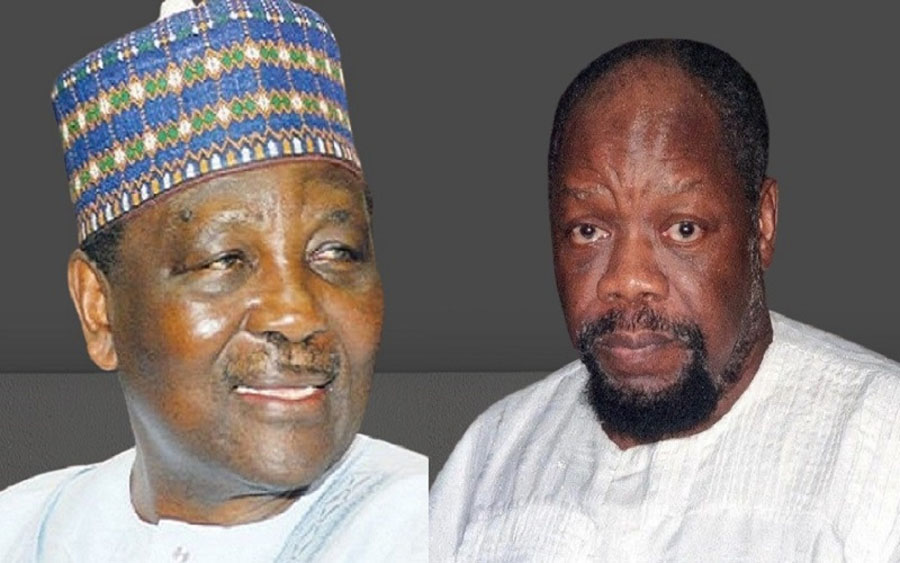
Biafra Civil War: Gowon says Igbo bank depositors were fully paid, defends Awolowo over £20 policy
Former Nigerian Head of State, General Yakubu Gowon (retd.), has defended the late Chief Obafemi Awolowo against long-standing criticism over the controversial post-civil war £20 policy, saying the decision was taken collectively by the Federal Government and was not Awolowo’s personal policy.
Gowon also stated that people from the former Biafran territory who could provide evidence that they had money in Nigerian banks before or during the Nigerian Civil War received the full value of their deposits, including accrued interest.
The former Head of State made the clarification in his memoir, My Life of Duty and Allegiance, where he revisited the circumstances surrounding the currency policy introduced after the end of the civil war in January 1970.
The £20 policy has remained a subject of public debate for decades, with critics accusing Awolowo, who served as Federal Commissioner for Finance during the war, of restricting people from the former Biafran territory to a flat payment of £20, regardless of the amount they had held before the conflict.
However, Gowon said Awolowo had been unfairly blamed for a policy that was approved by the Federal Government after consultations and consideration of the economic challenges facing Nigeria at the end of the war.
According to Gowon, the Central Bank of Nigeria established a panel to examine the possible consequences of converting the Biafran pound into Nigerian currency.
He explained that the exercise was difficult because the Biafran currency was not recognised by the Federal Government as legal tender during the war.
Gowon said the large volume of Biafran currency in circulation also created concerns that exchanging all the notes at the same value as the Nigerian pound could have caused serious economic disruption.
READ ALSO:
- How 15-year-old allegedly staged his own kidnapping to extort N200,000 from father
- TikToker undergoes cleansing after filming Oloolu procession in Ibadan
- NiDCOM confirms release of Nigerian girls detained in Mauritius
Economic advisers subsequently recommended that the Federal Government provide a uniform payment of about £20 to each adult from the former Biafran territory, regardless of the quantity of Biafran currency presented.
“We agreed to the proposal and made it our official policy,” Gowon wrote, adding that the government faced major difficulties in determining the volume of Biafran currency in circulation and establishing a practical basis for converting it.
He maintained that the decision was made by the Federal Government and should not be attributed solely to Awolowo.
Gowon further stated that people who had left Nigeria but could provide proof that they held funds in Nigerian banks received the full value of their deposits, including interest, in Nigerian currency.
“Everyone who left Nigeria but had proof that they had money in Nigerian banks got the full amount of their money plus the interest it earned, all in Nigerian currency,” he said.
The former military leader argued that adopting a different approach could have created significant economic and administrative challenges during Nigeria’s post-war recovery.
The Nigerian Civil War, also known as the Biafra War, began in 1967 and ended in January 1970 following the surrender of Biafran forces.
After the war, Gowon declared a policy of “no victor, no vanquished” and introduced the Reconciliation, Reconstruction and Rehabilitation programme, widely known as the 3Rs.
The programme was designed to promote national unity, rebuild war-affected communities and support the reintegration of the former Eastern Region into Nigeria.
Despite the government’s post-war reconciliation agenda, the £20 policy remains one of the most debated aspects of Nigeria’s post-civil war history.
Critics have argued that the policy caused financial hardship for many people in the former Biafran territory, particularly those who lost access to savings, could not provide documentation for their bank deposits or were unable to recover the value of assets affected by the war.
Some historians and commentators have also questioned whether the post-war reconstruction and rehabilitation programmes adequately addressed the economic losses and long-term effects experienced by communities affected by the conflict.
Gowon’s account has renewed public discussion about the Biafra Civil War, the post-war currency policy and Awolowo’s role in the Federal Military Government.
While Gowon maintains that verified Nigerian bank deposits were fully repaid with interest and that Awolowo should not be held personally responsible for the £20 policy, the issue continues to generate debate over post-war justice, economic recovery, historical memory and national reconciliation.
Biafra Civil War: Gowon says Igbo bank depositors were fully paid, defends Awolowo over £20 policy
metro
How 15-year-old allegedly staged his own kidnapping to extort N200,000 from father

The Niger State Police Command has arrested a 15-year-old boy who allegedly staged his own kidnapping in an attempt to extort N200,000 from his father in Suleja.
The teenager was arrested alongside a 17-year-old alleged accomplice after police traced him to a hotel in Suleja, days after his family reported him missing.
The spokesperson for the Niger State Police Command, SP Wasiu Abiodun, disclosed the development in a statement issued on Monday.
According to the police, the 15-year-old left home after attending church on July 20, 2026, but failed to return, prompting concern among his family members.
The following day, the family reportedly received a telephone call from someone who claimed that the teenager had been kidnapped and demanded a ransom of N200,000 for his release.
The matter was subsequently reported at the B Division of the Nigeria Police Force in Suleja, leading to the launch of an investigation.
Police detectives reportedly acted on credible intelligence and traced the teenager to a hotel in Suleja on July 25, where he was found with the 17-year-old.
“On receipt of the information, police operatives of the division commenced an investigation and, acting on credible intelligence, the said Kelvin was found at a hotel in Suleja on July 25, 2026, with his accomplice,” the police spokesperson said.
According to the command, the two teenagers allegedly confessed during questioning that they planned the incident to obtain N200,000 from the boy’s father.
READ ALSO:
- TikToker undergoes cleansing after filming Oloolu procession in Ibadan
- NiDCOM confirms release of Nigerian girls detained in Mauritius
- Power Struggle Threatens Peter Obi-Kwankwaso Alliance Ahead of 2027 Polls
The police said the money was to be shared between them after the ransom had been paid.
“The suspects confessed that they planned to extort the sum of N200,000 from Kelvin’s father, after which they would share the proceeds of the crime,” Abiodun said.
The police said the alleged plan was uncovered before the family paid the requested ransom.
Both teenagers are currently in the custody of the State Criminal Investigation Department, SCID, in Minna, where further investigations are ongoing.
The command said the suspects would be taken through the appropriate legal process after the investigation had been concluded.
The incident has renewed concerns over staged kidnapping, particularly the emotional and financial impact such incidents can have on families.
Security experts have repeatedly warned that fake kidnapping claims can cause panic, place families under severe emotional pressure and divert police resources from genuine cases involving missing or abducted persons.
The case also highlights the importance of reporting suspected kidnappings promptly to security agencies and allowing investigators to handle ransom demands and related threats.
Residents have been encouraged to provide timely and credible information that could help security agencies prevent crime and respond quickly to reports involving missing persons.
The Niger State Police Command said investigations into the alleged self-kidnapping plot were continuing.
How 15-year-old allegedly staged his own kidnapping to extort N200,000 from father
-
 News1 day ago
Oloyede clears air on JAMB’s ₦36m ‘snake swallowed money’ controversy
-

 News1 day ago
475 Police Officers Recalled After Controversial Retirement, Ordered for Mandatory Induction
-

 metro1 day ago
MURIC Hails Oloyede as ‘Game Changer,’ Says He Proved Muslims Can Excel in Public Office
-
 Auto1 day ago
Lanre Shittu Motors Leads Drive to Steer Lagos Students Away from Crime, Donates books to public Schools
-

 Sports1 day ago
Nigeria Shines in Commonwealth Games, Tops Africa with 10 Gold Medals
-
 Auto1 day ago
FRSC Boss: Tinubu’s CNG, EV Drive Creating Jobs, Attracting Investment
-
 metro1 day ago
DSS, Vigilantes Ambush, Kill Notorious Bandit Kingpin Idi Abasu Aiki, Over 60 Fighters in Katsina
-

 metro2 days ago
Peller, Jarvis’ Glamorous Lagos Wedding: N400m Mansion, $20,000 Gift, Over 50,000 Virtual Guests