

Business
We’ve repaid $2.4bn of $5.5bn refinery loan, says Dangote
We’ve repaid $2.4bn of $5.5bn refinery loan, says Dangote
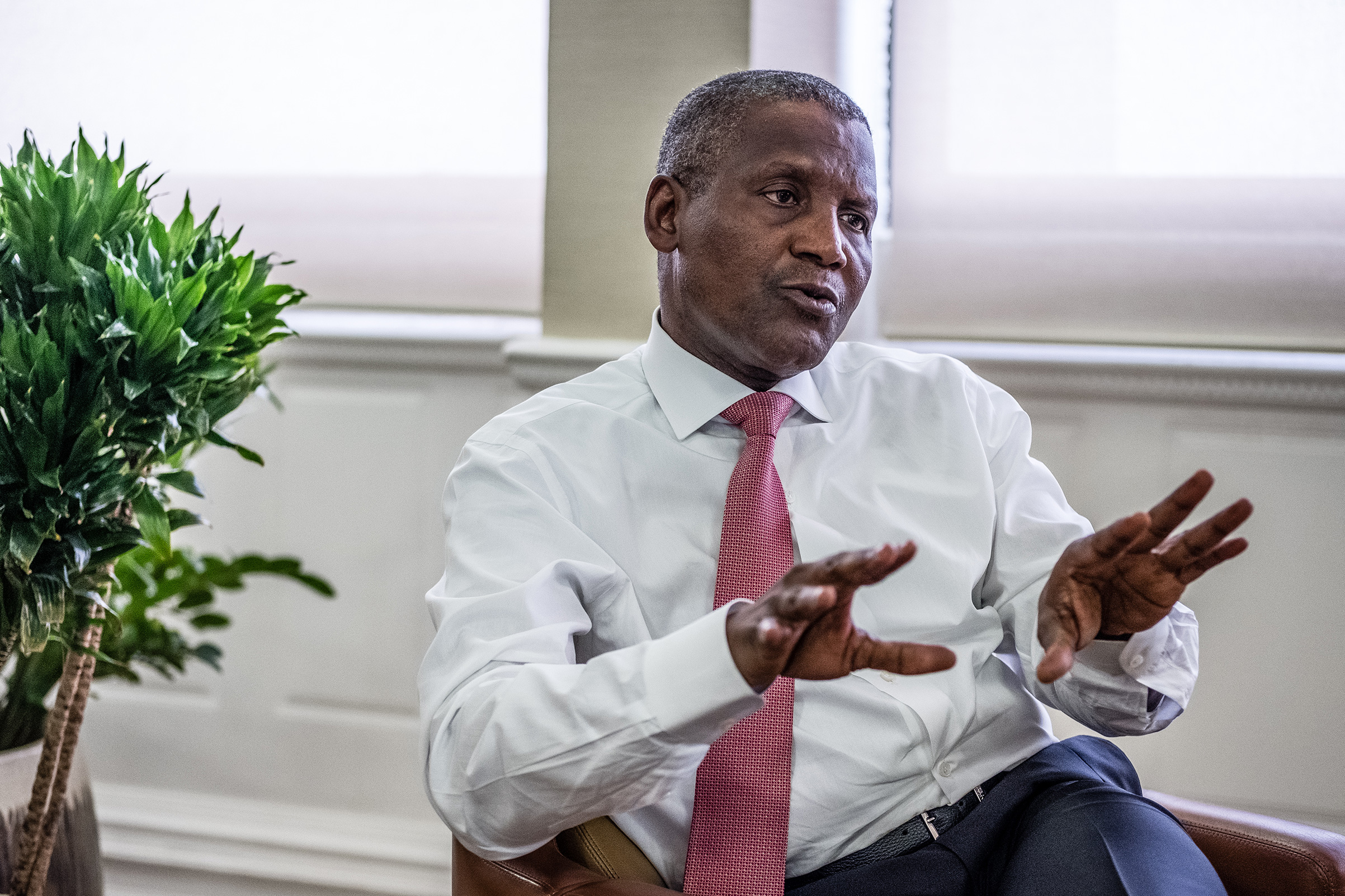
The founder of Dangote Group, Aliko Dangote, has revealed that he has paid off $2.4bn of the $5.5bn loan for his $19bn Lagos-based refinery.
The Africa’s richest man also alleged that powerful oil cartels tried to undermine his refinery project.
Speaking at the Afreximbank Annual Meetings in Nassau, The Bahamas, on Wednesday, Dangote said his 650,000-barrel-per-day refinery will act as Nigeria’s strategic reserve, as reported by This Day Newspaper.
“We borrowed the money based on our own balance sheet. I think we borrowed just over $5.5bn. But we paid also a lot of interest as we went along, because the project was delayed because of lack of land, also the sand-filling took a long time. Almost five years or so we didn’t do anything.
“We actually started in 2018. We borrowed that much. We have actually, of course, paid interest and some principal, about $2.4bn. We’ve done very well. We now have only about $2.7bn left to be paid. So we’ve done very well for a project of that magnitude,” he said.
Dangote thanked Afreximbank and Access Bank for their support, acknowledging that many had doubted the project’s success.
He stated that the vision would have failed without their backing.
Dangote further remarked that foreign banks showed little interest in supporting Africa’s development.
READ ALSO:
- BREAKING: Supreme Court reserves judgment in dispute over LG autonomy
- Super Eagles players say Finidi has temper issue, can’t win with us
- Student loan: NELFUND to publish institutions with complete data June 24
The billionaire acknowledged that he anticipated resistance, but admitted that he underestimated the ferocity of the opposition, stating that the pushback was far more intense than he had expected.
He stated that both local and international interests, which he likened to a “mafia”, made repeated attempts to thwart the refinery’s completion.
“Well, I knew that there would be a fight. But I didn’t know that the mafia in oil, they are stronger than the mafia in drugs. I can tell you that. Yes, it’s a fact,” he stated.
Dangote, who described himself as a fighter, said they “tried all sorts” to stop him.
“But I’m a person that has been fighting all my life. You know, so I think it’s part of my life to fight,” he said.
He added, “As a matter of fact during the COVID period, some of the international banks really were looking forward to making sure that they push us into default of our loans so that the project will just be dead. And that didn’t happen with the help of banks like Afreximbank.”
Dangote also announced his plans to venture into the steel industry, stating that his goal is to use only Nigerian-produced steel, ensuring self-sufficiency and reducing reliance on imports.
Newstrends reports the Dangote Refinery recently shifted its plan to release petrol into the market from June to July 10-15. Dangote cited minor challenges for the delay.
We’ve repaid $2.4bn of $5.5bn refinery loan, says Dangote








Business
Nigerians Pay N44 Extra Per Litre as Retailers Defy Falling Depot Prices – Full Report

Auto
Abuja Roars to Life as Jetour X50 Headlines Three-Day Motoring Experience
Abuja Roars to Life as Jetour X50 Headlines Three-Day Motoring Experience
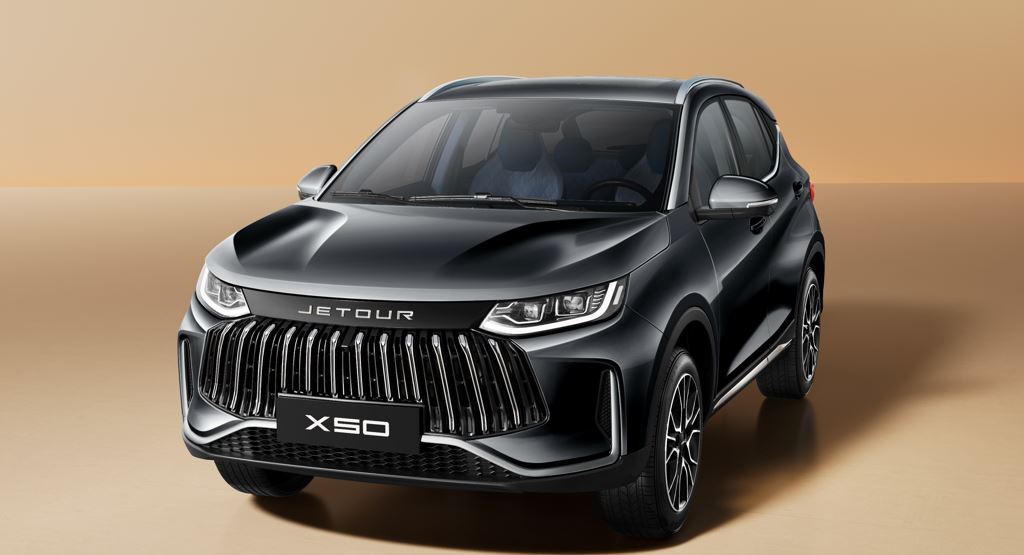
Abuja is gearing up for a major motoring spectacle as Jetour Nigeria brings its fast-growing brand experience to the Federal Capital Territory, with the stylish Jetour X50 set to take centre stage in a three-day showcase of performance, technology and automotive innovation.
Scheduled for September 22 to 24, 2026, the Jetour Experience Abuja will move beyond the conventional vehicle exhibition, giving motorists and prospective buyers the opportunity to test-drive the X50, interact with automotive specialists and experience a range of entertainment and interactive activities.
The Abuja activation follows the strong reception recorded during Jetour Nigeria’s recent Lagos experience and forms part of the automaker’s strategy to deepen customer engagement while expanding its footprint across Nigeria.
Backed by an expanding authorised dealer network comprising Elizade Nigeria Limited, Mandilas Autos, Germaine Auto Centre, Kojo Motors, R.T. Briscoe, Tab Autos and New Era AutoVehicle Services, Jetour is also strengthening access to vehicle sales, after-sales support, genuine spare parts and certified technical services nationwide.
At the heart of the Abuja experience will be the Jetour X50, a compact SUV designed to combine contemporary styling, performance and a technology-rich driving environment.
Powered by a 1.5-litre turbocharged engine paired with a dual-clutch transmission, the X50 has positioned itself as a strong contender in Nigeria’s competitive compact SUV segment.
Jetour has equipped the model with a range of premium features, including a 360-degree camera, Blind Spot Detection, 10.5-inch infotainment system with Apple CarPlay and Android Auto, wireless charging and leather upholstery.
The combination of technology, comfort and performance is part of Jetour’s strategy of offering premium motoring features at competitive price points.
The Abuja event also highlights Jetour’s aggressive expansion strategy in Nigeria, following the brand’s recognition with industry accolades including Fastest Growing Auto Brand and Auto Brand of the Year.
With its expanding dealer network providing nationwide sales and after-sales support, Jetour is seeking to deepen customer engagement while making its vehicles and ownership services more accessible to motorists across the country.
As Abuja prepares to welcome the Jetour Experience, the three-day activation is expected to provide motorists with an opportunity to see, feel and drive the X50 while experiencing first-hand what is driving the brand’s growing appeal in Nigeria.
Business
Dangote Refinery Sets ₦525 Per Share for Landmark IPO
For ₦5,250, Nigerians could soon own a piece of the refinery that has reshaped the country’s fuel market.
-
 Auto3 days ago
Kaduna to Lead Govt Patronage of Local Vehicles as Sani Unveils Peugeot 5008
-
 metro2 days ago
El-Rufai Demands ₦10bn from Defence Minister Over Southern Kaduna Killings Allegation
-

 News1 day ago
Lagos Moves to Slash Agency Fees, Curb Rent Hikes With New Tenancy Bill
-
 metro2 days ago
Oyoland Grand Chief Imam Celebrates Dr Sharafudeen Raji for Service to Islam
-
 metro2 days ago
Catholic priest leaves priesthood, weds Kenyan woman after 12 years in Kenya
-
 metro1 day ago
Osun Police Arrest Woman After Vigilante Member Dies During Sexual Encounter in Ile-Ife
-
 metro3 days ago
Socialite Igho ‘Tiny’ Ubiribo Dies After Penis Enlargement Surgery
-
 Politics1 day ago
Why Did Peter Obi Attend Seyi Makinde’s Campaign Launch? Here’s What He Said