

Business
Ogun beckons on Indonesia to develop seaport, airport, housing
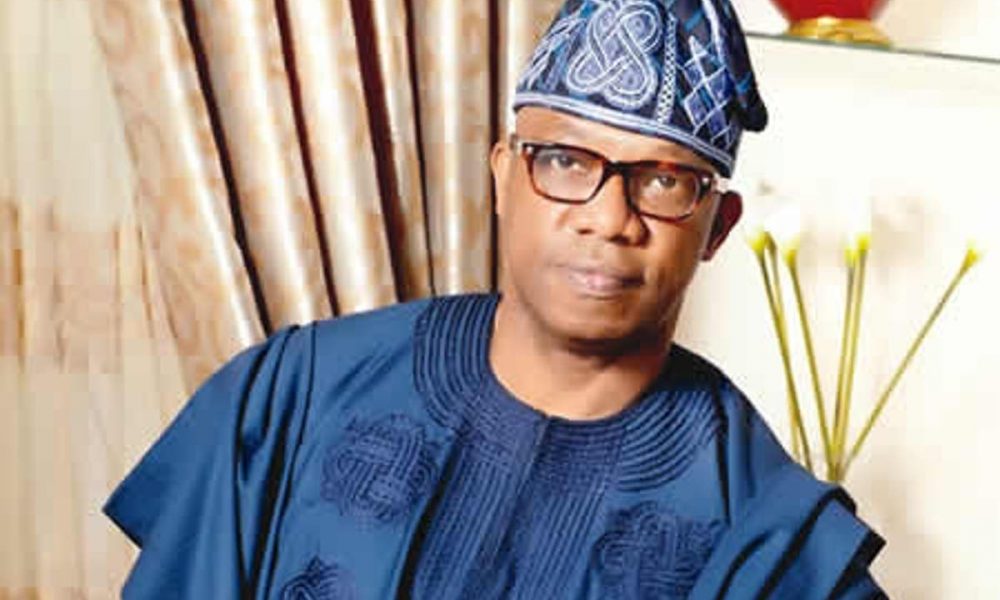
The Ogun State government is seeking to collaborate with Indonesia to develop the state’s seaport, airport, housing, and other sectors of its economy.
The government has also announced its plans to set up an economic team to liaise with Indonesian investors to explore areas of interests that will be mutually beneficial to both the state and the Pacific nation.
Ogun State Governor Dapo Abiodun made this known when he hosted the Indonesian Ambassador to Nigeria, Usra Hendra Harahap, in his office at Oke-Mosan, Abeokuta.
Abiodun noted that Indonesia has made tremendous progress in the areas of technology, infrastructure, housing, transportation and medicine, expressing the state’s interest to tap in.
“Ogun has more than enough land to accommodate a lot of industries. We are desirous of building a seaport because the deepest part of water in the country is in our state,” the governor said.
“We will be willing to collaborate with Indonesia to develop seaport, airport, housing, and other sectors. We look forward to seeing how the state and Indonesia can work together to actualise all these,” he said.
According to the governor, Ogun State has more than 12,000 square kilometres of arable land suitable for the cultivation of food and cash crops, adding that the state has the highest palm oil plantations which the Indonesian investors could leverage.
Abiodun said his administration was adopting a multi-dimensional transportation system that would help in fast-tracking the economy of the state, expressing the hope that Indonesia, with its feat in the sector, would work with the state to achieve its transportation objectives.
While assuring conducive environment for investment, the governor assured the Indonesian ambassador that Ogun State has put in place what investors need in terms of ease of doing business and availability of adequate manpower.
On electricity, however, he said the state was working towards providing adequate electricity in all its industrial clusters, inviting Indonesian companies and investors from other parts of the world to come and explore potentials that exist in the state.
Speaking earlier, Harahap said Indonesia has made significant inroad in the areas of technology, infrastructure, agriculture, medicine, among others, noting that his country has a lot of interesting information on Ogun State and was ready to do business with the state.
According to him, the state government’s desire to bequeath a modern transportation system that would herald more development was well known to Indonesia, adding that the country was ready to invest in modern railway and would collaborate with the state in developing its cargo airport.
The ambassador further disclosed that Indonesian companies have built landmark infrastructure in many parts of the world ranging from bridges, heavy machines, blue-chip equipment, solar systems, among others.
“Indonesian investors are interested in joint ventures with their Nigerian counterparts in agriculture and housing development,” he said.









Business
Nigerians Pay N44 Extra Per Litre as Retailers Defy Falling Depot Prices – Full Report

Auto
Abuja Roars to Life as Jetour X50 Headlines Three-Day Motoring Experience
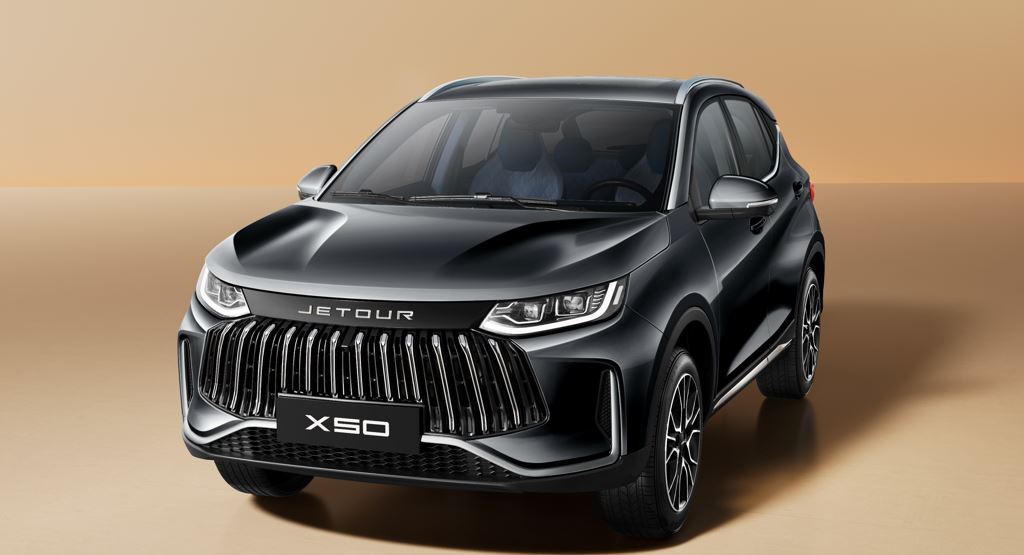
Abuja Roars to Life as Jetour X50 Headlines Three-Day Motoring Experience
Abuja is gearing up for a major motoring spectacle as Jetour Nigeria brings its fast-growing brand experience to the Federal Capital Territory, with the stylish Jetour X50 set to take centre stage in a three-day showcase of performance, technology and automotive innovation.
Scheduled for September 22 to 24, 2026, the Jetour Experience Abuja will move beyond the conventional vehicle exhibition, giving motorists and prospective buyers the opportunity to test-drive the X50, interact with automotive specialists and experience a range of entertainment and interactive activities.
The Abuja activation follows the strong reception recorded during Jetour Nigeria’s recent Lagos experience and forms part of the automaker’s strategy to deepen customer engagement while expanding its footprint across Nigeria.
Backed by an expanding authorised dealer network comprising Elizade Nigeria Limited, Mandilas Autos, Germaine Auto Centre, Kojo Motors, R.T. Briscoe, Tab Autos and New Era AutoVehicle Services, Jetour is also strengthening access to vehicle sales, after-sales support, genuine spare parts and certified technical services nationwide.
At the heart of the Abuja experience will be the Jetour X50, a compact SUV designed to combine contemporary styling, performance and a technology-rich driving environment.
Powered by a 1.5-litre turbocharged engine paired with a dual-clutch transmission, the X50 has positioned itself as a strong contender in Nigeria’s competitive compact SUV segment.
Jetour has equipped the model with a range of premium features, including a 360-degree camera, Blind Spot Detection, 10.5-inch infotainment system with Apple CarPlay and Android Auto, wireless charging and leather upholstery.
The combination of technology, comfort and performance is part of Jetour’s strategy of offering premium motoring features at competitive price points.
The Abuja event also highlights Jetour’s aggressive expansion strategy in Nigeria, following the brand’s recognition with industry accolades including Fastest Growing Auto Brand and Auto Brand of the Year.
With its expanding dealer network providing nationwide sales and after-sales support, Jetour is seeking to deepen customer engagement while making its vehicles and ownership services more accessible to motorists across the country.
As Abuja prepares to welcome the Jetour Experience, the three-day activation is expected to provide motorists with an opportunity to see, feel and drive the X50 while experiencing first-hand what is driving the brand’s growing appeal in Nigeria.
Business
Dangote Refinery Sets ₦525 Per Share for Landmark IPO
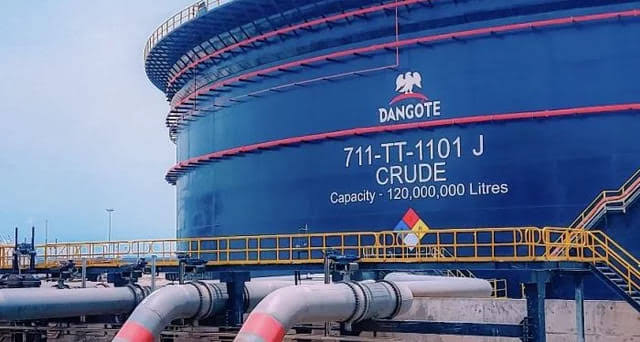
For ₦5,250, Nigerians could soon own a piece of the refinery that has reshaped the country’s fuel market.
-

 metro2 days ago
El-Rufai Demands ₦10bn from Defence Minister Over Southern Kaduna Killings Allegation
-

 metro3 days ago
Socialite Igho ‘Tiny’ Ubiribo Dies After Penis Enlargement Surgery
-
 metro2 days ago
Catholic priest leaves priesthood, weds Kenyan woman after 12 years in Kenya
-

 News2 days ago
Lagos Moves to Slash Agency Fees, Curb Rent Hikes With New Tenancy Bill
-
 metro3 days ago
Oyoland Grand Chief Imam Celebrates Dr Sharafudeen Raji for Service to Islam
-
 Politics2 days ago
Why Did Peter Obi Attend Seyi Makinde’s Campaign Launch? Here’s What He Said
-
 metro2 days ago
Osun Police Arrest Woman After Vigilante Member Dies During Sexual Encounter in Ile-Ife
-
 metro3 days ago
Three Women Killed, 10 Injured in Multiple Crash on Lagos-Ibadan Expressway Bridge