
International
African Countries Suffering Debt Hangovers – Macron, UN

African Countries Suffering Debt Hangovers – Macron, UN
The United Nations Secretary General, Antonio Guterres and French President Emmanuel Macron, on Thursday, said African countries are facing challenges that hinder growth and development as a result of debt hangovers.
They spoke at the opening ceremony of the High-Level Summit for New Global Financing Pact in Paris-France.
President Bola Ahmed Tinubu joined world leaders at the summit on the consensus for redesigning the global financial architecture, which will favour poverty reduction, debt restructuring or cancellation and more consideration for vulnerable countries affected by climate change and COVID-19.
The president, who was at Palais Brongniart, venue of the event, was received by the French Minister of Europe and Foreign Affairs, Catherine Colonna.
Macron, while welcoming the world leaders to Paris, said the summit would focus on drawing up a new financial order that would scale up finances and support developing countries for energy transition, poverty reduction, while respecting the sovereignty of each nation.
READ ALSO:
- Saudi Arabia’s lavish recruitment drive rolls on despite Messi miss
- (BREAKING)Eid-El-Kabir: There are plans to attack worship centres, other – DSS
- Police Invite ‘Trinity Guy’ for asking minor about penis colour in video skit
The French president, in a statement by the Special Adviser to the President on Special Duties, Communications and Strategy, Dele Alake, said African countries had been at the receiving end of the major global challenges, with debt hangovers that hamper growth and development.
“COVID-19 pandemic brought lots of difficulties and now we are faced with the war in Ukraine that has been draining resources that should be channelled into human development,” he said.
Macron told the leaders from 50 countries, multilateral institutions and the private sector that justice and fairness must be imperative in redesigning the new world financial architecture, with more focus on the most vulnerable.
The French president listed four elements for consideration by the leaders, starting with an acknowledgement that reducing poverty would require collective efforts, with a more diverse and comprehensive framework.
“We must admit that no country can succeed alone in reducing poverty and protecting the planet,” he added.
Macron said the framework should be relevant to each country, and sub-regional roles included, with clear responsibilities and benefits, while multilateral institutions like the International Monetary Fund and World Bank must be re-engineered to be more people and solutions driven.
The French president noted that the private sector must be carried along in the new pact that seeks to harmonise growth, as they control most of the financial instruments that need to be liquefied for more even development, especially on health, education and food security.
On behalf of the African countries, the President of Niger Republic, Mohammed Bazoum, said the new pact must be “urgent” and “essential” to Africa, and the framework should be “just” and “robust” in reflecting the reality of developing countries as partners.
Bazoum said the challenges of impoverishment and desertification had stimulated unrest in most countries, affecting peace and stability in sub-regions and the continent.
“In Africa, we need support for infrastructure, health, food security and education,” he stated.
READ ALSO:
- Pastor in court for allegedly defrauding Landmark varsity
- Notorious gang leader, Kabir Bala gun down hours after Kogi govt revoked his pardon
- Residents shot dead, houses burnt as gunmen invade Kogi in fresh attack
Guterres, in his own remarks, told the gathering of leaders that the high-level summit would need more mobilisation and political will for redesign and implementation.
The UN scribe said many countries were still struggling from effects of COVID-19 and climate change, and the war in Ukraine had heightened sufferings.
Guterres said some African countries had been unable to service their debts, with indications that generations might be affected.
“African countries,” he said, “were not properly captured in the global order.”
He said the new global financial pact must address fragmentations and frustrations, and enable the kind of change that encourages debt relief, suspension of repayments, change of business models and more commitment from development banks, with guarantees.
The UN scribe said leaders must look beyond reforms, and accept the need for transformation.
“We are at a moment of truth and reckoning, and we can make it a moment of hope,” Guterres said. Climate activist, Vanessa Nakate, from Uganda, who called for a moment of silence for the helpless and hopeless across the world, said broken promises cost the lives of many in developing nations.
The presidents and leaders of multilateral institutions and the private sector at the summit went into syndicate sessions to discuss the new financial architecture.
President Tinubu will today (Friday) participate at the summit, which will unveil a New Global Financing Pact and mechanism for implementation.








International
Iran’s IRGC Threatens Google, Microsoft, Apple as ‘Legitimate Military Targets’
Iran’s IRGC Threatens Google, Microsoft, Apple as ‘Legitimate Military Targets’
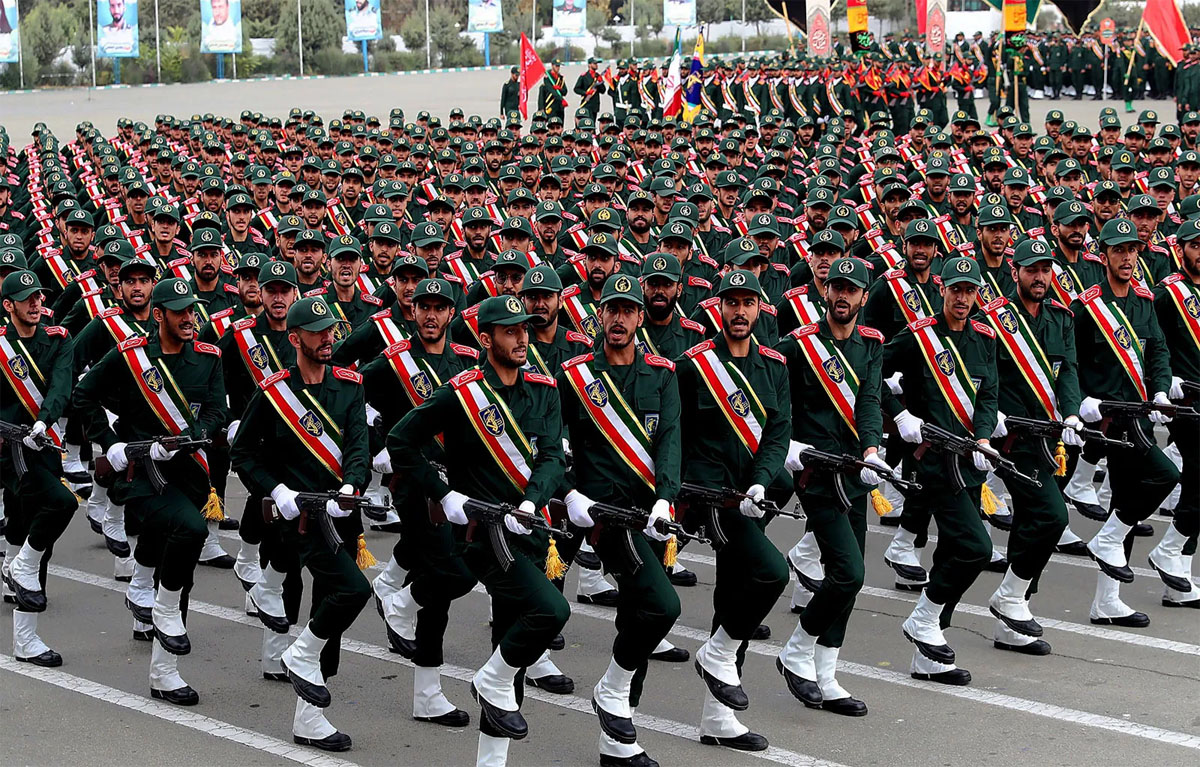
Iran’s Islamic Revolutionary Guard Corps (IRGC) has issued a stark warning to major US technology companies, declaring them legitimate military targets amid intensifying conflict in the Middle East.
The warning, carried by the IRGC-linked Tasnim News Agency, named around 20 American and Western tech firms allegedly involved in intelligence, surveillance, and targeting operations. Companies highlighted include Google, Microsoft, Apple, Meta, Boeing, HP, and Tesla. The IRGC claimed these firms play a central role in identifying and tracking targets through artificial intelligence, cloud infrastructure, and ICT systems, making their facilities subject to attack.
The statement warned that attacks could begin from 8 p.m. local time on Wednesday if Iran continues to experience what Tehran describes as “targeted assassinations” of its leaders and military personnel. Employees and civilians near company offices and data centres were urged to evacuate immediately.
READ ALSO:
- Nigeria Apologises Over ‘Igbo King’ Controversy in South Africa as Protests Turn Violent
- Plateau Killings: Ezekwesili Blasts Tinubu, APC Over ‘Failure to Act’
- Iran Announces ‘Bounty’ on US Pilots After Claiming Downing of Fighter Jet
The threats follow a dramatic escalation in hostilities between Iran and Israel, with the Israel Defense Forces (IDF) reporting more than 230 airstrikes in 24 hours, targeting Iranian military infrastructure. Tehran has accused Israel and the US of also hitting civilian and academic institutions, including Isfahan University of Technology and the Iran University of Science and Technology.
Analysts warn the IRGC’s threats signal a widening battlefield beyond traditional military targets, potentially including commercial tech infrastructure, cloud systems, and communications networks. Such attacks could disrupt internet connectivity, cloud services, financial systems, and regional communications across the Middle East and beyond.
While no confirmed large-scale attacks on these firms have occurred, the announcement raises concerns over the global implications of targeting technology infrastructure in modern conflicts. Experts say such threats highlight how digital and commercial assets are increasingly considered strategic military targets.
Tech companies named in the warning have largely refrained from commenting publicly but are reportedly reviewing security measures and contingency plans to protect staff and critical infrastructure in the region.
The IRGC’s declaration marks a new phase of geopolitical escalation, demonstrating the growing intersection of technology, military operations, and regional instability in the Middle East.
Iran’s IRGC Threatens Google, Microsoft, Apple as ‘Legitimate Military Targets’
International
Iran Announces ‘Bounty’ on US Pilots After Claiming Downing of Fighter Jet
Iran Announces ‘Bounty’ on US Pilots After Claiming Downing of Fighter Jet
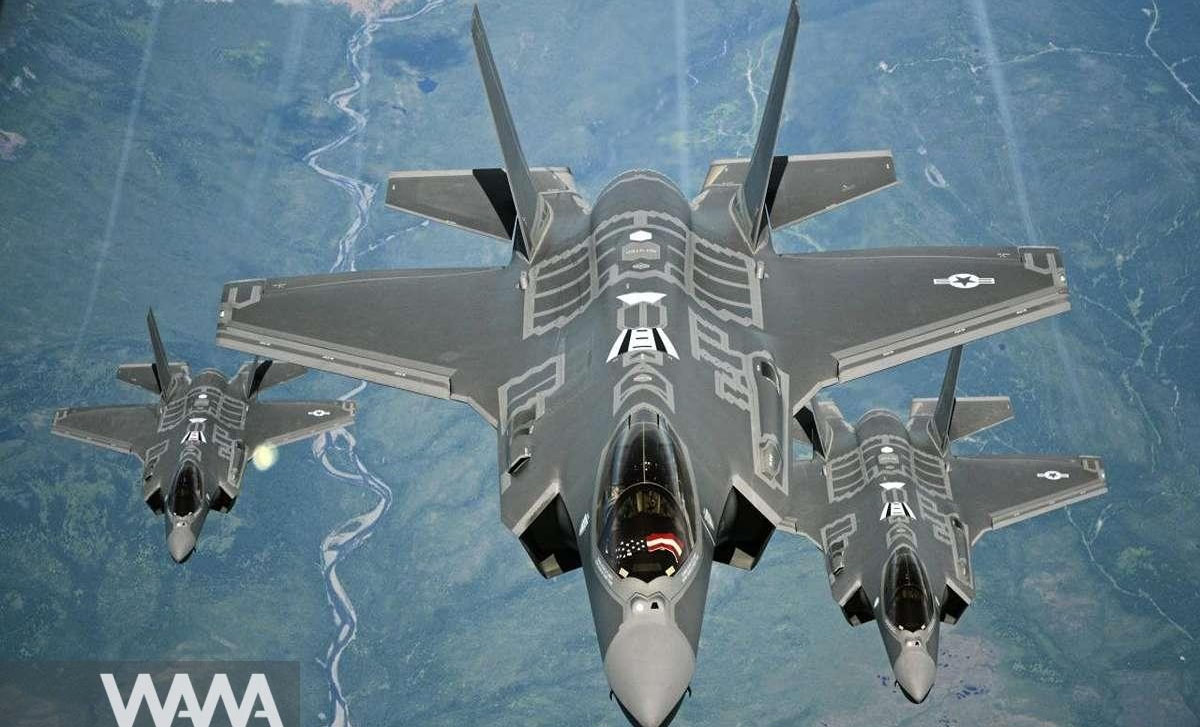
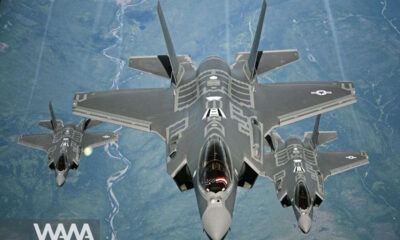
Tensions in the Middle East have sharply intensified after Iran reportedly placed a bounty on US pilots following claims that it shot down a United States fighter jet over its territory.
Iranian state-linked media outlets said the aircraft was brought down during ongoing hostilities, with reports indicating that at least one pilot ejected before the jet crashed. Images circulating on Iranian platforms allegedly show wreckage of the US warplane, although independent analysts say the visuals remain inconclusive.
In a controversial move, a regional television station in Kohkilouyeh and Boyer-Ahmad province reportedly urged civilians to capture and hand over any American pilots alive in exchange for financial rewards—effectively declaring a “bounty” on US pilots.
However, the United States has not confirmed that any of its aircraft was downed, and no official statement has been issued by Washington regarding the claims. Past incidents have shown that similar announcements by Iranian media were later disputed or unverified, raising doubts about the latest development.
Meanwhile, reports indicate that US search-and-rescue operations may already be underway. Black Hawk helicopters were allegedly seen over Iranian airspace as part of efforts to locate two missing pilots, though this has not been independently confirmed.
READ ALSO:
- Lasaco Assurance Launches N18.47bn Rights Issue to Strengthen Capital Base
- ADC Crisis Deepens as Bala Denies Resignation, Insists on Chairmanship
- Ghana Sweeps Top Three Positions in 2025 WASSCE, Outshining Nigeria, Others
The situation comes amid a broader escalation in the region. Recent US airstrikes in Iran reportedly hit critical infrastructure, including a major bridge, leaving casualties and triggering further retaliation.
In response, Iran has intensified its military actions across the region. A fire outbreak at Kuwait’s Mina al-Ahmadi refinery has been linked to Iranian operations, while Iranian drones were intercepted in Bahrain and Saudi Arabia. At the same time, Israel launched retaliatory strikes targeting key locations in Tehran and Isfahan.
Adding to the tension, US President Donald Trump issued a strong warning, stating that the United States “hasn’t even started destroying what’s left in Iran” and threatening further strikes on strategic infrastructure, including power plants and bridges.
Despite these developments, the full details surrounding the alleged downing of the US jet and the fate of the pilots remain uncertain and unverified. Analysts warn that if confirmed, the incident could mark a major turning point in the conflict between both nations.
Iran Announces ‘Bounty’ on US Pilots After Claiming Downing of Fighter Jet
International
7‑Month‑Old Baby Killed in Brooklyn Stroller Shooting, Suspect in Custody

7‑Month‑Old Baby Killed in Brooklyn Stroller Shooting, Suspect in Custody
Brooklyn — A 7‑month‑old baby girl was tragically shot and killed while sitting in her stroller in broad daylight in Brooklyn, New York, in what police believe was a gang-related shooting. The infant, identified as Kaori Patterson-Moore, was being pushed by her parents in the East Williamsburg neighbourhood when the shooting occurred around 1:20 p.m. on Wednesday near the intersection of Humboldt and Moore Streets.
According to the New York City Police Department (NYPD), surveillance footage shows two men riding a moped against traffic when the passenger fired “at least two rounds” toward a street corner where several adults and children, including the baby, were present. The moped later crashed into a car, and the suspected shooter was taken into custody. Police are still searching for the second suspect, who remains at large, describing the ongoing investigation as a “massive manhunt.”
Kaori was hit by a stray bullet to the head and rushed to Woodhull Hospital, where she was pronounced dead. Her 2-year-old brother, also in the stroller, was grazed by a bullet but survived. Police say the baby was an unintended target, highlighting the tragic impact of gun violence on innocent civilians.
READ ALSO:
- Trump Leaves Key Questions Unanswered as Iran War Enters Second Month
- Police Detain Four Over Military Uniforms, Recover Arms
- UEFA Threatens to Strip Italy of Euro 2032 Hosting Rights
Witnesses described the chaotic scene as Kaori’s parents ran into a nearby shop for cover. Only after reaching safety did they realize the baby had been hit. Footage shows Kaori’s mother visibly distressed, realizing her child had suffered fatal injuries. (abc7ny.com)
NYPD Commissioner Jessica Tisch called the incident “unspeakable” and said investigators are pursuing all leads to locate the second suspect. Mayor Zohran Mamdani condemned the attack as a “devastating reminder” of the need to combat gun violence in New York City. (1011now.com)
One suspect, identified as 21-year-old Amare Green, was hospitalized after the moped crash and taken into custody, though his arrest was initially linked to an unrelated investigation. Formal charges for murder and attempted murder are expected. Police have released descriptions of the second suspect and are urging anyone with information to come forward.
Kaori’s mother, Lianna Charles-Moore, tearfully recounted her grief, saying she will never again hold, feed, or care for her daughter. Community members, along with city officials, have expressed condolences and emphasised the urgent need for stronger measures to reduce gun violence. (abc7chicago.com)
7‑Month‑Old Baby Killed in Brooklyn Stroller Shooting, Suspect in Custody

-

 Railway3 days ago
Easter train: NRC increases Lagos-Ibadan trips, offers free Osun holiday transit
-

 metro1 day ago
VeryDarkMan Dares Sowore Over Blord’s Kuje Prison Remand
-

 Business2 days ago
NNPC Boosts Crude Supply to Dangote Refinery to Address Rising Fuel Prices
-

 metro2 days ago
Nigerians to Enjoy Four-Day Break as FG Declares Easter Holidays
-

 metro3 days ago
Power Crisis Looms as NLC Shuts AEDC, Protests Sack of 900 Workers
-
 metro20 hours ago
Tinubu Approves 1,000 Forest Guards, Orders 5,000 CCTV Cameras to Boost Security in Plateau
-
 International14 hours ago
Iran Announces ‘Bounty’ on US Pilots After Claiming Downing of Fighter Jet
-
 International2 days ago
Iran Fires Missiles at Israel After Trump Threatens Weeks of ‘Extremely Hard’ Strikes