

metro
US Military Boosts Support for Nigeria’s Fight Against Insurgency With Ammunition, Troop
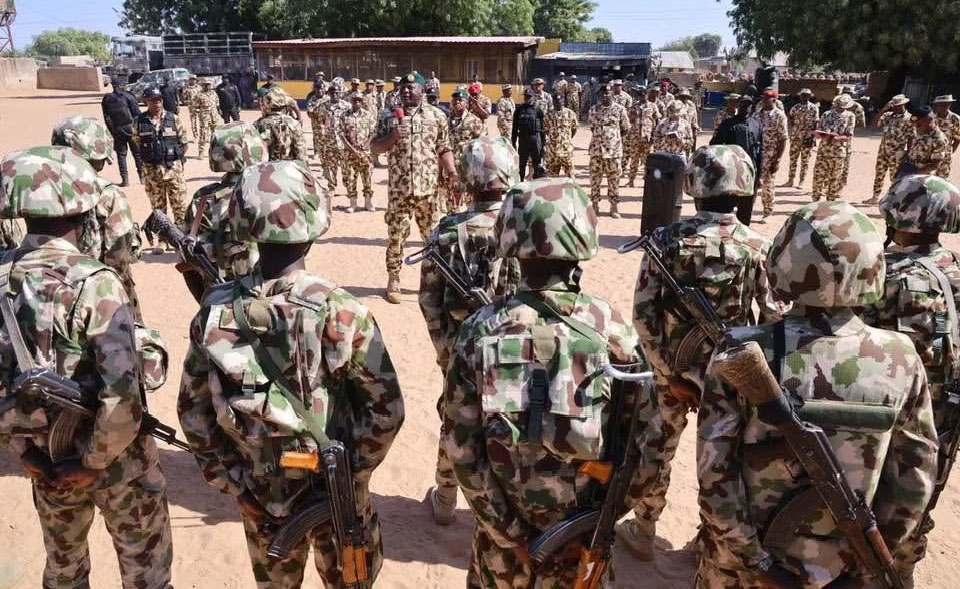
US Military Boosts Support for Nigeria’s Fight Against Insurgency With Ammunition, Troop
The United States military has stepped up support for Nigeria’s counter‑insurgency operations with ammunition deliveries to military bases in Borno State and other northeastern regions, deepening cooperation in the fight against armed groups such as Boko Haram and the Islamic State West Africa Province (ISWAP). The development follows increased security collaboration between Nigeria and the United States amid growing concern over persistent attacks that have destabilised communities and challenged Nigerian forces.
Aerial Deliveries and Logistics Support
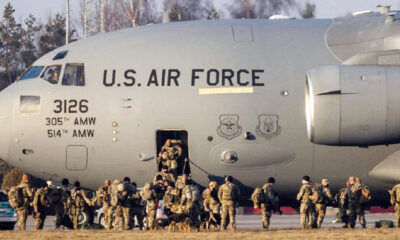
Between Thursday and Friday, US military aircraft, including C‑17 and C‑130J transport planes, landed at strategic airbases in Nigeria, delivering ammunition and logistical equipment intended to strengthen the operational capabilities of Nigerian troops deployed in major insurgency‑affected areas. Senior officers at Nigeria’s Defence Headquarters confirmed that the shipments stem from recent Nigeria‑US bilateral security discussions, and are meant to reinforce ongoing operations rather than establish foreign command over Nigerian forces.
“Following Nigeria‑US bilateral talks on security, the American government will not only deploy soldiers but also provide necessary logistics, including ammunition, to fight the insurgents,” a senior military source said, underlining the collaborative nature of the support.
READ ALSO:
- Afenifere Calls for Immediate Take-Off of State Police as Terror Threats Rise in Yorubaland
- CAF Confirms 2027 AFCON Dates, Reveals Host Cities, Stadiums Across East Africa
- Ronaldo Returns From Absence to Score in Al‑Nassr’s 2‑0 Win Over Al‑Fateh
One of the aircraft was sighted at Maiduguri Air Base in Borno State, a key hub for operations against insurgent cells in the northeast. Satellite imagery and reports suggest that at least three US aircraft were involved in the resupply missions, with heavy cargo offloaded for Nigerian units. Additional flights reportedly landed at Kaduna International Airport, fuelling speculation that the facility could serve as a logistical or training hub for US personnel working with the Nigerian military.
US Troop Deployment and Advisory Teams
In addition to ammunition deliveries, the United States has already deployed a contingent of roughly 100 military personnel to Nigeria. This advance team, comprised of intelligence analysts, advisers and trainers, is part of a broader initiative to enhance coordination, tactical expertise, and battlefield intelligence between the two forces. More personnel and equipment are expected to arrive in the coming weeks.
US forces in Nigeria are not engaged in direct combat; instead, they are focused on training and supporting Nigerian troops to plan and execute more effective operations against insurgent threats. Nigeria remains in operational command of all missions, with the US role emphasising support and capacity building.
Timeline of US‑Nigeria Security Cooperation
The current ammunition deliveries and troop movements form part of an expanding security partnership that has evolved over the past year:
- Late 2025: US officials warned that greater action would be considered if attacks against civilians, including Christians, continued — highlighting rising concern over targeted violence in parts of Nigeria.
- Christmas Day 2025: The United States reportedly carried out precision airstrikes on Islamic State fighters in Sokoto State, indicating a willingness to take direct action against extremist elements.
- Early 2026: Nigeria was designated a Country of Particular Concern by the US over deteriorating security conditions, prompting intensified diplomatic and military engagement to address regional instability.
- February 2026: The first contingent of US support personnel arrived in Nigeria, beginning advisory and training operations ahead of more comprehensive logistical cooperation.
Strategic Implications and Local Responses
The Nigerian government, while underscoring its sovereignty, welcomes the additional support as crucial given the ongoing challenges posed by insurgent attacks, suicide bombings, and cross‑border raids that have displaced millions and claimed thousands of lives over more than a decade. Security analysts say the US presence reflects shared concerns about regional stability and a recognition that enhanced tactical support could help improve outcomes for Nigerian forces on the ground.
Not all reactions have been uniform; some civil society and nationalistic voices stress the need for clear guidelines governing foreign military presence and emphasise the importance of reinforcing Nigerian-led strategies, including community‑based intelligence and local security initiatives.
Officials from both Washington and Abuja maintain that the cooperation is intended to be complementary, with Nigerian command preserved at every level of planning and execution.
US Military Boosts Support for Nigeria’s Fight Against Insurgency With Ammunition, Troop








metro
Grand Chief Imam of Oyoland Urges Rabitah 1964 to Regulate ‘Yorubaland’ Islamic Titles
Grand Chief Imam of Oyoland Urges Rabitah 1964 to Regulate ‘Yorubaland’ Islamic Titles
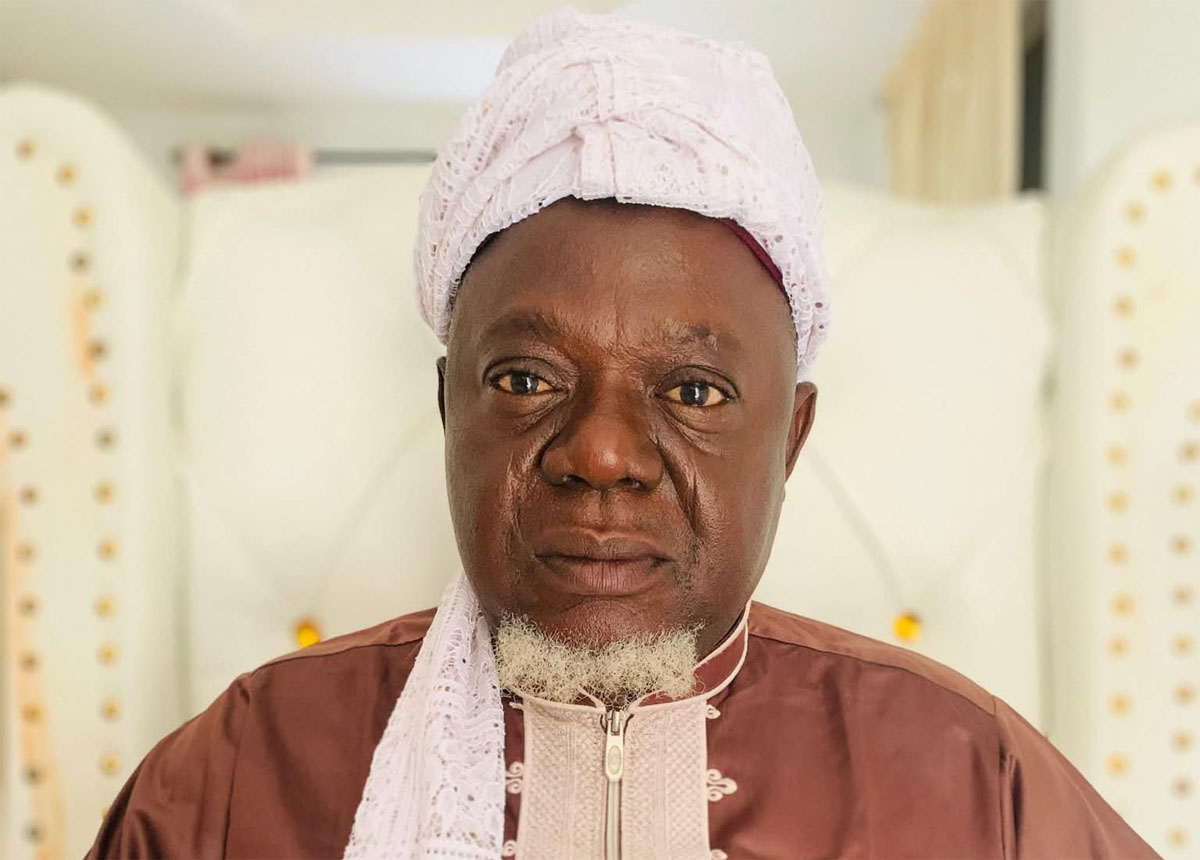
The Grand Chief Imam of Oyoland, Fodhilatu Shaykh Bilaal Husayn Akinola Akeugberu, has called on the League of Imams and Alfas in Yorubaland (Rabitah 1964) to establish a unified position on the conferment of Islamic titles and honours bearing the name “Yorubaland.”
Akeugberu made the call in a letter dated Monday, October 5, 2026, addressed to the Chairman and National Executive Council of Rabitah 1964 through the league’s Secretary-General.
In the letter, titled “The Need for Caution Regarding Titles and Honours Conferred in the Name of Yorubaland,” the Grand Chief Imam expressed concern over what he described as the increasing practice by societies, organisations and groups to confer titles associated with Yorubaland without reference to a recognised central Islamic authority.
He said while such conferments might be well-intentioned, their increasing and uncoordinated nature could diminish the significance of established Islamic titles and make it difficult to distinguish genuine scholarship and service from honours that may be too easily conferred.
According to him, a title that carries the name of the entire Yorubaland has implications beyond the organisation or society that awards it and should therefore be treated as a matter of collective interest.
The Grand Chief Imam said the proliferation of such titles without adequate coordination, verification or consultation with recognised Islamic leadership could weaken the meaning attached to them and affect the integrity of Islamic scholarship and service in the region.
READ ALSO:
- Transporters Urge IGP Disu to Arrest Illegal Highway Tax Collectors
- Army, DSS, Amotekun Kill ISWAP Commander Planning Attacks in Southern Nigeria
- 2027: Soludo Govt Accuses Peter Obi Of Plot To Destroy APGA
He urged Rabitah 1964 to consider developing clear principles governing the conferment of titles and honours bearing “Yorubaland”, while leaving the details of the proposed mechanism and the body or process that should administer it to the league’s deliberation.
Akeugberu anchored his appeal on several verses of the Qur’an, including Surah An-Nisa, verse 83, which he said underscores the importance of referring matters of collective consequence to those vested with authority and knowledge.
He quoted the verse:
وَإِذَا جَاءَهُمْ أَمْرٌ مِّنَ الْأَمْنِ أَوِ الْخَوْفِ أَذَاعُوا بِهِ وَلَوْ رَدُّوهُ إِلَى الرَّسُولِ وَإِلَىٰ أُولِي الْأَمْرِ مِنْهُمْ لَعَلِمَهُ الَّذِينَ يَسْتَنبِطُونَهُ مِنْهُمْ وَلَوْلَا فَضْلُ اللَّهِ عَلَيْكُمْ وَرَحْمَتُهُ لَاتَّبَعْتُمُ الشَّيْطَانَ إِلَّا قَلِيلًا
He also cited Surah An-Nahl, verse 116:
وَلَا تَقُولُوا۟ لِمَا تَصِفُ أَلْسِنَتُكُمُ ٱلْكَذِبَ هَـٰذَا حَلَـٰلٌ وَهَـٰذَا حَرَامٌ لِّتَفْتَرُوا۟ عَلَى ٱللَّهِ ٱلْكَذِبَ ۚ إِنَّ ٱلَّذِينَ يَفْتَرُونَ عَلَى ٱللَّهِ ٱلْكَذِبَ لَا يُفْلِحُونَ
The letter further quoted Surah Al-Isra, verse 36:
وَلَا تَقْفُ مَا لَيْسَ لَكَ بِهِ عِلْمٌ ۚ إِنَّ السَّمْعَ وَالْبَصَرَ وَالْفُؤَادَ كُلُّ أُولَـٰئِكَ كَانَ عَنْهُ مَسْئُولًا
Akeugberu said the verses collectively provide a basis for caution, knowledge, consultation and responsibility when dealing with matters affecting the wider Muslim community.
He maintained that the conferment of titles bearing the name of an entire people, region or Islamic tradition should not be left entirely to individual organisations acting independently.
The Grand Chief Imam therefore urged Rabitah 1964, which he described as the recognised league of Imams and Alfas across Yorubaland, to deliberate on the issue in accordance with the league’s founding statutes and the Islamic principle of Shura, or consultation.
He said a collective framework would help preserve the dignity of Islamic leadership and ensure that titles associated with Yorubaland retain their significance.
Akeugberu also cautioned against making the conferment of honours dependent on sectarian, ideological or jurisprudential differences.
In his concluding remarks, he said deserving Muslim men and women should be recognised without allowing sectarian preferences, ideological affiliations or jurisprudential inclinations to determine who qualifies for such honours.
He expressed confidence that Rabitah 1964 would approach the matter with the seriousness required and develop a position that would protect the sanctity of Islamic titles while promoting unity among Muslims across Yorubaland.
The Grand Chief Imam concluded the letter by praying for continued divine guidance for the national leadership of Rabitah 1964 and success in its service to the Muslim community in Yorubaland.
Grand Chief Imam of Oyoland Urges Rabitah 1964 to Regulate ‘Yorubaland’ Islamic Titles
metro
Transporters Urge IGP Disu to Arrest Illegal Highway Tax Collectors
Transporters Urge IGP Disu to Arrest Illegal Highway Tax Collectors
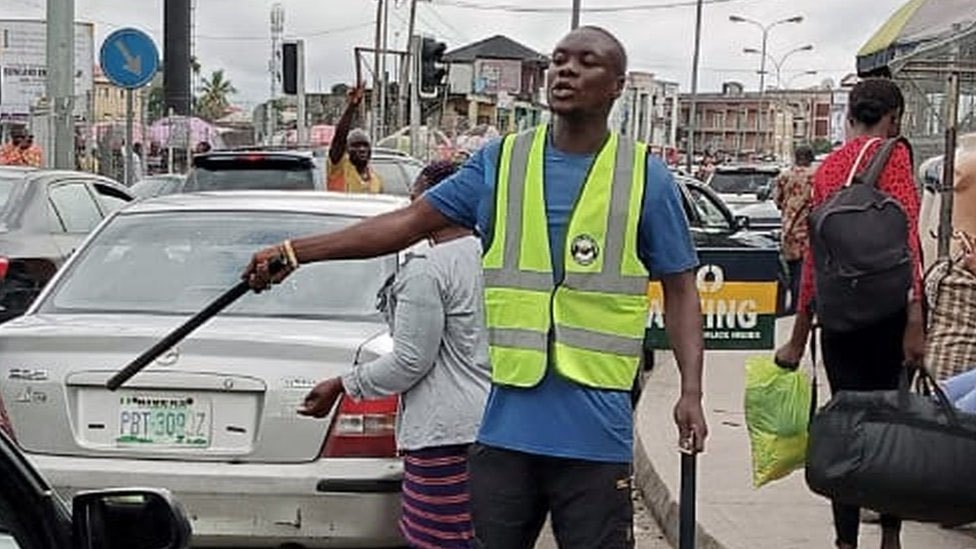
Transport operators have urged Inspector-General of Police Olatunji Disu to deploy personnel to enforce a Federal High Court order directing the removal of illegal roadblocks and revenue-collection points on federal highways across Nigeria.
The Heavy Duty Haulage and Transporters Welfare Association of Nigeria made the appeal in a letter to the IGP, requesting police action against individuals and groups allegedly operating unauthorised tax and levy collection points on major highways.
The association specifically requested the deployment of 20 police personnel to enforce the court order and arrest persons found collecting taxes, levies or other charges through illegal roadblocks.
The request followed a Federal High Court judgment delivered in Abakaliki, Ebonyi State, directing the police and relevant revenue authorities to remove roadblocks, checkpoints, barriers and other obstructions mounted on federal highways for the purpose of revenue collection.
Justice Hillary I. O. Oshomah, in the judgment delivered on July 13, 2026, ordered the authorities to supervise or ensure the immediate dismantling of unauthorised revenue-collection points on federal highways, expressways and roads.
READ ALSO:
- Army, DSS, Amotekun Kill ISWAP Commander Planning Attacks in Southern Nigeria
- 2027: Soludo Govt Accuses Peter Obi Of Plot To Destroy APGA
- MURIC Accuses OAU International School of Restricting Hijab-Wearing Students
The court also directed the police to arrest, detain, investigate and prosecute persons, groups or authorities found to have erected or operated such roadblocks in violation of relevant tax laws.
The transporters said enforcement of the order would help address what they described as illegal taxation, extortion and harassment of road users, particularly commercial transport operators.
National Chairman of the association, Oraka Nnaemeka, and Secretary-General, Ayobami Makinde, said unauthorised collections along highways had placed additional financial pressure on truckers and other transport operators.
According to the association, the proliferation of roadside levies increases the cost of transporting goods and could ultimately contribute to higher prices for consumers.
The group therefore called on the Nigeria Police Force to implement the court order and protect legitimate transport operators from unauthorised revenue collectors and other individuals obstructing the movement of goods.
The association also argued that removing illegal checkpoints would improve the efficiency of the nation’s road transportation system and reduce delays faced by trucks travelling between states.
The court case involved Ayobami Makinde, Musamad Nigeria Limited and the Incorporated Trustees of Heavy Duty Haulage and Transporters Welfare Association, Bwari, Abuja, against the Nigeria Police Force, the Nigerian Army and the Joint Revenue Board.
The demand comes amid longstanding complaints from transport operators about multiple taxation and illegal levies imposed on commercial vehicles travelling across Nigeria.
The transporters are now seeking immediate police enforcement of the court order, particularly on federal highways where unauthorised revenue collection remains a concern for operators moving goods across the country.
Transporters Urge IGP Disu to Arrest Illegal Highway Tax Collectors
metro
Army, DSS, Amotekun Kill ISWAP Commander Planning Attacks in Southern Nigeria
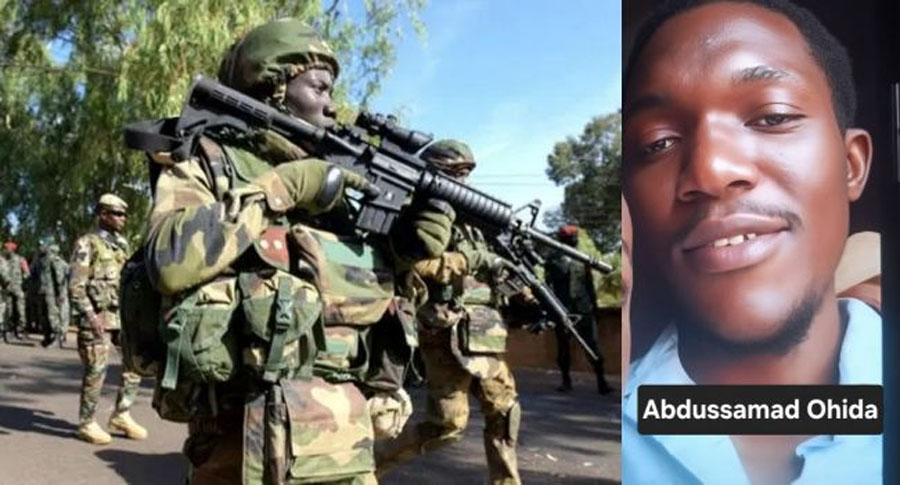
Army, DSS, Amotekun Kill ISWAP Commander Planning Attacks in Southern Nigeria
A joint operation involving the Nigerian Army, Department of State Services (DSS) and the Western Nigeria Security Network (Amotekun) has killed a senior Islamic State West Africa Province (ISWAP) commander, Abdussamad Ohida, also known as Anwar, in Owo, Ondo State.
Ohida was reportedly killed alongside other members of the terrorist group during an intelligence-led operation targeting an ISWAP hideout in Owo forest.
Security sources said the operation disrupted alleged plans by the group to launch terrorist attacks in southern Nigeria during the forthcoming Christmas and New Year period and cause disruption ahead of the 2027 general elections.
The intelligence that led security agencies to Ohida was reportedly developed by the DSS and strengthened by information obtained during the interrogation of Abu Ikrimah, also known as Abu Uwais, a former ISWAP leader in Central Nigeria who was arrested in 2023.
Ohida had reportedly served as Ikrimah’s deputy before taking on a more prominent leadership role following his arrest. Security sources said he subsequently coordinated ISWAP activities across parts of the North-Central and southern regions of Nigeria.
The intelligence was reportedly corroborated with assistance from security partners in the United Kingdom, leading to the operation in Owo.
Ohida had previously been linked by Nigerian authorities to several deadly attacks across the country.
Government sanctions records identify Abdulsamat Abdulkareem Ohida as a senior ISWAP commander, or Qaid, operating in Okene. He was also linked to the June 5, 2022 attack on St Francis Catholic Church in Owo, where worshippers were killed and others injured.
READ ALSO:
- 2027: Soludo Govt Accuses Peter Obi Of Plot To Destroy APGA
- MURIC Accuses OAU International School of Restricting Hijab-Wearing Students
- Israeli Forces Reportedly Destroy School, Burn Homes in Southern Lebanon
He was further linked to the July 11, 2022 attack on Kuje Correctional Centre in Abuja, as well as attacks on security formations in Kogi and Niger states.
Security sources also attributed to him the December 31, 2025 attack on the Ipele Divisional Police Station in Owo, during which several weapons were reportedly stolen before the facility was destroyed with explosives.
Other attacks attributed to the commander include the July 28, 2022 attack on a military checkpoint along the Suleja-Zuba Road in Niger State, the April 23, 2022 attack on Ogaminana Police Station in Adavi Local Government Area of Kogi State, and the February 7, 2022 attack on the Okene Area Command Police Station.
The December 24, 2020 attack on a naval checkpoint in Okene, which reportedly killed two naval personnel, was also linked to him by security sources.
The latest operation is significant because of concerns over the expansion of terrorist networks into southern Nigeria, away from areas traditionally associated with insurgent activity.
Security sources described Ohida’s reported death as a major setback for the ISWAP network in the region and said the operation had disrupted plans for further attacks.
However, authorities have yet to publicly release a comprehensive account of the operation, including the exact number of other ISWAP members reportedly killed or the full details of the intelligence and military engagement.
The operation comes amid intensified efforts by Nigerian security agencies to prevent terrorist groups from establishing footholds in the South-West and other parts of southern Nigeria, particularly as the country approaches the festive season and the 2027 elections.
Army, DSS, Amotekun Kill ISWAP Commander Planning Attacks in Southern Nigeria
-
 metro2 days ago
NYSC Kidnap: Abductors Demand N950m for 19 Prospective Corps Members in Imo
-

 Politics2 days ago
2027: Oshiomhole Dares Opposition Over ₦500 Petrol Promise, Says APC Will Take Argument to Nigerians
-

 Entertainment3 days ago
Olu Jacobs Laid to Rest in Lagos as Dignitaries, Nollywood Stars Honour Screen Icon
-
 metro2 days ago
N500 Petrol, Wage Award: Public Sector Workers Begin Warning Strike
-
 metro2 days ago
Amaechi: Tinubu’s Policies Made My Mother’s Drugs Unaffordable
-

 metro1 day ago
‘I Thought I Was Dead’ — Hairstylist’s Daring Escape From Kidnappers After Benin-Ore Ambush
-
 metro2 days ago
Tension as Kidnappers Threaten to Kill Abducted Oyo Corps Members
-

 Entertainment2 days ago
Less Than Four Months After Wedding, Jarvis Threatens Peller With Lawsuit Over Second-Wife Plan