
Auto
BMW begins road tests of hydrogen EV X5
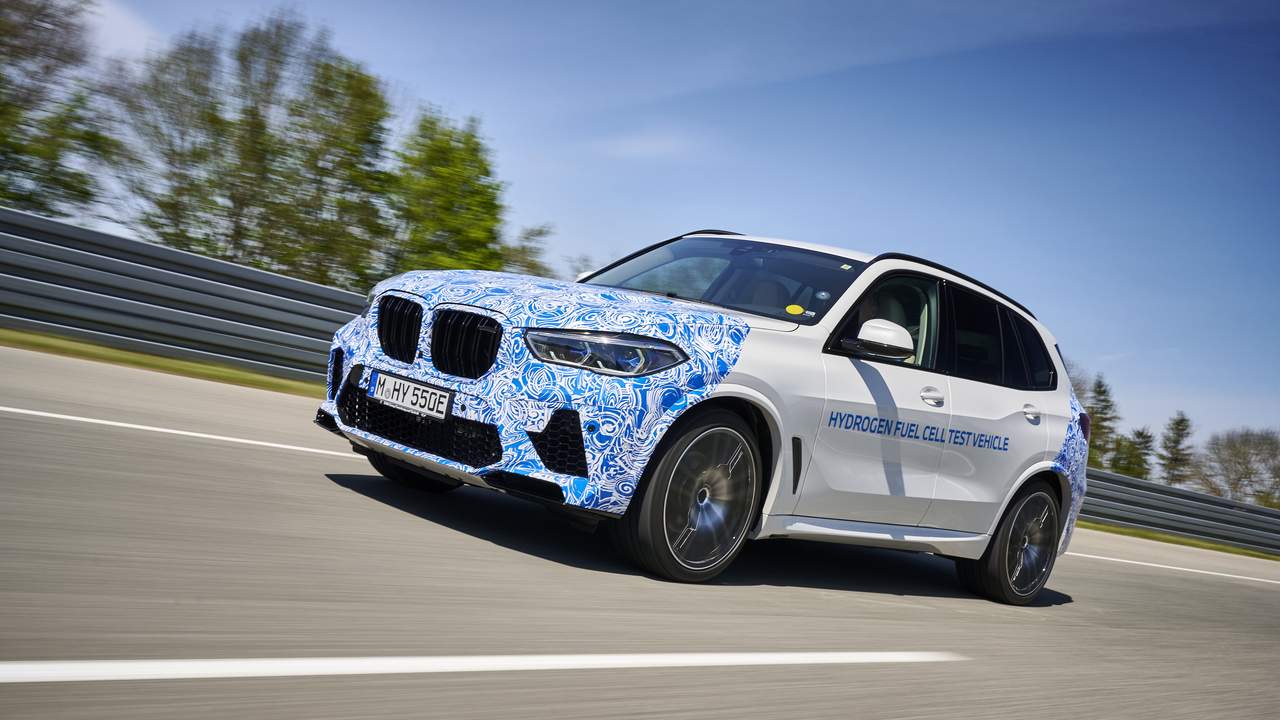
BMW has begun real-world tests of its i-Hydrogen Next, an X5 paired with EV and hydrogen tech.
The BMW i Hydrogen Next is an all-electric vehicle fueled by the reaction of hydrogen and oxygen in a fuel cell. The German automaker firmly believes that hydrogen fuel cell technology can replace internal combustion engines, plug-in hybrids (PHEVs), and battery-electric vehicles (BEVs) as the future of mobility.
Toyota and BMW are collaborating on hydrogen cars, with BMW planning to launch the i Hydrogen Next in 2022.
The i Hydrogen Next will see limited production, as BMW plans to devote more energy to EVs in the coming years.
According to multiple sources including Overdrive and Slashgear, both online auto journals, the testing that began this week will aim to tune the software controlling the car’s driving and operating functions, the automaker has said, following static tests of the fuel cell system and hydrogen tanks.
BMW has been experimenting with hydrogen fuel cell technology for decades.
But BMW’s efforts in this field are still a few rungs below Toyota and Honda, which have already fielded hydrogen fuel cell cars.
“Hydrogen fuel cell technology can be an attractive option for sustainable drive trains – especially in larger vehicle classes,” says Frank Weber, member of the Board of Management of BMW AG responsible for Development.
“That is why road testing of near-standard vehicles with a hydrogen fuel cell drive train is an important milestone in our research and development efforts.”
According to the automaker, hydrogen fuel-cell drivetrains could become an attractive alternative to EVs, but with a planned small-series production it’s not quite going all-in, unlike Toyota and a few other automakers that have marketed unique sedan designs for years.
BMW is also aiming to get practical experience using this drivetrain in real-world conditions.
The i Hydrogen Next will pair BMW’s eDrive technology already rolled out in vehicles like the iX3 with a hydrogen fuel cell technology developed along with Toyota—one of the other major players in this field.
The vehicle is largely based around architecture and technology borrowed from existing vehicles, rather than being a model developed entirely from scratch, which suits the model’s planned small-series production volume.
The SUV promises 374 hp—the same as the most powerful inline-six gas engine in the automaker’s lineup, as BMW points out.
“The energy stored in the performance buffer battery is generated in a particularly efficient way during driving by recovering energy from coasting overrun and braking phases,” the automaker said.
It also stated, “The hydrogen needed to supply the fuel cell is stored in two 700-bar tanks made of carbon-fiber reinforced plastic (CFRP), which together hold six kilograms of hydrogen.
“Its precisely controlled reaction with oxygen in the fuel cell generates electricity, while water vapor is the only emission produced by the drive train.


Auto
CFAO Mobility Open Day to offer special deals on new vehicles, parts, diagnostics
CFAO Mobility Open Day to offer special deals on new vehicles, parts, diagnostics
CFAO Mobility has announced plans to host the 2026 edition of its flagship CFAO Mobility Open Day, aimed at showcasing a wide range of innovative mobility solutions.
In a statement, the company said the event would take place on Thursday, April 30, 2026, at Harbour Point, Victoria Island, Lagos, from 9am to 6pm.
The Open Day is expected to bring together leading global automotive and equipment brands in a dynamic exhibition tailored to meet diverse mobility needs.
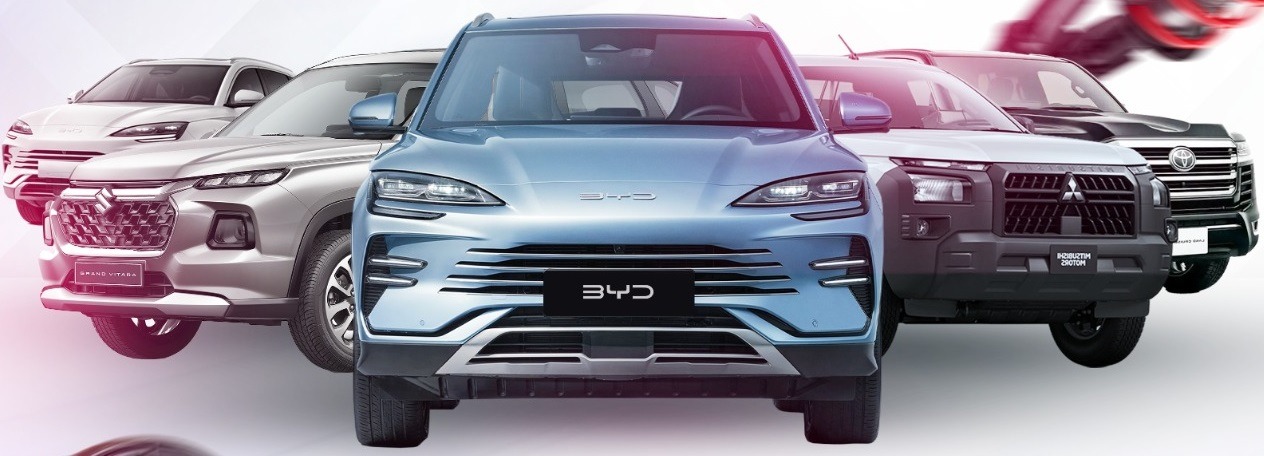
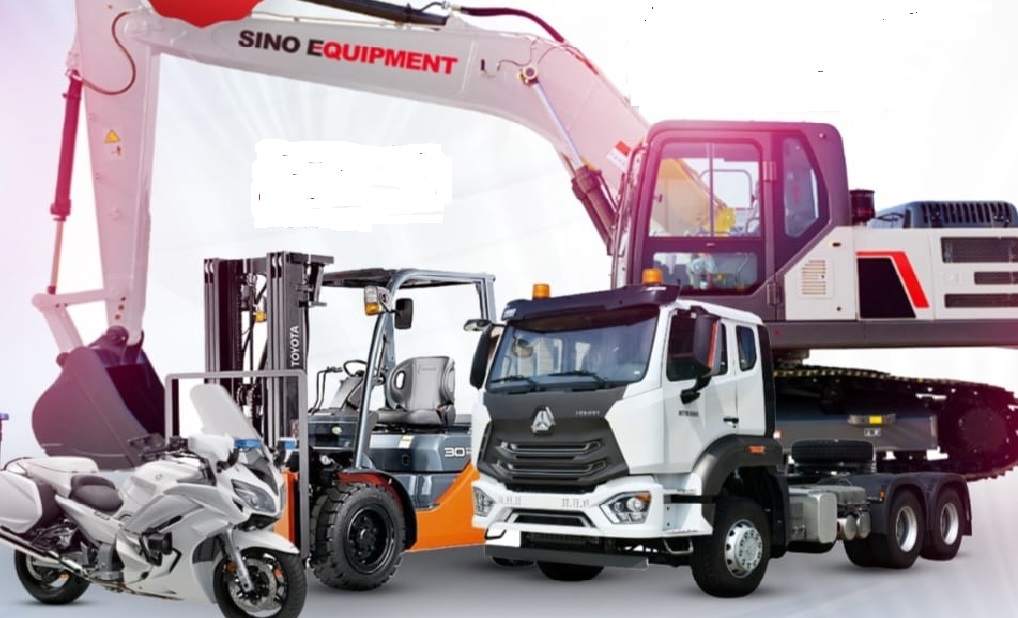
Participating brands are Toyota, BYD, Mitsubishi, Suzuki, Fuso, JCB, Howo, Sino Equipment, King Long, TechKing Tyres, Yamaha, Winpart and Auto Fast.
According to CFAO Mobility, attendees will experience an extensive display of products and services, ranging from brand-new vehicles and motorcycles to outboard engines, fleet management solutions, spare parts and aftermarket services.
The event, which is free and open to the public, will also feature test drives, professional vehicle diagnostics and exclusive spare-parts deals, offering participants a hands-on and engaging experience.
The company urged car enthusiasts, business owners and prospective buyers to take advantage of the Open Day to explore mobility solutions tailored to their personal and business needs.
With over 120 years of presence in Nigeria, CFAO Mobility remains a key player in the mobility and healthcare sectors.
It added that the Open Day reflects its continued commitment to delivering innovative, customer-focused mobility solutions.
Auto
Jetour set to ignite Lagos with four-day automotive experience

Jetour set to ignite Lagos with four-day automotive experience
Lovers of sophisticated and elegant SUVs in Lagos are about to witness a combination of automotive engineering and urban lifestyle as Jetour Nigeria announces the hosting of a flagship event, “The Jetour Experience,” a four-day immersive festival designed to redefine how Nigerians interact with the road.
From April 16 to 19, 2026, The Podium in Lekki, Lagos, will be transformed into a high-energy hub where sleek design meets high-octane entertainment. This is not just a standard car show; it’s a curated lifestyle destination, says the organisers in a statement.
The four-day event is said to promise a fusion of horsepower, high fashion, and plenty of fun.
Tagged “The Jetour Experience,” the four-day extravaganza is not just about gleaming chrome and leather seats; it is a high-octane celebration aimed at blurring the lines between mobility and entertainment.
Specifically, it stated that the exhibition would feature test drives, virtual reality gaming, fitness sessions, and interactive activities with branded giveaways.
The statement added that the arena would buzz with entertainment, including contests and interactive games, giving guests the chance to win exclusive branded gifts and prizes.
In a massive show of force, Jetour says it is partnering with its seven prestigious accredited dealers—Elizade Nigeria Limited, New Era Autovehicle Services Limited, Kojo Motors, R.T. Briscoe, Tab Autos Limited, Mandilas Motors, and Germaine Auto Centre —to bring their full fleet to the public.
Whether you are an eco-conscious commuter or an off-road adventurer, the lineup has something for everyone, according to a statement by the Jetour Nigeria.
The Urban Explorers: X50 and X70
The Sophisticates: X70 Plus and X90 Plus
The Eco-Warriors: X70 PHEV and T2 PHEV (Plug-in Hybrids)
The Icons: The rugged T2 and the razor-sharp Dashing
Jetour is blurring the lines between mobility and entertainment. Running daily from 9:00 am to 7:00 pm, the event promises a packed itinerary designed to keep the adrenaline pumping.
Visitors will also push limits during test drives, explore virtual reality (VR) gaming such as foosball, and take part in curated fitness sessions.
In a creative masterstroke, the grand finale will feature a car runway fashion show. Attendees can expect a visual feast where automotive engineering meets sartorial elegance, reinforcing the idea that a Jetour is not just a vehicle but a fashion statement.
The firm stated, “Beyond the glitz, the event maintains a strong focus on safety. A dedicated panel discussion featuring stakeholders and officials from the Federal Road Safety Corps (FRSC) will explore road safety, tech-driven security, and the future of motoring in Nigeria.
“With its blend of adrenaline, artistry, and advocacy, Jetour Nigeria isn’t just hosting an event; it is creating a destination.”
Auto
Soaring Fuel Prices Drive Nigerians Toward Electric Vehicles
Soaring Fuel Prices Drive Nigerians Toward Electric Vehicles
Rising fuel prices in Nigeria are accelerating interest in electric vehicles (EVs) as households, transport operators, and businesses seek cost-effective alternatives to petrol- and diesel-powered cars. Experts say the spike in petrol costs is no longer just an economic concern but a turning point, pushing electric mobility from a futuristic idea into a practical solution for everyday commuting and commercial use.
At the Abuja Compact on Electric Mobility Roundtable, stakeholders highlighted how increasing transport expenses are reshaping decisions, especially among commercial drivers and small business owners. Rising fuel costs are prompting many Nigerians to see EVs as a survival strategy rather than a luxury option.
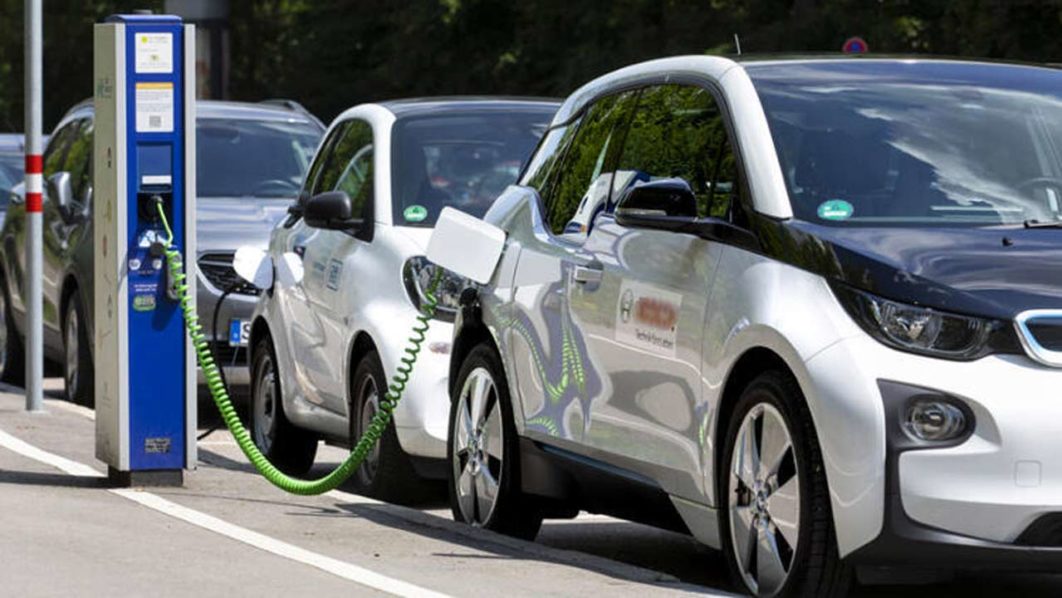
Chairman of the Presidential Initiative on Compressed Natural Gas and Electric Vehicles (Pi-CNG & EV), Ismaeel Ahmed, explained that the removal of fuel subsidies has widened the cost gap between petrol-powered vehicles and EVs. Charging an EV for a 200-kilometre journey costs around ₦4,500, compared to roughly ₦22,500 for petrol vehicles — a difference that offers a “strong economic incentive” influencing consumer choices. Ahmed added that the federal government is pursuing a balanced transition strategy supporting both compressed natural gas (CNG) and electric vehicles to encourage sustainable energy alternatives.
Financial solutions are helping Nigerians overcome the high upfront costs of EVs. Mohammed Abdul, Divisional Head at Alternative Bank, noted that lease-to-own, pay-as-you-go, and partnership schemes are making EVs accessible to drivers in the informal transport sector. These financing models allow gradual adoption while easing financial burdens.
READ ALSO:
- Ogun Partners with NAHCON, Names Key Hajj Leadership Team
- Timi Frank: INEC Actions Threaten Democracy, Calls on Trump to Support Nigeria
- ADC Defies INEC, Moves Ahead with Congresses, Convention
Industry leaders also see wider economic benefits from EV adoption. Yusuf Suleiman, CEO of Bankrol Camel EV and Blue Camel Energy Ltd, said EV investments could improve energy access, boost industrial growth, and reduce Nigeria’s reliance on imported fossil fuels. Ahmed Garba Ahmed, COO of Bankrol Camel EV, added that EVs can cut energy costs per kilometre by up to 60%, benefiting ride-hailing drivers, logistics companies, and fleet operators.
Dapo Adesina, President of the Electric Mobility Promoters Association of Nigeria (EMPAN), explained that EV adoption can strengthen Nigeria’s power sector. Solar-powered charging hubs can simultaneously power vehicles and supply electricity to nearby communities, particularly in underserved areas. Private sector initiatives are also supporting Nigeria’s EV transition. Companies like SolarCity Gas are deploying superfast EV charging stations across key urban hubs and petrol stations, expanding the country’s charging infrastructure to meet growing demand.
Despite growing adoption, electric mobility in Nigeria faces challenges such as limited electricity infrastructure and inconsistent power supply. Analysts warn that significant investments in charging networks and supportive policies are necessary for sustainable EV growth. Nevertheless, with fuel prices remaining high, EVs are increasingly viewed as economically smart and environmentally friendly alternatives, offering Nigerians a viable solution to rising transport costs.
Soaring Fuel Prices Drive Nigerians Toward Electric Vehicles

-
 Africa2 days ago
ECOWAS Recruitment 2026: Over 30 Job Vacancies Open for Nigerians (How to Apply)
-

 metro3 days ago
2026 NYSC Batch A Stream II: Registration, Swearing-In Dates Announced
-

 Entertainment3 days ago
Saheed Osupa Defends Juju Use Amid Backlash From Islamic Clerics
-

 Politics2 days ago
Court Stops ADC Congress, Orders Status Quo in Leadership Row
-

 Health2 days ago
Sleeping Positions: How They Affect Your Health and Which Ones to Avoid
-

 metro2 days ago
Boko Haram Attack in Borno: Brigadier-General, Soldiers Killed as ISWAP Overruns Military Base
-

 metro2 days ago
US Evacuates Embassy Staff in Nigeria, Lists 23 States as ‘Do Not Travel’
-

 Entertainment3 days ago
Peller Sued for ₦400 Million by Former Tour Bouncer