

News
Buhari begs health workers to shelve strike
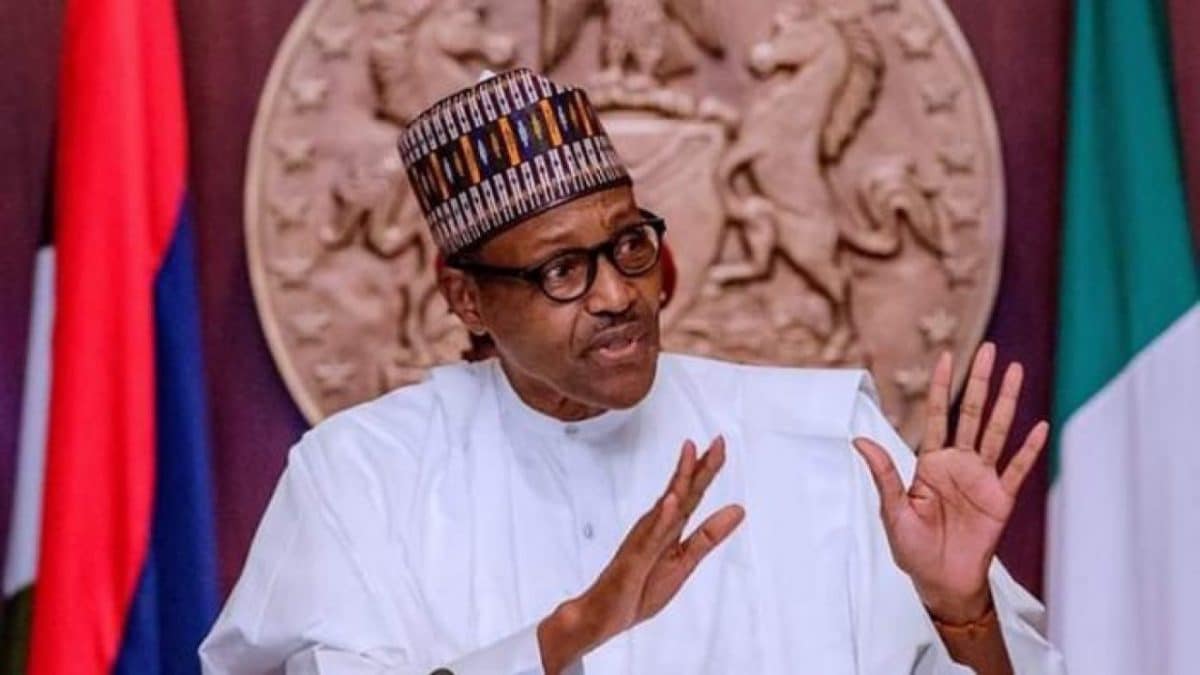
President Muhammadu Buhari on Friday pleaded with health workers to return to their duty posts and those contemplating strike to consider settlement of issues by negotiation.
He spoke at a meeting with members of Nigerian Medical Association at the State House in Abuja.
“The lives of citizens that could be lost or damaged when doctors withdraw services, are precious enough to be worth opting for peaceful resolution of differences,’’ the President said.
He said all outstanding benefits owed medical doctors would be cleared, after verifications, noting that embarking on industrial action at a critical health period for the country and citizens was not a good option.
“Protecting our citizens is not to be left to government alone, but taken as a collective responsibility, in which especially medical professionals play a critical role.
“Let me speak directly to the striking doctors. Embarking on industrial action at this time when Nigerians need you most is not the best action to take, no matter the grievances.
“This administration has a good track record of paying all debts owed to government workers, pensioners and contractors and we have even revisited debts left by past administrations, once due verification is done. Debts genuinely owed Health workers will be settled.
“I learnt that some of the 12-point demand in the ongoing strike was already addressed; though the review of a new hazard allowance has not been fully negotiated because of the sharp and deep division within the ranks of the striking doctors.’’
President Buhari said the outstanding issue of an establishment circular issued by the Head of Service, removing house officers, NYSC doctors from scheme of service had an addendum circular from National Salaries and Wages Commission to clarify that they will continue to earn the wages attached to them on their present wage structure.
“I request that the agreement reached in the meetings of 20th and 21st August captured in the MOU which I have seen be religiously implemented,’’ he said.
The President said budgetary allocations had been increased and a Health Sector Reform Committee, under the chairmanship of the Vice-President Yemi Osinbajo, had been commissioned to identify and address weaknesses in the health system and align with global best practices that raise public confidence.
“We are also supporting initiatives to expand health insurance coverage and bring more resources to health financing.
“We have many more challenges ahead and much more to do, for our large population.
“In this respect, it is important to remind you that, as senior medical personnel and representatives of one of the most respected professional groups in the world, your responsibility for the health and wellbeing of Nigerians are clear.
“It does not end only with the welfare of your members, but continues with a sense of responsibility for the entire country and its sociopolitical health and national stability.’’
President Buhari noted that Nigeria’s source of revenue over many years was dwindling, with a rising population.
“The global economy has been seriously affected by the pandemic, and despite recent pleasing news of more than five per cent economic growth of Nigeria in the last quarter, we are still having fiscal challenges to deal with, like most other countries.
“The source of revenue that Nigeria has depended on for so long experienced global decline, our population is rising fast and the tension arising from both, is fuelling agitation among our youth. Organizations like the NMA could play a very useful moderating role in society,’’ the President said.
In his remarks, the Minister of Health, Dr. Osagie Ehanire, said the NMA had been playing a critical role in development of the health sector, particularly in tackling pandemics, participating in policy formulation and population health.
President of the NMA, Prof. Innocent A. Ujah, thanked the President for appointment of members into strategic positions in government, assent to the Medical Residency Act and immunization coverage.
Ujah said the association was concerned with the industrial action embarked upon by doctors, and had been doing its best to alleviate the suffering of patients across the country, while appealing for an urgent resolution.






News
South Africa Releases Fani-Kayode’s Speech After Protest Over Livestream Snub
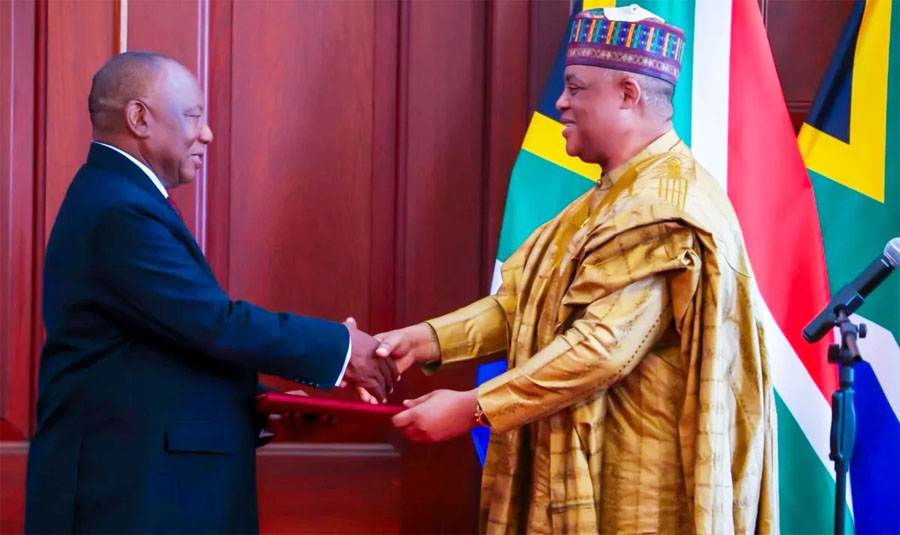
PRETORIA – The South African authorities have released the speech delivered by Nigeria’s Ambassador to South Africa, Lesotho and Eswatini, Chief Femi Fani-Kayode, after he protested the omission of his address from the official livestream of a diplomatic ceremony attended by President Cyril Ramaphosa.
The development followed complaints by Fani-Kayode that Nigeria was the only country among 15 participating diplomatic missions whose ambassador’s introduction and speech were excluded from the live broadcast of the presentation of Letters of Credence.
The ceremony, held on Friday, November 13, 2026, at the Sefako Makgatho Presidential Guest House in Pretoria, brought together ambassadors and heads of diplomatic missions from 15 countries, alongside the European Union, to formally present their credentials to President Ramaphosa.
Fani-Kayode had expressed displeasure after observing that the official livestream captured the introductions and speeches of other diplomats but was interrupted when it was Nigeria’s turn.
According to the Nigerian envoy, the transmission resumed immediately after he had completed his presentation to the South African President.
Describing the development as disturbing, Fani-Kayode said Nigeria was singled out in the broadcast, raising concerns about the treatment of the country and its diplomatic representation.
“The entire event was livestreamed, but of all the 15 introductions and speeches made that morning, only Nigeria’s was cut out,” he said.
The ambassador suggested that the omission might reflect the attitude of some individuals towards Nigeria, although no independent evidence has established that the country was deliberately censored.
“Clearly, some elements in South Africa do not want to hear what we have to say or see our faces, but we are here to stay as long as we are welcome and have the confidence of President Ramaphosa, which I am sure we do,” he added.
Fani-Kayode Raises Complaint With Ramaphosa
The Nigerian diplomat disclosed that he personally drew President Ramaphosa’s attention to the missing broadcast during the official photograph session that followed the presentation of credentials.
READ ALSO:
- Tinubu Failed to Honour Our Agreement After I Took Political Risk for Him – Makinde
- Court Admits Supreme Court Judgment Against Emefiele in $4.5bn, N2.8bn Fraud Trial Despite Defence Objection
- Agunbiade Celebrates Wife, Raheem Adepeju, on M.Ed. Graduation from University of Ibadan
According to Fani-Kayode, the South African leader reacted immediately, confronted officials responsible for the broadcast and questioned them about why Nigeria’s segment had been omitted.
He said Ramaphosa directed the relevant officials to address the situation.
However, the intervention came after the Nigerian ambassador’s presentation had already been excluded from the live transmission.
Fani-Kayode maintained that the omission did not mean his address was unavailable, as media organisations covering the ceremony, including Nigerian television crews, recorded the proceedings.
He also disclosed that he declined an interview request from the South African Broadcasting Corporation (SABC), advising its representatives to watch the speech that had been left out of the official livestream.
The subsequent release of the speech has brought the development into renewed focus, although the circumstances surrounding its initial exclusion from the broadcast have not been independently established.
Tinubu’s Message to Ramaphosa
Despite the controversy, Fani-Kayode used the diplomatic occasion to reaffirm Nigeria’s commitment to strengthening relations with South Africa.
He conveyed fraternal greetings from President Bola Ahmed Tinubu to Ramaphosa, emphasising the historical relationship between both countries and Nigeria’s contributions to South Africa’s struggle against apartheid.
The ambassador said his diplomatic assignment would focus on rebuilding confidence, addressing areas of disagreement and expanding cooperation between the two African nations.
He identified trade, industrial development, economic cooperation and regional stability as important areas requiring greater collaboration.
Fani-Kayode also stressed that Nigeria and South Africa must maintain mutual respect, given their historical contributions, strategic importance and influence across the African continent.
He acknowledged Ramaphosa’s personal intervention following his complaint but maintained that his respect for South Africa and its people would not prevent him from speaking against actions he considered disrespectful to Nigeria and its citizens.
The diplomatic incident comes amid heightened concerns over the treatment and safety of Nigerians living in South Africa, following reported xenophobic attacks and killings that have strained relations between the two countries.
Fani-Kayode has previously warned that Nigeria’s patience was wearing thin over attacks on its citizens but cautioned against calls for a complete breakdown of diplomatic and economic relations.
The ambassador has consistently advocated dialogue, mutual respect and stronger Pan-African cooperation, arguing that the historical sacrifices made by Nigeria and other African countries towards ending apartheid should remain a foundation for lasting friendship.
With the release of his speech following the protest, attention is now expected to focus on the circumstances surrounding the broadcast omission and the need to ensure that diplomatic engagements involving Nigeria receive appropriate representation.
South Africa Releases Fani-Kayode’s Speech After Protest Over Livestream Snub
News
ICPC Recovers ₦5.3bn in Seven States, FCT as LG Financial Probe Uncovers Irregularities

The Independent Corrupt Practices and Other Related Offences Commission (ICPC) has recovered more than ₦5.3 billion following a review of local government accounts in seven states and the Federal Capital Territory (FCT).
The anti-corruption agency has also announced plans to make all 774 local government areas in Nigeria publish their financial records online, in a move aimed at strengthening transparency and accountability in the management of public funds.
ICPC Chairman, Dr Musa Adamu Aliyu, disclosed the recoveries on Thursday, November 12, 2026, in Lafia, Nasarawa State, during the launch of the ICPC-National Information Technology Development Agency (NITDA) Local Government Websites Pilot.
According to the commission, the review of local government accounts exposed financial risks at the grassroots level and demonstrated the importance of monitoring how public allocations and other revenues are managed.
Aliyu said the recovery of more than ₦5.3 billion showed what scrutiny could achieve, adding that the proposed digital disclosure initiative would help prevent further financial abuses.
He explained that the programme was designed to ensure that local governments made information about their finances and activities accessible to residents, journalists and relevant oversight institutions.
The initiative comes against the backdrop of the Supreme Court’s July 2024 judgment on local government financial autonomy, which affirmed that statutory allocations due to democratically elected councils should be paid directly to them rather than being controlled by state governments.
Aliyu said the judgment had increased the responsibility of local government authorities to account for funds received and ensure that public resources were used for the benefit of residents.
READ ALSO:
- From Family Opposition to World Champion: Flamingos Captain Recounts Her Football Struggles
- Oyo Police Arrest Serving Corporal, Eight Others in Cultism, Kidnapping Crackdown
- 2027 Election: Atiku’s ADC Candidacy Hangs in Balance as Court Ruling Remains in Force
“Autonomy brings responsibility. Funds that now flow directly to the councils must be spent openly and for the benefit of the people,” he said.
Under the new arrangement, local government councils will be required to publish information in five major areas, including financial records, public procurement, human resources, citizen engagement and anti-corruption measures.
The financial disclosures will cover budgets, statutory allocations, internally generated revenue, expenditure, audit reports and debts.
The platforms will also provide information on procurement processes, staffing and opportunities for residents to submit feedback, complaints and whistleblowing reports.
Aliyu said regular publication of these records would enable citizens to monitor how public funds were spent, while journalists and oversight agencies would have better access to information needed to identify possible irregularities.
He urged local government chairpersons to appoint dedicated officers to manage the websites and ensure that the information published was accurate, current and regularly updated.
The ICPC chairman warned that launching the websites without maintaining them would undermine the purpose of the initiative.
He added that the commission intended to approach the programme as a partnership for preventing corruption rather than an instrument for witch-hunting local government officials.
The National Information Technology Development Agency, led by its Director-General, Kashifu Inuwa Abdullahi, is providing the technological support for the project.
Abdullahi disclosed that NITDA would register domain names, develop the websites and provide hosting services for at least one year for all 774 local government areas.
While NITDA will provide the digital infrastructure, the ICPC will establish the content standards and accountability framework to guide the information councils are expected to publish.
He said the initiative was designed to improve governance, strengthen citizen engagement and create economic opportunities by making government information easier to access.
READ ALSO:
- FG Moves to Scrap 269 Obsolete Laws, Prepares 663 Others for NASS Review After 22 Years
- Toluwanisings: Envy + Jealousy = Wickedness
- Lagos-Ibadan Expressway Horror: Seven Dead, 11 Injured as Truck Crushes Passenger Bus
Abdullahi also said the project would reduce the difficulties residents face when trying to obtain information about community projects or lodge complaints with their local councils.
The pilot programme commenced in Nasarawa State, making it the first state to begin implementing the ICPC-NITDA local government website initiative.
Governor Abdullahi Sule, who formally flagged off the programme in Lafia, designated the Nasarawa State Information Technology and Digital Economy Agency as the state’s technical partner.
Sule directed local government councils to take responsibility for the accuracy of information published on their platforms and appoint officers to verify records before uploading them.
He said the success of the initiative would depend on whether residents could easily access useful and up-to-date information, rather than merely on the launch of the websites.
The governor also challenged the ICPC and NITDA to extend the financial disclosure initiative to state governments, offering Nasarawa as the first state willing to participate.
He said publishing information about funds meant for local governments would help citizens establish where such allocations were held up and improve accountability across the different levels of government.
The Speaker of the Nasarawa State House of Assembly, Danladi Jatau, pledged the legislature’s support for the programme, noting that the Constitution empowers state assemblies to oversee local government finances.
The Emir of Lafia, Justice Sidi Bage Muhammad I (retd.), also commended the ICPC, NITDA and the Nasarawa State Government for the initiative.
The nationwide rollout is expected to extend the digital disclosure system to all 774 local government areas, giving residents a more direct way to scrutinise council budgets, allocations, spending and development projects.
For the ICPC, the initiative represents an effort to complement the recovery of public funds with preventive measures designed to make financial information accessible and strengthen accountability at the grassroots.
However, the commission’s disclosure did not identify the seven states or provide a breakdown of the amounts recovered from each state and the FCT. The ₦5.3 billion figure therefore represents the aggregate recovery announced by the agency.
ICPC Recovers ₦5.3bn in Seven States, FCT as LG Financial Probe Uncovers Irregularities
News
FG Moves to Scrap 269 Obsolete Laws, Prepares 663 Others for NASS Review After 22 Years
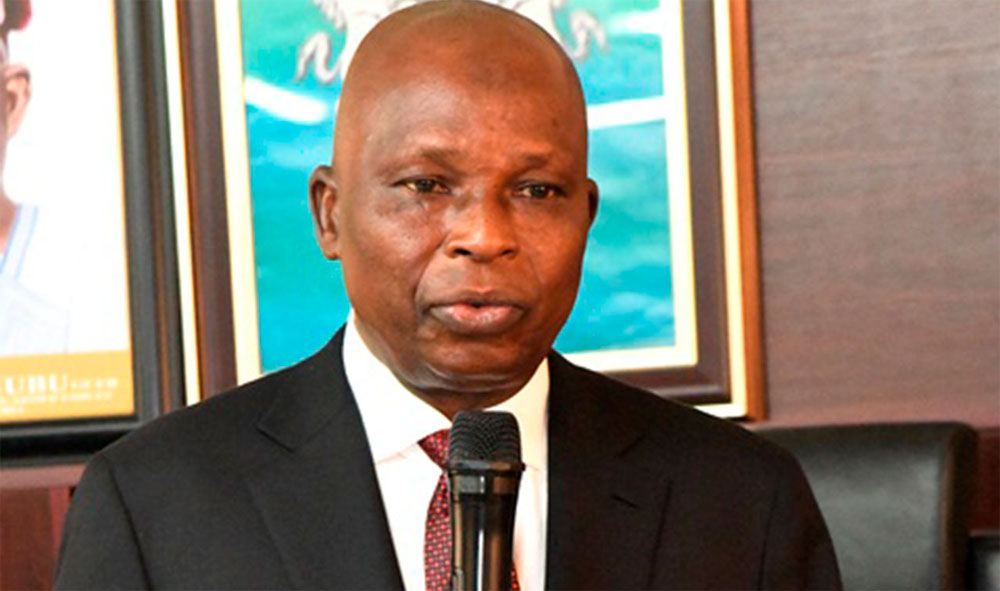
The Federal Government has concluded a comprehensive review of Nigeria’s federal laws, identifying 269 obsolete, archaic or spent enactments for removal from the statute books while recommending 663 others for inclusion in the proposed 2025 edition of the Laws of the Federation of Nigeria (LFN).
The exercise, which covers more than two decades of legislative developments, represents the first comprehensive review and consolidation of the country’s federal laws since 2004.
The Attorney-General of the Federation and Minister of Justice, Lateef Fagbemi (SAN), disclosed the development on Thursday, November 12, 2026, in Abuja while receiving the final report of the Committee on the Review, Update and Consolidation of the Laws of the Federation.
Fagbemi explained that the committee examined 932 federal enactments and 731 pieces of subsidiary legislation as part of efforts to modernise Nigeria’s legal framework and eliminate outdated provisions.
Of the 932 enactments reviewed, 663 were identified for inclusion in the proposed Laws of the Federation of Nigeria 2025, while 269 were classified as obsolete, spent or repealed.
The Attorney-General said the reviewed legislation, together with relevant subsidiary laws, would provide a more reliable and accessible legal reference for courts, legal practitioners, government institutions, investors and members of the public.
He explained that the next step would be to present the committee’s report to President Bola Ahmed Tinubu for onward transmission to the National Assembly for the necessary legislative consideration and action.
Fagbemi urged lawmakers to cooperate with the executive arm of government to ensure the timely consideration of the proposed legislative measures.
He described the exercise as a significant milestone in the Federal Government’s efforts to strengthen the justice sector, improve the administration of justice and bring Nigeria’s legal system in line with contemporary realities and international best practices.
According to him, more than 20 years have passed since the last official consolidation of the Laws of the Federation in 2004, during which Nigeria experienced substantial legislative, constitutional, institutional and technological changes.
READ ALSO:
- Toluwanisings: Envy + Jealousy = Wickedness
- Lagos-Ibadan Expressway Horror: Seven Dead, 11 Injured as Truck Crushes Passenger Bus
- Offa Robbery: Saraki, Ahmed Await Appeal Court Verdict as Battle Over Trial Judge Intensifies
He noted that several new laws and amendments had accumulated over the period, making a comprehensive review necessary to ensure that federal legislation remained coherent, current, accessible and responsive to the country’s needs.
Fagbemi warned that Nigeria must avoid another prolonged gap between comprehensive reviews, stressing the importance of establishing a sustainable system for regularly updating the country’s laws.
He said the quality, accuracy and practical usefulness of the revised legal framework must remain priorities, adding that the laws should promote the rule of law, protect citizens’ rights, strengthen governance and support national development and security.
Why the Federal Government is removing obsolete laws
Earlier, the chairman of the review committee, Olawale Fapohunda (SAN), disclosed that the assignment took more than two years and involved extensive legal research, legislative analysis, harmonisation and consolidation of existing federal legislation.
He explained that the committee’s responsibility went beyond compiling existing laws, as it also examined their continuing relevance, identified conflicting provisions and recommended the removal of redundant legislation.
According to Fapohunda, the exercise was designed to eliminate obsolete statutes, resolve inconsistencies and incorporate contemporary social, economic and technological developments into Nigeria’s legal framework.
The committee discovered several weaknesses in existing legislation, including archaic statutory language, cumbersome cross-references, outdated chapter numbers and inconsistencies in the sequencing of some Acts.
It also identified statutory fines and fees that no longer reflect current economic realities.
Some of the penalties prescribed under existing laws were as low as ₦10 and ₦50, despite significant changes in the country’s economic conditions over the years.
Fapohunda said such outdated provisions required further legislative attention to ensure that penalties and statutory charges remained relevant and effective.
How the review was conducted
The committee adopted a structured approach involving 14 thematic working groups supported by technical teams responsible for research, collation, drafting, quality assurance and editorial review.
The groups also participated in retreats and technical engagements across different locations to harmonise their findings, examine international best practices and improve the accuracy of the revised legislation.
The exercise involved consultations with several institutions, including the National Assembly, the Nigerian Law Reform Commission, the National Institute for Advanced Legal Studies and the Lagos State Law Reform Commission.
International and technical partners, including the Law Commission of England and Wales, LexisNexis South Africa and Law Pavilion, also contributed to the process.
Fapohunda further disclosed that the committee recommended the establishment of a centralised national repository of federal legislation to make existing laws easier to access and facilitate regular updates.
He explained that the absence of a comprehensive and easily accessible database of federal laws had made the committee’s assignment more difficult.
The committee also recommended that the Attorney-General issue an advisory note to ministries, departments and agencies (MDAs) outlining established procedures for reviewing their enabling laws and subsidiary legislation.
The recommendation followed recurring deficiencies in legal drafting by some government institutions, which could result in ambiguities, conflicting provisions and difficulties in implementing laws.
What happens next?
With the submission of the final report and draft 20-volume edition of the Laws of the Federation of Nigeria 2025, the Federal Government is expected to forward the proposed measures to President Tinubu.
The President will subsequently transmit the relevant proposals to the National Assembly for consideration and necessary legislative action.
The proposed changes are expected to improve access to federal legislation, remove redundant provisions and provide a more organised legal framework for governance, business, investment and the administration of justice.
However, the proposed removal of the 269 obsolete enactments and the legislative measures arising from the review will require the appropriate legal and legislative processes before they can take effect.
Fagbemi said the government would work towards establishing a continuous review mechanism to ensure that future laws, amendments and subsidiary legislation are properly tracked and incorporated without another prolonged delay.
FG Moves to Scrap 269 Obsolete Laws, Prepares 663 Others for NASS Review After 22 Years
-
 International2 days ago
US Lawmakers to Hold Fresh Hearing on Nigeria’s Insecurity, Christian Killings
-
 metro2 days ago
Court Orders Final Forfeiture Of 48 Properties Worth N212bn Linked To Malami
-

 metro2 days ago
Ogbomosoland Grand Chief Imam, Sheikh Teliat Ayilara II, Marks Five Years in Office
-

 News2 days ago
Tinubu’s Chicago Varsity Certificate Row: Omokri Challenges Journalists to Verify Fresh Allegations
-
 Auto2 days ago
After-Sales Support Will Define Future of Nigeria’s Auto Industry – Carloha Marketing Chief
-

 News1 day ago
BREAKING: Manchester United Sack Michael Carrick After Disastrous Start to Season
-

 metro2 days ago
Two Arrested as Police Recover ₦600,000, Nine Phones in Kano Robbery
-

 Sports2 days ago
Tinubu Rewards Flamingos With ₦100m Each After Historic World Cup Triumph