

Business
Buhari okays suspension of 5% tax on telecom services

President Muhammadu Buhari has approved the suspension of the controversial five per cent excise duty on telecommunication services just announced by the Ministry of Finance.
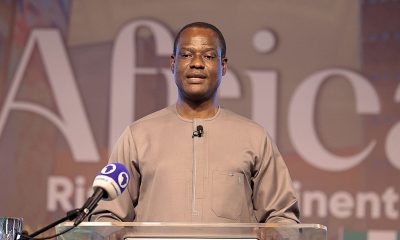
Minister of Communications and Digital Economy, Isa Pantami, disclosed this at the inaugural meeting of the Presidential Committee on Excise Duty for the Digital Economy Sector in Abuja.
He said the sector was already overtaxed on multiple fronts.
Pantami said got President Buhari’s approval to suspend the tax based on his petition to him on the long-term effects of the tax.
He was also allowed to constitute a committee which will look at the tax critically and advise the president appropriately.
The committee members were given as Pantami Chairman, while the Minister of Finance and National Planning, Chairman Federal Inland Revenue Services (FIRS), Executive Vice Chairman (EVC) of the Nigerian Communications Commission (NCC) and Representatives of all the telecom companies in Nigeria are members.
The Ministry of Finance and the Nigeria Customs Service had recently announced plans to start implementation of proposed five per cent exercise duties on telecommunication services and beverages in 2023.
Pantami however kicked against the move, saying it will increase the cost of telecommunication services, impoverish Nigerians the more and widen the gap in telecom access in the country.
Telecom operators under the aegis of Association of Licensed Telecom Operators in Nigeria, ALTON also kicked at the proposed tax, lamenting that it will whittle the growth of telecom penetration and put unnecessary pressure on subscribers ability to use telecom services.
Announcing the suspension of the tax yesterday, Pantami said, “It is because of my intervention that the President granted my prayers. He not only granted immediate suspension of the excise duty in the digital economy sector, but also approved that a committee be constituted to look into the matter carefully and advise accordingly.
“The President has appointed me to be his eyes and ears in the sector and it is my responsibility to ensure we are just and fair to the operators, government and most importantly our people that are the consumers,” the minister added.
Pantami said he petitioned the President and reminded him that excise duty is usually fixed on luxury products.
He also revealed that he reminded the President that currently, the ICT sector is over burdened by so many categories of taxes numbering up to 41. Some of these taxes, according to him, are duplicated and collected by the federal, state and local governments.
For him, the current economic situation doesn’t allow for continued burden on the poor citizens.
Receiving the news of the suspension, Chairman ALTON, Gbenga Adebayo, said it was a victory for the subscribers who would have borne the brunt of the tax. He said: “The news of the suspension is well received. It shows that the government is listening to the complaints of the people and is always ready to do everything to increase penetration.
“If the tax remained, the burden will be passed on to the subscribers and that would have put untold hardship on them. It is actually a victory for them. I want the government to listen more and take decisions that will improve our quest to be a digital economy. More of these types of decisions will show Nigeria is ready to use ICT to build the economy.”




Auto
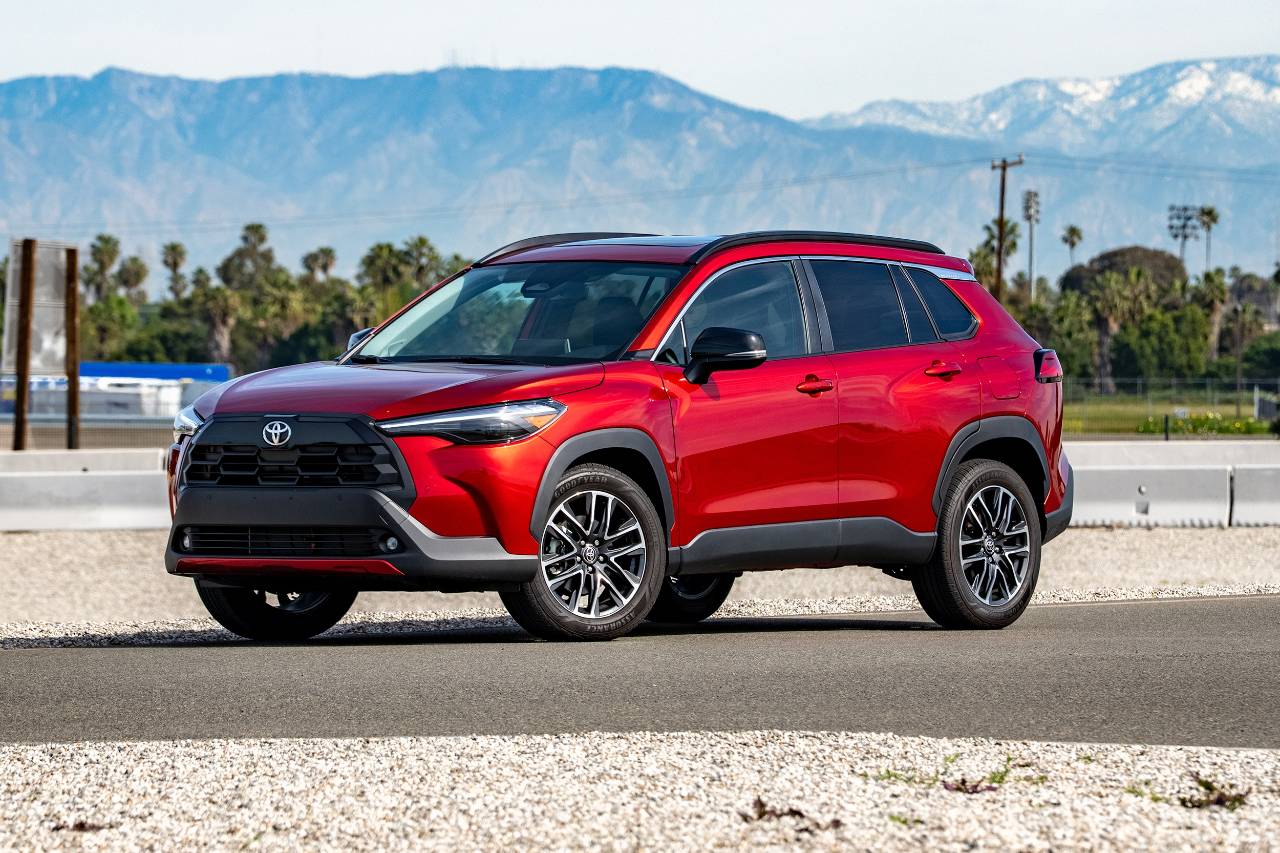
Toyota Corolla Cross: The SUV That Blends Everyday Comfort With Practicality
Toyota Corolla Cross: The SUV That Blends Everyday Comfort With Practicality
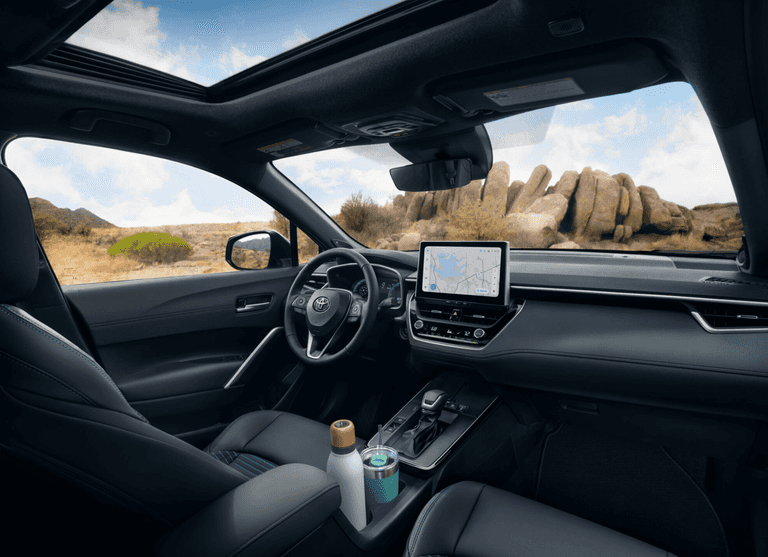
With its elevated driving position, spacious cabin, advanced safety technologies and fuel-efficient hybrid options, the Toyota Corolla Cross offers motorists a compelling blend of SUV versatility and everyday convenience.
For motorists seeking a vehicle that combines the comfort of a family car with the versatility of a sport utility vehicle, the Toyota Corolla Cross presents an attractive option in the increasingly competitive crossover market.
Developed around the familiar Corolla nameplate, the Corolla Cross brings together the practicality associated with the Corolla range and the elevated stance, generous interior space and utility expected of an SUV.
Toyota describes the model as combining spacious interior accommodation and outstanding utility with responsive performance and fuel efficiency.
The result is a vehicle designed to appeal to families, professionals and urban motorists who want a versatile vehicle for daily commuting, business engagements, weekend outings and longer journeys.
SUV styling meets everyday functionality
The Corolla Cross adopts the raised body profile and commanding road presence of an SUV while retaining proportions intended to make it manageable for everyday driving.
Its design seeks to balance visual appeal with functionality, giving buyers an alternative to conventional saloon cars without requiring them to move into a larger SUV.
The elevated seating position can provide drivers with a more commanding view of the road, while the crossover format offers flexibility for passengers, shopping, luggage and other everyday transportation needs.
For Nigerian motorists navigating a combination of busy city streets, highways and varying road conditions, these characteristics make the model worth considering as an all-round family and business vehicle.
Comfort and space for modern motorists
Interior space is an important part of the Corolla Cross proposition. Its cabin is designed to accommodate passengers comfortably while providing practical storage and luggage-carrying capability for everyday activities.
The model’s SUV-inspired layout offers an alternative for customers who need more versatility than a conventional compact saloon but do not necessarily require a full-size SUV.
Depending on the grade, Nigerian buyers should confirm the availability of specific convenience and infotainment features, including touchscreen functions, smartphone connectivity, climate control and other equipment, with an authorised Toyota dealer.
Fuel efficiency and hybrid technology
Fuel economy remains a significant consideration for Nigerian vehicle buyers, particularly households and businesses seeking to manage running costs.
Toyota’s Corolla Cross range includes hybrid versions in selected markets, combining a petrol engine with an electric motor to improve efficiency. The official Toyota Corolla Cross product information highlights fuel-saving hybrid technology as one of the model’s major strengths.
Toyota also lists an E-Four electric four-wheel-drive system on applicable hybrid versions. Availability of this drivetrain and the associated features depends on the specific version.
Actual fuel consumption will vary according to the powertrain, driving conditions, traffic, vehicle load and driving style. Prospective Nigerian buyers should therefore confirm the engine, transmission and hybrid availability of the exact vehicle being offered locally rather than assume that every international specification is available in Nigeria.
Safety and driver assistance
Safety is another important element of the Corolla Cross package.
Toyota’s international product information highlights Toyota Safety Sense, a suite of active safety and driver-assistance technologies designed to support drivers in everyday traffic situations. Depending on the model grade and market, the package may include functions intended to help detect potential collisions and support safer driving.
The manufacturer’s information also identifies parking assistance and a back-guide monitor on applicable grades, helping drivers manoeuvre in confined spaces.
However, equipment can differ by market and specification. Buyers should request confirmation of the safety features fitted to the particular Corolla Cross being sold by Toyota (Nigeria) Limited or its accredited dealers.
Backed by Toyota’s Nigerian dealer network
Beyond the vehicle’s design and equipment, the availability of authorised sales, servicing and genuine spare parts is an important consideration for buyers.
Toyota (Nigeria) Limited, appointed distributor of Toyota Motor Corporation in Nigeria, operates through seven accredited dealers across the country. The company says its network supports vehicle sales, after-sales services and the supply of genuine parts.
Purchasing an eligible new vehicle through an accredited dealer also provides access to Toyota (Nigeria) Limited’s stated basic warranty of three years or 100,000 kilometres, whichever comes first, subject to the manufacturer’s terms and conditions.
The company says its Nigerian-market vehicles are configured with local operating conditions in mind, including a Severe User Package designed to help vehicles cope with challenging road and environmental conditions. Customers should confirm the precise specification applicable to the Corolla Cross they intend to purchase.
Where to enquire about the Toyota Corolla Cross
Customers can contact Toyota (Nigeria) Limited’s accredited dealers to confirm the Corolla Cross’s availability, current price, engine and transmission options, colour choices, warranty coverage and delivery arrangements.
The seven dealers listed on Toyota (Nigeria) Limited’s official website are:
Elizade Nigeria Limited, R.T. Briscoe (Nigeria), Omoregie Motors, Germaine Auto Centre, Mandilas Enterprises Limited,
Kojo Motors Limited and Metropolitan Motors Limited.
Dealer contacts and locations can be checked on Toyota (Nigeria) Limited’s official website at www.toyotanigeria.com/dealers/.
A versatile choice for the modern driver
The Toyota Corolla Cross brings together the elevated stance of an SUV, the everyday practicality of the Corolla nameplate and the availability of fuel-efficient hybrid technology in selected versions.
For Nigerian buyers weighing comfort, utility, safety and long-term ownership support, the model deserves consideration as a versatile vehicle for both personal and family use.
Auto
Hyundai Unveils Mufasa, Grand Creta SUVs to Strengthen Nigeria Line-up (Updated)
Hyundai Unveils Mufasa, Grand Creta SUVs to Strengthen Nigeria Line-up (Updated)
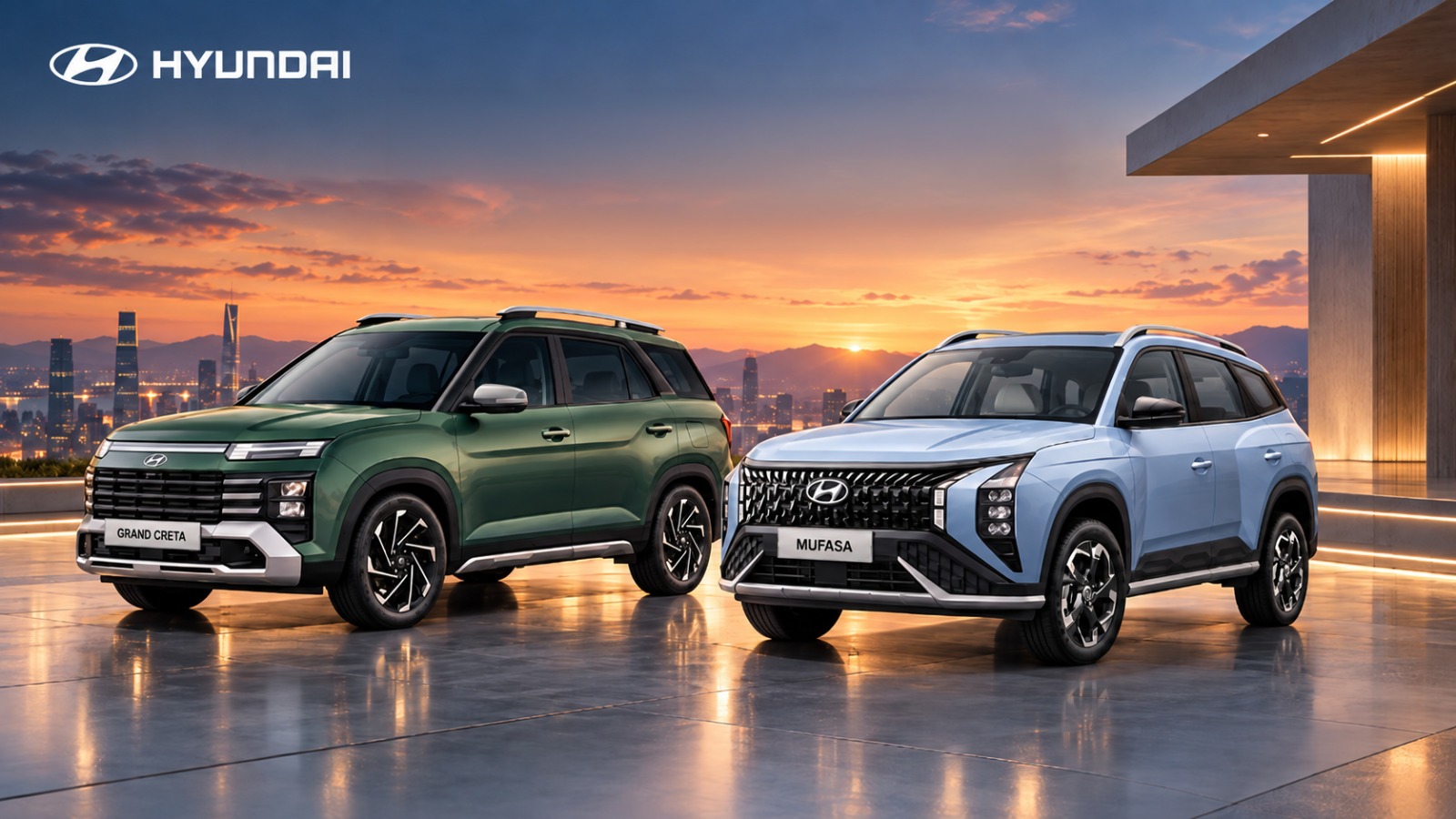
Hyundai Motors Nigeria has expanded its sport utility vehicle (SUV) range with the introduction of the all-new Mufasa and Grand Creta, offering Nigerian motorists more choices in styling, performance, technology and passenger comfort.
The two models, unveiled in Lagos on Wednesday, are targeted at different customer segments, with the Mufasa designed for motorists seeking a stylish, five-seater SUV, while the Grand Creta offers a three-row, seven-seater configuration suited to larger families and customers requiring additional passenger space.
The launch underscores Hyundai’s efforts to strengthen its presence in Nigeria’s competitive automotive market, where demand for versatile vehicles that combine comfort, safety, performance and practicality continues to shape consumer preferences.
Speaking at the launch, Hyundai Motors Nigeria’s General Manager, Sales and Marketing, Mr Gaurav Vashisht, said the new models reflected the company’s commitment to providing vehicles that meet the changing needs of Nigerian customers.
“The SUV segment continues to attract strong interest in Nigeria, as customers increasingly prioritise comfort, safety, technology and versatility,” Vashisht said.
He also gave a rundown of the two new vehicles’ features even as he stated that the Mufasa and Grand Creta were designed to meet different lifestyle requirements while maintaining Hyundai’s global standards of quality and innovation.
Mufasa targets style-conscious motorists
The Hyundai Mufasa combines bold exterior styling with a spacious cabin and features designed for everyday driving. Its distinctive front grille, signature LED lighting and muscular bodywork give it a commanding road presence.
Power comes from a 2.0-litre Smartstream multipoint fuel injection (MPi) petrol engine paired with a six-speed automatic transmission. Depending on the market specification, the engine produces approximately 150–160 horsepower and 193Nm of torque.
The five-seater SUV measures about 4,475mm in length, with a 2,680mm wheelbase, providing room for passengers and luggage while retaining a practical footprint for urban driving and longer journeys.
Its cabin features a modern dashboard, digital displays and storage spaces, while available equipment, depending on the variant, includes touchscreen infotainment, smartphone connectivity, automatic climate control, wireless charging and selectable driving modes.
Safety and driver-support features include anti-lock braking, electronic stability control, airbags and parking assistance, subject to the vehicle specification.
The Mufasa is positioned as an option for professionals, younger motorists and families seeking a combination of contemporary design, technology and everyday usability.
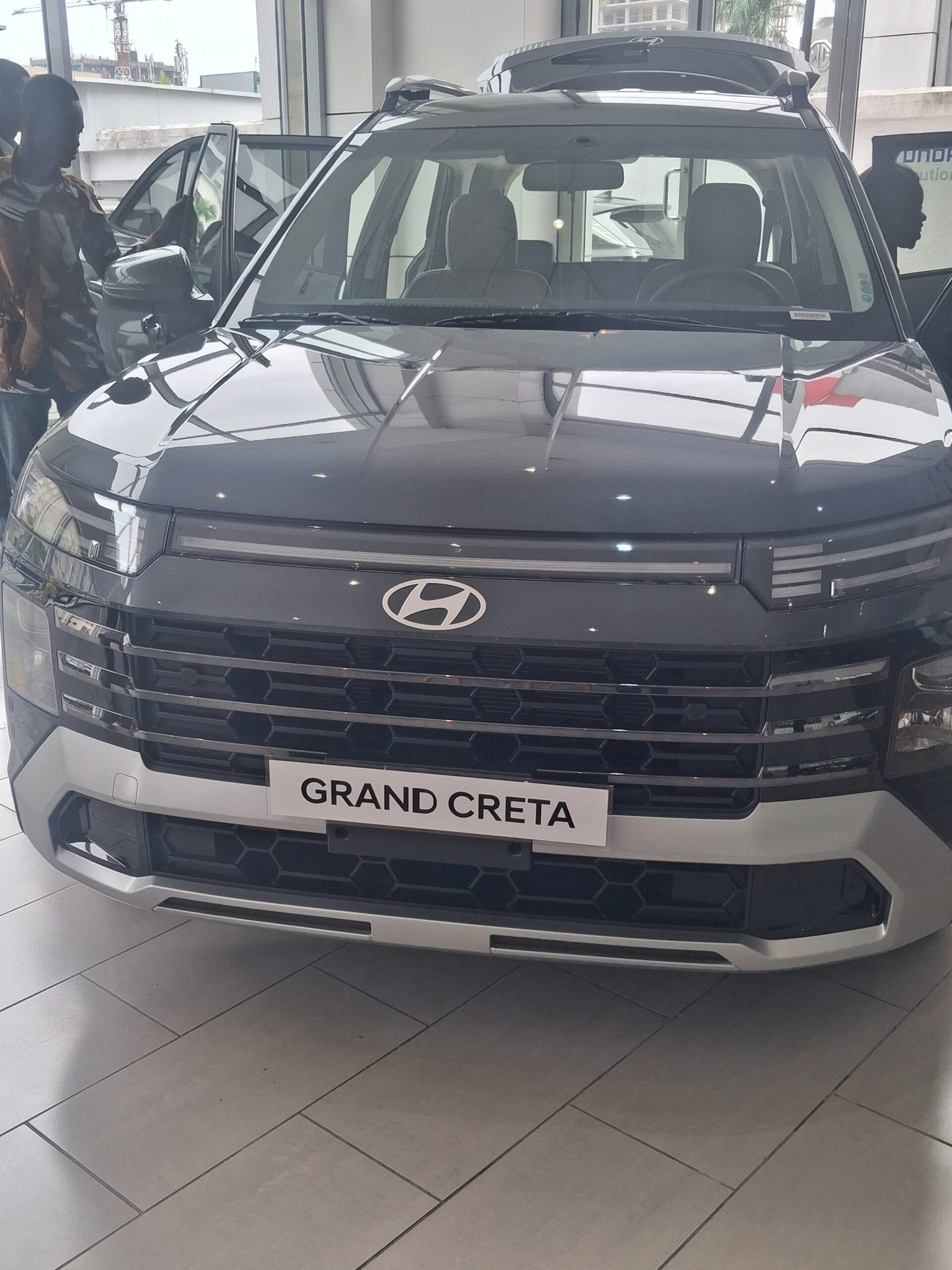
Grand Creta offers seven-seat flexibility
The Grand Creta complements the Mufasa with a larger cabin and seating for up to seven occupants, making it suitable for families and motorists who prioritise passenger capacity and interior flexibility.
The SUV is powered by an available 2.0-litre Smartstream petrol engine producing approximately 159 horsepower and 191Nm of torque. A six-speed automatic transmission is offered on automatic variant.
Its 2,760mm wheelbase supports a spacious three-row layout, while the flexible seating arrangement allows occupants to adjust the cabin to accommodate passengers or luggage.
Depending on the trim, convenience features include an eight-inch touchscreen infotainment system with smartphone connectivity, rear air-conditioning vents, keyless entry, push-button start and a digital instrument cluster.
Higher-specification versions may also feature leather-appointed seats, ventilated front seats, automatic climate control, wireless charging and a panoramic sunroof.
Safety equipment offered across the range includes six airbags, anti-lock braking, electronic stability control, hill-start assist, rear parking sensors, a rear-view camera and ISOFIX child-seat mounting points.
The model is aimed particularly at larger families seeking additional space and comfort without sacrificing the styling and versatility associated with SUVs.
After-sales support in focus
Beyond the new models, Hyundai Motors Nigeria says it is focused on delivering a comprehensive ownership experience through its authorised dealership network, after-sales services and access to genuine spare parts.
Vashisht said the Mufasa would appeal to customers seeking bold styling, modern technology and dynamic performance, while the Grand Creta would cater to those requiring greater passenger capacity, comfort and versatility.
“Our objective is not simply to introduce new vehicles but to deliver a complete ownership experience,” he said, reaffirming the company’s commitment to building long-term customer confidence in the Hyundai brand.
The two additions expand Hyundai’s existing SUV portfolio, which includes the Creta, Tucson, Santa Fe and Palisade.
Their introduction comes as automakers compete to attract Nigerian buyers with vehicles offering a balance of comfort, safety, technology, performance and long-term ownership value.
With the Mufasa and Grand Creta, Hyundai is seeking to broaden its appeal across different customer categories while strengthening its position in Nigeria’s increasingly competitive SUV market.
Auto
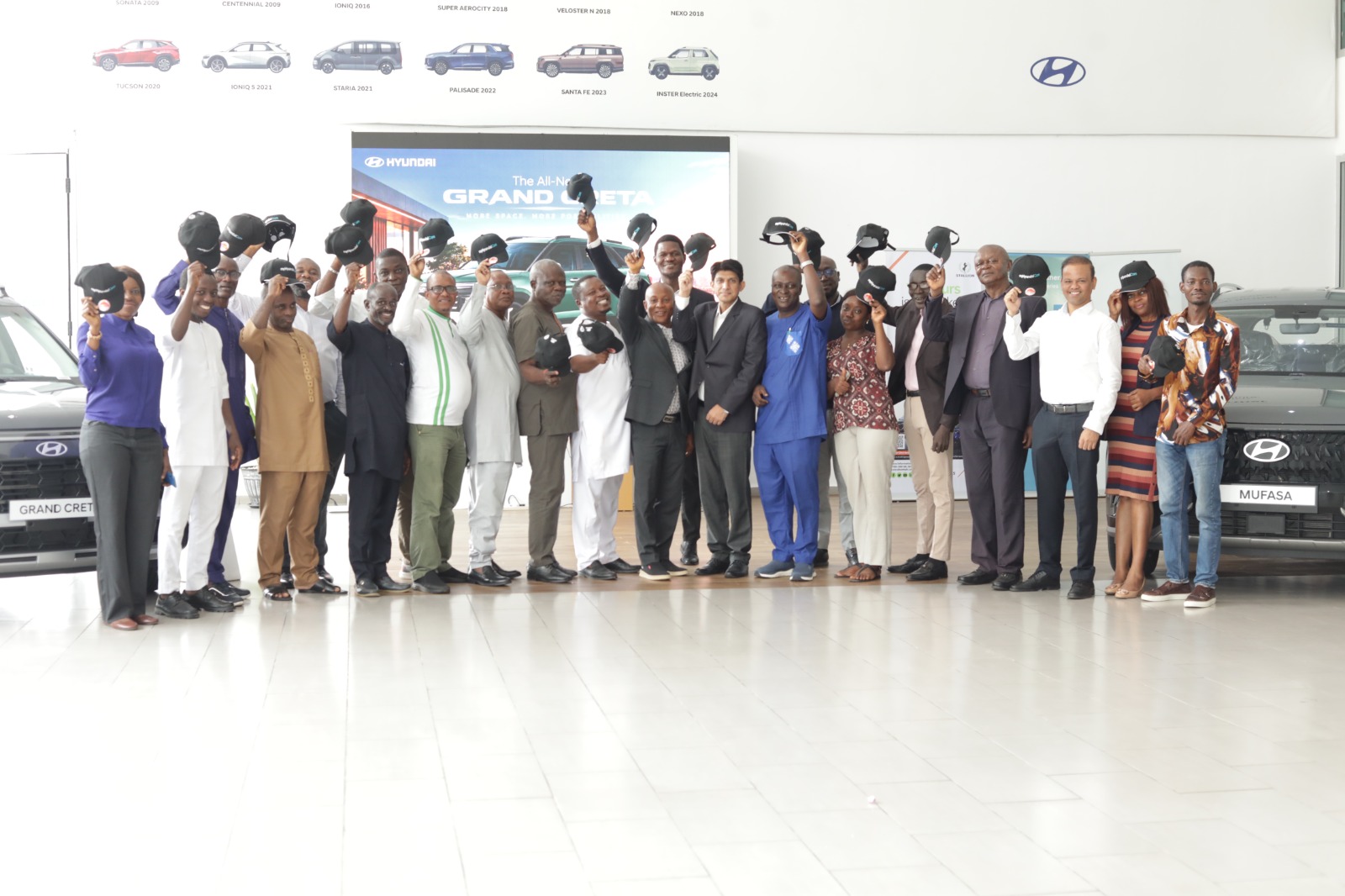
Happening now: Hyundai unveiling of Mufasa and Grand Creta
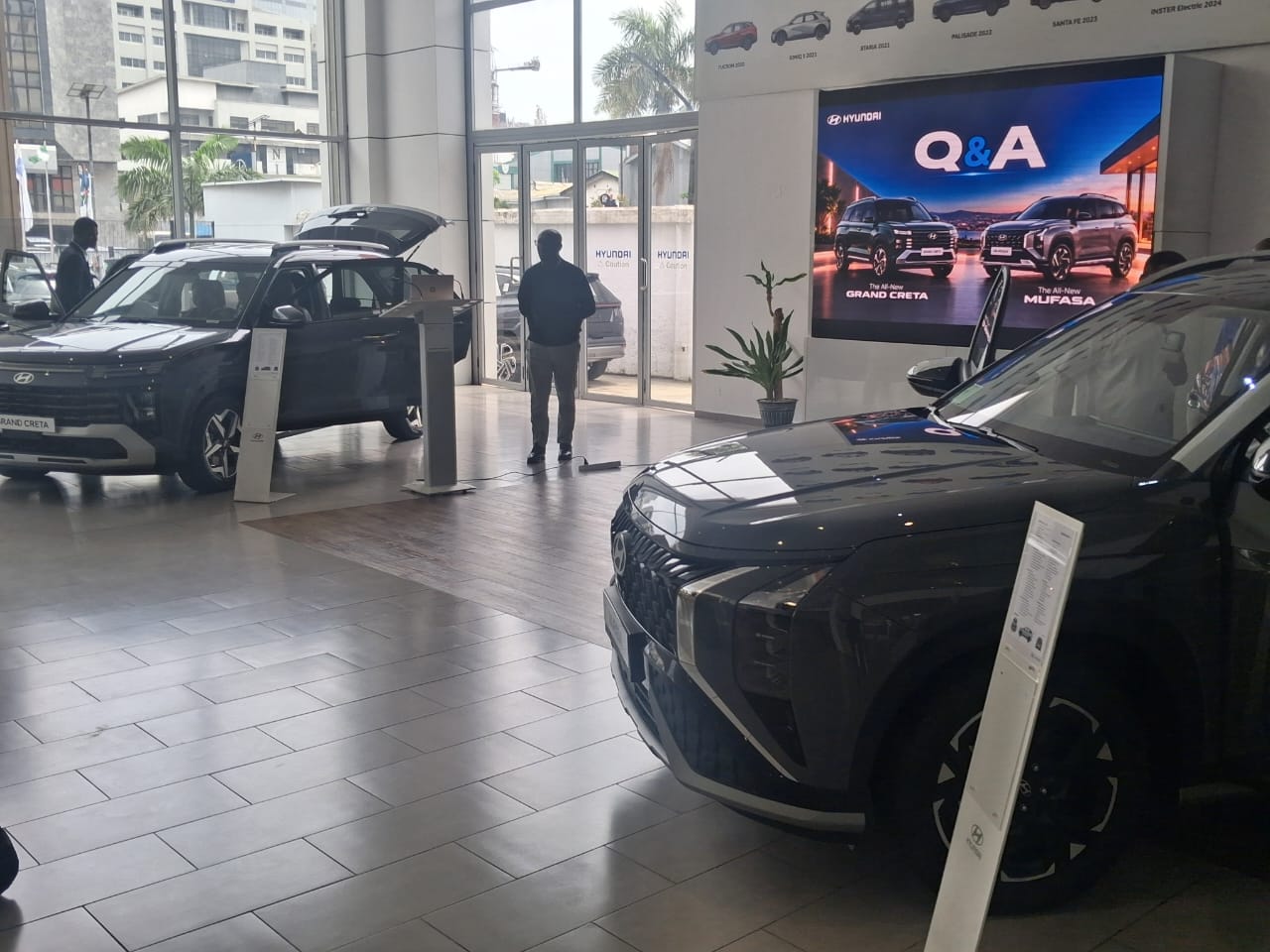
Happening now: Hyundai unveiling of Mufasa and Grand Creta (photos)
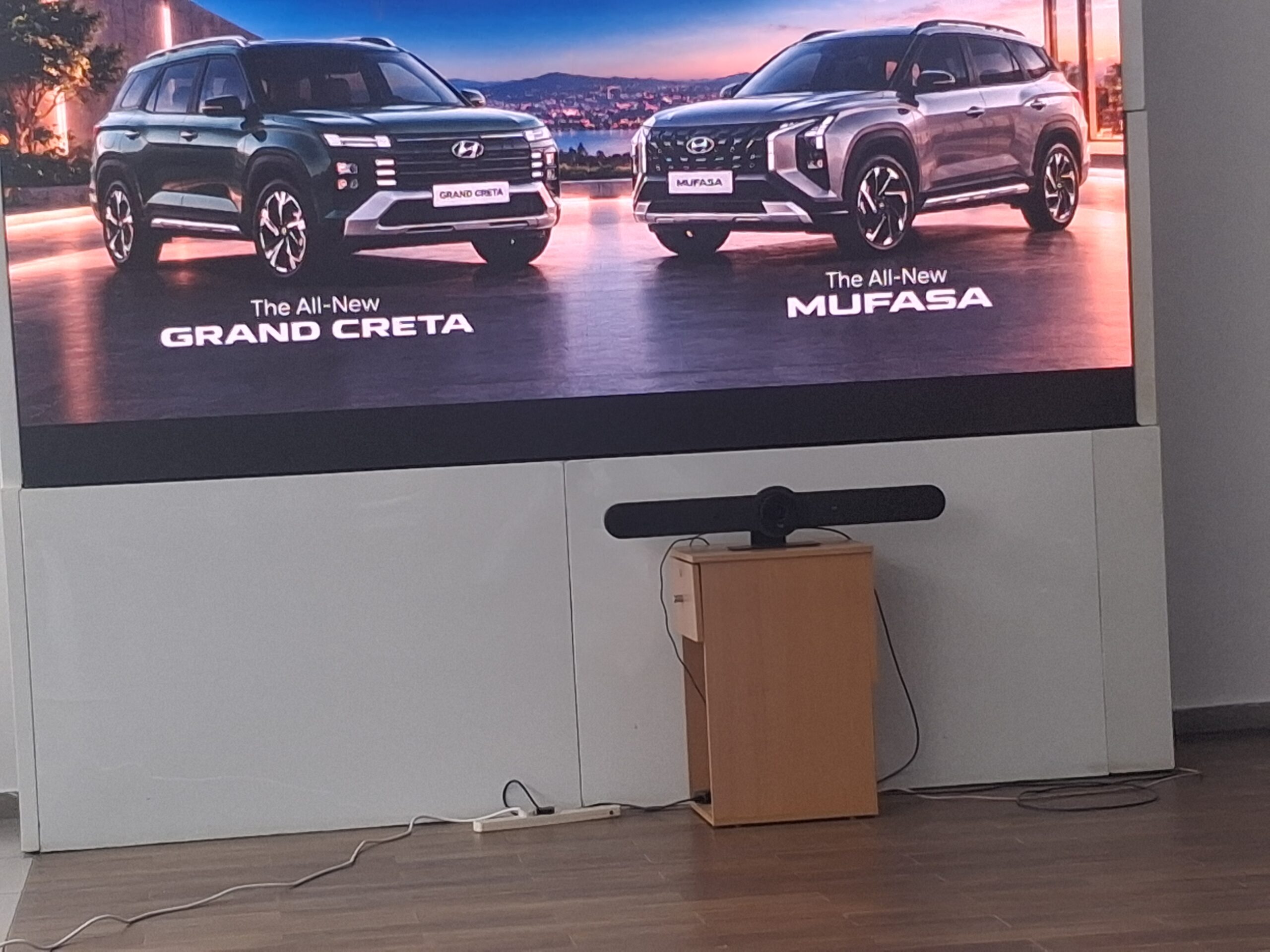
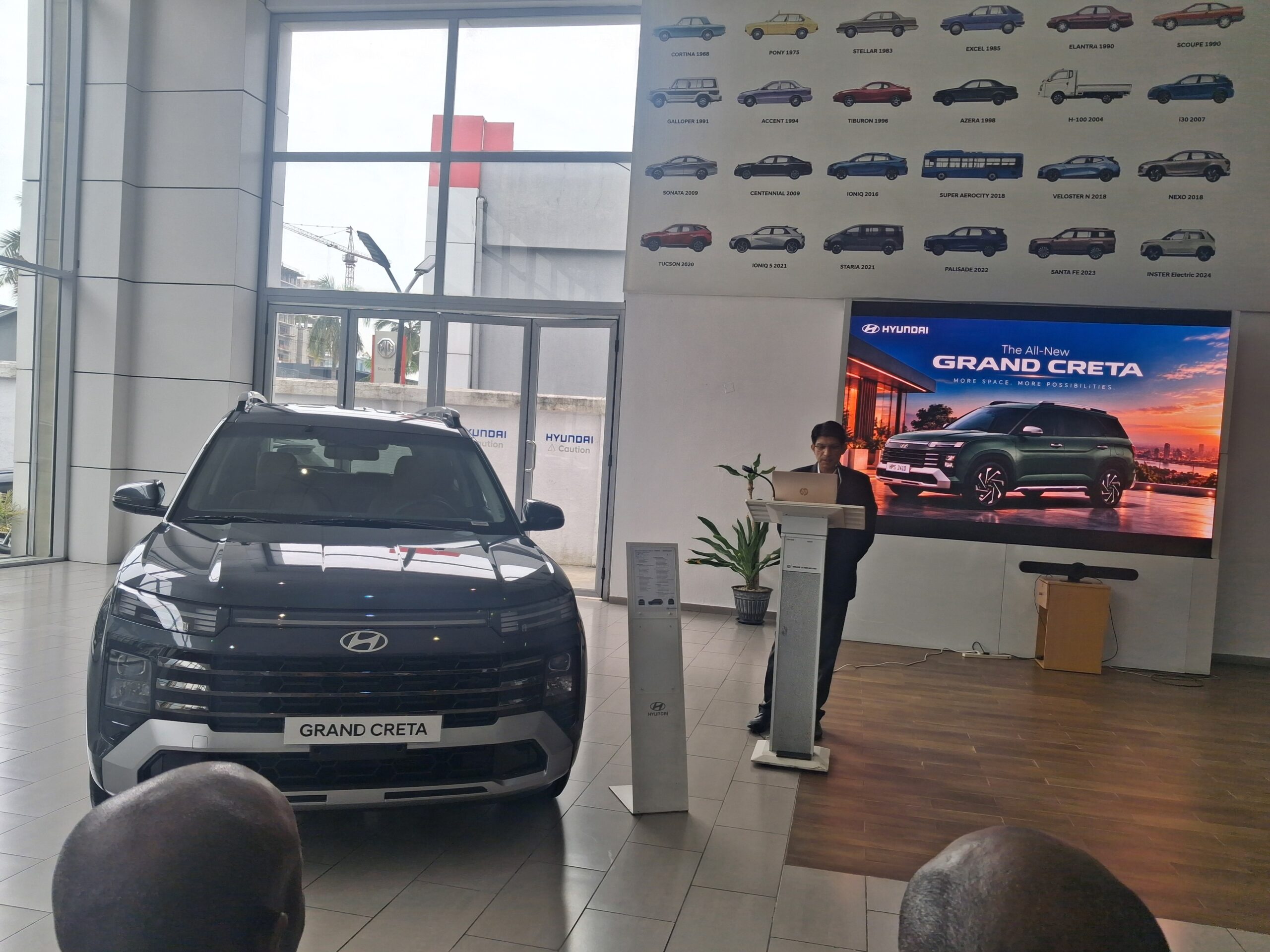
Two latest models of Hyundai auto brands are currently being officially rolled out in Lagos. The new vehicles are Mufasa and Grand Creta.
The unveiling is taking place at the Hyundai showroom on Akin Adesola Street Victoria Island, Lagos.
-
 Auto3 days ago
Hyundai Unveils Mufasa, Grand Creta SUVs to Strengthen Nigeria Line-up (Updated)
-
 metro2 days ago
Horror in Sokoto: Bandits Intercept Vehicle, Massacre All Passengers Returning from City
-

 metro3 days ago
Nigerian Journalist Sentenced to 4 Years Over Facebook Post Criticising Police
-
 metro3 days ago
Fourth Gas Leak in Six Months: Over 100 Ogun Pupils Hospitalised, Schools Shut as Parents Panic
-
 metro3 days ago
Bauchi Mosque Removes Imam After Tinubu Campaign, Rejects Proposal to Rename Mosque
-
 metro3 days ago
Shettima Blasts States Over Power Woes, Says Govs Must Stop Waiting for Abuja
-

 International2 days ago
Two Killed, Eight Injured as Attack Hits Saudi Arabia Airport
-
 metro2 days ago
Police Arrest Man Over Fake Presidency Number Plate in Abuja