Cholera: Nigeria faces vaccine shortage as death toll hits 40 - Newstrends
Connect with us

Health

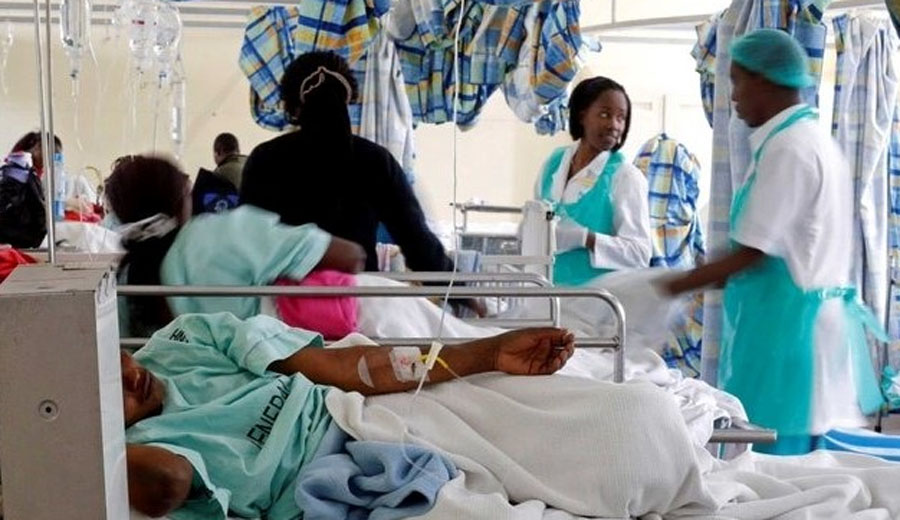
Cholera: Nigeria faces vaccine shortage as death toll hits 40
Published

on

Cholera: Nigeria faces vaccine shortage as death toll hits 40

Nigeria – As the death toll from the latest cholera outbreak reaches 40, the Nigeria Centre for Disease Control (NCDC) has announced a critical shortage of vaccines. Dr. Jide Idris, Director General of the NCDC, confirmed that Nigeria has placed an order for additional cholera vaccines from donor agencies, but the delivery date remains uncertain.

Dr. Idris emphasized the importance of vaccines and other preventive measures to control the spread of cholera, a severe diarrhoeal disease caused by the ingestion of food or water contaminated with Vibrio cholerae. He noted, “We don’t have enough to prevent an outbreak because we need to give these things before that time. Most countries plan ahead. When it comes to health security, we are supposed to stockpile some things in anticipation of an emergency.”

Between 2021 and 2024, cholera has claimed 4,364 lives out of 139,730 suspected cases in Nigeria, according to NCDC reports. The rainy season has exacerbated the situation, with recent data showing an increase in cholera cases across the country. From January 1 to June 11, 2024, there were 1,141 suspected cases, 65 confirmed cases, and 30 deaths reported in 96 local government areas in 30 states.

READ ALSO:

The NCDC identified ten states contributing to 90% of the cholera burden: Bayelsa, Zamfara, Abia, Cross River, Bauchi, Delta, Katsina, Imo, Nasarawa, and Lagos. Lagos State has seen a significant rise in cases, with 417 suspected cases, 35 confirmed cases, and 24 deaths as of June 19, 2024. The cholera outbreak in Lagos was traced to an unregistered tiger nut drink, highlighting the role of contaminated food and beverages in spreading the disease.

Dr. Idris stressed the need for improved personal, environmental, and sanitary hygiene to prevent cholera. He also mentioned that while cholera vaccines are not long-lasting, a combination of vaccination and preventive measures is essential.

Public health experts, including Prof. Tanimola Akande and Dr. Kenechukwu Igwegbe, advocate for preventive vaccination against cholera, especially given its recurring nature in Nigeria. The World Health Organisation has identified three oral cholera vaccines – Dukoral®, Shanchol™, and Euvichol-Plus® – that require two doses for full protection.

The NCDC, along with other agencies, is actively working to manage the outbreak. However, Dr. Idris highlighted the challenges in vaccine procurement and the need for better planning and resources. “Cholera vaccine demand is far ahead of supply, so most people who need them place orders and plan ahead. It is the same with all vaccines, not just cholera.”

As Nigeria grapples with this cholera outbreak, the focus remains on obtaining more vaccines and enhancing preventive measures to curb the spread of this deadly disease. The NCDC, in collaboration with international and local partners, continues to provide support and resources to the affected states, aiming to mitigate the impact of this public health crisis.

Cholera: Nigeria faces vaccine shortage as death toll hits 40

Loading

Health

NARD Issues Federal Govt 21-Day Ultimatum Over Unpaid Allowances

Published

on

Nigerian Association of Resident Doctors

NARD Issues Federal Govt 21-Day Ultimatum Over Unpaid Allowances

The Nigerian Association of Resident Doctors (NARD) has issued a 21-day ultimatum to the federal government, warning that industrial harmony in the health sector cannot be guaranteed if longstanding welfare and payment issues affecting doctors remain unresolved. The warning was contained in a communiqué released after the association’s Ordinary General Meeting (OGM) and Scientific Conference, which was held in Kano from May 31 to June 5, 2026. The conference was themed “Caring for the Caregivers: Mental Health and Emotional Resilience in Residency Training” and brought together resident doctors, medical experts, government officials, and other stakeholders to discuss challenges facing healthcare workers in Nigeria. The communiqué was signed by NARD President, Dr. Mohammad SuleimanSecretary-General, Dr. Shuaibu Ibrahim, and Publicity and Social Secretary, Dr. Abdulmajid Yahya Ibrahim. NARD said the federal government had repeatedly failed to fulfil commitments made to doctors despite several engagements and assurances. At the press briefing concluding the OGM, the association declared an industrial dispute with the government over 14 unresolved demands affecting the health sector. “The association hereby declares an industrial dispute with the federal government of Nigeria on the outlined matters above and cannot guarantee industrial harmony after the 21-day window period given to address all the demands,” the communiqué stated.

Among its key demands, NARD called for the immediate release and payment of the 2026 Medical Residency Training Fund (MRTF) to all eligible resident doctors nationwide within the next 21 days. The MRTF is a statutory intervention fund specifically meant to support the training of resident doctors across accredited health institutions nationwide. Despite repeated assurances from the government, the fund remains unpaid, leaving many resident doctors struggling to finance their training. According to the association, the continued withholding of the MRTF has severely impacted the quality of medical residency training across the country, forcing many doctors to bear the financial burden of their specialization training personally. NARD has consistently maintained that the fund is not a privilege but a statutory entitlement that the government is obligated to disburse annually.

READ ALSO:

The association raised concerns over unpaid salariespromotion arrears and discrepancies in professional allowances reflected in members’ May 2026 salaries across federal and state health institutions. NARD is demanding payment of outstanding arrears arising from the 25/35 percent upward review of the Consolidated Medical Salary Structure (CONMESS) , as well as 19 months of unpaid professional allowance arrears owed to doctors across the country. The doctors further called for the immediate correction of discrepancies in professional allowances reflected in their May 2026 salary cycle and the settlement of all related arrears. Many members, the association noted, have continued to receive incorrect or incomplete salary payments despite multiple complaints and engagements with relevant government agencies. House officers’ welfare was another major issue highlighted. NARD cited persistent salary delaysunpaid arrearsinternship placement challenges and onboarding difficulties that continue to affect young doctors just beginning their medical careers. The association noted that excluding house officers from the civil service scheme means they cannot benefit from wage awards or reviews, and called for a clear system ensuring every adjustment on salary or allowance is immediately reflected. NARD President Dr. Mohammad Suleiman has previously stated that “whenever the Federal Government makes adjustments to wage awards, minimum wage, or even during the review of hazard allowance, these adjustments do not automatically translate to house officers,” leaving this vulnerable group of doctors perpetually disadvantaged.

The association further accused Motunrayo Omidiran, Executive Chairman of the Federal Character Commission (FCC) , of delaying the issuance of compliance letters to federal health institutions. According to NARD, the delays have worsened manpower shortages and contributed to the growing brain drain in the health sector, as many qualified doctors and other healthcare workers are unable to be recruited into vacant positions. “The OGM demands the immediate issuance of a letter of compliance by the Chairperson of the FCC within the next 21 days to facilitate employment of healthcare workers and avert further worsening of the brain drain crisis,” NARD President Suleiman said during the press briefing. The association warned that the recruitment bottleneck created by the FCC’s delays has forced many young Nigerian doctors to seek employment opportunities abroad, further depleting an already overstretched workforce. With thousands of doctors leaving Nigeria annually for the United Kingdom, Saudi Arabia, Canada, and other destinations, NARD argues that addressing recruitment delays is a critical component of reversing the brain drain crisis.

The doctors also expressed grave concern over the rising cases of assaultharassmentintimidation and attacks on doctors while carrying out their duties. NARD President Suleiman described the trend as “barbaric, unacceptable and a dangerous threat” to the survival of the health system. “The OGM observed with grave concern the disturbing rise in cases of assault, harassment, intimidation and violent attacks against doctors across the country while discharging their professional duties,” Suleiman said. As part of its demands, the association urged the federal government and security agencies to develop and implement a National Healthcare Workers’ Assault Prevention and Response Protocol within the 21-day period. It also called for the immediate investigationarrest, and prosecution of perpetrators of attacks on health workers. The association noted that many attacks on doctors and other healthcare workers go unreported or unpunished, creating a culture of impunity that emboldens violent individuals. NARD warned that if the trend continues unchecked, more healthcare workers will abandon the profession or seek safer working environments outside the country.

READ ALSO:

The communiqué highlighted unresolved welfare issues in several major institutions, including the Lagos University Teaching Hospital (LUTH) and the Obafemi Awolowo University Teaching Hospitals Complex (OAUTHC) in Ile-Ife. NARD accused the management of OAUTHC of persistent intimidation of resident doctors, while alleging that LUTH had continued to withhold the provision of call meals for doctors despite repeated demands. The association also demanded full implementation of outstanding provisions in the Medical and Health Workers’ Collective Bargaining Agreement (CBA) and urged government action on excessive workloadprolonged call-duty hourscasualisation of doctors, and abusive locum appointments. Other welfare concerns were listed in various centres, including the Federal Capital Territory Administration (FCTA) hospitals and Barau Dikko Teaching Hospital in Kaduna, where doctors reportedly face severe staffing shortages and poor working conditions.

The association reiterated its demand for the full implementation of outstanding provisions in the Medical and Health Workers’ Collective Bargaining Agreement (CBA) . The CBA, which was signed between the federal government and health sector unions, contains several provisions aimed at improving the welfare and working conditions of healthcare workers. However, NARD noted that many of these provisions remain unimplemented years after they were agreed upon. Specific issues highlighted include excessive workload caused by severe manpower shortages, prolonged call-duty hours that violate safe working hour guidelines, the casualisation of doctors through irregular appointment practices, and abusive locum appointments that exploit young doctors. The association warned that these conditions are not only unfair to doctors but also dangerous for patients, as overworked and stressed physicians are more likely to make medical errors.

The association commended the governors of Kano and Osun statesAbba Kabir Yusuf and Ademola Adeleke, for their efforts to improve doctors’ welfare and strengthen healthcare delivery in their states. According to NARD, both governors have demonstrated commitment to addressing the concerns of resident doctors in their respective states, contrasting their actions with what it perceives as the federal government’s sluggish response to the crisis. NARD specifically praised the Kano State government for hosting the association’s OGM and Scientific Conference and for its ongoing investments in healthcare infrastructure and workforce welfare. The association called on other state governors to emulate the examples set by Kano and Osun.

NARD has stated that its National Officers Committee will engage relevant stakeholders within the 21-day window period. After this period, the association’s National Executive Council (NEC) will review progress and take further decisions, which could include a nationwide industrial action. The doctors’ body said it expects concrete action from the government before the deadline expires, warning that failure to address the issues could trigger industrial unrest across the country’s health sector. A nationwide strike by resident doctors would effectively shut down tertiary healthcare services in federal and many state hospitals, as resident doctors constitute the backbone of clinical services in these institutions. The latest ultimatum adds to a long history of disputes between the country’s resident doctors and the federal government over remuneration, welfare, and training funding. Over the years, NARD has repeatedly threatened or embarked on industrial actions over unpaid allowancessalary arrears, and delays in the release of the MRTF. Many of the issues highlighted in the latest communiqué have remained recurring points of contention between the association and the government.

NARD Issues Federal Govt 21-Day Ultimatum Over Unpaid Allowances

Loading

Continue Reading

Health

Don’t add lies to the terrorist horror in Oyo, By Farooq Kperogi

Published

on

The Shettima danger for Tinubu, By Farooq Kperogi
Farooq Kperogi

Don’t add lies to the terrorist horror in Oyo, By Farooq Kperogi

The kidnapping of schoolchildren and teachers in Oyo State is horrifying enough by itself. It does not need the embellishment of lies, half-truths, conjectures and opportunistic propaganda to make it more horrifying than it already is.

But that is precisely what appears to be happening with the viral, social-media-amplified list of “demands” allegedly made by the terrorist bandits who kidnapped schoolchildren and teachers in Oyo State.

According to the social media version of the story, the bandits have demanded four things as preconditions for releasing the innocent people in their captivity: one billion naira to be paid into an account in the Republic of Benin, the release of bandits supposedly being held in Agodi and Abolongo prisons, two Hilux vehicles and the amendment of Oyo State laws to introduce Sharia.

This list has travelled far and wide because it has all the elements that make rumors combustible in Nigeria. It involves money, foreign conspiracy, terrorism, prisons, Sharia and the implicit insinuation that some local Muslims must know more than they are saying. It is almost a perfect specimen of panic engineering.

The problem is that it has no firm evidentiary foundation. The abduction is, of course, real. So are the communal grief and the horrors people in Oyo and the Southwest are contending with now. But the four-point demand list that is now being hawked across social media as fact is not supported by any credible reporting.

The source of the social media-fueled four-point demand list appears to be a vague statement attributed to the Speaker of the Oyo State House of Assembly, Debo Ogundoyin. He was reported to have asked whether anyone would negotiate with terrorists if they asked for weapons, money or concessions on future laws of the land as part of their ransom.

That is a general, hypothetical-sounding formulation. But some people somewhere with a predetermined agenda sat down and chose to stretch this conjectural formulation from the Speaker as evidence of disclosure of a precise list of specific demands.

There is a world of difference between saying terrorists asked for “weapons, money or concessions on future laws” and saying they demanded “one billion naira into a Benin Republic account, two Hilux vehicles, release of detainees in Agodi and Abolongo prisons and the introduction of Sharia in Oyo State.” One is vague, perhaps even rhetorical. The other is specific, explosive and politically loaded. You cannot responsibly move from the first to the second without foolproof evidence.

READ ALSO:

Even the few newspaper reports that published the more sensational version were cautious and guarded in their language. They said, “reports indicate,” “reportedly attributed” and “according to the report” without once mentioning any “report.” That is lazy journalism’s way of saying, “We have no facts for this story.”

But certain people on social media have laundered the uncertainty into certainty, the allegation into fact, the list as a means to attract and monetize eyeballs, and the rumor into a psychological weapon.

The Sharia claim is the most suspicious part of the whole thing. Where will the Sharia be implemented? In the classrooms from which the children were abducted? In the Old Oyo National Park where the homicidal, blood-stained criminals are believed to be hiding? In the kidnappers’ forest camps? Or across Oyo State through a ransom note from bandits? The absurdity should detain us before outrage overtakes our capacity for critical thought.

The demand is also historically and empirically incoherent. Bandits and terrorists (who, in my dictionary, are indistinct) have murdered Muslims in states where Sharia already exists. They have attacked mosques. They have killed imams while they are leading prayers in mosques during Ramadan, Islam’s holiest month. They have kidnapped Muslim women, Muslim children, Muslim clerics and Muslim farmers.

They have devastated Zamfara, Katsina, Sokoto, Kebbi, Niger, Kaduna and other Muslim-majority communities such as Kwara North. Just last week, these insensate beasts abducted the wives and children of the Emir of Yasikiru in my natal local government of Baruten. Not done, they also burned the emir’s palace. This happened only a few months after murdering nearly 300 people and abducting nearly 300 women and children, most of whom are Muslims, in neighboring Kaiama Local Government.

To suddenly believe that the same species of criminals has discovered the virtues of Sharia and are championing its enshrinement in Oyo State’s laws is to suspend judgment in the service of prejudice.

READ ALSO:

The Benin Republic bank account story is also suspicious. Of course, no banking system is immune to criminal manipulation. Criminals use “mule accounts,” stolen identities and corrupt intermediaries everywhere. So, the existence of KYC and anti-money-laundering rules does not make the claim impossible. But it does make it evidentially demanding. If anyone claims that kidnappers asked for one billion naira to be paid into a named or unnamed Benin Republic account, the burden of proof should be higher than “according to reports.”

The danger of this rumor is not merely that it is false or unverified. It is that it has already acquired a social function. It is being used to suggest that Yoruba Muslims, especially those who have advocated the introduction of the civil aspects of Sharia to adjudicate issues like marriage and inheritance among Muslims, are somehow complicit in the crimes of these bandits.

It is also being used to imply that the abduction of Yoruba schoolchildren is part of an Islamic plot that local Muslims either endorse or secretly facilitate. This is how societies descend into self-sabotaging moral idiocy. Criminals commit crimes and innocent people who share a religion, ethnicity or language with the imagined identity of the criminals are made to bear the brunt of unjustified transferred aggression.

It bears stressing that Yoruba Muslims are not responsible for the abduction of schoolchildren in Oyo State. Muslim communities in Yorubaland are not accessories to banditry merely because a rumor says kidnappers demanded Sharia. The mere mention of Sharia in a viral post does not convert every Muslim in Oyo, Osun, Ogun or Lagos into a suspect. To argue otherwise is to accept the same collective guilt logic that has poisoned Nigeria’s intergroup relations for decades.

Terrorists murder Muslims, Christians, traditional worshippers and non-religious people. They murder Hausa, Fulani, Yoruba, Igbo, Tiv, Berom, Nupe, Baatonu and everyone else when doing so advances their greed, sadistic urges, murderous impulses or tactical objectives. They are not equal-opportunity humanists, of course. They often manipulate religion and ethnicity. They sometimes speak the language of faith while practicing the ethics of beasts. But their victims are not drawn from one religious community alone.

The fight against terrorism is weakened when we isolate innocent groups for demonization. It dissipates much-needed moral energy and produces enemies where allies are needed. It also encourages communities to hide behind siege mentalities instead of cooperating across religious and ethnic lines to expose criminals. The people who should be angry together are made to be angry at one another.

The people who kidnapped children in Oyo State are reprehensible, homicidal outlaws. The state must rescue the victims, punish the perpetrators, expose their collaborators and secure schools and forests. That is the task, and it is immense, urgent, ever-present and already morally overwhelming. It should not be complicated by people who are eager to graft their pre-existing animus onto other people’s pain.

Someone I discussed this issue with yesterday told me that the rumors of the list of demands are activated by an unusually heightened sense of vigilance. I get that. There is nothing wrong with vigilance. In fact, vigilance is now a condition for survival in Nigeria. But vigilance without verification can provoke self-annihilating hysteria and mob psychology.

The children and teachers in captivity deserve our full attention. Their families deserve empathy unpolluted by propaganda. Oyo State deserves security, not rumor-fed religious suspicion. Nigeria deserves a serious conversation about the collapse of state protection, the spread of kidnapping economies, the mass helplessness in the face of terror and the ungoverned spaces that have become refuge for terrorists and bandits.

What Nigeria does not need is another lie added to an already unbearable tragedy.

Don’t add lies to the terrorist horror in Oyo, By Farooq Kperogi


Kperogi is a renowned Nigerian columnist and United States-based Professor of Journalism.

Loading

Continue Reading

Health

How Online Pharmaceutical Ads Endanger Lives, Fuel Self-Medication

Published

on

How Online Pharmaceutical Ads Endanger Lives, Fuel Self-Medication

How Online Pharmaceutical Ads Endanger Lives, Fuel Self-Medication 

The promise appears irresistible.

A Facebook user scrolling through their feed encounters a sponsored post claiming to offer a “natural cure” for diabetes. On Instagram, another advertisement guarantees permanent relief from infertility within weeks. A TikTok video showcases dramatic before-and-after images of a woman who allegedly lost significant weight after taking a herbal mixture. On X, a thread promotes a product said to cleanse the body of infections and restore overall health.

Within seconds, users are encouraged to click a WhatsApp link, send a direct message or place an order.

Across Nigeria’s digital landscape, such advertisements have become increasingly common. Social media platforms have evolved beyond spaces for social interaction into thriving marketplaces where pharmaceutical products, herbal remedies and dietary supplements are marketed directly to millions of consumers.

While some products may be legitimate, health experts warn that many are promoted without adequate regulatory oversight, scientific evidence or verifiable information about their safety and effectiveness. The growing trend has raised concerns among healthcare professionals, regulators and consumer advocates who fear that vulnerable Nigerians are being exposed to misinformation, dangerous self-medication and potentially harmful substances.

The rapid expansion of digital marketing and artificial intelligence has transformed how health-related products are advertised worldwide, and Nigeria is no exception. Today, platforms such as Facebook, Instagram, TikTok and X (formerly Twitter) serve as major channels through which drugs, herbal medicines and wellness products are marketed directly to consumers.

Unlike traditional media, where advertisements are typically subjected to regulatory review before publication, social media allows virtually anyone to promote products with minimal scrutiny.

A simple search using phrases such as “natural cure,” “herbal treatment” or “fast relief” generates dozens of advertisements claiming to address conditions ranging from infertility and infections to diabetes, hypertension and obesity.

Many of these advertisements rely heavily on emotional testimonials, dramatic personal stories and promises of quick results. Others feature images purportedly showing patients before and after treatment.

READ ALSO:

However, most provide little or no information regarding clinical trials, product ingredients, manufacturing standards or regulatory approval.

Further observations reveal that comment sections have become informal health consultation spaces where users seek advice on various medical conditions. Many consumers ask sellers to recommend treatments for ailments unrelated to the advertised product, suggesting that increasing numbers of Nigerians are turning to social media vendors for medical guidance rather than consulting qualified healthcare professionals.

Nigeria’s healthcare challenges—including rising medical costs, long waiting times and shortages of healthcare personnel in some communities—have made alternative solutions appealing to many consumers.

For 32-year-old entrepreneur Emmanuella Okeke, social media appeared to offer a solution to her weight concerns.

“The advert had many positive comments and testimonials. The seller said it was completely natural and had no side effects,” she told Weekend Trust.

Within days of taking the herbal supplement she purchased online, she developed severe stomach discomfort.

“I stopped taking it because I became worried. Looking back now, I realised I never actually knew what was inside the product,” she said.

Similarly, Ibrahim Musa, a civil servant, purchased a product advertised on Instagram as a treatment for chronic joint pain.

“The video looked professional and the comments appeared genuine, so I placed an order immediately,” he recalled.

Weeks later, he noticed no improvement.

“When I started asking questions, the seller stopped responding. Eventually, the account disappeared.”

Esther Adeolu also purchased fertility supplements promoted on TikTok after seeing numerous testimonials from women claiming successful pregnancies.

Months later, she consulted a fertility specialist.

“The doctor explained that infertility can have many causes and that no responsible practitioner can guarantee success the way the advertisement did,” she said.

For Adewale Johnson, an online remedy for high blood pressure nearly led him into a dangerous situation.

“The seller told me I could stop taking my prescribed medications. Thankfully, I consulted my doctor before making any changes,” he said.

Medical experts warn that following such advice could have life-threatening consequences.

READ ALSO:

Public health physician Dr Grace Jegede described the growing reliance on social media for health guidance as a dangerous development.

“Many people now receive medical information from individuals whose qualifications cannot be verified. What worries healthcare professionals is that marketing messages are increasingly being mistaken for medical advice,” she said.

According to her, symptoms that require proper diagnosis are often reduced to simplistic explanations by online vendors.

“A persistent headache could indicate stress, hypertension, infection or a more serious condition. Yet some online sellers offer a single product as a solution without any medical assessment whatsoever.”

She warned that self-diagnosis based on social media content could delay treatment and worsen health outcomes.

Dr Adeniyi Benson, a medicine specialist, said investigations into many online health products reveal recurring problems.

“Product labels are often incomplete. Scientific names of ingredients may be omitted, manufacturing locations are unclear, and sellers provide little information beyond broad claims of effectiveness,” he explained.

He stressed that every medicine carries benefits, risks and possible side effects.

“When these details are hidden, consumers are making important health decisions without adequate information.”

Experts say one of the most misleading claims in online health advertising is the suggestion that herbal or natural products are automatically safe.

According to Dr Benson, many consumers wrongly assume that natural products cannot cause harm.

“That is simply not true. Herbal products can trigger adverse reactions, interact dangerously with prescription medicines or worsen underlying medical conditions.”

Healthcare professionals caution that safety and effectiveness depend on scientific evaluation, not marketing language.

The rise of artificial intelligence has introduced a new challenge. Experts warn that AI-generated videos, manipulated images and cloned voices are increasingly being used to market health products online.

Some fraudulent advertisements now feature videos that appear to show doctors, pharmacists or medical experts endorsing products they have never seen or approved.

These highly convincing deepfake technologies make it more difficult for consumers to distinguish genuine medical advice from fabricated endorsements.

Health experts fear that as AI tools become more accessible, deceptive online pharmaceutical advertising could become even more sophisticated and widespread.

Another growing trend is the use of social media influencers to promote health products.

With thousands or even millions of followers, influencers can significantly boost product sales, particularly among younger audiences.

READ ALSO:

The challenge, experts say, is that followers often trust influencers more than health authorities.

“When a popular personality recommends a product, many people assume it has already been verified,” said pharmacist Dr Abdulmojeed Sani.

“Unfortunately, that assumption may not always be correct.”

He warned that testimonials and personal experiences should never be mistaken for scientific evidence.

“A single positive experience does not prove that a product is safe or effective. Proper medical products undergo rigorous testing before they are recommended to the public.”

The dangers extend beyond misleading advertisements.

Counterfeit and falsified medicines remain a significant public health challenge in Nigeria and many developing countries.

Such products may contain incorrect ingredients, harmful substances, improper dosages or no active ingredients at all.

Consumers who purchase medicines from unverified online sellers face a higher risk of receiving substandard products that may worsen illnesses, trigger adverse reactions or fail to provide treatment altogether.

Healthcare professionals warn that some patients unknowingly spend months using ineffective products while serious medical conditions continue to progress.

The National Agency for Food and Drug Administration and Control (NAFDAC) is responsible for regulating drugs, food products, cosmetics, medical devices and related advertisements in Nigeria.

By law, health-related advertisements require regulatory approval before publication.

However, monitoring digital platforms remains a major challenge.

Unlike television and newspapers, online content can be created, shared and deleted within minutes. Anonymous sellers can target consumers across multiple platforms without revealing their identities.

NAFDAC Director-General, Prof. Mojisola Adeyeye, has repeatedly warned against purchasing medicines from unapproved sources and stressed that offenders face severe sanctions.

The agency has also encouraged Nigerians to verify product registration details before making purchases.

Industry experts say stronger collaboration between regulators, technology companies and healthcare institutions is necessary to address the growing problem.

Doctors report seeing increasing numbers of patients whose conditions worsened after relying on unverified online products.

Physician Dr Grace Ekanem recalled treating individuals who delayed seeking professional medical care after using products purchased online.

“Some patients spend months experimenting with various remedies before eventually coming to the hospital. By then, their conditions may have advanced significantly,” she said.

According to her, diseases such as diabetes, hypertension and infections require timely diagnosis and evidence-based treatment.

“Delays can lead to complications and reduce the chances of successful management.”

Health experts advise Nigerians to exercise caution before purchasing health products online.

Consumers are encouraged to verify NAFDAC registration details, consult qualified healthcare professionals before using new products, avoid products that promise instant cures or guaranteed results, be suspicious of “secret formulas” and miracle treatments, check for clear information on ingredients, dosage and side effects, avoid stopping prescribed medications without medical advice, and purchase medicines only from licensed pharmacies and authorised vendors.

As Nigeria’s digital economy continues to expand, social media will remain a powerful tool for communication and commerce.

The challenge is ensuring that innovation does not come at the expense of public health.

Experts argue that stronger regulation, better platform accountability, improved health literacy and more aggressive enforcement are necessary to protect consumers.

Until then, millions of Nigerians will continue to encounter advertisements promising miracle cures and instant solutions—often with little way of knowing whether the claims are supported by science or simply another marketing strategy designed to exploit hope.

The growing presence of online pharmaceutical products, social media drug adverts, health misinformation, self-medication and unregulated medicines highlights the complex intersection of technology, commerce and healthcare in Nigeria. For many experts, protecting public health in the digital age will require collective action from regulators, technology companies, healthcare professionals and consumers alike.

How Online Pharmaceutical Ads Endanger Lives, Fuel Self-Medication

Loading

Continue Reading

Trending