

metro
Court Strikes Out FG’s Forgery Charges Against ‘Fake’ PFIPC Boss, Adeniyi Adeyemi
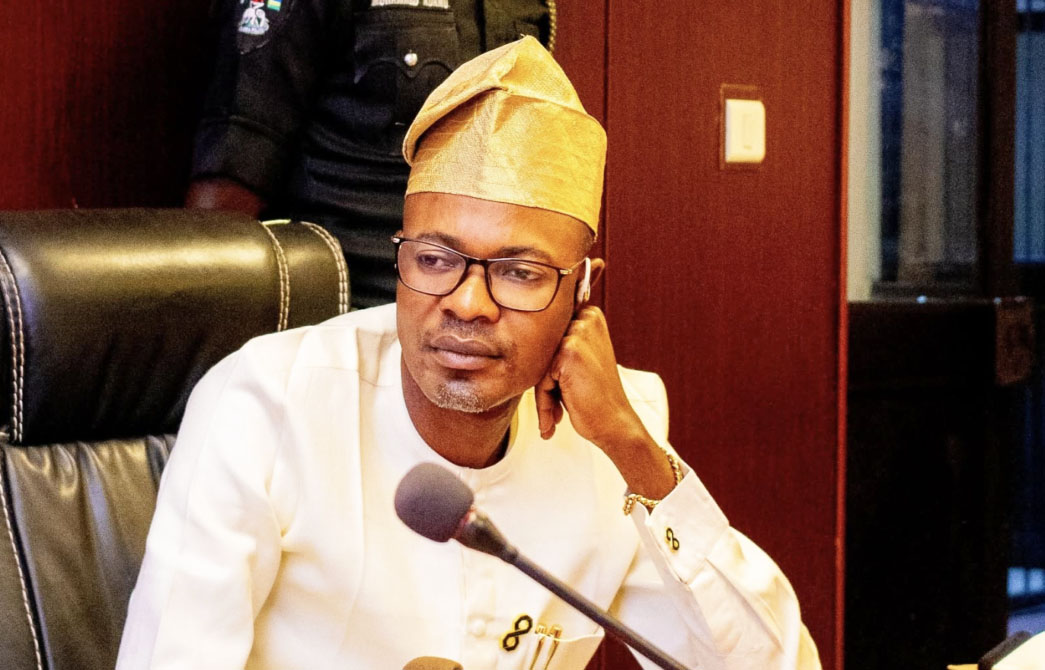
Court Strikes Out FG’s Forgery Charges Against ‘Fake’ PFIPC Boss, Adeniyi Adeyemi
Prosecution to re-arraign defendant before FCT High Court over alleged impersonation
The Federal High Court in Abuja, on Monday, struck out the eight-count criminal charge filed by the Federal Government against Adeniyi Adeyemi, the self-styled Director-General of the alleged non-existent Presidential Foreign Investment Promotion Council (PFIPC).
Justice Mohammed Umar struck out the charge following an application by the prosecution to withdraw the case, paving the way for the defendant to be re-arraigned before the High Court of the Federal Capital Territory (FCT).
At the resumed proceedings, the Director of Public Prosecutions of the Federation (DPPF), Rotimi Oyedepo, informed the court that the Attorney-General of the Federation (AGF) had reviewed the case file and uncovered “loopholes” in the charge.
Oyedepo explained that the documents Adeyemi allegedly forged fell under the jurisdiction of the FCT High Court rather than the Federal High Court. Consequently, he applied to withdraw the charge to allow for a proper fresh arraignment in the appropriate court.
The defense counsel, Ibrahim Angulu, did not oppose the Federal Government’s application for withdrawal. Delivering his ruling, Justice Umar granted the application and struck out the charge, effectively ending the proceedings at the Federal High Court.
Adeyemi had been in detention following his arrest on the strength of a bench warrant issued by the Federal High Court. He was initially arraigned on charges bordering on forgery, fraud, and impersonation, and was subsequently remanded at the Kuje Correctional Centre.
The case against Adeyemi stems from allegations that he held himself out as the Director-General of the PFIPC, a body authorities have described as non-existent. He has consistently denied any wrongdoing, maintaining that the agency was a legitimate initiative.
Monday’s decision effectively terminates the case before the Federal High Court, but does not signal the end of the FG’s prosecution efforts. A fresh arraignment before the FCT High Court is now expected. The development also halted the scheduled hearing of Adeyemi’s bail application, which was pending before the Federal High Court.
Court Strikes Out FG’s Forgery Charges Against ‘Fake’ PFIPC Boss, Adeniyi Adeyemi








metro
How Military Air Strike Crushed ISWAP Attack Plot, Killed Over 40 Fighters in Borno
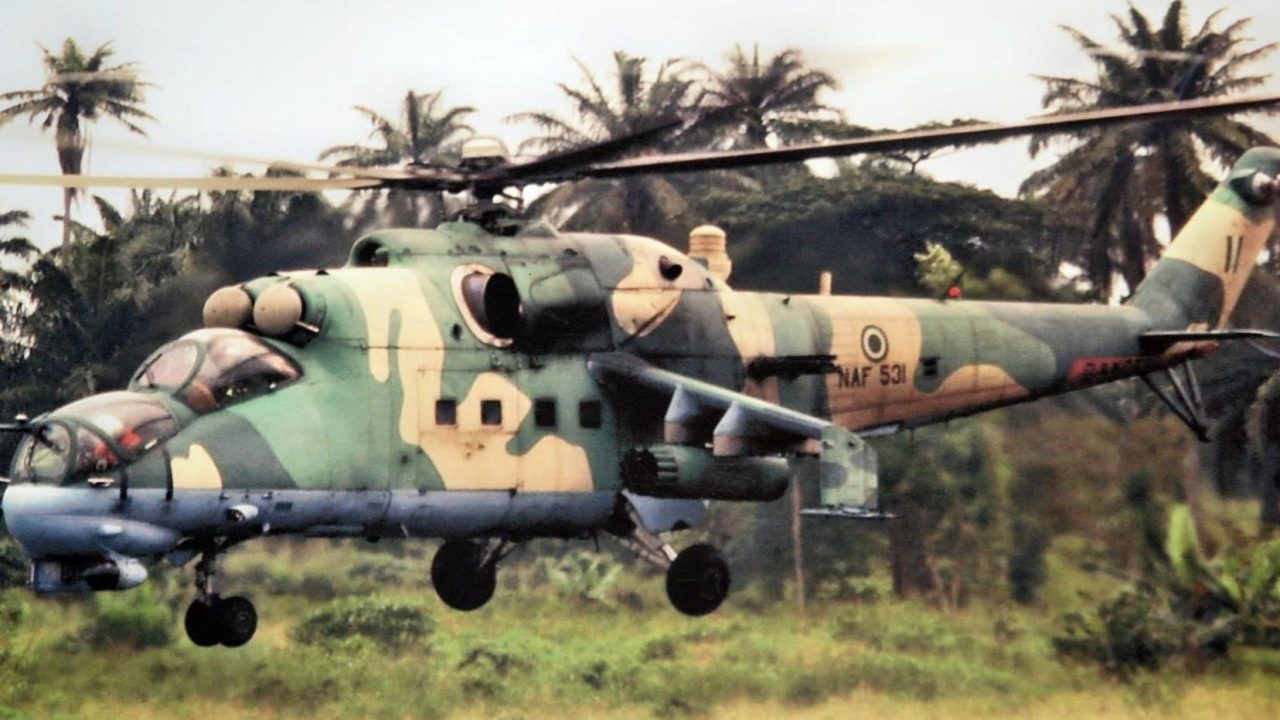
How Military Air Strike Crushed ISWAP Attack Plot, Killed Over 40 Fighters in Borno
The Nigerian military has reported killing more than 40 Islamic State West Africa Province (ISWAP) fighters, including a prominent commander, in an air strike that reportedly disrupted plans for coordinated attacks on military positions in Borno State.
The operation, conducted by the Air Component of the Joint Task Force, North East, under Operation Hadin Kai, targeted a suspected insurgent enclave at Badu Village, south of Gudumbali in Guzamala Local Government Area of the state.
The military said the operation was launched on October 10, 2026, after intelligence reports indicated that the insurgents were assembling to plan attacks against troops operating in the area.
In a statement issued in Maiduguri, Captain Mohammed Goni, the Military Information Officer at the Headquarters of the Joint Task Force, North East, said preliminary intelligence and battle damage assessments indicated that more than 40 fighters were killed in the operation.
According to the military, the casualties included a prominent ISWAP commander believed to have been involved in the group’s operations in the region.
Military acts on intelligence about planned attacks
Goni said the operation followed credible intelligence about the concentration of insurgents allegedly preparing coordinated attacks against military formations and nearby communities.
He explained that the Air Component conducted aerial surveillance to identify the movements of suspected fighters around their hideouts and logistics facilities before launching a precision strike on a building occupied by the insurgents.
The military said the air strike disrupted the planned attacks and weakened the operational capacity of the targeted fighters.
However, the reported casualty figure was based on the military’s preliminary assessment, and independent confirmation of the number of fighters killed was not available.
Vehicles, motorcycles destroyed
The military also reported that the operation destroyed two vehicles and approximately 20 motorcycles allegedly used by the insurgents for transportation, logistics and offensive operations.
The destruction of the equipment could affect the group’s ability to move fighters, transport supplies and coordinate attacks across remote communities in the area.
According to the military, intelligence gathered after the operation linked the targeted fighters to ISWAP’s Murabitun element, described as a mobile fighting unit involved in patrols, attack coordination and other insurgent activities.
The military said further assessments were ongoing to determine the full extent of the damage caused by the strike.
ISWAP remains a security threat in North-East
ISWAP remains one of the principal armed extremist groups operating in Nigeria’s North-East, particularly in Borno State and areas around the Lake Chad region.
The group emerged from the Boko Haram insurgency and has continued to attack military formations and communities as security forces intensify efforts to contain its activities.
Insurgent attacks on military positions have posed persistent challenges to efforts to restore peace and enable displaced residents to return to their communities.
The latest reported operation forms part of the military’s broader campaign to disrupt insurgent movements, dismantle their operational networks and prevent attacks on troops and civilians.
The military reiterated its commitment to sustaining intelligence-led operations and coordinated air and ground offensives against insurgent groups in the North-East.
While the reported deaths of more than 40 fighters would represent a significant blow to the targeted group if confirmed, the full impact of the operation will depend on subsequent intelligence assessments and developments on the ground.
How Military Air Strike Crushed ISWAP Attack Plot, Killed Over 40 Fighters in Borno
metro
FRSC Mourns ex-Corps Marshal Dauda Biu, Says His Legacy Will Endure
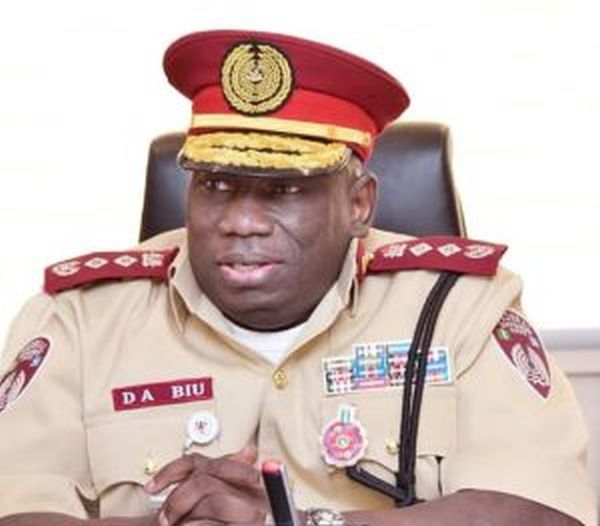
FRSC Mourns ex-Corps Marshal Dauda Biu, Says His Legacy Will Endure
Nigeria’s road safety community has lost one of its seasoned leaders, a former Corps Marshal, Dauda Ali Biu, who died in Abuja on Sunday at 62.
Biu’s years of service helped shape the Federal Road Safety Corps, according to the agency’s incumbent head, Shehu Mohammed.
Mohammed, in a condolence message, said the deceased’s contributions to the organisation, particularly his commitment to institutional development, operational effectiveness and the protection of lives on Nigerian roads, would remain part of the corps’ enduring legacy.
Biu, born in 1964 in Sabon Gari, Zaria, Kaduna State, reportedly died Sunday evening at a hospital in Abuja.
NAN reported on Sunday that Adamu-Isa Gunda, a nephew of the deceased, confirmed the death, saying the remains would be transported from Abuja to Chikaji, Sabon Gari, Zaria, for burial according to Islamic rites.
Gunda added that the deceased, who held the traditional title of Jagaban Sabon Gari, is survived by a wife and five children.
Biu served as the seventh substantive Corps Marshal of the FRSC from July 2022 to May 2024, having joined the agency in its formative years and rose through the ranks, building a career defined by discipline, dedication and public service, the FRSC statement said.
It quoted Corps Marshal Mohammed as saying the late road safety administrator occupied a distinguished place in the history of the corps, having devoted a significant part of his life to serving the nation and promoting the safety of Nigerians.
“His passing is therefore not merely the loss of a former leader; it is the loss of a colleague, a seasoned professional and a compatriot who devoted a significant part of his life to the service of humanity and the safety of Nigerians,” he said.
The Corps Marshal added that Biu’s tenure as head of the agency reflected his understanding of its statutory responsibilities and his determination to strengthen its operations and institutional capacity.
He noted that the deceased’s contributions would continue to inspire members of the corps as they work to sustain and improve road safety management across the country.
Mohammed, who conveyed the condolences of the FRSC management and workforce in a statement on Monday, extended the agency’s sympathies to Biu’s immediate family, friends, associates and others who were touched by his life and service.
He said the corps shared in the grief of the bereaved family at what he described as a difficult moment, while praying for the strength to bear the loss.
“On behalf of the Management and the entire workforce of the Federal Road Safety Corps, I extend my deepest condolences to his immediate family, friends, associates and all those whose lives he touched,” Mohammed said.
He also offered prayers for the repose of the deceased’s soul, asking Almighty Allah to forgive his shortcomings and grant him Aljannah (Paradise).
“Rest in peace, Dauda Ali Biu. Your service to the nation will not be forgotten,” the Corps Marshal added.
The FRSC is Nigeria’s lead agency for road traffic administration and safety management, with responsibilities that include accident prevention, traffic regulation, public enlightenment and the enforcement of road safety standards.
Over the years, the corps has relied on successive leaderships to strengthen its operational capacity and pursue its mandate of reducing road crashes and fatalities on the nation’s highways.
Biu’s rise through the ranks to become the agency’s seventh substantive Corps Marshal placed him among the senior officers who have led the organisation in carrying out that responsibility.
His death, according to Mohammed, represents a loss to an institution whose development he helped shape and to the wider road safety community.
As the FRSC mourns the former chief, the agency has reaffirmed the enduring value of his contributions to public service, road safety administration and the protection of lives across Nigeria.
metro
Child Soldiers, Baby Factories: US Raises Alarm Over Official Complicity in Nigeria
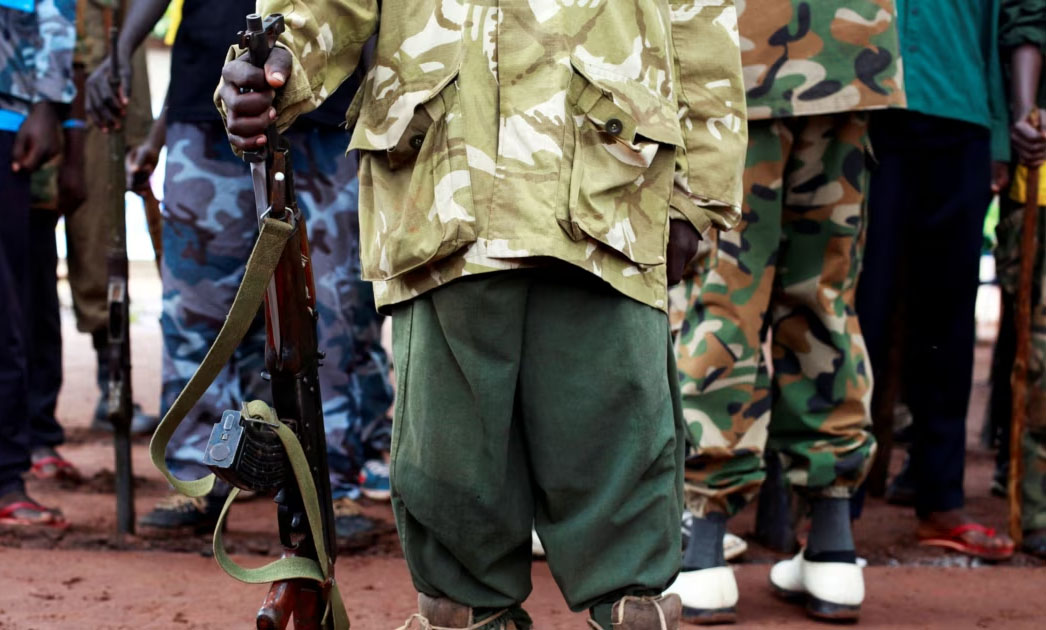
The United States has raised fresh concerns over human trafficking in Nigeria, accusing authorities of failing to adequately address alleged official complicity, protect vulnerable victims and hold government personnel accountable for trafficking-related offences.
The concerns are contained in the 2026 Trafficking in Persons (TIP) Report released by the US Department of State, which also identifies Nigeria among 14 countries listed over the recruitment or use of child soldiers.
The report, covering developments from April 1, 2025, to March 31, 2026, retained Nigeria on Tier 2 of the US trafficking assessment. The classification means the country does not fully meet the minimum standards for eliminating human trafficking but is making significant efforts to meet them.
Nigeria’s inclusion on the Child Soldiers Prevention Act list highlights continuing concerns about the recruitment and exploitation of children by armed groups, while the report also draws attention to the operation of so-called baby factories, forced labour and sexual exploitation.
The US government identified corruption and alleged official complicity as significant obstacles to tackling trafficking in Nigeria, arguing that the failure to hold implicated personnel accountable could allow offenders to escape justice.
According to the report, Nigerian authorities did not provide information on investigations, prosecutions or convictions of government employees allegedly involved in trafficking offences during the reporting period. The assessment also raised concerns about the absence of reported accountability for some officials previously implicated in such cases.
The findings have renewed scrutiny of Nigeria’s efforts to combat human trafficking, particularly the protection of women and children and the investigation of allegations involving public officials.
The report identified Boko Haram and the Islamic State West Africa Province (ISWAP) among the armed groups that continue to recruit, abduct and use children in conflict-related activities. It said children as young as 12 were reportedly exploited in various roles, including as cooks, domestic workers, spies, messengers, guards and combatants. Some children were also reportedly used as human shields and suicide bombers.
READ ALSO:
- 2027 Elections: Atiku Demands Names of INEC Ballot Printers, Questions Secret Contracts
- ₦8.7bn Erosion-Control Budget Gap Raises Questions as Anambra Gullies Expand
- Fuel Subsidy May Ease Hardship Today, But Could Cripple Nigeria’s Economy Tomorrow — FG
The assessment raised concerns about the protection of children associated with armed groups and the need to ensure that those rescued or removed from such groups are referred to appropriate care and rehabilitation services. The issue remains particularly sensitive in northeastern Nigeria, where years of insurgency have exposed children and other vulnerable people to abduction, forced recruitment, sexual exploitation and other abuses.
The US report also highlighted concerns about the treatment of women and girls who had been forcibly married to insurgents. It alleged that some survivors were returned to their Boko Haram husbands or traffickers at demobilisation centres in Borno State. Such practices, if established, could expose survivors to further abuse and undermine efforts to rehabilitate people affected by insurgency and trafficking.
Beyond the conflict in the northeast, the report identified the continued operation of baby factories in Nigeria as a major human-trafficking concern. These illegal operations are often disguised as orphanages, maternity homes or religious centres. Women and girls may be held against their will, sexually abused and forced to become pregnant or give birth, while their babies are sold to third parties. The children may subsequently face exploitation, including forced labour and sex trafficking.
The report described baby factories as a widespread criminal industry, particularly in southern Nigeria, where poverty, limited economic opportunities and demand within illegal adoption networks can increase vulnerability to exploitation. The findings underscore the importance of investigating suspicious maternity homes and unregulated facilities, protecting potential victims and prosecuting those responsible for coercion, sexual abuse and the sale of children.
The US assessment also identified several forms of forced labour and exploitation affecting children and adults in Nigeria. According to the report, traffickers exploit children in domestic work, street begging, street vending, agriculture, textile manufacturing, granite quarries and artisanal mines. Some children are reportedly forced to work to support traffickers or intermediaries, while others face physical, emotional or sexual abuse.
The report highlighted the risks facing children from impoverished households who enter domestic service through labour brokers. It warned that some are subjected to exploitation rather than receiving the education and economic opportunities their families may have expected.
READ ALSO:
- Petrol Price Hike Hits Abuja as MRS, AA Rano, Others Raise Rates Despite FG’s Discount Plan
- Kano Police Explain Blockade of ‘Tinubu Must Go’ Meeting
- Xenophobia: Nigeria Evacuates 111 More Citizens From South Africa as Returnees Hit 2,037
Women and girls also remain vulnerable to sexual exploitation and forced marriage. The report identified cases in which women and girls were reportedly given to older men to settle family debts, a practice sometimes described as money marriage. It further raised concerns about Nigerians recruited for work abroad under false promises and subsequently subjected to domestic servitude or sexual exploitation.
The assessment said some foreign nationals were also vulnerable to trafficking within Nigeria, including people recruited into organised online scam operations and workers exposed to coercive labour conditions.
The report criticised gaps in the provision of services to trafficking survivors, including inadequate shelter capacity for adult male victims. It said 675 trafficking survivors received assistance in 2025, compared with 2,058 in 2024.
The assessment also raised concerns about restrictions on freedom of movement in some shelters operated by the National Agency for the Prohibition of Trafficking in Persons (NAPTIP), as well as requirements that some victims cooperate with law-enforcement authorities to access certain protection services. According to the report, some victims who declined shelter accommodation did not receive services, potentially increasing their vulnerability to further exploitation.
The findings point to the need for a victim-centred approach that makes medical care, counselling, safe accommodation and rehabilitation accessible without exposing survivors to further harm. The report also called for stronger procedures to identify trafficking victims among internally displaced people, returning migrants, children associated with armed groups and people working in vulnerable sectors.
Despite the criticism, the report acknowledged improvements in Nigeria’s anti-trafficking enforcement efforts. Nigerian authorities investigated 1,341 trafficking cases involving 1,367 suspects in 2025, compared with 744 investigations in 2024. The country also recorded 94 prosecutions and 97 convictions in 2025, up from 71 prosecutions and 49 convictions in the previous year.
The report further recorded increased government funding for victim services and prevention programmes. It said the government allocated ₦233 million for victim services in 2025, compared with ₦128 million previously, while funding for prevention rose to ₦245 million from ₦58.8 million in 2024.
Other efforts acknowledged in the assessment included the identification of trafficking victims, cooperation with foreign authorities and INTERPOL on investigations, and the implementation of Nigeria’s 2022–2026 National Action Plan against human trafficking. The report also noted the operation of an anti-trafficking hotline and the presence of anti-trafficking task forces in 23 states.
However, the US government maintained that stronger action was needed to address official complicity, improve protection services and ensure that perpetrators were held accountable.
Nigeria’s inclusion on the Child Soldiers Prevention Act list could affect certain categories of US military assistance and defence-related transactions under applicable US law. The listing does not automatically suspend every form of American assistance to Nigeria. Any restrictions depend on the relevant legal provisions, the type of assistance involved and whether an applicable exception or presidential waiver applies.
The designation nevertheless places additional attention on the need to prevent and address the recruitment and use of children in armed conflict.
The findings present a significant challenge for Nigerian authorities: sustaining improvements in trafficking investigations and convictions while addressing alleged official involvement, strengthening protection for survivors and preventing the exploitation of children.
The report calls for credible allegations against public officials to be investigated, trafficking survivors to receive appropriate support and perpetrators to face accountability. For Nigeria, the effectiveness of its anti-trafficking response will depend not only on arrests and convictions but also on preventing abuse, protecting vulnerable people and ensuring that those entrusted with enforcing the law are themselves held accountable when credible evidence of wrongdoing emerges.
Child Soldiers, Baby Factories: US Raises Alarm Over Official Complicity in Nigeria
-

 metro1 day ago
Tension in Kano as Phone Traders Confront Chinese Sellers Over Cheaper Phones
-
 Health2 days ago
NAFDAC Raises Alarm Over Toxic Pesticides in Beans, Seizes ₦800m Banned Chemicals
-
 metro2 days ago
Police Launch Manhunt After Fresh Attacks, Kidnappings Rock Four Nigerian States
-
 metro3 days ago
2027: Ekiti Driver Takes ₦3.5m Loan to Back Tinubu’s Re-election Bid
-

 metro2 days ago
EFCC Wins ₦132m Money Laundering Case as Court Orders Forfeiture of Lagos Properties
-

 Business2 days ago
NNPC Petrol Discount: Motorists Must Download App to Save ₦66 Per Litre
-
 Auto3 days ago
Electric Mobility: Spiro Unveils Expansion Plan, Names Nigeria New MD
-

 Entertainment1 day ago
‘My Wife Fed Actresses I Was Dating Despite Knowing About Our Affairs’ – Yinka Quadri