The News Agency of Nigeria (NAN) reports that the NSE delegates also toured the Lagos Calabar Coastal Highway project, describing it as “an enormous national asset.”
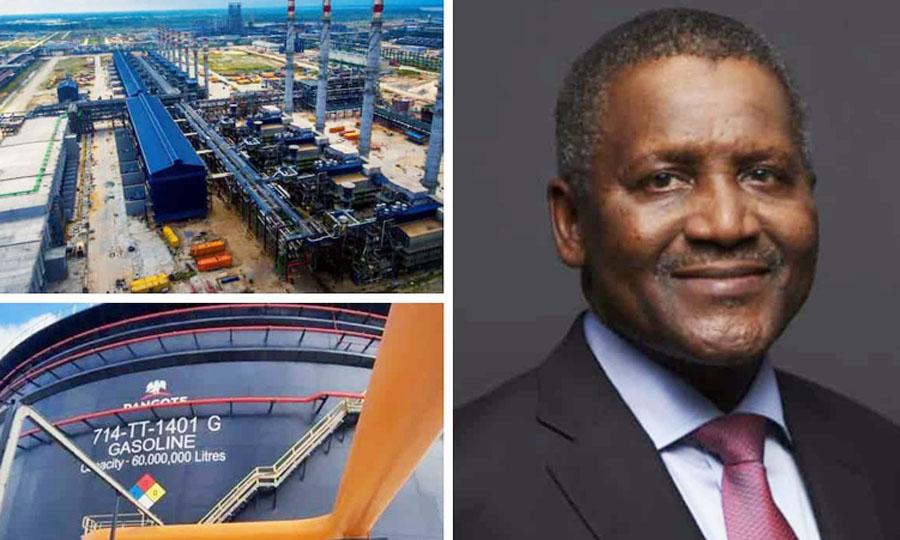
Dangote says he might not have dabbled into refinery project
Africa’s richest man and industrialist, Alhaji Aliko Dangote, has expressed commitment to empowering Nigerian engineers and building local capacity through large-scale industrial projects.
Dangote gave the assurance while receiving a delegation from the Lagos Branch of the Nigerian Society of Engineers (NSE) at the Dangote Petroleum Refinery at Ibeju-Lekki, Lagos State, on Monday.
He said that the scale of the refinery was more than initial expectations.
He said: “Honestly, if we had fully understood the magnitude and challenges involved, we may not have even attempted it, but it is because we didn’t know what we were into initially and the courage, or maybe, naivety that got us this far.”
He noted that the refinery was designed to handle massive volumes, with up to 600 product vessels and about 240 crude oil tankers expected annually.
READ ALSO:
Dangote said that challenges faced during the construction, included working on swampy terrain, extensive land clearing, and dredging 65 million cubic metres of sand from 20 kilometres offshore.Dangote Refinery, Aliko Dangote
He said that all were in an effort to protect local fishing communities.
“We had to uproot thousands of trees manually. Sand-filling alone took 18 months but we made a deliberate decision to preserve the livelihoods of those living nearby, especially fishermen,” he said.
When asked by an engineer how Nigerian professionals could be given more opportunities and how they could take destiny into their own hands, Dangote said: “We appreciate that.
“There are many more projects coming, and with them, we will continue to develop our engineering base.
“Even when we don’t have enough jobs to give, we must still train people.


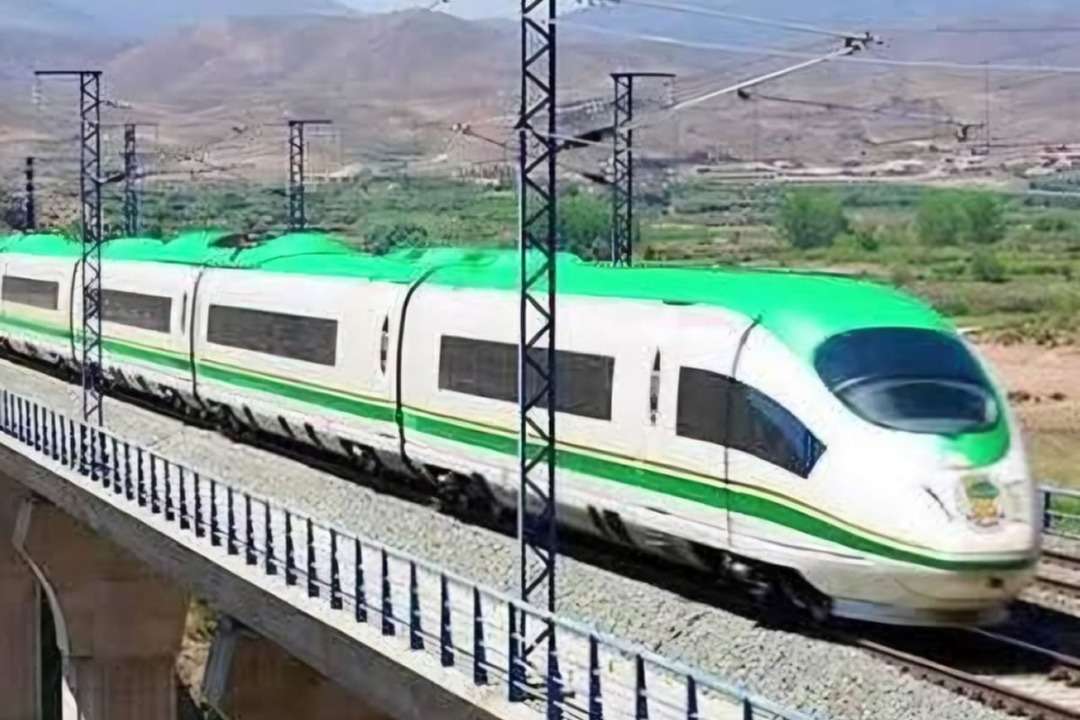
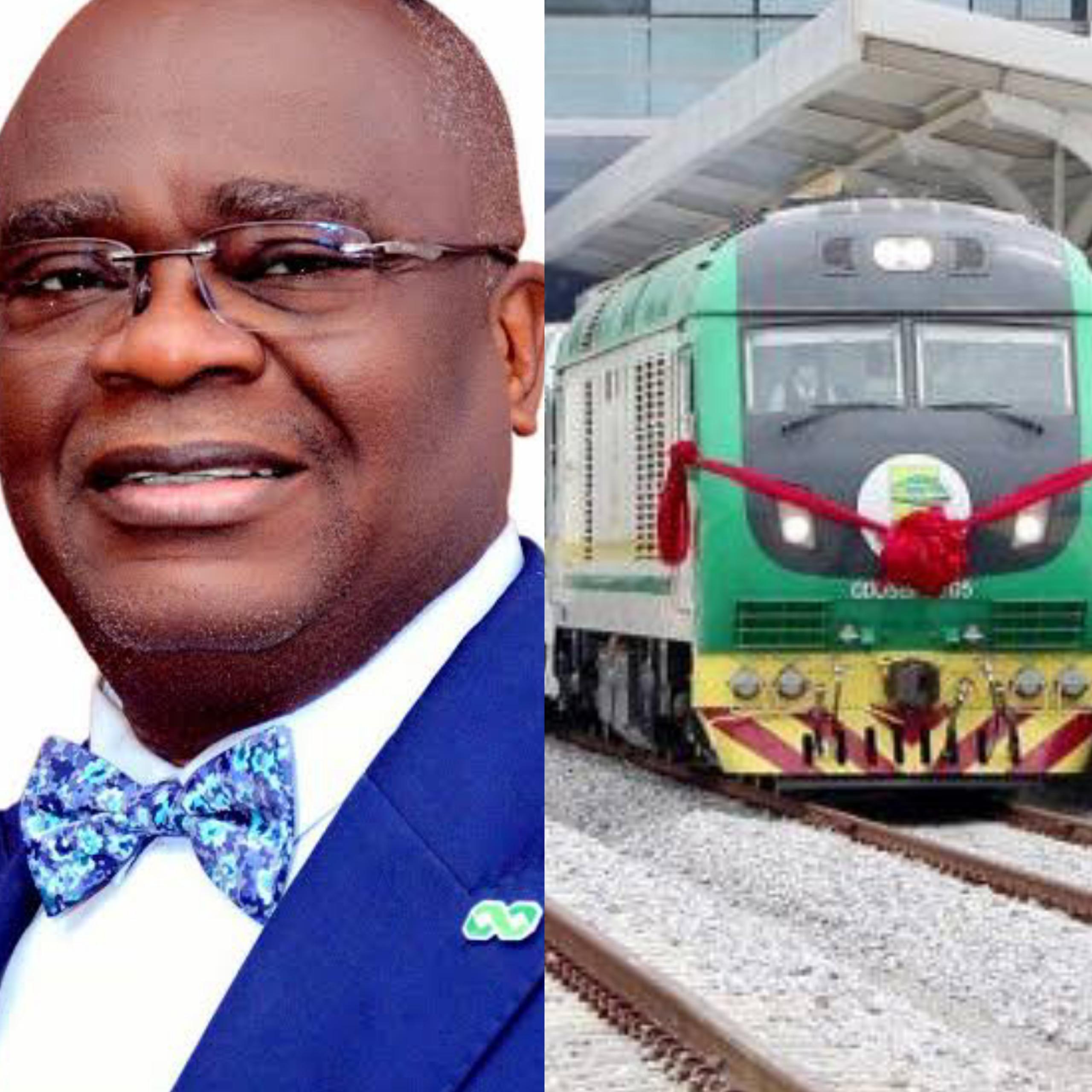
FG pushes high-speed train, expands rail links to seaports
The Federal Government has intensified efforts to modernise Nigeria’s rail system, setting up a high-speed rail committee and approving the expansion of rail connections to key seaports to boost cargo movement and ease logistics bottlenecks.
Managing Director of the Nigerian Railway Corporation (NRC), Kayode Opeifa, disclosed this at the quarterly stakeholders’ engagement of the Nigerian Ports Consultative Council.
In a statement by the NRC’s Chief Public Relations Officer, Callistus Unyimadu, Opeifa said the Office of the Secretary to the Government of the Federation had constituted a committee on high-speed rail development to drive initiative.
He disclosed that the Federal Government was seeking private sector participation in this regard.
The NRC boss also emphasised that seamless rail-port integration remained critical to unlocking the full benefits of ongoing maritime reforms.
Opeifa warned that investments in port infrastructure, including deep seaports, would continue to yield limited returns without efficient rail connectivity to move cargo inland.
He noted that while collaboration between the corporation and port authorities had improved—particularly under the administration of Bola Ahmed Tinubu—significant gaps remain in cargo evacuation from ports, especially in Lagos and along the eastern corridor.
He identified persistent bottlenecks in rail freight operations and called for targeted interventions to improve efficiency, stressing that a shift towards rail-based cargo movement is essential for a more reliable and cost-effective logistics system.
Highlighting ongoing and planned projects, Opeifa said the Federal Government has approved the extension of the Lagos–Ibadan standard gauge rail line to Apapa and Tin Can Island ports. He added that the Warri–Itakpe line would be linked to Warri Port, while the eastern narrow gauge is set to connect the Port Harcourt Port at Onne.
He further disclosed plans to link the Lagos–Kano western line to Baro Port, as part of a broader strategy to integrate all major ports into the national rail network.
On project updates, the NRC boss said the Kaduna–Kano rail corridor is nearing completion, while efforts are underway to connect existing rail lines directly to ports to reduce congestion and improve cargo evacuation.
He also revealed plans for a new rail line to the Lekki Deep Sea Port, expected to pass through Ijebu-Ode and Sagamu to Kajola, where it will link with the Lagos–Ibadan line. The project, he said, is likely to commence this year.
Describing rail connectivity to ports as a key driver of economic growth, Opeifa urged stakeholders, including truck operators, to support the initiative, noting that road transport would continue to play a complementary role in last-mile delivery.
He also called for the expansion of freight yards across both narrow and standard gauge lines to enhance cargo handling capacity and overall efficiency.
The stakeholders’ meeting brought together key players in the maritime and rail sectors to align strategies and strengthen collaboration towards building a more integrated and efficient national transport system.

NNPC Remits N1.804 Trillion to Federation Account in February
The Nigerian National Petroleum Company Limited (NNPC) has remitted N1.804 trillion to the Federation Account in February 2026, marking a significant jump from the N726 billion recorded in January, according to its latest Monthly Financial and Operational Report Summary.
The sharp increase highlights improved oil and gas revenue performance in Nigeria, stronger production output, and ongoing fiscal reforms aimed at boosting transparency and accountability in the petroleum sector.
NNPC Ltd reported that its total revenue increased to N2.68 trillion in February, up from N2.57 trillion in January, driven by higher crude oil sales, improved gas earnings, and operational efficiency gains across its assets. The company also recorded a profit after tax of N136 billion, reflecting improved financial performance despite fluctuations in global crude oil markets and domestic operational challenges.
According to the report, Nigeria’s crude oil and condensate production averaged 1.51 million barrels per day (bpd) in February 2026. NNPC attributed the output stability to improved asset reliability, faster resolution of evacuation constraints, and enhanced coordination with upstream operators across key oil fields.
READ ALSO:
The rise in remittances follows major fiscal policy changes introduced by President Bola Ahmed Tinubu in February 2026, including an Executive Order mandating full remittance of oil and gas revenues to the Federation Account. The directive also suspended the retention of management and frontier exploration fees previously deducted by NNPC Ltd and established an inter-agency committee led by the Minister of Finance to enforce compliance.
Officials say the reforms are designed to strengthen public revenue management in Nigeria, reduce leakages, and improve transparency in the oil sector.
The company said improved output was supported by infrastructure upgrades, better asset management, and stronger collaboration with industry stakeholders. It also highlighted progress on the Ajaokuta–Kaduna–Kano (AKK) gas pipeline project, noting that construction works are advancing toward early gas delivery to Abuja, a key milestone for Nigeria’s domestic gas expansion strategy.
The performance aligns with broader recovery trends in Nigeria’s oil industry, supported by efforts to curb crude theft, improve pipeline security, and enhance upstream efficiency. Data from the Nigerian Upstream Petroleum Regulatory Commission (Nigerian Upstream Petroleum Regulatory Commission) also indicates fluctuations but overall resilience in production levels, as the sector continues stabilisation reforms.
Analysts say sustained growth in NNPC remittances will depend on consistent crude production, stable global oil prices, and continued enforcement of fiscal transparency measures. As of the time of filing this report, NNPC Ltd has not provided additional breakdowns beyond its monthly financial summary.

CFAO Mobility Open Day to offer special deals on new vehicles, parts, diagnostics
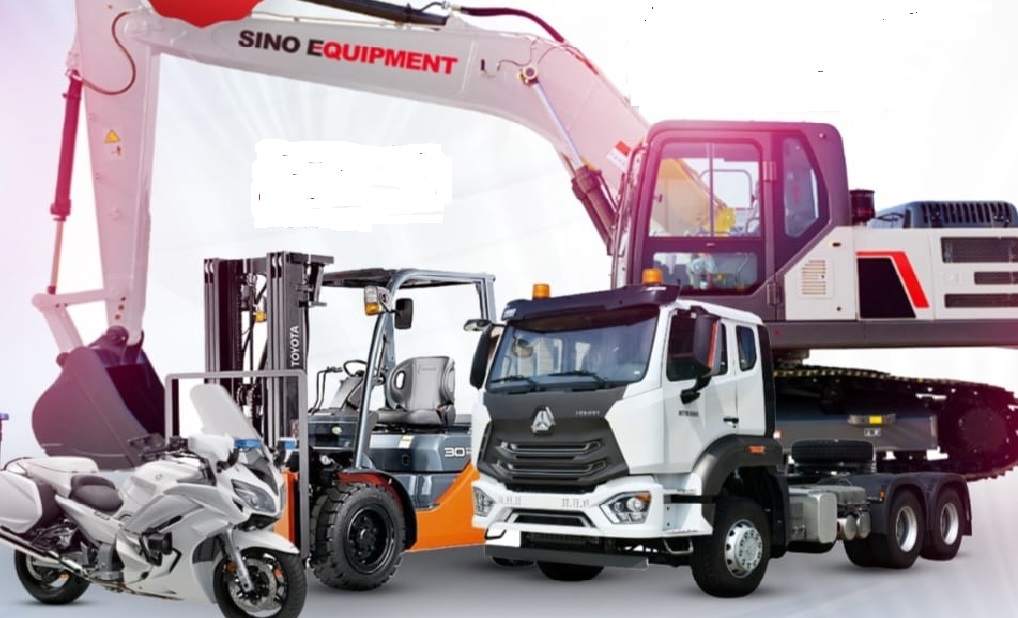
CFAO Mobility has announced plans to host the 2026 edition of its flagship CFAO Mobility Open Day, aimed at showcasing a wide range of innovative mobility solutions.
In a statement, the company said the event would take place on Thursday, April 30, 2026, at Harbour Point, Victoria Island, Lagos, from 9am to 6pm.
The Open Day is expected to bring together leading global automotive and equipment brands in a dynamic exhibition tailored to meet diverse mobility needs.
Participating brands are Toyota, BYD, Mitsubishi, Suzuki, Fuso, JCB, Howo, Sino Equipment, King Long, TechKing Tyres, Yamaha, Winpart and Auto Fast.
According to CFAO Mobility, attendees will experience an extensive display of products and services, ranging from brand-new vehicles and motorcycles to outboard engines, fleet management solutions, spare parts and aftermarket services.
The event, which is free and open to the public, will also feature test drives, professional vehicle diagnostics and exclusive spare-parts deals, offering participants a hands-on and engaging experience.
The company urged car enthusiasts, business owners and prospective buyers to take advantage of the Open Day to explore mobility solutions tailored to their personal and business needs.
With over 120 years of presence in Nigeria, CFAO Mobility remains a key player in the mobility and healthcare sectors.
It added that the Open Day reflects its continued commitment to delivering innovative, customer-focused mobility solutions.


JUST IN: FG Publishes List of 48 Individuals, Groups Linked to Terrorism Financing in Nigeria


42-Year-Old Married Woman Declared Missing Found in Hotel with Man

Did Faleke Just Reveal Lagos’ Next Governor? Party Moves Begin


Germany Opens Fully Funded Scholarships for Nigerians, Africans


2027: Oyo APC Governorship Aspirant Saheed Oladele Resigns From Party

ADC Threatens Civil Disobedience To Force INEC Chairman To Resign

Nigeria May Face ₦2,000 Petrol Price Without Intervention, TUC Warns FG
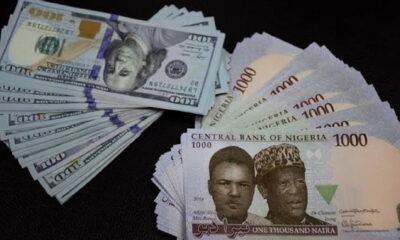

Naira Strengthens to ₦1,359.31/$ as CBN Data Shows Further Gain in Official Market