

metro
Dangote Warns Oil Price Shock May Force Nigeria to Adopt Remote Work Policies
Dangote Warns Oil Price Shock May Force Nigeria to Adopt Remote Work Policies
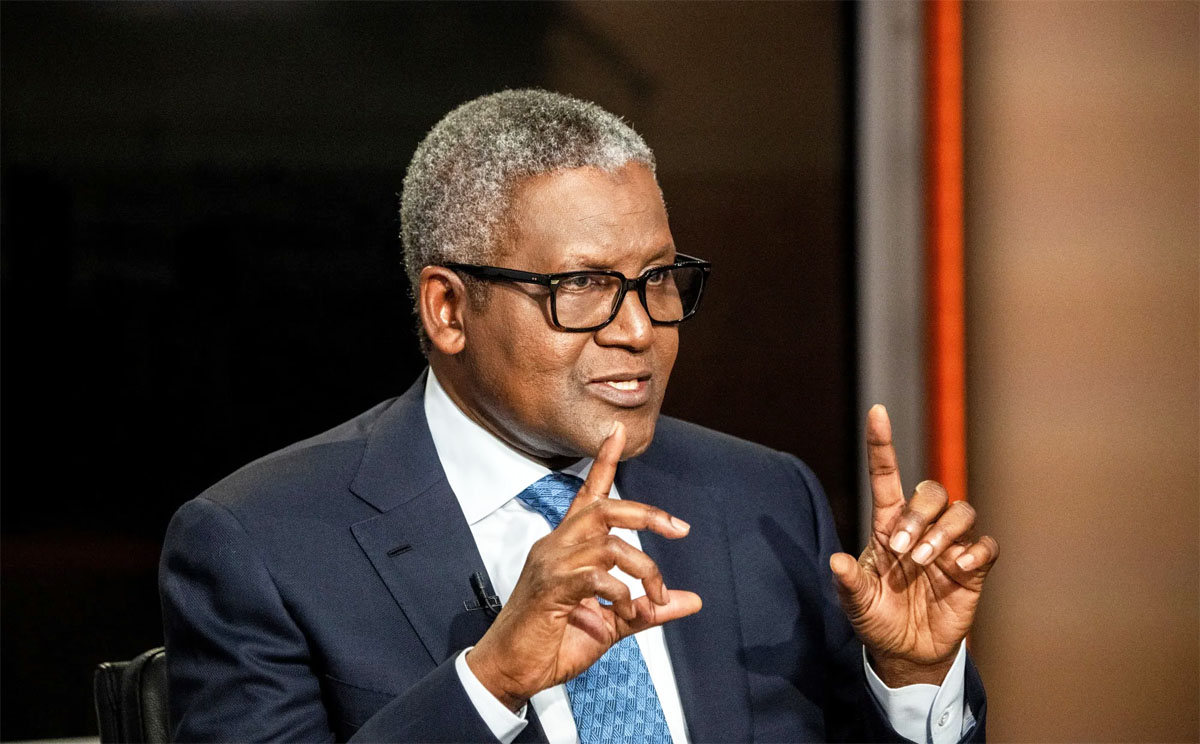
Chairman and Chief Executive Officer of the Dangote Group, Aliko Dangote, has warned that escalating tensions in the Middle East could push Nigeria and other African nations toward adopting remote work policies as a response to rising fuel costs and broader economic instability.
Dangote made the remarks on Monday after a meeting with President Bola Ahmed Tinubu at his Ikoyi residence in Lagos, where discussions reportedly touched on the implications of global energy market volatility for African economies already facing fiscal constraints.
He expressed concern that many African countries lack sufficient financial buffers to withstand external shocks such as sustained increases in global oil prices. According to him, limited savings and heavy reliance on daily income make both governments and households particularly vulnerable to economic disruptions.
Dangote noted that if the situation in the Middle East continues to worsen, governments may be compelled to rethink traditional work arrangements in order to reduce commuting costs and ease pressure on transportation systems. He suggested that remote work and hybrid work models, which gained global prominence during the COVID-19 pandemic, could again become necessary.
READ ALSO:
- Galatasaray Confirm Successful Surgery for Victor Osimhen
- Makinde Approves N10,000 Transport Allowance for Workers as Petrol Price Rises
- MC Oluomo Insists He Remains NURTW President Amid Baruwa Takeover
“In some countries today, what they’ve done is ask everybody to work from home because they cannot afford it… If this doesn’t de-escalate, people will really feel the pinch,” he said.
He also pointed to examples from other countries where reduced workweeks and flexible schedules have been introduced as part of broader efforts to manage energy consumption and maintain economic productivity under pressure.
The warning comes amid concerns that prolonged instability in the Middle East could disrupt global oil supply routes, including strategic passages such as the Strait of Hormuz, through which a significant portion of global crude oil and petroleum products pass. Any disruption to this corridor could trigger further spikes in fuel prices worldwide.
Economic analysts say such increases would likely have a direct impact on transportation costs, inflation, and the cost of goods and services across Africa. In Nigeria, where many businesses rely heavily on generators due to inconsistent power supply, higher fuel prices could significantly increase operating expenses.
Dangote emphasized that the effects would be most severe for small-scale enterprises and informal sector workers who depend on daily earnings. Businesses such as barbershops, bakeries, and small manufacturing outfits, he noted, are particularly exposed due to their reliance on fuel-powered generators and limited access to alternative energy sources.
He further observed that governments in the region may find it difficult to significantly increase salaries or provide widespread financial support in response to rising costs, given existing budgetary limitations.
Dangote’s comments reflect growing concerns among policymakers and economists about the potential ripple effects of global energy shocks on developing economies. While remote work may not be applicable across all industries—especially sectors requiring physical presence—it could offer relief in administrative, tech, and service-based roles by reducing commuting expenses and improving flexibility.
As global energy markets remain volatile, Dangote’s warning highlights the need for adaptive economic strategies that can help countries manage external shocks while maintaining productivity and stability.
Dangote Warns Oil Price Shock May Force Nigeria to Adopt Remote Work Policies









metro
Cameroon Horror: Nigerian Pastor Flees As Mummified Body Is Found Under Church Property
Cameroon Horror: Nigerian Pastor Flees As Mummified Body Is Found Under Church Property
Police uncover coffin buried 1.5 metres underground as investigation into Nigerian pastor’s properties deepens
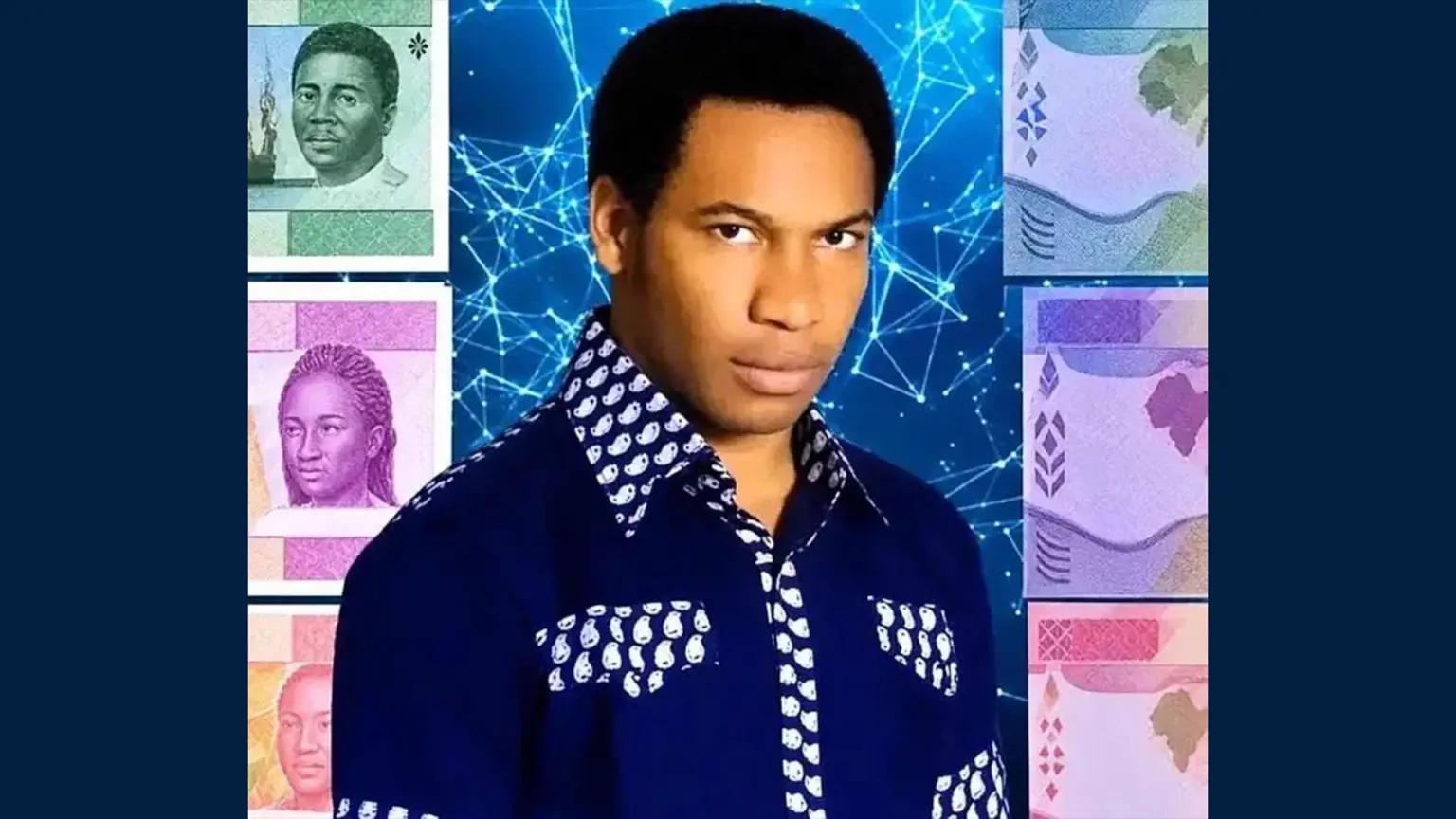
A Nigerian cleric has reportedly gone into hiding in Cameroon after security operatives uncovered a mummified body buried beneath a concrete slab at a property linked to his church in Yaoundé.
The shocking discovery has plunged Mercy of God Ministry, founded by Nigerian-born cleric Kedi Samuel Kenechukwu, also known as Ekedi Samuel, into the centre of a widening investigation by Cameroonian authorities.
The latest discovery was reportedly made on September 19, 2026, at a property in Nkoabang, Yaoundé, during an investigation into activities allegedly linked to the cleric.
According to reports from Cameroon, police discovered a white-and-gold coffin buried about 1.5 metres underground beneath a concrete slab.
Inside the coffin was what investigators described as a mummified human body.
The remains were reportedly dressed in traditional blue clothing decorated with gold embroidery and appeared to be those of a woman.
But authorities have not yet publicly established the identity of the deceased, when she died or how she came to be buried beneath the property.
The discovery has therefore raised a string of unanswered questions as investigators intensify their probe.
Secret burial uncovered
The discovery reportedly followed an examination of the property after part of the structure was damaged, exposing an underground section.
Police subsequently conducted a search and allegedly found the coffin concealed beneath the concrete.
Investigators are expected to carry out further forensic examinations to establish the identity of the remains and determine the circumstances surrounding the death.
Authorities have also reportedly sought permission to conduct additional searches of the premises amid concerns that further evidence could be hidden within the property.
The latest discovery comes barely days after investigators reportedly made another disturbing finding at a different property linked to the ministry.
On September 6, security operatives reportedly raided a property in the Ngousso area of Yaoundé, where they allegedly found 20 people inside a basement.
The group reportedly comprised 10 women, eight men and two children, aged six and seven.
The discovery triggered further investigations into the activities taking place at properties allegedly associated with the ministry.
30 rooms, underground pit discovered
The investigation subsequently moved to the Nkoabang property.
According to reports, investigators found about 30 rooms, five vehicles, several hundred kilogrammes of food and functioning freezers on the premises.
An underground pit measuring approximately two metres deep was also reportedly discovered.
The purpose of the pit has not been established publicly.
The discovery of the mummified remains has now added another disturbing dimension to the investigation.
Cameroonian authorities are reportedly examining whether there is any connection between the body and the other findings made during their operations.
However, there is currently no established evidence publicly showing that the cleric caused the death of the person whose remains were discovered.
Cleric reportedly disappears
Kenechukwu, who has reportedly been operating in Cameroon since 2018, is said to have disappeared as authorities intensified their investigation.
Cameroonian security agencies are reportedly searching for him and have taken steps to alert relevant authorities as efforts to locate him continue.
The cleric is reportedly being sought over allegations arising from the broader investigation, including claims concerning human trafficking, unlawful detention and kidnapping.
The allegations have not been proven in court.
Authorities are expected to question Kenechukwu over the discoveries and establish his relationship with the properties and the people found there.
Investigation deepens
The case has generated considerable concern in Cameroon because of the nature of the discoveries reportedly made at properties associated with the ministry.
The finding of 20 people in a basement, the existence of numerous rooms and an underground pit, and the subsequent discovery of a coffin containing mummified remains have all intensified scrutiny of the ministry’s activities.
Investigators are expected to focus on establishing whether the different discoveries are connected or merely occurred at properties belonging to the same religious organisation.
Forensic experts will also be expected to determine the identity of the deceased, establish the cause and approximate time of death, and examine the circumstances surrounding the burial.
Until those investigations are completed, several critical questions remain unanswered.
Who was the deceased?
How did she die?
Why was her body placed inside a coffin and buried beneath a concrete slab?
Who buried the remains there, and when?
And perhaps most importantly, what connection, if any, does the discovery have with the activities under investigation at the church properties?
For now, those questions remain with Cameroonian investigators as the search for the Nigerian cleric reportedly continues.
The case is expected to generate further developments as security agencies conduct additional searches and forensic examinations.
Cameroon Horror: Nigerian Pastor Flees As Mummified Body Is Found Under Church Property
metro
Bauchi Farmer Hacked to Death Over Witchcraft Allegation, Four Arrested
Bauchi Farmer Hacked to Death Over Witchcraft Allegation, Four Arrested
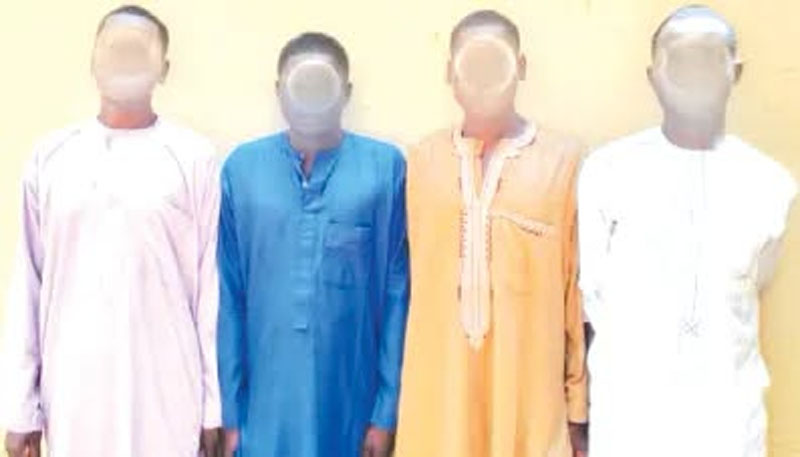
The Bauchi State Police Command has arrested four men over the alleged killing of a 45-year-old farmer, Garba Abdullahi, who was reportedly attacked after being accused of causing a woman’s illness through witchcraft.
The incident occurred on Tuesday, September 22, 2026, in Dunari Village, Atahowa District, when Abdullahi was returning from his farm.
The suspects were identified by the police as Shitu Dahiru, 25; Magaji Dahiru, 42; Sabi’u Auwalu, 20; and Abbah Abdulzahar, 19.
According to the police, the suspects allegedly accused Abdullahi of being responsible for the illness of a woman identified as Sawaida Dahiru before attacking him at about 11:40am.
The suspects allegedly used knives and machetes to inflict multiple injuries on different parts of Abdullahi’s body, leaving him unconscious.
His 35-year-old younger brother later reported the incident at the Gadau Divisional Police Headquarters at about 12:35pm.
Police operatives who responded to the report evacuated Abdullahi to the General Hospital, Azare, where he was subsequently confirmed dead by a medical doctor.
READ ALSO:
- Milei Slams UN as ‘Useless’ Over Falklands Dispute
- Lagos Arrests Man Over Viral Video of Toddler Being Flogged
- Kwara Police Deny Shooting Motorcyclist at Oyun Bridge, Explain Viral Video
His remains were released to his family for burial, while the four suspects were taken into police custody.
The case has since been transferred to the State Criminal Investigation Department (SCID), Bauchi, for further investigation and possible prosecution.
The Commissioner of Police, Sani-Omolori Aliyu, condemned the killing and warned residents against resorting to jungle justice or violence based on unverified and superstitious allegations.
The police commissioner stressed that no person had the right to take another person’s life and urged residents to report disputes, suspicions and suspected criminal activities to security agencies rather than take the law into their own hands.
He also appealed to members of the public to provide timely and credible information that could help security agencies prevent crime and protect lives and property.
The incident has renewed concerns over violence arising from witchcraft allegations in parts of Bauchi State. Another woman, Habse Ubale, was reportedly hacked to death in the state in an earlier incident after she was accused of being a witch.
Police had arrested one suspect in that case and launched a search for two others.
The latest killing highlights the dangers of acting on unverified claims of witchcraft and other forms of superstition. Security authorities have repeatedly urged communities to seek lawful intervention when disputes arise rather than resort to violence.
The four suspects remain accused persons, and their alleged involvement in Abdullahi’s death will be determined through the investigation and judicial process.
Bauchi Farmer Hacked to Death Over Witchcraft Allegation, Four Arrested
metro
Rivers: Nwuche Urges FG to Grant Amnesty to Repentant Cultists, Militants
Rivers: Nwuche Urges FG to Grant Amnesty to Repentant Cultists, Militants
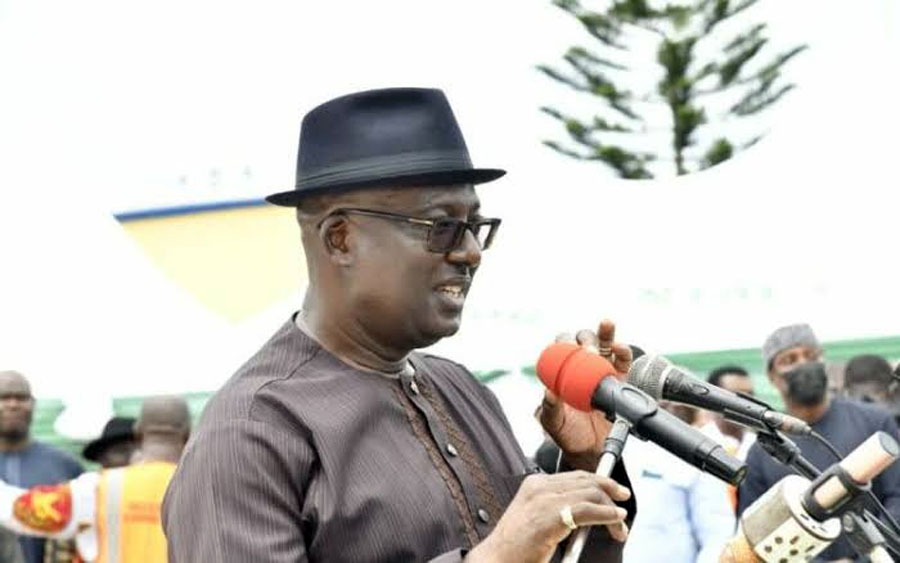
Former Deputy Speaker of the House of Representatives and Chairman of the Governing Board of the South-South Development Commission, Chibudom Nwuche, has appealed to the Federal Government to establish an amnesty programme for repentant cultists and militant youths in the Orashi region of Rivers State who are willing to renounce violence and surrender their weapons.
Nwuche said individuals involved in cultism, kidnapping, robbery, assault and other violent activities should be given an opportunity to abandon criminality through a structured process of rehabilitation, reorientation, skills acquisition and reintegration into their communities.
He made the appeal through his representative, Chief Kingdom Ajugo, during the opening of the 2026 Upata Folklore (Ele) at Ula Upata in Ahoada East Local Government Area of Rivers State.
The Orashi region comprises Ahoada East, Ahoada West, Abua/Odual and Ogba/Egbema/Ndoni Local Government Areas.
Nwuche expressed concern over the security challenges confronting parts of the region, particularly Ahoada and neighbouring communities, where residents have continued to face killings and other forms of violent crime.
He cited the 2023 killing of SP Bako Angbashim, the former Divisional Police Officer of Ahoada Division, who was killed during an operation against criminal elements in the area. The incident triggered intensified security operations and investigations in the region.
According to Nwuche, repeated calls had previously been made for the Rivers State Government to introduce an amnesty initiative for youths willing to abandon criminal activities, but such a programme had yet to materialise.
He therefore urged the Federal Government, particularly the Office of the National Security Adviser, to consider a comprehensive amnesty framework for individuals who genuinely renounce violence.
He said such a programme should include the surrender of weapons, proper identification and screening of participants, rehabilitation, vocational training and reintegration into society, alongside mechanisms for monitoring beneficiaries.
READ ALSO:
- Lagos Arrests Man Over Viral Video of Toddler Being Flogged
- Kwara Police Deny Shooting Motorcyclist at Oyun Bridge, Explain Viral Video
- Police Probe Alleged Self-Kidnapping of Adeleke’s Aide in Osun
Nwuche also urged youths still involved in violent activities to take advantage of any genuine rehabilitation opportunity provided by government rather than continue on a path that threatens lives and undermines the economic prospects of their communities.
He said insecurity had affected economic activities across the Orashi region, making it difficult for residents to farm, trade and carry out other legitimate businesses without fear.
The former deputy speaker called for greater cooperation among government agencies, traditional rulers, community leaders and residents in tackling cult-related violence and other criminal activities.
He also appealed to traditional rulers in Ekpeye land to promote unity and peaceful coexistence, urging them to work together in addressing issues affecting their communities.
The remarks were made during the Upata cultural festival, which attracted traditional rulers, chiefs, community leaders, women, youths, students and other members of the Ekpeye community.
The Eze Igbu Upata III, Eze Felix Otuwarikpo, declared the festival open and described it as an important platform for preserving the cultural heritage and identity of the Upata people.
The monarch said the annual celebration, traditionally held after the harvest season, provides an opportunity for the community to promote unity, hospitality and peaceful relations while passing its traditions and history to younger generations.
Nwuche further encouraged young people in the region to reject criminality and pursue legitimate economic opportunities, stressing that sustainable development could only take place in an environment where lives and property are protected.
He also urged the traditional institution to maintain constructive engagement with government authorities and oil companies in order to protect the interests of local communities.
The call for an amnesty for repentant cultists and militants comes amid wider debates over how to address youth involvement in cultism, armed violence and other criminal activities in parts of Rivers State.
If adopted, any such initiative would require clearly defined eligibility conditions, verification of participants, weapon surrender procedures and sustained rehabilitation and monitoring to ensure that beneficiaries genuinely abandon violent activities.
For communities in the Orashi region, the proposed approach would combine security measures with rehabilitation and economic opportunities for youths willing to renounce violence, while those who continue to commit crimes would remain subject to existing laws.
Rivers: Nwuche Urges FG to Grant Amnesty to Repentant Cultists, Militants
-
 News2 days ago
NLC Backs ₦500 Petrol Demand, Workers Propose ₦500,000 Salary
-

 Auto3 days ago
Jetour T1 Storms Abuja as Automaker Accelerates Nigeria Expansion
-

 Politics2 days ago
Obi vs Soludo: ₦86.67bn Handover Figure Meets ₦127.37bn Debt Claim
-

 Education3 days ago
JAMB Allows Candidates to Change Lost SIM, Email Addresses
-
 metro3 days ago
Kidnapped Female Police Officer Found Dead in Ebonyi as Suspect Leads Police to Remains
-

 International3 days ago
CNN, MS NOW, Politico Sue Trump Over White House Access Ban
-
 News3 days ago
MURIC Warns FG: Any Move Against Atiku Now Lacks Tact
-

 metro2 days ago
Saudi Arabia Rejects Nigeria’s Request for More 2027 Hajj Slots