

metro
NRS Boss Under Fire Over Alleged Secret Transfer of $279m Oil Fund
NRS Boss Under Fire Over Alleged Secret Transfer of $279m Oil Fund
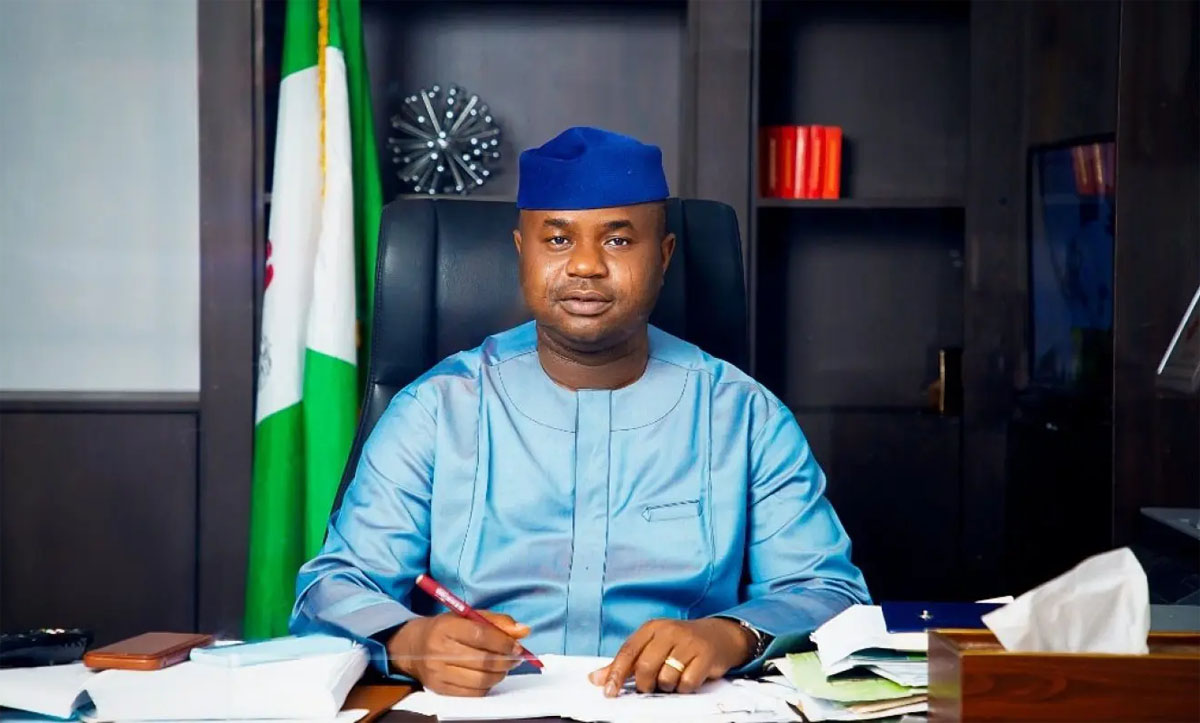
The Executive Chairman of the Nigeria Revenue Service (NRS), Zacch Adedeji, has come under intense scrutiny following allegations that $279 million was secretly transferred from Nigeria’s Frontier Exploration Fund account without the approval of designated signatories. Stakeholders are demanding a comprehensive forensic investigation, answers on the destination of the funds, the legal authority for the transaction, and the identity of the beneficiaries, as the controversy threatens to escalate into a major governance crisis.
Fresh controversy has enveloped the management of Nigeria’s Frontier Exploration Fund following allegations that $279 million was secretly transferred from the fund’s account without the approval of designated signatories, prompting calls for a comprehensive forensic investigation into the transaction. The allegations have placed the Executive Chairman of the Nigeria Revenue Service, Zacch Adedeji, under scrutiny, with stakeholders demanding explanations over the circumstances surrounding the movement of the funds and whether due process was observed. The timing of the allegations is particularly significant, coming just weeks after President Bola Tinubu signed Executive Order 9, which redirected revenues previously earmarked for the Frontier Exploration Fund into the Federation Account pending broader fiscal reforms, creating a complex legal and political backdrop to the controversy.
According to the allegations, the transfer was executed without the authorisation or signatures of the officials designated to approve transactions from the Frontier Exploration Fund account, raising fundamental questions about internal controls and financial oversight within the agency responsible for administering the fund. It was further alleged that no official explanation has been provided regarding the destination of the funds, the legal authority for the transfer, or the beneficiaries of the transaction, leaving stakeholders and oversight bodies in the dark about what may have happened to the substantial sum. The lack of transparency surrounding the transaction has only intensified calls for immediate investigation and accountability.
The claims have triggered concerns among stakeholders in the oil and gas industry, who argued that if established, such a transaction would raise serious questions about financial governance, transparency, and compliance with the Petroleum Industry Act (PIA) 2021, which created the fund and stipulates how it should be managed. Consequently, they are calling on anti-corruption agencies, the National Assembly, and other oversight institutions to undertake an independent forensic audit of the account to determine whether the transaction complied with existing laws and financial regulations. The stakeholders also want investigators to establish who authorised the transfer, where the money was moved to, whether the funds were subsequently utilised for purposes permitted under the law, and whether any public official violated financial management procedures, leaving no stone unturned in the search for the truth.
READ ALSO:
- EFCC Acted Lawfully in Freezing Osun Account – Falana
- Osun election: Police pledge neutrality, warn against vote buying, violence
- VIDEO: Lagos Bridge Vandalism: 27 Arrested as Scavengers Strip Pillars of Iron Bars
The controversy surrounding Adedeji comes amid a parallel legislative confrontation between the House of Representatives Committee on Federal Character and the NRS boss, adding another layer of pressure on the embattled revenue service chairman. The committee has accused Adedeji of repeatedly failing to honour legislative invitations, ordering the immediate suspension of all NRS recruitment exercises nationwide. Lawmakers have threatened to invoke Sections 88 and 89 of the Constitution to compel his appearance, with the committee chair, Hon. Ahmed Idris Wase, declaring: “No agency, commission, or public official is above the Constitution or beyond the reach of parliamentary oversight.” The committee noted that Adedeji had ignored at least seven previous official invitations dating back to October 2023, suggesting a pattern of disregard for legislative oversight that has now come to a head alongside the more serious allegations of financial impropriety.
The Frontier Exploration Fund is one of the major innovations introduced under Section 9 of the Petroleum Industry Act (PIA), 2021, representing a significant departure from previous approaches to petroleum sector governance in Nigeria. The fund was created to finance petroleum exploration in frontier basins where commercially viable hydrocarbon deposits have not yet been fully established, with the objective of expanding Nigeria’s proven oil and gas reserves by supporting geological mapping, seismic surveys, exploratory drilling, appraisal wells, basin studies, and other exploration activities considered necessary to unlock hydrocarbon resources in underexplored areas. Nigeria’s designated frontier basins include the Chad Basin, Sokoto Basin, Bida Basin, Benue Trough, Anambra Basin, and Dahomey Basin, with the Nigerian Upstream Petroleum Regulatory Commission (NUPRC) also holding the statutory authority to designate additional frontier basins where exploration activities may be undertaken.
To ensure sustainable funding for the programme, the PIA provides that 30 per cent of NNPC Limited’s profit oil and profit gas generated from Production Sharing Contracts (PSCs), Profit Sharing Contracts, and Risk Service Contracts shall be paid into the Frontier Exploration Fund, representing a significant commitment of public resources to high-risk exploration activities. The law requires NNPC Limited to remit the money into a dedicated Frontier Exploration Fund Escrow Account within 21 days after the end of every quarter, with administration of the fund resting with the NUPRC, which is responsible for establishing and managing the escrow account, approving exploration programmes, monitoring utilisation of the funds, and ensuring that the resources are deployed strictly for frontier exploration activities in accordance with the provisions of the PIA.
READ ALSO:
- Ronaldo predicts Cristiano Jr. will be ‘bigger than me’, reveals biggest challenge
- ISWAP Overruns Rival JAS Enclave In Borno Following ₦40m Cash Theft
- Lagos Needs 80,000 More Health Workers to Avert Crisis – Sanwo-Olu Raises Alarm
Since its creation, however, the Frontier Exploration Fund has remained one of the most debated aspects of the Petroleum Industry Act, with passionate arguments advanced on both sides of the policy divide. Supporters argue that Nigeria must continue exploring new basins to replace depleting reserves in the Niger Delta and maintain its long-term position as a leading oil and gas producer, contending that without sustained investment in frontier exploration, the country’s reserve replacement ratio could decline, threatening future production and government revenues. Critics, on the other hand, have questioned the decision to allocate as much as 30 per cent of NNPC Limited’s profit oil and profit gas to high-risk exploration projects, arguing that the money could be better utilised for infrastructure development, healthcare, education, or distributed through the Federation Account for the benefit of all tiers of government. Oil-producing states have also consistently argued that the funding arrangement reduces revenues available for statutory allocation, while some industry experts have questioned whether frontier exploration should continue to receive significant public funding at a time when the global energy transition is accelerating investment away from fossil fuels.
The debate intensified in 2026 after President Bola Tinubu signed Executive Order 9, directing that revenues previously earmarked for the Frontier Exploration Fund should instead be paid into the Federation Account pending broader fiscal reforms, a move that fundamentally altered the funding landscape for frontier exploration. The South-South Governors Forum welcomed the decision, describing it as a critical shift towards restoration of constitutional integrity in Nigeria’s petroleum sector that would eliminate “opaque deductions” and effectively strip NNPC Limited of the “nebulous 30 per cent Frontier Exploration Fund,” which often led to large idle cash balances. However, the directive immediately generated legal and policy debates over whether an executive order could validly suspend or alter a funding mechanism expressly established by an Act of the National Assembly without legislative amendment. The African Energy Council warned that courts may declare the executive order “ultra vires,” noting that the PIA “is a law passed by the National Assembly. An Executive Order is a subsidiary instrument; it implements law; it does not amend it.”
It is against this backdrop that the latest allegations concerning the alleged $279 million transfer have attracted widespread attention, adding fresh fuel to an already heated debate about the management of Nigeria’s petroleum revenues. Stakeholders insist that irrespective of the ongoing policy debate surrounding the future of the Frontier Exploration Fund, every transaction involving the account must comply with the provisions of the law, established financial control procedures, and internationally accepted standards of public financial management. They argue that any movement of public funds without appropriate authorisation, if proven, would undermine public confidence in the management of petroleum revenues and weaken transparency in one of the country’s most strategic sectors. Accordingly, they are urging relevant oversight institutions to conduct a detailed forensic examination of the transaction, publish their findings, and hold accountable any individual or institution found to have breached the law.
They also called on the Federal Government to provide a comprehensive explanation regarding the allegations in order to reassure Nigerians and investors that the management of petroleum revenues remains transparent and subject to strict accountability mechanisms, particularly given the country’s ongoing efforts to attract foreign investment in its oil and gas sector. As of the time of publication, the allegations regarding the $279 million transfer have not been independently established, and any response from the relevant authorities would be important in determining the facts surrounding the transaction. The coming weeks are likely to be crucial in determining whether the allegations are substantiated and what consequences may follow for those involved, with oversight bodies, anti-corruption agencies, and the public all watching closely for developments.
NRS Boss Under Fire Over Alleged Secret Transfer of $279m Oil Fund

metro
Rent Crisis Deepens as Tenants Struggle With Soaring Housing Costs in Calabar, Lagos, Abuja
Rent Crisis Deepens as Tenants Struggle With Soaring Housing Costs in Calabar, Lagos, Abuja
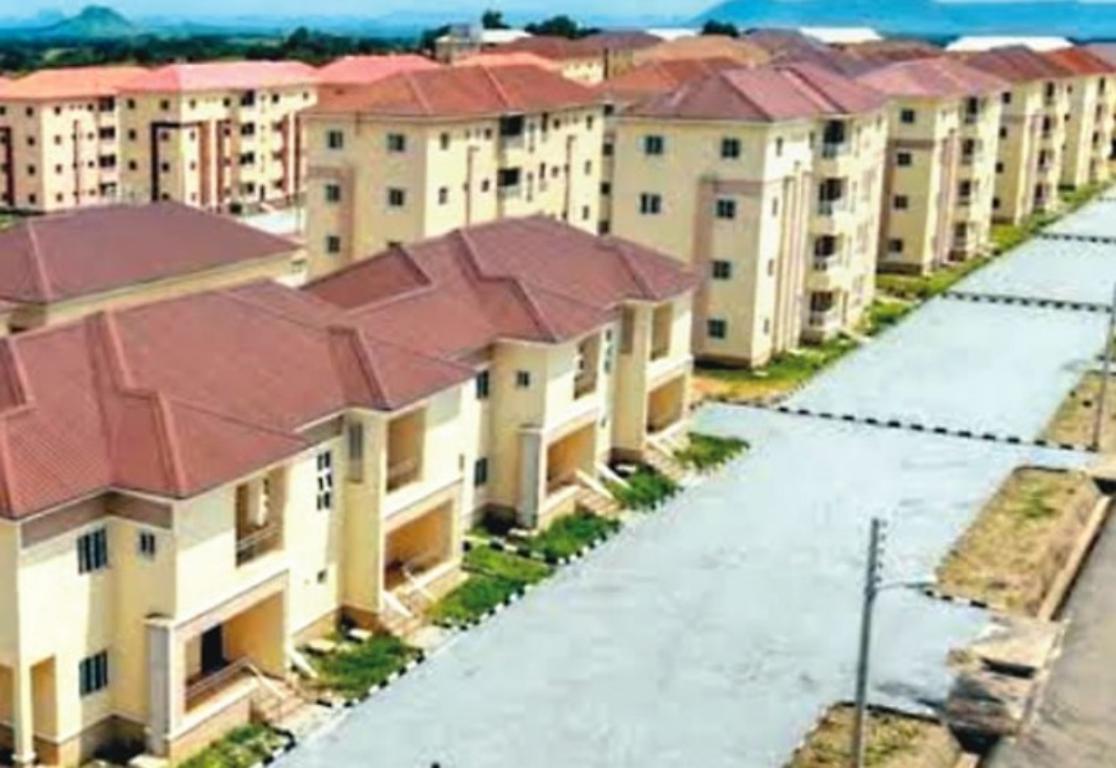
The rising cost of accommodation is placing growing pressure on households across Nigeria, with tenants in Calabar, Lagos and Abuja struggling to cope with sharp increases in house rents, agency charges and other costs associated with securing accommodation.
The situation has become particularly difficult for low- and middle-income earners, students, young workers and families whose incomes have failed to keep pace with the rapid increase in housing costs.
In Calabar, the problem has become especially pronounced in recent years, with residents reporting that rents for ordinary accommodation have increased several times over.
A one-bedroom apartment that could previously be rented for about ₦100,000 a year is now being offered for around ₦1.2 million in some parts of the city, while a self-contained apartment that once cost about ₦50,000 can now attract rents of approximately ₦700,000.
Two-bedroom apartments that were previously available for about ₦150,000 have also risen to around ₦2 million in some locations.
The increases have made it increasingly difficult for ordinary residents to remain in the city, particularly as the rent increases have not always been matched by improvements in the quality or condition of available properties.
Some tenants have complained that buildings in parts of central Calabar remain poorly maintained despite the substantial increases in rent. Properties in areas including Marian, Henshaw Town, Akim, Yellow Duke, Atakpa, Goldie, Afokang and parts of Calabar South have been cited among locations where accommodation costs have risen sharply.
In some cases, tenants say they are paying significantly more for old buildings with leaking roofs, cracked walls, poor ventilation and inadequate maintenance.
The pressure is particularly severe among students because of the concentration of tertiary institutions in the city.
With institutions such as the University of Calabar, University of Cross River State, the School of Nursing and the School of Health Technology attracting students, demand for accommodation continues to rise.
Some students have resorted to sharing rooms with several other people to reduce costs. Others have moved farther away from their institutions, while some families have reportedly sent unemployed graduates back to their communities because they can no longer afford accommodation in the city.
The rent itself is also only part of the financial burden.
Prospective tenants may have to pay agency fees, agreement fees, inspection charges and caution fees, significantly increasing the amount required before they can move into a property.
READ ALSO:
- UK Student Visa: 63 Countries Exempt From Proof of Funds, Nigeria Excluded
- Lagos Intensifies Surveillance as Adulterated Palm Oil Raises Food Safety Concerns
- Saudi Arabia Rejects Nigeria’s Request for More 2027 Hajj Slots
The situation has triggered calls for stronger regulation of the activities of estate agents and greater protection for tenants.
The Cross River State House of Assembly has already considered measures aimed at addressing the rent crisis in Calabar, including moves to restrict the activities of property agents and strengthen oversight of rent increases.
However, the continuing complaints from tenants suggest that regulation alone may not immediately resolve the problem.
Landlords and property owners, on the other hand, have pointed to the dramatic increase in the cost of construction and property maintenance.
The price of cement, steel, roofing materials, labour, transportation and other building inputs has risen significantly over the years, increasing the cost of constructing and maintaining residential properties.
For landlords, those costs are increasingly being reflected in rents.
The same pressure is evident in Lagos, where accommodation remains one of the biggest expenses confronting residents.
As Nigeria’s commercial capital continues to attract workers, businesses, students and migrants from different parts of the country, demand for housing remains high.
Rents vary significantly across Lagos, but tenants in several areas have reported substantial increases, particularly in neighbourhoods close to major commercial centres, transport routes and employment opportunities.
For many residents, the challenge is not simply finding an apartment but raising the large amount of money required to secure one.
Annual rent payments, combined with agency and legal fees, can require tenants to spend several months’ income at once.
Some households have responded by moving from more expensive parts of Lagos to areas on the outskirts of the metropolis.
But moving farther away from the city centre often creates another financial burden.
Lower rent can mean longer commuting distances and higher daily transportation costs, especially for workers who travel into commercial and business districts every day.
Consequently, some tenants face a difficult choice between paying higher rent closer to work or accepting cheaper accommodation farther away and spending more money and time commuting.
READ ALSO:
- MURIC Warns FG: Any Move Against Atiku Now Lacks Tact
- Jetour T1 Storms Abuja as Automaker Accelerates Nigeria Expansion
- Kidnapped Female Police Officer Found Dead in Ebonyi as Suspect Leads Police to Remains
The situation is similarly challenging in Abuja, where rapid urban expansion and sustained demand for housing have pushed accommodation costs higher in many districts.
The Federal Capital Territory has experienced significant population growth, while the concentration of government institutions, businesses and other economic activities continues to attract workers and residents.
As demand rises, many tenants have been forced to look beyond established districts for relatively affordable accommodation.
Neighbouring suburbs may offer lower rents, but the savings can be eroded by higher transportation costs, longer journeys and additional expenses associated with daily commuting.
For some residents, particularly workers on fixed salaries, the combined burden of rent, transportation, food, electricity and other household expenses has made urban living increasingly difficult.
The housing problem is therefore becoming closely linked to Nigeria’s broader cost-of-living crisis.
As prices of food, energy, transportation and other essentials rise, households have less disposable income available for rent.
At the same time, landlords face higher costs of maintaining properties and replacing damaged facilities.
The result is an increasingly difficult relationship between tenants seeking affordable accommodation and landlords attempting to recover rising property and maintenance expenses.
Another major concern is the role of property agents.
Tenants in different cities have complained about agents allegedly increasing asking prices, adding multiple charges and sometimes creating competition among prospective tenants willing to pay more.
Because agency fees are frequently calculated as a percentage of rent, a higher rent can also translate into higher earnings for agents.
This has fuelled calls for stronger regulation of the real estate and rental market, including clearer rules on agency charges, transparent rental agreements and penalties for unlawful or unjustified fees.
Housing advocates have also stressed the need to address the supply side of the problem.
Without a significant increase in the availability of affordable housing, efforts to control rent increases may have limited impact in cities where demand continues to outstrip supply.
The situation in Calabar illustrates this challenge clearly. The city’s relatively limited space for expansion, combined with increasing demand from students, workers and businesses, has put pressure on its existing housing stock.
Lagos faces an even larger challenge because of its population density and high demand for accommodation near economic centres.
Abuja, meanwhile, continues to expand into surrounding communities as residents search for alternatives to expensive accommodation within the city.
The movement towards outer suburbs has created a wider urban housing problem, as increased demand eventually pushes rents higher in areas that were previously regarded as affordable.
For tenants, the consequences go beyond the inconvenience of paying more.
High rents can force families to reduce spending on food, healthcare and education. Students may be pushed into overcrowded accommodation, while workers may relocate farther from their jobs and spend more time and money commuting.
Some households may also be compelled to share accommodation with relatives or friends, while others return to their hometowns when they can no longer sustain urban living costs.
The pressure has renewed calls for governments at both federal and state levels to expand affordable housing programmes, improve urban planning and enforce existing tenancy regulations.
There are also calls for policies that would encourage private developers to build more low- and middle-income housing rather than focusing predominantly on high-end properties.
For tenants, the immediate concern remains finding accommodation that matches their incomes.
As house rents continue to rise across Nigeria, the experiences of residents in Calabar, Lagos and Abuja show how housing is becoming an increasingly significant component of the country’s cost-of-living challenge.
Unless housing supply expands significantly and the cost of construction, transportation and other essential services becomes more manageable, many households may continue to devote an increasing share of their income to keeping a roof over their heads.
Rent Crisis Deepens as Tenants Struggle With Soaring Housing Costs in Calabar, Lagos, Abuja
metro
Plateau Imposes 6pm–6am Curfew on Three LGAs After Fresh Attacks
Plateau Imposes 6pm–6am Curfew on Three LGAs After Fresh Attacks
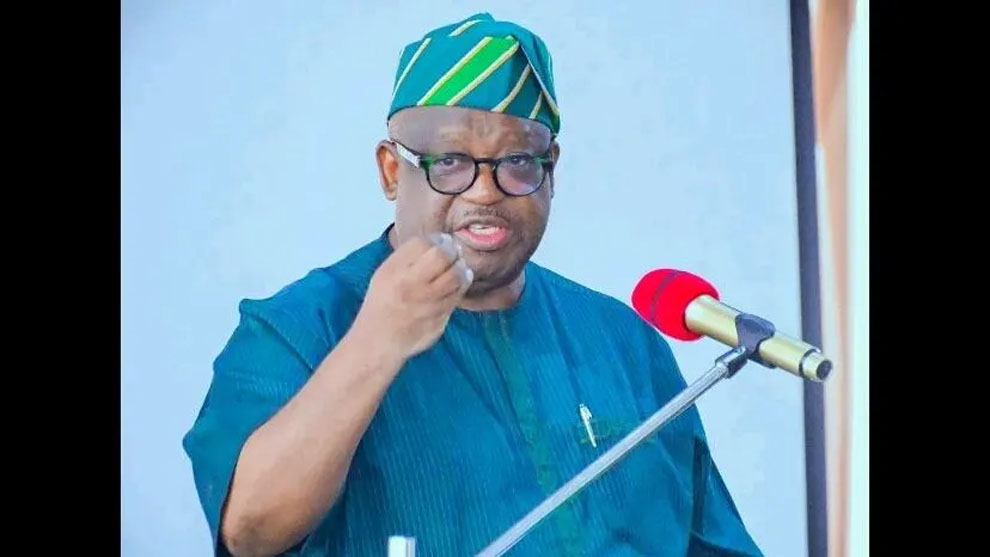
The Plateau State Government has imposed an immediate dusk-to-dawn curfew on Barkin Ladi, Bokkos and Mangu Local Government Areas following renewed attacks and growing security concerns in parts of the state.
The restriction, which took effect on Monday, September 21, 2026, limits movement in the three local government areas to between 6pm and 6am daily until further notice.
The state Commissioner for Information and Communication, Joyce Lohya Ramnap, announced the directive, saying the measure was intended to maintain public order, protect lives and support security operations in the affected communities.
The government also ordered an immediate ban on motorcycles in the affected areas and directed security personnel to enforce both restrictions.
Residents have been advised to plan their commercial, agricultural and personal activities around the restricted hours and avoid unnecessary movement at night.
The curfew followed a series of deadly attacks in Plateau State, with several communities reporting killings within days of one another.
One of the recent attacks occurred at Gana-Ropp in Barkin Ladi, where five people were reportedly killed on Saturday night.
Two other people, including a pastor, were reportedly killed at Dorowa Babuje while travelling to church on Sunday.
Separate killings were also reported at Baten Wereng in Riyom Local Government Area and Ratyidi in Fan District, according to community reports.
The latest violence came shortly after another deadly incident at Dungus Junction in Kuru District, Jos South Local Government Area, where gunmen attacked a commercial vehicle travelling towards Jos.
READ ALSO:
- MURIC Warns FG: Any Move Against Atiku Now Lacks Tact
- Jetour T1 Storms Abuja as Automaker Accelerates Nigeria Expansion
- Kidnapped Female Police Officer Found Dead in Ebonyi as Suspect Leads Police to Remains
At least nine people were killed in that attack. The vehicle’s conductor, identified as Nasiru Garba, was reportedly the only survivor and said the driver had stopped to allow passengers to alight before the attackers opened fire.
The incident occurred at about 9:30pm, according to accounts from the survivor and community sources.
Separate attacks were also reported in Mangu Local Government Area, including an assault on Vodni community in Pushit District in which two people were reportedly killed and four others injured.
In Riyom Local Government Area, two people were also reportedly killed in an attack around Tahoos.
Earlier reports put the combined death toll from attacks in Jos South, Mangu and Riyom at 13 people, although subsequent incidents have added to the reported casualties across the state.
The recurring violence has heightened concerns over the safety of residents, commuters, farmers and other people living or working in affected communities.
The Plateau Government has urged residents to cooperate with security agencies, avoid reprisals and provide credible information that could assist investigations and efforts to prevent further attacks.
The latest curfew comes against the background of several attacks recorded across Plateau in September.
The government had earlier condemned attacks in Mangu and Kuru, while security agencies have continued operations aimed at containing criminal activity and restoring stability in affected communities.
The security situation has also attracted the attention of the Nigerian military.
Following the deadly Dungus bus attack, the Chief of Army Staff, Lieutenant General Waidi Shaibu, visited Plateau and reviewed security operations with commanders.
He directed troops to sustain pressure on criminal elements and strengthen efforts to restore security in affected areas.
The latest government directive means residents of Barkin Ladi, Bokkos and Mangu must remain indoors between 6pm and 6am, except where movement is authorised under the applicable security arrangements.
The motorcycle ban also remains in force across the three local government areas.
The government said the measures would remain in place until further notice, pending an improvement in the security situation.
The renewed violence has again raised concerns over Plateau State insecurity, particularly the safety of communities and road users in the state’s North-Central corridor.
Plateau Imposes 6pm–6am Curfew on Three LGAs After Fresh Attacks
metro
Saudi Arabia Rejects Nigeria’s Request for More 2027 Hajj Slots
Saudi Arabia Rejects Nigeria’s Request for More 2027 Hajj Slots
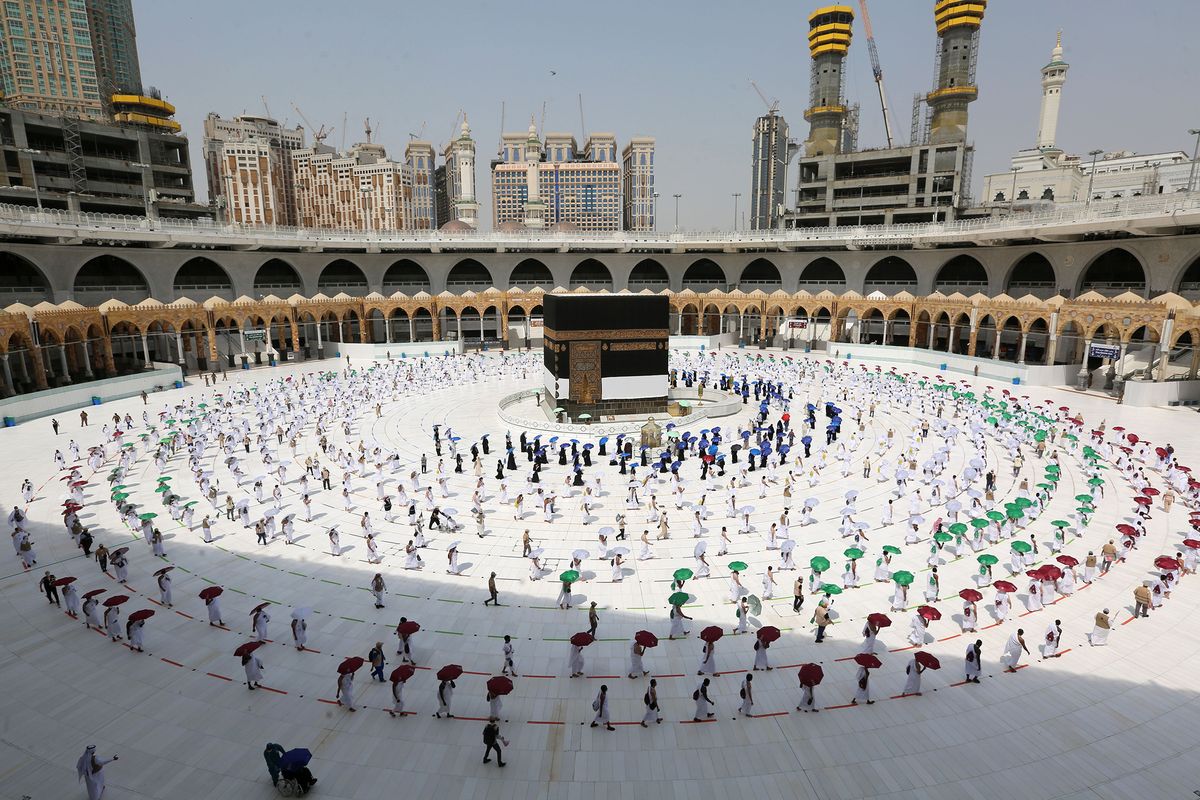
Saudi Arabia has rejected Nigeria’s request for an increase in its 2027 Hajj quota, leaving the country with an approved allocation of 50,000 pilgrims for next year’s pilgrimage.
The National Hajj Commission of Nigeria (NAHCON) disclosed the development after formally engaging the Saudi Ministry of Hajj and Umrah to seek additional slots in response to growing demand among intending Nigerian pilgrims and appeals from several state pilgrims’ welfare boards.
The Saudi authorities declined the request, citing capacity limitations, structural constraints at the holy sites and the Kingdom’s policy of maintaining approved country quotas under its existing operational framework.
The decision means Nigeria’s 2027 Hajj allocation will remain at 50,000 places, comprising 35,000 slots for government pilgrims and 15,000 slots for licensed private Hajj tour operators.
NAHCON Chairman and Chief Executive Officer, Ambassador Ismail Abba Yusuf, said the commission understood the disappointment the decision could cause intending pilgrims and state pilgrims’ welfare boards that had expected an increase.
Yusuf said the commission had explored available diplomatic and operational channels in an effort to secure an upward review but would respect the decision of the Saudi authorities.
He urged state pilgrims’ welfare boards, relevant agencies and licensed tour operators to make transparent and judicious use of their approved allocations while complying with the timelines established by NAHCON and the Saudi authorities.
A major deadline now facing stakeholders is September 26, 2026, when the uploading of prospective pilgrims’ details on the designated Saudi Nusuk-Masar platform is scheduled to close.
NAHCON has warned that the deadline will not be extended and has urged state boards, tour operators and other representatives to ensure that all required pilgrim information is submitted before the cut-off date.
The commission has also advised Nigerians who are unable to secure a place under the 2027 Hajj quota to consider registering for the 2028 pilgrimage, noting that registration for the subsequent Hajj season has already opened.
READ ALSO:
- MURIC Warns FG: Any Move Against Atiku Now Lacks Tact
- Jetour T1 Storms Abuja as Automaker Accelerates Nigeria Expansion
- Kidnapped Female Police Officer Found Dead in Ebonyi as Suspect Leads Police to Remains
The quota decision comes as preparations for the 2027 pilgrimage continue under tighter registration and payment timelines.
NAHCON had earlier approved 2027 Hajj fares ranging from ₦7,560,822 to ₦7,882,822, depending on the pilgrims’ departure zone.
The Maiduguri/Yola zone has the lowest fare of ₦7,560,822, while the Northern Zone fare is ₦7,672,822 and the Southern Zone has the highest fare at ₦7,882,822.
The commission said the fares were determined after consideration of prevailing exchange rates and service costs.
Intending pilgrims who had previously paid ₦5 million are required to settle the outstanding balance applicable to their departure zones to complete their registration.
States are also expected to complete the remittance of the 2027 Hajj fares by December 2, 2026.
NAHCON has separately clarified the distribution of the 50,000 approved slots following reports alleging that 5,000 Hajj slots had been diverted.
The commission rejected the allegation and said the approved allocation consists of 35,000 slots for the states and Federal Capital Territory and 15,000 for duly licensed private Hajj operators operating under seven approved lead companies.
NAHCON urged private operators with concerns about the allocation process to use established regulatory and dispute-resolution channels rather than relying on allegations about the distribution.
The commission’s clarification comes as licensed operators are required to meet Saudi registration requirements and comply with the prescribed digital-upload timelines.
Meanwhile, NAHCON has warned intending pilgrims and tour operators against individuals demanding money in exchange for supposedly guaranteed or “special” Hajj slots.
The commission said no individual, agent, tour operator or other person was authorised to demand a facilitation fee or additional payment to secure a special 2027 Hajj allocation.
It advised members of the public to make payments only through officially designated channels and to report suspicious demands to law enforcement agencies.
The warning is particularly relevant given the limited number of available places and the demand for the pilgrimage.
NAHCON said failure to meet the published deadlines for pilgrim data uploads and payment could result in the forfeiture of allocated Hajj slots, regardless of assurances from unauthorised individuals.
The commission has also indicated that further information on the operational guidelines and implementation of the new business-to-business framework for the 2027 Hajj will be communicated through its official channels.
For Nigerian pilgrims and Hajj administrators, the immediate task is therefore to work within the fixed 50,000-slot allocation, complete the required registration processes and meet the Saudi and NAHCON deadlines.
The September 26 deadline applies to the uploading of prospective pilgrims’ data, while December 2 is the deadline set for states to complete remittance of the required 2027 Hajj fares.
With Saudi Arabia declining Nigeria’s request for additional places, the country will proceed with the 2027 Hajj under the existing 50,000-pilgrim quota.
Saudi Arabia Rejects Nigeria’s Request for More 2027 Hajj Slots
-

 metro3 days ago
Oyo Police: Student Who Died by Suicide Was Charged With Assault, Not ₦8,000 Debt
-
 International1 day ago
18 Suspects Transferred to US Over 2021 Killing of Haitian President Moïse
-

 metro2 days ago
Irreconcilable Developments: Wedding Cancelled 24 Hours Before Ceremony
-

 Auto2 days ago
Abuja Demand Rises as Jetour Brings X70 Plus Experience to FCT
-

 Sports2 days ago
Enough Is Enough: Muslim Supporters Demand Change of New Man United Owners
-
 Politics2 days ago
2027: NDC Predicts Wider Obi Victory Over Tinubu in Lagos
-

 metro1 day ago
My Heart Has Always Been Home With You — Tinubu’s Powerful Message to Oluremi at 66
-

 Sports1 day ago
Messi Fires Stunning 75th Career Free-Kick to Reach 930 Goals in Inter Miami Draw