
Africa
ECOWAS small business group proposes railway corridor for member states
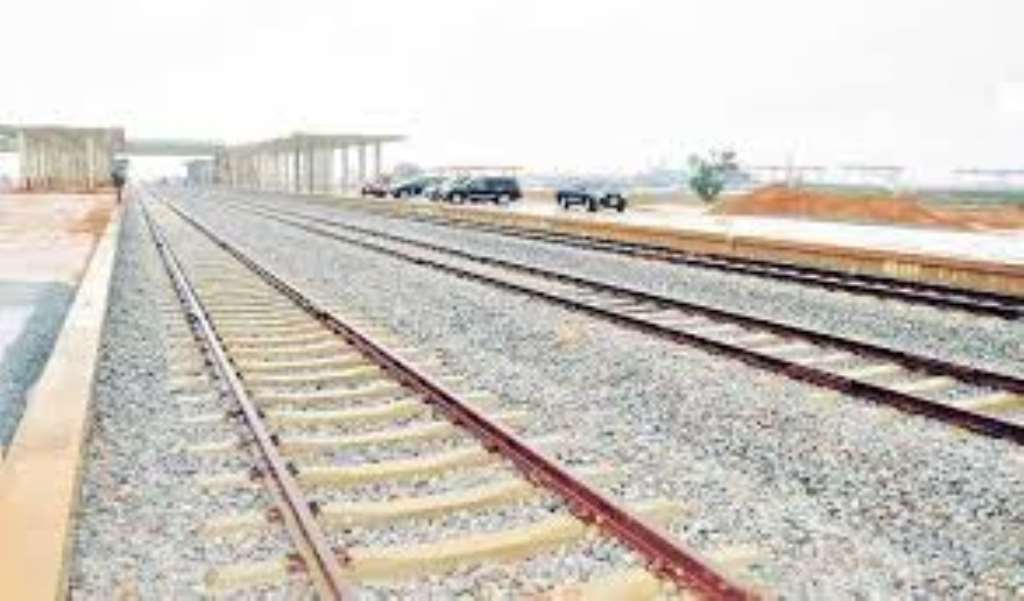
ECOWAS small business group proposes railway corridor for member states
Micro, Small, and Medium Enterprises (MSMEs) in the ECOWAS region, under the ECOWAS Small Business Coalition (ESBC), have called for the establishment of a railway corridor linking all member countries, alongside the existing road network.
The proposal was made at the end of their inaugural exhibition and workshop, which took place from November 21 to November 23 in Abidjan, Ivory Coast.
According to the News Agency of Nigeria (NAN), the event, organized by the ESBC in partnership with the ECOWAS Commission and Ivory Coast’s Ministry of Commerce and Industry, brought together small business operators from across the region.
The coalition highlighted the challenges faced by SMEs in transporting goods and services within the ECOWAS subregion.
They emphasized the need for better communication and a clearer understanding of cross-border trade obligations, as well as improvements in the movement of goods and people.
While ECOWAS has confirmed the free movement of goods and people under existing protocols, it clarified that such movements still require compliance with formalities and customs duties.
Addressing transportation and trade barriers
NAN reports that during the workshop, members of the ESBC presented a range of proposals to address transportation challenges.
READ ALSO:
- Nigeria, Brazil sign MoU to boost agribusiness in 774 LGAs
- SERAP demands probe of missing N57bn in Humanitarian Affairs Ministry
- New presidential aide Bwala alleges media conspiracy against him
They called for an end to cross-border harassment and corruption, which they attributed to the imposition of unnecessary taxes.
They also suggested that local Small Business Coalitions (SBCs) should be empowered to issue certificates of origin to entrepreneurs to streamline trade processes.
Additionally, the coalition proposed the establishment of online training platforms for SBCs to enhance their capacity to support SMEs.
Proposals for improving access to information and financing
- The coalition also noted the importance of access to information for the success of SMEs and urged them to take advantage of policies such as the African Continental Free Trade Area (AfCFTA) and ECOWAS frameworks.
- They called for greater awareness of these initiatives to help SMEs navigate trade barriers.
- Furthermore, reports inform that the coalition underscored the need for the harmonization of fiscal policies across the ECOWAS region and advised SMEs to choose suitable business models and consult advisory firms for better guidance.
Innovation and sustainable development for SMEs
- The coalition also discussed the need for greater innovation and sustainability in the region’s SMEs to enhance their competitiveness.
- They proposed training programs focused on certification, efficient technology transfer, and increased research to help businesses expand across borders.
- Despite the availability of financing mechanisms for SMEs, the coalition pointed out that many small businesses struggle to access these funds due to inadequate resources and poor absorption capacity.
- In response, they suggested focusing on promoting new business models suited to African realities and learning from the BRICS nations’ approach to economic development.
Future initiatives for strengthening SMEs
- ESBC proposed several initiatives to further support SMEs in the region.
- These included the creation of an ESBC television network to raise awareness, the establishment of a dedicated bank for SME financing, and the development of strategies to encourage a common currency within ECOWAS.
- They also called for the removal of customs and monetary barriers and the establishment of international shipping lines to improve logistics. To address the needs of landlocked countries, the coalition proposed facilitating better access to ports for these nations.
- The ESBC concluded that substantial work remains to be done to enhance the competitiveness and growth of SMEs in the ECOWAS region, particularly in the areas of innovation, financing, and cross-border trade facilitation.
ECOWAS small business group proposes railway corridor for member states






Africa
Ghana Moves to Extradite Russian Man Over Secret Sex Video Scandal

Ghana Moves to Extradite Russian Man Over Secret Sex Video Scandal
The Government of Ghana has announced plans to seek the extradition of a Russian man accused of secretly recording sexual encounters with several women and sharing the footage online without consent, describing the alleged acts as serious violations of cybersecurity, privacy, and women’s rights.
African and Russian media identified the suspect as a self-styled “pick-up artist” and online blogger in his 30s who travelled to Ghana and allegedly filmed intimate encounters without the knowledge of the women involved. Some reports claim he used sunglasses fitted with a hidden camera to record the encounters and later circulated the videos on social media platforms. Ghanaian authorities, however, said investigations are ongoing and have not officially confirmed the recording method.
Speaking to journalists, Ghana’s Minister for Communication, Digital Technology and Innovation, Sam George, said he had invited the Russian ambassador in Accra for discussions, stressing that the alleged actions violate Ghana’s cyber-security laws and would not be taken lightly.
He said preliminary findings by the Ministry of Gender, Children and Social Protection suggest the suspect has likely left Ghana, but emphasised that his departure does not reduce the seriousness of the alleged conduct or the government’s obligation to ensure accountability.
READ ALSO:
- Residents Flee as Gunmen Launch Fresh Attack on Kwara Community
- DSS Probes El-Rufai’s Claim of Toxic Chemical Import by Ribadu
- Senate Explains Why Real-Time E-Transmission Cannot Be Mandatory in 2027 Elections
According to the minister, Ghana will activate international cooperation mechanisms, including Interpol, to trace the suspect and seek the cooperation of Russia.
“We will activate every resource at our disposal, working with Interpol and Russian law enforcement. We want the gentleman brought back to Ghana to face the rigours of our law,” George said, adding that the government would still formally request extradition despite Russia’s long-standing policy of rarely extraditing its citizens.
He noted that Ghana may consider trying the suspect in absentia if he refuses to return to face prosecution.
Local media reports also indicate that the same individual may have been involved in similar illegal recordings in Kenya, raising concerns about multiple victims across different countries and the possibility of a broader pattern of abuse.
Under Ghana’s Cybersecurity Act, 2020, the non-consensual recording or distribution of intimate images or videos is a serious criminal offence, carrying penalties of up to 25 years in prison. Authorities say the law was enacted to address rising cases of online sexual abuse, revenge pornography, and digital exploitation, particularly targeting women and children.
Ghana has intensified enforcement of these laws in recent years. In 2022, a court sentenced Solomon Doga, a 22-year-old phone repairer, to 14 years in prison after he pleaded guilty to sharing nude images without consent in a sexual extortion case.
Officials say the current case underscores Ghana’s determination to protect digital privacy, public trust, and the dignity of women, as investigations into the Russian suspect continue.
Ghana Moves to Extradite Russian Man Over Secret Sex Video Scandal
Africa
Starvation Cult Preacher Faces Expanded Murder, Terrorism Charges in Kenya

Starvation Cult Preacher Faces Expanded Murder, Terrorism Charges in Kenya
A Kenyan court has expanded charges against self‑proclaimed preacher Paul Nthenge Mackenzie and seven associates over the deaths of 52 more victims linked to the notorious Good News International Church starvation cult. The new charges come as part of ongoing investigations into one of the deadliest cult-related tragedies in Kenya.
Mackenzie, already facing trial in Mombasa for multiple counts of murder, manslaughter, and terrorism, appeared in court Wednesday with the seven co-accused. Prosecutors allege that even after his initial arrest in 2023, Mackenzie continued to influence followers through radical teachings, encouraging them to travel to Kwa Binzaro, where victims died from prolonged starvation.
Authorities say the additional 52 deaths occurred between January and July 2025, in shallow graves near Kwa Binzaro in Kilifi County. Prosecutors describe the group as a structured criminal sect, using extremist ideology to coerce followers into life-threatening practices. The defendants face charges including organized criminal activity, radicalization, and facilitating terrorism.
READ ALSO:
- Lagos Allocates 180 Shops to Displaced Alabarago Market Traders
- Cubana Chief Priest Vows to Oppose Peter Obi in 2027 Presidential Race
- US Lawmakers Introduce Bill to Sanction Kwankwaso, Miyetti Allah
All eight accused pleaded not guilty, and the next hearing is scheduled for March 4, 2026. Legal experts note that the expanded charges reflect the complexity of prosecuting cult-related killings and the ongoing effort to hold both leaders and their network accountable under Kenya’s legal system.
The Shakahola Forest case first drew global attention in 2023, when investigators discovered hundreds of bodies in shallow graves, following claims that Mackenzie had persuaded followers and children to starve themselves to “meet Jesus.” Over 400 victims were recovered from Shakahola, making it one of the worst cult-linked tragedies in modern Kenyan history.
Authorities warn that the expanded prosecution aims to dismantle the deadly network and prevent future tragedies, while sparking national debate about the regulation of fringe religious groups and doomsday cults in Kenya.
Starvation Cult Preacher Faces Expanded Murder, Terrorism Charges in Kenya
Africa
Nigeria Reopens Kebbi Borders With Benin, Niger

Nigeria Reopens Kebbi Borders With Benin, Niger
The Nigeria Customs Service (NCS) Area Command in Kebbi State has officially reopened the Kamba and Tsamiya borders in Dandi and Bagudo local government areas, enabling trade with the Republic of Benin and the Niger Republic. The move comes after the borders were closed for several years due to growing insecurity in border areas, affecting the movement of goods and disrupting bilateral trade.
The reopenings follow a series of talks and agreements between Nigeria and Benin, with clearance approved at the highest level of government. The Customs Area Comptroller in Kebbi State, Mahmud Matawalle Ibrahim, said the borders were reopened on presidential approval to facilitate the movement of legitimate goods through the Tsamiya border into Niger via the Kamba border in Kebbi.
According to Matawalle, the reopening has already allowed many trapped trucks from Benin to be cleared at Tsamiya, continuing their journey to the Niger Republic’s Tunga Jado border through Kamba. He emphasized that the initiative will boost trade, strengthen border security, and enhance economic cooperation between Nigeria and its neighbouring countries.
Matawalle highlighted that the Customs Service, in collaboration with border security agencies, is committed to maintaining agreements, ensuring the smooth operation of commercial activities, and preventing illegal cross-border activities. He added that this reopening will revive trade corridors, support local economies in border communities, and facilitate lawful transit of goods across West Africa.
The Kamba and Tsamiya corridors are crucial links for Nigeria’s regional trade network, allowing agricultural produce, manufactured goods, and other commodities to move efficiently between Nigeria, Benin, and Niger. The reopening is also expected to strengthen regional integration, improve supply chains, and reduce bottlenecks caused by previous border closures.
READ ALSO:
- Fuel Self-Sufficiency: Dangote Refinery Counters Misinformation on Petrol Imports
- “Electoral Act Amendment: El-Rufai Calls Akpabio ‘Tinubu’s Lapdog’”
- Lookman Reflects on Bittersweet La Liga Debut as Atletico Madrid Fall at Home
Officials noted that while trade will resume, strict compliance and security measures remain in place to ensure that only legitimate activities are conducted. The reopening marks a key milestone in Nigeria’s border management strategy, balancing economic growth, trade facilitation, and national security priorities.
How Nigeria’s Kebbi Border Reopening Will Affect Trade and Local Markets
The reopening of the Kamba and Tsamiya borders in Kebbi State to Benin and Niger is set to have immediate and long-term effects on regional trade, logistics, and border communities:
-
Boost to Cross-Border Trade
Traders can now legally move agricultural produce, manufactured goods, and essential commodities from Nigeria to Benin and Niger. Trucks that were previously stranded at border posts are now being cleared, reducing delays and losses for businesses. -
Revival of Transit Corridors
The Tsamiya border (Bagudo) and Kamba border (Dandi) serve as key transit routes. Goods from Benin can now pass through Tsamiya and reach Niger at the Tunga Jado border, creating a smoother flow of trade across West Africa. -
Support for Local Economies
Border communities in Kebbi and neighbouring regions rely heavily on trade for income. Reopening the borders is expected to revive local markets, create jobs, and stimulate small-scale businesses that depend on cross-border commerce. -
Enhanced Security and Compliance
The Customs Service and security agencies are monitoring trade activities to ensure only legitimate goods move across borders. This aims to reduce smuggling, trafficking, and other illegal activities, while maintaining safe commercial operations. -
Reduced Logistic Bottlenecks
The reopening clears hundreds of trucks previously stuck at the borders, saving time and transport costs for traders and logistics companies. This also ensures a steady supply of goods for Nigerian and regional markets. -
Strengthened Regional Integration
By facilitating smoother trade with Benin and Niger, Nigeria contributes to ECOWAS objectives of free movement, economic cooperation, and regional market growth. The borders now function as cooperation corridors rather than restricted zones.
The Kebbi border reopenings are expected to revive trade, improve livelihoods, reduce delays, and strengthen regional economic ties, while keeping security a top priority.
Nigeria Reopens Kebbi Borders With Benin, Niger

-

 Education23 hours ago
Check Your Name: UNILORIN Releases Updated NELFUND Refund List for 2024/2025 Students
-

 News14 hours ago
Osogbo Sons and Daughters Mark 5th Anniversary with Awards, Political Undertones
-

 metro2 days ago
Woman Arrested Over Murder of Nigerian E-Hailing Driver in South Africa
-

 metro2 days ago
Boko Haram Terrorists Release Video of 176 Abducted Kwara Residents
-

 News1 day ago
Afenifere Calls for Immediate Take-Off of State Police as Terror Threats Rise in Yorubaland
-
 metro3 days ago
Court Orders DIA to Produce Cleric Accused of Coup Plot by February 18
-
 metro1 day ago
US Military Boosts Support for Nigeria’s Fight Against Insurgency With Ammunition, Troop
-

 metro1 day ago
Argungu Festival 2026 Highlights Peace, Stability, Economic Growth — Tinubu