
metro
EFCC Holds El-Rufai Overnight Over ₦423bn Kaduna Corruption Allegations
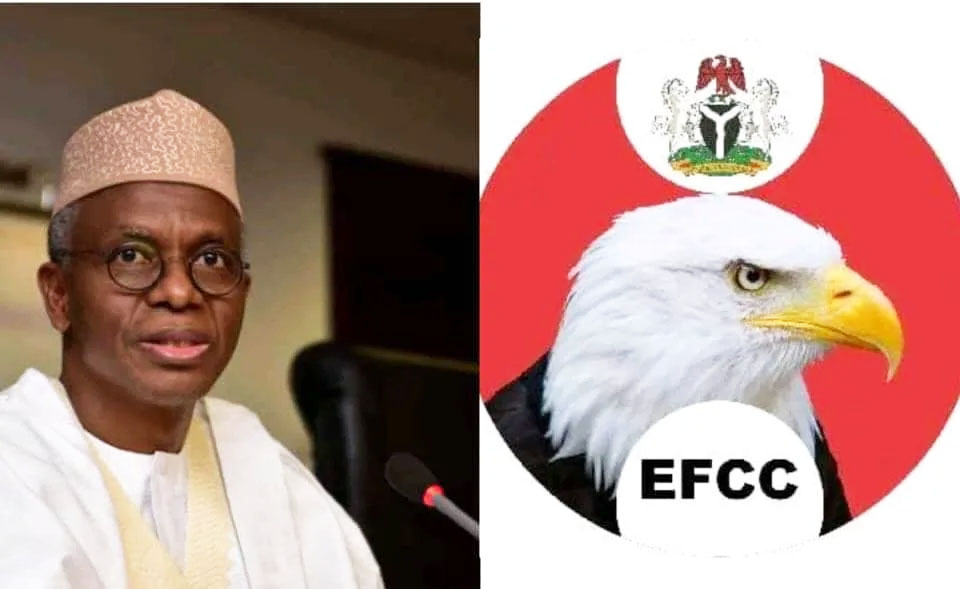
EFCC Holds El-Rufai Overnight Over ₦423bn Kaduna Corruption Allegations
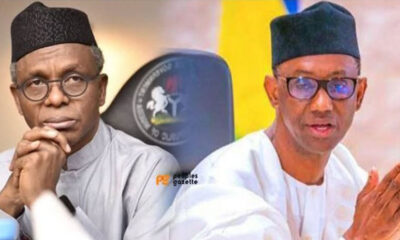
Former Kaduna State Governor, Nasir El-Rufai, spent Monday night in detention at the Economic and Financial Crimes Commission headquarters in Abuja after hours of interrogation over allegations linked to a multi-billion-naira corruption investigation involving his administration.
El-Rufai arrived at the EFCC headquarters around 10 a.m. on Monday after honouring an invitation and was questioned throughout the day over claims contained in a **2024 report of the Kaduna State House of Assembly. The report accused his government of financial mismanagement, abuse of office, irregular contract awards, and improper loan utilisation between 2015 and 2023. By late Monday night, sources confirmed that he remained in custody.
A senior EFCC official said investigators had been working on the case for nearly a year, explaining that invitations to high-profile suspects are usually issued only after preliminary findings reach an advanced stage. EFCC spokesman Dele Oyewale confirmed that El-Rufai honoured the invitation but declined to comment on the substance of the interrogation or disclose the next steps in the investigation.
READ ALSO:
- Troops Intercept ₦37m Terror Funds, Phones, ISWAP Logistics in Borno Operations
- X Restored After Global Outage Disrupts Millions Worldwide
- Police Arrest 13 as Armed Robbers Engage Officers in Fierce Gun Battle in Abuja
The EFCC probe is anchored on findings by an ad hoc committee of the Kaduna State House of Assembly mandated to review the state’s finances, loans, and contract executions during El-Rufai’s tenure. The committee alleged that several loans were not applied to their stated purposes, claiming that about ₦423 billion was misapplied or unaccounted for, leaving Kaduna State with heavy financial liabilities.
Lawmakers subsequently recommended the prosecution of El-Rufai and senior officials of his administration for alleged money laundering, contract irregularities, and reckless borrowing. The report also cited disputed payments exceeding ₦155 million, the alleged diversion of ₦1.37 billion meant for a light rail project, and the purported laundering of ₦64.8 million by senior aides.
El-Rufai has consistently denied wrongdoing, describing the legislative report as politically motivated and insisting that all loans were lawfully obtained and deployed to projects in infrastructure, education, healthcare, and security across Kaduna State.
In a parallel development, the Federal Government filed criminal charges against El-Rufai at the Federal High Court in Abuja, accusing him of unlawfully intercepting communications linked to the **National Security Adviser, Nuhu Ribadu.
The three-count charge, filed under the Cybercrimes (Prohibition, Prevention, etc.) Amendment Act and the Nigerian Communications Act, alleges that El-Rufai admitted during a **February 13 interview on Arise TV that he and associates listened to phone calls connected to the NSA. Prosecutors argue that the alleged actions amount to illegal interception and failure to report a cybercrime offence, which they say could pose national security risks. No arraignment date has been fixed.
Meanwhile, security sources disclosed that the Department of State Services has reopened investigations into the 2019 disappearance of Abubakar Idris, popularly known as Dadiyata, a lecturer and government critic who went missing in Kaduna.
According to the sources, El-Rufai’s international passport was seized at the Nnamdi Azikiwe International Airport, Abuja, as part of ongoing investigations. Officials said the probe may also extend to social media activities by individuals connected to the case.
El-Rufai has repeatedly denied any involvement in Dadiyata’s disappearance, maintaining that he neither knew the activist personally nor ordered or sanctioned any action against him, and has called for an independent investigation to establish the truth.
EFCC Holds El-Rufai Overnight Over ₦423bn Kaduna Corruption Allegations







metro
Deadlock at National Assembly as House Snubs Electoral Act Bill Meeting on E-Transmission Clause
Deadlock at National Assembly as House Snubs Electoral Act Bill Meeting on E-Transmission Clause
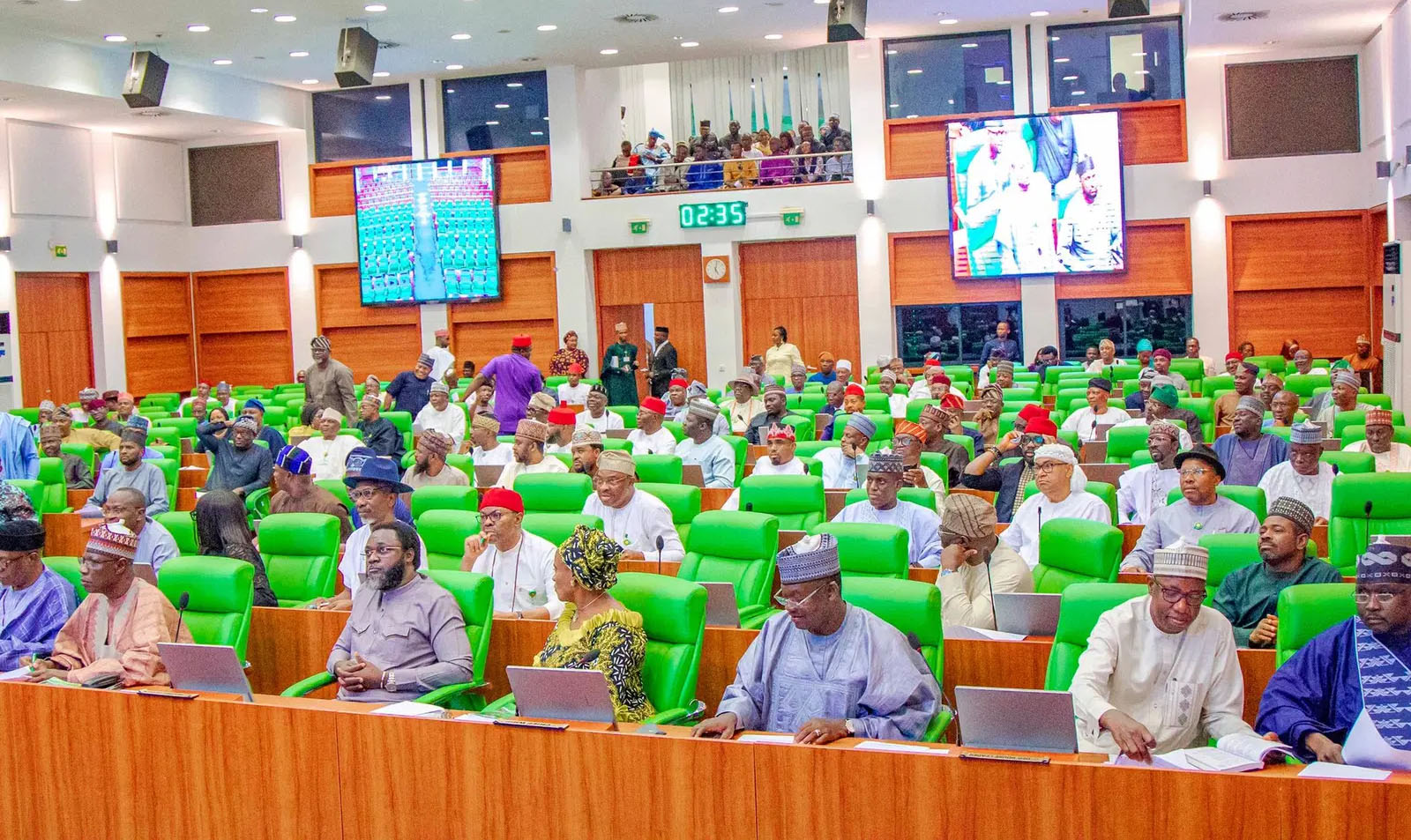
Tension escalated at the National Assembly on Monday after members of the House of Representatives failed to attend a joint conference committee meeting with the Senate aimed at harmonising the Electoral Act (Repeal and Re-enactment) Bill, 2026. The absence of House lawmakers stalled efforts to reconcile differences over Clause 60(3), which governs the electronic transmission of election results.
The session, initially scheduled for 11:00 a.m., did not proceed as senators waited in vain for their House counterparts. Later, senators reconvened at the office of Senator Simon Lalong, chairman of the Senate Committee on Electoral Matters, but the stalemate persisted. A second attempt in the afternoon also failed, with only a few lawmakers present, leaving the harmonisation process in limbo.
At the core of the dispute is the mandatory electronic transmission of results from polling units. The House version requires real-time uploading of results to INEC’s Result Viewing Portal (IREV), while the Senate adopted a more cautious approach, allowing electronic transmission but making the physical result sheet (Form EC8A) the primary document where network challenges occur. Senators cited concerns about uneven internet coverage and power supply gaps, stressing the need for a pragmatic approach nationwide.
The disagreement comes less than a year before the February 20, 2027 general elections, rekindling debates over electoral credibility. Memories of the 2023 presidential election, when delays in IREV uploads triggered widespread criticism, legal disputes, and political tension, remain fresh. Analysts warn that failure to harmonise the law could undermine public confidence in future elections.
READ ALSO:
- Maikori Accuses Ex‑Governor El‑Rufai of Persecution Over 2017 Tweet
- Shari’ah Council Defends Kwankwaso, Rejects US “Christian Genocide” Claims
- Hundreds of Millions in Goods Destroyed as Protests Against Northerners Erupt in Rivers
Telecom operators have insisted that infrastructure is sufficient to support electronic transmission. The Association of Licensed Telecom Operators of Nigeria (ALTON) highlighted that even basic 2G networks can reliably transmit results, while broadband penetration now exceeds 50 percent, with over 109 million active subscriptions nationwide. Experts say that transparency, system testing, and public trust will be crucial for the success of reforms ahead of 2027.
Civil society groups, including Situation Room Nigeria and Action Aid, have protested outside the National Assembly, urging lawmakers to adopt mandatory real-time electronic transmission to ensure transparency and minimise the risk of election manipulation. Youth and reform organisations also stress that allowing manual fallback options could reintroduce vulnerabilities that past reforms sought to eliminate.
The impasse highlights the importance of legal clarity and political will in safeguarding Nigeria’s electoral integrity. Observers note that beyond infrastructure, the cooperation of lawmakers, INEC, and security agencies will determine whether the next general election restores public trust or exacerbates existing doubts.
Deadlock at National Assembly as House Snubs Electoral Act Bill Meeting on E-Transmission Clause
metro
Maikori Accuses Ex‑Governor El‑Rufai of Persecution Over 2017 Tweet
Maikori Accuses Ex‑Governor El‑Rufai of Persecution Over 2017 Tweet
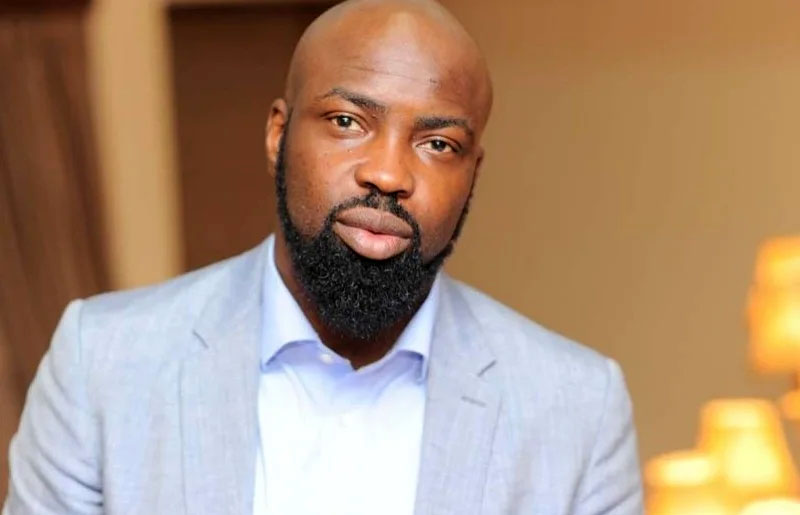
Audu Maikori, Founder and Chairman of Chocolate City Entertainment, has accused former Nasir El‑Rufai of persecuting him in connection with his 2017 social media post, saying that the handling of the matter — including his arrest and subsequent fallout — extended far beyond what was warranted and reflected a broader pattern of intimidation against critics. Maikori spoke on Arise Television’s Prime Time programme on Monday, using his right of reply after El‑Rufai addressed the controversy in a separate appearance the previous Friday. He acknowledged the post that triggered the crisis, explained how he retracted it when he realised it was false, and insisted that he was singled out and pursued long after the matter was legally closed. “It’s not personal. It is about setting the record straight and getting the facts right,” Maikori said. “Ex‑governor El‑Rufai has a penchant for recreating stories. Everything he said is untrue. And it’s important for posterity that the record reflects the truth.”
On February 18, 2017, Maikori was detained by operatives of the Department of State Services (DSS) following tweets in which he claimed that five students of the College of Education, Gidan Waya had been killed in violence in Southern Kaduna. The post generated widespread attention and controversy, leading to criticism from El‑Rufai, then governor of Kaduna State, who said the claims were unverified, potentially inflammatory, and could aggravate security tensions if left unchecked. El‑Rufai argued at the time that publishing unverified figures could heighten distrust among communities and jeopardise lives and property — a position consistent with broader government efforts to curb misinformation during periods of insecurity. The DSS subsequently detained Maikori and others perceived to be fuelling the narrative.
READ ALSO:
- Shari’ah Council Defends Kwankwaso, Rejects US “Christian Genocide” Claims
- Hundreds of Millions in Goods Destroyed as Protests Against Northerners Erupt in Rivers
- Naira Maintains Stability Against Dollar as CBN FX Measures Keep Markets Calm
Maikori said that as soon as he realised the information was inaccurate, he acted to correct the record. He and his driver went to the first police station available in Lekki, Lagos, where he filed a formal statement explaining that the original claim was based on inaccurate information from the driver, who later confessed to having made up the story for personal reasons. Maikori said he contacted the Attorney General of Kaduna State, Amina Sijuade, to notify her of his intention to retract the post. Maikori said a detailed retraction was published on 4 February 2017, including an apology not only to El‑Rufai but to all those affected.
Despite this, Maikori alleges that El‑Rufai did not let the matter rest. He said that after he was released — following the driver’s confession and the DSS investigation — El‑Rufai continued to publicly associate him with violence, alleging in other forums that Maikori’s tweet was linked to deaths in the region and hinting at prosecution. Maikori described this as unwarranted interference beyond the authority of a state governor, noting that the police discharged him after clarifying the facts.
Maikori argued that the courts subsequently confirmed that his arrest had been unlawful. Both the Federal High Court and the Court of Appeal reportedly awarded him damages, ruling against the legality of his detention. He said El‑Rufai then took the matter to the Supreme Court, where the case is still pending, with Maikori confident of prevailing. He said any damages awarded “will be used to support journalists and others who lack access to legal representation.”
Maikori challenged what he called a double standard in how El‑Rufai handled public information. He cited a 2019 incident in Kaduna’s Kajuru Local Government Area, where the ex‑governor publicly released casualty figures that were later challenged by security authorities as unverified. Maikori said that despite warnings from the state’s Police Commissioner, El‑Rufai repeated and amplified the figures without issuing a retraction or apology, even as others were detained. He also referred to the arrest of nine elders of the Adara community, whom he said were jailed for extended periods without prompt bail or clear evidence — illustrating, in his view, a pattern of targeting critics and communities without adequate due process.
He also cited additional cases under El‑Rufai’s administration, including the prolonged detention of Charles Steve Kefferson and alleged harassment of his own lawyer, Gloria Ballas, whom he said faced intimidation compelling her to seek court protection.
While defending his motivations, Maikori criticised what he called El‑Rufai’s leadership approach, contrasting it with the record of the current Kaduna State Governor, Uba Sani, whom he said had restored peace and improved security within a short period compared with the previous eight years. Maikori suggested that El‑Rufai’s refusal to acknowledge mistakes stemmed partly from political disappointment after failing to secure a ministerial appointment and losing political influence. He described this pattern of behaviour — defending positions even when disproven — as “sour grapes,” arguing that it reflected an unwillingness to separate personal ambition from public duty.
Maikori confirmed that he is now a member of the ruling All Progressives Congress (APC) but noted that the dispute dates back to when both he and El‑Rufai belonged to the same party, suggesting the issue transcends partisan labels and speaks to broader concerns about leadership, accountability, and free expression.
Maikori Accuses Ex‑Governor El‑Rufai of Persecution Over 2017 Tweet
metro
Shari’ah Council Defends Kwankwaso, Rejects US “Christian Genocide” Claims
Shari’ah Council Defends Kwankwaso, Rejects US “Christian Genocide” Claims
The Supreme Council for Shari’ah in Nigeria (SCSN) has defended Senator Rabiu Musa Kwankwaso while strongly rejecting recent claims from the United States alleging a “Christian genocide” in Nigeria. The council described such narratives as misleading, harmful, and capable of undermining national unity.
In a statement signed by Nafiu Baba Ahmad, Secretary‑General of the SCSN, the council said accusations that Christians are systematically targeted in Nigeria do not reflect the country’s legal framework or security realities. The council also defended Kwankwaso, a former governor of Kano State, against claims linking him to religious persecution, emphasizing that the allegations are politically and culturally distorted.
The SCSN highlighted that insecurity and violent incidents in Nigeria affect all citizens, regardless of religious affiliation. It warned that external narratives framing the country’s security challenges as a religious genocide could misrepresent facts, exacerbate tensions, and negatively impact interfaith coexistence.
READ ALSO:
- Hundreds of Millions in Goods Destroyed as Protests Against Northerners Erupt in Rivers
- Naira Maintains Stability Against Dollar as CBN FX Measures Keep Markets Calm
- 28 Wedding Guests Die in Separate Road, Boat Accidents in Enugu, Kebbi
This position aligns with previous statements from Nigerian government officials who have rejected similar claims, stressing that terrorism, banditry, and communal clashes impact Christians, Muslims, and other groups alike, and that the government remains committed to protecting religious freedom for all citizens under the constitution.
Analysts note that the US claims, including legislative proposals calling for sanctions against Nigerian officials, oversimplify Nigeria’s complex security situation. They argue such narratives risk fueling religious divisions and undermining efforts at peace and national cohesion.
The SCSN reaffirmed its commitment to justice, dialogue, and national harmony, urging Nigerians and the international community to rely on verified data rather than politically motivated claims. The council emphasized that maintaining religious tolerance and unity remains crucial for Nigeria’s stability and development.
Shari’ah Council Defends Kwankwaso, Rejects US “Christian Genocide” Claims

-

 Education2 days ago
Check Your Name: UNILORIN Releases Updated NELFUND Refund List for 2024/2025 Students
-

 News2 days ago
Osogbo Sons and Daughters Mark 5th Anniversary with Awards, Political Undertones
-

 metro3 days ago
Woman Arrested Over Murder of Nigerian E-Hailing Driver in South Africa
-

 metro21 hours ago
US Freezes Assets of Eight Nigerians Over Boko Haram, ISIL, Cybercrime Links
-

 metro3 days ago
Boko Haram Terrorists Release Video of 176 Abducted Kwara Residents
-

 News2 days ago
Afenifere Calls for Immediate Take-Off of State Police as Terror Threats Rise in Yorubaland
-
 metro22 hours ago
Terror in Lagos Traffic: Cutlass Gang Unleashes Mayhem on Mile 12–Ketu Road
-
 metro2 days ago
US Military Boosts Support for Nigeria’s Fight Against Insurgency With Ammunition, Troop