
News
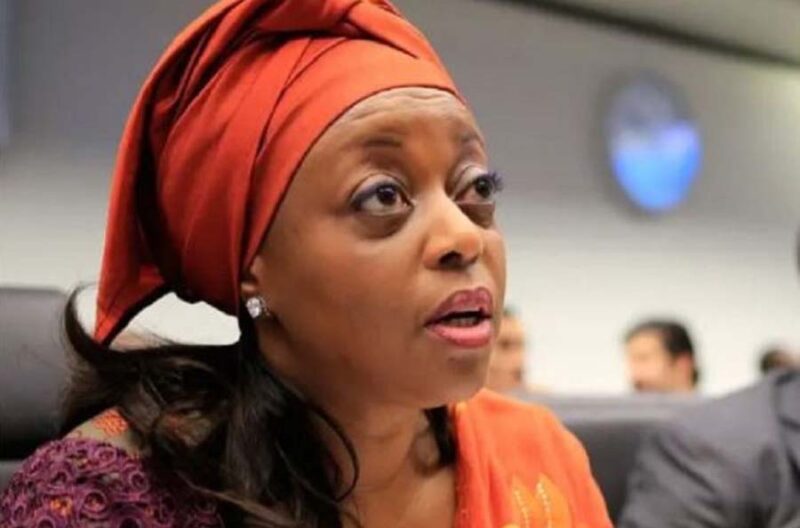
EFCC to work with UK prosecutors in Diezani’s case
EFCC to work with UK prosecutors in Diezani’s case
There were indications at the weekend that the Economic and Financial Crimes Commission (EFCC) will apply to a United Kingdom court as an interested party in the trial of a former Minister of Petroleum Resources, Mrs. Diezani Alison-Madueke.
A team of the anti-graft commission is billed for London to begin the process of filing papers as a party to the case.
The EFCC may also avail the UK court of its findings and the forfeiture order of a high court in Abuja on the former minister’s $2.5 million homes and cars.
Diezani has been on trial in the Southwark Crown Court in the UK for an alleged £100,000 bribe.
The National Crime Agency (NCA) alleged that Diezani might have “benefitted from at least £100,000 in cash, chauffeur-driven cars, flights on private jets, luxury holidays for her family, and the use of multiple London properties”.
On October 2, 2023, a Magistrate Court granted bail to the ex-Minister for £70,000 after deeming her “a flight risk.”
The hearing of Diezani’s case will begin in November 2025.
According to a source, the EFCC is seeking to be an interested party in the case to enable Nigeria to have access to assets which may be seized from the ex-minister.
READ ALSO:
- Private depots have raised petrol price to N770/litre – Marketers
- Police declare wanted Ogun landlady, husband who dumped tenant’s corpse in canal
- 17 abducted passengers in Katsina regain freedom
The source said: “This country may not be able to retrieve questionable assets from Diezani if the EFCC does not file an application as an interested party.
“We have received an advisory on this important bend to Diezani’s trial and we will be part of the case in the UK.
“A team will leave for London any moment from now to explore legal opportunities and file necessary papers as an interested party.
“The overall aim is for Nigeria to benefit from Diezani’s trial, especially the recovery of all assets linked to funds looted in this country.
“The EFCC has sufficient evidence against Diezani, including a court order on the former minister’s $2.5million homes and cars.
“In another case, a former chairman of EFCC confirmed that the commission recovered $153million and secured the final forfeiture of over 80 properties in Nigeria valued at about $80million.
“The allegations against Diezani by the EFCC border on alleged stealing of about $2.5 billion from Nigeria’s coffers as a minister.
“It is necessary for this nation to rise to the occasion because, in March 2023, the NCA also provided evidence to the US Department of Justice that enabled them to recover assets totalling $53.1 million linked to Mrs. Alison-Madueke’s alleged corruption.
READ ALSO:
- Tinubu won’t allow frustration of Rivers State Govt operations – Presidency
- They offered me bribe to impeach Fubara – Rivers’ Chief of Staff
- Troops hit terrorists hideous in Taraba
“Like the P&ID case, the EFCC has sufficient evidence to pull through a case against Diezani. We want all stolen, diverted and questionable assets back in the custody of Nigeria for the good use of our citizens.”
The source added: “I think the EFCC is collaborating with the NCA in the UK on this.
“It is also unclear if the UK court will ask Diezani to return to Nigeria to serve prison terms if convicted. This is why we also need to be an interested party in the case in the UK.”
Last year, the Head of the NCA’s international corruption unit (ICU), Andy Kelly, said the “charges are a milestone in what has been a thorough and complex international investigation”.
“Bribery is a pervasive form of corruption, which enables serious criminality and can have devastating consequences for developing countries.
“We will continue to work with partners here and overseas to tackle the threat.”
Diezani was arrested in London in 2015 shortly after stepping down as minister, and was charged in August with six bribery offences.
She has spent more than eight years on police bail, living in St John’s Wood, an expensive area of London.
EFCC to work with UK prosecutors in Diezani’s case








News
Falana, Jibrin, Bugaje Lead Opposition to US Military Presence in Nigeria
Falana, Jibrin, Bugaje Lead Opposition to US Military Presence in Nigeria
Some prominent Nigerians have condemned the reported US military presence in Nigeria, describing it as a violation of Nigeria’s sovereignty, a potential breach of the 1999 Constitution, and a dangerous precedent for foreign military interference in the country’s security affairs.
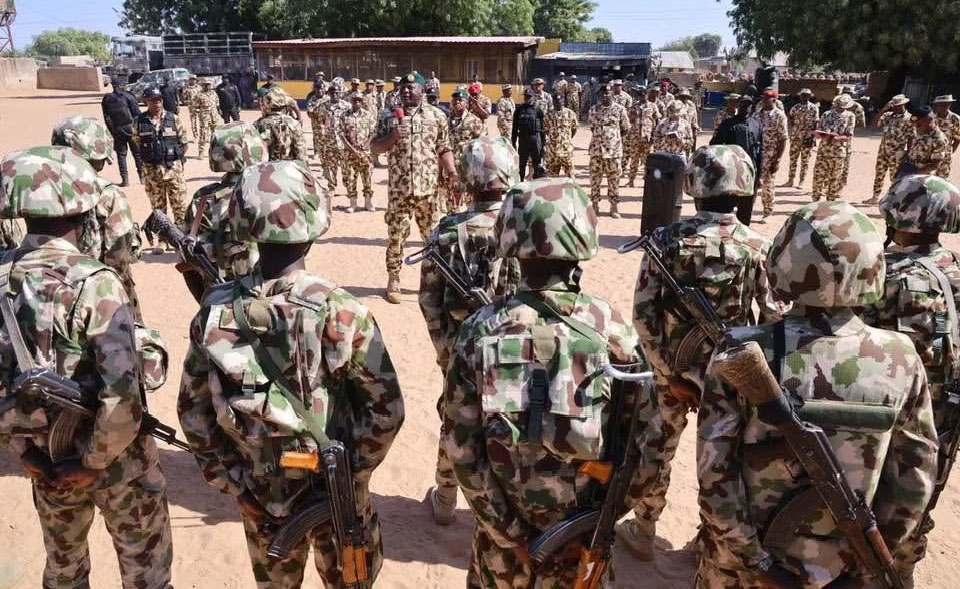
The criticism followed the arrival of United States military aircraft in Nigeria last week, shortly after American and Nigerian officials disclosed plans to deploy about 200 US soldiers in advisory and training roles. US officials said the aircraft movements would continue for several weeks as part of a temporary counterterrorism mission.
Nigeria’s Defence Headquarters (DHQ) has insisted that the US personnel are technical specialists, not combat troops, and that they will operate strictly under the authority and control of the Nigerian government, in coordination with the Armed Forces of Nigeria. The military stressed that the deployment does not amount to the establishment of a foreign base or independent US operations on Nigerian soil.
Despite these assurances, a coalition of lawyers, academics and civil society figures issued a joint statement titled “No to Foreign Forces in Our Land: Defend Our Sovereignty”, warning that the presence of foreign troops raises serious constitutional, legal and national security concerns.
The statement was signed by human rights lawyer Femi Falana (SAN), political scientist Jibrin Ibrahim, Dr Abubakar Siddique Mohammed, Dr Dauda Garuba, Prof Massaud Omar, Prof Mohammed Kuna, Engr YZ Ya’u, and political activist Usman Bugaje.
They recalled Nigeria’s long-standing resistance to foreign military domination, warning against what they described as a creeping neo-colonial security arrangement. According to the group, Nigeria’s independence was founded on firm opposition to external military control, a principle they said must not be compromised under any guise.
READ ALSO:
- Insurgents Acquire 35 Drones as ISWAP Shifts to Aerial Attacks
- Seven Killed in Horrific Crash at Ota Toll Gate
- Nigerian Equities Post World’s Second-Best Dollar Returns in 2026, Recover $21bn
The signatories referenced the Anglo-Nigerian Defence Pact of 1960, which was abrogated in 1962 following widespread public protests, arguing that political independence without military sovereignty is incomplete. They also cited Nigeria’s rejection of foreign pressure during the 1976 Organisation of African Unity (OAU) summit on Angola, recalling the historic declaration by Murtala Mohammed that Africa would no longer operate under the influence of extra-continental powers.
The group further highlighted past attempts to impose military cooperation agreements on Nigeria, including a proposed US–Nigeria defence pact in 2001 that was withdrawn after opposition from the Ministry of Defence, and the Bilateral Immunity Agreement (BIA) signed in 2003 and later nullified by the Senate in 2005 for violating constitutional provisions and the Rome Statute.
They cited Section 12(1) of the 1999 Constitution, which requires National Assembly approval before any international treaty can have the force of law in Nigeria, insisting that any foreign military deployment must follow due legislative process.
Rejecting claims that Nigeria lacks the capacity to defend itself, the group pointed to the strong peacekeeping record of the Nigerian Armed Forces under the United Nations, African Union, and ECOMOG missions in Liberia and Sierra Leone. They argued that Nigeria should prioritise modernising its military, strengthening intelligence coordination, improving troop welfare, investing in local defence production, and addressing the root causes of insecurity rather than outsourcing national defence.
In a separate interview, Prof Jibrin Ibrahim warned that Nigerians appear less vigilant today than in the 1960s, when public resistance forced the government to abandon foreign defence pacts. He questioned the effectiveness of US military interventions globally, arguing that such involvement often deepens insecurity rather than resolves it.
Observers say the controversy has reignited debate over how Nigeria should balance international security cooperation with the need to protect national sovereignty, constitutional order, and democratic accountability amid rising security challenges across the country.
Falana, Jibrin, Bugaje Lead Opposition to US Military Presence in Nigeria
News
Ramadan Begins in Nigeria as Sultan Confirms Crescent Sighting
Ramadan Begins in Nigeria as Sultan Confirms Crescent Sighting
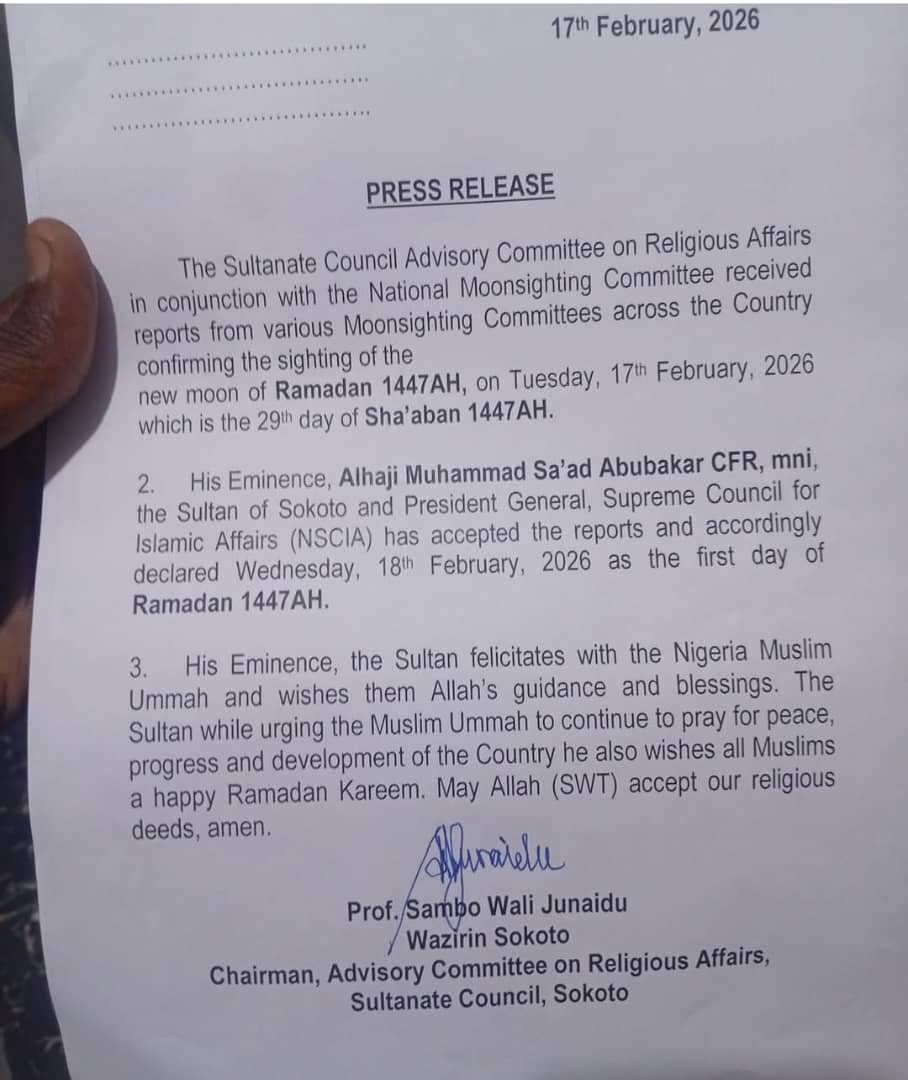
Abuja — The Sultanate Council on Tuesday night confirmed the sighting of the crescent moon, officially signaling the commencement of Ramadan 1447AH in Nigeria.
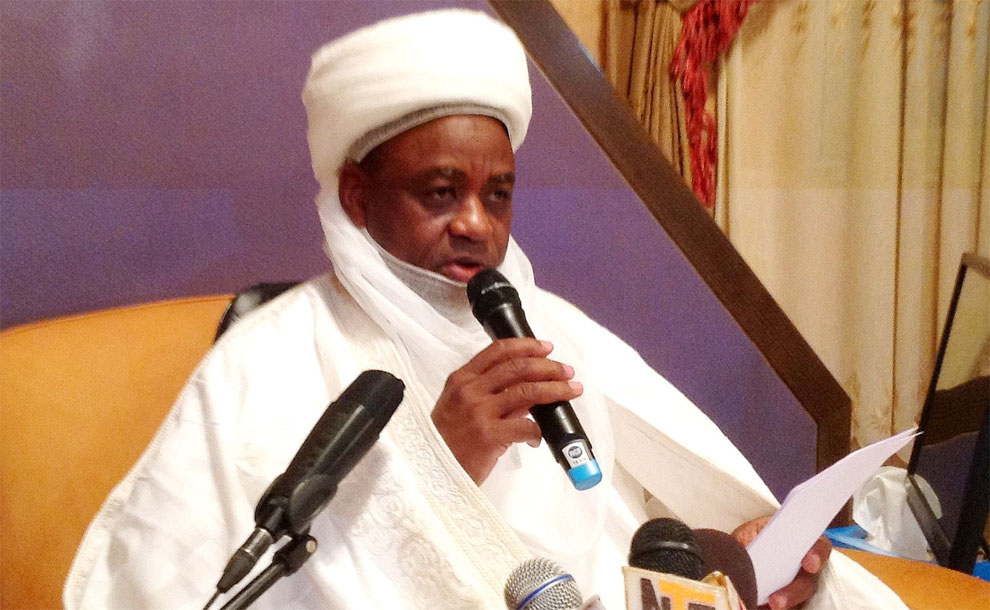
The President-General of the Nigerian Supreme Council for Islamic Affairs (NSCIA) and Sultan of Sokoto, Muhammad Sa’ad Abubakar III, announced that the new moon was sighted in parts of the country, thereby declaring Wednesday, February 18, 2026, as the first day of fasting for Muslims nationwide.
The announcement followed verified reports from moon-sighting committees across several states, in line with Islamic tradition which requires physical sighting of the crescent to mark the beginning of the ninth month of the Islamic lunar calendar.
In his message to the Muslim faithful, the Sultan urged Nigerians to use the holy month to pray for peace, unity, and national development. He also called on Muslims to embody the virtues of patience, compassion, charity, and self-discipline which Ramadan represents.
READ ALSO:
- Deadlock at National Assembly as House Snubs Electoral Act Bill Meeting on E-Transmission Clause
- Maikori Accuses Ex‑Governor El‑Rufai of Persecution Over 2017 Tweet
- Shari’ah Council Defends Kwankwaso, Rejects US “Christian Genocide” Claims
 Ramadan, one of the five pillars of Islam, requires adult Muslims to abstain from food, drink, and other physical needs from dawn until sunset throughout the month. The period is also marked by increased devotion, nightly congregational prayers in mosques, recitation of the Qur’an, and acts of charity to the less privileged.
Across major cities including Abuja, Lagos, Kano, and Port Harcourt, mosques recorded increased attendance for special night prayers following the announcement. Markets also witnessed heightened activity as families made last-minute purchases in preparation for the fasting period.
Ramadan will last 29 or 30 days, depending on the sighting of the next crescent, and will culminate in the celebration of Eid al-Fitr, marking the end of the fasting month.
Muslim leaders have encouraged faithful to observe the fast in accordance with Islamic teachings while maintaining harmony and mutual respect within Nigeria’s diverse society.
Ramadan Begins in Nigeria as Sultan Confirms Crescent Sighting
News
Saudi Arabia Confirms Sighting of Ramadan Crescent, Fasting Begins Wednesday
Saudi Arabia Confirms Sighting of Ramadan Crescent, Fasting Begins Wednesday
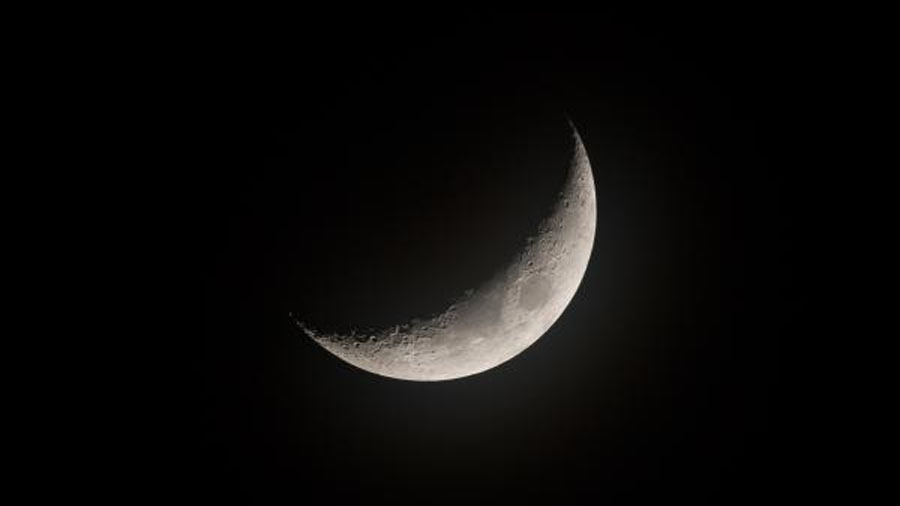
Riyadh, February 17, 2026 — Authorities in Saudi Arabia have officially confirmed the sighting of the crescent moon marking the beginning of the holy month of Ramadan, signaling that fasting will commence on Wednesday, February 18, 2026.
The announcement was made Tuesday evening following reports from moon-sighting committees across the Kingdom. In a statement carried by state media, the Supreme Court confirmed that verified testimonies of the crescent’s sighting had been received after sunset on the 29th day of Sha’ban.
With the confirmation, Muslims throughout the Kingdom will begin the first fast of Ramadan at dawn on Wednesday.
READ ALSO:
- Deadlock at National Assembly as House Snubs Electoral Act Bill Meeting on E-Transmission Clause
- Maikori Accuses Ex‑Governor El‑Rufai of Persecution Over 2017 Tweet
- Shari’ah Council Defends Kwankwaso, Rejects US “Christian Genocide” Claims
Religious authorities had earlier called on citizens and residents to look for the crescent on Tuesday evening and report any confirmed sightings to the nearest court. Observations were conducted in various regions, including areas around Riyadh and Mecca, as part of the Kingdom’s longstanding tradition of physical moon sighting.
Ramadan, the ninth month of the Islamic lunar calendar, is observed by Muslims worldwide as a period of fasting, prayer, charity, and spiritual reflection. The start of the month is determined by the sighting of the new crescent moon, in accordance with Islamic tradition.
Several other countries in the Gulf region are also expected to begin fasting on Wednesday following similar confirmations, while some nations may rely on local moon sightings to determine their own start date.
Further announcements regarding the duration of nightly Taraweeh prayers and official Ramadan working hours are expected from relevant authorities in the coming days.
Saudi Arabia Confirms Sighting of Ramadan Crescent, Fasting Begins Wednesday

-
 Education3 days ago
Check Your Name: UNILORIN Releases Updated NELFUND Refund List for 2024/2025 Students
-

 News3 days ago
Osogbo Sons and Daughters Mark 5th Anniversary with Awards, Political Undertones
-
 News15 hours ago
Saudi Arabia Confirms Sighting of Ramadan Crescent, Fasting Begins Wednesday
-

 metro2 days ago
US Freezes Assets of Eight Nigerians Over Boko Haram, ISIL, Cybercrime Links
-

 News3 days ago
Afenifere Calls for Immediate Take-Off of State Police as Terror Threats Rise in Yorubaland
-

 metro3 days ago
Argungu Festival 2026 Highlights Peace, Stability, Economic Growth — Tinubu
-

 News11 hours ago
Ramadan Begins in Nigeria as Sultan Confirms Crescent Sighting
-
 metro2 days ago
Terror in Lagos Traffic: Cutlass Gang Unleashes Mayhem on Mile 12–Ketu Road