
Health
FG drags resident doctors to industrial court over strike

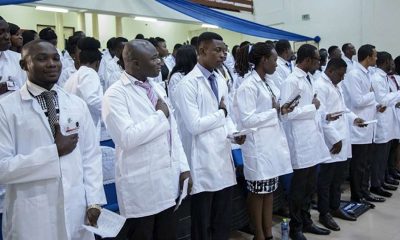
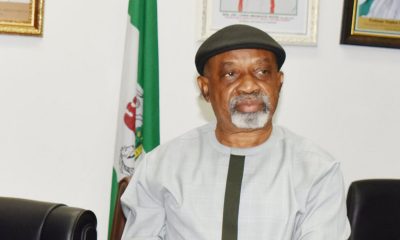
Minister of Labour and Employment, Senator Chris Ngige, has invited the National Industrial Court of Nigeria to adjucate in the dispute between the Federal Government and striking resident doctors.
The doctors under the aegis of National Association of Resident Doctors had declared industrial dispute with the FG and proceeded on indefinite strike August 2 over the inability of the latter to meet their demands.
Efforts by the minister, who is the Conciliator-in-Chief of the Federal Government to broker truce between resident doctors and the government have yielded no positive results as the doctors have maintained that until their demands are met, they will not call off the strike.
Ngige was said to have formally handed over the trade dispute between government and NARD to the National Industrial Court of Nigeria for adjudication on Thursday.
A copy of the transmission to the Industrial Court was sent to NARD and the Federal Ministry of Health representing the Federal Government.
It will be recalled that the Minister had given the NARD leadership till the end of work on Wednesday, 11th August, 2021, to convene a virtual meeting of its National Executive Committee to brief its members on the efforts of government with a view to calling off its strike.
Vanguard quoted a source at the ministry, “Part of the instrument signed August 11, 2021 by the minister read, “whereas trade dispute has arisen and now exists between the Nigerian Association of Resident Doctors (NARD) and the Federal Ministry of health / Federal Government and whereas efforts to promote settlement through conciliation were on-going but had now failed.
“And considering the facts that members of NARD who are classified as Essential Services workers/employees had embarked on strike on Monday, August 2, 2021 over the issues under conciliation, contrary to the provisions of Section 18 of the Trade Disputes Act CAP T8, Laws of the Federation of Nigeria (LFN) 2004, after attending a Conciliation and Agreement Review meeting on July 22, 2021 and further considering that the Federal Ministry of Health claim to have and produced evidence to having met most of their demands based on the various Memorandum of Action reached during past conciliations especially that of July 22, 2021
“Now therefore, I, Senator Dr. Chris Nwabueze Ngige OON, MD the Honourable Minister of Labour and Employment in exercise of the powers conferred on me by section 17 of the Trades Disputes Act, CAP T8 laws of the Federation of Nigeria, hereby refer the matter for consideration, and the issues in dispute to the National Industrial Court of Nigeria for adjudication.”
Saturday Vanguard further gathered that Senator Ngige on Thursday attended the meeting of Medical Elders Forum, comprising practising and retired senior medical practitioners, doctors who have served or are serving in top level political offices.
The source that spoke on the condition of anonymity said, “Some of those in attendance included the Chairman of Senate Committee on Health Dr. Ibrahim Oloriegbe, Chairman House committee on Health, Tanko Sununu, all past Presidents of NMA and NARD, His Highness, Dr. Haliru Yahaya, Emir of Shonga, former chairman Senate Committee on Health, Senator Tejuosho, President of NMA, Prof. Innocent Ujah, former Minister of Health , Prof. Onyebuchi Chukwu, Chairman and Registrar of the Medical and Dental Council of Nigeria, Prof. Tajudeen Sanusi, among others.”
The source claimed that the Minister of Labour and Employment” painstakingly explained every item on the resident doctors demands, upon which they embarked on strike.
“For instance, the minister informed the forum that it was the 36 state commissioners for health and the FCT who raised a joint memo to the National Council on Establishment for the abolition of internship period in the scheme of service for health professionals and further underlined the fact that Medical House Officers have never enjoyed the one year of internship or that of the NYSC as part of their period of service in the overall 35 years period of service.
“He added that CONMESS wage structure captures all doctors from CONMESS 1 for House Officers to CONMESS for the highest consultant.”
Ngige was also said to have stated that the circular from the Office of the Head Of Service of the Federation, emanating from the last National Economic Council meeting in Lagos, abolishing one year of internship and NYSC as part of scheme of service for health professionals, does not affect medical doctors because the housemanship of medical doctors is already captured in the wage structure of CONMESS.
“He also told the forum that the domestication of Medical Residency Training Fund (MRTF) in the states falls squarely on the shoulders of Governors and State Houses of Assembly for resident doctors in state specialists hospitals because health is on concurrent list of the constitution.
“Besides the Federal Government already has the Medical Residency Training Act of 2018 for federal residents, arguing further that house officers and general medical officers by strict job description, are not members of NARD which is an exclusive body for doctors on residency training.
“Hence this group should only be catered for by the Nigerian Medical Association and should not have downed tools.
“He maintained that the Federal Government Medical Residency Training Fund for 2021 was captured under the service wide vote in the 2021 supplementary budget which was signed by the President on the eve of his departure to the United Kingdom and has therefore become a Financial Act.
“The Minister noted that the Federal Ministry of Finance, Budget and Planning is already moving funds into various compartments such as Covid-19 vaccines and other medical subheads and gave assurance that requests from medical colleges will be sorted out within the next seven working days, with funds moved to the accounts of resident doctors and should not have been an item for the strike.
The Nigeria Medical Association has said it would join industrial action if resident doctors were not paid all their due wages to call off the strike.
The NMA in a statement issued on Friday, signed by its Chairman on Inter Affiliate Affairs, Dr Rosemary Uzowulu, titled: “High cost of governance maintained yet payment of doctors to avert health sector destruction a failure from government”, described the ongoing strike as uncalled for if those in corridors of power were sincere. The body of doctors accused the political leaders of playing game with health of Nigerians because they could afford overseas medical treatment.
The statement partly read: “it is most unfortunate that budget allocation for newspapers for assembly members, state governors, presidency are approved and implemented within days of signing by Mr President, and yet the residency training allocation budgeted and endorsed cannot be implemented.The country in face of high cost of governance has decided to use the health of her subject to play chess game where king and queens display power of crown by killing their guards. I call on well meaning Nigerians across the country to quickly put a stop to the strike by mandating those concerned including the state governors for state hospitals to pay the resident doctors all their due wages or stand the chance of black cloud collapse from NMA if the battle lingers.”










Health
Making Up for Lost Sleep Might Be Healthier Than Experts Once Believed — What Science Says

Making Up for Lost Sleep Might Be Healthier Than Experts Once Believed — What Science Says
Many of us occasionally lose sleep due to work, stress, travel, or life’s demands — and for years, experts warned that those lost hours could have lasting harm. However, recent research suggests that catching up on sleep — sometimes called “sleep recovery” — may be more beneficial than previously thought, helping to restore cognitive function, reduce stress, and improve overall wellbeing.
What Happens When You Lose Sleep
Sleep plays a critical role in memory consolidation, immune function, and metabolic regulation. Missing sleep — even for a single night — can lead to increased hunger, reduced concentration, impaired decision‑making, and mood disruptions. Chronic sleep loss has been linked to higher risk for conditions such as heart disease, obesity, diabetes, and cognitive decline.
For years, some scientists argued that lost sleep could never be fully recovered — meaning the body and brain would continue to suffer even if you slept longer later. But newer research is challenging that idea.
Can You Truly “Make Up” Lost Sleep?
Emerging studies show that catching up on sleep on weekends or after periods of short sleep can help reverse many negative effects. When you sleep extra after sleep deprivation, your body tends to spend more time in deep restorative stages of sleep, which supports immune function, tissue repair, and memory processing.
READ ALSO:
- Sleeping Positions: How They Affect Your Health and Which Ones to Avoid
- Thousands Rally Across Iran to Honour Late Supreme Leader Khamenei
- UN Chief Condemns Israeli Airstrikes in Lebanon
One study found that people who slept longer after periods of deprivation performed better on cognitive tasks than those who didn’t make up for lost sleep. Another study showed improved metabolic health and mood in participants who allowed themselves extra sleep following a week of restricted rest.
Why Sleep Recovery May Work
During sleep, especially in deep non‑REM stages, the brain clears out metabolic waste and strengthens neural connections. When you’re sleep‑deprived, this restorative process is disrupted. Sleeping more afterward allows your brain to catch up on essential maintenance work, which may explain why recovery sleep can improve alertness and mood.
Experts also believe that extra sleep helps regulate hormones involved in appetite, stress response, and inflammation — helping the body return to a healthier balance after sleep loss.
How to Make Up Lost Sleep the Right Way
Here are practical ways to help your body recover after a period of insufficient sleep:
- Gradually increase sleep time: Add an extra 1–2 hours of sleep per night rather than trying to “crash” for one long sleep.
- Nap strategically: Short naps (20–30 minutes) can improve alertness and performance without disrupting nighttime sleep.
- Prioritize deep sleep: Create a calm, dark, and cool sleep environment to support deeper restorative sleep stages.
- Keep consistent sleep routines: Going to bed and waking up at similar times helps your body repair its internal clock.
What This Means for Overall Health
Although regular, consistent sleep every night is ideal, making up lost sleep when needed can be a valuable tool for physical and mental restoration. It’s especially relevant for people who occasionally experience sleep disruption due to travel, work schedules, or personal responsibilities.
However, chronic sleep deprivation shouldn’t be seen as harmless — consistently ignoring your body’s need for rest still poses health risks. Recovery sleep can help, but it’s not a substitute for healthy sleep habits.
Making Up for Lost Sleep Might Be Healthier Than Experts Once Believed — What Science Says
Health
Sleeping Positions: How They Affect Your Health and Which Ones to Avoid

Sleeping Positions: How They Affect Your Health and Which Ones to Avoid
Sleep is essential for physical and mental wellbeing, yet few people consider how their sleeping position affects their health. Experts say the way you sleep can influence spinal alignment, breathing, digestion, and overall sleep quality. Choosing the right position and using supportive bedding can significantly improve rest while reducing pain and long-term health risks.
According to Dr Deborah Lee of Dr Fox Online Pharmacy, “Good quality sleep depends on finding the best sleeping position for you – one in which your spine is correctly aligned, your airway remains open, and your limbs can move freely.” She emphasizes that side sleeping often meets these criteria, particularly when paired with the right mattress, pillows, and breathable bedding. Gentle stretching before bed can also improve circulation and reduce muscle tension, helping the body relax into sleep.
Side Sleeping — The Most Common and Beneficial Position
Side sleeping is the most popular sleep posture, with many people preferring the fetal, log, yearner, or T-rex positions. The fetal position, where the body is curled up on one side, is especially beneficial for those with sleep apnea or sleep-disordered breathing, as it helps keep the airway open. Side sleeping also supports back health by reducing spinal twisting when a pillow is placed between the knees.
READ ALSO:
- UN Chief Condemns Israeli Airstrikes in Lebanon
- Iran Warns of Sea Mines in Strait of Hormuz, Offers Alternative Routes for Ships
- ADC Leadership Crisis Deepens as Rival Faction Protests at INEC Headquarters
Pregnant women are advised to sleep on their left side, which improves blood flow to the fetus and reduces pressure on major blood vessels. For people with acid reflux or indigestion, left-side sleeping can also ease symptoms. Variations like the log or yearner positions can relieve shoulder and arm pressure, while the T-rex position may support individuals with neurodivergent conditions, offering comfort and sensory regulation. However, prolonged arm curling in the T-rex can risk nerve compression, potentially contributing to carpal tunnel syndrome.
Back Sleeping — Alignment Benefits with Breathing Risks
Back sleeping, including the soldier and starfish positions, keeps the spine aligned and can relieve back pain. It also reduces facial pressure, potentially helping to prevent wrinkles. However, this position can worsen snoring and sleep apnea, as relaxed throat muscles may block the airway, leading to repeated pauses in breathing. Sleep apnea is linked to high blood pressure, heart disease, type 2 diabetes, and fatigue, with up to 80% of cases undiagnosed. Those experiencing loud snoring, unrefreshing sleep, or daytime sleepiness should consult a doctor.
Stomach Sleeping — Comfortable but Risky
Stomach sleeping, often in the freefall position, may reduce snoring by opening the airway. However, it is generally not recommended due to its effects on spinal health. Sleeping on the front can overstretch muscles and ligaments, misalign the spine, and increase strain on the neck, back, and knees, potentially worsening pain. It also does little to prevent acid reflux and is particularly unsuitable for those with spinal injuries or post-surgery recovery needs.
Tips for Healthier Sleep
- Use a supportive mattress and pillows tailored to your preferred sleep position.
- Side sleepers should place a pillow between the knees; back sleepers under the knees.
- Choose breathable bedding made from natural fibers like cotton or bamboo to prevent overheating.
- Gentle pre-bedtime stretching can improve circulation and reduce muscle tension.
- Consider alternating positions to prevent stiffness and pressure points.
By understanding the health implications of different sleep positions, individuals can make informed choices to improve sleep quality, spinal health, and overall wellbeing.
Sleeping Positions: How They Affect Your Health and Which Ones to Avoid
MSN
Health
Resident Doctors Resume Work as FG Reverses Allowance Decision

Resident Doctors Resume Work as FG Reverses Allowance Decision
The Nigerian Association of Resident Doctors has announced the suspension of its planned nationwide strike after reaching an understanding with the Federal Government on key demands, offering temporary relief to Nigeria’s fragile healthcare system.
The decision followed an emergency meeting of the association’s National Executive Council (NEC), where members reviewed fresh assurances from government representatives and agreed to give dialogue another opportunity based on “progress made” in negotiations.
NARD said the suspension was anchored on commitments by the Federal Government—through the Federal Ministry of Health Nigeria—to address critical issues, including payment of salary arrears, hazard allowances, and improvements in doctors’ welfare.
The association also cited renewed efforts to resolve challenges surrounding the Medical Residency Training Fund (MRTF), a key component in the training and development of resident doctors across the country.
Although the dispute has not been fully resolved, NARD noted a “renewed willingness” by the government to implement previously agreed terms and prevent disruption in healthcare services.
READ ALSO:
- Lagos Announces Partial Road Closures for Project Commissioning
- Missing worshippers still in captivity, Kaduna community disputes Army’s rescue claim
- Gunmen Kill 4 in Kebbi, Abduct 6 in Sokoto Attacks
The President of the University College Hospital (UCH) chapter, Uthman Adedeji, confirmed that the decision aligns with the directive from the national body. He disclosed that the strike was suspended after an Extraordinary NEC meeting, with doctors directed to resume work nationwide by 8:00 a.m. on Wednesday.
Adedeji further revealed that the Federal Government had reversed its earlier stance on the revised professional allowance, a key sticking point in the dispute, and pledged to address other outstanding concerns raised by the association.
The crisis is rooted in the implementation of a revised Professional Allowance Table agreed upon between NARD and the government following a prolonged strike in 2025. The agreement included improved remuneration packages covering:
- Call duty allowances
- Shift allowances
- Rural posting incentives
- Payments for non-clinical duties
While implementation was initially scheduled for January 2026 and later shifted to February, NARD raised concerns that the government planned to halt the process by April—an action the association described as a breach of agreement and erosion of trust.
Resident doctors in Nigeria have long had disputes with the Federal Government over welfare-related issues, including irregular salary payments, inadequate hazard allowances, and poor hospital infrastructure. These challenges have significantly contributed to the ongoing brain drain in Nigeria’s health sector, as many medical professionals seek better opportunities abroad.
Healthcare stakeholders say the suspension of the strike will temporarily ease pressure on public hospitals, which were at risk of severe disruption. However, they warn that failure to fully implement agreements and reforms could trigger future industrial actions.
The Federal Government has welcomed the decision, reiterating its commitment to continued engagement and reforms aimed at strengthening the Nigerian healthcare system.
For now, patients across the country can expect a gradual return to normalcy in government hospitals, though concerns remain over whether the agreements reached will be sustained.
Resident Doctors Resume Work as FG Reverses Allowance Decision

-

 metro3 days ago
FG Deports US Missionary Alex Barbir Over Alleged Role in Nigeria Insecurity
-

 Entertainment3 days ago
Veteran Nollywood Actor Davis Ofor ‘Clarus’ of New Masquerade Dies at 85
-

 metro2 days ago
2026 NYSC Batch A Stream II: Registration, Swearing-In Dates Announced
-

 Africa18 hours ago
ECOWAS Recruitment 2026: Over 30 Job Vacancies Open for Nigerians (How to Apply)
-

 metro3 days ago
Lagos Announces Partial Road Closures for Project Commissioning
-

 Entertainment2 days ago
Saheed Osupa Defends Juju Use Amid Backlash From Islamic Clerics
-

 Politics23 hours ago
Court Stops ADC Congress, Orders Status Quo in Leadership Row
-

 News3 days ago
Iran Lists Tough Conditions for Peace Talks with US