
metro
FG Orders Immediate Withdrawal of Passports From Nigerians Who Renounced Citizenship

FG Orders Immediate Withdrawal of Passports From Nigerians Who Renounced Citizenship
The Federal Government has directed the immediate withdrawal and deactivation of Nigerian international passports belonging to individuals who have formally and legally renounced their citizenship.
The directive was issued by the Minister of Interior, Olubunmi Tunji-Ojo, and conveyed through his media aide, Alao Babatunde, according to official government communications.
The order instructs the Nigeria Immigration Service (NIS) to identify and deactivate all passports belonging to persons whose renunciation of Nigerian citizenship has been duly processed and approved by the President.
Officials clarified that the policy does not affect dual citizens or pending applications, but strictly applies to individuals whose citizenship renunciation has been completed under constitutional procedures.
The minister explained that once presidential approval is granted for renunciation, the affected individuals cease to be Nigerian citizens under the law, and therefore lose all rights associated with citizenship, including the use of Nigerian passports.
The policy is anchored on Section 29 of the 1999 Constitution (as amended), which provides that a citizen of full age who makes a declaration of renunciation, once registered and approved, shall no longer be recognised as a Nigerian citizen.
READ ALSO:
- Tinubu Promises Stable Electricity as Bayelsa Unveils 60MW Power Project
- US Commences Visa Ban on Nigerians Linked to Alleged Religious Freedom Violations
- Did Faleke Just Reveal Lagos’ Next Governor? Party Moves Begin
According to the Interior Ministry, the possession of a Nigerian passport is a sovereign privilege reserved exclusively for citizens, and cannot be retained once citizenship is legally terminated.
The government said the move is part of broader ongoing passport and immigration reforms aimed at strengthening identity management, reducing document fraud, and enhancing border security.
Authorities added that the directive also seeks to improve the integrity of Nigeria’s travel documents system and prevent cases where non-citizens continue to benefit from Nigerian-issued identification.
“We will continue to strengthen systems that secure Nigeria’s borders, prevent identity fraud, preserve the sanctity of Nigerian citizenship, and facilitate legitimate travel,” Tunji-Ojo said.
The Nigeria Immigration Service has been tasked with enforcing the directive and ensuring immediate compliance across all relevant databases and passport control systems.
Security and policy analysts say the move aligns with global immigration practices where citizenship status directly determines eligibility for national travel documents.
However, legal experts note that enforcement must strictly follow due process, particularly in verifying official renunciation approvals issued through presidential authority.
The development comes amid wider reforms by the Tinubu administration to modernise Nigeria’s immigration system, identity verification framework, and border security architecture.
FG Orders Immediate Withdrawal of Passports From Nigerians Who Renounced Citizenship








metro
Zulum Donates N50m to Family of Slain Army Officer in Borno Attack
Zulum Donates N50m to Family of Slain Army Officer in Borno Attack
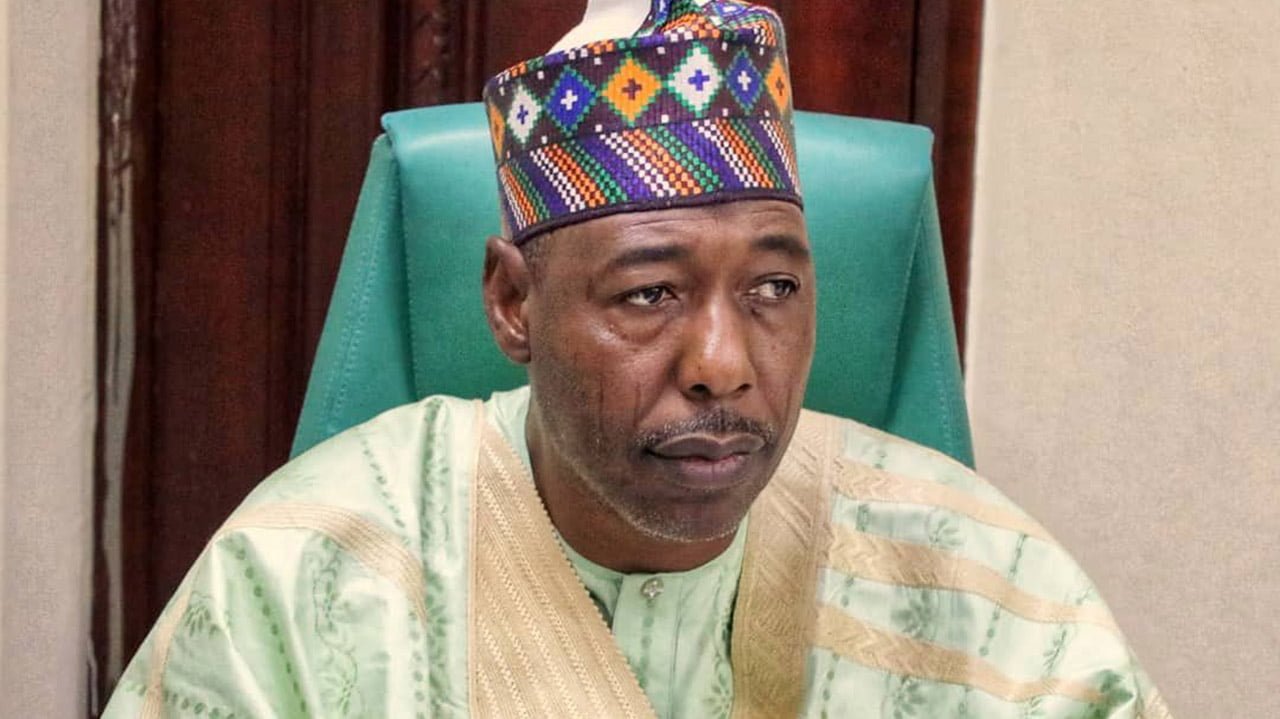
Governor Babagana Umara Zulum has donated N50 million to the family of the late Lt. Col. OC Okolo, who was killed during a Boko Haram attack in Mandaragirau, Biu Local Government Area of Borno State.
The attack, which occurred on February 16, 2026, was attributed to insurgents linked to Boko Haram operations in the North-East, an area that has remained a major theatre of Nigeria’s counterterrorism campaign.
The donation was confirmed in a statement issued on Saturday by the Governor’s spokesperson, Dauda Illiya, who said the support reflects Zulum’s continued commitment to families of fallen security personnel.
According to the statement, the governor reiterated that his administration would continue to stand by the families of officers and soldiers who lost their lives in defence of the country.
He also noted that the state government would maintain regular visits and support for families of personnel killed or declared missing in ongoing counter-insurgency operations across the region.
On April 10, 2026, Zulum, represented by his Special Adviser on Security, Brig. Gen. Abdullahi Sabi Ishaq (retd.), presented the donation during a memorial service held in Obinofia Ndiuno, Ezeagu Local Government Area of Enugu State.
READ ALSO:
- INEC Denies Viral X Claim Alleging Amupitan Endorsed Partisan Post
- FG Introduces 2026 Fiscal Policy, Slashes Tariffs on Vehicles, Food Items, Steel, Others
- Kebbi Attack: Diocese Says 24 Killed, Churches, Mosque Burnt in Easter Raid
The gesture, according to the government, forms part of broader humanitarian and welfare support programmes for families of fallen soldiers and those wounded in action during military operations in the North-East.
Zulum expressed deep condolences to the family of the deceased officer, describing Lt. Col. Okolo as a “gallant, dedicated and committed officer whose sacrifices for national security will not be forgotten.”
“My heartfelt condolences to the immediate family, friends and colleagues of Lt. Col. OC Okolo on his painful demise,” the governor said.
He prayed for the repose of the officer’s soul and asked God to grant the family strength to bear the loss.
In response, a representative of the family, Prof. Stanley Okolo, expressed appreciation to the Borno State Government for the financial support and solidarity shown during their period of grief.
The family also commended the delegation sent from Maiduguri to attend the funeral service on short notice, describing the gesture as deeply comforting.
The funeral was attended by senior military officers and representatives, including officials from the Nigerian Army and Operation HADIN KAI, alongside members of the local community and military welfare organisations.
Borno State remains one of the most affected regions in Nigeria’s fight against Boko Haram and ISWAP insurgency, with repeated attacks on military formations and civilian communities despite ongoing counterterrorism operations.
Zulum has consistently combined governance with humanitarian interventions, providing financial support, resettlement assistance, and welfare packages for both civilians and security personnel affected by the conflict.
Zulum Donates N50m to Family of Slain Army Officer in Borno Attack
metro
INEC Denies Viral X Claim Alleging Amupitan Endorsed Partisan Post
INEC Denies Viral X Claim Alleging Amupitan Endorsed Partisan Post
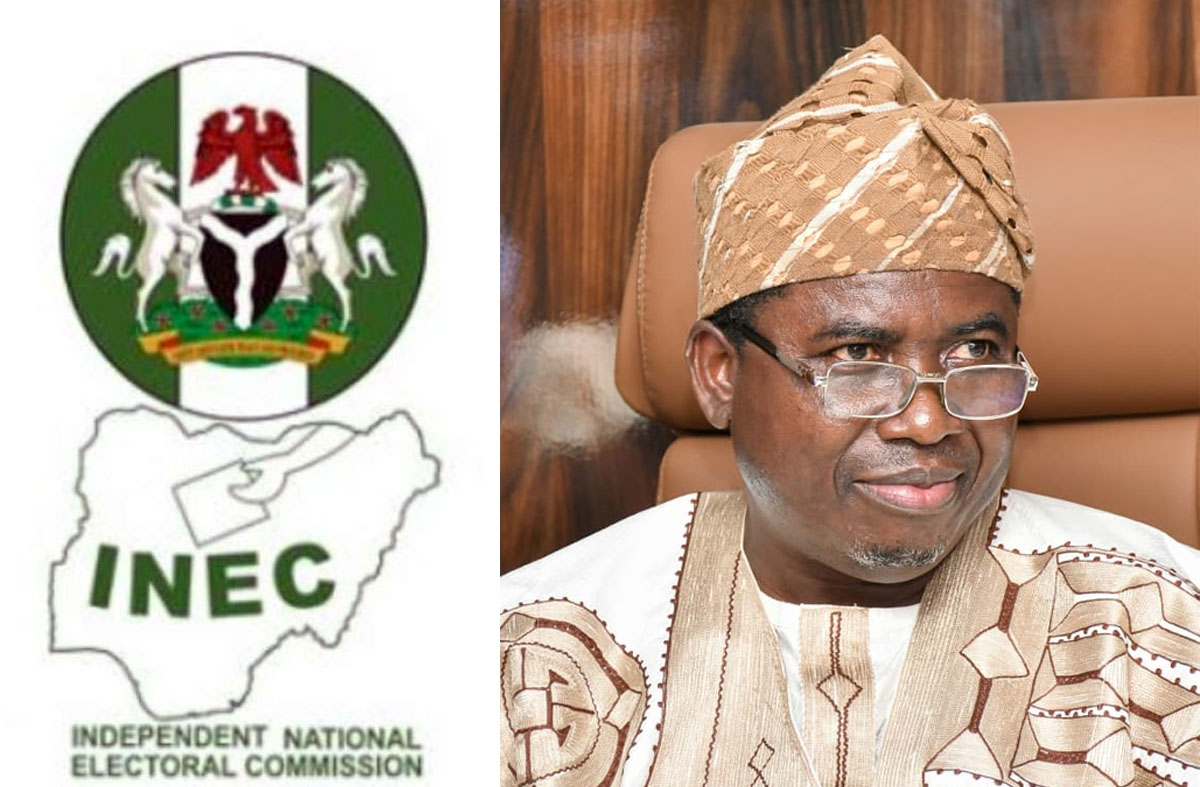
The Independent National Electoral Commission (INEC) has dismissed reports circulating on social media that its Chairman, Prof. Joash Amupitan, endorsed a partisan post on X (formerly Twitter), describing the claim as false, misleading, and malicious.
In a statement issued on Friday by the Chairman’s Chief Press Secretary, Adedayo Oketola, the Commission said the allegation is part of a coordinated disinformation campaign aimed at undermining the credibility and neutrality of Nigeria’s electoral umpire.
INEC stated that the viral claim suggesting that the Chairman previously endorsed political content on X is “entirely baseless and a fabrication designed to mislead the public.”
The Commission further clarified that Prof. Amupitan does not operate any personal account on X or any other social media platform and has never engaged in partisan political commentary in either private or official capacity.
“For the avoidance of doubt, the INEC Chairman does not own or operate any personal account on X. He has at no time engaged in partisan commentary or associated himself with any political activity,” the statement said.
READ ALSO:
- FG Introduces 2026 Fiscal Policy, Slashes Tariffs on Vehicles, Food Items, Steel, Others
- Kebbi Attack: Diocese Says 24 Killed, Churches, Mosque Burnt in Easter Raid
- FG Orders Immediate Withdrawal of Passports From Nigerians Who Renounced Citizenship
INEC warned that the alleged post was deliberately fabricated to impugn the integrity and neutrality of the electoral body, especially at a sensitive time when public trust in electoral institutions remains critical.
The Commission also raised concerns over the increasing use of fake social media accounts impersonating its leadership to spread false information and defraud unsuspecting Nigerians.
According to the statement, several impersonation accounts have already been identified and reported to security agencies for investigation and prosecution under the Cybercrimes (Prohibition, Prevention, etc.) Act.
“We are aware that cybercriminals have been using fake accounts in the Chairman’s name to defraud Nigerians. These accounts have been reported to security agencies for appropriate action,” the Commission said.
INEC emphasized that it is working closely with relevant security agencies to track down those responsible for identity theft and the dissemination of forged statements online.
It warned that perpetrators of such acts will face prosecution, stressing that misinformation targeting the electoral body undermines democratic stability.
The Commission urged the public to rely only on official and verified communication channels for accurate information, reiterating its commitment to transparency and credible elections.
INEC added that it remains focused on its constitutional mandate and will not be distracted by what it described as “baseless online propaganda.”
INEC Denies Viral X Claim Alleging Amupitan Endorsed Partisan Post
metro
FG Introduces 2026 Fiscal Policy, Slashes Tariffs on Vehicles, Food Items, Steel, Others
FG Introduces 2026 Fiscal Policy, Slashes Tariffs on Vehicles, Food Items, Steel, Others
The Federal Government has released its 2026 Fiscal Policy Measures (FPM), introducing sweeping changes to import duties across multiple sectors, including vehicles, food commodities, industrial materials, and machinery, in a move aimed at boosting economic activity and easing cost pressures.
According to an official circular dated April 1, 2026, and signed by the Minister of Finance and Coordinating Minister of the Economy, Wale Edun, the new framework replaces the 2023 fiscal policy regime and establishes a revised national tariff schedule covering 127 tariff lines.
The government said the policy is designed to stimulate trade, support industrial growth, and improve affordability of essential goods, while also encouraging investment in local production capacity.
Major Tariff Cuts Across Key Sectors
Under the new structure, import duties on fully built passenger vehicles, including SUVs and station wagons, have been reduced to a total effective rate of 40%, down from about 70% under previous regimes.
Crude palm oil now attracts an effective tariff of 28.75%, while several food and consumer items also saw reductions, including rice, sugar, and salt.
Key revised rates include:
- Rice (above 5kg packaging): 47.5%
- Broken rice: 30%
- Raw cane sugar: 55%–57.5%
- Refined salt: 55%
- Margarine: 40%
READ ALSO:
- Kebbi Attack: Diocese Says 24 Killed, Churches, Mosque Burnt in Easter Raid
- FG Orders Immediate Withdrawal of Passports From Nigerians Who Renounced Citizenship
- Tinubu Promises Stable Electricity as Bayelsa Unveils 60MW Power Project
The policy also reduces tariffs on construction and household goods such as envelopes, notebooks, ceramic tiles, and steel products, aimed at lowering input costs for manufacturers and developers.
Industrial and Infrastructure Materials
Significant reductions were also recorded in the industrial sector. Steel products such as zinc-coated sheets, steel coils, and rods now attract 35% duties, down from 45%, while certain machinery and equipment categories have been reduced to 0%–10% tariffs.
These include:
- Railway locomotives (SKD/CKD): 0%
- Cargo ships above 500 tonnes: 0%
- Agricultural machinery: 0%
- Medical and industrial equipment: 5%–10%
Officials say these changes are aimed at improving infrastructure development, manufacturing competitiveness, and healthcare access.
Transition Measures and New Tax Framework
To ease implementation, the government approved a 90-day grace period for importers who opened Form M before April 1, allowing them to clear goods at previous tariff rates.
However, authorities also announced that a new excise duty framework and green tax surcharge will take effect from July 1, 2026, as part of broader environmental and revenue reforms.
The green tax policy will target emissions-linked consumption patterns, although exemptions include:
- Electric vehicles
- Vehicles below 2000cc
- Mass transit buses
- Locally manufactured vehicles under specific tariff headings
Policy Objectives and Economic Impact
The Finance Ministry said the reforms are intended to balance revenue generation with economic relief, while aligning Nigeria’s trade policy with regional and global standards.
Analysts say the tariff cuts could help reduce import costs and ease inflationary pressure on consumers, but may also increase competitive pressure on local manufacturers who depend on protective tariffs.
The fiscal framework is part of broader reforms under the Tinubu administration to reposition Nigeria’s economy through tax restructuring, trade liberalisation, and industrial policy adjustments.
FG Introduces 2026 Fiscal Policy, Slashes Tariffs on Vehicles, Food Items, Steel, Others

-
 Africa2 days ago
ECOWAS Recruitment 2026: Over 30 Job Vacancies Open for Nigerians (How to Apply)
-

 metro3 days ago
2026 NYSC Batch A Stream II: Registration, Swearing-In Dates Announced
-

 Entertainment3 days ago
Saheed Osupa Defends Juju Use Amid Backlash From Islamic Clerics
-

 Health2 days ago
Sleeping Positions: How They Affect Your Health and Which Ones to Avoid
-

 Politics2 days ago
Court Stops ADC Congress, Orders Status Quo in Leadership Row
-
 metro2 days ago
Boko Haram Attack in Borno: Brigadier-General, Soldiers Killed as ISWAP Overruns Military Base
-
 metro2 days ago
US Evacuates Embassy Staff in Nigeria, Lists 23 States as ‘Do Not Travel’
-

 Education21 hours ago
Germany Opens Fully Funded Scholarships for Nigerians, Africans