
International
House Democrats Rebuke Trump, Demand Immediate Vote Over Iran ‘Civilisation’ Threat
House Democrats Rebuke Trump, Demand Immediate Vote Over Iran ‘Civilisation’ Threat
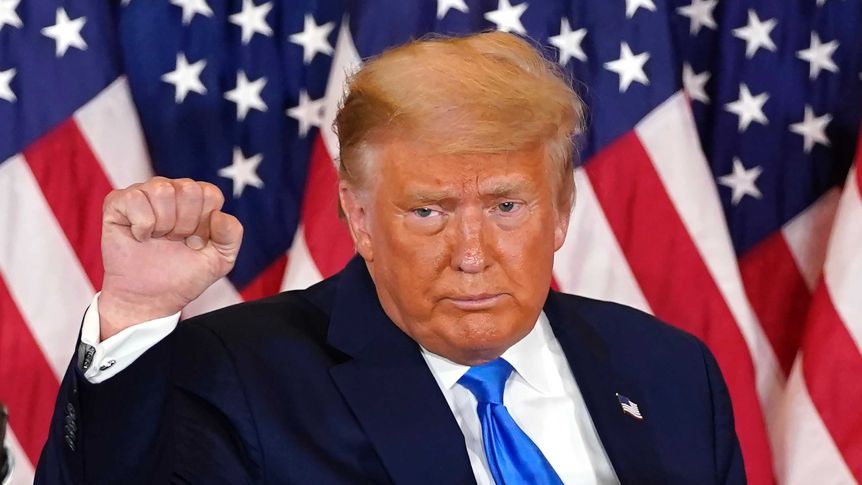
US House Democratic leaders have sharply rebuked President Donald Trump and called for Congress to return immediately from recess to vote against his escalating military actions in Iran. The intervention follows Trump’s extraordinary warning that “a whole civilisation will die tonight” if Tehran did not comply with his Tuesday 8 p.m. deadline to reopen the Strait of Hormuz, a strategic waterway crucial to global oil shipments.
In a strongly worded statement, senior Democrats, including House Democratic Leader Hakeem Jeffries, Whip Katherine Clark, Caucus Chair Pete Aguilar, Vice Chair Ted Lieu, Assistant Democratic Leader Joe Neguse, and DCCC Chair Suzan DelBene, described the president’s threat as “completely unhinged” and deeply dangerous, warning that it could plunge the United States into a broader conflict akin to World War III.
READ ALSO:
- Oil prices tumble after US–Iran deal, Nigeria’s fuel cost remains high
- Bill Gates to Testify Before US House Panel in High‑Profile Jeffrey Epstein Probe
- Trump Announces Two‑Week Ceasefire With Iran, Pauses Planned Bombing
“The House must come back into session immediately and vote to end this reckless war of choice in the Middle East before Donald Trump plunges our country into disaster,” the Democrats said. They also criticised Republicans for enabling Trump’s “extreme behaviour” for years and called on them to set aside party loyalty and join Democrats in halting further escalation.
The Democrats highlighted the human and economic costs of the ongoing Iran conflict, noting the deaths of over 10 U.S. service members and the sharp rise in fuel prices. They argued that unchecked military action threatens both national security and global stability.
Early Tuesday, U.S. forces carried out airstrikes on Kharg Island, Iran’s major oil export hub, in an effort to weaken the country’s energy infrastructure. Trump intensified his rhetoric following these operations, threatening catastrophic consequences if Iran refused to reopen the Strait of Hormuz.
While Trump later agreed to a two-week suspension of attacks on Iran contingent on compliance, Democrats remain alarmed and insist that only a formal congressional vote can prevent further escalation and ensure adherence to the U.S. Constitution’s war powers framework. Some lawmakers have even suggested invoking the 25th Amendment if the president’s actions are deemed a severe threat to national safety.
The situation underscores deep partisan divisions in Washington over U.S. involvement in the Middle East and the balance of powers between the executive branch and Congress. Democrats are pushing for immediate action to reaffirm congressional authority and prevent further reckless military escalation.
House Democrats Rebuke Trump, Demand Immediate Vote Over Iran ‘Civilisation’ Threat










International
Bill Gates to Testify Before US House Panel in High‑Profile Jeffrey Epstein Probe

Bill Gates to Testify Before US House Panel in High‑Profile Jeffrey Epstein Probe
Microsoft co‑founder Bill Gates is set to appear before a U.S. House of Representatives committee on June 10, 2026, to provide a transcribed testimony as part of a congressional investigation into the late convicted sex offender Jeffrey Epstein and his associate Ghislaine Maxwell. Gates joins a list of high-profile figures whose names have surfaced in Justice Department documents revealing Epstein’s extensive network and connections with prominent global leaders and business magnates.
The House Oversight Committee has been examining records, emails, and photographs from Epstein’s estate to understand the extent of his relationships with influential individuals. Gates will testify in a closed-door session, similar to the interviews given by former President Bill Clinton and former Secretary of State Hillary Clinton.
READ ALSO:
- Trump Announces Two‑Week Ceasefire With Iran, Pauses Planned Bombing
- Arsenal Edge Sporting in Lisbon with Last-Minute Havertz Strike
- Harry Kane Stars as Bayern Munich Edge Real Madrid 2-1 in UCL Quarterfinal
A spokesperson for Gates said he “welcomes the opportunity to appear before the Committee” and reaffirmed that Gates never witnessed or participated in any of Epstein’s illegal activities. The spokesperson emphasized that Gates intends to fully cooperate and answer all questions to support the committee’s investigation.
Gates has previously described his association with Epstein as a “huge mistake.” He acknowledged meeting Epstein between 2011 and 2014, a period after Epstein had pleaded guilty in 2008 for soliciting a minor for prostitution. Gates clarified that his interactions were aimed at exploring potential philanthropic collaborations and that he ended the relationship once it became clear Epstein’s promises would not materialize.
Justice Department documents include unverified claims referencing Gates, including personal matters and alleged interactions, which he has denied. Gates has also publicly addressed past personal indiscretions, admitting to extramarital affairs but insisting he had no involvement with Epstein’s criminal activities.
The congressional inquiry aims to uncover how Epstein cultivated relationships with elites, whether law enforcement failed to intervene effectively, and the extent to which his network may have influenced others. Gates’s testimony is expected to provide clarity on his interactions with Epstein and his awareness of the financier’s activities.
This testimony marks a significant moment in the ongoing high-profile Epstein investigation, which continues to draw global attention due to its implications for powerful figures in politics, business, and philanthropy.
Bill Gates to Testify Before US House Panel in High‑Profile Jeffrey Epstein Probe
International
Trump Announces Two‑Week Ceasefire With Iran, Pauses Planned Bombing

Trump Announces Two‑Week Ceasefire With Iran, Pauses Planned Bombing
In a significant diplomatic development, US President Donald Trump has agreed to suspend planned bombing and military strikes against Iran for two weeks, marking a temporary halt in escalating hostilities between Washington and Tehran. The pause — described by the White House as a temporary ceasefire window — was announced on April 7, 2026, just hours before a self‑imposed deadline for possible military action.
The decision comes amid intense diplomatic engagement, including discussions with allied nations and regional partners, and reflects a push by both sides to de‑escalate tensions that have pushed global markets and geopolitical risk indicators sharply higher.
Under the agreement, the United States will halt airstrikes and bombing plans against Iran for 14 days, giving space for renewed negotiations and diplomatic efforts aimed at resolving the conflict peacefully. Iran’s Supreme National Security Council has also accepted the two‑week suspension, signalling a willingness to pause hostilities and potentially engage in negotiations during this period.
READ ALSO:
- BREAKING: Dangote Refinery Raises Petrol Price across Nigeria
- Nigerians to Receive Airtime Credits as NCC Enforces Service Quality Standards
- NNPC Doubles Crude Supply to Dangote Refinery, But Petrol Prices May Stay High
A key condition tied to the ceasefire is the reopening of the Strait of Hormuz, a strategic global oil chokepoint through which a large share of the world’s crude exports pass. Trump indicated that Iran’s agreement to resume safe passage of commercial traffic through the strait was a major factor in his decision to defer military action.
Trump described the ceasefire as a “mutual pause” and said that both sides now have a window to build on peace overtures and explore a wider diplomatic framework. Officials noted that Iran had submitted a 10‑point peace proposal as part of ongoing efforts to find a negotiated settlement.
The temporary suspension has already influenced global markets. Oil prices fell sharply on expectations of reduced disruptions in the Middle East, and stock futures rallied as investors reacted to the news of a possible de‑escalation. Analysts say the move could ease immediate supply concerns if the ceasefire holds.
The broader conflict had intensified in recent months after U.S.‑led forces launched strikes against Iranian military infrastructure and leadership targets. These actions prompted retaliatory missile barrages and heightened the risk of a larger regional war involving multiple state and non‑state actors.
While this two‑week suspension of bombing and attacks offers a pause in direct military confrontation, experts caution that the underlying strategic disputes remain unresolved. The success of the ceasefire window will depend on whether both sides can convert this breathing space into substantive diplomatic progress and avoid a return to hostilities when the period ends.
Trump Announces Two‑Week Ceasefire With Iran, Pauses Planned Bombing
International
Iran Suspends Direct Diplomatic Contact with US
Iran Suspends Direct Diplomatic Contact with US
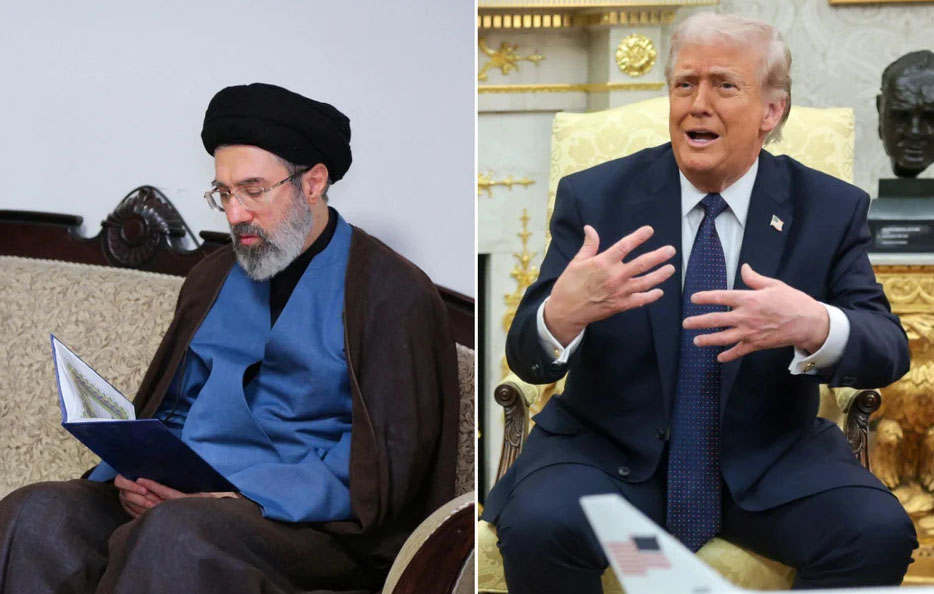
Iran has suspended direct diplomatic communication with the United States following heightened tensions triggered by recent threats from U.S. President Donald Trump.
The decision marks a significant escalation in the already fragile relationship between Iran and the United States, as both sides continue to exchange strong rhetoric over ongoing conflicts in the Middle East.
According to sources familiar with the development, Tehran’s move is aimed at protesting what it described as hostile and provocative statements attributed to Trump, including warnings of possible large-scale military action.
Despite the suspension of direct contact, indirect diplomatic engagement has not been completely halted. Communication between the two countries is expected to continue through intermediaries, including regional actors and international partners, as efforts to de-escalate tensions persist behind the scenes.
Analysts say the move underscores Iran’s dissatisfaction with the current tone of engagement while leaving the door open for negotiations through alternative channels.
The development comes at a critical moment as diplomatic efforts intensify to prevent further escalation across multiple theatres in the Middle East, where ongoing conflicts have heightened global concerns over regional stability.
Observers warn that while indirect communication may help prevent a complete breakdown in diplomacy, the suspension of direct talks could slow progress toward any immediate resolution.
Iran Suspends Direct Diplomatic Contact with US

-

 metro20 hours ago
FG Deports US Missionary Alex Barbir Over Alleged Role in Nigeria Insecurity
-

 Entertainment18 hours ago
Veteran Nollywood Actor Davis Ofor ‘Clarus’ of New Masquerade Dies at 85
-

 metro2 days ago
MURIC Backs Egba Imams’ Call for Inclusive Leadership in Ogun 2027 Governorship Race
-

 metro23 hours ago
Lagos Announces Partial Road Closures for Project Commissioning
-

 International3 days ago
Netanyahu Condemns ‘Christian Persecution’ in Nigeria in Easter Message
-

 metro3 days ago
Hajiya Hadiza Attahiru Jega, Wife of Former INEC Chairman, Dies in Abuja
-

 Politics2 days ago
2027: Atiku Signs $1.2m US Lobbying Deal to Engage Trump
-
 News22 hours ago
Iran Lists Tough Conditions for Peace Talks with US