

metro
How Chief Imam’s selection divides community in Osun

How Chief Imam’s selection divides community in Osun
The unrest within the Muslim community in Inisa, Osun State, which started in the year 2020 caused by the struggle to fill the vacant position of the Chief Imam for the town’s central mosque recently became public knowledge when a video about it was posted on social media.
Until the video recorded inside the mosque was shared on the Facebook page of Sheik Hamad Labeeb, an Islamic cleric from Ilorin, Kwara State, most people outside the community did not appreciate the enormity of the crisis ravaging the town over the vacant stool of the chief imam.
In the viral video, Labeeb and members of his team were seen lamenting the shutdown of the mosque because two groups were fighting to occupy the stool of the chief imam and demanded immediate reopening of the building for prayers.
Checks indicate that in the crisis which is already subject to litigation before an Osun State High Court in Osogbo are two groups backing individuals put forward to fill the post of chief imam following the death of the last three occupants of the position in the space of four months.
One of the groups believes that beyond succession arrangement, to occupy the position of chief imam, sound knowledge of Islam should be the main qualification. As a result, clerics in the group queued behind an Osogbo-based scholar and indigene of Inisa, Alhaji Ibrahim Oladejo.
This group was pushing for restructuring of the old order as part of measures to put Islam in the town in line with global best practices as embraced in other parts of the world.
But the second group was opposed to that idea. Those in the group were of the view that a cleric based in the town, Sheikh Muhammadu Jamiu Abdulhakeem, said to be next in line to the last occupier of the position, should be made imam in strict adherence to convention.
Imams, peacemaker’s death
The death of Imam Surakat Asiyanbi sometime in August 2022 after years of being indisposed laid the foundation for the crisis. Asiyanbi, an octogenarian, was said to have stopped attending Jumaat service for years on account of ill health.
READ ALSO:
- Goalkeeping crisis: Osayi, Obasogie deserve Super Eagles’ call-up – Kano Pillars coach
- Bandits’ attack foiled as Northern gov joins military operation to rescue abducted civilian
- Include private varsity’s students in student’s Loan Scheme – Dogara tells Tinubu
Upon his demise, his deputy, Sheikh Mohammadu Qozeem Adediji, who acted for over a decade when Asiyanbi was indisposed, was elevated to the position of chief imam. Sources close to the circle of League of Imams and Alfas in the town said both Asiyanbi and Adediji were around the same age.
Suspicion, however, crept in following alleged haste in the appointment of Adediji. He was said to have been elevated to the post of imam a day after the burial of his predecessor and to the chagrin of a section in the league.
Fifteen days after the death of his predecessor, it was gathered that Adediji also died after failing to recover from an undisclosed sickness.
Before he died, he was said to have led Jumaat prayer just once as an imam in the mosque.
But before the only Jumaat prayer led by Adediji, some yet-to-be-identified people allegedly wrote on the wall of the mosque an inscription in Yoruba language translated as, ‘Pray in this mosque and die’.
The death of Adediji thus brought into the open the growing discontent in the rank of members of the League of Imams and Alfas in the town and heightened the suspicion among members of the group, with some blaming the death on spiritual attacks.
After Adediji’s interment, the next person to him, Sheikh Mustapha Baruwa, who was also said to be indisposed, did not even lead any Jumaat prayer. In his absence, the then-number four in rank, Sheikh Abdulhakeem, led prayers.
But while Baruwa was indisposed, it was gathered that the league resolved and chose Oladejo, a scholar from the town, who is resident in Osogbo, as the deputy imam.
The crisis over the stool festered when after the death of Baruwa, the chosen deputy who had yet to officially assume the position, was prevented by some clerics from becoming the imam. Those opposed to his choice argued that Abdulhakeem, who is next in the succession line and had acted as imam, should be elevated to the position instead of bringing a new person.
READ ALSO:
- Osun Rep unveils N100m varsity scholarship
- 21-year-old university’s student commits su!cide in Nasarawa
- Many abducted as terrorists invade Kaduna community over failure to pay levies
A cleric based in town, simply identified as Alfa Saeed, who claimed not to be supporting either of the groups in the crisis, in an interview with Sunday PUNCH, while tracing the genesis of the crisis, said, “In August 2020, the Chief Imam of Inisa, Sheik Surakat Asiyanbi, died. He died on a Thursday and we buried him on Friday.
“On Saturday, some people called a meeting in the central mosque. Some of those invited initially thought the meeting was about arrangements for the final outing for Asiyanbi. But at the meeting, the convener said another chief imam had emerged. They picked the person who would succeed the late imam and he was the deputy imam.
“Some people asked them how they went about the decision in such haste and without carrying others who should know about such an important issue along.
“Meanwhile, the person they picked as the next imam, Sheikh Mohammadu Qozeem Adediji, had already been performing as the acting imam because his predecessor was indisposed for about 11 years and couldn’t lead the congregation in Jumaat prayers.
“After the initial disagreement had been resolved, those behind the decision to quickly fill the vacant post turbaned Adediji as imam without inviting some clerics to partake in the ceremony. It was done quietly. Many people didn’t know about it until the eight-day Fidau prayer for the late Imam Asiyanbi.
“At that point, factions started emerging from the League of Imams and Alfas in the town. To add fuel to the brewing crisis, Adediji died 15 days after his predecessor’s demise. He became ill and failed to recover. Both Imam Asiyanbi and Adediji were in their 80s when they died.
“Adediji led Jumaat service just once before he died. People read different meanings to his death because some unknown people went inside the Inisa Central Mosque and wrote in Yoruba, ‘Kirun ko ku’, which means, ‘Pray in this mosque and die’.“
READ ALSO:
- Liverpool move top of Premier League
- Reps to monitor probe of military drone attack
- BREAKING: Northern lawyers to sue FG over Kaduna bombing
Saeed added, “Before the only Jumaat service he led as imam, security had to be provided because of the fear that those who wrote the threat message inside the mosque had created. After the death of Adediji, the next person in line, Sheikh Mustapha Baruwa, also in his 80s, was to fill the position. But he also died without leading a single Jumaat prayer.
“Before the death of Baruwa, those clerics had already picked Alhaji Ibrahim Oladejo, an indigene of the town who is a scholar and resides in Osogbo, as deputy imam. In Baruwa’s absence, the next in the succession line, Abdulhakeem, led the congregation in Jumaat since the man picked as the deputy imam, Oladejo, had not officially assumed the position,
“After the death of the third chief imam (Baruwa), some people expected Oladejo to be elevated to the office of and lead the congregation but some people in the town, including the Olunisa of Inisa, Oba Joseph Fasikun, felt that Abdulhakeem should continue leading the mosque as the imam notwithstanding the appointment of Oladejo.
“At that point, two factions had emerged. While some people supported Abdulhakeem to continue in office in line with the succession practice, others who desired to restructure the old order thought that Oladejo, with his knowledge and exposure, possessed a better pedigree to fill the office of imam.”
Peacemaker also dies
The death of another prominent indigene of the town that was blamed on the tussle over the post of chief imam was that of the Eesa of Inisa, Chief Enoch Ajiboso.
Ajiboso, sometime in December 2020, joined Olunisa, Oba Joseph Oyedele, in his palace alongside other chiefs to resolve the crisis. But while speaking, Ajiboso reportedly slumped and was rushed out.
He was eventually pronounced dead by doctors at the hospital.
Parties in court, mosque shut
Sequel to the move by backers of Abdulhakeem to stop the deputy imam from assuming the office of imam, those in support of Oladejo approached an Osun State High Court sitting in Osogbo to seek redress.
While the case was going on, the crisis took a violent dimension following an attack on Sheikh Abdulhakeem during a Jumaat prayer, which forced the administration of the immediate past governor of the state, Adegboyega Oyetola, to shut the mosque. Although the mosque was reopened, parties to the crisis refused to embrace the peace and stuck to their different positions.
READ ALSO:
- Tinubu commiserates Saudi Royal family over death of Prince
- I won’t tolerate insults on my father, Tinubu – Yul Edochie
- Woman languishes in hospital months after landlady bathes her with peppery hot water
Since then, the crisis has defied all solutions as the mosque has been abandoned by all parties, who are waiting for the court to give judgment on the matter.
Stating his own side of the story, Oba Oyedele said he was not involved in the crisis, adding that he gave an assignment regarding the resolution of the disagreement to the leadership of the League of Imams and Alfas in the town.
The monarch, who responded to the allegations against him while receiving a team led by Imam Abdullahi Oyewale Olohun-lo-merue of the Council for Islamic Preachers in Yorubaland during the meeting held in his palace, which also had in attendance representatives of Osun League of Imams and Alfas, Concerned Yoruba Muslim Scholars of Nigeria, and the visiting Sheikh Hamad Labeeb, explained in a video obtained by our correspondent that an imam appointed by the congregation was presented to him and he accepted him.
He also denied shutting down the mosque, noting that it was closed due to a case instituted on the leadership tussle.
Oba Oyedele also said inquiries were made by security agents and different groups, noting that a minority group that took the matter to court should be held responsible for the closure of the mosque.
He said, “Regarding the court case, a minority group instituted the case. They are the ones using the court. When the crises started, I deliberately did not get involved. I told the League of Imams and Alfas to take over the matter. I am happy they did well.
“They investigated and did what they were supposed to do. About three to four different inquiries were carried out, but this minority group knew that when the reports of the investigations were released, it would not be in their favour and they resorted to litigation. The first matter was filed.
“The Commissioner of Police in Osogbo and the League of Imams conducted different investigations into the crisis. The League of Imams in Osun North East also did its inquiry and all reports of the investigations did not go down well with the minority group. A professor from OAU, who is the chief imam, also did his inquiry and the report was about being released when the minority group instituted the second case.
“They stopped the first case and instituted another one. What that group saw and didn’t like is that the imam that was installed and presented to me by Ratibi was accepted by many people. If I had been informed earlier, I would have advised you to allow the two groups to observe prayers in different mosques while you monitor to see who has more followers.
“The imam, whom we installed, is leading prayers till now. Everything that has to do with Islam, he is the one representing the community. He has many people worshipping in his mosque. Those opposed to him are just after the closure of the central mosque. If you know what to do to bring the two groups together and resolve the crisis, I wish you success. I didn’t shut the mosque.”
Speaking on the interventions by the various groups to return peace to the Muslim community in Inisa, the Publicity Secretary of Concerned Yoruba Muslim Scholars of Nigeria, AbdulGanniy Ezrea, harped on the need for the parties to embrace peace.
Ezrea, who said Jummat prayers would be held at the central mosque henceforth, called for the cooperation of all stakeholders to end the imbroglio.
How Chief Imam’s selection divides community in Osun
(PUNCH)









metro
Atiku: US Lobbying Firm Raises Alarm Over Alleged Assassination Plot
Atiku: US Lobbying Firm Raises Alarm Over Alleged Assassination Plot
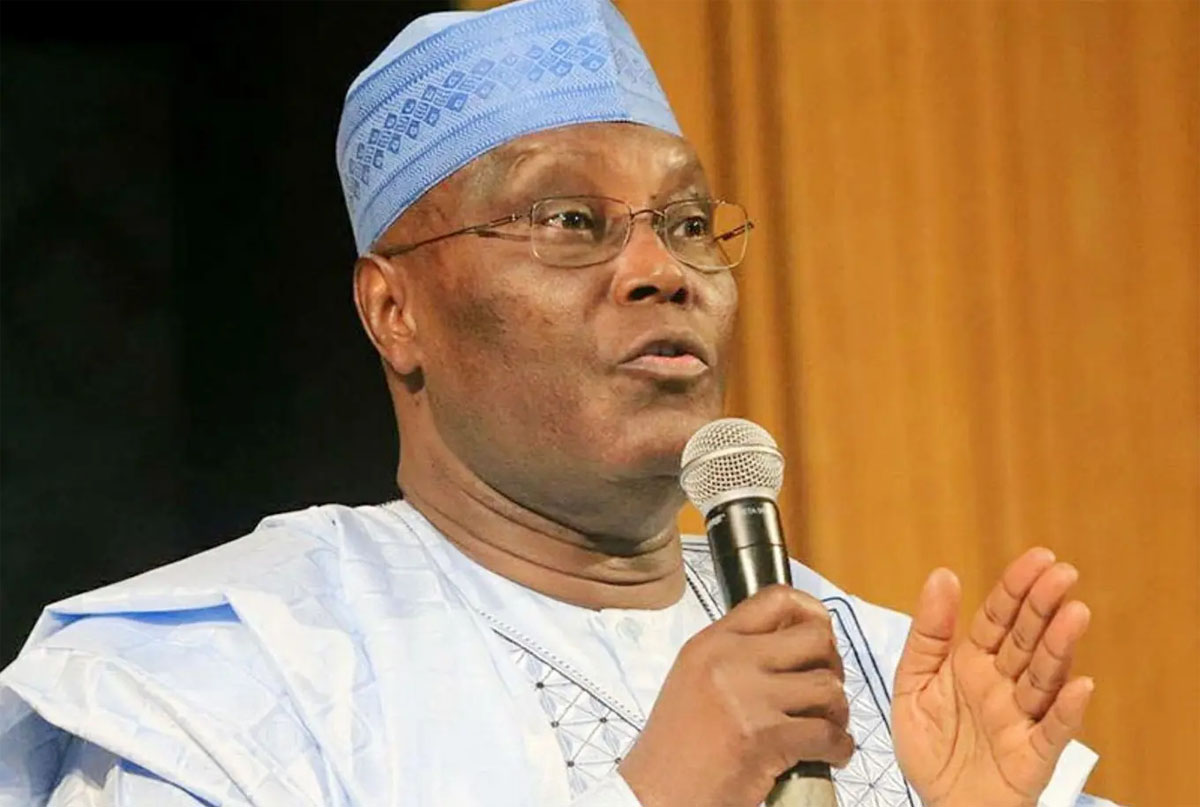
A United States-based lobbying and policy advisory firm, Von Batten-Montague-York, L.C., has reportedly expressed concern over allegations of a possible threat to the life of former Vice-President Atiku Abubakar, according to reports attributed to the firm.
The allegation, which has emerged amid growing political activity ahead of the 2027 general elections, was reportedly raised by Timi Frank, a former Deputy National Publicity Secretary of the All Progressives Congress (APC), who has called on US President Donald Trump and other international leaders to pay attention to concerns over Atiku’s safety.
Frank has alleged that the former vice-president could face threats to his life and political freedom. However, the claim remains an allegation and has not been independently substantiated by publicly available evidence.
According to the reports, Von Batten-Montague-York, a lobbying firm reportedly engaged by Atiku for government affairs and strategic advisory services in the United States, intends to bring the concerns to the attention of US officials, including members of Congress and the Trump administration.
The reported move does not, in itself, establish that an assassination plot exists or that US authorities have confirmed the allegations. No independently verified evidence presented in the reports establishes that President Bola Tinubu or his administration is involved in any plan to harm Atiku.
The APC Presidential Campaign Council has rejected the allegation, insisting that Tinubu and the council have no involvement in any plot to assassinate Atiku or any other opposition figure.
The council’s spokesperson, Dele Alake, reportedly challenged Frank to provide evidence to support his claims, maintaining that such a serious allegation should not be treated as established fact without credible proof.
The council also called for any information concerning a genuine threat to be brought before the appropriate security agencies for investigation. It reportedly disputed claims that security personnel attached to Atiku had been withdrawn and maintained that the former vice-president remained under the protection of the relevant authorities.
According to statements attributed to the council, Tinubu had directed security agencies to strengthen protection for political candidates ahead of the 2027 elections. These assurances, however, do not independently resolve the specific allegations raised by Frank.
Frank’s appeal has renewed debate over the security of opposition politicians as preparations for the next general election gather momentum. He has urged international leaders and institutions to engage with the Nigerian government and seek assurances regarding the safety of opposition figures.
The lobbying firm’s reported intention to raise the matter with US officials has also drawn attention to the possibility of international scrutiny of concerns about political security in Nigeria. However, there is no independently confirmed information establishing that US authorities have opened a formal investigation into the alleged plot.
The claims and counterclaims have yet to establish that an assassination plot exists or identify any verified perpetrators. Any credible evidence of a threat to Atiku’s life would need to be assessed by the appropriate security agencies, while allegations of responsibility should be supported by verifiable evidence.
Atiku, a former vice-president and prominent opposition politician, remains a significant figure in Nigeria’s political landscape ahead of the 2027 elections. The controversy highlights the need for transparent investigation of credible security threats and careful distinction between allegations, official responses and independently established facts.
Atiku: US Lobbying Firm Raises Alarm Over Alleged Assassination Plot
metro
‘We Don’t Know What Else to Do’ — Mother Begs for Release of Abducted Children

‘We Don’t Know What Else to Do’ — Mother Begs for Release of Abducted Children
A distraught mother in Kaduna State, Dominic Tina, has appealed to Nigerians and security agencies to help secure the release of her two children, who were reportedly abducted in Rimi Kamazou about seven weeks ago.
Tina made the emotional appeal in a social media post, saying her family desperately needed assistance to secure the children’s safe return.
According to a report published by Linda Ikeji’s Blog on October 19, 2026, the mother shared photographs of her children, including an image she said was sent to the family by their abductors.
The photograph reportedly raised fresh concerns about the children’s situation as their family continued to seek help to bring them home.
In her appeal, Tina expressed frustration over the prolonged ordeal, saying her family no longer knew what else to do.
She wrote: “My family don’t know what to do again, please help me reshare. We desperately need assistance.”
The children’s abduction has left their mother and other family members in distress, with the appeal aimed at attracting public attention and possible assistance from relevant authorities.
However, details surrounding the abduction, including the identities of the suspected kidnappers, their possible demands and the latest condition of the children, could not be independently verified from the information available.
It was also unclear whether security agencies had made any breakthrough in efforts to secure the children’s release.
The case underscores the anguish experienced by families whose loved ones remain in captivity for extended periods and the urgent need for coordinated efforts to locate abducted persons.
Tina’s appeal has called attention to her family’s desperate search for a resolution, as hopes remain that the children will be reunited with their loved ones.
The relevant security authorities are urged to investigate the reported abduction and take appropriate steps to facilitate the children’s safe return.
EDITORIAL NOTE: Newstrends.ng could not independently verify the latest status of the case before publication. Further confirmation should be sought from the family or the Kaduna State Police Command.
‘We Don’t Know What Else to Do’ — Mother Begs for Release of Abducted Children
metro
‘I Never Asked Them to Abandon Loved Ones’ — Obi Clarifies Diaspora Remarks
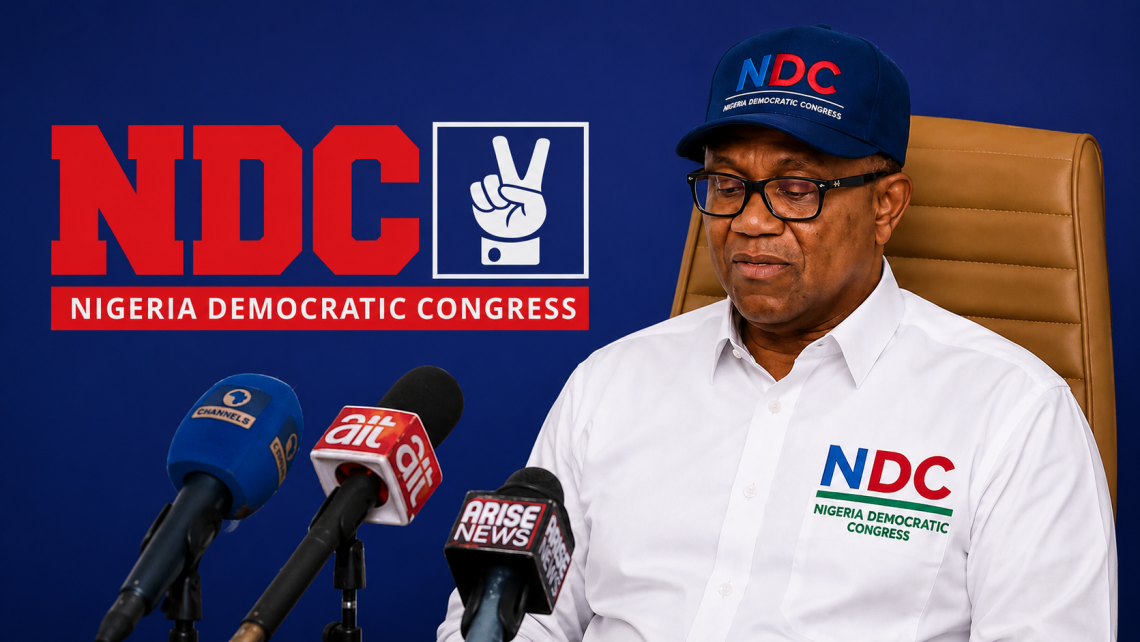
ABUJA — The presidential candidate of the Nigeria Democratic Congress (NDC), Peter Obi, has denied asking Nigerians living abroad to abandon their relatives at home, insisting that his comments about financial assistance were misrepresented by political opponents.
Obi issued the clarification on Tuesday in a statement titled “My Message Has Been Twisted”, posted on his X account following widespread reactions to his remarks at a town hall meeting with Nigerians in Manchester, United Kingdom.
The former Anambra State governor said he appreciated Nigerians in the diaspora who worked hard and made sacrifices to support their families in Nigeria, stressing that their contributions remained essential to millions of households.
“I deeply appreciate Nigerians in the diaspora who work tirelessly and make enormous sacrifices to support their families back home,” Obi said.
He noted that money sent home by Nigerians abroad helped relatives pay school fees, hospital bills, rent and feeding expenses, adding that their sacrifices deserved recognition and respect.
“Their patriotism and sacrifices deserve our profound respect. I never asked them to abandon their loved ones,” he stated.
Obi explained that his concern was the economic situation forcing millions of Nigerians to depend on relatives abroad to meet their basic needs, rather than having access to decent jobs and essential services at home.
READ ALSO:
- FG Confirms Ebola Case in Abuja, Identifies 44 Contacts
- Breaking: Afenifere Leader Pa Fasoranti Dies at 100
- Army Major, Soldiers Killed in ISWAP Ambush in Yobe State
- Chaos in Abeokuta as Algerian Fans Attack Coach, Vandalise Stadium After Rangers Defeat
“My concern is that Nigeria should not remain a country where millions depend on relatives abroad for basic survival,” he said.
According to the NDC candidate, Nigeria needs a system that provides employment opportunities, affordable healthcare, quality education and the conditions necessary for citizens to support themselves and their families.
“Our goal must be to build a nation that provides jobs, affordable healthcare, quality education, and economic opportunities for its citizens,” he added.
Obi accused unnamed political opponents of distorting his message, maintaining that his argument was directed at the underlying causes of poverty and economic hardship rather than the willingness of Nigerians abroad to help their relatives.
“Political opponents may twist my message, but the truth remains clear: I am not asking Nigerians abroad to abandon their families. I am advocating for a Nigeria that will no longer abandon its own people,” he said.
The clarification followed controversy over comments Obi made during a town hall meeting with diaspora supporters in Manchester on Sunday.
In a video of the engagement that circulated widely on social media, Obi urged Nigerians living in the United Kingdom to reject requests for money from people at home and encourage them to support leaders capable of improving the country’s economic conditions.
“You have people at home in Nigeria today who are begging you for money. Tell them no!” he said.
Obi argued that financial assistance from relatives abroad could provide immediate relief but would not resolve the wider economic problems forcing many Nigerians to seek help.
He linked the situation to concerns about governance, corruption and economic hardship, urging Nigerians in the diaspora to use their influence to encourage greater political accountability at home.
The remarks generated mixed reactions, with some interpreting them as a call to stop sending money to struggling relatives, while others viewed them as an appeal to address the structural causes of poverty.
Obi’s latest statement seeks to clarify that distinction, emphasising that he values diaspora remittances but wants Nigeria to become a country where families can meet their basic needs without depending on financial assistance from abroad.
The controversy comes as political parties and prospective candidates intensify engagement with Nigerians at home and in the diaspora ahead of the 2027 general election.
‘I Never Asked Them to Abandon Loved Ones’ — Obi Clarifies Diaspora Remarks
-
 News2 days ago
FG Challenges World Bank’s 124% Debt-to-Revenue Warning, Cites Rising Income
-

 metro2 days ago
NAFDAC Probes Corps Member’s Death at Enugu Camp as Fake Drug Claims Emerge
-

 Politics2 days ago
Buhari Feared Tinubu Presidency, Resisted Pressure to Back Him – Baba-Ahmed Claims
-
 metro3 days ago
SERAP Sues INEC Over ₦126bn Electoral Funds, Demands Full Accountability
-

 Entertainment2 days ago
Nollywood Mourns as Actress, Beauty Queen Tenia Abraham Dies at 32
-
 metro3 days ago
Okonjo-Iweala: My Mother Was Kidnapped After I Uncovered $2.4bn Subsidy Fraud
-

 metro14 hours ago
Army Major, Soldiers Killed in ISWAP Ambush in Yobe State
-
 metro2 days ago
Ogun House Fire Horror: Husband Arrested After Wife Dies Following Domestic Dispute